
Shy. Just orbiting around.
Joined July 2020
- Tweets 8,035
- Following 270
- Followers 79
- Likes 11,092
175 Photos and videos














Sun Black retweeted

18 Dec 2025
Hmmmmm....
Been saying this for awhile 🧐
18 Dec 2025

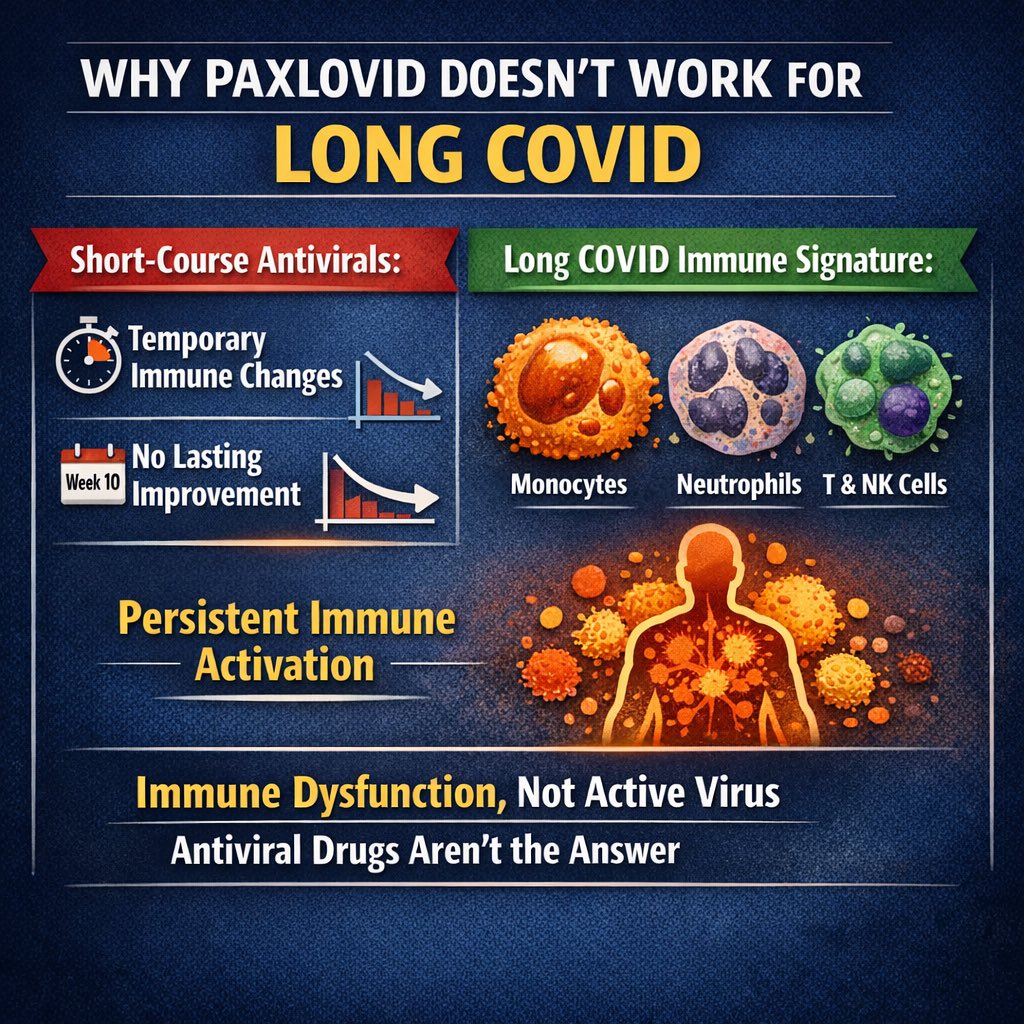
🔥 New trial sheds light on why antivirals like #Paxlovid fail to improve #LongCOVID, despite theories of viral persistence.
➡️ In 152 Long COVID patients, nirmatrelvir/ritonavir caused only transient immune changes (monocytes, complement, lysosomes) that normalized by week 10—with no sustained clinical benefit.
➡️ Importantly, researchers found no consistent evidence of:
• Widespread autoantibodies
• EBV reactivation
• Microclot abnormalities
compared with controls—challenging several popular hypotheses. 1/
1
1
12
759

Realtime code, handmade ascii animations and raw tracker music. The demo ’CMOS Cosmos’ by Razor 1911 in 2025 #demoscene #ascii #msdos
95
549
3,266
127,605

26 Oct 2025
RT @bender8422: „Wenn Covid so schlimm wäre, würden sich dann die Ärzte nicht darum kümmern?“
Es dauert durchschnittlich ≈17 Jahre, bis ba…
69

AIDS stands for Acquired Immunodeficiency Syndrome and is a result of HIV (human immunodeficiency virus)
Similarly to HIV, covid infections destroy T-cells and cause immunodeficiency
Covid is its own version of airborne AIDS
...but y'all aren't ready for that conversation
67
669
2,859
74,958
Sun Black retweeted

25 Sep 2025
The older I get, the more I realize the little things aren't little at all. A slow morning. A walk that clears your head. A laugh with your loved ones. A song that moves you. A quiet evening. A silent moment of appreciation. The little things are the big things in the end.
150
369
2,747
97,678
Sun Black retweeted
24 Sep 2025
The older I get, the more I realize you don't plan your future. You plan your actions today, and those actions create your future.
229
944
7,204
175,983
Sun Black retweeted
14 Sep 2025
Underrated life skill: Knowing when to stop. Stop arguing with people who don’t listen. Stop chasing people who run away. Stop forcing relationships that drain you. Stop grinding on things that don’t matter. Stop saying yes when you mean no. Stopping isn’t weakness, it’s wisdom.
170
797
5,443
171,917


Sun Black retweeted

29 Aug 2025
Homöopathie ist das vielleicht deutscheste Konzept der Welt, erwiesenermaßen wirkungslos, wissenschaftsfeindlich, absurd teuer, seltsame Nazi-Verbindungen, bringt Kinder in Gefahr und Fans davon sind die nervigsten Freaks aller Zeiten, 10/10 Deutschland-Punkte
159
331
4,097
133,360
27 Aug 2025
RT @moderna_tx: Today we announced that the U.S. FDA has approved the supplemental Biologics License Applications for the 2025-2026 formula…
24
26 Aug 2025
RT @CovidCaution: People will tell you about how COVID nearly killed them, sickest they’ve ever been, hospitalized, permanent symptoms, the…
202
Sun Black retweeted
25 Aug 2025
The clearest sign that you’re working on the right thing: It gets you out of your own head. You stop overthinking. No stress about the past. No anxiety about the future. Just energy in the present. Flow. Lean into the things that get you out of your own head.
175
400
4,069
139,638
Sun Black retweeted

23 Aug 2025
What people think cows do:
- Use tons of water
- Fart methane nonstop
- Steal food from humans
- Cause climate change
- Provide steaks
- Live in constant misery
What cows actually do:
- Use almost nothing but rainwater
- Cycle methane back into healthy soils
- Turn grass we can’t eat into steak and milk
- Restore land and prevent desertification
- Provide 100 byproducts (insulin, leather, fertiliser)
- Spend most of their lives grazing and chilling in fields

14
157
582
10,609
Sun Black retweeted

23 Aug 2025
Deutsche Arbeitnehmer müssen endlich mal checken: es ist NICHT eure Aufgabe, euch im Krankheitsfall nen Kopf zu machen, wer euch vertritt oder eure Projekte übernimmt. Dafür werdet ihr nicht bezahlt. Dafür gibts andere, die genau DAS bezahlt kriegen!!!
161
194
3,608
167,840
Sun Black retweeted

15 Aug 2025
Coronaschutzimpfung Stuttgart
beim Dottore
➡️Grundimmunisierung
ab 6. LM
➡️Booster auch nach Infektionen
❗️ALLE Impfwilligen❗️
(Biontech KP.2)
LP.8.1 sobald verfügbar
18.9., 16.10., 20.11.
➡️DN/E-mail
#CovidIsNotOver
#BildungSicher
#ProtectTheKids
#DrMcCoy
#Kinderimpfung
14 Aug 2025

Angepasster BioNTech LP.8.1.-Impfstoff kann ab 15.9. an Impfstellen ausgeliefert werden
„Ab dem 15. September werden erstmalig die neuen, variantenangepassten Impfstoffe
Comirnaty® LP.8.1 von den
Apotheken an die
Leistungserbringenden ausgeliefert werden können.“
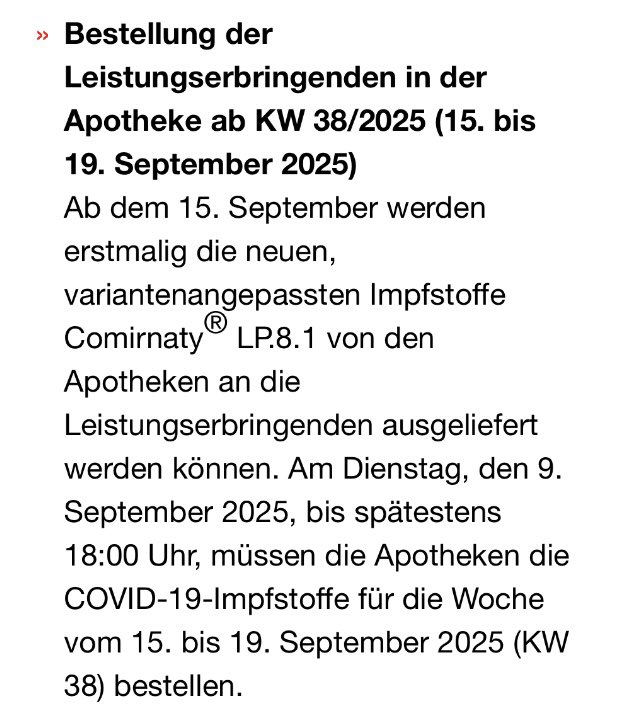
ALT Bestellung der Leistungserbringenden in der Apotheke ab KW 38/2025 (15. bis 19. September 2025) Ab dem 15. September werden erstmalig die neuen, variantenangepassten Impfstoffe Comirnaty® LP.8.1 von den Apotheken an die Leistungserbringenden ausgeliefert werden können. Am Dienstag, den 9. September 2025, bis spätestens 18:00 Uhr, müssen die Apotheken die COVID-19-Impfstoffe für die Woche vom 15. bis 19. September 2025 (KW 38) bestellen.
5
44
112
3,026
Sun Black retweeted

13 Aug 2025
HIV virus takes 2-8 years to develop into AIDS.
HPV virus takes even longer to cause cervical cancer.
EBV is linked to MS years later.
We already know that Covid causes death, organ damage and immune dysfunction.
What else will it do?
A reckless gamble on our future health.
51
790
3,084
51,444
Sun Black retweeted

9 Aug 2025
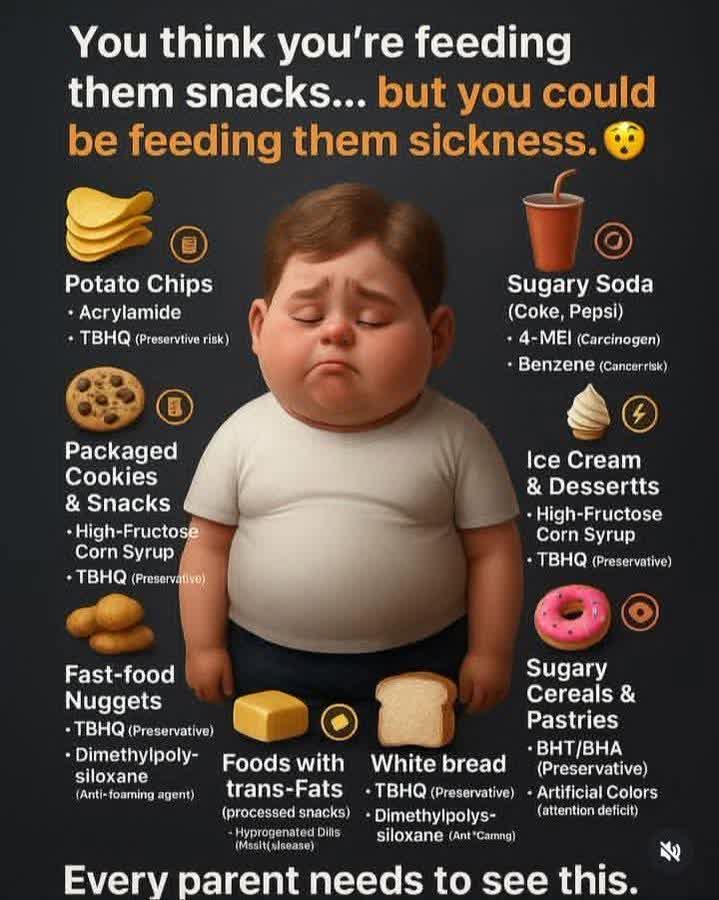
1/3 of teenagers are now pre-diabetic.
I wonder if this contributes.
h/t @drvipulaggarwal
20
190
632
50,739
Sun Black retweeted

30 Jul 2025
„Dies ist nicht nur eine Gesundheitskrise. Es ist eine kognitive, emotionale und zivilisatorische Krise.
Je länger wir es ignorieren, desto mehr verlieren wir: Klarheit, Empathie, Erinnerung, Vertrauen, unsere Zukunft.
Wachen Sie auf!“
Ein 🧵 von James Throt @JamesThrot
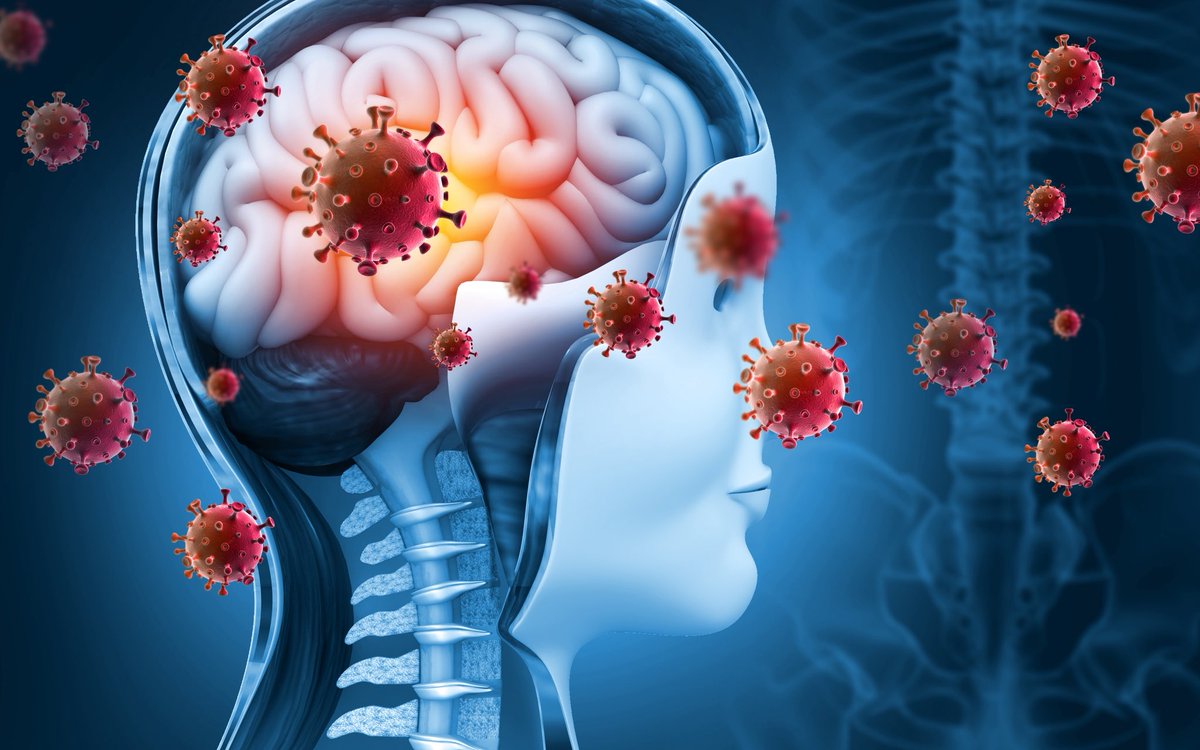
ALT Symbolbild Gehirn und COVID-19
30 Jul 2025

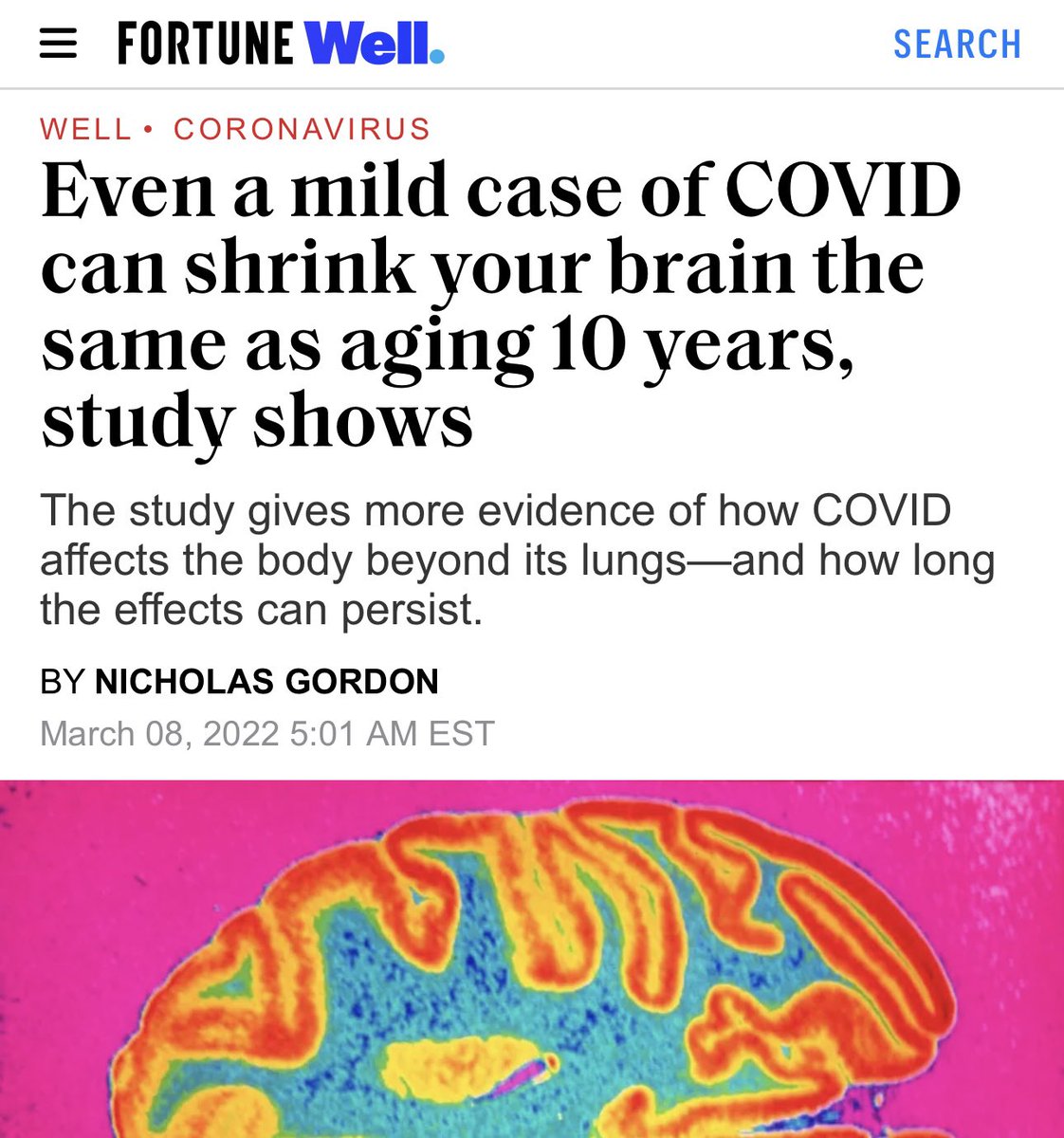
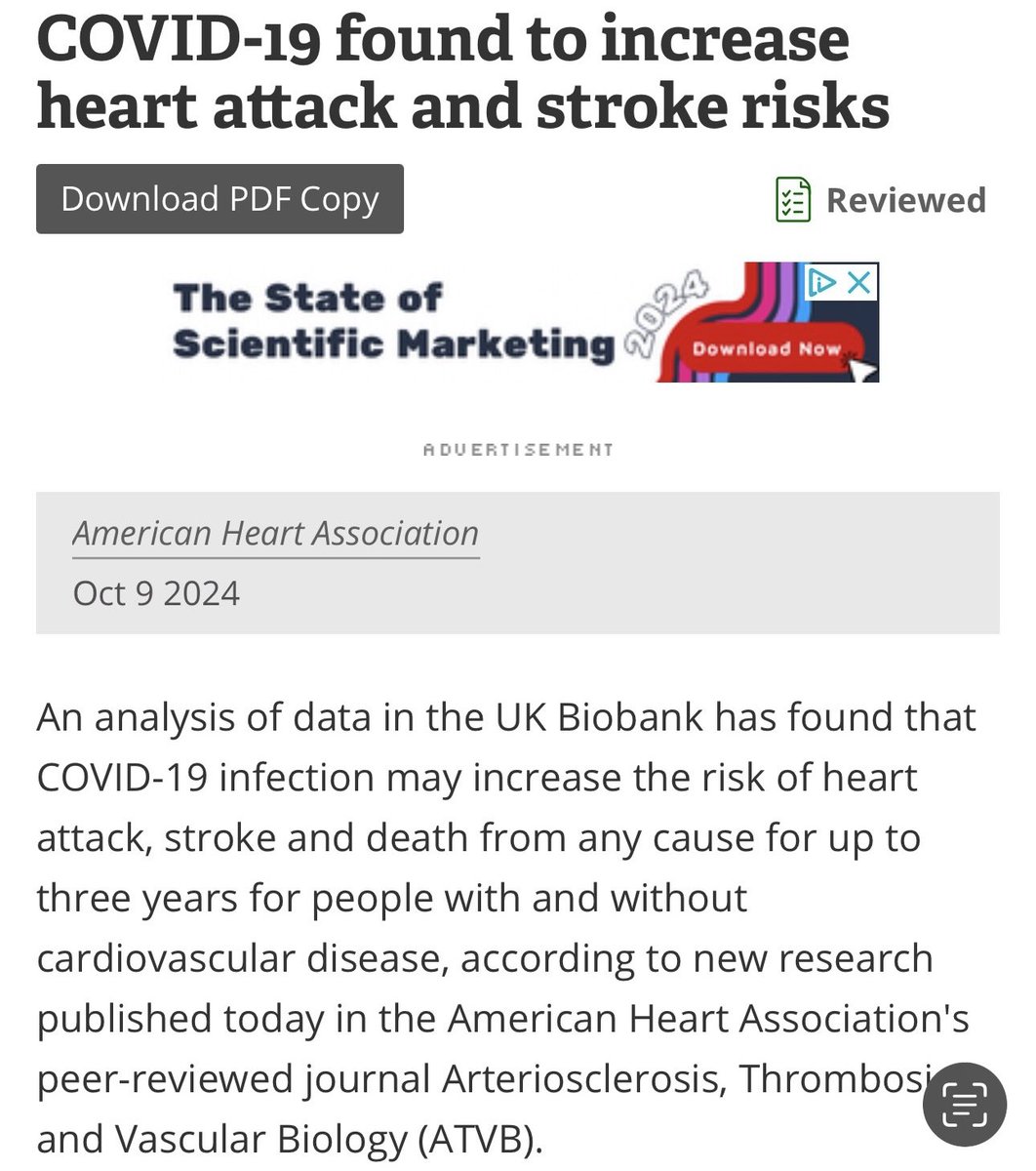
🧵 Thread: Why don’t people take COVID seriously in Year 6 of the pandemic?
A virus that disables the immune system, damages the brain, heart, and vasculature.
And spreads like smoke.
Yet the world shrugs.
Why?
Because mass denial is doing what it always does.
1/18


2
96
249
4,892
Sun Black retweeted

3 Jul 2025
CARBS AND CONFLICTS DRIVE OBESITY 🤔
The rise in obesity and type 2 diabetes is not merely a public health concern; it is a direct consequence of a medical system that has lost its way, prioritizing profit over patient health. Instead of addressing the root causes of these metabolic diseases—namely poor dietary habits driven by excessive carbohydrate consumption—the medical establishment continues to push outdated, ineffective treatments. The focus remains on managing symptoms through medication and surgery, ignoring the proven benefits of low-carb diets and intermittent fasting in restoring metabolic health.
This is no accident. The financial ties between the medical industry and pharmaceutical companies have created a system where chronic illness is more profitable than prevention. Doctors are encouraged, often incentivized, to prescribe a barrage of medications rather than guiding patients toward lifestyle changes that could resolve their conditions. Low-carb nutrition and fasting, while effective, threaten the revenue streams of these industries, so they remain largely overlooked and underutilized.
The influence of the food industry on public health policy has only exacerbated the problem. Decades ago, the introduction of the food pyramid, which promoted a high-carb diet, laid the groundwork for today’s epidemic of metabolic disorders. These guidelines were not based on sound science but were shaped by industrial interests that stood to gain from promoting cheap, carbohydrate-rich foods. As a result, the public was led down a path that has resulted in widespread health issues, from obesity to diabetes.
This situation is sustained by a web of financial conflicts that run deep within the medical and political systems. The food industry benefits from the sale of processed, high-carb foods, while the pharmaceutical industry profits from treating the chronic diseases these foods help create. The medical system, in turn, is entrenched in this cycle, focusing on symptom management rather than prevention because it aligns with these profit-driven interests.
Politicians, too, bear responsibility. Rather than tackling the root causes of these health crises, they often sidestep the issue, proposing superficial solutions that avoid challenging the powerful industries involved. This allows the cycle of poor health to continue, driving up healthcare costs and placing an ever-increasing burden on the economy. The true solution—promoting low-carb diets and intermittent fasting—is ignored because it doesn’t fit into the profit-driven model that dominates both healthcare and food industries.
For a real shift in public health, we must confront these financial conflicts and demand a medical system that prioritizes patient health over industry profits. Low-carb nutrition and intermittent fasting are not fringe approaches—they are essential strategies for reversing the epidemic of metabolic disease. Until the medical and political establishments are willing to embrace these solutions, the public will continue to suffer from preventable diseases, and the cycle of illness and profit will remain unbroken.
8
11
83
8,234
Sun Black retweeted

7 Jun 2025
Our new SARS-CoV-2 variant study is out! We elucidated the virological characteristics of NB.1.8.1, a rapidly spreading variant.
7 Jun 2025

BREAKING🔔 The 53th paper from G2P-Japan🇯🇵 is out at Lancet Infectious Diseases @TheLancetInfDis. We elucidated the virological characteristics of SARS-CoV-2 NB.1.8.1. Please repost🔥 1/
thelancet.com/journals/lanin…
9
23
4,207