
Barrister, Human Rights Law, Children’s Law, Crime. Rhetorical Question Society - so many questions; never an answer. “ni dieu ni maître”
Joined August 2013
- Tweets 128,629
- Following 2,408
- Followers 1,606
- Likes 206,851
754 Photos and videos



🐀 Senior Junior 🐀 retweeted

VIDEO | Iranian footballer Mehdi Taremi emphasized that he and the national team see themselves primarily as athletes focused on football, not political actors. He said the team’s goal is to stand with and represent all Iranians, both inside and outside the country, through sport, with an emphasis on unity rather than political divisions.
He added that players are “tired” of being drawn into discussions about political issues and prefer to focus on their performance on the pitch. According to him, they are fully concentrated on giving their best in the upcoming matches, aiming to make a strong showing in what he described as Iran’s seventh World Cup appearance and to push for qualification to the knockout stage.
5
80
311
11,009
🐀 Senior Junior 🐀 retweeted
VIDEO | Hezbollah published footage, dated 6 June, of its fighters targeting an Israeli Merkava tank on the outskirts of the southern Lebanese town of Zawtar al-Sharqiya with an Ababil attack drone.
1
16
51
2,218
🐀 Senior Junior 🐀 retweeted

Israel's right-wing media: where every accusation is a confession | Opinion haaretz.com/opinion/2026-06-…
7
33
3,741
🐀 Senior Junior 🐀 retweeted
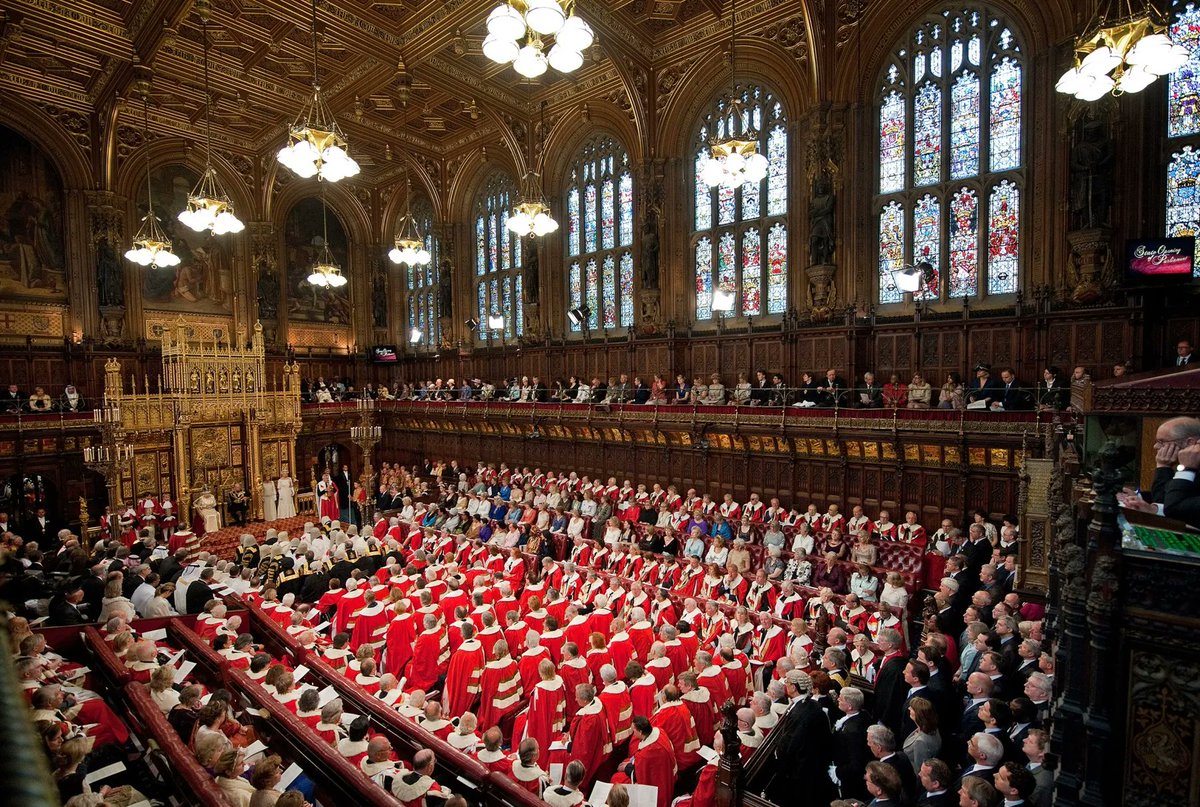
Members of UK House of Lords exposed for lobbying on behalf of UAE amid Sudan genocide
——
According to an investigation by Middle East Eye, three members of the UK House of Lords hold paid roles at FGS Global, a multinational consultancy that has lobbied senior British officials on behalf of the Emirati government since October. Among them is former Labour MP Thangam Debbonaire, who previously made public statements railing against the "egregious acts of paid lobbying."
In 2024, FGS donated more than $34,500 to the Labour Party. Part of this funding covered the secondment of FGS employee Kamella Hudson, who served as an election campaign adviser to Rachel Reeves before her appointment as chancellor of the Exchequer.
While FGS Global stated that no peers work directly on the UAE account, human rights and transparency campaigners warn that such arrangements allow foreign states to purchase access and influence within British democracy.
The revelations come amid intensifying scrutiny over the UAE's covert role in Sudan, where UN investigators accuse Abu Dhabi of funneling weapons to the Rapid Support Forces paramilitary group. Despite a UN arms embargo and evidence of mass atrocities in Sudan, the UK government has continued licensing military exports to the UAE, while FGS Global has simultaneously ramped up its lobbying blitz to manage the Gulf state's bilateral relations in both London and Washington.
34
42
1,458
🐀 Senior Junior 🐀 retweeted

It’s one of the great lies of the 21st century: ‘Your call is important to us…’. No it’s fucking not. They don’t give a stuff. Took me five - 5 - phone calls to Miele ‘customer care’ to find out they’re not going to deliver the coffee machine on the day they promised.
10
24
251
4,941
🐀 Senior Junior 🐀 retweeted

Israel's systematic murder of children will shame us all till the end of times.
#IsraeliWarCrimes #IsraeliTerrorists #IsraelIsATerroristState #GenocideinPalestine #auspol
Jun 15

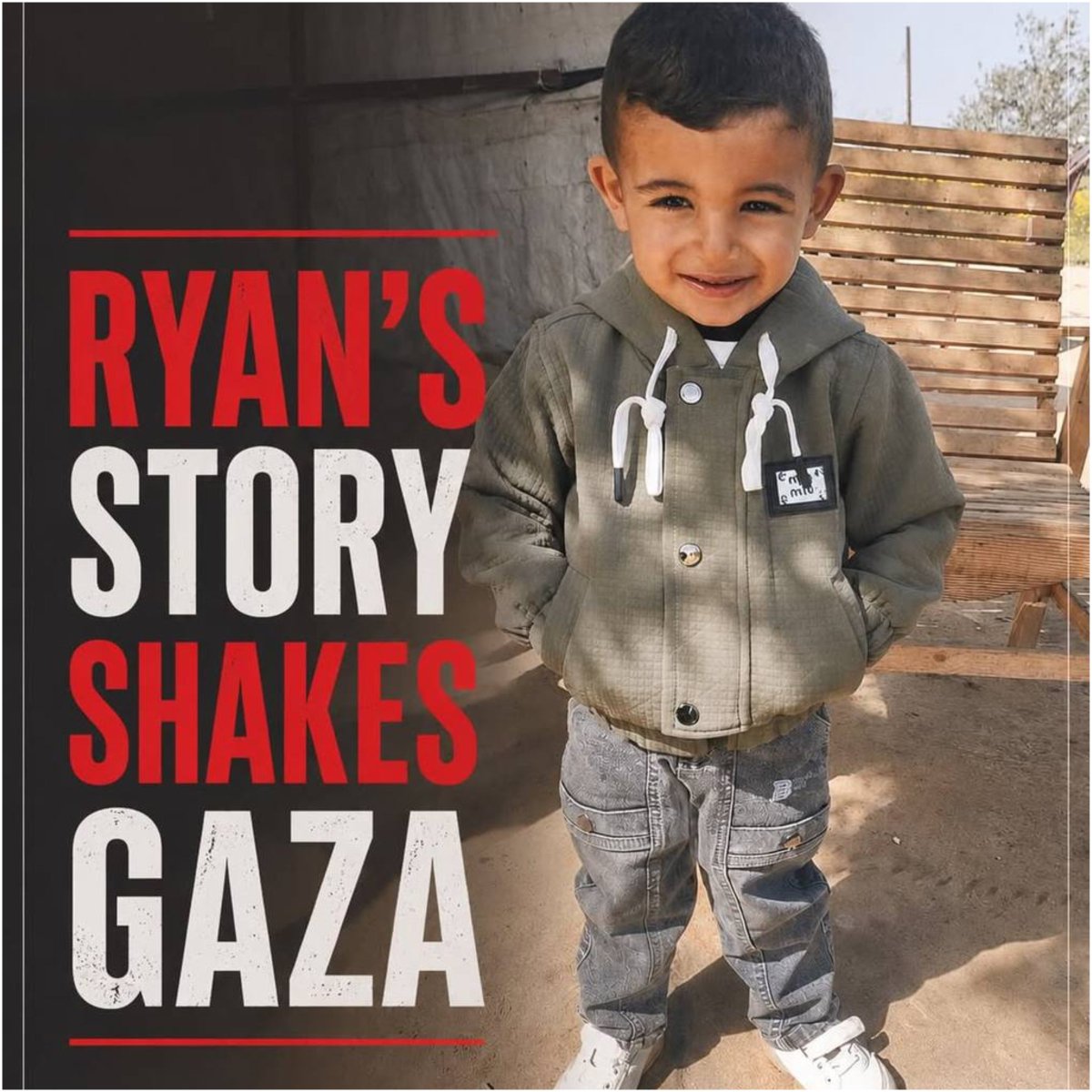
🇮🇱 Israel Detained a CHILD and His Father. The Boy Came Back Dead.
Ryan Bahaa Abu Al-Ajin and his father were seized in Wadi al-Salqa, east of Deir al-Balah, then dumped on Salah al-Din Road. Both were assaulted in custody, according to the family.
The father survived his injuries. Ryan reached the hospital and was pronounced DEAD.
A child held by the most "moral army in the world" was returned a corpse. This is yet ANOTHER example of the criminal actions this IDF does.
2
18
59
583
🐀 Senior Junior 🐀 retweeted
The illegality of Israeli settlements in the occupied West Bank is one of the most well-established positions in international law, resting on four distinct pillars:
📜 GENEVA CONVENTIONS
Article 49(6) of the Fourth Geneva Convention (1949) explicitly prohibits an occupying power from transferring parts of its own civilian population into the territory it occupies. Israel ratified the Convention in 1951. The International Committee of the Red Cross, the authoritative interpreter of humanitarian law, has consistently held that this provision applies directly to the settlements.
🌐 UN SECURITY COUNCIL RESOLUTIONS
The Security Council has repeatedly affirmed settlement illegality — including in binding resolutions the US did not veto:
• Res. 446 (1979): settlements have "no legal validity"
• Res. 465 (1980): calls on Israel to dismantle existing settlements
• Res. 2334 (2016): passed 14-0 (US abstained), explicitly states settlements constitute "a flagrant violation of international law" and have "no legal validity"
⚖️ ICJ RULINGS
• Advisory Opinion on the Wall (2004): the Court found settlements in the West Bank, including East Jerusalem, had been established in breach of international law, and that the wall built to protect them compounded that illegality
• Advisory Opinion on the Occupied Palestinian Territory (2024): the Court went further, ruling that Israel's continued presence in the OPT — including the settlement enterprise — is itself unlawful, and called on all states not to recognise or assist it
🏛️ UN GENERAL ASSEMBLY
Countless UNGA resolutions have reaffirmed settlement illegality, including Res. 77/247 (2023), which requested the landmark 2024 ICJ opinion.
No serious legal scholar disputes this consensus. The settlements are illegal. The only remaining question is whether the international community will act on it.

Which international law says that they are illegal?
24
371
823
15,682
🐀 Senior Junior 🐀 retweeted

Esta no es una escena de una película, es el ejército de mercenarios de la Gestapo de Trump, el ICE, esta noche, en el campo de concentración para inmigrantes de Delaney Hall, secuestrando a quién protesta contra él en sus puertas.
Así se está jugando el Mundial de EEUU, no lo verás en los medios de comunicación... que si llega a ser Rusia u otro pais enemigo de ellos, estarían contándotelo hasta en braille.

David Courvelle, miembro de la Gestapo de Trump, el ICE, en Louisiana (EEUU), violó a una mujer inmigrante nicaragüense en un campo de detención durante meses a cambio de dejarle ver a su hija.
Estos criminales del ICE actúan ahora como vigilantes de seguridad en el Mundial.
18
1,416
1,992
25,848
🐀 Senior Junior 🐀 retweeted

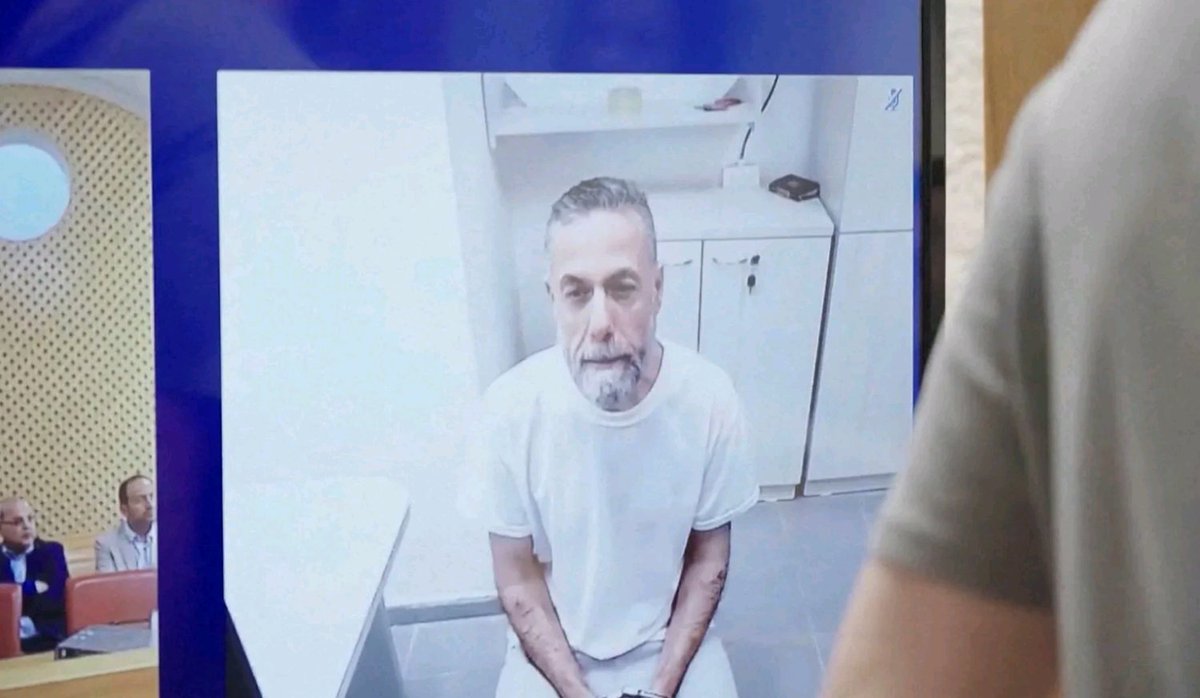
The Israeli Supreme Court, supposedly the last bastion of Israeli "democracy", just signed Dr Husam Abu Safiya's death warrant.
The court rejected his appeal and ordered for the continuation of his unlawful detention, knowing full well that he is being held in abhorrent conditions, without cause or indictment and being subjected to torture on a regular basis.
Hostage taking, torture, rejection of the most basic human rights; with this kind of democracy, who needs fascism?
Free Dr Husam Abu Safiya now!

שופטת העליון, גילה כנפי-שטייניץ, דחתה את הערעור על המשך מעצרו של ד"ר חוסאם אבו ספיה. הוא נותר בתנאי בידוד (שאליהם הוא הועבר אחרי הגשת הערעור!) בכלא נפחא.
4
81
124
2,585
🐀 Senior Junior 🐀 retweeted

24 Oct 2023
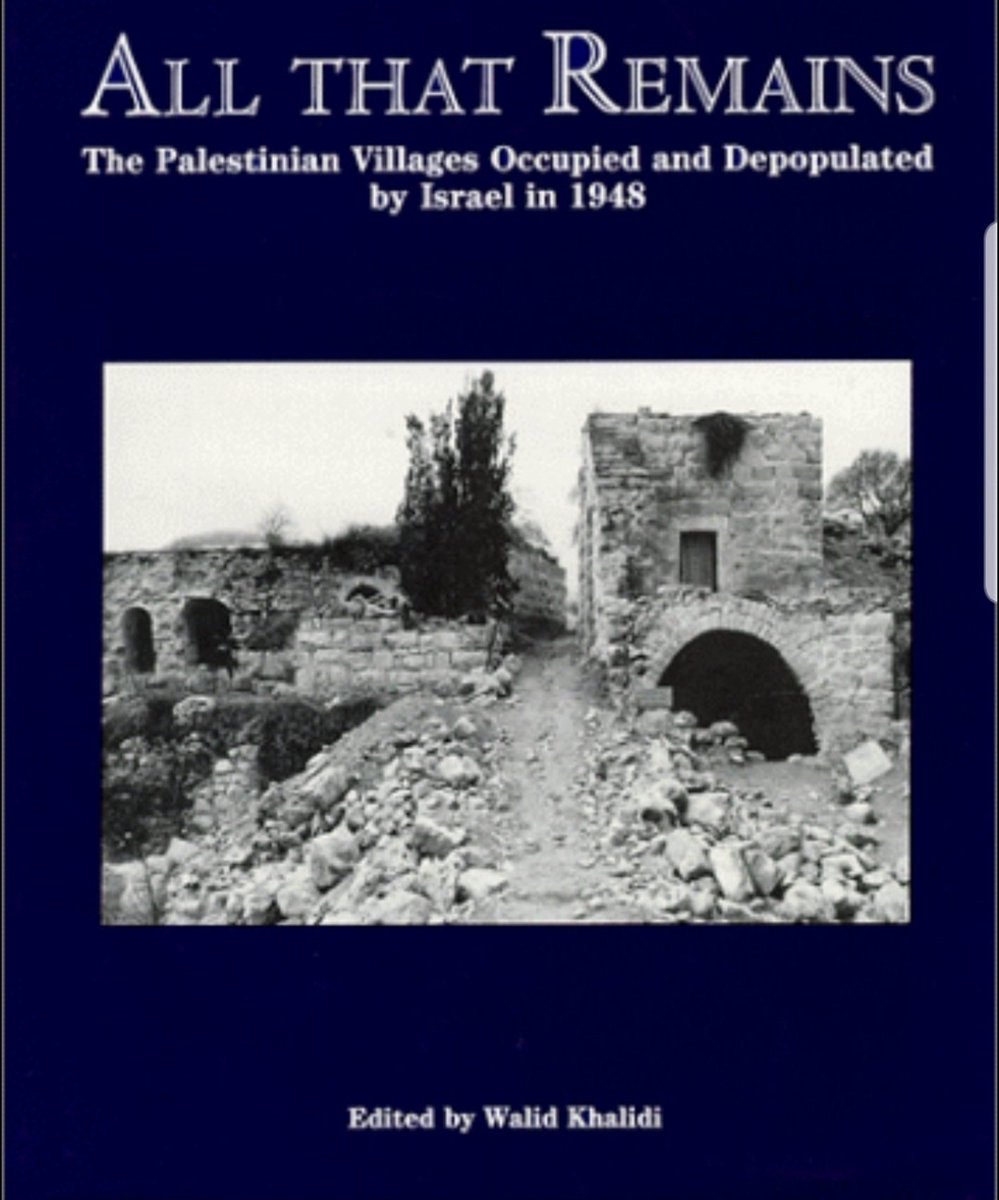
For anyone who wishes to learn more about earlier rounds of ethnic cleansing by the Israeli state, I recommend Walid Khalidi's All That Remains: The Palestinian Villages Occupied & Depopulated by Israel in 1948. It's a forensic examination of what happened to each and every Palestinian village after 750,000 Palestinians were expelled from their homeland, 75 years ago, never to return.
240
2,647
5,051
550,126

Do it!

Former Israeli intelligence officer Ari Ben-Menashe says Benjamin Netanyahu is about to release the real Epstein files in an effort to sabotage the peace deal.
He says the material would include never-before-seen material involving a majority of U.S. government officials.
He says Netanyahu will do anything to derail peace.
2
7
18
284
🐀 Senior Junior 🐀 retweeted
Jewish-Arab movement Standing Together launches Knesset run with new party haaretz.com/israel-news/isra…
23
86
253
27,300
🐀 Senior Junior 🐀 retweeted

👏🏼👏🏼👏🏼

WE DID IT! 🎉🐶 Ridglan Farms is shutting down after decades of breeding for animal testing.
Soon, 2000 beagles will be in loving homes❤️
BFP was honored to help place 568 of these dogs. Thank you to every donor, volunteer, foster, adopter, rescue partner, & activist involved.
6
92
645
7,136
🐀 Senior Junior 🐀 retweeted
A delusional Murdoch moron, if there was…

🚨 BREAKING: THE IRAN DEAL IS DONE — AND ALL THE URANIUM GETS DESTROYED 🚨
Buried a SKYSCRAPER deep… and the U.S. is the ONLY country that can dig it out 👀
NO enrichment. NO sunset clause. NO money up front — they PERFORM, then get PAID 💰
Gulf allies just pledged $300 BILLION to rebuild the wreckage 💥
80% of Iran's military DECIMATED — this could be Trump's CROWNING ACHIEVEMENT 🇺🇸
18
27
164
4,993
🐀 Senior Junior 🐀 retweeted
Netanyahu loyalists rage at 'treacherous' United States over Iran deal haaretz.com/israel-news/isra…
9
9
17
2,612
🐀 Senior Junior 🐀 retweeted
Ben-Gvir says 'Trump's agreement' doesn't bind Israel as Netanyahu stays mum haaretz.com/israel-news/isra…
21
20
27
4,956

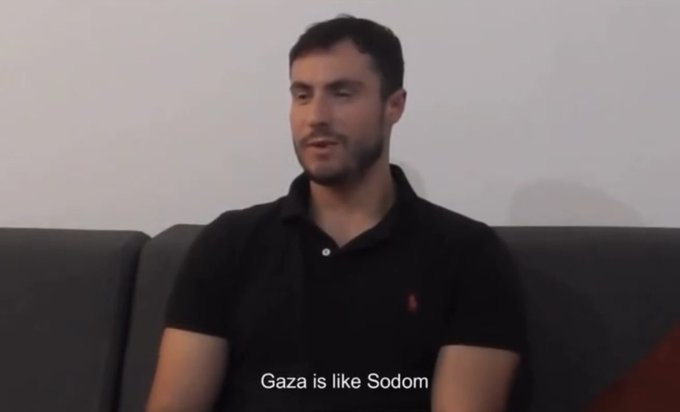
Israeli sniper Daniel Raab:
"I shot Salem dead because he tried to retrieve the body of his older brother. It's hard for me to understand why he would do that. I mean what was so important about that corpse."
FFS Australia, how is this "our' side.
807
13,586
52,963
1,378,738
🐀 Senior Junior 🐀 retweeted

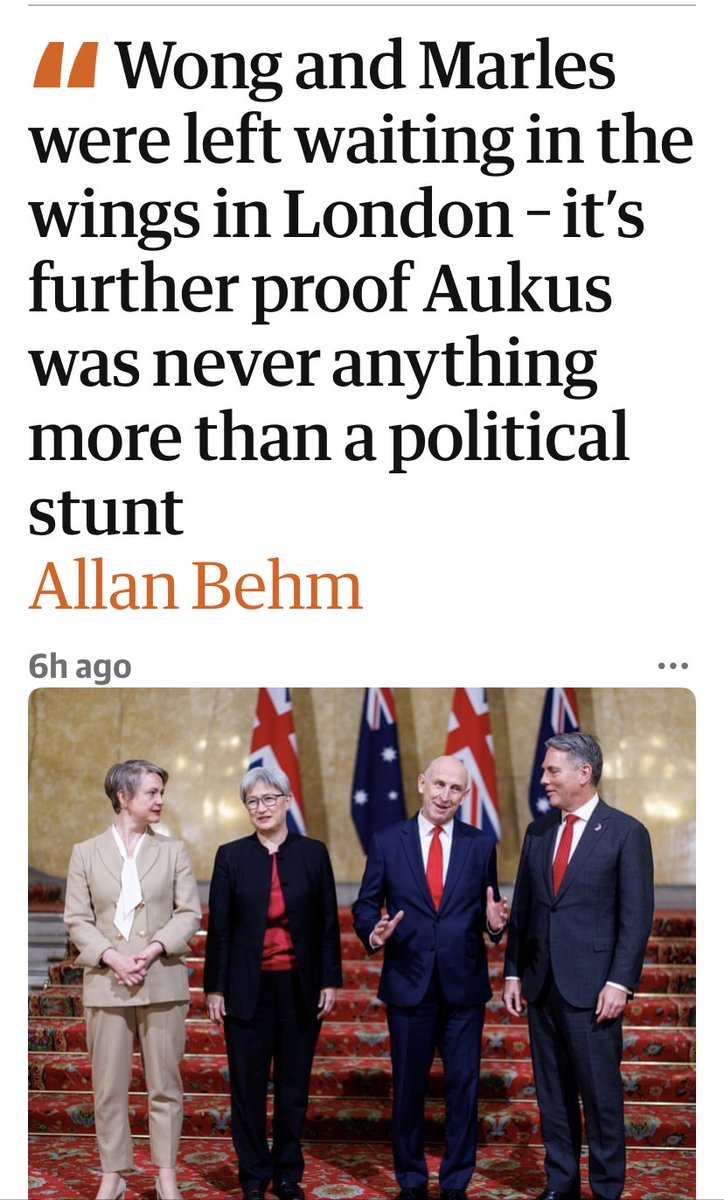
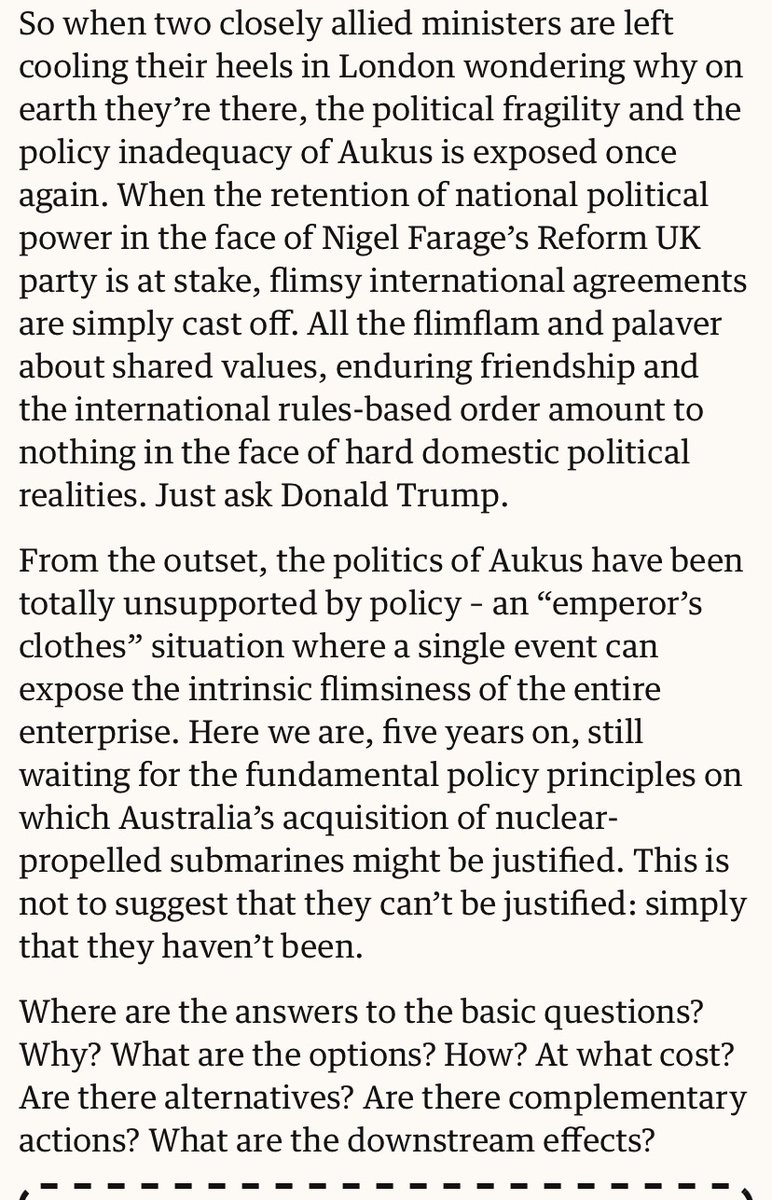
The treatment of Wong and Marles at the hands of the Brits shows the “optimal pathway” on AUKUS is a pathway to:
Humiliation;
Economic, social and strategic stupidity;
Abandoning sovereignty to Trump and the USA;
Inevitable conflict with China;
An abject failure of leadership.
30
302
612
4,726
🐀 Senior Junior 🐀 retweeted

The world will be bearing the economic costs of Trump's pointless war of choice with Iran for a long time. trib.al/RAoupjK
2
31
53
1,900
🐀 Senior Junior 🐀 retweeted

Some deal! Some ceasefire! @realDonaldTrump The world can see.
Jun 15

ההסכם של טראמפ אינו מחייב אותנו. ישראל לא כפופה לארצות הברית ואנחנו מדינה עצמאית וריבונית!
חובתנו לאזרחי ישראל לחיילי צה״ל ולעם היהודי וחובתנו ההיסטורית לנרדפים ולנרצחים היהודים באלפי שנות גלות, להעניק ביטחון ליהודים בארץ ישראל.
בכל פעם שנכנענו ללחץ בינלאומי על חשבון ביטחון ישראל, שילמנו מחיר דמים בריבית. זה היה נכון בהסכמי אוסלו, זה היה נכון בהסכם בלבנון ב-2006, וזה היה נכון בכל תקופת ההכלה בעזה שהתפוצצה לנו בפנים.
נדגיש: אנחנו אוהבים את ארה״ב ואסירי תודה לנשיא טראמפ. ויחד עם זאת מדינת ישראל איננה רפובליקת בננות.
אני אומר את הדברים הללו לראש הממשלה כל הזמן, וחוזר עליה בחדרים הסגורים בכל צומת הכרעה היסטורית חשובה: ברגעים היסטוריים צריך לקבל החלטה היסטורית.
עמדתי ברורה: איננו שותפים להסכם הזה שאיננו דואג לבטחוננו, והוא איננו מחייב אותנו בשום צורה. אסור לנו להתפשר על פחות מפירוק החיזבאללה, אסור לנו לסגת מאף שטח שלוחמנו כבשו וטיהרו מתשתיות טרור, אסור לנו לחזור למצב בו אלפי מחבלים יושבים על גדרות יישובי הצפון, ובוודאי שאסור לנו לשתוק לרגע מול ירי לעבר מדינת ישראל.
עלינו להבהיר, כל שיגור של רחפן, כטב״מ או טיל לעבר ישראל מלבנון, יוביל לתקיפה של ישראל בדאחיה. זה היה מאזן ההרתעה רק לפני כמה חודשים ואסור לנו לוותר עליו בשום אופן.
ובעיקר עלינו להבהיר לכולם: עם ישראל הוא עם של 3,000 שנה, עם הנצח שלא מפחד מדרך ארוכה, יש לנו אמונה בבורא עולם, אנו עם חזק וגאה, שחזר לארץ מולדתו גאה וחזק, ולא מתכוון עוד להשפיל מבט מול אויבים. תמו הימים בהם היהודי ספג מכות והבליג. לעולם לא עוד!
13
47
122
2,008