
That Menu App is the restaurant industry’s all-in-one mobile solution for daily restaurant operations.
Joined March 2020
- Tweets 44
- Following 192
- Followers 12
- Likes 4
43 Photos and videos







Imagine a menu that already knows your preferences – like a custom one just for you. No more repeating yourself. Ordering is faster, mistakes drop, and everyone's happier. It's the difference between being recognized and just being served. #CustomerExperience #RestaurantTech
1

Jun 13
True recognition means continuity, not surveillance. When a menu understands your preferences, ordering is faster, service smoother, and the relationship feels real. It's the difference between being remembered and just being served. #CustomerExperience #Hospitality
2
Jun 12
Fragmented systems create stress and interruptions by forcing people to compensate for outdated information. One source of truth, updated everywhere automatically, builds trust and allows operations to run lighter. #Operations #Efficiency #Systems
1
Jun 11
When systems fail to sync, people become the glue. Servers memorize updates, managers clarify intent, and cooks confirm what's current—all because the system can't keep itself aligned. But with automatic updates everywhere, the system carries the load. #SystemSync #Efficiency
Jun 10
When systems are out of sync, people become the glue, leading to extra questions, interruptions, and stress, especially during rushes. Updating once and everywhere builds trust by establishing a single source of truth. #Systems #Efficiency #BusinessTips
Updating once and everywhere isn't about speed, it's about trust. It means one source of truth ensures everything updates automatically, eliminating second-guessing and compensating. Restaurants struggle not with change, but with propagating it. #RestaurantTech #Operations
1
Fragmented memory and disconnected updates are a recipe for disaster in restaurants. Stop the stress and inefficiency—streamline your operations for smoother service. #RestaurantTech #Operations
1
Restaurants struggle with training new hires because printed materials quickly become outdated. Menus, recipes, and quizzes need constant updates, making static printouts unreliable and trainers adapt on the fly. #RestaurantLife #TrainingTips
New hires face quiet doubt when outdated quizzes test memorization of irrelevant info. This training gap leads to mid-shift questions and self-doubt, forcing survival over clarity. #Onboarding #Training #EmployeeExperience
Outdated quizzes show new hires a company that doesn't keep up. Training stops testing understanding and starts testing memorization of irrelevant information. What's the real cost of stale content? #Training #Onboarding
1
New hires second-guess themselves because training can't keep up with real-time needs. Veterans and managers compensate, creating workarounds for a system that's fallen behind. It's survival, not clarity. #WorkplaceCulture #Teamwork
12
Training new hires in restaurants often means outdated printouts. Static knowledge doesn't work in a dynamic environment. Training materials need to evolve as fast as the restaurant itself to be effective. #RestaurantTraining #Hospitality #EmployeeOnboarding
1
Static training materials can't keep up with a dynamic environment. Relying on memory for updates is fragile and exhausting. True training moves at the speed of the business, surviving real shifts. #Training #Hospitality
5
Most training fails not because it's bad, but because it's static. Real-time, accessible knowledge—not binders or quizzes—is key. When systems don't support learning, people are left carrying the load. Let your tools empower your team. #TrainingTips #WorkplaceCulture
7
May 31
When memory falters, the team fills the gaps. But constant interruptions and repeated explanations create a never-ending training cycle. True training is alive, accessible, and accurate in real-time, not just a binder or a quiz. #Teamwork #Training #Management
5
May 30
Restaurant pressure makes new hires forget details, like ingredients. Memory fragments under stress, not sharpens. Systems should support staff, not leave them carrying the burden of unclear menus and outdated info. #RestaurantOps #StaffTraining
May 29
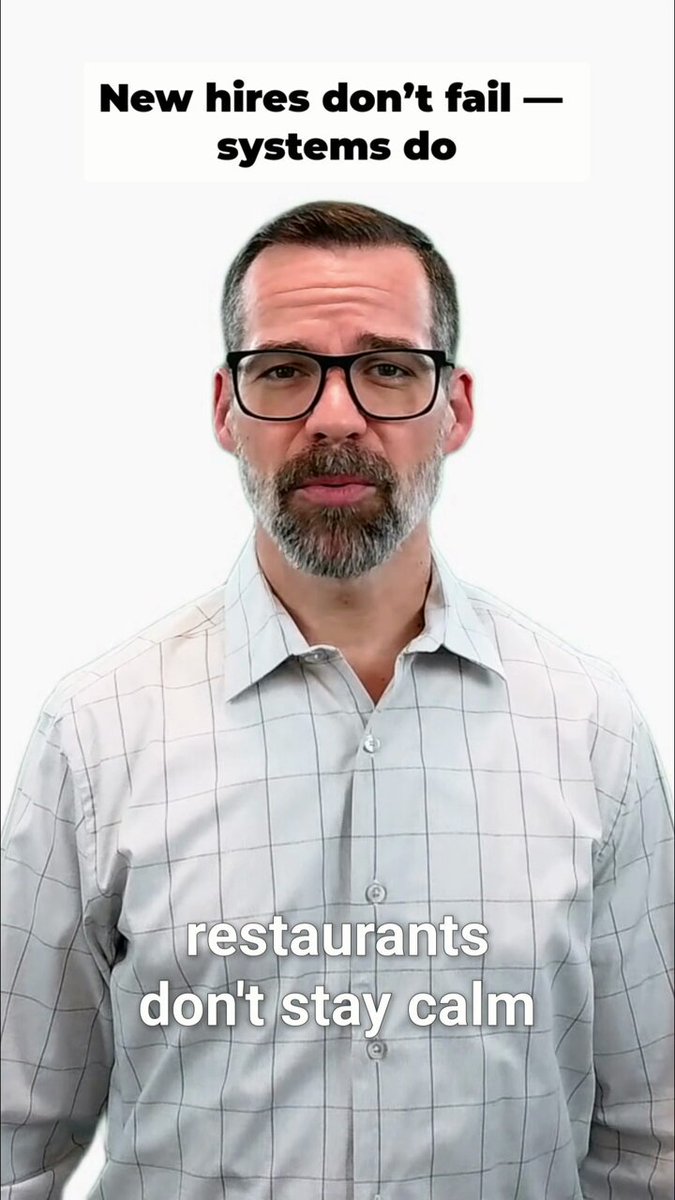
Most training happens in calm moments, but restaurants don't stay calm for long. If the menu can't clarify information in real-time, staff are left carrying the load, sacrificing guest experience. #ServiceIndustry #Training #RestaurantTips
6
May 27
Training fails when it's static, not alive and accessible. New hires struggle when systems (like menus) don't clarify ingredients or updates. A dynamic menu can carry knowledge, keeping training effective even on the busiest nights. #TrainingTips #Workplace
40
May 26
Guests with dietary needs often simplify orders due to menu uncertainty, not lack of appetite. This creates friction and misses opportunities for engagement. #RestaurantTips #CustomerService
1