
Joined March 2022
- Tweets 109,734
- Following 1,968
- Followers 11,468
- Likes 161,591
7,937 Photos and videos









Pinned Tweet

2 Jun 2025
Zionism is Not Judaism And Never Has Been
June 1st, 2025
By Tyler Popp
🧵
*many will be angry at this piece*
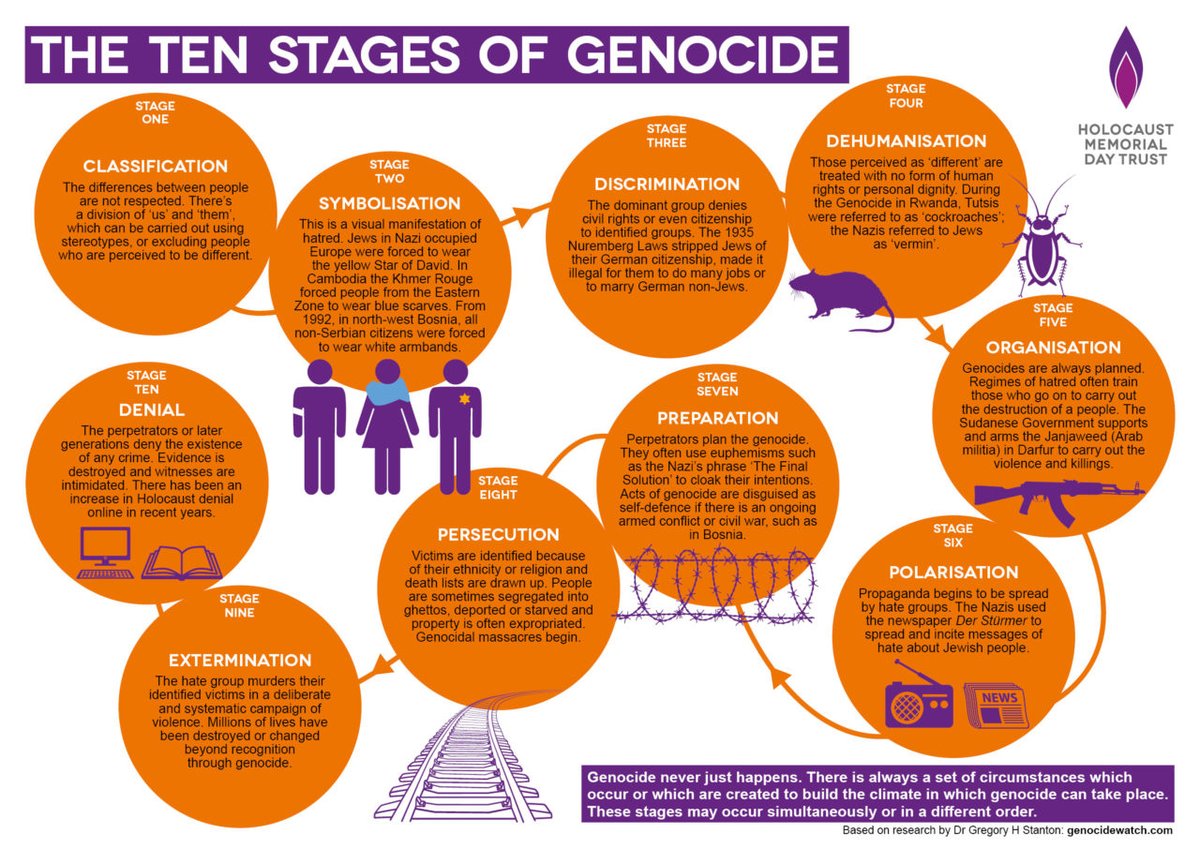
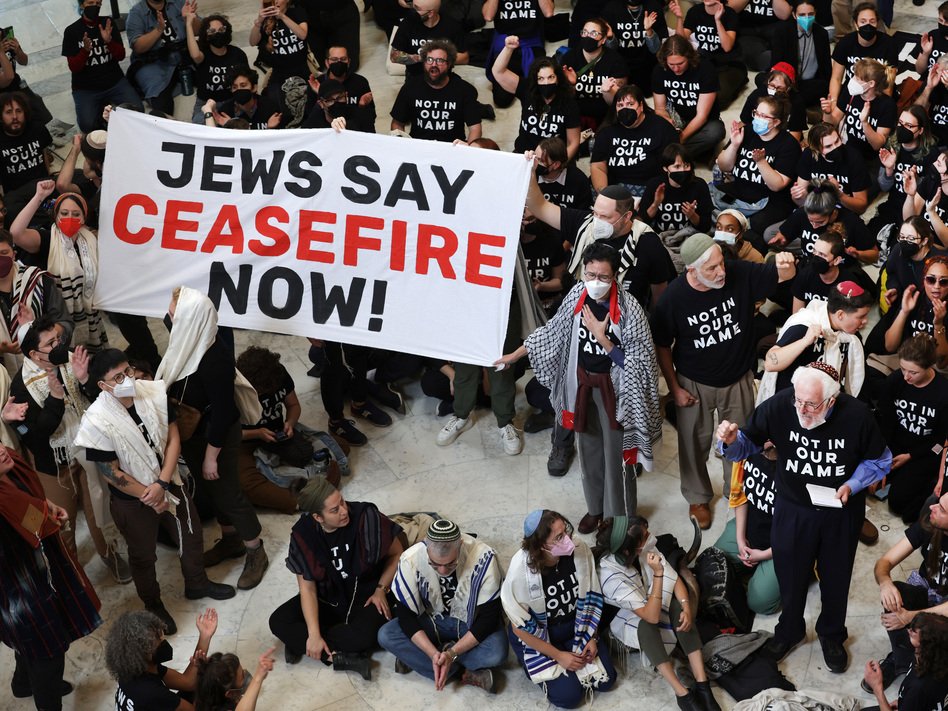
Zionism, the drive for a Jewish state, is often pegged as the root of what’s called antisemitism, but is it really hatred of Jews, or backlash against a political ideology?
Over the past 20 months, the Gaza conflict has shown how Zionism, especially under Benjamin Netanyahu, fuels resentment that endangers Jews worldwide. Worse, Zionism can be seen as antisemitic by lumping all Jews as Israel supporters. Traditional voices like Rabbi Yaakov Shapiro, alongside secular and anti-Zionist Jews like Norman Finkelstein, Dr. Gabor Maté, and Alon Mizrahi, call this out, standing with Palestinian and Muslim protesters globally.
Yet, Israel smears these critics as “self-hating,” ignoring the growing deep divide within Jewish communities. Zionism drives this mess and clashes with Judaism’s spiritual core.
25
82
191
37,810
Tyler Popp retweeted

Can anyone see the officer's shoulder number?
We need to start noting these down and taking actions against each officer and not letting it go until they are held to account.
This is happening to everyone as shown by @migrationfilms1 yesterday:
9
143
362
7,644
Tyler Popp retweeted
You are a disgrace to Britain and should be prosecuted for supporting criminal activity.
Putting the terrorist flag of the people who massacred British soldiers and civilians next to the Union Jack should be an insult to every British native.
Free Britain from zionism 🇬🇧
11
128
1,084
5,715
Tyler Popp retweeted

Jun 12
The lady who helped keep the Gaza genocide trains running on time gets her reward
Jun 11

We’re delighted to announce Avril Haines as the next president of the Carnegie Endowment for International Peace. One of the most respected national security leaders of her generation, Avril brings a deep commitment to public service and the values at the heart of our mission.

130
2,517
7,027
163,194
Tyler Popp retweeted
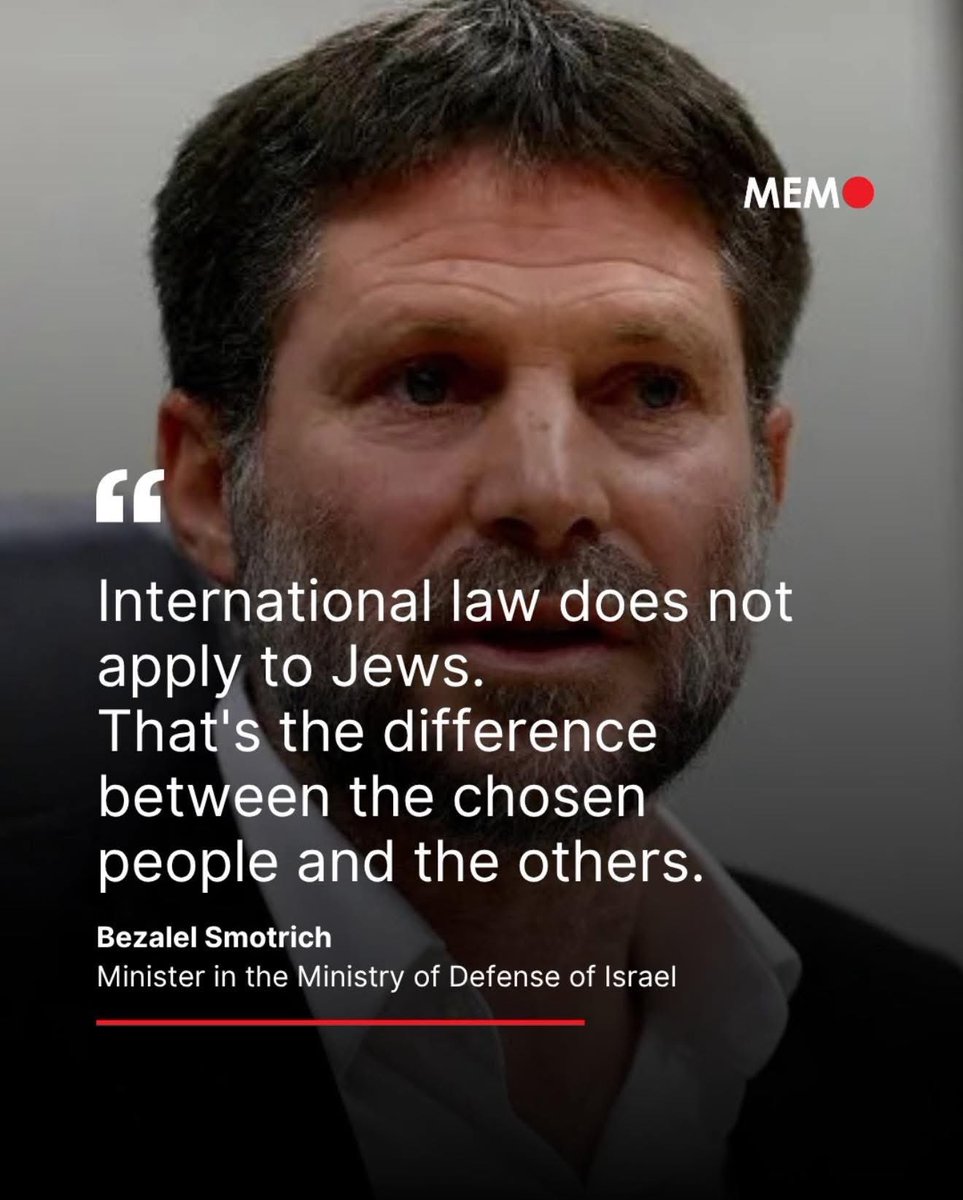
Law and order is failing against these religious supremacists.
They will continue until the people unit and rise against injustice.
14
55
139
1,061
Tyler Popp retweeted

Yesterday, Toronto Refused to Let FIFA Play Dumb.
Hours before Canada kicked off its opening World Cup match, activists scaled the Gardiner Expressway and unfurled a massive red banner directly over the FIFA logo.
The message was impossible to miss:
KICK iSRAEL OUT OF FIFA
@IndJewishVoices @JewsSayNo
patreon.com/TheAnti_Zionist/…
7
102
285
2,917
Tyler Popp retweeted

Jun 13
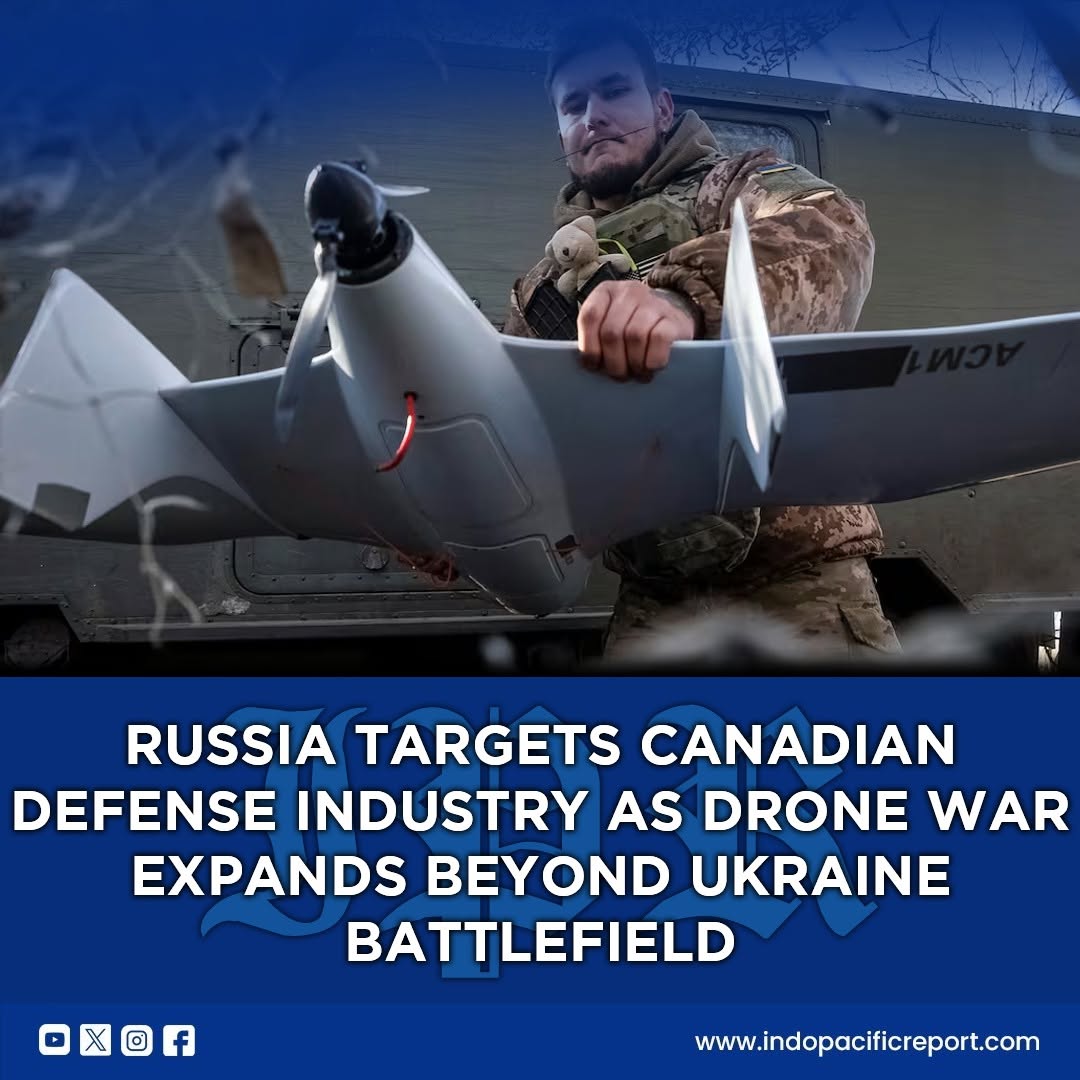
Canada is moving towards direct war with Russia. And the escalation to the NATO proxy war is happening with barely any pushback.
Recently Kremlin spokesperson Maria Zakharova threatened Ottawa over a Department of National Defence facilitated venture between Canadian and Ukrainian drone makers. Under the joint venture drones from Hamilton will be sent directly to Ukraine’s military.
Zakharova accused Canada of being “a warmonger, seeking by any means necessary to further fuel this bloody conflict.” She added, “we reserve the right to provide an appropriate response.”
The drone agreement is but one of many ways Canada has been arming Ukraine. In what would represent a major escalation of Canada’s contribution to the war, Ottawa may buy Swedish Gripen fighter jets as part of a plan the European Union has to offer Ukraine warplanes. The agreement to buy fighter jets from Saab would include Gripens built in Ontario for both the Canadian and Ukrainian air forces.
In four years, Canada has given Ukraine $9 billion in arms. At $25 billion total, Canadian spending on the proxy war is more than Ottawa spent on its 13-year occupation of Afghanistan.
Canada is flirting with direct war through its large military presence on Russia’s border in Latvia. In recent weeks the Russians have claimed that drone attacks on its territory are being coordinated from Latvia and its drones have reportedly entered that country’s airspace. A week ago, the head of the Latvian military bombastically declared that a war was likely to break out by 2028 due to Russia’s purported drone advantage. General Kaspars Pudāns told the Financial TimesMoscow may exploit a “window of opportunity” by the end of 2028 to invade the Baltic states.
“Canadian troops are steeling to fight Russia. Will Ottawa back them?”, read a recent National Post article. More than 2,000 Canadian troops are stationed in Latvia and the Canadian-led NATO brigade keeps growing and bolstering its position near the Russian border. According to Defense News, “The Canada-led NATO brigade in Latvia has moved beyond its original ‘tripwire’ deterrence posture and is now focused on mounting a credible defense of the Baltic country bordering Russia, according to its commander, Col. Kris Reeves. Reeves said the shift towards what he described as ‘tactical credibility’ has meant establishing forward locations and stationing troops near Latvia’s eastern border, in the terrain where they would actually fight in the event of a conflict.”
Ottawa keeps pouring money into NATO infrastructure in Latvia. Three weeks ago, Canada broke ground on a $70 million upgrade to its base in the country and through Operation REASSURANCE Canada has invested more than $315 million in military infrastructure in Latvia since sending troops there in 2017. Canada has committed to maintaining troops in the Baltic state until at least 2029.
These measures have come without any real political discussion. There is near unanimity in the House of Commons and dominant media about Canada’s contribution to the NATO proxy war.
During the NDP leadership race Avi Lewis declared that “Ukraine should not have to give up an inch of its territory, and Canada should continue providing the defence assistance that Ukraine needs to protect its sovereignty.” He subsequently reappointed the hawkish Heather McPherson, who is on the NATO Parliamentary Association, as NDP foreign affairs critic. Since before Russia’s illegal 2022 invasion McPherson has been pushing the Liberals to be more aggressive towards that country. Over the past few months she’s released multiple aggressive statements, including a recent declaration that “Canada must stand up for democracy and against Putin's barbarous assaults. We must do everything possible to support Ukraine’s defence and democracy.”
Canada has fueled the NATO proxy war. It’s also inching ever more closely to direct conflict with Russia. Do Canadians believe this is a good thing? Shouldn’t we at least have a discussion about the implications? Is it really a good idea to simply keep repeating “Ukraine good, Russia bad” which seems to be the extent of the ‘debate’ in Parliament?
21
59
113
2,257
Tyler Popp retweeted

Jun 13
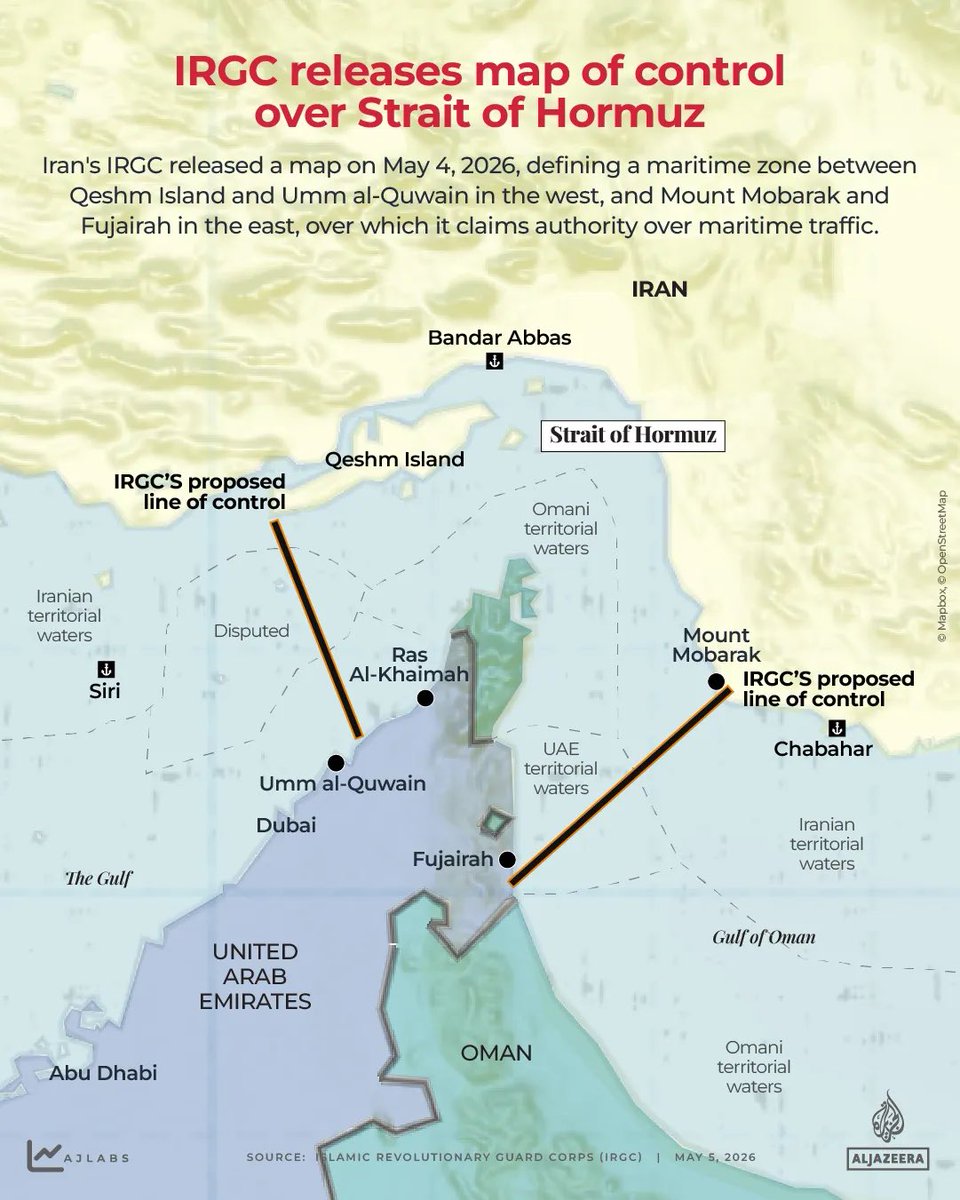
Under international law, the U.S. and Israel owe hundreds of billions of dollars in reparations to Iran for their criminal war of aggression on the country. This is just a down-payment on what they owe. It’s absurd to claim that the war criminal Trump is getting “fleeced”.
Jun 13

Trump is getting fleeced by Iran
The deal:
• $24B cash oil sales
• Just 60 days of open Hormuz
Iran pockets $30B in two months
Day 61, Iran can close Hormuz again, and repeat the extortion
Massive loss for Trump—Huge win for Iran
18
193
538
8,047
Tyler Popp retweeted

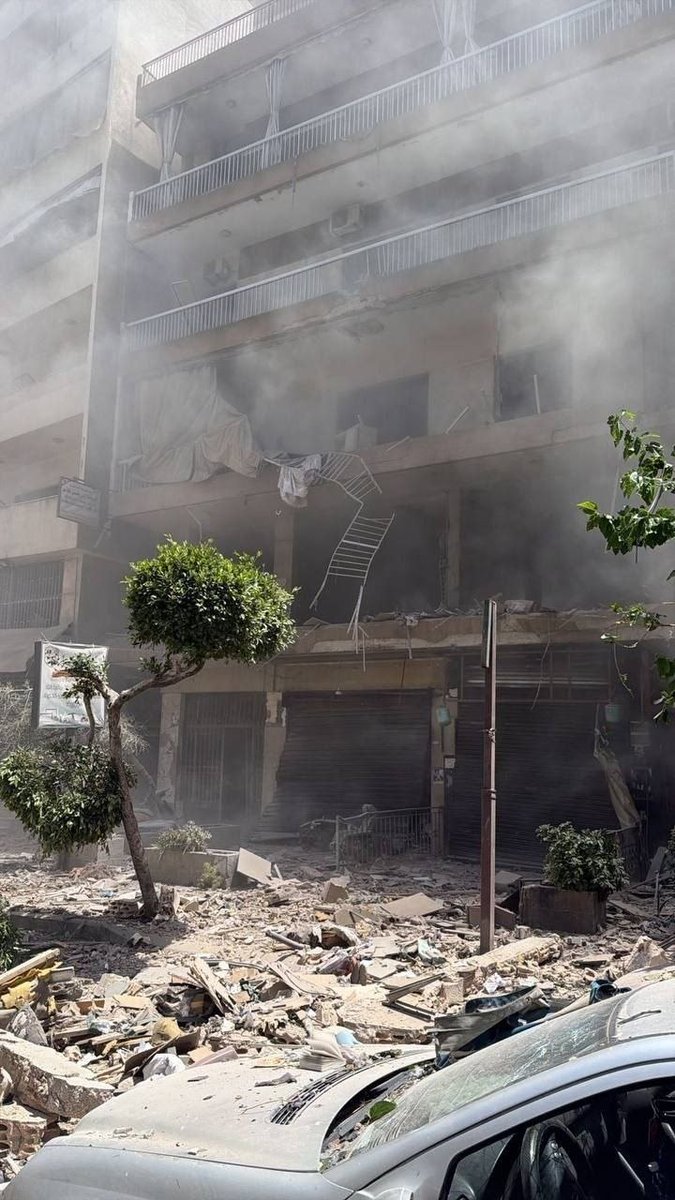
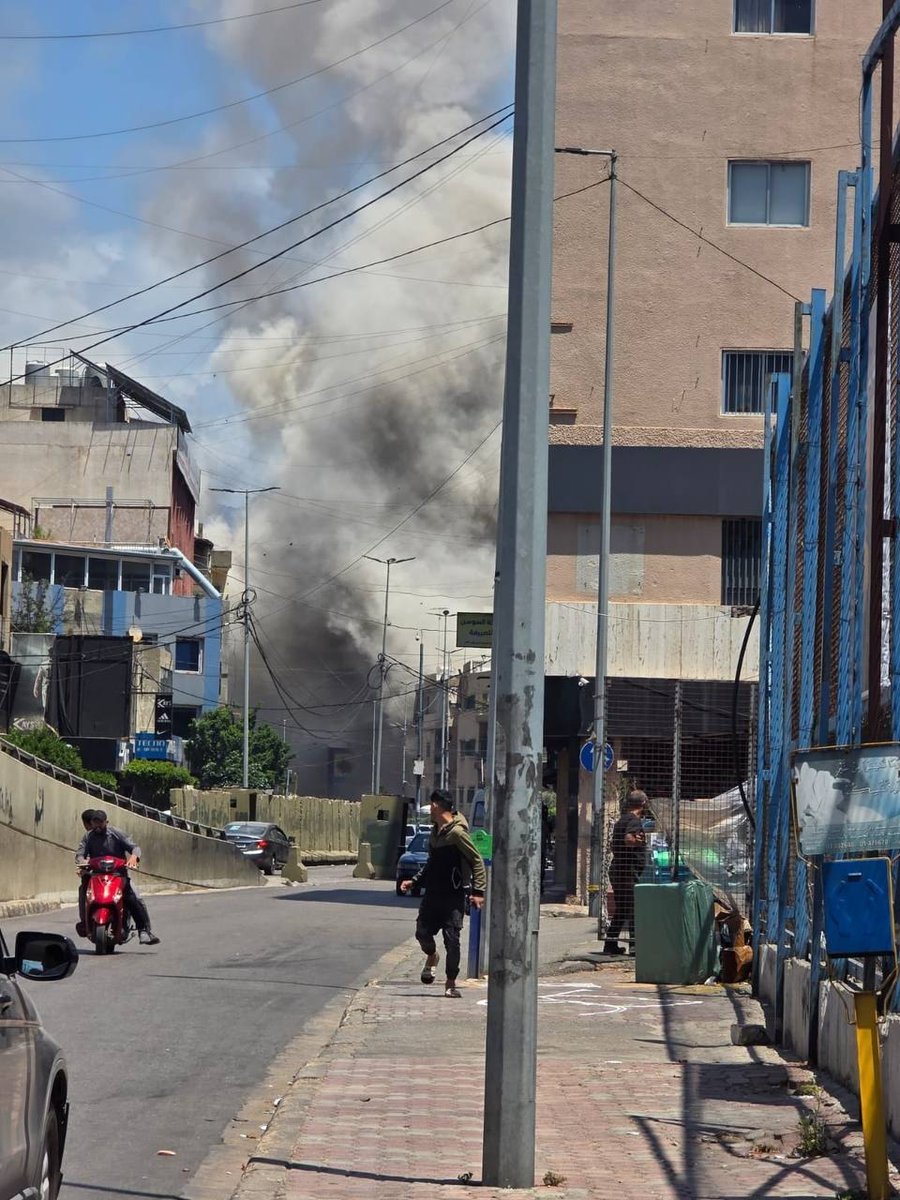
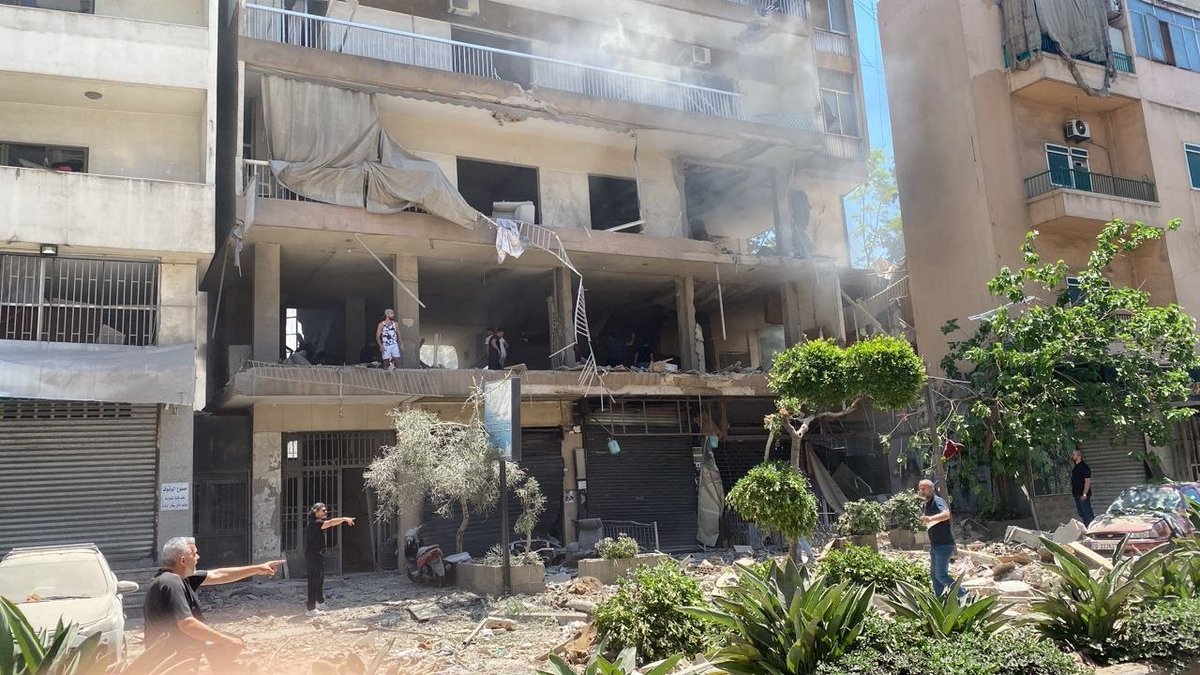
The genocidal Zionists are blocking any agreement by bombing Beirut. They will destroy the global economy.
361
3,212
7,390
83,346
Tyler Popp retweeted
Do not believe for one second that Israel's genocidal regime did this without the prior approval of the Trump regime.
These monsters are agreement-incapable.
Any ceasefire or peace agreement with the U.S. or Israel is not worth toilet paper.

🇱🇧 More scenes from Beirut after the Israeli Occupation Forces attack.
36
499
985
10,856
Tyler Popp retweeted

Jun 13
Iran has hitched its fate to two countries undergoing occupation and genocide - Lebanon and Palestine - by a criminal pariah. This is righteous courage on steroids.
Jun 11

Message from Iran to the Palestinians: We are fighting for you,
We will be with you until the full liberation of Palestine, God willing.
420
3,703
12,139
211,418
RT @BrianJBerletic: This 2015 bombing in Thailand followed Bangkok ignoring US demands to allow Chinese terror suspects from Xinjiang to tr…
549
Tyler Popp retweeted
Jun 12
Fun fact: Jared and Ivanka “discovered” Albania’s strategically important Sazan Island while on this guy’s yacht
Feb 28

History is written by the winners. #IranRevoIution2026
84
2,484
11,712
284,111
Tyler Popp retweeted

Jun 13
Britain continuing to not beat "you're ruled by a cabal of paedophiles" allegations
Jun 12

Morgan McSweeney is back advising the Prime Minister – four months after he resigned over his role in the Mandelson scandal
🔴 Exclusive from @cazjwheeler & Richard Vaughan
Read more: inews.co.uk/news/politics/mo…

7
225
776
11,852
Tyler Popp retweeted
Western-backed Zionists are commiting a second genocide.
Jun 13

Footage from Gaza.
Now that I’ve got your attention, this is LEBANON.
Israel is committing ANOTHER genocide 💔
119
2,970
6,537
78,505
Tyler Popp retweeted

You're saying Mossad is going to murder me, and that you're happy that Mossad will murder me, and that you are defending a foreign state whose intelligence operatives travel around the world murdering people who criticize that state on the internet? What an interesting admission.
24
286
2,164
31,343
Tyler Popp retweeted
But let's focus on the World Cup.
Jun 11

🚨🇮🇱🇵🇸BREAKING: Israel strikes a tent sheltering displaced people in Gaza, BURNING CIVILIANS ALIVE.
390
10,469
22,576
255,865
Tyler Popp retweeted

Yesterday in Toronto, activists protested FIFA’s inaction by still not sanctioning Israel. And fans and supporters of team Bosnia and Herzegovina chanting in solidarity with Palestine. Beautiful sights to see.
19
120
450
4,442
Tyler Popp retweeted

With Tulsi Gabbard's new revelations about US bio labs in many countries around the world including Ukraine, it's fascinating recall the bizarre series of events that gave rise to this controversy in the first place:
In May of 2022, some of us began asking whether the US had bio labs in Ukraine, what they were for, and why the US had them there. For asking those questions, we were instantly branded as "pro-Russian conspiracy theorists" in official Ukrainian intel reports, on our Wikipedia pages, by countless media outlets, etc. This was and remains one of the most bizarre episodes I've ever seen.
Before May 2022, when we asked those questions, barely anyone had ever thought about let alone asked about "bio weapons in Ukraine"! I certainly hadn't. Like most people, I had never mentioned a word about it because it had never occurred to me we had them there.
But then, Marco Rubio summoned Victoria Nuland to the Senate and asked her in a televised hearing under oath about these "rumors," clearly expecting her to immediately debunk them as obvious Kremlin lies and to proclaim the US had no such bio labs in Ukraine.
Instead, Nuland did the opposite! She *confirmed* key aspects of these "rumors," and she explicitly warned that the US has several "bio research labs" in Ukraine that are so dangerous that they must not be allowed to fall into Russia's hands.
When some of us heard Nuland's rather shocking admission -- the first-ever disclosure about these labs -- we of course asked: wait! what? Why does the US have bio labs in Ukraine, and what are the US and Ukraine doing in those labs that make them (in Nuland's eyes) so dangerous?? (Note: nobody ever suggested that the presence of these bio labs in Ukraine justified the Russian invasion; we just wanted answers about these US bio labs that Nuland had casually divulged).
We never got real answers. We got smear campaigns. To this day, our names are formally attached to claims that we spread "conspiracy theories" for asking about these labs even though it was Victoria Nuland herself who was the one who accidentally revealed them for the first time in a Senate hearing in response to a shocked Marco Rubio. They then quickly tried shutting down any questioning by pretending that Nuland never said this, and it was just a bunch of paid Kremlin mouthpieces who were spreading lies.
You see the same tactics now being against Tulsi for releasing this new intelligence report. Watch the Nuland testimony in question:
Jun 12

Today, I’m releasing never before seen intelligence revealing new evidence of past US government funding for more than 120 biolabs in over 30 countries, including Ukraine.
In support of President Trump‘s Executive Order to end federal funding of dangerous gain of function research around the world, and increase transparency and accountability, ODNI will continue working with partners across the Administration to identify where these labs are, what pathogens they contain, and what “research” is being conducted.
odni.gov/index.php/newsroom/…
325
3,650
11,538
456,401
Tyler Popp retweeted

Jun 13
In case anyone is interested in a clip of Catholic Zionist @JonFraserTF having a rage-induced meltdown over people lawfully protesting against the complicity of Canada in the violent genocide of Palestinians:
(In a bogus claim he also said he was approached by several people here telling him to “go back to Europe Jew”)
Jun 13

Jon, remember when you had a meltdown at a protest and then lied on this app saying “I got silently mouthed thank you from dozens of cops who stood by watching” as you walked out?
Here’s the clip. The only cop in the vicinity ignored you and just repeated that you were leaving 😂

40
79
290
19,973
Tyler Popp retweeted
Jun 13
If Trump was truly committed to stopping the war on “all fronts”, he would demand that Netanyahu put an end to this criminal chatter, which is obviously designed to sabotage the “peace deal”. Instead, Trump is letting the Israeli war criminals shoot their mouths off.
Jun 13

Israel’s Defense Minister said Friday that regardless of any future U.S.-Iran agreement, Israel will not withdraw from territories it currently occupies in Lebanon, Gaza, Syria, or from the refugee camps and other areas it has newly occupied in the northern West Bank since late 2023. His comments also suggested Israel could expand its military occupation to additional areas of the West Bank.
🔸Israeli Defense Minister Israel Katz said:
“Israel must ensure that in the future as well, we will have the ability to act independently to prevent Iran from acquiring nuclear weapons, and Prime Minister Benjamin Netanyahu and I have instructed the IDF to prepare accordingly.
Israel will not withdraw from the security zones in Lebanon, Syria, and Gaza. The IDF will continue to defend our borders and our citizens from the peak of Mount Hermon, the mountains of Lebanon, the areas of our land in the Samaria region, and most of the territory of Gaza—against the threats posed by jihadist forces and organizations, as a central lesson from the events of October 7.
The IDF will not withdraw from the terrorist camps in northern Samaria, which have been evacuated of residents, and if necessary, the operation will be expanded to additional terrorist camps.”
🔗 Full below ⬇️
4
34
131
2,619