An international org. of parliamentarians, scholars, jurists, HR defenders, and NGOs, in the pursuit of justice, founded by @IrwinCotler.
Joined August 2020
- Tweets 7,783
- Following 1,221
- Followers 5,128
- Likes 1,145
1,774 Photos and videos
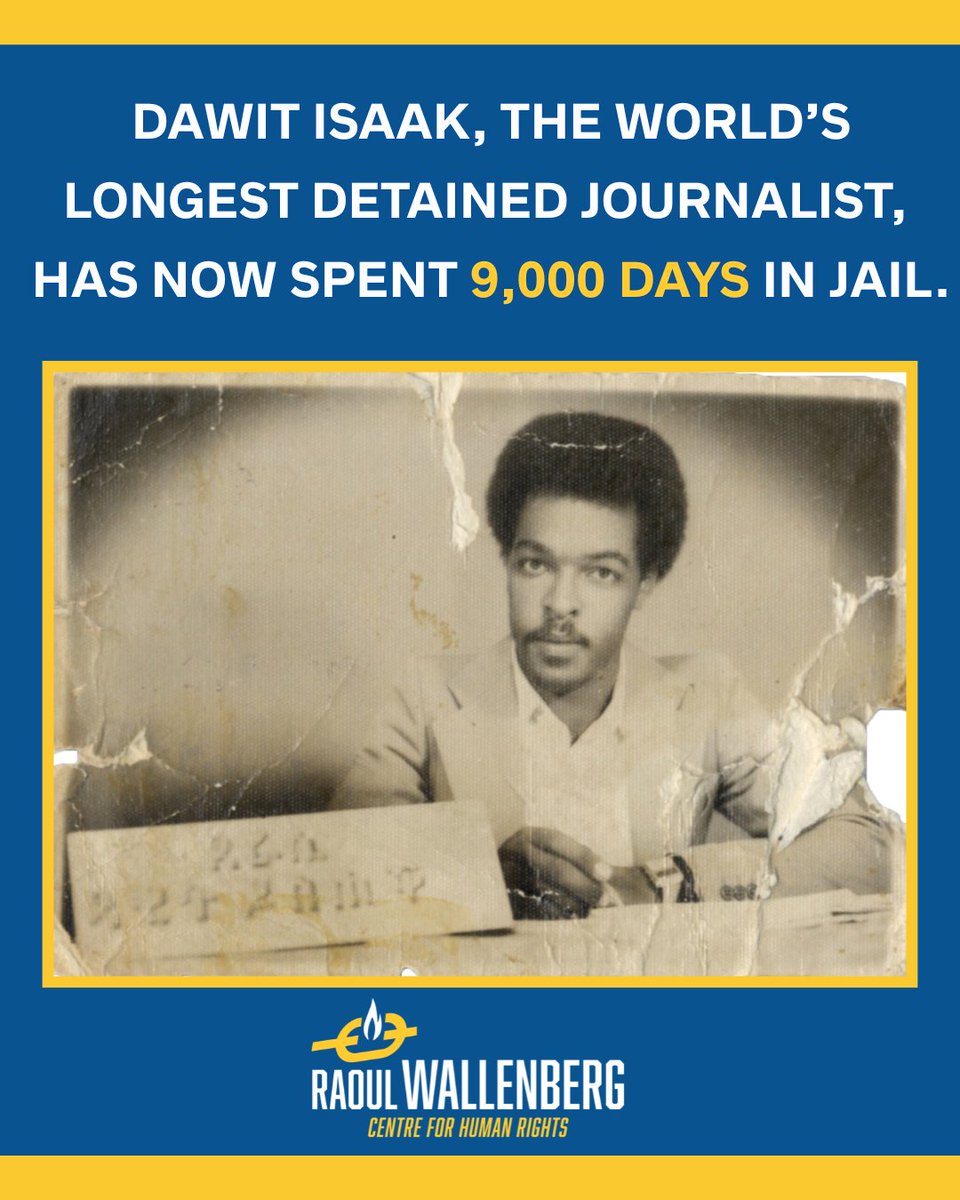
Raoul Wallenberg Centre for Human Rights retweeted

Jun 12
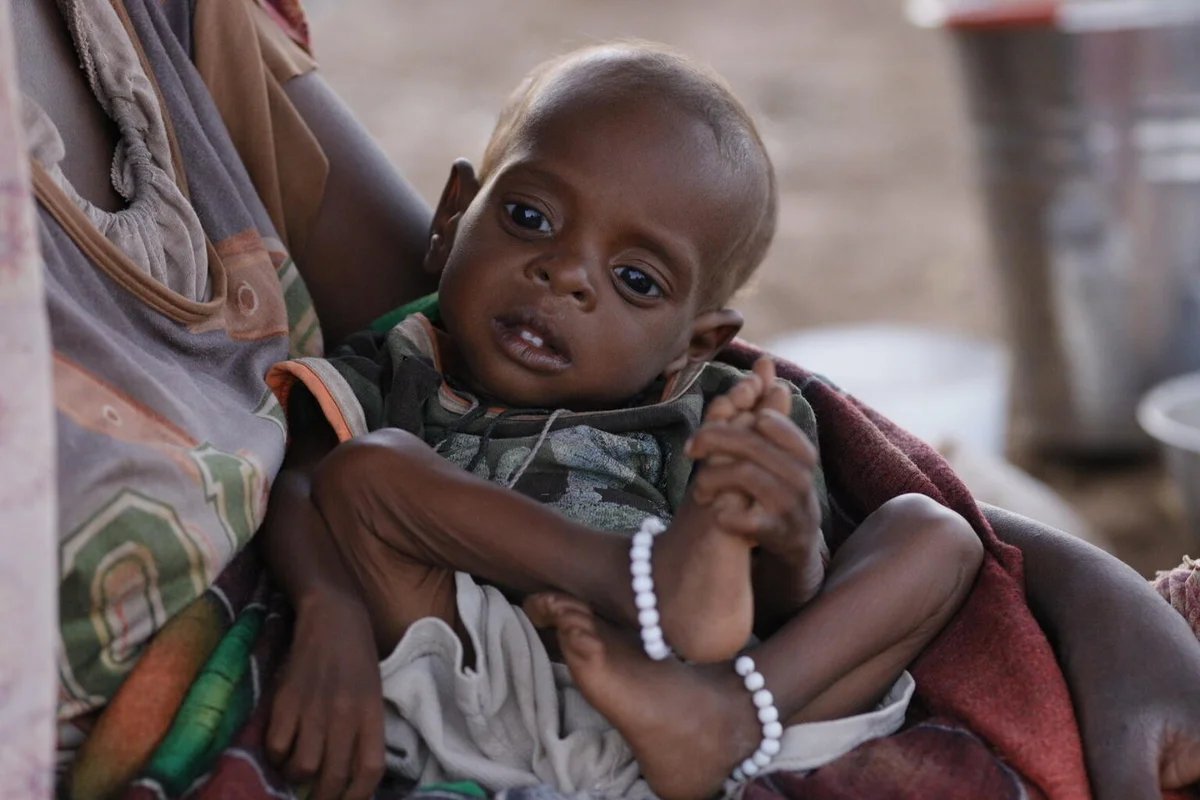
Sudan's National Council for Child Welfare warns that 71% of Sudanese children are now living in hazardous conditions, facing a sharp rise in child labour, exploitation, and recruitment by armed groups due to the ongoing conflict.
sudantribune.com/article/315…
#Sudan #Khartoum #ChildrenUnderAttack
64
66
4,011

Canada has spent years discussing foreign interference.
Parliament passed the Foreign Influence Transparency and Accountability Act back in June 2024, but it still hasn't been brought into force.
We joined a coalition calling on the government to match its commitments with action and fully operationalize the law.
Foreign interference is NOT a theoretical threat.
It targets our 🇨🇦democracy, 🇨🇦institutions, 🇨🇦communities, and 🇨🇦citizens.
Delays have real costs.
Our joint open letter to Prime Minister @MarkJCarney
👇👇⌛️
raoulwallenbergcentre.org/en…
@chkl2047 @VSSDM1 @CanadaTibet @eastturkistanca @SFTHQ
@kolga @Uyghuradvocacy @M_Johnston1
@MehmetTohti @gary_srp @CanadaFP @GAC_Corporate @CitizensAssemb
1
14
16
1,507
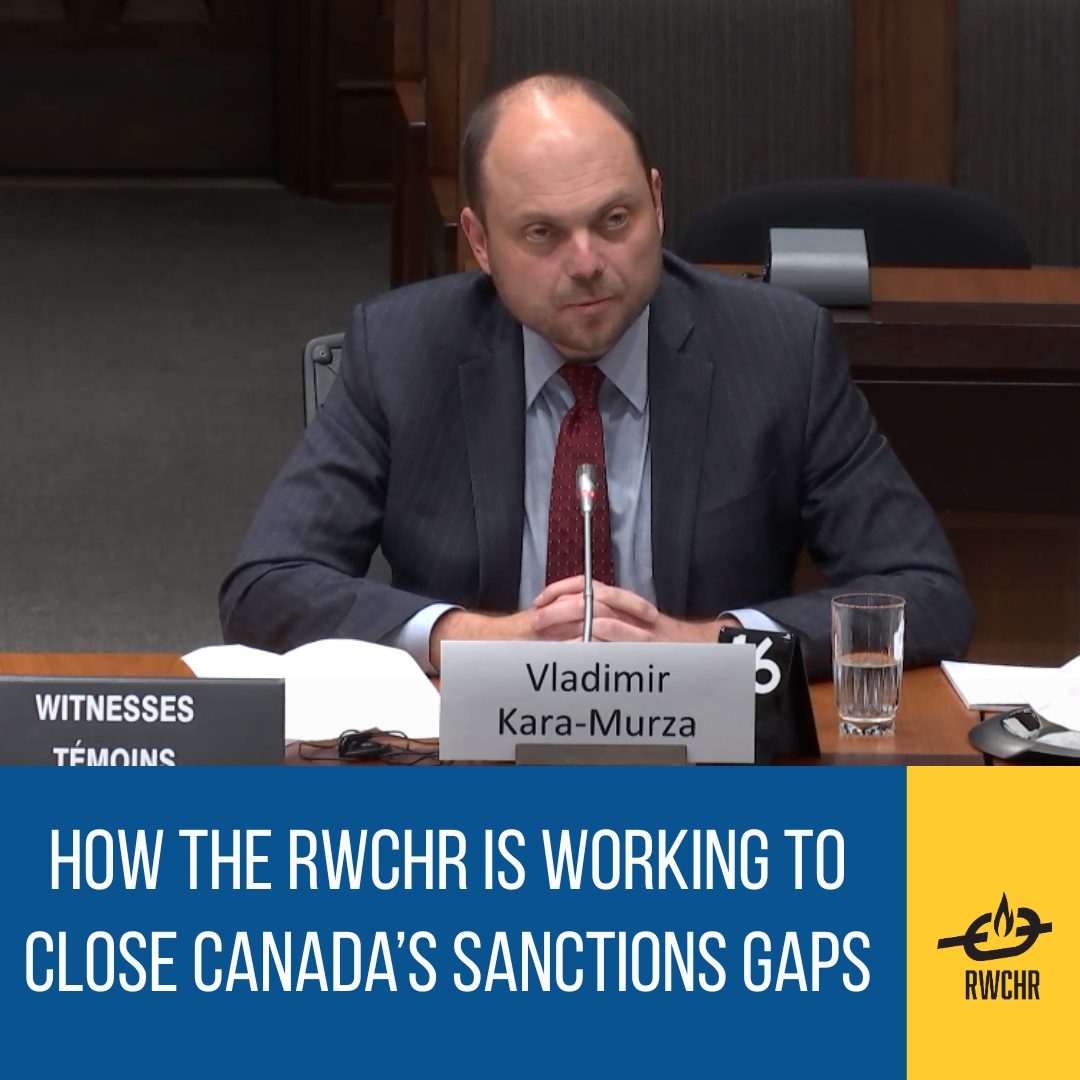
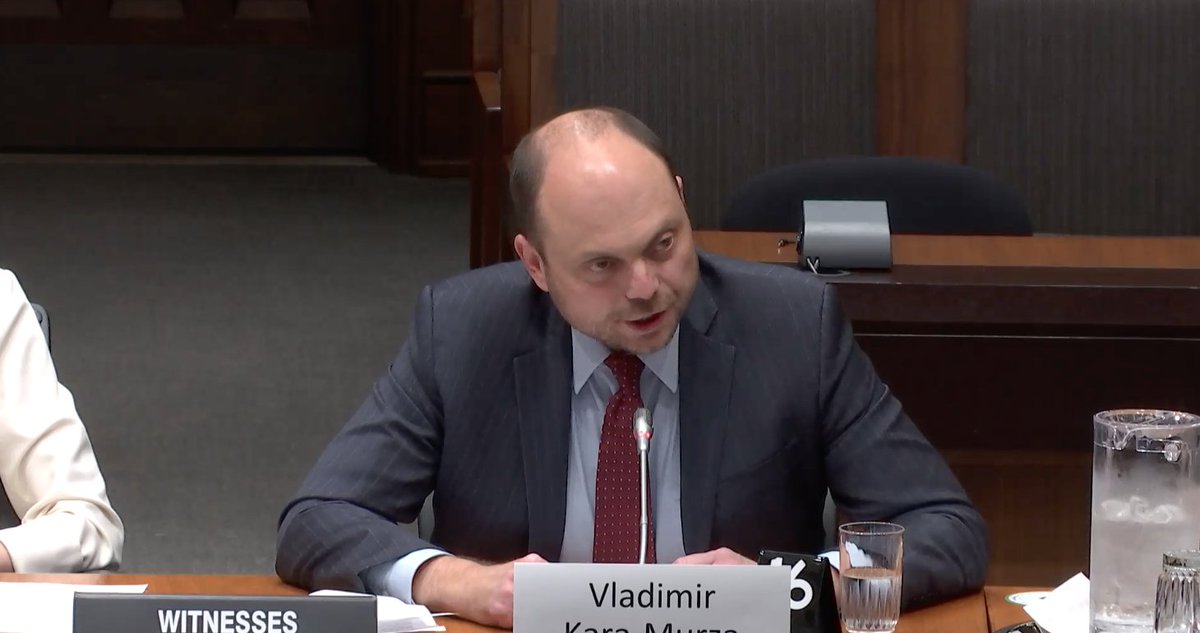
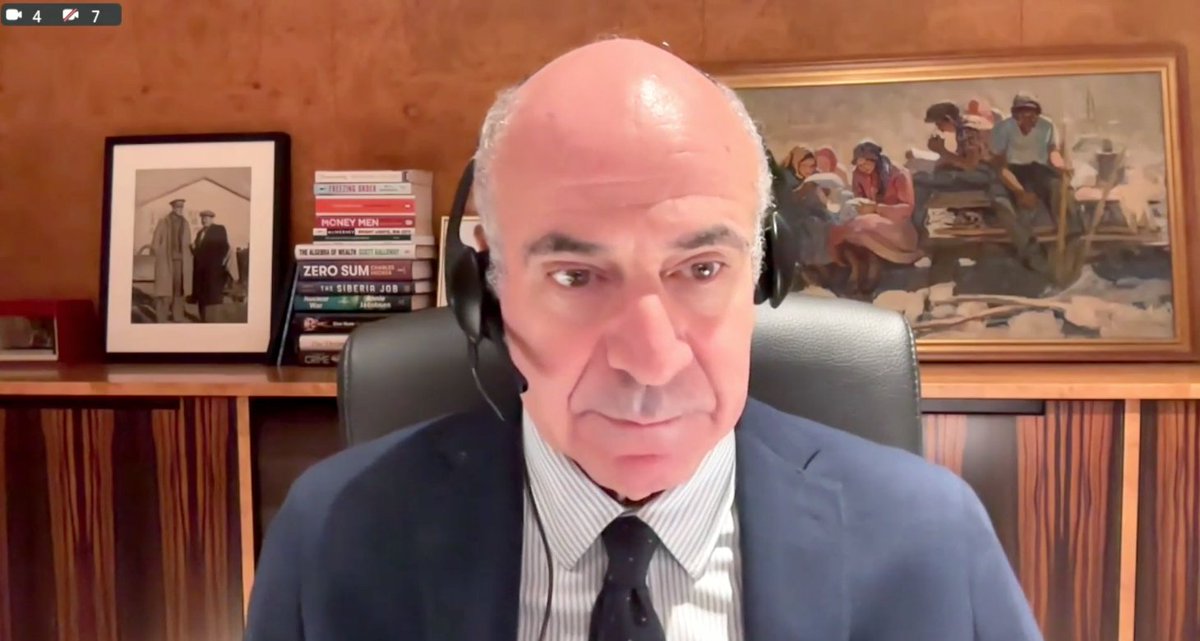
Canada's sanctions laws need an upgrade.
At a time when authoritarian regimes are increasingly targeting dissidents across borders, Bill C-219 ("Magnitsky 2.0"), would help close key gaps in Canada's sanctions regime.
RWCHR's Brandon Silver and Sr Fellows Vladimir Kara-Murza and Marcus Kolga have all appeared before Parliament in support, building on the Magnitsky legacy championed by Irwin Cotler.
Read more:
raoulwallenbergcentre.org/en…
@jamesbezan @vkaramurza @kolga @IrwinCotler
9
18
1,783
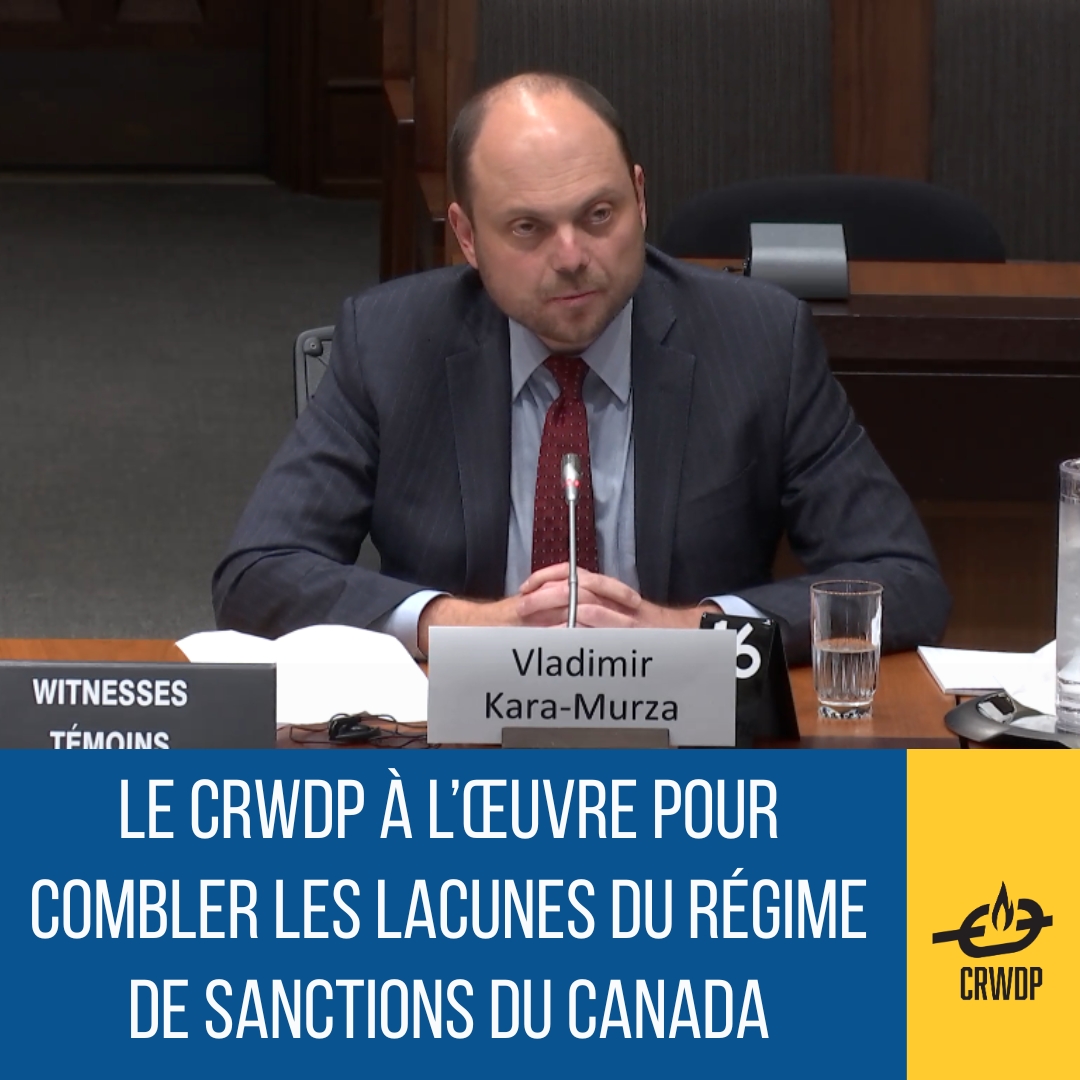
Le régime canadien de sanctions doit être modernisé.
À l’heure où les régimes autoritaires ciblent de plus en plus les dissidents au-delà de leurs frontières, le projet de loi C-219 (« Magnitsky 2.0 ») contribuerait à combler d’importantes lacunes du régime canadien de sanctions.
Brandon Silver, Vladimir Kara-Murza et Marcus Kolga du CRWDP, ont tous comparu devant le Parlement pour appuyer cette réforme, qui s’inscrit dans l’héritage Magnitsky défendu de longue date par Irwin Cotler.
Pour en savoir plus :
raoulwallenbergcentre.org/fr…
@kolga @vkaramurza @IrwinCotler @jamesbezan
2
14
1,432
Raoul Wallenberg Centre for Human Rights retweeted

Jun 9
Another year and another birthday for my sister where she remains stranded in a deadly war zone in Sudan with no prospect of being reunited with our 94 year old Canadian mom despite our repeated appeals to the Canadian government to intervene on humanitarian and compassionate grounds. @MarkJCarney @LenaMetlegeDiab my sister Kholoud is the daughter, sister and aunt of Canadian citizens who are fully committed to supporting her emotionally and financially should she ever reach safety here in Canada. Once again I appeal for your direct intervention given the distressing circumstances we face as a Sudanese Canadian family.
@TheRWCHR @yonahdiamond @geoffreyyork @NicholasCoghlan @SCCASocials @timhodgsonmt @AnitaAnandMP @CitImmCanada
6 Jun 2023

Will Canada save our adopted sister, Kholoud, from war torn Sudan?
When you care about someone you do everything to help them when they are in need but when their life is in grave danger you will need to do something out of the ordinary to save them. It is for this reason, I plan to be outside the Canadian High Commission in Trafalgar Square in London, UK on Friday the 9th of June at 10am to beg the Canadian Government to intervene and save our adopted sister Kholoud and her family from war torn Khartoum, Sudan.
My name is Sami Atabani, and I am a Sudanese/Canadian citizen residing in the UK. I am writing on behalf my family (we are all Sudanese and Canadian citizens) to request your support in applying pressure on the Canadian government to evacuate our adopted sister Kholoud from war-torn Khartoum, in Sudan. War broke out in the capital Khartoum on the 15th of April 2023 as a result of the dispute between two army generals and has resulted in the displacement of over two million people within days. War and destruction continues in the capital Khartoum 8 weeks on with no hope for peace.
My sister Kholoud was born very prematurely on the 8th of June 1979 in Khartoum, to parents from the Darfur region of Sudan. Kholoud’s mother died from childbirth complications five days after giving birth. Kholoud’s father was an employee of my dad who was the CEO of the Sudanese Kuwaiti Agricultural Investment Company, managing large agricultural and infrastructure projects in Sudan. My parents went to visit the little girl and her father in the hospital upon hearing the tragic news and offered their support during that difficult time. Kholoud’s father mentioned that he was unable to look after Kholoud, and that he would have no choice but to place her in an orphanage so she can be looked after. It was at this point that my mum whispered in my dad’s ear, that the tiny black girl weighing under a kilo wouldn’t survive in the orphanage, and that they should give her a chance in life, by offering to look after her for a few days until perhaps her father’s relatives would arrive from Darfur to Khartoum to support him and his new born daughter. Kholoud joined our family when she was six days old, and has been raised as our sister since.
However, due to very complex adoption laws in Sudan, which do not allow full adoption if there is a surviving parent, Kholoud could not be legally adopted by my parents. As an alternative, they agreed with Kholoud’s father that they would become her legal guardians and that she would continue to live with us as our sister. My parents insisted on arranging for a legal self-declaration letter by Kholoud’s father stating that Kholoud live with us permanently and that our family are fully responsible for her welfare and that she is to be raised as our sister. Kholoud lived with us all her life until she married at the age of 20 in Sudan in 1999 shortly before my parents, Dr Yousif Atabani and Mrs Nadia Dacroub, moved to Toronto, where they became Canadian citizens. Kholoud, is now a dedicated single mum having divorced her husband in 2013 after discovering that her husband was cheating on her.
Our dad died in Kholoud’s arms in June 2021 while on holiday in Sudan to visit her. Our mother, Nadia Dacroub, who is a frail 91 year old, is extremely worried for the safety of Kholoud and her family in Khartoum as the situation continues to deteriorate. We are extremely concerned for Kholoud’s wellbeing due to her ethnic background, being from Darfur, where individuals are regularly targeted by the army and militia in Sudan and are subjected to rape and torture.
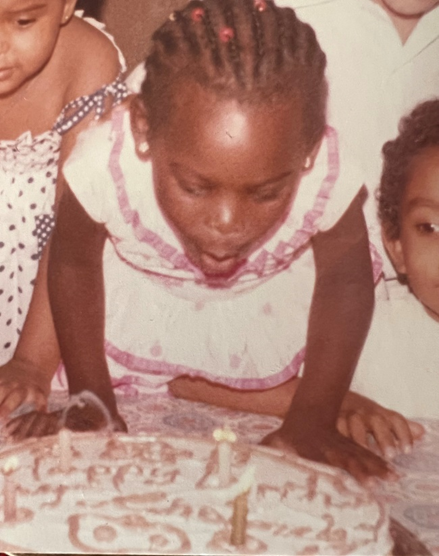
Today is Kholoud’s 44th birthday but unlike the picture below where she is celebrating her 4th birthday surrounded by all of us, we are unable to hug and reassure her that she and her family will be safe as she remains stranded in Khartoum with war raging around her.
We are now faced with the difficult situation of trying to secure a safe passage out of Sudan for Kholoud and her family who are all Sudanese citizens. We are appealing to the Canadian government to grant them any legal status in Canada as a matter of urgency to enable us to bring them to safety in Canada. We have requested an urgent review by the Canadian government of Kholoud and her family’s case on humanitarian grounds so our family can finally be reunited. To date all of our appeals have been completely ignored.
Please feel free to join me outside the Consular section of the Canadian High Commission in Trafalgar Square, London (Cockspur Street) where I will be standing by the entrance. I thank you for your support during this difficult time that my family and I are facing together with millions of other Sudanese as a result of the selfish actions of two criminal warlords.
Sami Atabani
#KeepEyesOnSudan #Sudan @RalphGoodale @CitImmCanada @JustinTrudeau @SeanFraserMP
6
6
403
You're invited to an online panel discussion, co-hosted by the RWCHR and @Macquarie_Uni, to launch the special issue of the Journal of Policing, Intelligence and Counter Terrorism.
"Understanding and responding to state hostage-taking: Harnessing civil society and NGO perspectives" features journal contributors Brandon Silver, Sophie Hunter and @KMooreGilbert. Each author will discuss the ideas presented in their paper as part of a broader conversation about how to understand and address the phenomenon of hostage diplomacy.
This event will take place on Thursday, 18 June from 9:30am - 10:30am AEST / Wednesday, 17 June from 7:30pm - 8:30pm EDT.
Register here to reserve your spot:
events.humanitix.com/underst…
1
3
607
Raoul Wallenberg Centre for Human Rights retweeted

Jun 5
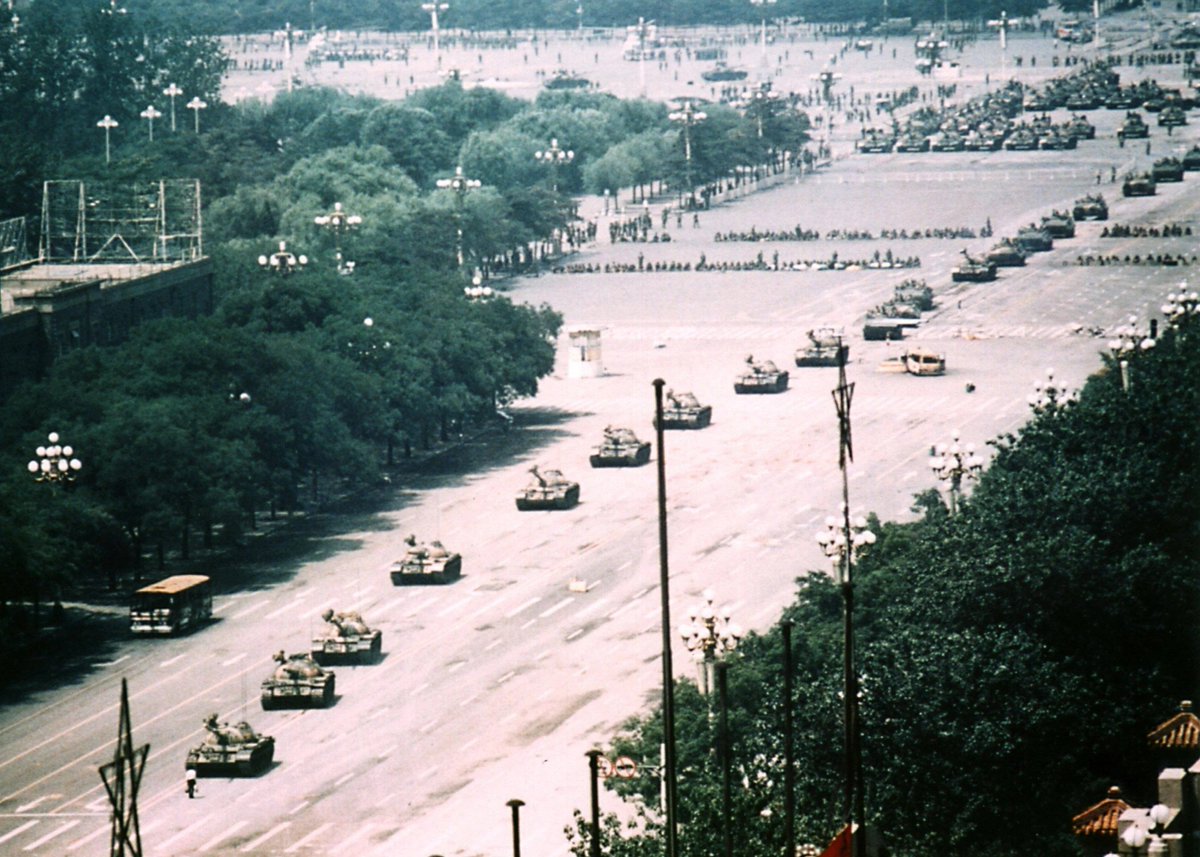
Four essays, any one of which would have featured prominently yesterday in a healthier media landscape, anywhere or everywhere across Canada. Some samizdat in today’s Real Story special edition.
therealstory.substack.com/p/…
3
19
68
2,324
Long before “transnational repression” entered the policy lexicon, Huseyin Celil’s case exposed the threat.
Celil's ongoing case has been ignored by Canada and Canadians for far too long.
#China’s transnational repression is not "just" a diaspora issue, which would be bad enough.
It affects parliamentarians, civil society organizations, businesses, governments, and ultimately all Canadians.
@Uyghuradvocacy @ChinaEmbOttawa @GAC_Corporate
@AnitaAnandMP @MarkJCarney @MichaelKovrig @Uyghuradvocacy
#FreeHuseyinCelil
Jun 5

From Intimidation to Economic Coercion
By Mehmet Tohi
In 2006, the abduction of Canadian citizen Huseyin Celil should have sounded alarm bells across all democratic capitals. After being detained in Uzbekistan and forcibly transferred to China despite holding Canadian citizenship, Celil was denied Canadian consular access as Beijing refused to recognize his Canadian nationality and treated him solely as a Chinese citizen.
Celil’s case foreshadowed a troubling pattern of China’s willingness to disregard diplomatic norms, violate international legal principles, and extend its coercive reach beyond its borders. What was once viewed as an isolated incident is now widely recognized as a form of transnational repression, a term that has since entered mainstream policy and security discourse.
China’s repression now extends far beyond its borders, targeting dissidents, intimidating diaspora communities, pressuring foreign governments, influencing corporate behavior, and punishing those who challenge the political interests of the Chinese Communist Party. And today it has entered a new phase.
The same coercive tactics once directed at people are increasingly being applied to governments, civil society organizations, and corporations, transforming economic dependence and global supply chains into tools of political influence.
Public awareness of transnational repression first emerged through the experiences of Uyghurs, Tibetans, Hong Kongers, and mainland Chinese activists living abroad, many of whom reported surveillance, harassment, intimidation, and threats carried out directly or through family members in China.
Freedom House has described China as operating one of the world’s most sophisticated and far-reaching transnational repression campaigns. What was once viewed as a problem affecting a handful of exiled activists is now increasingly recognized as a broader threat to democratic institutions, national sovereignty, and fundamental freedoms.
The experiences of Tibetan and Hong Kong activists illustrate just how expansive the repression has become.
Tibetans living abroad have long reported intimidation and pressure exerted through family members and community networks, while the imposition of Hong Kong’s National Security Law marked a significant escalation. By asserting extraterritorial jurisdiction over speech and political activity conducted anywhere in the world, Beijing signaled that criticism of the Chinese state could carry consequences regardless of where it occurs.
In effect, the law seeks to extend China’s political control beyond its borders, warning activists that physical distance no longer guarantees safety.
Canada has not been safe from this threat; in many respects, this country has become one of its foremost targets. The detention of Canadians Michael Kovrig and Michael Spavor, widely viewed as retaliation for Canada’s in-home detention of Huawei executive Meng Wanzhou, demonstrated that coercion could extend beyond the harassment of activists to the arbitrary detention of foreign nationals as geopolitical leverage. The Two Michaels’ abductions highlighted how hostage diplomacy was not an aberration, but part of a broader pattern in which legal norms, diplomatic conventions, and individual rights are subordinated to the strategic objectives of the Chinese state.
The scope of transnational repression has expanded beyond activists and diaspora communities to include elected officials and civil society organizations. Chinese authorities have sanctioned foreign lawmakers, including Canadian MP Michael Chong, as well as advocacy groups such as the Uyghur Rights Advocacy Project and the Canada Tibet Committee, for criticizing Beijing’s human rights record. These actions are designed not only to punish critics but to deter others from speaking out.
therealstory.substack.com/p/…
2
17
32
27,676
Raoul Wallenberg Centre for Human Rights retweeted

Jun 4
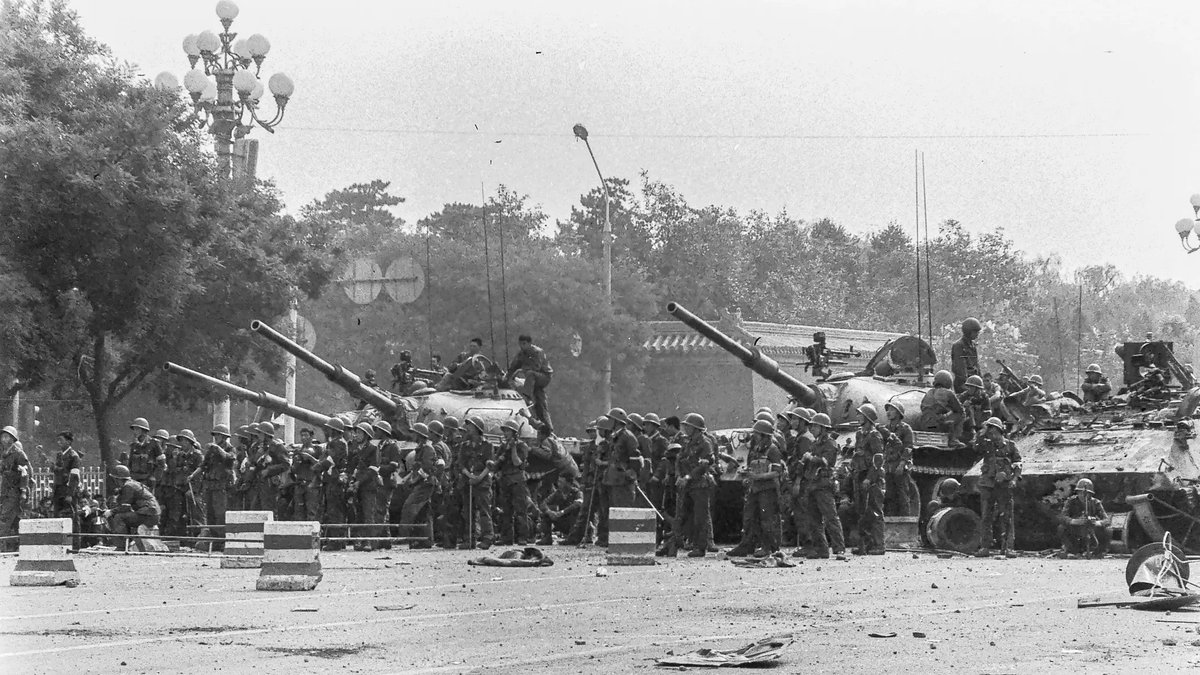
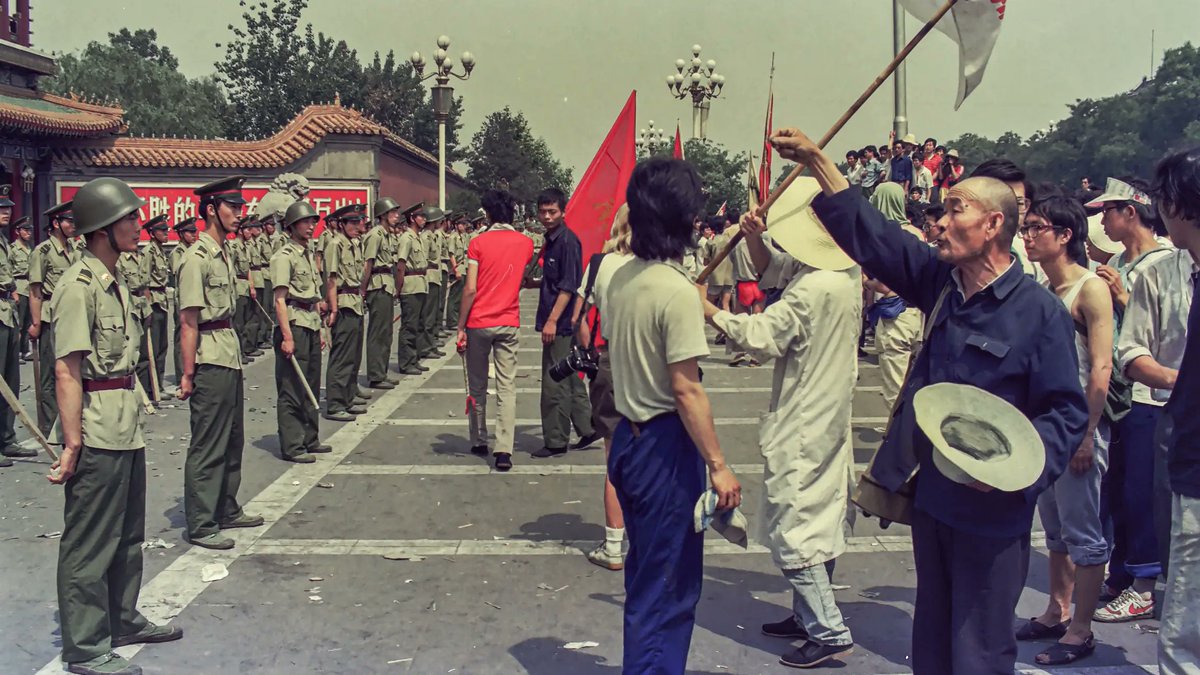
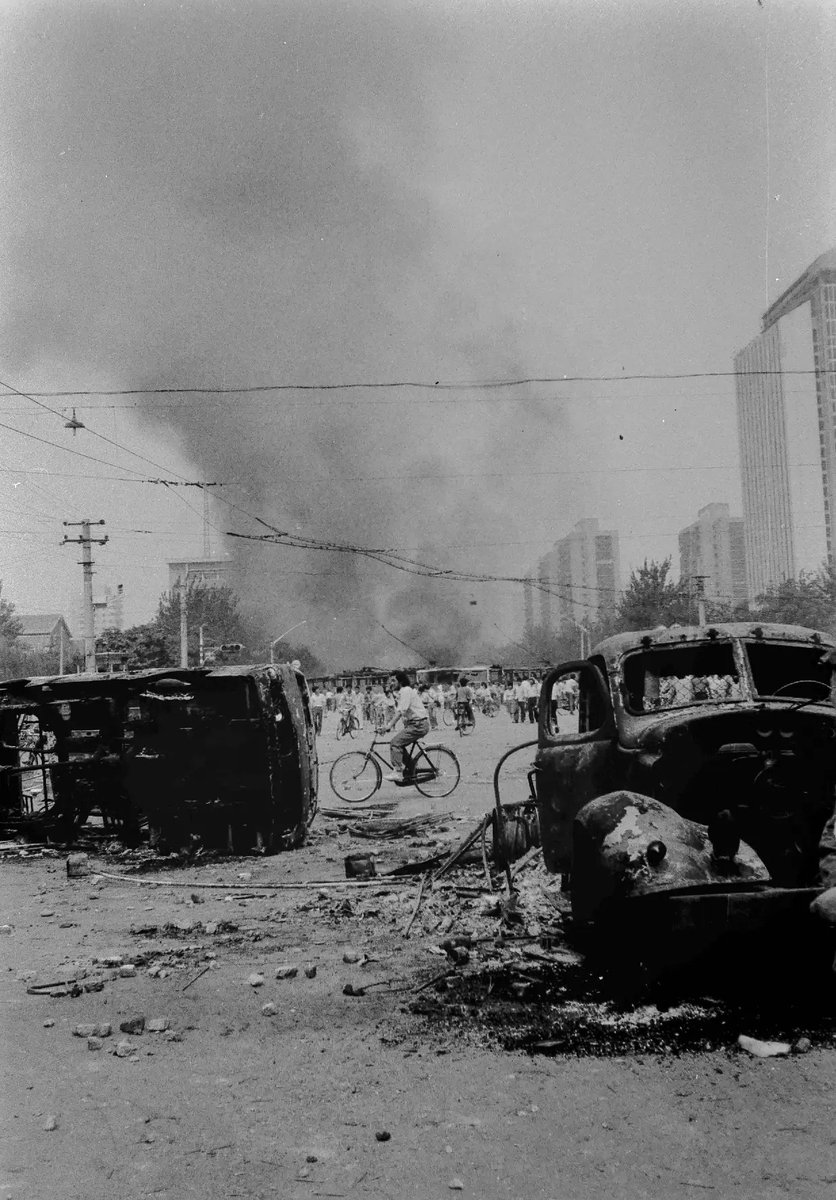
For 37 years, over 2,000 images taken by a Chinese state media photographer were hidden in a metal box, surviving brutal purges—until now.
These raw, powerful photos show the courage of the students, the scale of the protests, and the horror of what the Chinese Communist Party did.
Now, The @EpochTimes is making the photos public for the first time. [1/2]
194
4,528
11,200
407,982
Raoul Wallenberg Centre for Human Rights retweeted

Jun 2
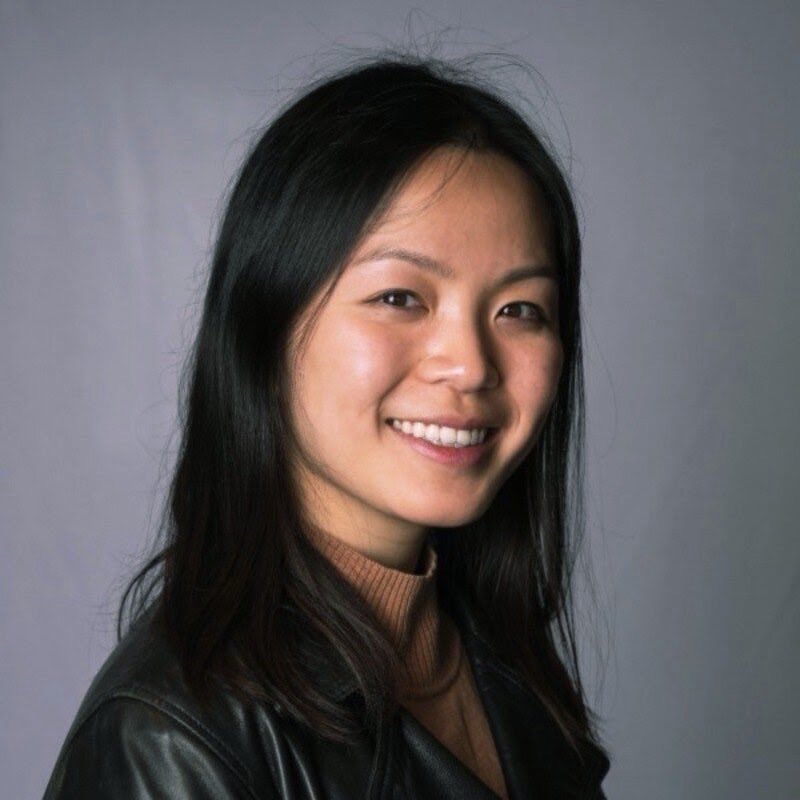
最近,美中之間因為《紐約時報》駐北京記者王月眉遭驅逐,再度掀起一場新聞自由風波。
事情起於2025年底,《紐約時報》在一場峰會中播出對賴清德總統的預錄專訪。主持人在節目中直接把台灣稱為「國家」,賴總統也談到中國軍事擴張對區域安全造成威脅。幾個月後,北京沒有去找節目製作團隊,而是把怒氣發洩到該報駐北京記者的身上。
今年二月,《紐約時報》駐北京記者王月眉(Vivian Wang)遭要求離境。這位華裔美國記者在芝加哥郊區長大,畢業於耶魯大學,自2020年起派駐北京,報導中國疫情、社會變遷、言論審查與新疆議題。今年五月,美國則以驅逐一名新華社記者作為對等反制。
很多人看到這則新聞,會覺得這又是中國打壓新聞自由的一個案例。但對我來說,感受不太一樣。因為,我曾經作為外國媒體記者在北京生活十年。
三千多個日子裡,每天都會感受到各種看不見的壓力。重要國際會議的記者證可能突然被取消;前一天答應受訪的人,隔天電話就不接;隨時可能被叫到宣傳部、外交部、公安單位「聊一聊」。名義上是溝通,實際上是警告。去敏感地區採訪,永遠有人跟蹤。遇到這些事情,一開始令人憤怒,後來變成疲憊,再來是恐懼。最後,很多人開始自我審查。
中國打壓新聞自由最厲害的地方,不是直接封住你的嘴,而是讓你慢慢學會少說、少問、少碰。
這幾年,中國言論環境還在持續惡化。
諷刺的是,很多長期生活在自由社會的人,卻對這一切視而不見。有些人去了幾趟上海、深圳,看了高鐵、無人商店、行動支付,就開始說「中國進步太多了」、「民主太亂了」、「中國其實沒那麼可怕」。完全沒意識到自己看到的只是「櫥窗」而已。
真正的中國,是一個會把外國記者驅逐出境、把採訪對象嚇到關機、把壓力變成日常空氣的國家。因為中共是一個缺乏安全感、缺乏自信的政權,對任何不受控制的聲音都感到恐懼。
233
356
1,708
75,583
Raoul Wallenberg Centre for Human Rights retweeted

Jun 3
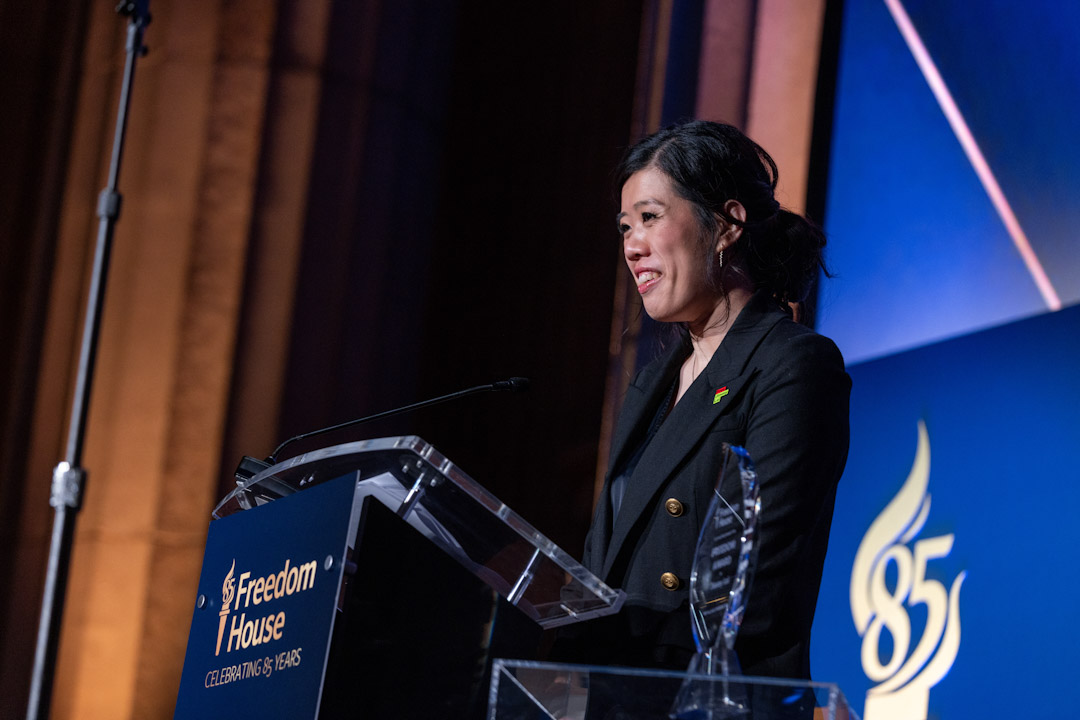
“The more information you have, the more you are in the know, the more you are free.”
Accepting Freedom House’s 2026 Freedom Award on behalf of her father, Jimmy Lai, Claire Lai reflected on the principles that inspired the founding of Apple Daily and continue to guide his fight for freedom from a prison cell in Hong Kong. Freedom House remains steadfast in calling for his immediate release. #FreeJimmyLai #FreeThemAll @SupportJimmyLai
Watch her full remarks: youtu.be/i18Ri6cZk6I
7
24
1,975
A deeply moving tribute to the victims of the 1989 Tianmen Square Massacre and to the brave individuals who've risked their lives to advance the dream of freedom and democracy in China since.
This June 4, we remember. 🕯️
#8964
#FreeJimmyLai

The impact of the Tiananmen Square massacre continues to be felt. This June 4th, we remember the victims and those who continue to suffer on their behalf.
IPAC's tribute, with Arthur Liu, Claire Lai, and Christopher Mung
#8964
六四天安門大屠殺的歷史傷痕至今未平。在這個 6 月 4 日,我們一同紀念當年的遇難者,也銘記那些至今仍為此承受苦難的人們。
IPAC和 Arthur Liu、Claire Lai 與 Christopher Mung 共同獻上悼念。
#8964
6
9
732
Raoul Wallenberg Centre for Human Rights retweeted

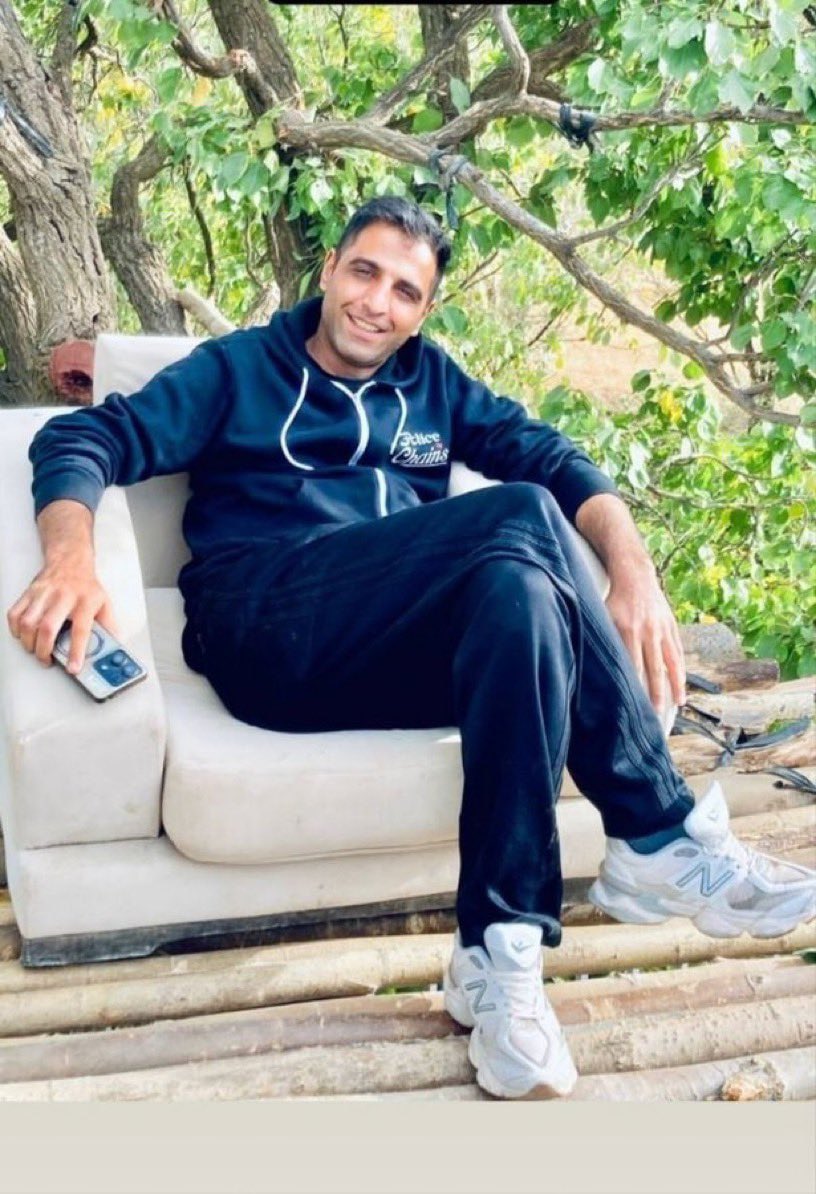
Today, they hanged him in Iran for protesting.❤️
Now you understand why I showed a graphic image of a hanged man in front of 2,000 people in Washington DC.
If that image was too sensitive for people in the West، this is Iran's daily reality. 4 to 5 people hanged. Every. Single. Day. By the same regime that Western governments are rushing to negotiate with.
Right after my speech, this man was hanged.
Fathollah Avari was arrested in Hamedan during Iran's nationwide uprising in January 2026. The Islamic Republic secretly executed him on Tuesday no last goodbye, no final visit with his family.
They charged him with "waging war against God" .
And yet some of you in the West are more worried about Islamophobia than about people being executed under the Islamic regime.
Ask me again why I hold up graphic images. 💔
#StopExecutionsInIran

Here's what the "pro-human rights" crowd won't say: the UN is a joke. Guterres and his left and liberal fan club in America and Europe are the biggest embarrassment to democracy while Iranians are being slaughtered.
If you're shouting "Free Palestine" from your comfortable place in the West, at least listen to our real story, we carry the wounds of Hamas, Hezbollah, and the IRGC.
My speech at AJC Global Forum 2026 in Washington, D.C.
#Iran
@AJCGlobal
80
2,100
4,861
92,210
Raoul Wallenberg Centre for Human Rights retweeted

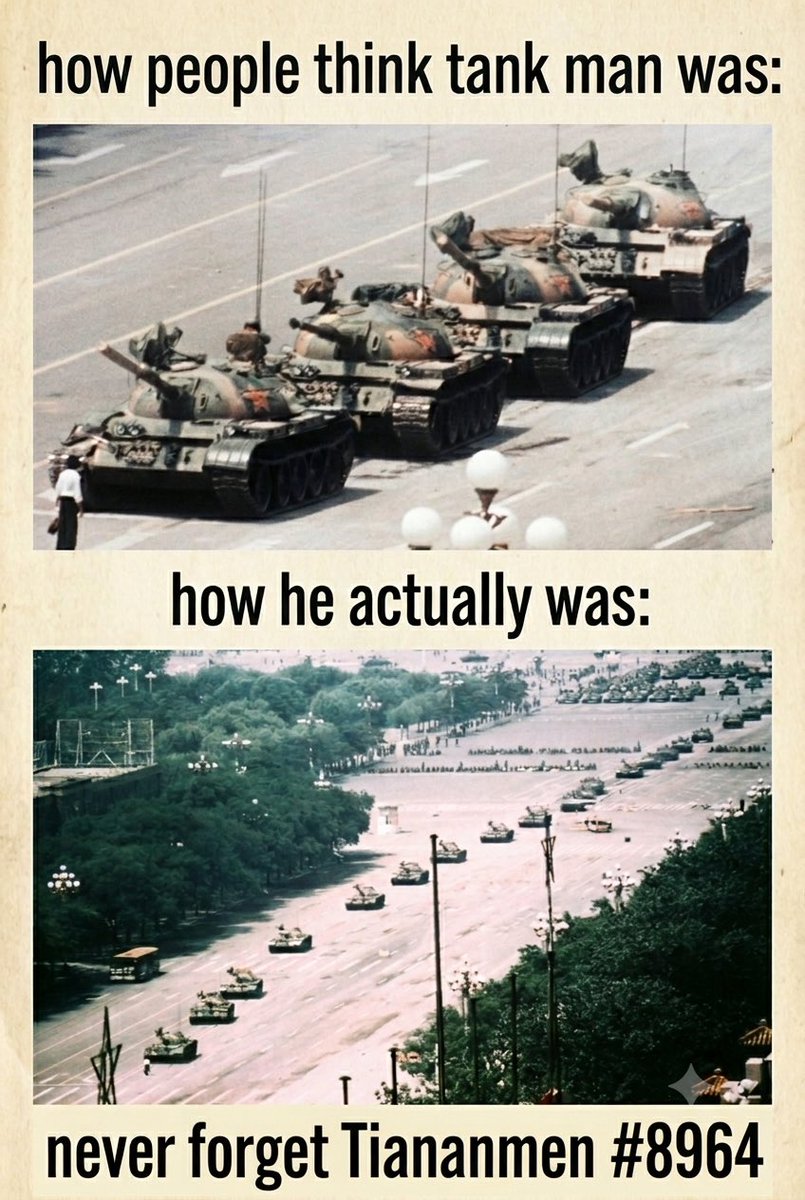
It’s June 4th in Hong Kong. 🕯️
56
1,149
5,986
150,613
Raoul Wallenberg Centre for Human Rights retweeted

Jun 3
The U.S. is considering imposing an additional 10% tariff on Canada for non-compliance with forced labour import ban provisions under CUSMA.
We should focus on what we can control and do what we can
The government should bring forward the two long-awaited pieces of legislation that were ready as of December 2024: the Import Ban legislation and the Supply Chain Due Diligence legislation. They should be tabled and passed without further delay.
Banning products made with forced labour is not only the right thing to do—it is required under our domestic laws, our trilateral commitments under CUSMA, and our international obligations.
Alternatively, there is already a bill tabled by @SPSTremblay that is comparable to the U.S. #UFLPA.
Make it law. Make compliance clear. Make enforcement easy.
1
9
12
1,083
Raoul Wallenberg Centre for Human Rights retweeted

While we have reported on the terrible sexual violence that has targeted Sudanese women and girls at @AyinSudan, we rarely look at the long-term effects of these crimes. Collaborating with the Strategic Initiative for Women in the Horn of Africa (SIHA), we have produced a short documentary on the aftermath of these assaults for women and girls from Al-Jazeera State.
SIHA has recorded 677 confirmed cases of conflict-related sexual violence in Al-Jazeera State, the highest figure among 14 states in Sudan.
In some cases, the stigma and trauma connected to these experiences leave girls unable to return to school. In other cases, they manage, against all odds, to rise above it and pursue their education.
#Sudan, #KeepEyesOnSudan
@Sihanet
1
74
80
8,488
Op-ed by @IrwinCotler and David M. Crane arguing that the Canadian government should be at the forefront of the historic Special Tribunal for the Crime of Aggression against #Ukraine—not a passive observer watching from the sidelines.
"Canada has led before. This is Canada’s moment to lead again. To champion, as a matter of principle and policy, the most significant advance in international criminal law in a generation. Not with rhetoric, but with resolve. By standing firmly behind the Special Tribunal, the Canadian government can help shape a more just and secure future—one where aggression is confronted, victims are heard, and the rule of law prevails."
Read the full piece in @JURISTnews:
jurist.org/commentary/2026/0…
5
5
374
Le CRWDP est en solidarité avec la communauté 2SLGBTQIA et continue de défendre la liberté d’être ouvertement soi-même.
Nous sommes fiers que notre fondateur et président international, Irwin Cotler, ait contribué à la légalisation du mariage entre personnes de même sexe au Canada durant son mandat comme ministre de la Justice en présentant la Loi sur le mariage civil, marquant ainsi une avancée historique pour les droits de la personne et l’égalité.
Deux décennies plus tard, cette loi a affirmé et a protégé la dignité d'innombrables couples et familles canadiens, et a rendu la vie au Canada plus juste.
À une époque où ces libertés sont de plus en plus remises en question dans plusieurs régions du monde, nous devons défendre les droits universels de la personne afin que chacun puisse vivre ouvertement, en sécurité et dans l’égalité.
#MoisDeLaFierté
raoulwallenbergcentre.org/fr…
raoulwallenbergcentre.org/fr…
1
2
122
The RWCHR stands with the 2SLGBTQIA community and continues to advocate for the freedom to openly be who you are.
We are proud that our founder and International Chair, Irwin Cotler, helped legalize same-sex marriage in Canada by introducing the Civil Marriage Act during his time as Minister of Justice, marking a historic step forward for human rights and equality.
Two decades later, this Act has affirmed and protected the dignity of countless Canadian couples and families, and made life in Canada fairer.
At a time when these freedoms are increasingly challenged in many parts of the world, we must defend the universal human rights of every individual to live openly, safely, and equally.
#PrideMonth
raoulwallenbergcentre.org/en…
raoulwallenbergcentre.org/en…
1
4
216