
Si je meurs, je vais mal le vivre.
Joined August 2021
- Tweets 5,978
- Following 346
- Followers 254
- Likes 42,177
1,976 Photos and videos



Pinned Tweet

10 Oct 2022
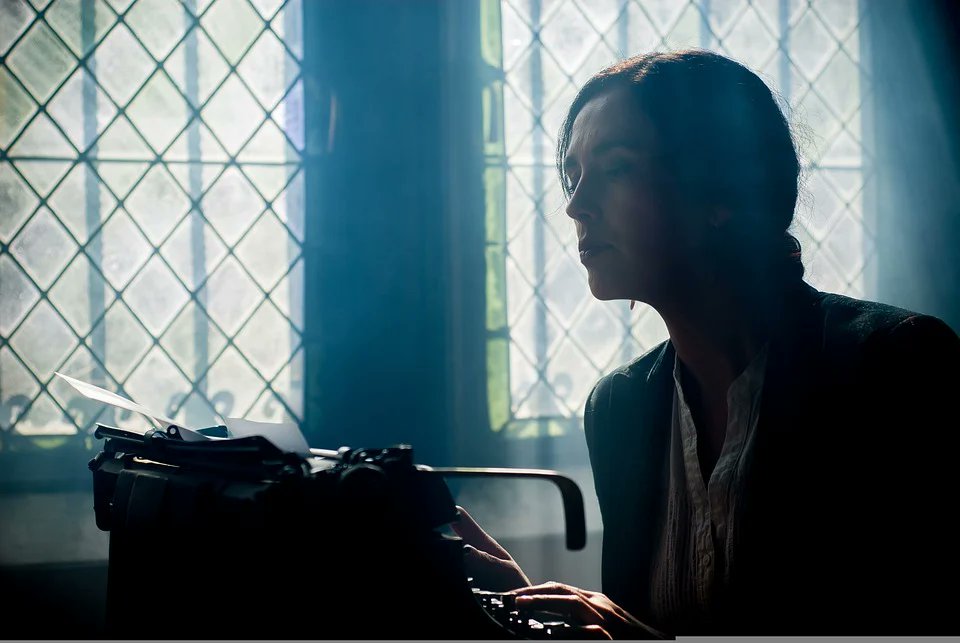
« Privilégiez la joie de faire et l'humilité dans votre pratique. Avant de savoir si votre travail est digne de l'intérêt des autres, vérifiez qu'il suscite déjà votre propre intérêt, et qu'il vous nourrit vous. »
3
2
13
Théodore L. 🌋 retweeted

Jun 14
Russell Crowe on Gladiator 2:
‘They failed, and they failed because they didn’t understand what made the first film so successful: it had a moral core. Here’s the thing, most people want that. On the surface, they might go for entertainment, but if they’re going to love something and keep it with them forever, like that movie? …The love for that thing is because of its moral core. All guys want to be that man who can stay that strong, and all women want a man who can love them in that way.’
592
2,782
38,714
2,088,643
Théodore L. 🌋 retweeted

Jun 14
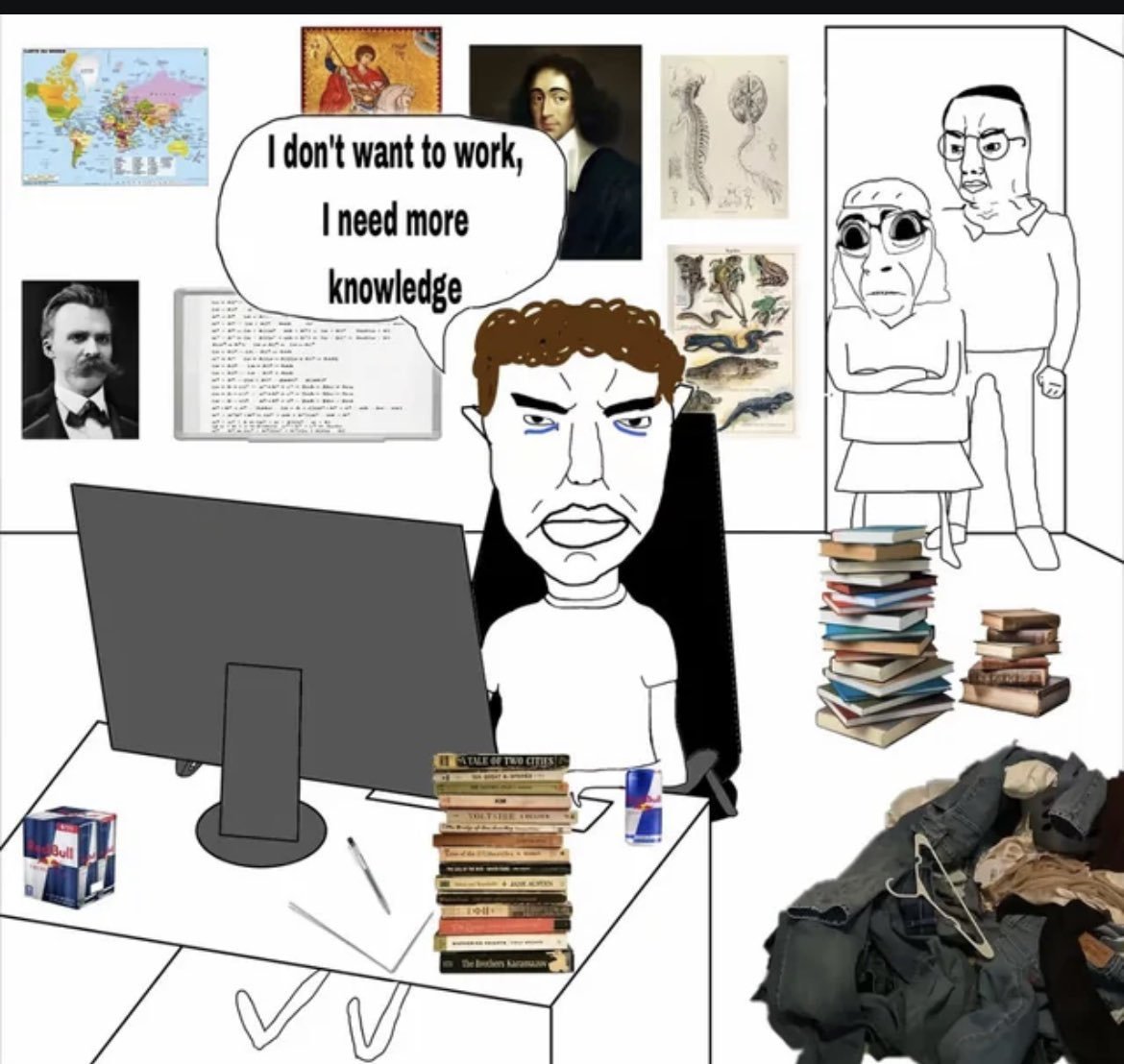
There is a certain type of person everywhere now, especially online.
He consumes endless information every day: philosophy, psychology, productivity, spirituality, neuroscience, business, self-improvement, history.
He knows a little about everything and deeply experiences almost nothing.
His entire identity becomes built around understanding instead of living.
He watches videos about confidence instead of speaking confidently. Reads about discipline instead of becoming disciplined. Studies relationships instead of learning how to love. Consumes motivational content instead of taking action.
He feels intelligent because he is constantly mentally stimulated. But stimulation is not transformation.
Most of the time, knowledge becomes emotional protection. Reality is unpredictable. Reality humiliates. Reality exposes weakness. Books and ideas do not.
Inside information, he can continue imagining himself as intelligent, deep, insightful, different from ordinary people. So he remains trapped in preparation.
He constantly feels as if he is "becoming" someone, while his real life remains strangely untouched. He develops sophisticated language for problems he never confronts directly. He can explain human behavior beautifully while being unable to handle ordinary discomfort, rejection, uncertainty, loneliness, or risk.
He slowly turns life into observation instead of participation.
The internet rewards this personality heavily. He receives validation for sounding aware rather than becoming capable.
Eventually, he begins confusing self-analysis with growth and information with wisdom.
But beneath the intelligence usually exists the same thing: fear. Fear of failure. Fear of embarrassment. Fear of reality answering back.
Because action destroys fantasy. The moment he truly acts, he can no longer hide inside potential.
Jun 14

The fastest way to turn into a NPC is to fill every moment of stillness with audio books, podcasts, CEO interviews, tweets, threads, and YouTube videos.
The fastest way to turn into the Main Character is to spend more time in stillness and give yourself 4 hours to create.
511
3,570
26,913
2,739,767
Jun 14
Je ne sais pas si c'est un bug, mais le LLM deepseek laisse voir le processus de réflexion interne. On dirait un élève studieux qui s'applique à faire de son mieux, s'interroge lorsque le prompt est imprécis, et opte pour une option en espérant viser juste. C'est presque mignon.
30
Jun 14
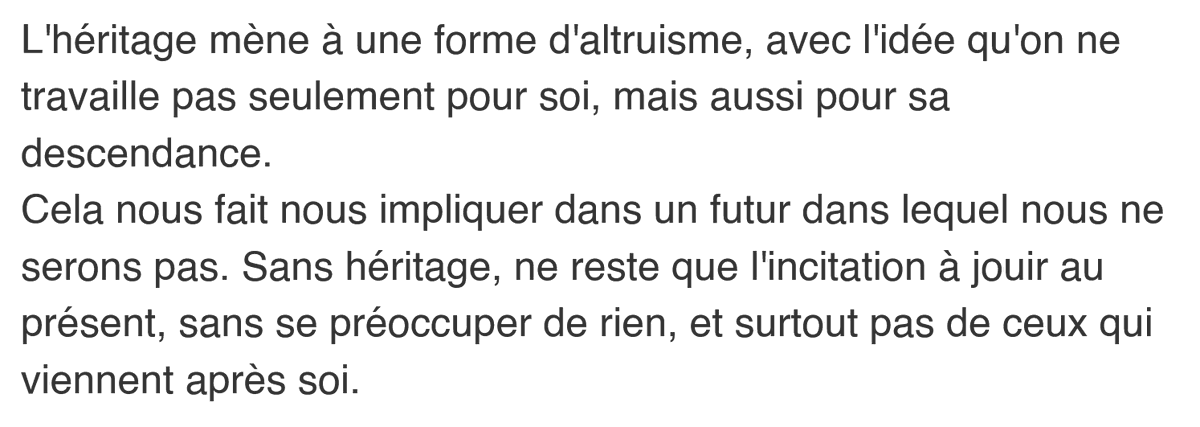
Toute existence est basée sur l'héritage.
Les fondements mêmes de la civilisation, la connaissance et le langage parlé, découlent d'un héritage.
Sans héritage, on ne se projette pas dans l'avenir, et on s'enferme dans un perpétuel et infernal présent qui se replie sur lui-même.

Daniel Craig's daughter won't receive a large inheritance from her dad, as he finds inheritances "distasteful" and does not "want to leave great sums to the next generation." He told Insider, "My philosophy is to get rid of it or give it away before you go."

1
40
Théodore L. 🌋 retweeted

Jun 13
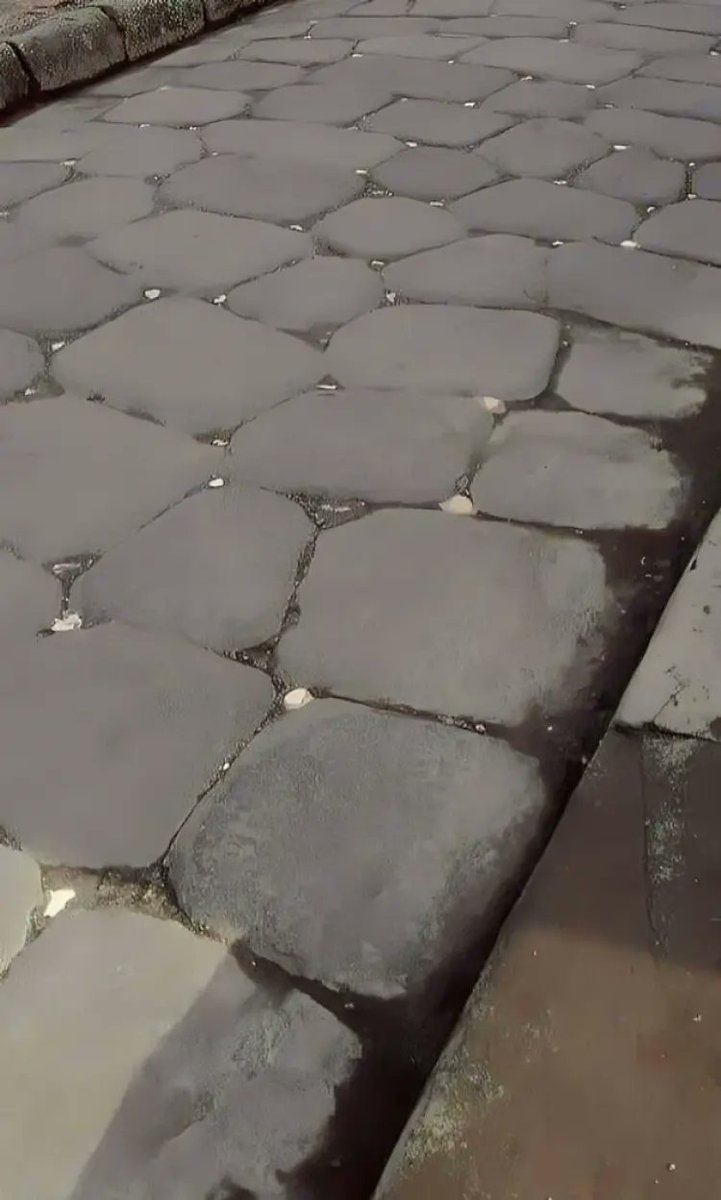
Hace dos mil años, los ingenieros de Pompeya resolvieron un problema que hoy se resuelve con farolas. Lo resolvieron con física básica y piedras blancas.
Las calzadas romanas de Pompeya están construidas con bloques de basalto volcánico, la roca más abundante en la región del Vesubio. Son duros, resistentes al desgaste y oscuros. De noche, con antorchas escasas y sin iluminación artificial sistemática, esas calles eran prácticamente invisibles.
La solución fue incrustar fragmentos de cuarzo o caliza blanca, minerales de alta reflectividad, entre los adoquines. La luna llena en el Mediterráneo es suficientemente brillante para que esas piedras funcionen como una cadena de puntos luminosos que trazan el camino. No iluminan. Reflejan. Pero en una ciudad oscura, la diferencia entre ver y no ver dónde pones el pie puede significar la diferencia entre llegar a casa o romperte el tobillo en una alcantarilla.
Las calzadas romanas incluían además bordillos elevados y piedras de cruce a mayor altura, visibles en la fotografía, para que los peatones pudieran cruzar sin pisar el agua y el estiércol que corría por el centro de la calzada. Los carros dejaban surcos exactamente donde debían dejarlos. Todo era un sistema de ingeniería pensado para funcionar a cualquier hora.
Esta calzada lleva en pie casi dos mil años. El Vesubio la enterró en el año 79 d.C. bajo cuatro metros de ceniza y la conservó casi intacta. Cuando los arqueólogos la descubrieron, las marcas de ruedas de los carros romanos todavía eran visibles en los bordes de los adoquines.
Una calle que nadie usaba desde hace veinte siglos. Y todavía funciona.
19
633
3,889
260,815

Je confirme, je n’étais pas raciste pour un sou, au contraire ! J’ai grandi dans une famille de centre-gauche (PS) avec toutes les idées qui vont avec.
Puis, j’ai fait du foot dans un club de banlieue, et surtout : il y avait des arabes dans ma classe lors des attentats de 2015.
Jun 13

On ne naît pas raciste, on le devient. Démonstration en compagnie de Lilian Thuram au Festival de Mediapart, avec l'aide d'un souvenir d'enfance. La "ligne de couleur" est une construction.
Toute l'émission est en accès libre 👉mediapart.fr/journal/culture…
55
127
2,206
227,059
Jun 13
Je jouais aux jeux vidéo depuis tout petit.
Ça fait maintenant 4 ans que j'ai totalement arrêté.
Je les ai remplacés par du travail, des disputes, des problèmes et Dieu.
Dieu m'aide à tenir le coup 🤣
7
Théodore L. 🌋 retweeted

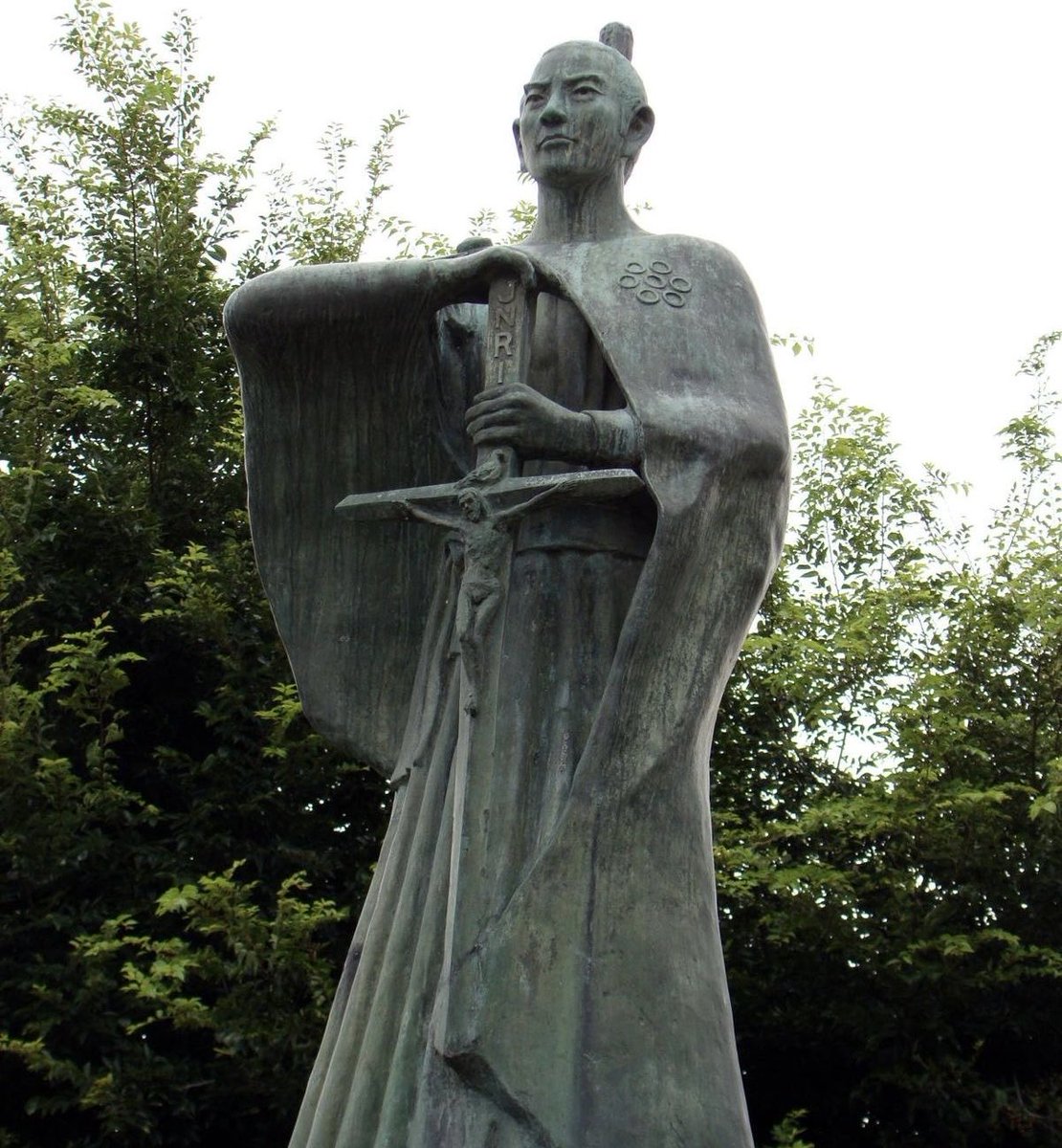
«La única solución efectiva contra la gente mala y violenta, son personas buenas más hábiles en violencia».
~Bushido
54
2,022
8,156
84,419
Théodore L. 🌋 retweeted

Jun 10
If God sent both prophets, we have a built-in way to evaluate them: The Torah. It is the established covenant document. Every subsequent claimant to prophetic succession is, like it or not, auditioning against it. So let’s see how they performed.
Jesus’s audition is aggressive. Six times in Matthew 5 he says, “you have heard it said to those of ancient times,” and then overrides it with his own authority. Not “God told me,” or “the revelation says,” but a staggering “I say to you.”
It goes deeper. When asked about divorce, Jesus doesn't quibble over Mosaic permissions. He goes entirely behind Moses, back to creation itself. He didn't just know what Moses said; he knew why he said it, locating the original intent. That’s insider knowledge.
Then he initiates comparisons rather than just surviving them. “Before Abraham was, I am.” In Matthew 22, he turns a question about the Davidic Messiah into a devastating counter-examination: “If David calls the Messiah Lord (in Psalm 110), how is he his son?” Nobody could answer. They looked like fools.
Moses knew the covenant with Abraham. Jesus knew the Law from the inside out. There is an organic, traceable coherence.
Now apply that same logic forward. Muhammad also claims prophetic succession, explicitly stating he came to confirm what came before. So we use the same standard.
Muhammad versus the Torah. He knows the narrative furniture; Sinai, the commandments, the golden calf. But he completely misses the interior logic. He knows what happened, but he doesn't seem to inhabit what it meant.
But Muhammad versus Jesus is where the argument entirely collapses.
What does the Quran actually know about what Jesus TAUGHT? I’m not talking about his birth, his miracles, or late-stage theological arguments about his nature. What does it know about his message?
There are no Beatitudes in the Quran. No Lord’s Prayer. No “love your enemies.” No Golden Rule. Not a single parable. Not one antithesis from the Sermon on the Mount. The Quran’s Jesus has almost no teaching content at all. His most notable speeches are a denial of his own divinity and a prediction of the prophet coming after him 😂. You know what is happening there.
The parables were given to massive crowds. The Lord’s Prayer was meant to be repeated. This material was widely circulating. Yet, none of it appears.
A genuine successor would have done to Jesus what Jesus did to Moses. He would have engaged the text. “You have heard that Jesus said love your enemies, but I say to you...” Muhammad never does. He never demonstrates that he knows what Jesus taught well enough to confirm it, let alone extend it. This silence is a structural disqualification.
The standard fallback is that prophets don’t need to demonstrate continuity. But that violates Muhammad’s own terms. The Quran presents itself as a confirmation of previous scripture. In Surah 5:47, it commands 7th-century Christians, present tense, to judge by the Gospel God revealed to them. If the text was already hopelessly corrupted, that instruction makes zero sense.
The claim that the Gospels were textually altered before Islam, is absent from the Quran. It was invented later by Muslim scholars who noticed the exact problem we are looking at right now. They had to conclude the Gospels were altered, because the alternative was admitting their prophet was wrong.
But history doesn't back them up. Codex Sinaiticus and Codex Vaticanus predate Islam by centuries, the text hasn't moved.
The prophetic chain has one absolute structural requirement: each link must actually know the one before it. Moses knew Abraham. Jesus knew the Law deeply enough to raise the bar antithesis by antithesis. Muhammad gives us a Jesus stripped of the Sermon on the Mount, stripped of his parables, and stripped of his ethics. Only one of them showed up knowing the material, his name is Jesus.
Jun 9

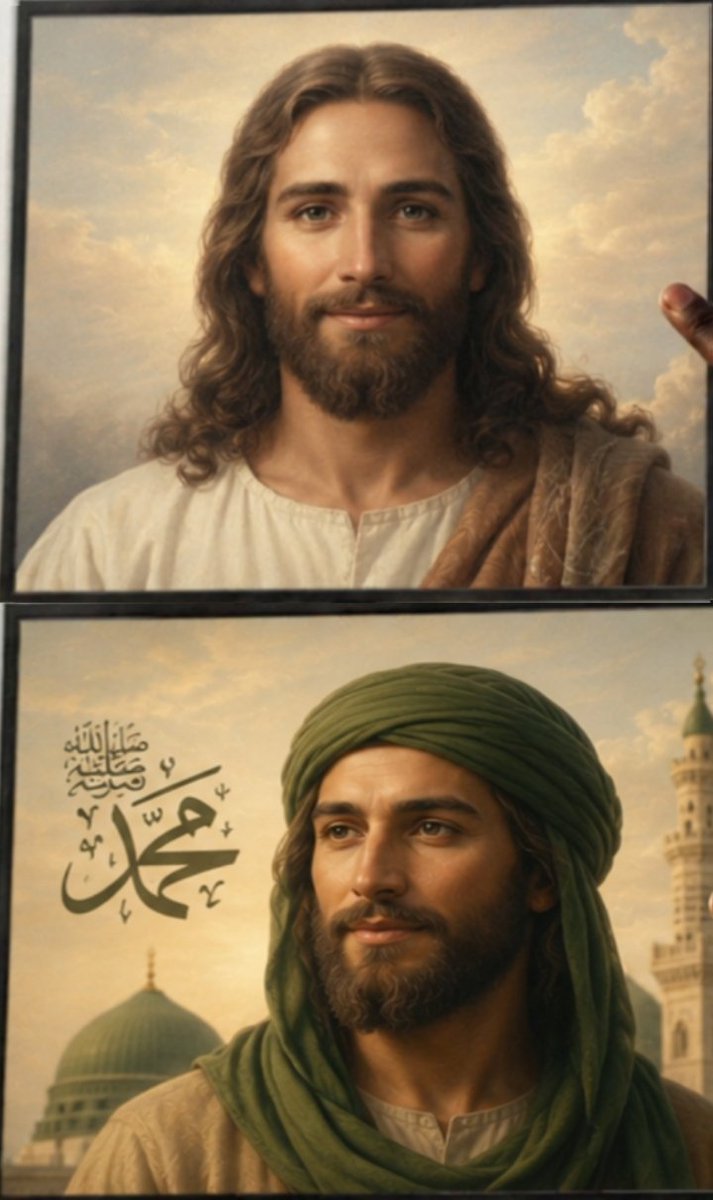
If God sent both Jesus and Muhammad, Why are their messages so different?
52
233
921
61,909
Jun 10
Peu de choses sont plus exaltantes qu'un homme passionné.

38
Théodore L. 🌋 retweeted

Jun 8
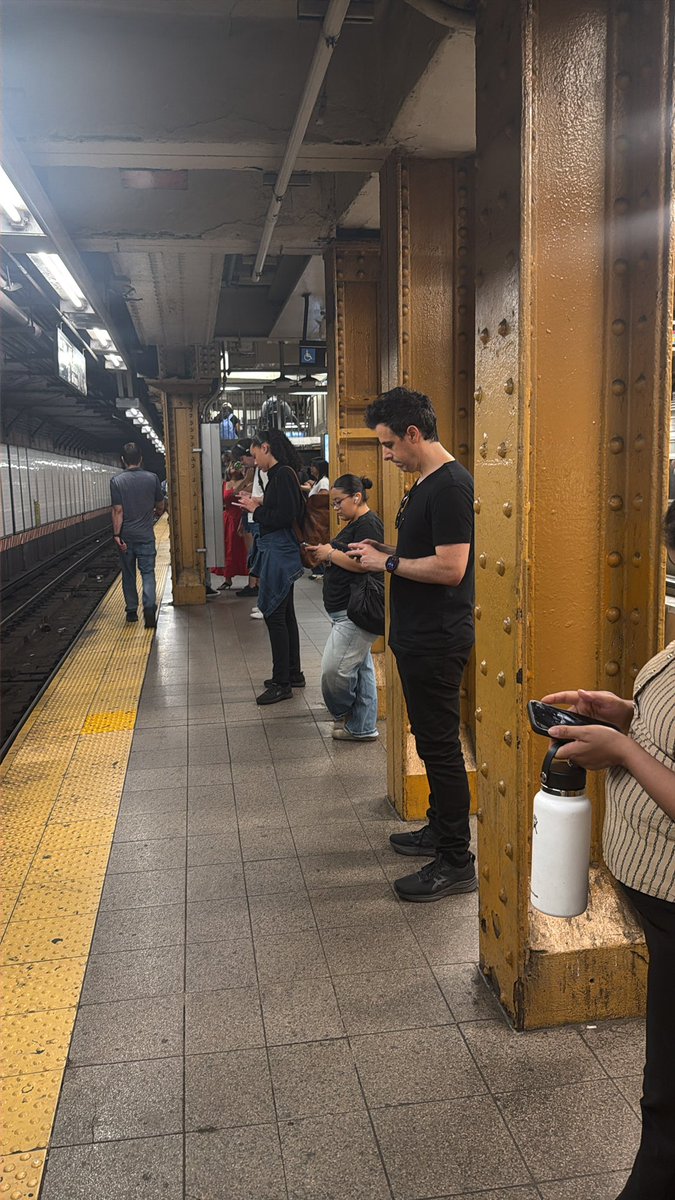
Swap the phones for newspapers and this is a subway photo from 1920.
A sociologist named Erving Goffman described exactly this in 1963. He called it civil inattention: the learned habit of acknowledging that a stranger exists, then pulling your attention back so you don't intrude on them. A quick glance, then you look away. In a space packed with people you will never see again, looking away is the courtesy.
It's the quiet contract that lets a few hundred strangers share a tight platform without friction. You signal "I see you, you're no threat, I won't bother you." Phones slotted neatly into that ritual. They are the most convincing prop anyone has ever had for performing it.
The newspaper did the same job for a century. Subway photos from the 1920s through the 1970s show entire rows of riders vanished behind broadsheets, every face covered, nobody speaking. Radio got blamed for ending conversation. So did the Walkman. So did the cheap paperback before either of them. Each new object inherited the same eulogy: this is the thing that finally isolated us.
Connection on a subway platform was always rare. Strangers waiting for a train kept to themselves long before anyone had a screen to disappear into. The phone's real footprint is at the dinner table and in the living room, the places where idle attention used to have nowhere to go and now always does.
The behavior in this photo is a hundred years old. The object in everyone's hands is the only part that keeps getting replaced.

80
723
5,511
916,913
Théodore L. 🌋 retweeted

Jun 8
I'm finally reading Dune. This quote, which is in the first few pages, hits hard:
"Once men turned their thinking over to machines in the hope that this would set them free. But that only permitted other men with machines to enslave them."
723
21,522
121,520
2,120,508

Humans possess an astonishing sensory ability that often goes unnoticed.
Research has shown that people can detect geosmin, one of the main compounds responsible for petrichor, the earthy smell that appears after rain, at concentrations so tiny that they are measured in parts per trillion.
This remarkable sensitivity means that humans are estimated to be up to 200,000 times more sensitive to the smell of petrichor than sharks are to the smell of blood. While sharks have an incredible sense of smell and can detect certain substances in water at extremely low concentrations, our noses are exceptionally tuned to geosmin.
Petrichor is created when rain falls on dry soil, releasing microscopic particles into the air. These particles contain geosmin, a compound produced by soil dwelling bacteria, along with plant oils that accumulate during dry weather. The result is the fresh, earthy scent that so many people associate with the arrival of rain.
Scientists believe this extraordinary sensitivity may have helped our ancestors locate fresh water, fertile land, or healthy environments after rainfall. Whatever the reason, it gives humans a surprising sensory superpower.
So the next time you notice that unmistakable smell after a rainstorm, remember that your nose is detecting chemicals at concentrations so incredibly small that it rivals some of the most impressive sensory abilities found anywhere in the animal kingdom.

20
114
2,290
122,743
Théodore L. 🌋 retweeted

Jun 6
Info importante à savoir : les trisomiques sont les handicapés qui ont la plus mauvaise image, ainsi 90% sont avortés. Pourtant, dans les structures où ils sont accueillis ils sont en fait les plus heureux de vivre parmi tous les autres pensionnaires et réussissent même souvent à se hisser sur le haut de la "pyramide" des handicapés, on m'a même parlé (je vous jure que c'est vrai) d'un trisomique qui avait son harem de quatre femmes trisomiques raides dingues de lui et qu'il baisait comme un fou dans tous les coins de l'institut d'accueil. Bro vit comme un pacha ottoman.
A contrario les autistes jouissent d'une image "pas trop mal" si on la met à côté de la réalité : en fait pour information les autistes ne sont pas juste des asociaux obsédés par un sujet de niche, dans la vraie vie ils sont absolument invivables, ingérables et totalement inaptes à quoi que ce soit.

Influencer couple terminates pregnancy after Down syndrome diagnosis.
Read more: tmz.me/4dOEf2p

57
13
390
63,884
Si on considère cette idée que tout est information donc code, alors tout personnage de jeu vidéo est une ébauche de vie réelle et tout joueur assidu un potentiel génocidaire en puissance.
La seule solution que j'entrevoie : jouez à Doom. Au moins vous tuerez des démons. 🤣

May 10

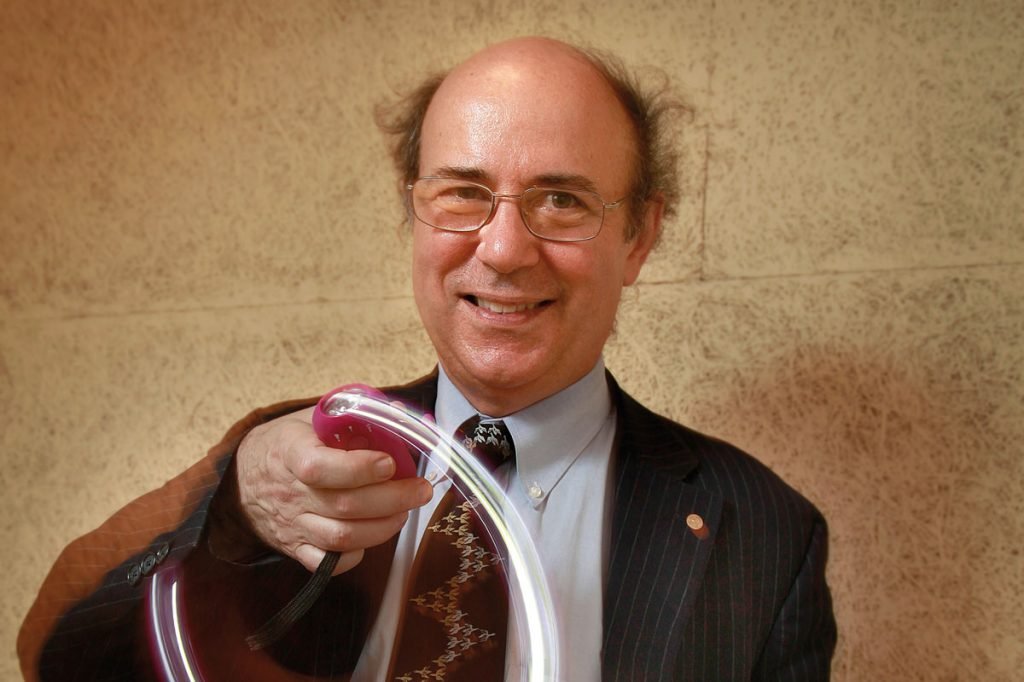
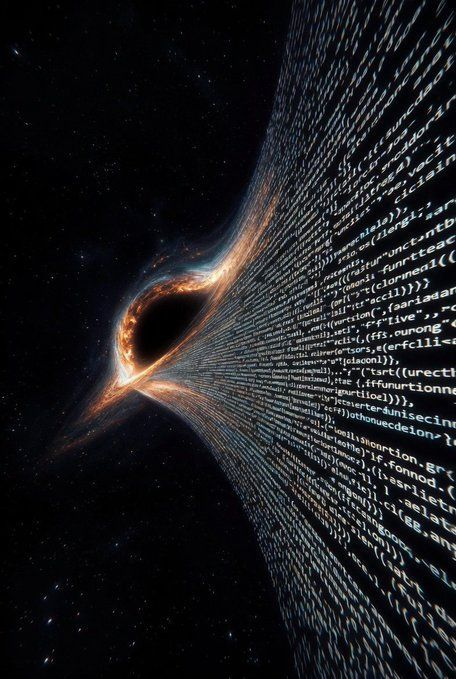
Nobel Prize physicist Frank Wilczek says matter, energy, and even reality itself may ultimately emerge from information.
21
Ah, la vache !
Jun 5

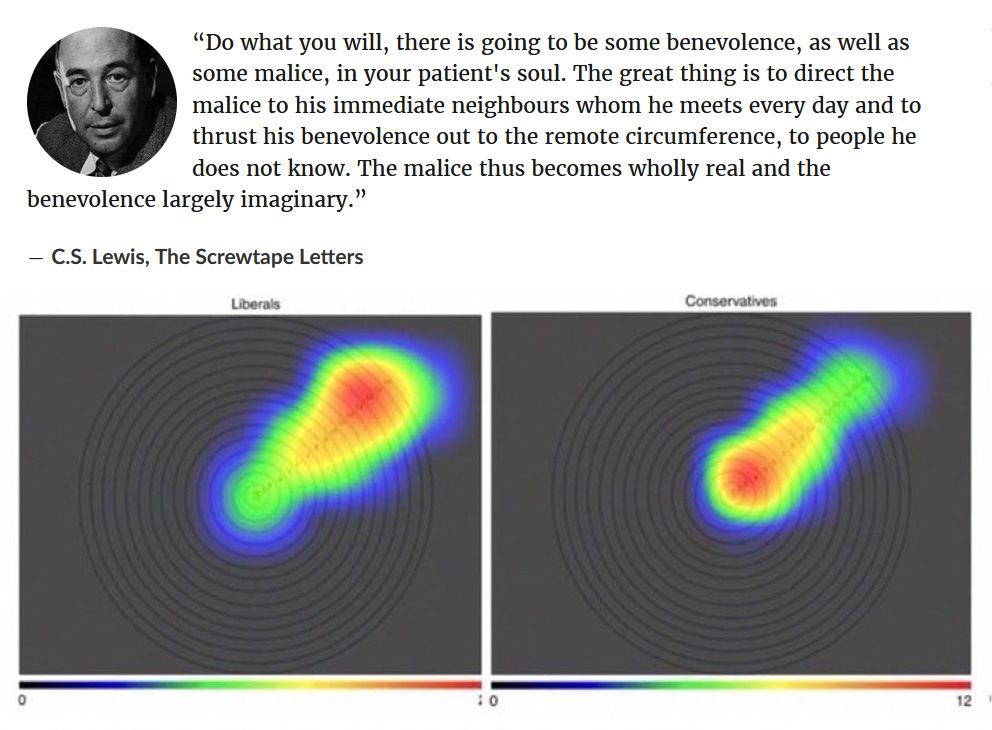
Last night, I read the entirety of C.S. Lewis' The Screwtape Letters. It's a novel told in the form of letters written by a demon to another demon instructing him on ways to manipulate his "patient" to do evil.
This one quote sounded familiar.
3
Théodore L. 🌋 retweeted

Jun 4
Pitch for a future scifi dystopia. The world is seemingly very advanced, rich, prosperous and happy. Technology is woven into every facet of their lives and everyone has AI agents to help them with even the smallest tasks. Life is good, but almost no one, even the smartest, knows exactly how it all works.
Every once in a while however, a catastrophic systems failure happens, threatening everything. Disaster is always narrowly averted though by a mysterious group of engineers that operate mostly out of site but sweep in during times of great need.
The engineers have an almost mythical status in society and operate more like wizards and demigods, and their methods are nearly inscrutable to the general population. Our hero aspires to be one of them. After years of hard work, he is accepted to their school. On day one, they strip him of his phone, his ai agents, all his technology. He is taken to a remote monastery with no wifi, no ai, no agents, no technology more sophisticated than a chalk slate. The first class has nothing more complicated than a sand pit where they write equations in the sand using a stick. Only after years of working only with pure abstract math do they allow him to use an abacus or a slide rule, which are limited to upper classmen.
This is the way it has been for generations. This is the only way to ensure that people are actually learning and not just being guided by their technology.
Jun 4

A new device writes homework by hand for students.
The arms race between teachers and lazy geniuses continues.
46
112
1,590
104,681
Théodore L. 🌋 retweeted

Les demeurés sont sincèrement convaincus que "luniversité" et "lédukachtion" sont des sortes de substances magiques qui vont leur être distribuées à la FAC et qu'ils n'auront qu'à ingérer passivement pour prendre de l'XP et devenir plus intelligents.
Vous êtes des demeurés, l'apprentissage est un processus actif, qui implique certaines prédispositions que vous n'avez pas pour l'écrasante majorité, et vous envoyer à l'université ne vous rend pas plus intelligents mais plus méprisants et plus revenchards quand vous vous rendez compte, confrontés à la réalité, que vous êtes de la merde, sans avantage quelconque par rapport au dernier des Smicards qui a arrêté au brevet.
Jun 4

dans une société malade on va vouloir te faire croire que de vouloir avoir accès à l’éducation supérieure n’est pas un dû, il est très important que vous n’écoutiez pas ces personnes
17
63
588
17,725