I have a Ph.D. from New Mexico State University and have been doing research on space commerce for over 30 years. We must develop space to save the Earth.
Joined February 2010
- Tweets 333,061
- Following 4,528
- Followers 3,415
- Likes 311,042
309 Photos and videos

Pinned Tweet

I remember in June 2002 being invited to the Governor’s Space Summit in San Jose for the work I was doing in space policy with Buzz Aldrin. One of the speakers was Elon Musk who spoke about his plans to build a low cost rocket. There were only a couple dozen folks in the room so I walked up to shake Elon’s hand and wish him the best of luck in overcoming the biggest barrier to space development. It is wonderful to see how successful SpaceX has become in opening the high frontier!
6
161
Thomas L Matula Ph.D. retweeted

SpaceX has a monopoly — but that’s not a problem
I fear that sooner or later, politicians, journalists, or lawyers will demand antitrust action against SpaceX. I do not support such measures at all. We do not need antitrust laws to deal with SpaceX or any other monopoly. The market will take care of it. Capitalism, competition, and innovation eventually bring an end to every monopoly.
washingtonexaminer.com/resto…
2
8
423
Thomas L Matula Ph.D. retweeted

1/6 🧵
UK Prime Minister Keir Starmer announced a social media ban for under-16s, with enforcement through facial scans and digital IDs set to begin in May 2027.
This isn’t about protecting kids — it’s about building the infrastructure of a surveillance state under the most emotionally manipulative pretext available. Nobody opposes protecting children, which makes it the perfect Trojan horse.
Jun 10

Keir Starmer is a C*NT!
What is it going to take for everyone to wake up?
Keir Starmer is a demon. ☠️👿
Why doesn’t everyone already know this?
Keir Starmer was an “immigration attorney” (deep state translation: a human rights barrister) who took on cases involving terrorism suspects, including in deportation/immigration proceedings.
Learn who this monster is below in the comments!
6
15
49
4,292
Thomas L Matula Ph.D. retweeted

Israel supporters are the best in the world.❤️🇮🇱
22
20
212
2,072
Thomas L Matula Ph.D. retweeted

And they did it without #FISA

🚨 HOLY CRAP. The FBI has BUSTED an EXPLOSIVE DRONE terror plot that targeted President Trump's UFC Freedom 250 event at the White House
They planned to blow up explosive-packed drones, and forcing crowds a "pre-staged SNIPER TEAM"
"A second wave to storm the White House gate."
A network of nearly 24 suspects IDENTIFIED, at least 5 in custody @FBIDirectorKash
Thank God for law and order!
33
126
895
9,667
Thomas L Matula Ph.D. retweeted

I am waiting for more details…but again, we have a next level violence coming from the political left fed by the moonbat agitation from the usual suspects.

"A suspect told investigators the goal of the attack was to target 'capitalist elites,' 'billionaires' and politicians who received money from the American Israel Public Affairs Committee (AIPAC), according to the outlet."

1
2
11
693
Thomas L Matula Ph.D. retweeted

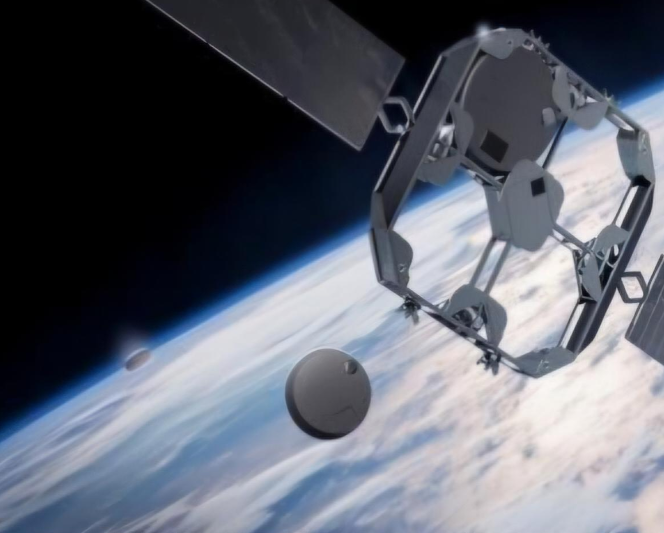
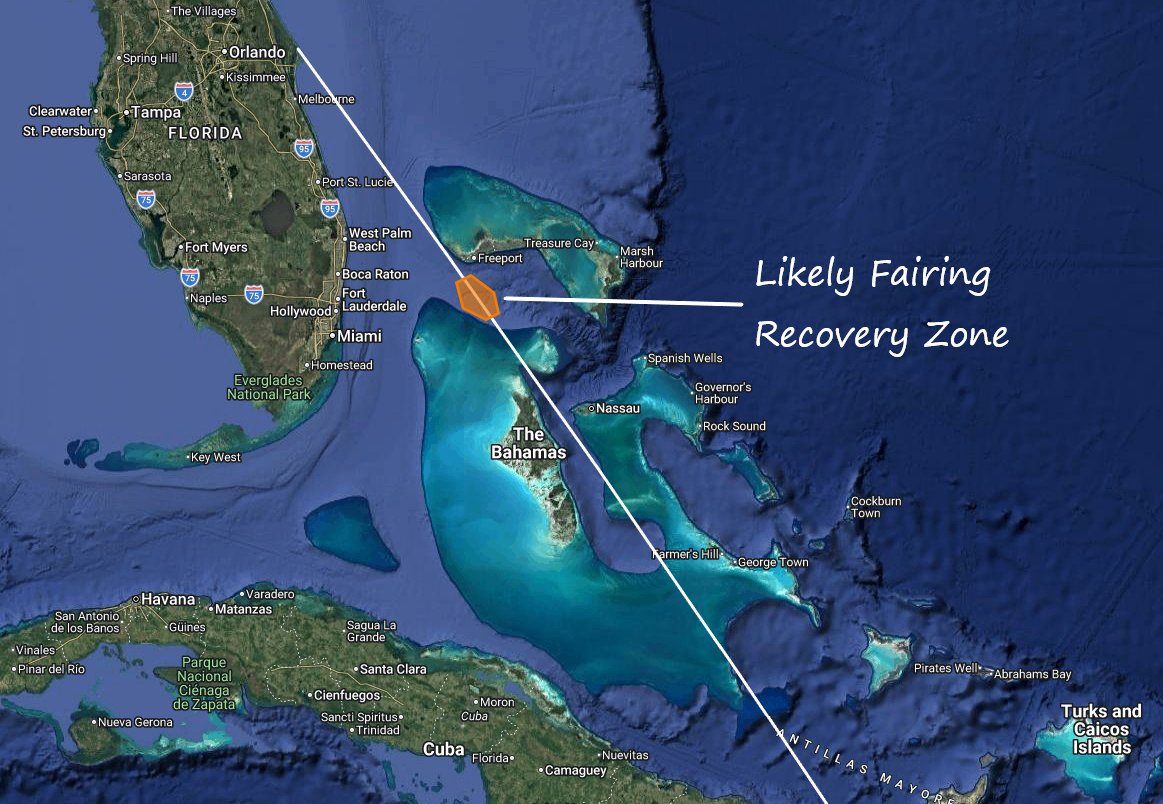
SpaceX will launch "Starfall Demo" mission NET June 21st per FAA Operations Plan Advisory from SLC-40 at Cape Canaveral, FL.
A single Starfall test re-entry vehicle will launch Southeast from the cape over the Bahamas with the 1st stage likely boosting back to a Land LZ.
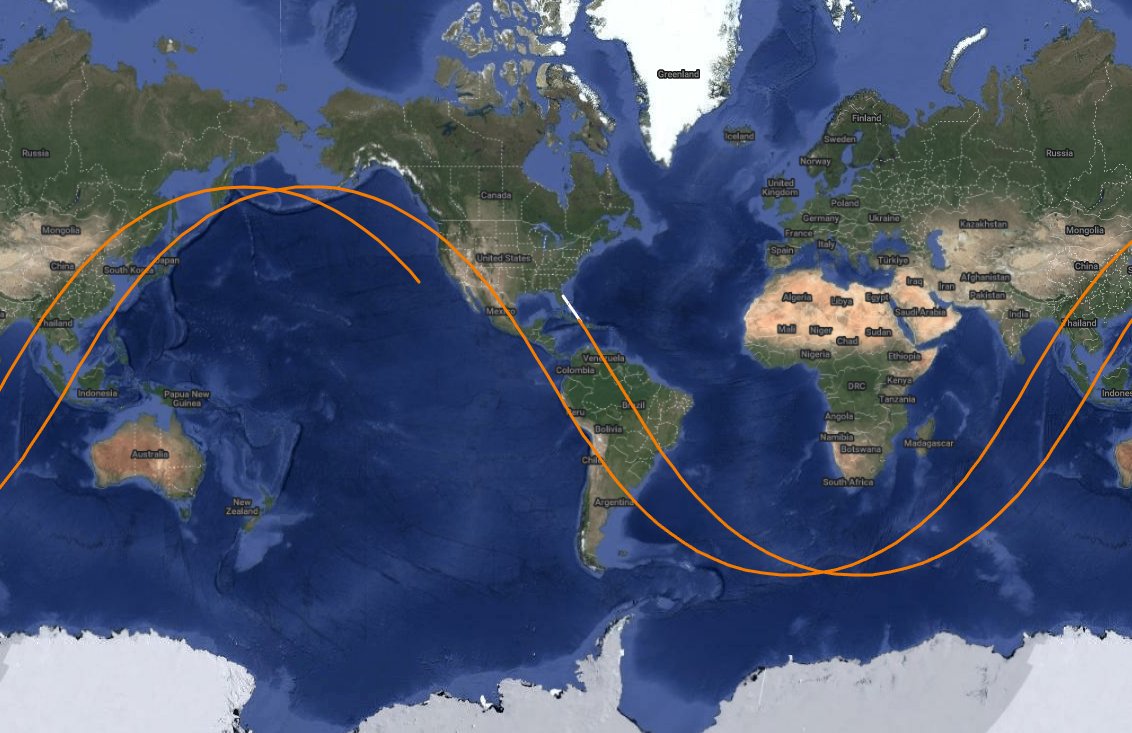
The upper stage will insert the payload into a (likely) orbit of ~180 x 600km x 56.1 degrees around 8 minutes into flight. The upper stage and the payload will then coast in this orbit for 2.5 hours or 1.5 orbits where the upper stage will then conduct a de-orbit burn lowering the perigee down into Earth's lower Atmosphere.
The Starfall Demo payload will then jettison from the upper stage and the re-entry phase will start at around 3 hours into the flight over the Northeast Pacific Ocean. The re-entry vessel will splash down ~600 miles West of Vandenberg, CA.
Note: this mission isnt officially on SpaceX's itinerary, so date and exact information aren't known with 100% certainty. This should serve as a preliminary glimpse into this mission.
12
60
551
31,177
Thomas L Matula Ph.D. retweeted

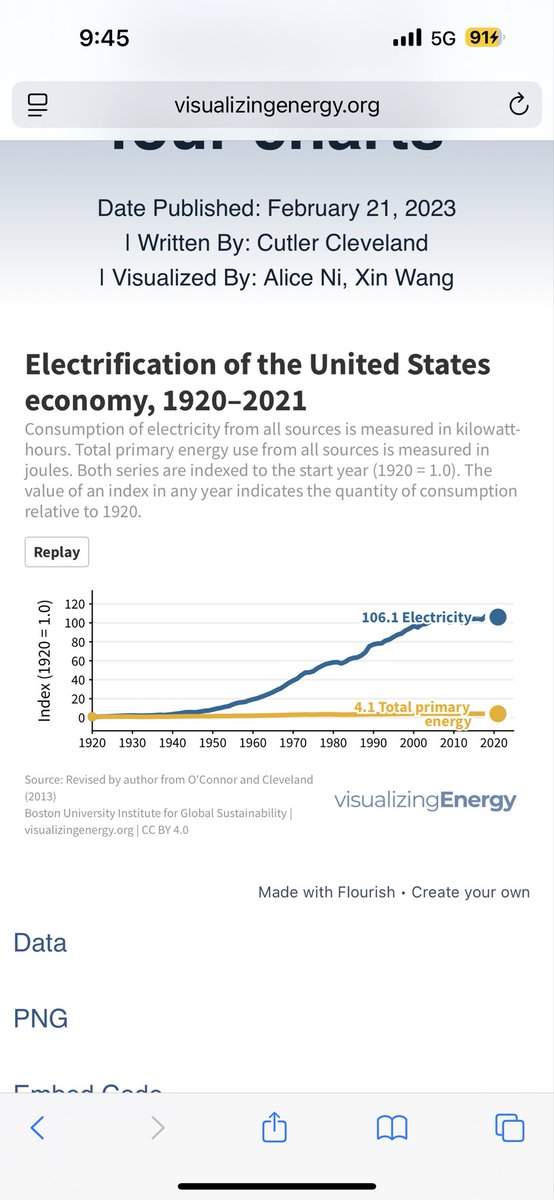
A new study tested how often wind and solar actually meet demand. Solar covered demand only 32% of the time. Wind covered it only 44%.
The real issue is timing.
Solar peaks when conditions are good, then vanishes at night. Wind produces when the wind blows, not often when demand actually peaks.
Surplus power gets curtailed.
Shortfalls need backup.
Even adding battery storage equal to half a day of demand (at unimaginable cost) still leaves a third of demand periods uncovered.
Weather dependent power can work as a small grid addition. It cannot replace dispatchable generation.
1
13
214
Thomas L Matula Ph.D. retweeted

🚨 “SHAME ON YOU!” chants and loud boos echoed through SoFi Stadium ahead of Iran vs. New Zealand as fans reacted to the display of the Iranian regime’s official flag, while waiving the traditional flag of Iran, the sun and lion flag.
7
33
200
5,517
Thomas L Matula Ph.D. retweeted

39m

2
6
21
354
Thomas L Matula Ph.D. retweeted

This needs to be stopped.

Amazon Web Services wants to release water from its data centers into Louisa County's natural water sources, including Lake Anna in Virginia
“The draft permit on the table would give Amazon Web Services permission to release 280,000 gallons a day of cooling water from its data centers into Sedges Creek, which flows into Lake Anna. Amazon says it would only use this method during the hottest periods, which it predicts to be 4% of the year.”
The most water is much warmer than the water it will be dumping into, this means with this much water it will likely kill the fish population and everything else adapted to the current environment
Also Amazon says the water doesn’t touch servers but I found that doesn’t matter
Treated Non-Contact Cooling Water: Does not touch servers directly but picks up metals like Zinc, copper, aluminum, cadmium
This would be catastrophic
1
2
30
Thomas L Matula Ph.D. retweeted

Today marks the 251st birthday of the U.S. Army. In 1775, the first generation of American patriots took up arms to reject the colonial rule of Great Britain. From this humble beginning, the Army is now the largest and oldest branch of our armed forces. Thank you to the generations of courageous men and women who have defended our country, and may God bless those serving now as they keep us safe.

2
19
61
1,804
Thomas L Matula Ph.D. retweeted

Would like to know who the members of the plot were. If the Iranians were behind it, since they tried to assassinate President Trump in the past, that would be a major problem for the peace deal. Might even end it.
🚨 HOLY CRAP. The FBI has BUSTED an EXPLOSIVE DRONE terror plot that targeted President Trump's UFC Freedom 250 event at the White House
They planned to blow up explosive-packed drones, and forcing crowds a "pre-staged SNIPER TEAM"
"A second wave to storm the White House gate."
A network of nearly 24 suspects IDENTIFIED, at least 5 in custody @FBIDirectorKash
Thank God for law and order!
7
29
108
4,833
Thomas L Matula Ph.D. retweeted

🚨 HOLY CRAP. The FBI has BUSTED an EXPLOSIVE DRONE terror plot that targeted President Trump's UFC Freedom 250 event at the White House
They planned to blow up explosive-packed drones, and forcing crowds a "pre-staged SNIPER TEAM"
"A second wave to storm the White House gate."
A network of nearly 24 suspects IDENTIFIED, at least 5 in custody @FBIDirectorKash
Thank God for law and order!
1,557
7,853
38,386
4,875,796

Wow, this is crazy!
🚨 HOLY CRAP. The FBI has BUSTED an EXPLOSIVE DRONE terror plot that targeted President Trump's UFC Freedom 250 event at the White House
They planned to blow up explosive-packed drones, and forcing crowds a "pre-staged SNIPER TEAM"
"A second wave to storm the White House gate."
A network of nearly 24 suspects IDENTIFIED, at least 5 in custody @FBIDirectorKash
Thank God for law and order!
2,370
6,211
46,431
3,402,902
Thomas L Matula Ph.D. retweeted

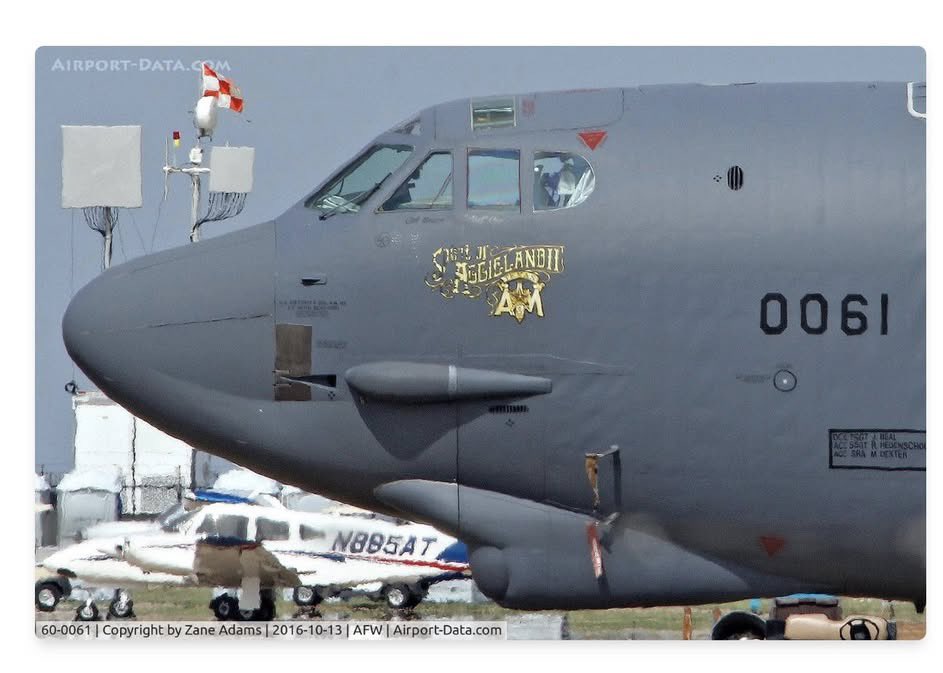
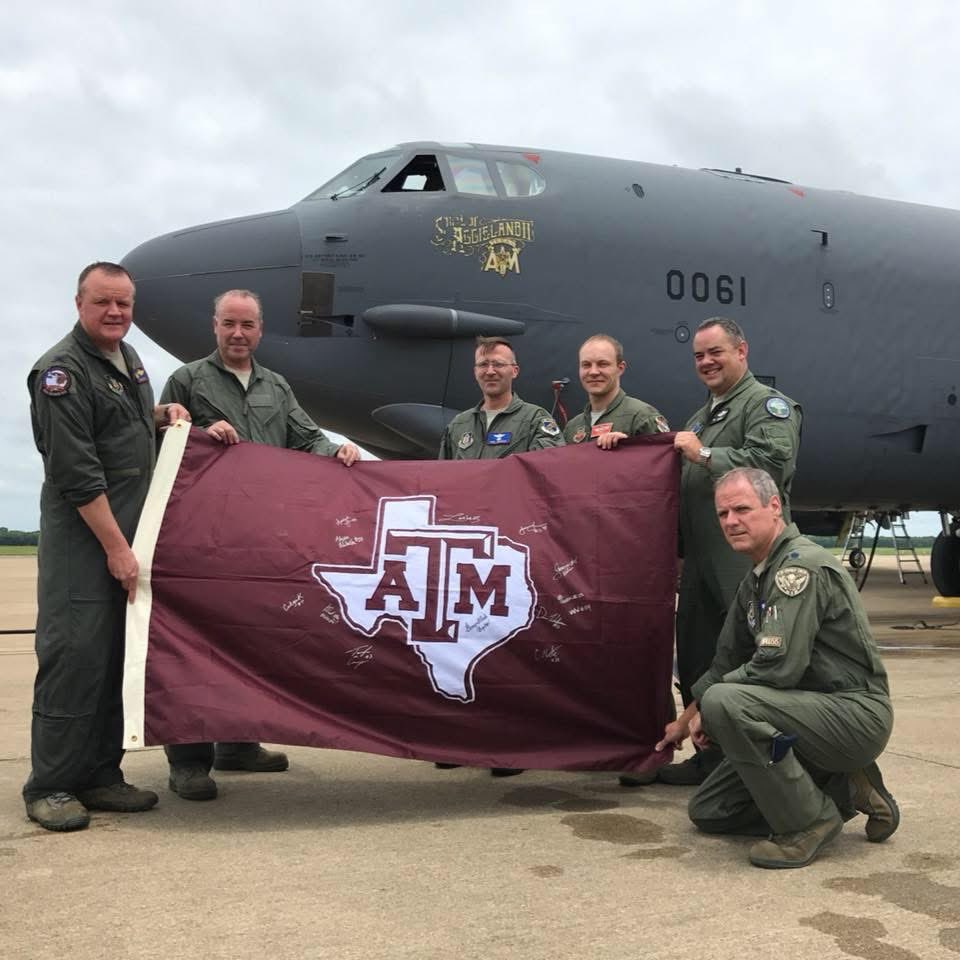
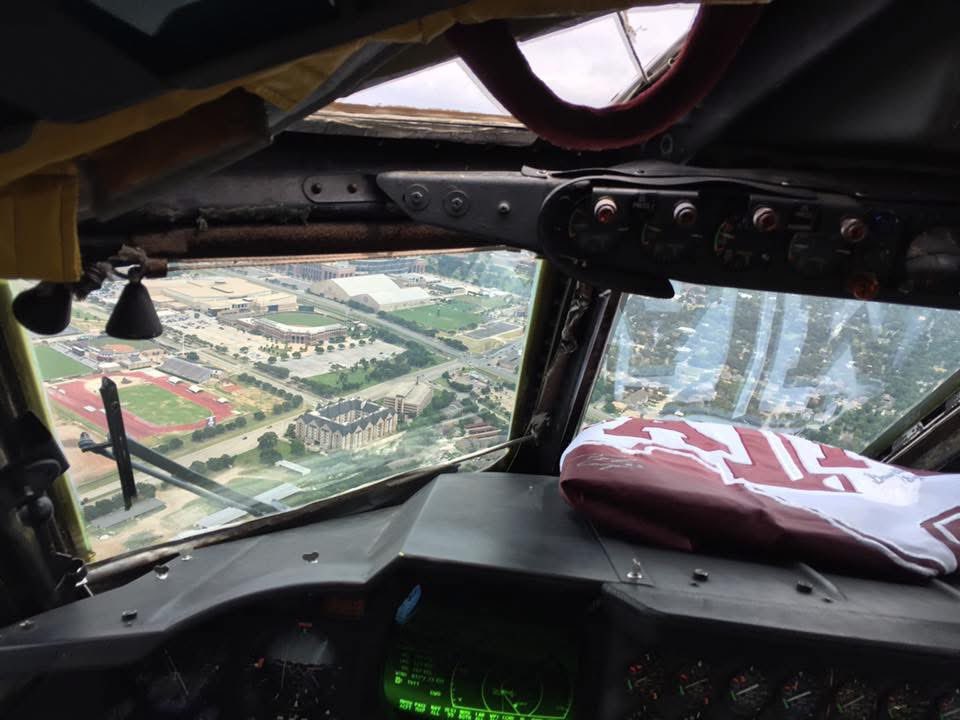
Very sad to hear…B52 that crashed was the one that I got to stand by the airfield with hundreds of fellow Aggies as the former Commander of the wing (an Aggie) retired and used this very plane to do the farewell flight over the Aggieland. R.I.P. to our crew… @RustySuretteTV
18
55
933
82,578
Thomas L Matula Ph.D. retweeted

Hybrid solar-nuclear isn't virtue signaling — it's smart engineering for redundancy, scalability, and risk reduction in extreme environments.
Nuclear provides excellent baseload power and process heat, which is critical. No one serious disputes that. But dismissing solar (plus storage) as unnecessary infrastructure ignores real operational realities on the Moon and Mars:
Lunar 14-day nights: Pure nuclear works, but solar at polar peaks (near-constant illumination) adds massive capacity during "day" periods, letting you overproduce, store, or run high-energy ISRU processes when sunlight is abundant. It reduces wear on the reactor and provides independent backup.
Mars dust storms: Global events can slash solar output for weeks/months. Nuclear shines here for continuity, but equatorial or well-sited solar hydrogen storage (via electrolysis) has been shown in studies to be mass-competitive or better over large parts of the surface — especially with ISRU-manufactured storage.
Gigawatt-scale ISRU demands: Early propellant production (Sabatier, electrolysis, liquefaction) needs hundreds of MW scaling to GW for city-building and Starship fleets. Hybrids let you bootstrap: solar arrays (potentially manufactured in-situ later) supplement nuclear, enabling faster ramp-up without launching every watt from Earth. Dynamic AI-orchestrated microgrids (drawing from Tesla tech) balance them efficiently.
Redundancy is not nonsense — it's survival. A single-point nuclear failure (maintenance, radiation shielding issues, heat rejection in thin atmospheres, regulatory/certification delays) could halt operations. Hybrids give fault tolerance: solar storage handles transients, nuclear ensures 24/7 baseline. Studies on hybrid power systems for Mars colonies repeatedly highlight this for reliability in manned/long-term setups.
Resource reality: Early missions will be launch-mass constrained. Nuclear reactors (e.g., Kilopower derivatives) are compact but heavy with shielding/radiators. Large solar arrays deploy lightweight and can leverage local materials over time. Hybrids minimize total landed mass for equivalent reliable output while building toward full in-situ manufacturing. NASA itself baselines fission as primary for initial Mars but leaves room for supplements.
1
1
2
13
Thomas L Matula Ph.D. retweeted

10h
There's a lot of weird anti-American propaganda I got fed growing up in Canada
Then you come to the USA and you're like - what the hell, this place is awesome
274
792
13,895
248,804
Thomas L Matula Ph.D. retweeted

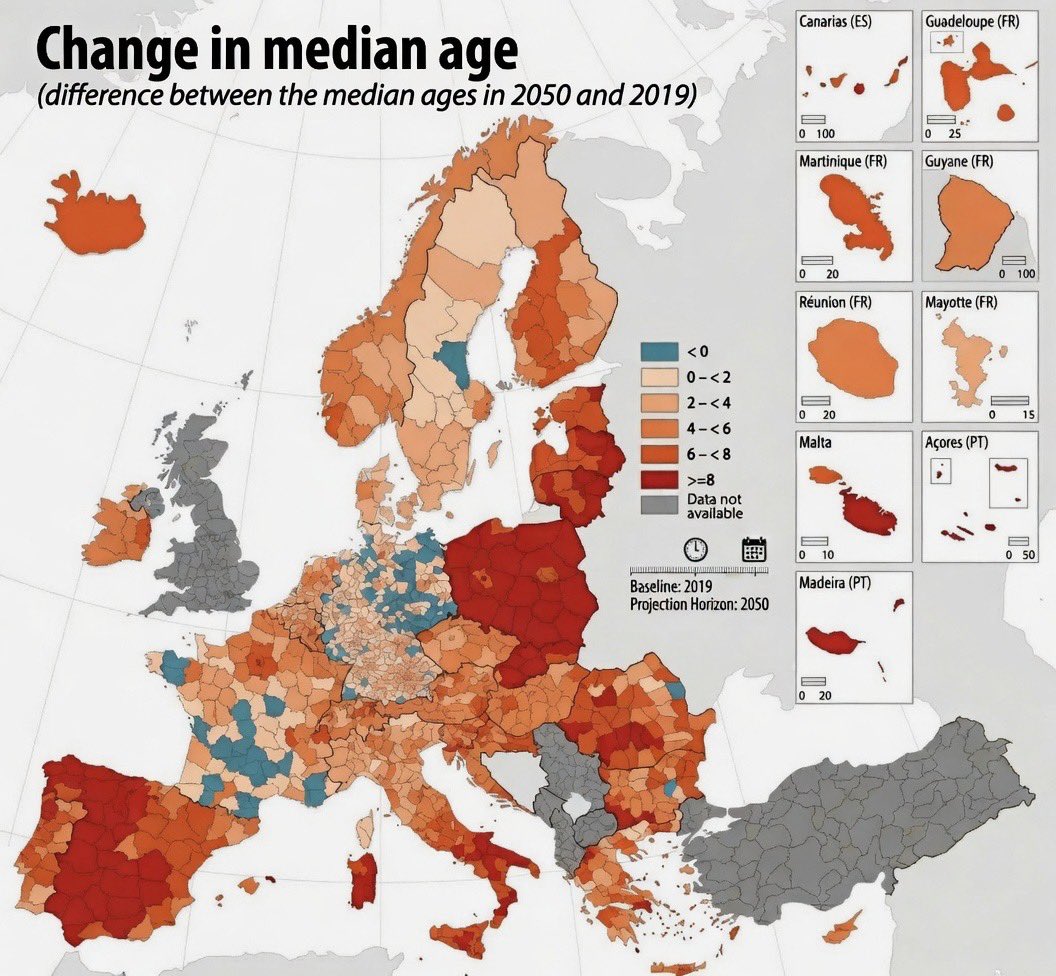
If you consider real estate in the red areas a safe investment, think again.
Demographics is destiny. Many properties there will turn from assets to worthless liabilities that owners will try to sell for 1€.
Why is it so difficult to understand?
24
21
117
12,613
Thomas L Matula Ph.D. retweeted

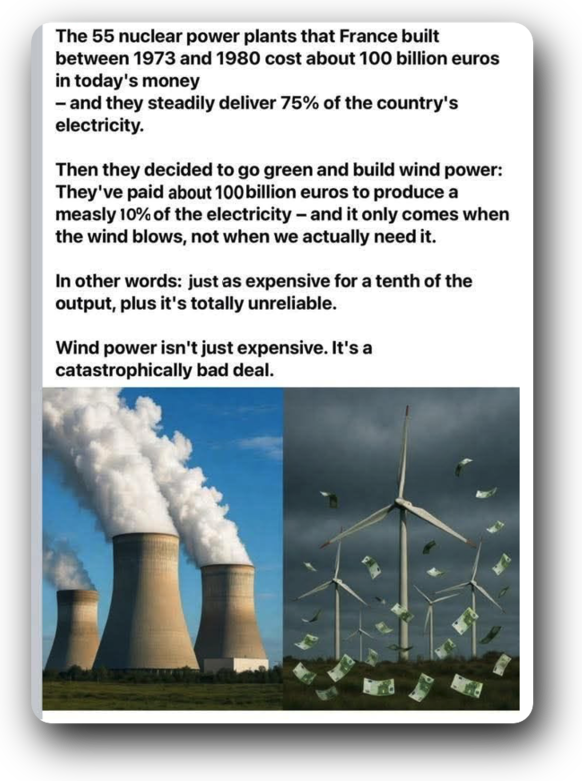
California has a "renewable mandate" forcing the utility to buy expensive renewable energy. It has TRIPLED my electric bill. Here is the data from France.
Renewables are a wildly expensive joke.
w.
8
32
105
1,284
Thomas L Matula Ph.D. retweeted

The UK government is so reflexively authoritarian that I’m not even sure they would peacefully surrender power after losing an election at this point. Starmer has already said that he doesn’t see a Reform government (which is likely given current polling) as acceptable.
45
71
868
15,874