Joined October 2014
664 Photos and videos
Replying to @engineers_feed
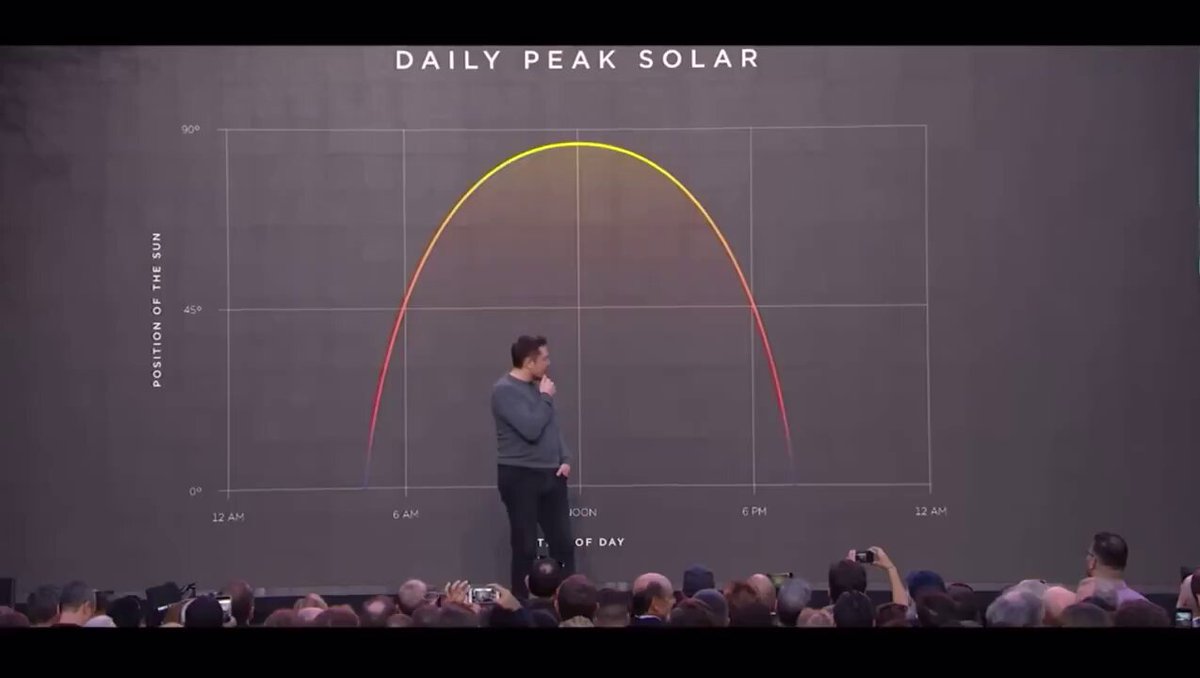
A) - Solar ( Wind other) - Electrification (cars, trucks, heat pumps...) - Batteries ( hydro) for daily storage - More (capacity) and better used ("smart") grids - "Hard to abate" (air marine traffic, high temp processes, long term storage) tbd: Hydrogen, CO2-capture, other...
43
Thorsten ☀️⚡🔋⚡🌃🚗🚛 retweeted
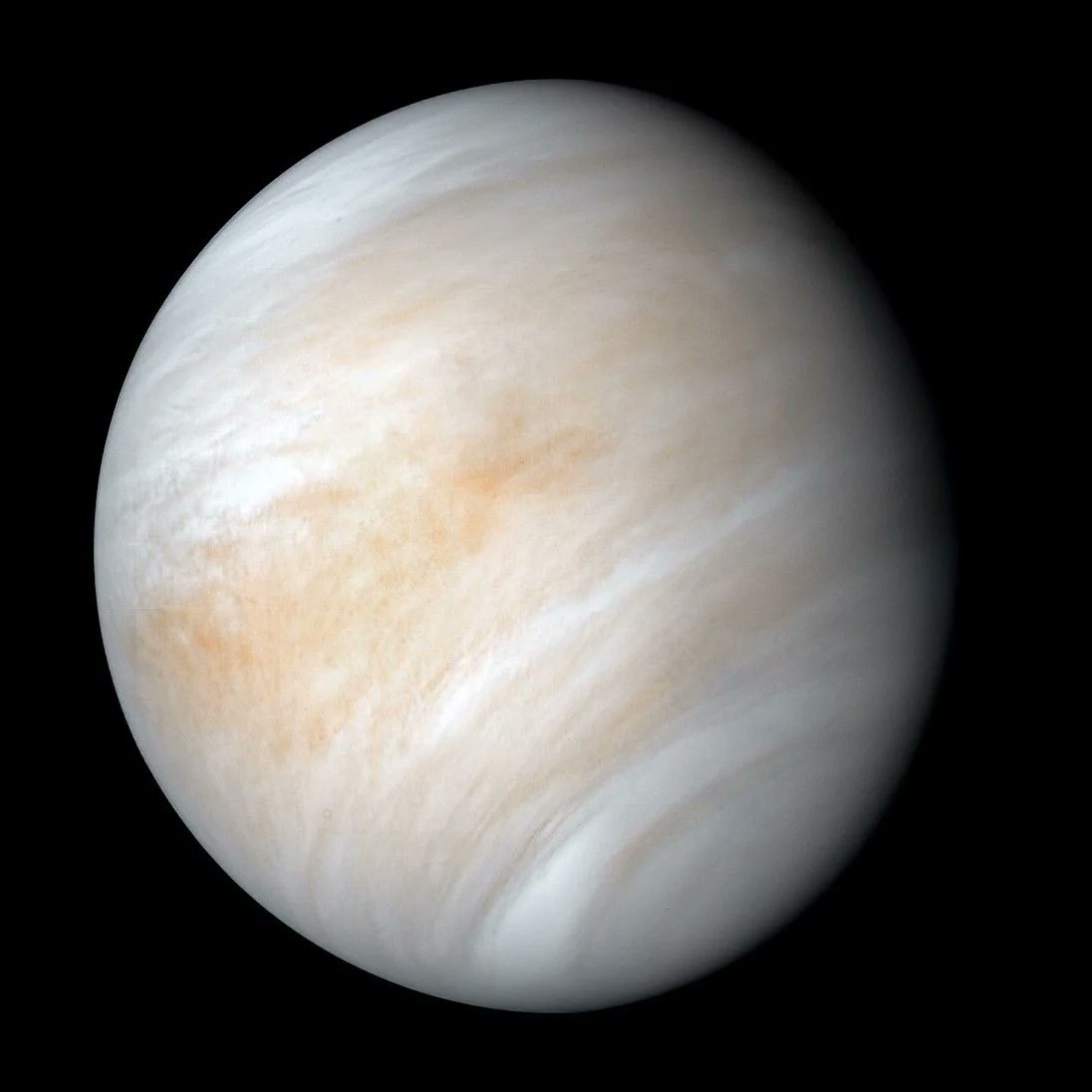
Venus is unusual because it rotates extremely slowly and in the opposite direction to most planets. A day defined by its rotation lasts about 243 Earth days, even longer than its 225-day year, and the Sun would appear to rise in the west and set in the east. A new work argues that this strange rotation may not be a slow evolutionary accident, but the fossil result of a giant collision early in Venus’s history. The study models possible impacts using smoothed particle hydrodynamics, testing differentiated impactors between 0.01 and 0.1 Earth masses, with velocities of about 10 to 15 km/s and different impact angles. In several scenarios, especially oblique or hit-and-run impacts on an already rotating young Venus, the collision can slow the planet dramatically or even push it toward retrograde rotation. The result is not that scientists have proven such an impact happened, but that a giant impact is physically consistent with two major Venusian puzzles: its abnormal spin and its lack of a real moon. In the simulations, impact cases that reproduce Venus-like rotation often create only small debris discs located inside Venus’s synchronous orbit. That matters because material in such an orbit would tend to fall back onto the planet instead of assembling into a stable satellite. In other words, the same event that altered Venus’s spin could also explain why Venus, unlike Earth, never ended up with a large Moon-like companion. The impact would also have been geologically violent. The models presented at EGU 2026 suggest that such collisions could produce magma oceans ranging from a roughly 100 km deep melt layer to a fully molten mantle in the most energetic cases. Some scenarios also inject large amounts of heat into the deep interior and upper core, producing short-lived but intense mantle and core dynamics. However, one important conclusion is that this thermal disturbance may not leave an obvious signature after billions of years: after a few hundred million years, the long-term interior evolution of an impacted Venus-like planet can become difficult to distinguish from one that never suffered such a collision. The broader significance is that Venus’s present state may have been shaped by a combination of early violence and later climate evolution. Its slow rotation affects atmospheric circulation, cloud formation and how the planet redistributes heat. That, in turn, matters for understanding whether Venus ever had more temperate surface conditions before its runaway greenhouse state. But the study does not solve every Venus mystery. It leaves open how much water Venus retained or lost, whether its interior is still hydrated, and how any early impact may have interacted with the later absence of Earth-like plate tectonics. The key idea is more cautious and more interesting: Venus’s strange rotation could be the surviving dynamical scar of a giant early impact, not merely a quirk of tidal evolution or atmospheric braking. 👉 arxiv.org/abs/2508.03239
26
48
304
9,035
Thorsten ☀️⚡🔋⚡🌃🚗🚛 retweeted
Replying to @JoernWeitzmann
Nun, die Annahmen 1,2 und 4 sind richtig. 3 ist dahingehend falsch, dass Deutschland nicht vorangeht, sondern hinter dem Rest der Welt her zottelt.
1
3
127
Thorsten ☀️⚡🔋⚡🌃🚗🚛 retweeted
Junto al comedor de la sede de la @esa en Colonia tenemos esta cápsula Soyuz que voló y regresó del espacio en 2014. Mi compañero @Astro_Alex la usó para volver de su misión en la ISS, y así es como queda tras la reentrada.
11
31
321
23,098
Thorsten ☀️⚡🔋⚡🌃🚗🚛 retweeted
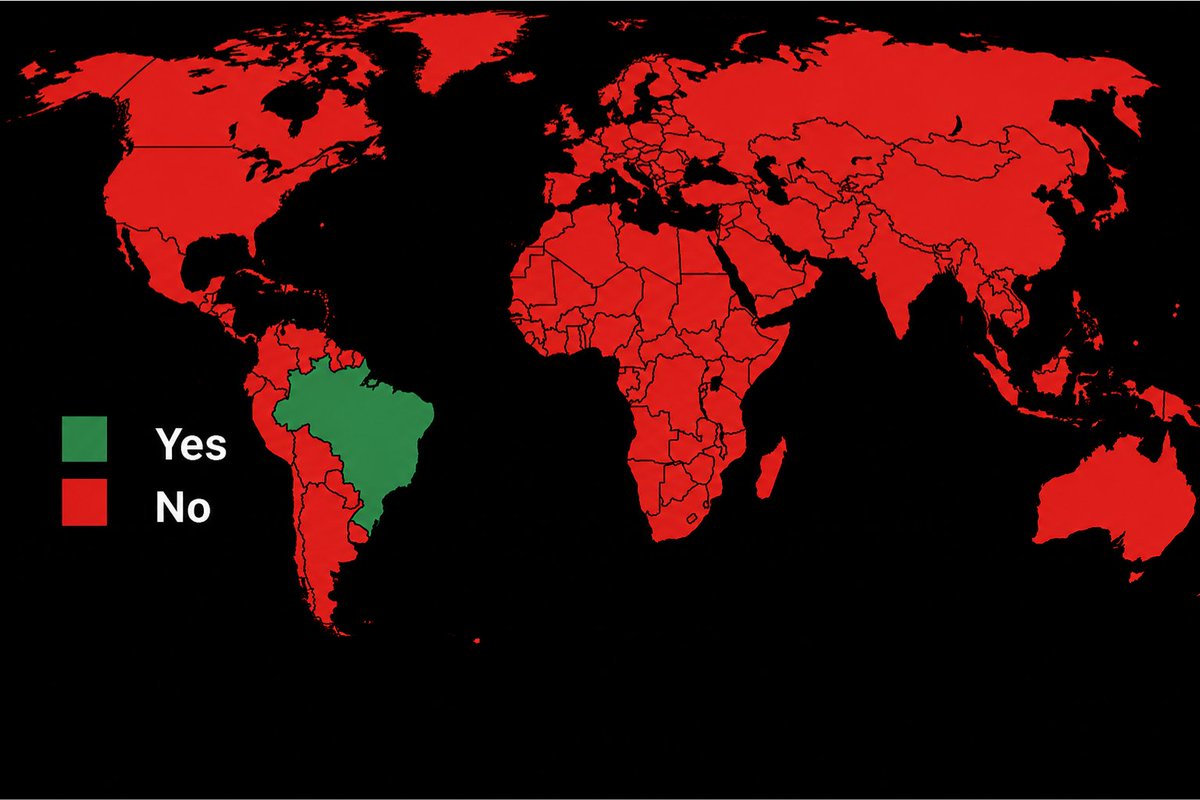
Has your Nation ever lost 7-1 to Germany at the World Cup?
557
4,651
142,832
5,733,681
Thorsten ☀️⚡🔋⚡🌃🚗🚛 retweeted
To defeat the machine, become the machine. 😂
353
4,153
41,399
1,518,206
Thorsten ☀️⚡🔋⚡🌃🚗🚛 retweeted
In the 1960s, a direct flight to Neptune would have taken nearly 30 years. That was longer than most spacecraft could survive. Reaching the outer planets seemed almost impossible. But one engineer, working quietly with a pencil, found a way around this problem. Gary Flandro, a scientist at NASA’s Jet Propulsion Laboratory, was asked to study how spacecraft might travel to the distant planets despite the limits of rocket technology at the time. Fuel was scarce, and engines were not powerful enough for such long journeys. Flandro turned to a clever idea from physics called a gravity assist, sometimes known as a planetary slingshot. The concept is simple in principle. When a spacecraft passes close to a large planet, the planet’s gravity pulls it in and then flings it forward. In doing so, the spacecraft steals a tiny bit of the planet’s motion around the Sun. The planet slows down by an amount too small to notice, but the spacecraft gains a huge increase in speed without using any fuel. With only paper, pencil, and the limited computers of 1965, Flandro calculated the future positions of Jupiter, Saturn, Uranus, and Neptune. What he found was remarkable. In the late 1970s, these giant planets would line up in a rare formation. This alignment would allow a single spacecraft to travel from one planet to the next, gaining speed at each step. This opportunity appears only once every 176 years. Flandro showed that a spacecraft could use Jupiter’s gravity to reach Saturn, then use Saturn to reach Uranus, and finally use Uranus to reach Neptune. This chain of boosts would cut the travel time to Neptune from about 30 years down to just 12. This elegant piece of mathematics changed everything. It became the foundation for the Voyager 1 and Voyager 2 missions, both launched in 1977. Thanks to this precise planning, the two spacecraft sent back the first close images of the outer planets. They later continued their journey beyond the solar system, becoming the first human-made objects to enter interstellar space. All of it began with a simple insight, worked out by hand, that turned an impossible journey into a reachable one.
42
512
2,433
72,917
Thorsten ☀️⚡🔋⚡🌃🚗🚛 retweeted
Replying to @Alex__Steffen
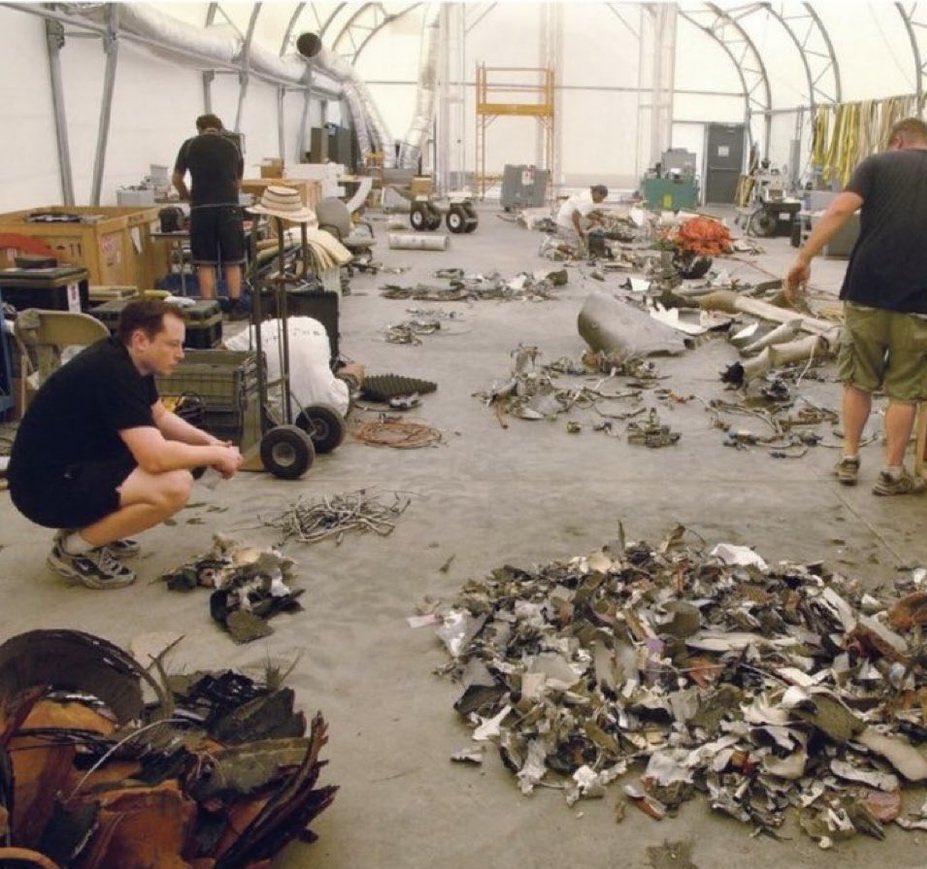
Hätte der damals nicht geklappt, würde es SpaceX heute nicht geben. „Der Neid sieht nur die Blumen, aber nicht den Spaten“ Fachwerkhausspruch aus dem 16 Jhd.
11
120
1,782
Thorsten ☀️⚡🔋⚡🌃🚗🚛 retweeted
> you’ll never start a rocket company > you’ll never build your own engines > you’ll never be able to use off-the-shelf parts > you’ll never survive three launch failures > you’ll never reach orbit > you’ll never win NASA’s trust > you’ll never launch cargo to the ISS > you’ll never compete with Boeing > you’ll never compete with Lockheed > you’ll never make rockets reusable > you’ll never land a rocket vertically > you’ll never land one on a drone ship > you’ll never reuse a booster > you’ll never fly the same booster 10 times > you’ll never fly the same booster 20 times > you’ll never fly the same booster 30 times > you’ll never recover and reuse the fairing > you’ll never lower launch costs > you’ll never launch every month > you’ll never launch every week > you’ll never launch multiple times a week > you’ll never carry astronauts > you’ll never replace Roscosmos > you’ll never fly civilians to orbit > you’ll never manufacture satellites at scale > you’ll never build the biggest constellation ever > you’ll never make satellite internet work > you’ll never make satellite internet fast > you’ll never make satellite internet affordable > you’ll never serve rural customers > you’ll never serve aircraft and ships > you’ll never build a methane rocket engine > you’ll never make full-flow staged combustion work > you’ll never build the most powerful rocket ever > you’ll never build a rocket bigger than Saturn V > you’ll never build it out of stainless steel > you’ll never launch Starship > you’ll never separate Super Heavy and Starship > you’ll never relight Raptor in space > you’ll never bring Super Heavy back > you’ll never catch a booster with Mechazilla tower arms > you’ll never launch 85% of mass to orbit worldwide > you’ll never change the economics of space > you’ll never force the entire industry to copy you > you’ll never win > you’ll never IPO   Congratulations to @elonmusk and the SpaceX team. You did what countless people said was impossible, and you did it time and time again.   Today is your day. You deserve this. May it be a glorious one.
617
5,694
26,480
1,742,126
RT @RCdeWinter: Breaking news: Teacher Arrested At Pearson Airport A high school teacher was arrested today at Toronto's Pearson Airport…
133
Thorsten ☀️⚡🔋⚡🌃🚗🚛 retweeted
German verbs with "kommen" 🇩🇪 kommen = to come bekommen ➖ to receive ankommen ➖ to arrive vorkommen ➖ to occur mitkommen ➖ to come along zurückkommen ➖ to return auskommen ➖ to manage entkommen ➖ to escape herauskommen ➖ to emerge nachkommen ➖ to comply with zukommen ➖ to approach aufkommen ➖ to arise vorbeikommen ➖ to stop by abkommen ➖ to deviate umkommen ➖ to perish durchkommen ➖ to get through 𝗟𝗲𝗮𝗿𝗻 𝗚𝗲𝗿𝗺𝗮𝗻 𝗦𝗶𝗺𝗽𝗹𝘆 🇩🇪
3
19
221
6,040
Thorsten ☀️⚡🔋⚡🌃🚗🚛 retweeted
She has also teased that Flight 15 may fly from their Florida Pad!! 🔥
Gwynne Shotwell is anticipating SpaceX's 13th Starship Flight could happen some time in July with monthly flights thereafter with Flight 14 hopefully being their first attempt at full orbit! 🔥 📸: @CNBC
22
71
786
65,430
Thorsten ☀️⚡🔋⚡🌃🚗🚛 retweeted
President of @SpaceX Gwynne Shotwell on CNBC this morning on Starship: • Starship Flight 13 is about a month away. • Expect to see hopefully see Starship flights on a monthly basis after that. • SpaceX hopes to attempt orbital injection on Flight 14. • It’s realistic to have Starship reaching orbit by the end of 2026.
31
236
2,705
149,047
Thorsten ☀️⚡🔋⚡🌃🚗🚛 retweeted
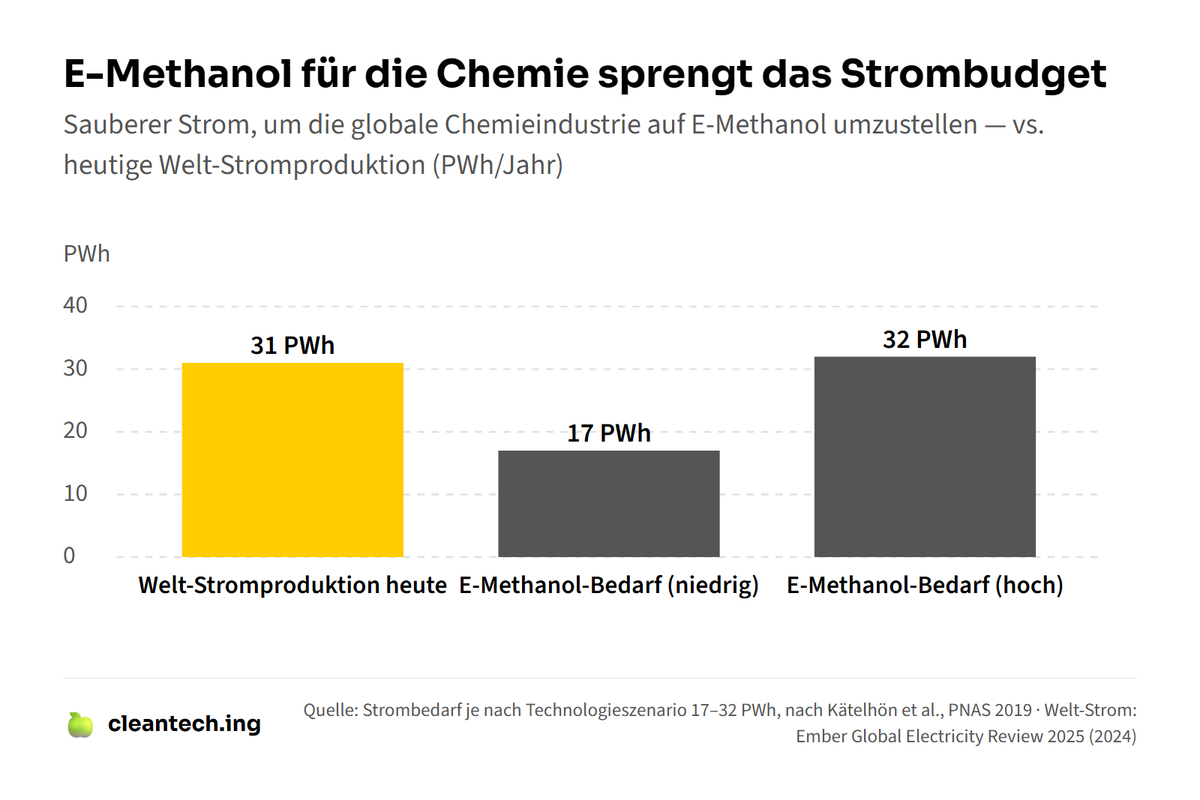
Die ganze Chemie auf E-Methanol umzustellen würde 17 bis 32 Petawattstunden sauberen Strom kosten. Im oberen Szenario ist das mehr, als die ganze Welt heute überhaupt erzeugt. Mein geschätzter Kollege Hanno Böck fordert deswegen eine Kurskorrektur: cleantech.ing/p/woran-e-meth…
11
20
84
2,910
Thorsten ☀️⚡🔋⚡🌃🚗🚛 retweeted
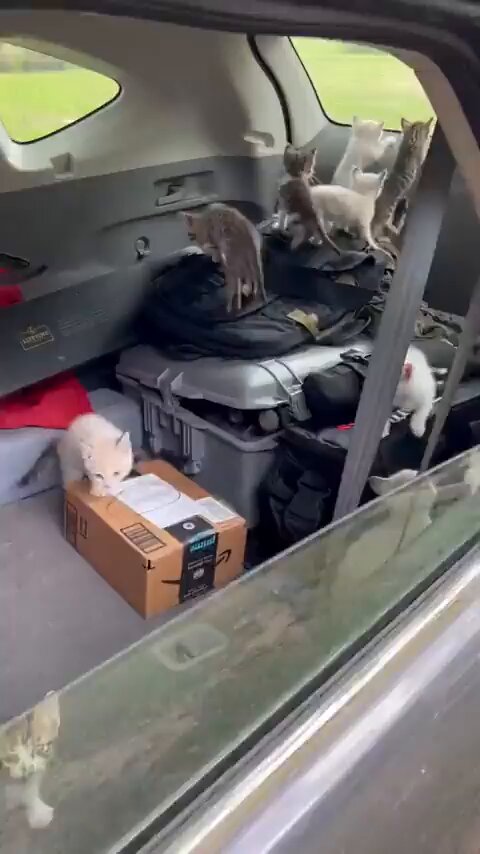
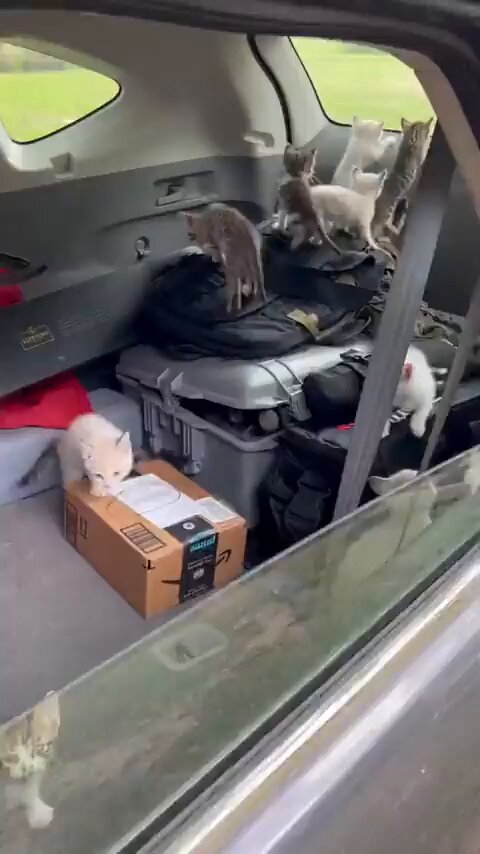
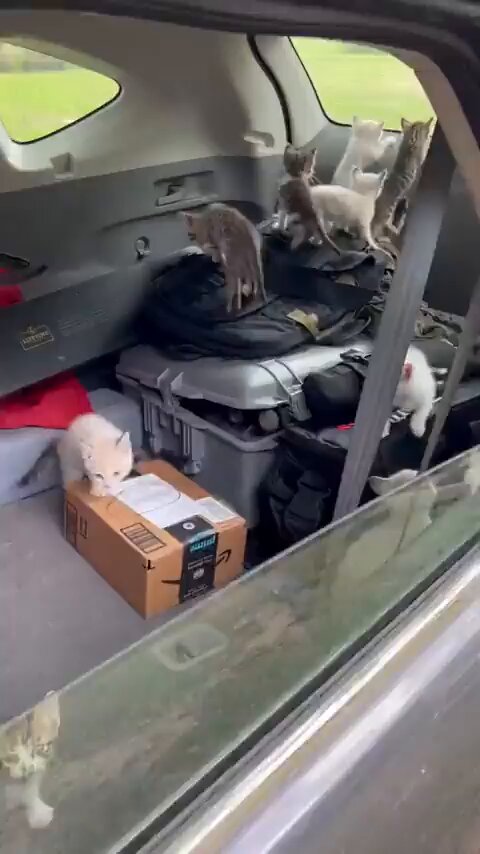
This guy goes to save a kitten and the whole army comes out
319
1,391
16,181
372,907
Thorsten ☀️⚡🔋⚡🌃🚗🚛 retweeted
NASA once brought cats on a plane to test their skills in zero gravity
56
151
1,810
78,616
Thorsten ☀️⚡🔋⚡🌃🚗🚛 retweeted
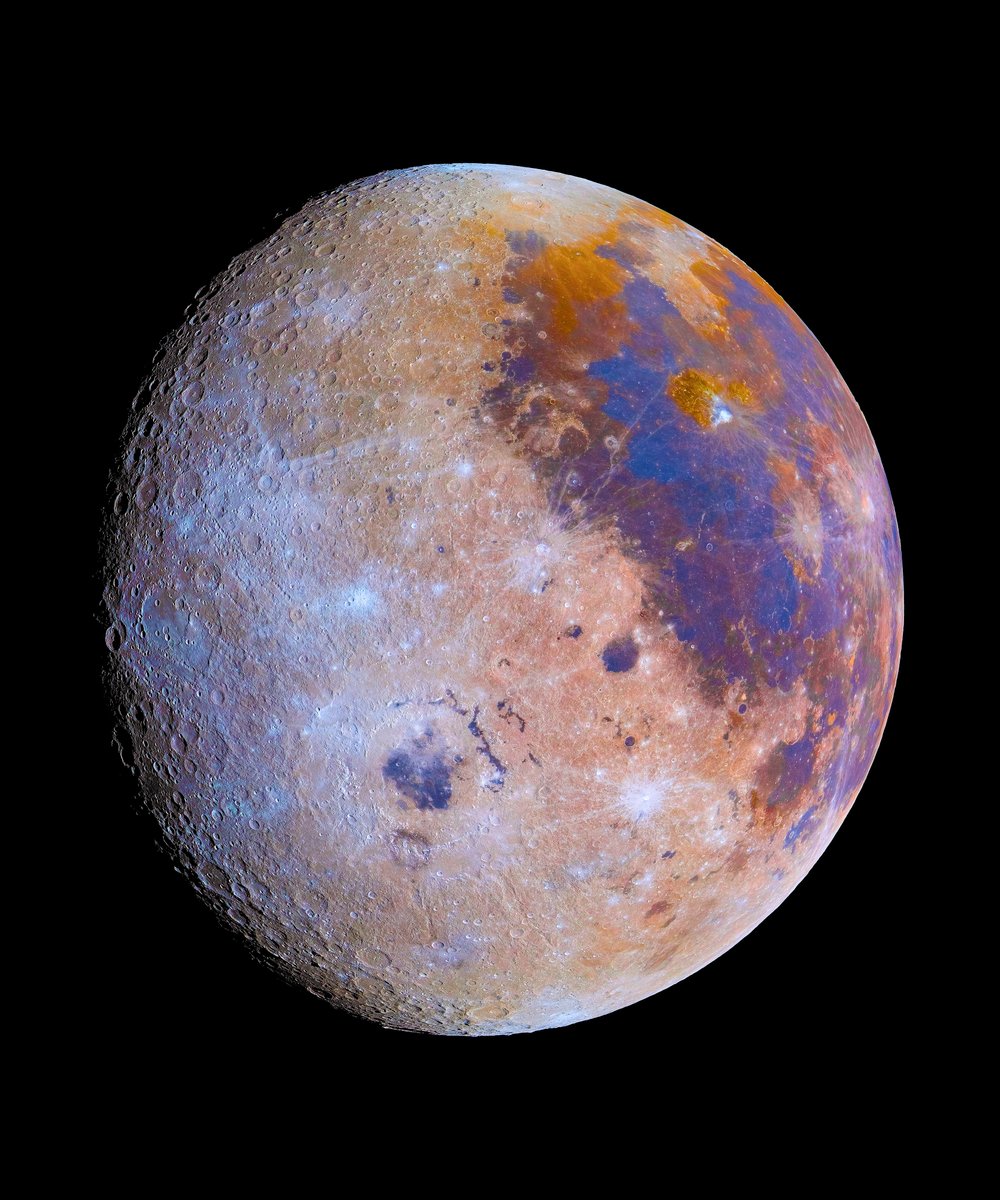
Long post, but this one is important to me so I hope you stick it out! In January I reached out to Artemis II Commander @astro_reid with a simple ask- was he open to capturing the moon like I do for my colorful moon photos during the flyby? He humbly agreed, and we worked out a plan to incorporate into the photos captured as the crew approached the moon. The premise was simple- just capture enough photos in a burst to allow for image stacking to improve image fidelity, potentially to reveal color no human has ever captured. What he brought back was nothing short of magnificent. When I initially stacked the raw photos, it exceeded my expectations by far. The color came right out of the seemingly gray images, and showed details I've never seen before. It's possible nobody has. The lack of atmosphere meant a lot of color normally absorbed and scattered was present, so even the "near side" features looked exotic and unfamiliar. This view of the moon from an alien perspective made the usually-familiar lunar surface fresh and exciting, and the color we were able to resolve gave us valuable insight to the complex geological history of it's battered surface. Then, I faced a bit of a moral dilemma. I wanted people to be able to own these images in print- but I wouldn't feel right to profit off of them. As an active NASA astronaut, Reid certainly can't. He took these photos as part of a taxpayer-funded mission. If I couldn't split profits with him I didn't see a way to do this ethically, so I decided to release the images initially with no print offering, despite many requests!  Then, it clicked. After doing some research- I decided that I should do a print sale where the profits go 100% to charity. That way I can make prints available, do some good in the world, and it doesn't feel like an ethical conflict. ​I'm pleased to share my first EVER entirely-for-charity print release. ​ At the end of this sale all proceeds with be donated to UT MD Anderson Cancer Center. It feels fitting. I will follow up in a future post with a receipt from the donation, so you know how much we were able to donate. When I released this to my email subscribers only, we were already able to raise around $15k. Amazing! The limited edition fine art print is now publicly available, you can grab one of them at the link in my bio (also linked further in the thread) for a short time. Thank you for helping me do something good with my platform. Seriously... it feels amazing.
130
703
4,524
145,532
Thorsten ☀️⚡🔋⚡🌃🚗🚛 retweeted
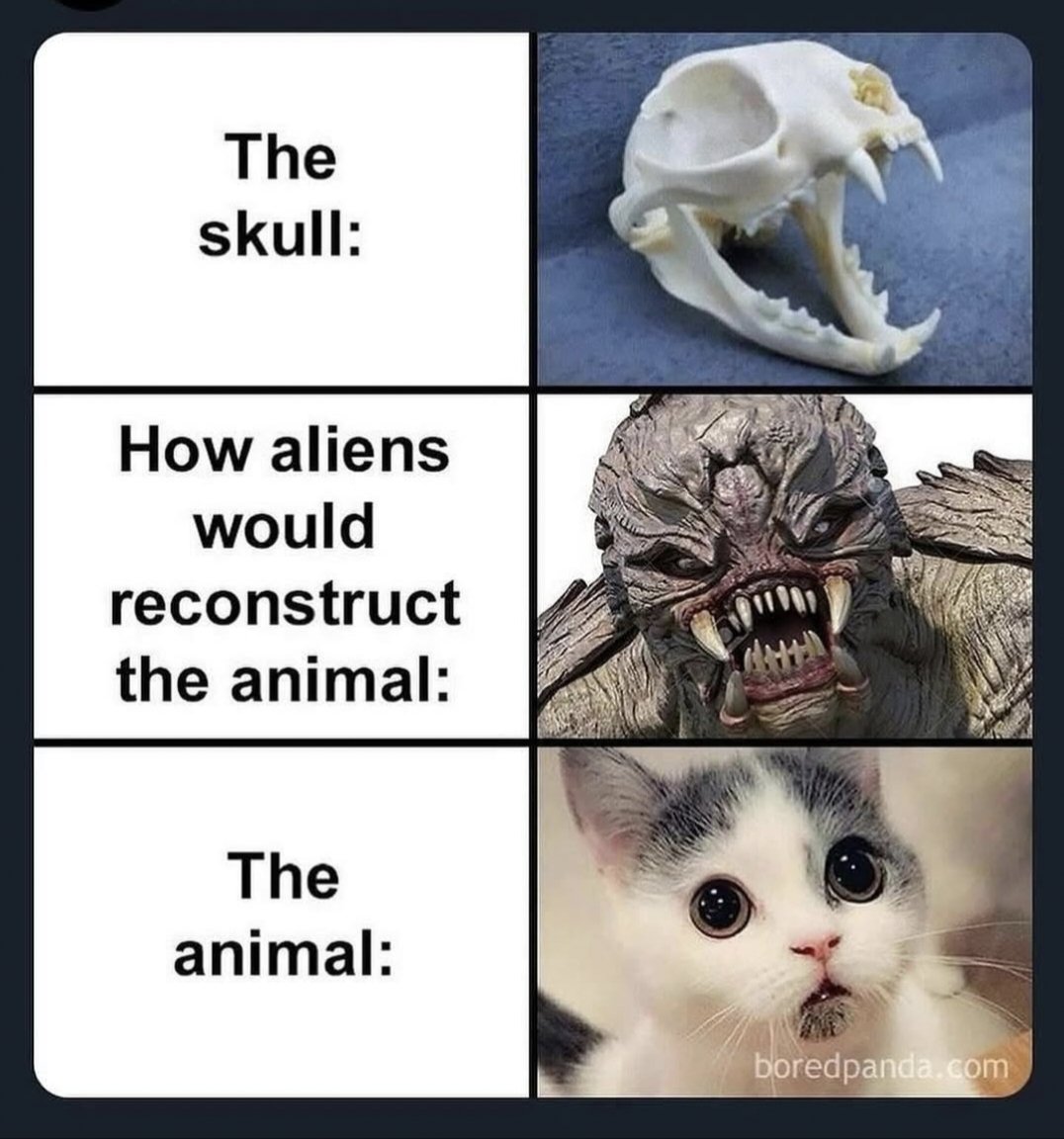
The sound of meowing 🐾
20
872
6,647
64,277
Interessanter Thread. 👇 Dieses Detail hier ist glaube ich ziemlich vielen Leuten nicht so richtig klar. Das ist gut für die Umwelt und schlecht für die Eigentümer der Tankschiffe. 🤷
Replying to @gri_mm
Vor allem aber: Jede zweite Tonne Seefracht ist fossil – Rohöl, Kohle, Gas. Elektrische Schiffe brauchen diese nicht. Je weiter die Energiewende voranschreitet, desto weniger davon muss über die Meere.
1
4
Thorsten ☀️⚡🔋⚡🌃🚗🚛 retweeted
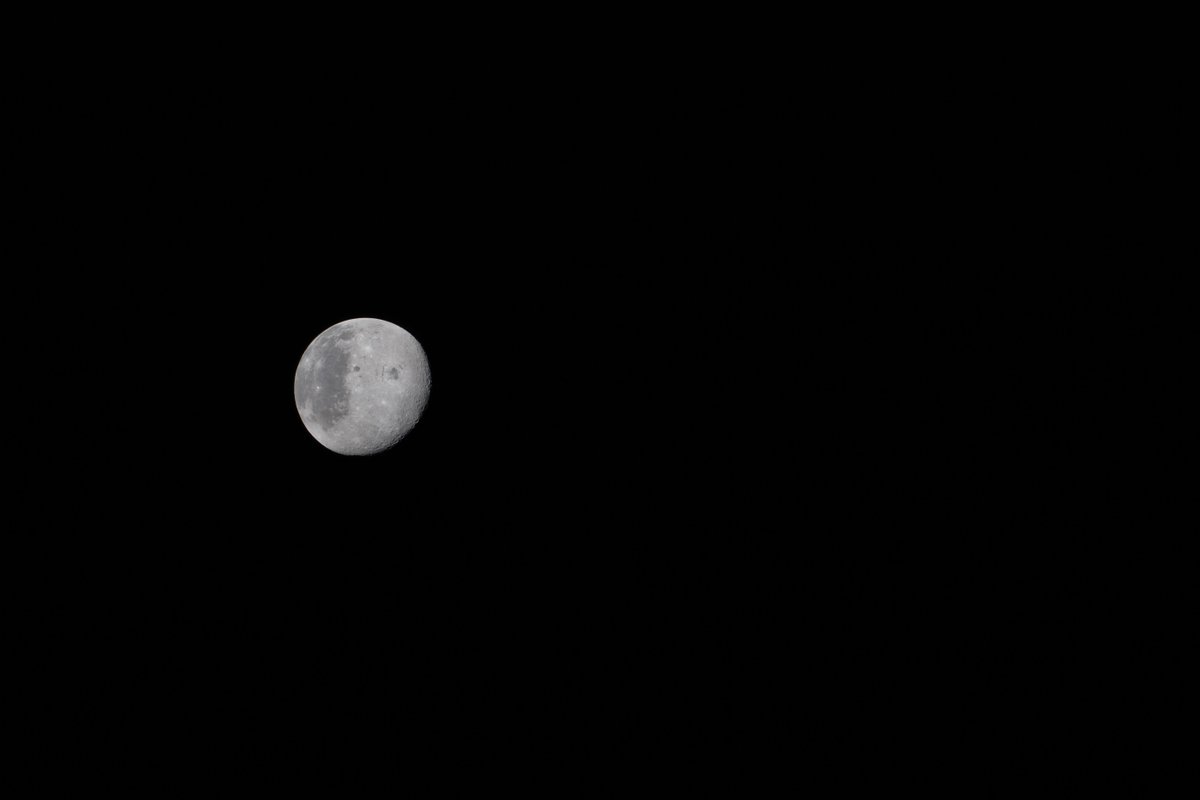
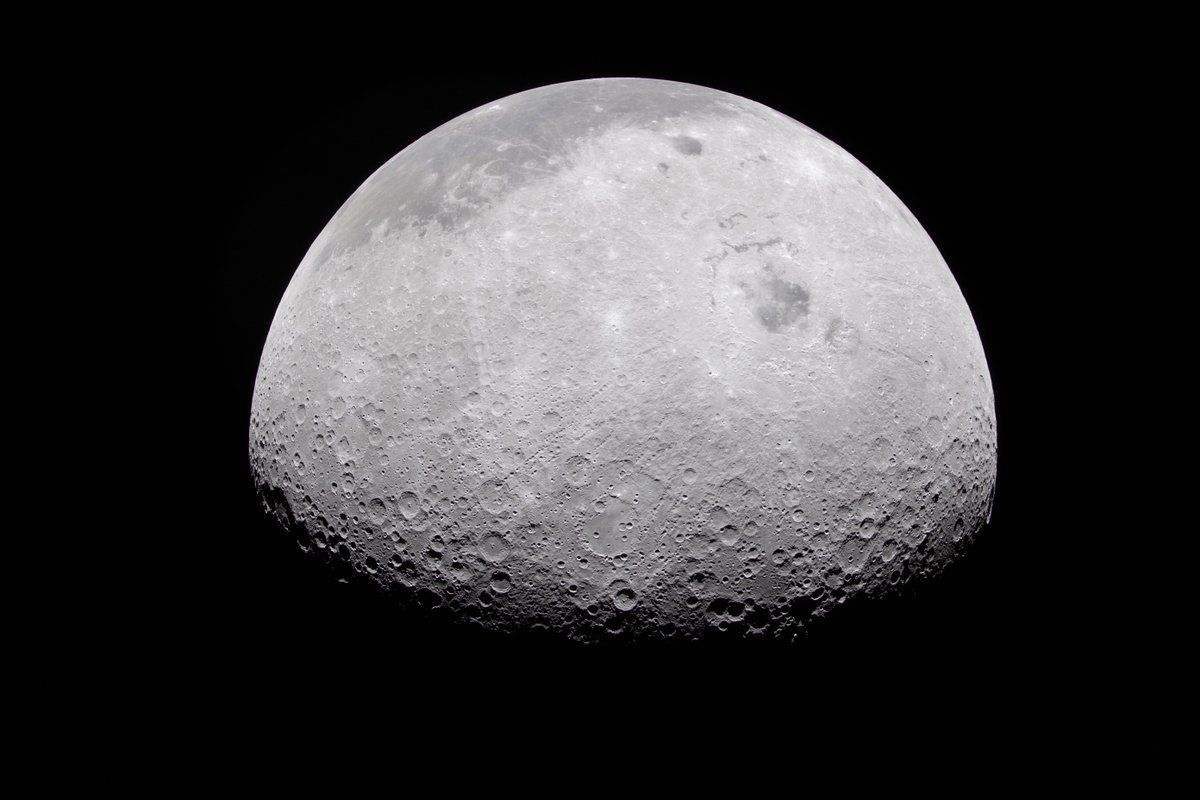
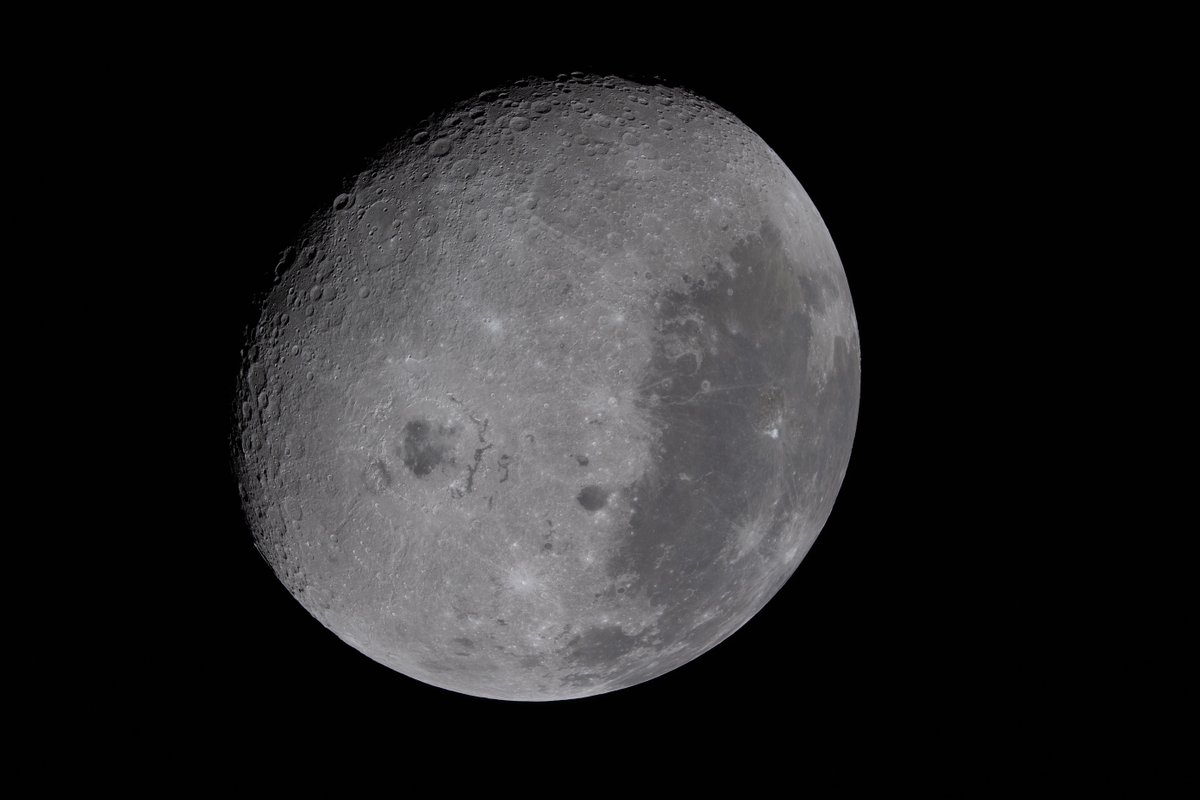
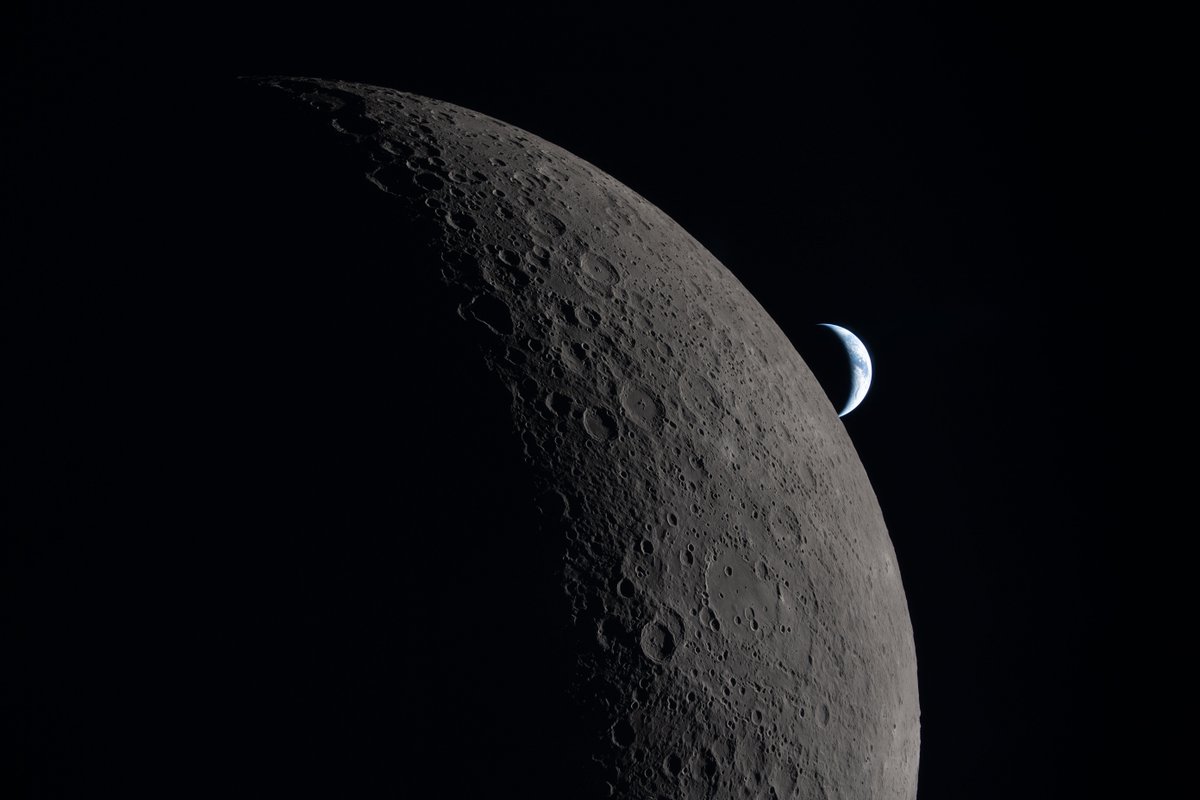
Behold: new and previously unseen imagery from our Artemis II mission! These images were captured on April 6, 2026, when the four astronauts aboard the Orion spacecraft conducted the lunar flyby portion of their ten-day journey.
65
1,019
5,570
118,901
Thorsten ☀️⚡🔋⚡🌃🚗🚛 retweeted
Was ist die #Heizung der Zukunft❓ Mal ganz ohne Ideologie. Diese Frage stellte @AnjaReschke1 im Fossilien Duell 100 Ingenieuren. Die Antworten waren nicht wirklich überraschend. Aber seht selbst❗ 👇
72
55
193
14,130