
Fellow @CPSThinkTank | Former council member @IDUAlliance & @ECRParty | Founder OptimX.io | Ex-Morgan Stanley. Time to unleash Britain.
Joined February 2009
- Tweets 346
- Following 454
- Followers 723
- Likes 2,324
18 Photos and videos







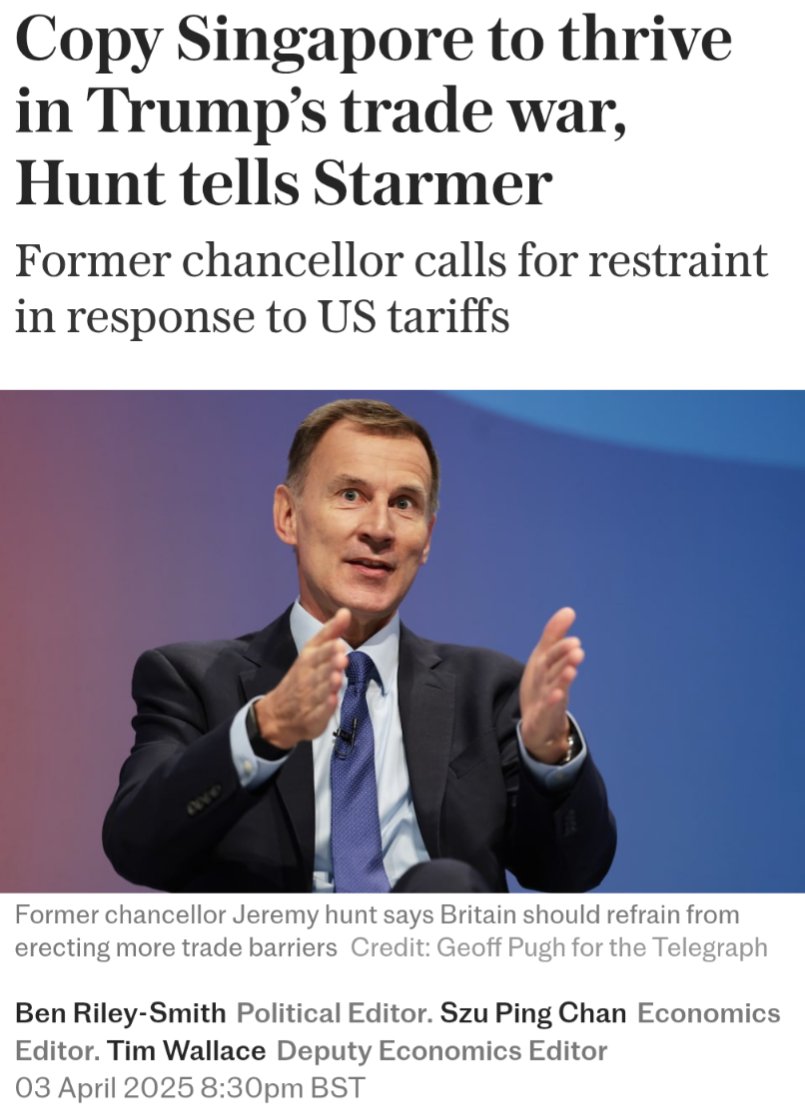

🇬🇧 It’s time to say adiós to inheritance tax
- 🇪🇸 Madrid shows that cutting IHT can help wealth and talent grow
- 🇸🇪 Sweden learnt the hard way that death taxes don't pay
- IHT is unpopular, unfair and economically destructive
Me for @CapX @CPSThinkTank
capx.co/its-time-to-say-adio…
10
33
138
67,438
Tim Dier retweeted

Jun 9
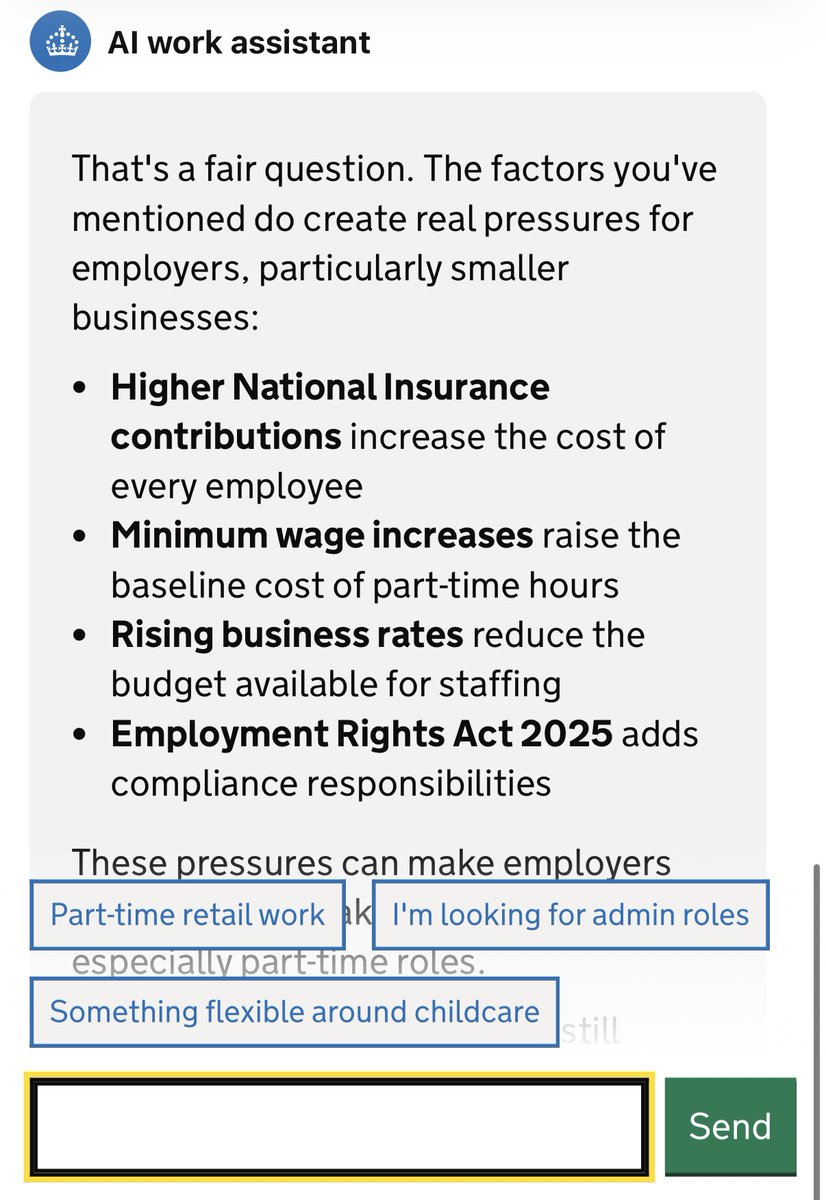
Even the Government’s new AI chatbot knows Labour are killing jobs.
When will they finally admit they made a mistake?
7
32
150
7,666
Tim Dier retweeted

Jun 8
The more I study the political economy of Britain the more I am convinced that there is a singular, deep root cause of the system's major dysfunctions (in relation to productivity growth, standard of living, taxation, health, migration, welfare, law and order, decarbonisation, infrastructure, and the rest). With perhaps the exception of defence and security, it's the lack of capacity at the centre of government to design and implement system-wide policy strategies.
If that is correct, there are reasons for optimism: a directional shift in the evolution of the whole (one nation?) eco-system can be effected at couple of broad, low-cost strokes. Realistically though, that cheerful prospect has to be qualified by an accompanying pessimism: our political leaders, who are the only people who can address the root cause, seem incapable of 'seeing' (in the sense of understanding) the causalities.
The electorate can't be blamed, because voters are never presented with an opportunity to vote for (or against) a well-designed, whole-system strategy. It's all magpies' nests of 'this and that' in party manifestos, so the choices on offer are between different magpies' nests. (It's sometimes called 'retail politics': statecraft reduced to grocery store management.)
So, looking at a long back catalogue of reviews of individual policies, I can factually say that much the most common judgment to be found in the catalogue is "a missed opportunity". Sun Tzu (Art of War) wrote that "opportunities multiply as they are seized", to which I'd add "and opportunities diminish as they are missed". And, of course, to seize them, it's first necessary to 'see' them.
7
3
17
1,738
Tim Dier retweeted

Jun 2
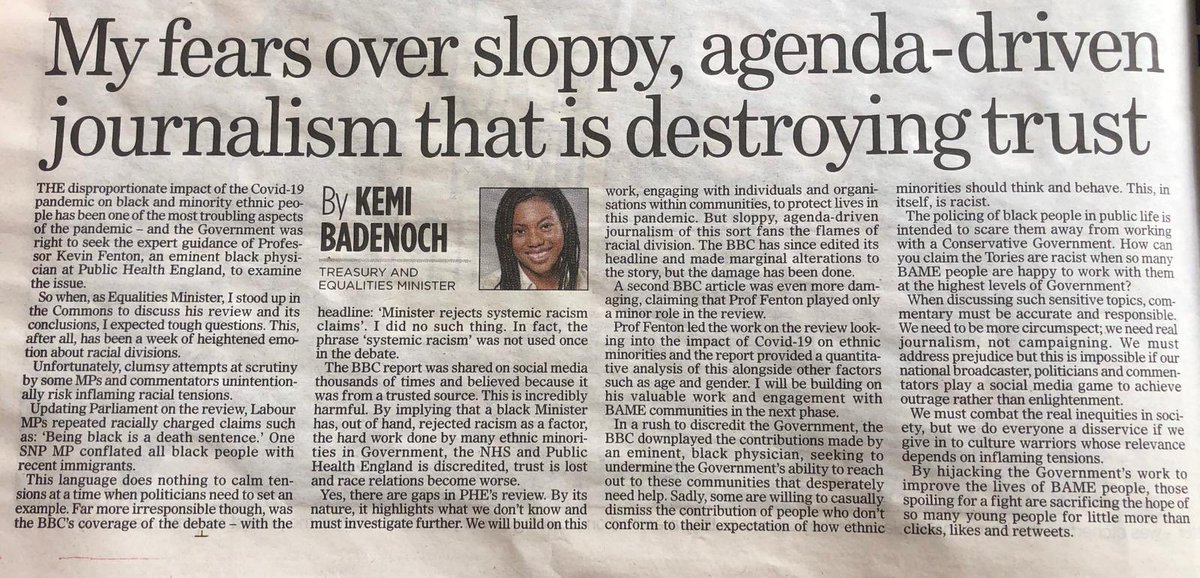
This is the article/thread from which Reform have taken the single quote ‘Black lives do matter’ - despite the piece explicitly and bravely arguing against the excesses of peak woke. Its use to smear Kemi as a hypocrite is fundamentally dishonest.
7 Jun 2020

My piece for @MoS_Politics today appeals for those of us in public life with a platform to use it responsibly. Some coverage creates heat but isn’t shedding light.
Our cause is not helped when irresponsible reporting inflames an already impassioned situation. (1/9)
25
94
549
31,730
Tim Dier retweeted
Jun 2
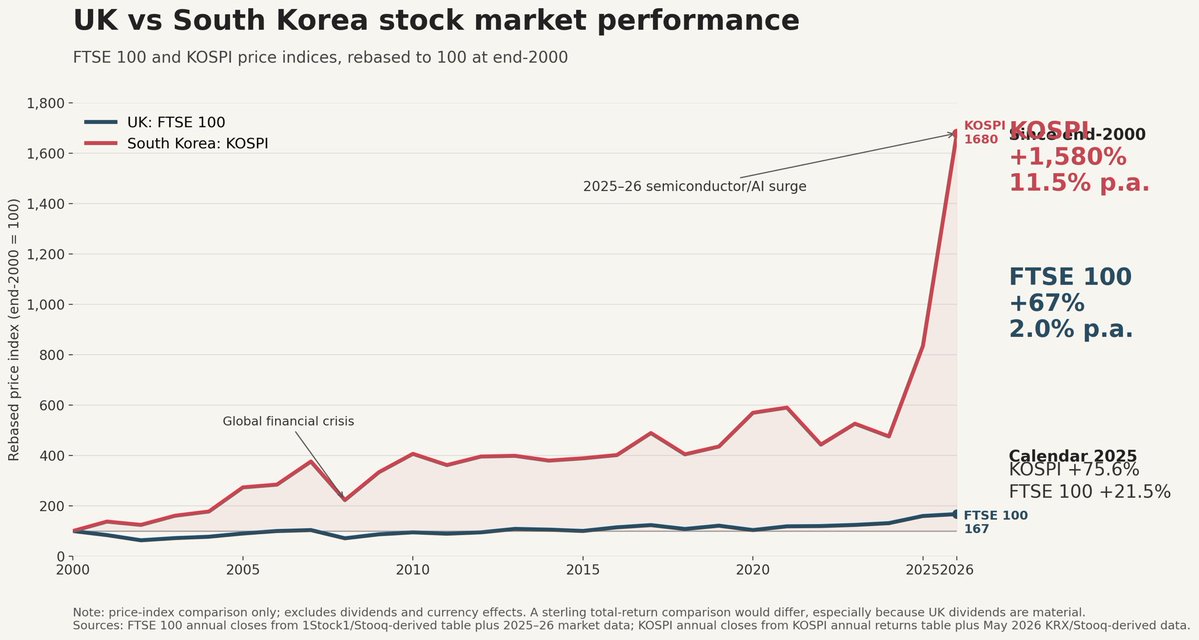
Whilst Londoners struggle to get to work, held to ransom by militant trade unions and a socialist mayor, residents of Seoul benefit from one of the most extensive networks of automated metro lines.
From a standing start in the 1960’s, South Korea’s GDP per capita today is almost equivalent to the U.K. on a comparable dollar basis.
And just look at the relative performance of our two stock markets.
Britain can once again be one of the most prosperous economies on the planet.
Let’s be more South Korean! 🇬🇧🇰🇷
29
41
166
49,908
Tim Dier retweeted

May 31
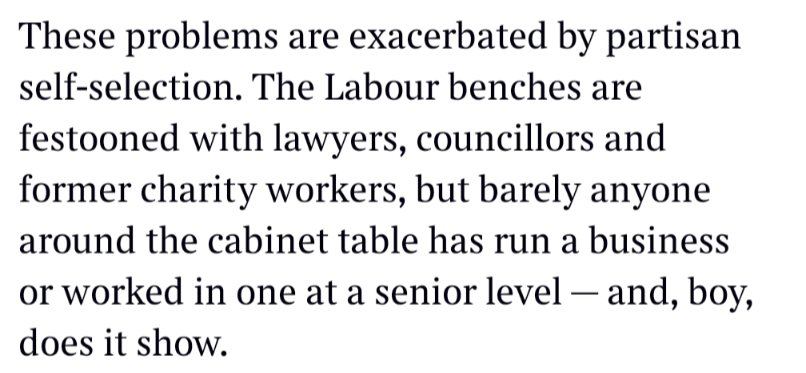
Incredibly, 90% of the new Labour MPs at the last election came from a trade union, charity or public-sector background. Barely 1/5th of the Cabinet has any private-sector experience. In the Shadow Cabinet, 3/4 of us do. That distinction matters.
The skills Labour MPs have acquired are in lobbying for more funding, campaigning for more benefits or more red tape. Britain needs a new generation of politician.
Only the Conservative Party can build a team for the economic war effort required after Burnham/Starmer have finished this catastrophic experiment. We will need to fix every aspect of our system at once. There will be no kicking decisions into the long grass, only rolling our sleeves up and getting to work.
If you've ever thought about a career in politics but decided it was too risky or you wouldn’t fit in, now is your time.…We are looking for people from every walk of life who know how to get stuff done.
In return, I will make politics work for you.
Britain does not lack talent. It lacks a system that draws that talent into public life. Join my team and help us get Britain working again.
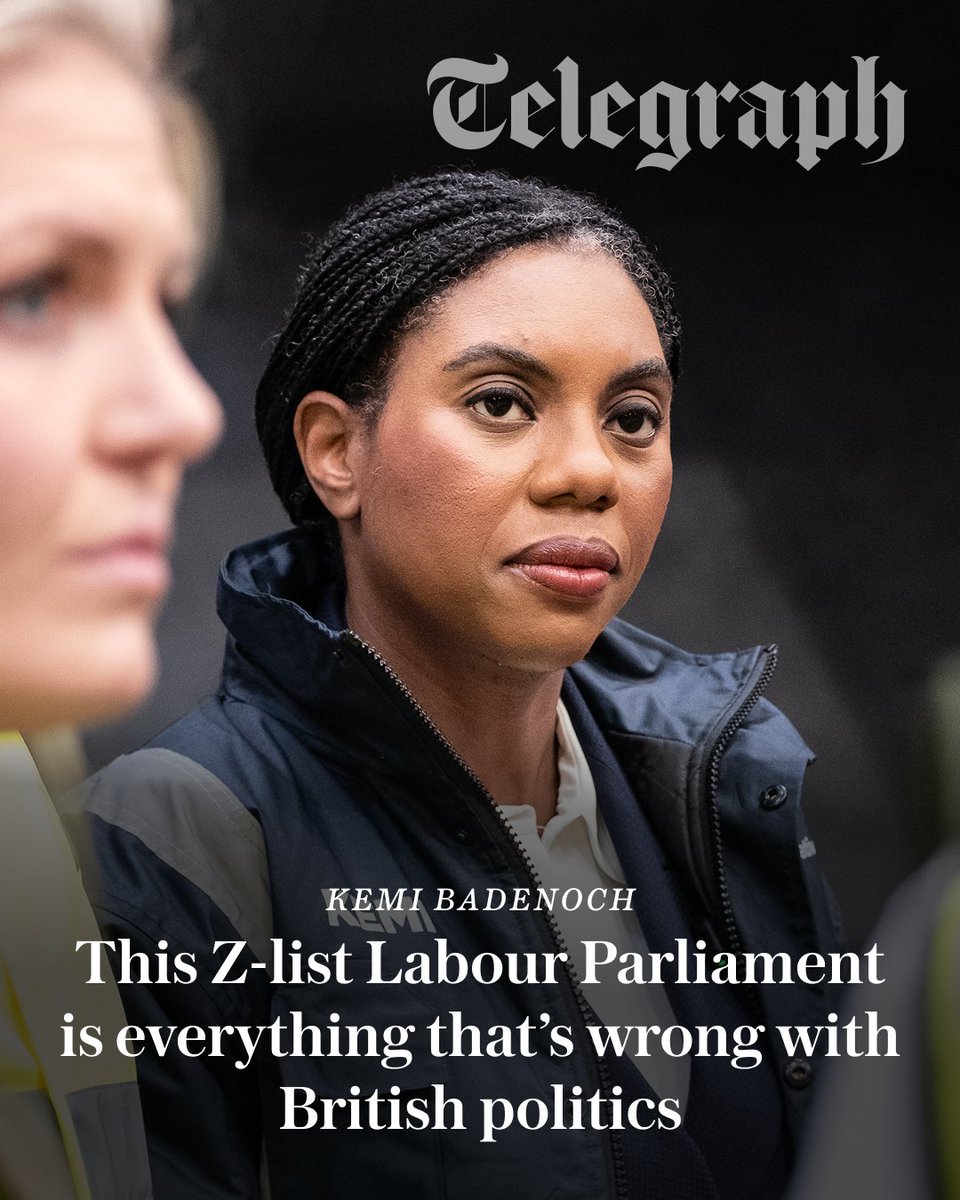
My piece in the @Telegraph below👇

May 30

"Politics shouldn’t be a last refuge for those who have done nothing else. It should be a duty taken up by people with busy schedules and something to offer," writes @KemiBadenoch.
Read more from the leader of the Conservative Party here 👇
telegraph.co.uk/news/2026/05…
456
598
3,014
403,591
Tim Dier retweeted

May 30
Britain is squandering its place as an attractive AI investment destination because of how high our power prices are.
OpenAI has pulled out of their UK deal because of our energy policy, now more investment is getting repelled.
We need to get serious on energy policy now.

What's the betting SoftBank chose France 🇫🇷 for their AI investment because UK 🇬🇧 energy prices are too high and intermittent?
2
4
10
844
ICYMI: New NBER paper estimates US consumers saved $3.1–4.3 trillion since 2007 thanks to shale gas.
🇬🇧 Imagine how much better off UK households and businesses would be if we hadn't got cold feet on fracking.
It's time to rethink our energy policy.
nber.org/papers/w35245
3
7
791
Tim Dier retweeted
May 24
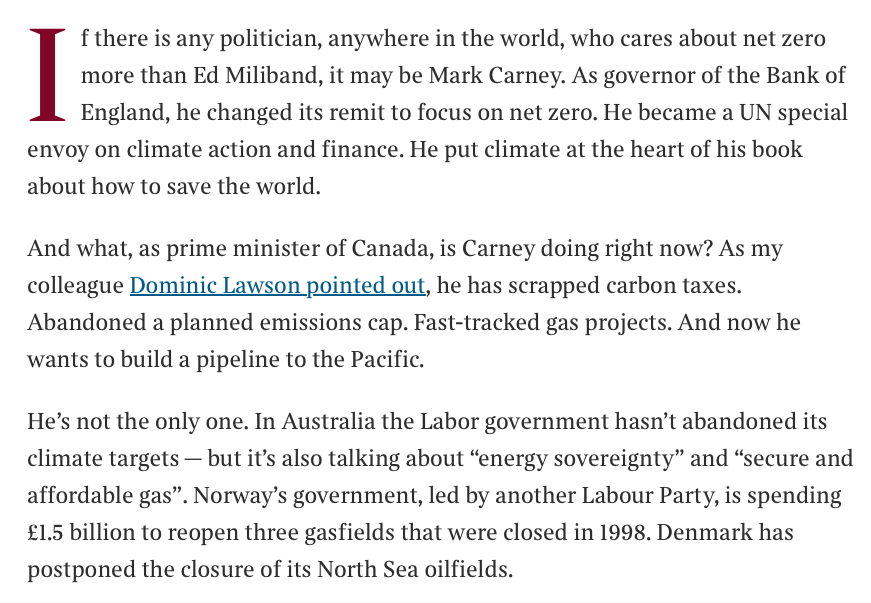
Australia. Denmark. Canada. Germany. Norway. Italy. Everywhere else is racing to shore up their energy supplies and cut consumption. And in Britain? Not a sausage. Me for @thetimes on how the world changed its mind - but Ed Miliband didn't. thetimes.com/comment/columni…
16
185
481
20,766
Tim Dier retweeted

May 24
FYI, Reform's plan for tax-free overtime is similar to measures recently introduced in the US.
Here are two helpful blogs explaining the problems there...
(TL;DR - this proposal may be good politics, but it is bad economics)
cato.org/blog/no-tax-tips-ov…
taxfoundation.org/blog/state…
3
11
33
6,151
Tim Dier retweeted
May 19
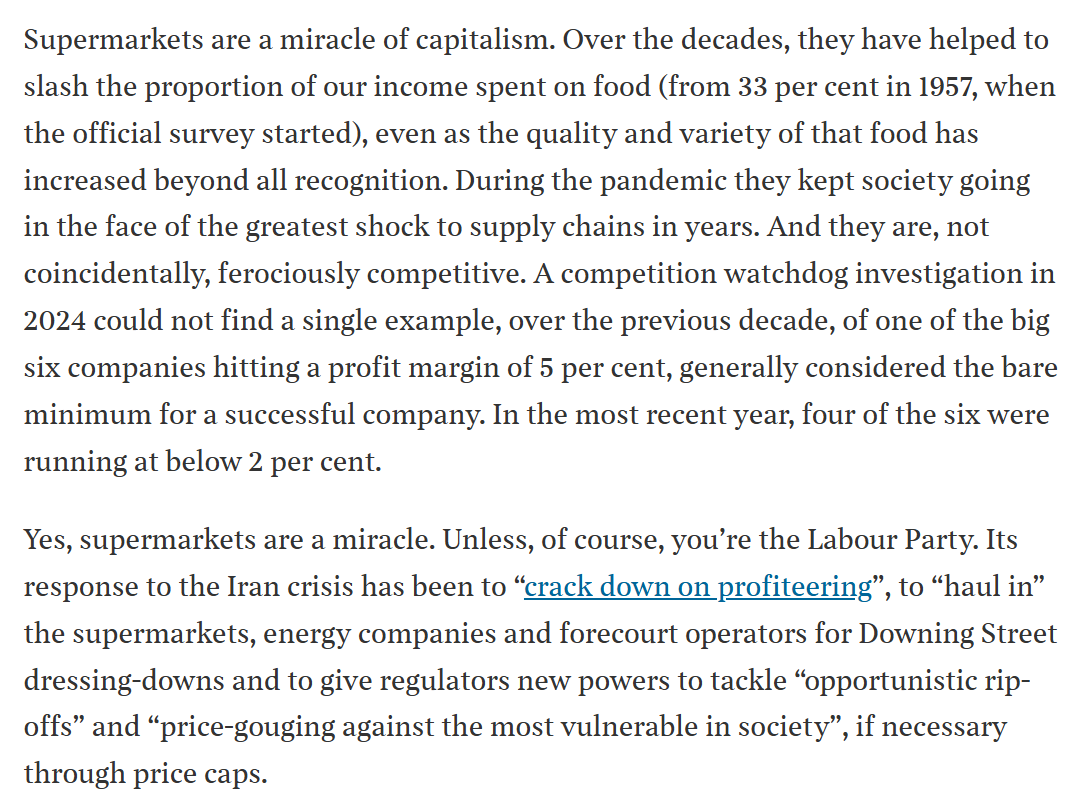
Supermarkets already cap their prices - thanks to cut-throat competition with each other. If the government wants to cut food costs, it should stop posturing and drop Extended Producer Responsibility, and all the other policies that are driving up costs. thetimes.com/comment/columni…
6
11
79
2,732
Tim Dier retweeted

May 18
The Chancellor wants you to think that the economy is getting better.
What about the economy per person shrinking? What about rising energy bills, and rising food prices? What about wages, and job opportunities?
Who does she think she's fooling?
May 18

The IMF upgrading its growth forecasts for the UK and backing our fiscal strategy is yet more proof that this Government has the right economic plan.
100
222
1,063
21,598
Tim Dier retweeted

May 13
Delighted to be back in Con Home!
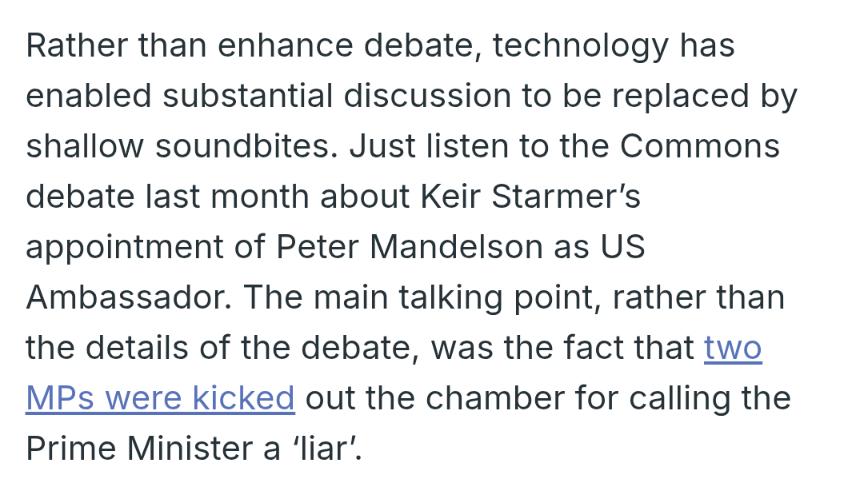
Why it's time to end political soundbites 👇
May 13

From @DanielDieppe: Time to end political soundbites – slogans don't solve problems conservativehome.com/2026/05…

ALT Woman uses a smartphone on a table.
5
11
358
Tim Dier retweeted
May 12
Britain is no longer a free market economy.
A failed consensus has defied basic economics and made us poorer.
What we need is not more political intrigue but an economic transformation on a scale not seen in decades.
The Labour leadership is a side show. Until we make hard choices and return to markets, we will become poorer.
UK political commentary is easily distracted by talk of the colour of the front door whilst the house behind crumbles to the ground. We can’t afford to go on that way.
Below, I set out the revolution we need 👇
conservativehome.com/2026/05…
24
56
209
24,250
Tim Dier retweeted

May 11
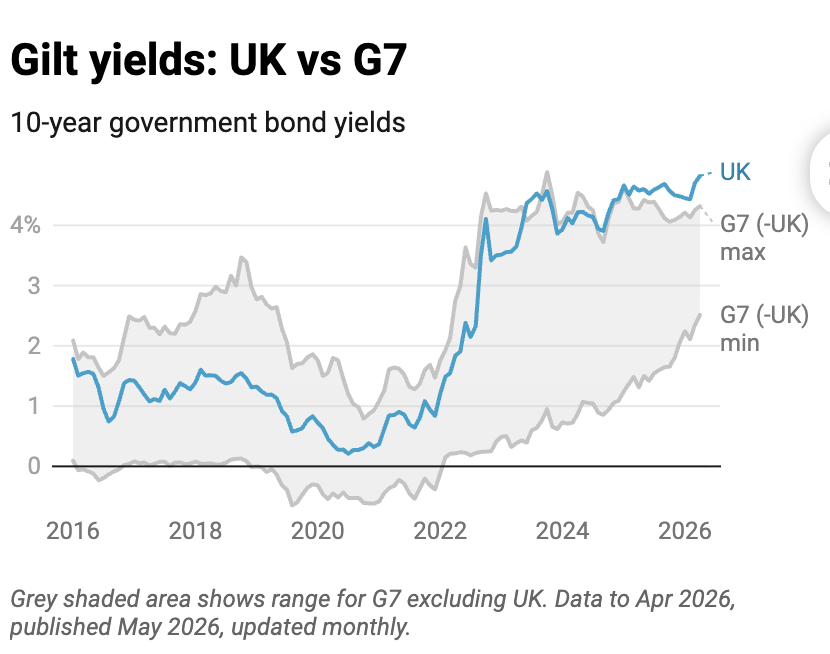
All Labour MPs should be looking at this very carefully.
Potential leadership contenders who reckon that more borrowing and/or (even more) growth unfriendly policies on tax, spend and regulation are the way forward should reflect on it even more carefully.
May 11

Regicide is a dangerous game to play if you're on the fiscal brink - and UK is more exposed now than under Liz Truss. comment.press/brown
118
541
1,824
407,372
Tim Dier retweeted

The gap between Westminster and the private sector doesn't close itself. The CPS Thatcher Fellowship is the programme for people who want to do something about it. Fellows attend monthly dinners with senior politicians, economists and journalists, work through a curated reading list, and get access to party conferences and media training.
We're looking for people from the private sector who want to better understand and engage with policymaking in Britain. If that's you, we'd love to hear from you. ⬇️
fellowship.cps.org.uk
7
8
2,708
🇬🇧 Starmer's desperate move to bring back Gordon Brown as "Special Envoy on Global Finance" is the perfect reminder of this legendary 2009 takedown by @DanielJHannan in the European Parliament:
“You are the devalued Prime Minister of a devalued Government.”
Https://youtu.be/94lW6Y4tBXs
4
209
Tim Dier retweeted
May 7
Madrid shows what centre-right government can deliver for cities. Good piece by @Ben_A_Hopkinson capx.co/its-time-to-turn-lon…
1
7
26
8,181
Tim Dier retweeted

May 6
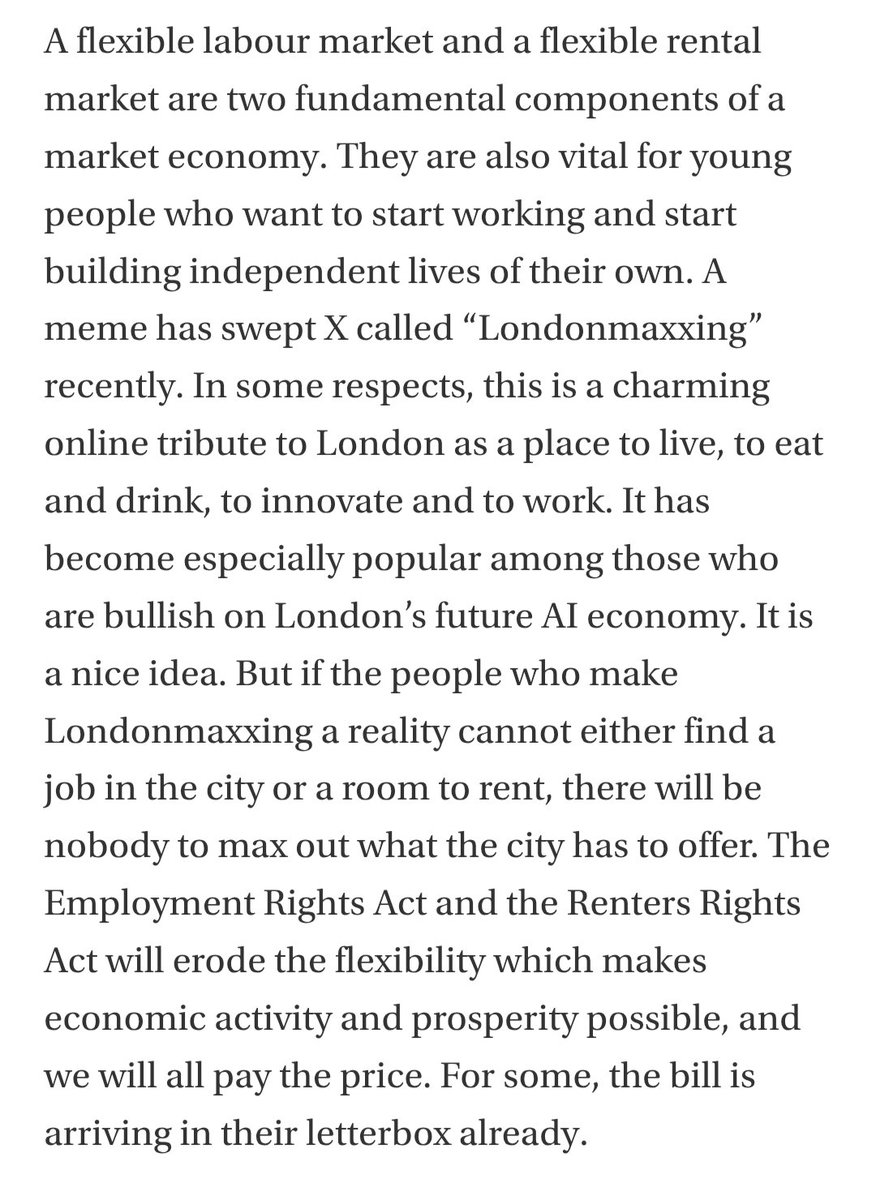
My latest piece for @TheCriticMag on how the Renters Rights Act and the Employment Rights Act will erode opportunity for Britain's young people and kill Londonmaxxing stone dead.
May 6

New laws are harming, not helping, younger people, warns @defossardf
thecritic.co.uk/squeezing-ou…
2
26
88
9,014
Tim Dier retweeted

May 5
Un estudio de Stockholm School of Economics muestra que al quitar sucesiones en Suecia crecieron inversión, beneficios, salarios y pagos fiscales en empresas familiares. La izquierda ve patrimonio para confiscar. Un país serio ve empresas para crecer. x.com/i/status/2051586809142…
🚨A powerful new Swedish study delivers a clear message for the UK: inheritance tax is damaging growth.
🇸🇪Scrapping inheritance tax in 2004 didn't cost tax revenue - it increased growth, investment, profits and jobs in family firms with heirs. Even corporate tax receipts went up.
🇬🇧Family businesses are the backbone of Britain. It's time to scrap IHT and stop punishing success.
Full study: hhs.se/en/about-us/news/sse/…
My CapX piece: capx.co/its-time-to-say-adio…
@handels_sse @FamilyBizUK @KarlGustel
11
326
942
30,175