
Neuroscientist. Interested in neural coding, computational methods, retinal physiology, and vision. Working at the University Medical Center Göttingen.
Joined January 2018
- Tweets 398
- Following 217
- Followers 847
- Likes 771
49 Photos and videos

Tim Gollisch retweeted

15 May 2025
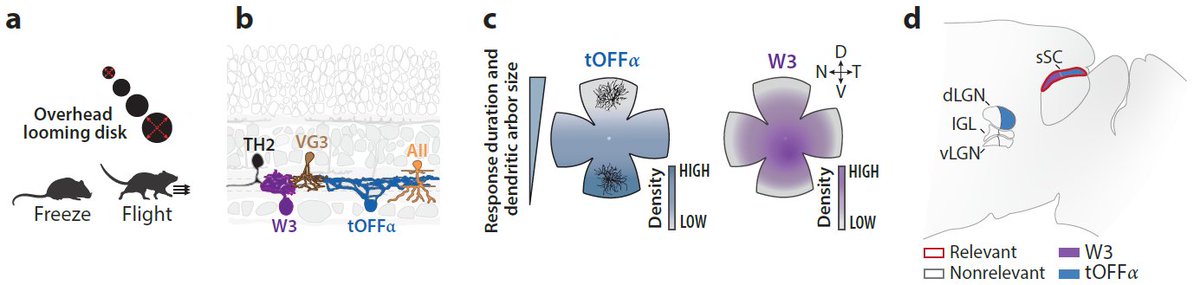
65 years after Lettvin’s bug detector neurons in the frog retina, we revisit how the retina drives behavior—from reflexes to prey capture to brain-state modulation
New review with @AnnaIntegrated & Serena Riccitelli in Annual Review of Vision Science 👇
tinyurl.com/ymp3vs4d
12
41
2,384
Tim Gollisch retweeted

8 Jan 2025
Excited to share out new paper in @NatureMedicine on base editing in the retina, @IOB_ch @BeamTx @semmelweishu nature.com/articles/s41591-0…. Watch the video here: iob.ch/news-view-all?tx_news…
1
13
35
2,603
Tim Gollisch retweeted

10 Dec 2024
read this great thread from superstar @RachanaDSomaiya describing our preprint with @shekharlab .
9 Dec 2024

New preprint! 🔥A wonderful collaboration of our @FellerMarla lab with Matthew Po, and @shekharlab. Here, we dive into the impact of activity on the transcriptome of retinal ganglion cells (RGCs), the sole output neurons of the retina. 1/12
biorxiv.org/content/10.1101/…
5
19
2,940

10 Dec 2024
We have a new PhD position available. Please spread the word and retweet. The project will combine retina recordings, computational modeling, and optogenetics to help further develop vision restoration therapy. See here for more information: retina.uni-goettingen.de/joi…
18
29
3,943
Tim Gollisch retweeted

The @ERC_Research has awarded a Consolidator Grant to the computer scientist and neuroscientist @sinzlab at the @uniGoettingen.
👉bernstein-network.de/en/news…

1
9
565

A very warm welcome to Oliver Barnstedt (@obarnstedt) joining @MBExC_de and @yourUMG as junior research group leader for "Multiscale Circuit Analysis".
Have a great start!

3
13
5,966
Tim Gollisch retweeted

29 Nov 2024
Our new study shows that SARS-CoV-2 spike protein accumulates & persists in the body for years after infection, especially in the skull-meninges-brain axis, potentially driving long COVID. mRNA vaccines help but cannot stop it🔬🧠🦠🧵👇@cellhostmicrobe cell.com/cell-host-microbe/f…
472
2,685
6,237
1,986,446
27 Nov 2024
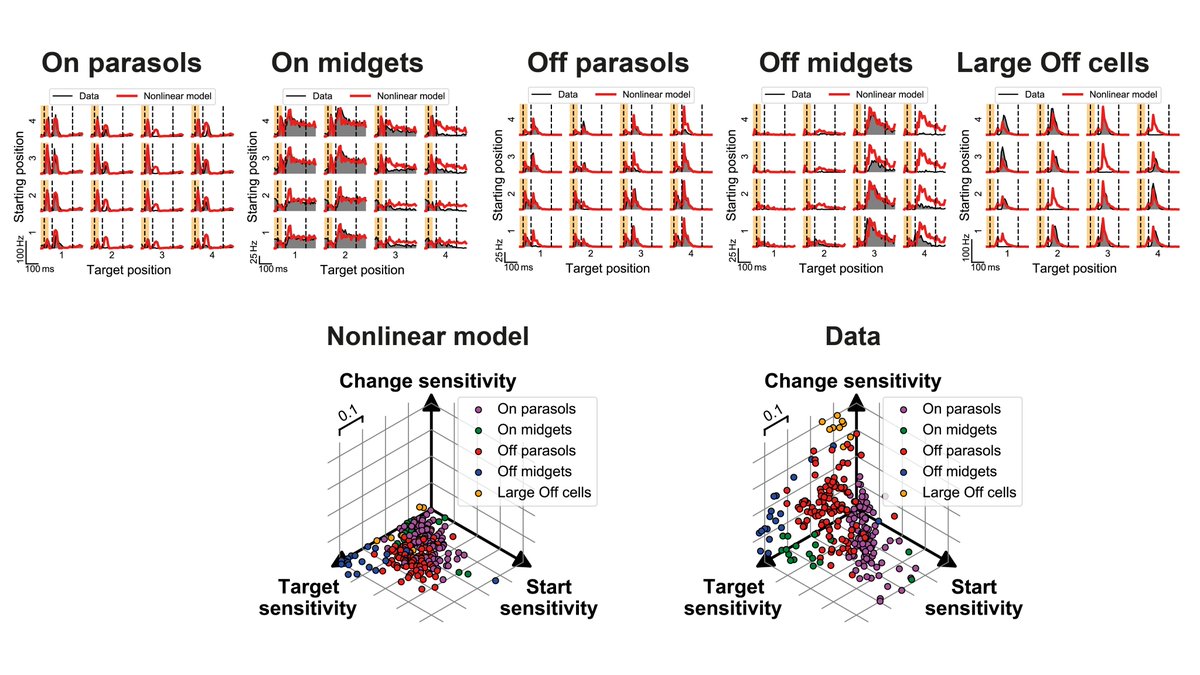
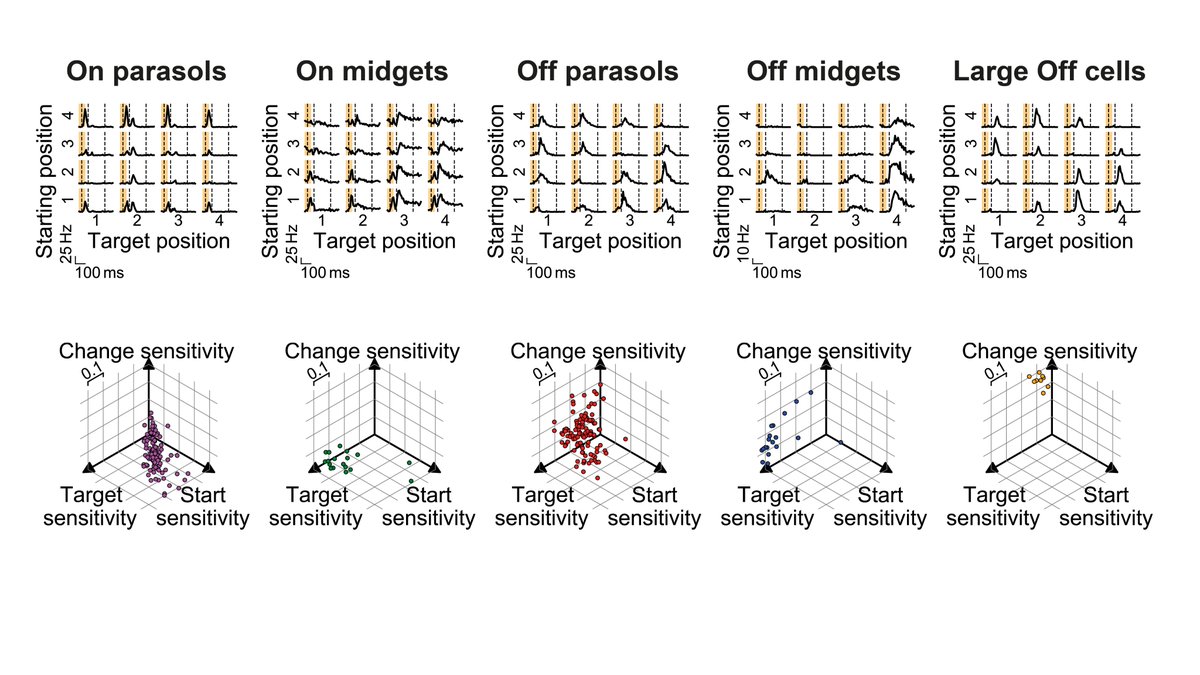
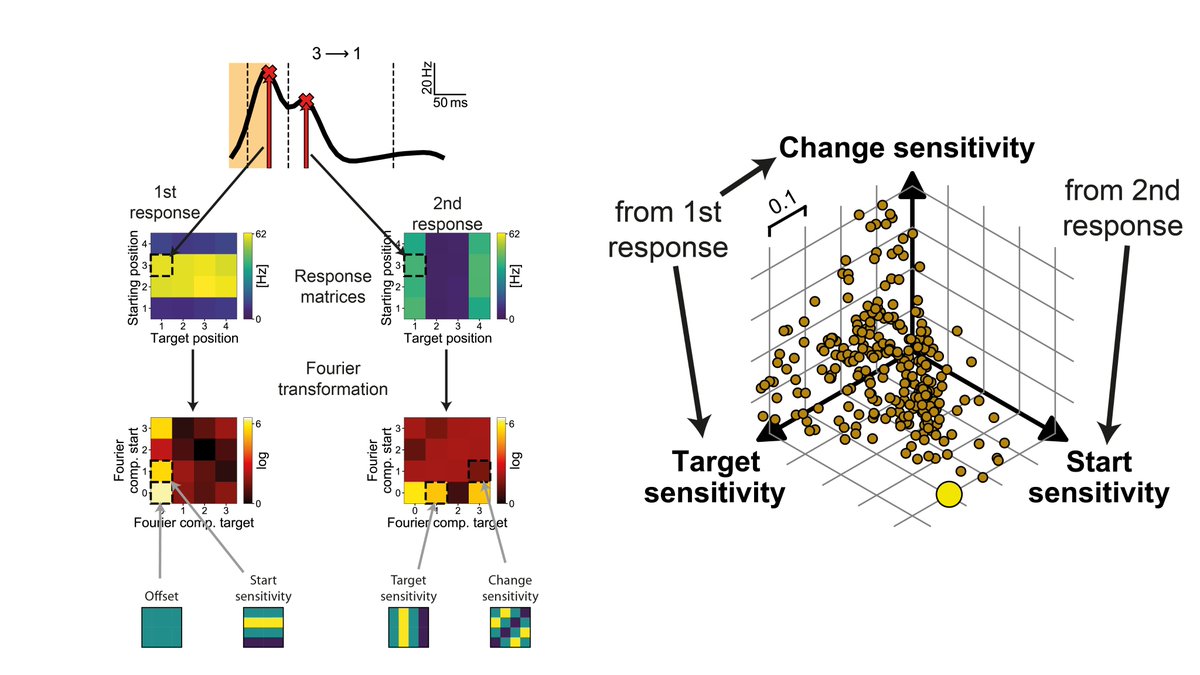
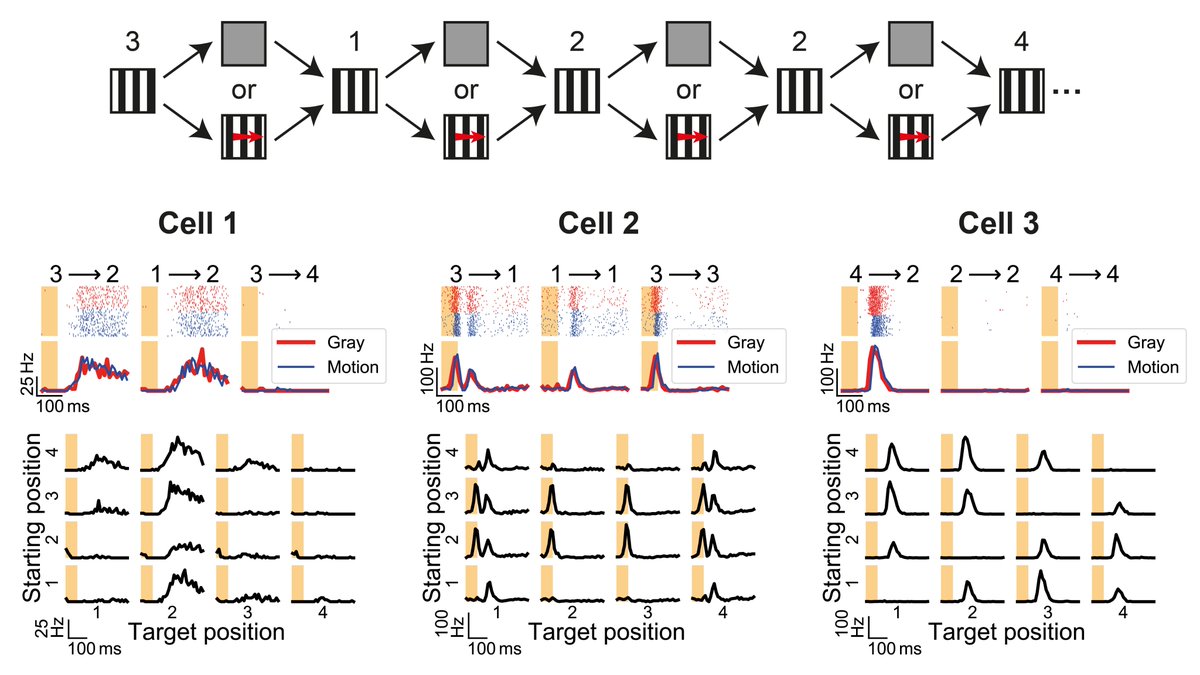
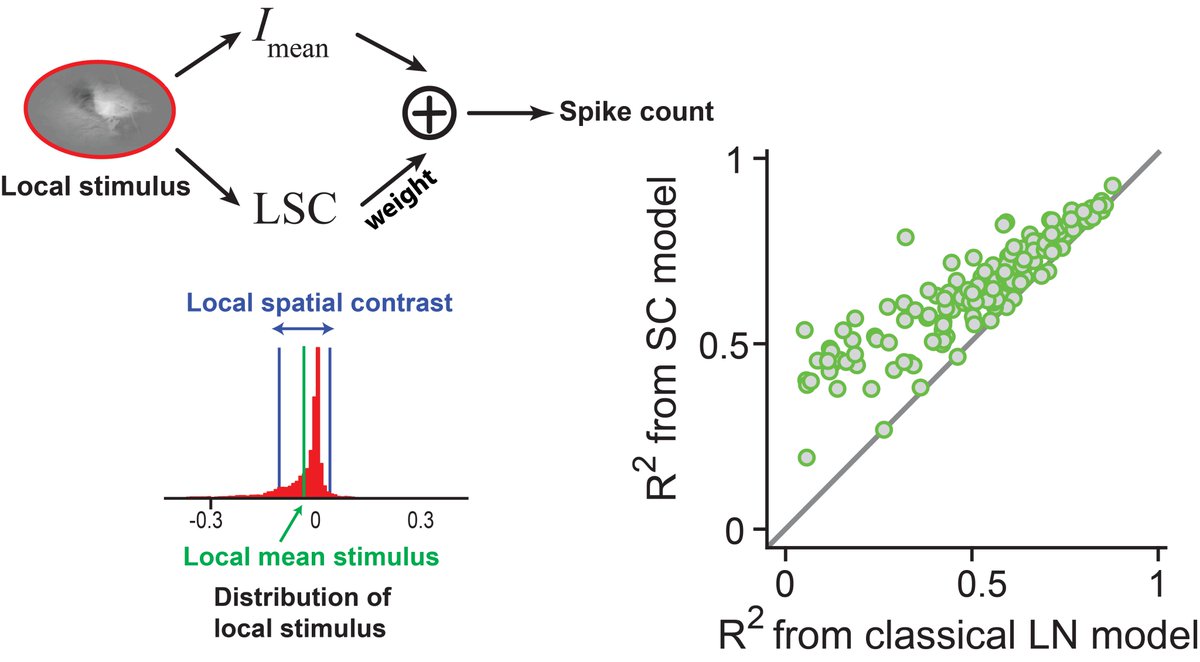
How natural stimuli lead to highly correlated ganglion cell activity in primate (marmoset) and mouse retina. Now out in @nature.
nature.com/articles/s41586-0…
5
24
88
8,364
27 Nov 2024
More info about it in a thread at a different site.
ALT Screenshot of profile at Bluesky.
1
3
288
27 Nov 2024
Thanks so much to Dimos Karamanlis for spearheading this, and thanks for a great team effort and for the funding support! @yourUMG @ERC_Research @dfg_public
1
230
Tim Gollisch retweeted

21 Nov 2024
If you need an inline perfusion heater, for example for your patch clamp rig, here is one for <30$.
nature.com/articles/s41598-0…
1
7
14
2,235
Tim Gollisch retweeted

20 Nov 2024
New @bioRxiv #preprint with @chiara_fornetto and T Euler (who left X): biorxiv.org/content/10.1101/…
1
10
22
1,994
Tim Gollisch retweeted

15 Nov 2024
just published, happy to share eLife paper!
doi.org/10.7554/eLife.93749 @eLife
1
7
301
Tim Gollisch retweeted

12 Nov 2024
My lab has a funded PhD position open now. Apply by Nov 30th: linkedin.com/posts/petri-ala…
8
8
1,673
Tim Gollisch retweeted

8 Nov 2024
Our paper "GABAergic amacrine cells balance biased chromatic information in the mouse retina" is now published in @CellReports cell.com/cell-reports/fullte…
18 Mar 2024

Excited to share our new preprint where we uncovered how inhibitory interneurons in the retina process color information in their dendrites.
A #tweetprint with authors @mkorympidou Sarah Strauss @TimmSchubert @kfrankelab @teulerlab @CellTypist
biorxiv.org/content/10.1101/…
2
10
32
6,534
Tim Gollisch retweeted
7 Nov 2024
New collaborative @bioRxiv alert, with @TommasiniDario, @shekharlab and @TaYoshimatsu about the molecular and evolutionary relationships across vertebrate rods and cones: biorxiv.org/content/10.1101/…
a mini thread...
1
16
33
3,733
Tim Gollisch retweeted

25 Oct 2024
🚨New preprint from the lab!🚨
We found a preference for visual objects in the mouse spatial navigation system and discovered that visual objects dynamically boost the encoding of head-direction!
biorxiv.org/content/10.1101/…
🧵👇1/
4
31
129
17,997
Tim Gollisch retweeted

23 Oct 2024
🥳Super pumped to share our latest collaboration with @EmilieMaceLab and Stuart Trenholm.
We show how visual objects specifically recruit neurons in the spatial navigation system, especially in the head-direction network, suggesting a specific circuit to detect landmarks 1/
23 Oct 2024

Visual objects refine head direction coding biorxiv.org/cgi/content/shor… #biorxiv_neursci
2
21
61
10,316
Tim Gollisch retweeted

17 Oct 2024
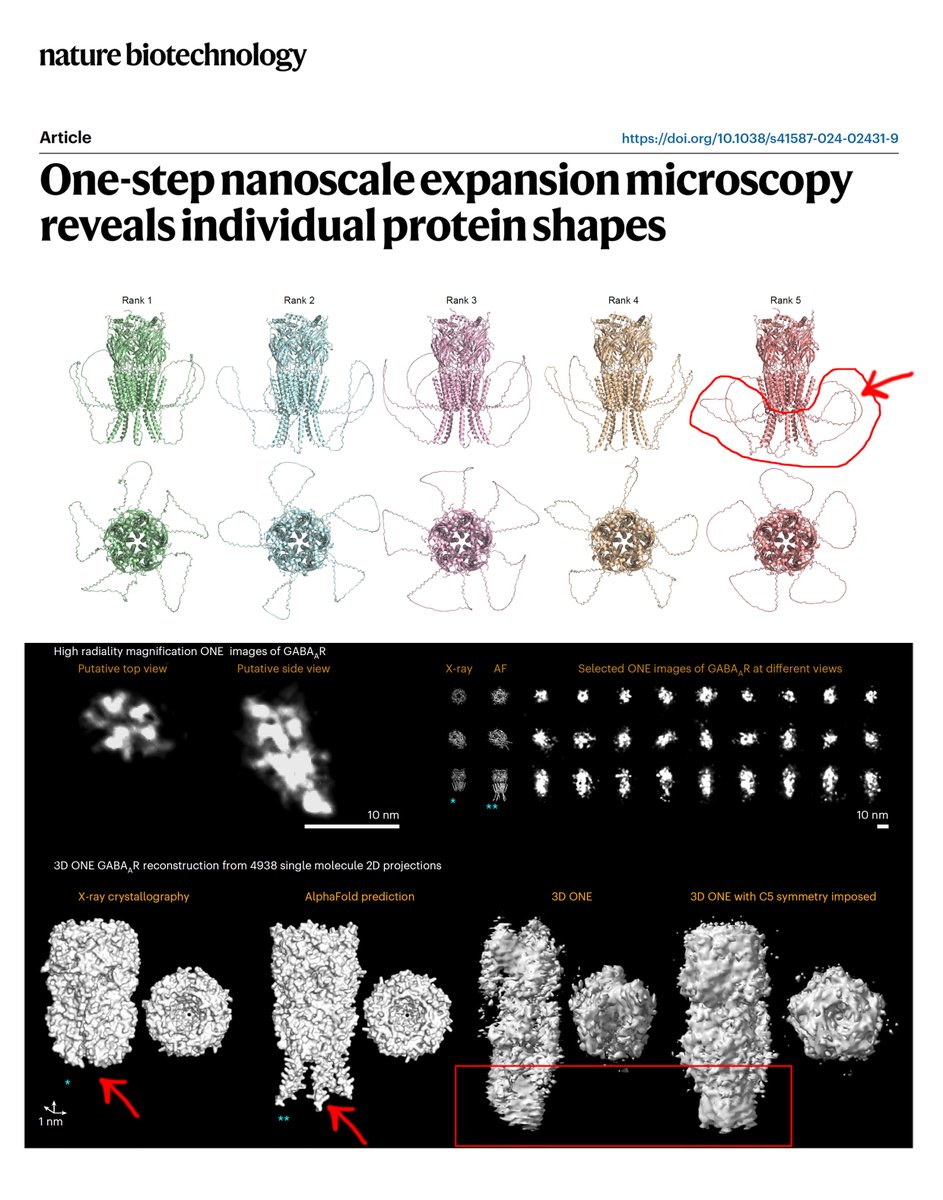
Research led by @yourUMG, working with international colleagues and our Uni, has developed a new method making it possible for the first time to image the 3D shape of proteins with a conventional microscope: ONE microscopy - for One-step Nanoscale Expansion microscopy.
9 Oct 2024

ONE microscopy not only allows 3D reconstructions of protein molecules but also reveals details in GABAA receptors that X-ray crystallography and cryo-EM missed, yet AlphaFold predicted. More here:
nature.com/articles/s41587-0…
@NatureBiotech.
Our GABAA receptor work owes everything to the support of cryo-EM leading expert Prof. @RaduAricescu and his lab at MRC, UK. Thank you!
6
21
2,803
Tim Gollisch retweeted

17 Oct 2024
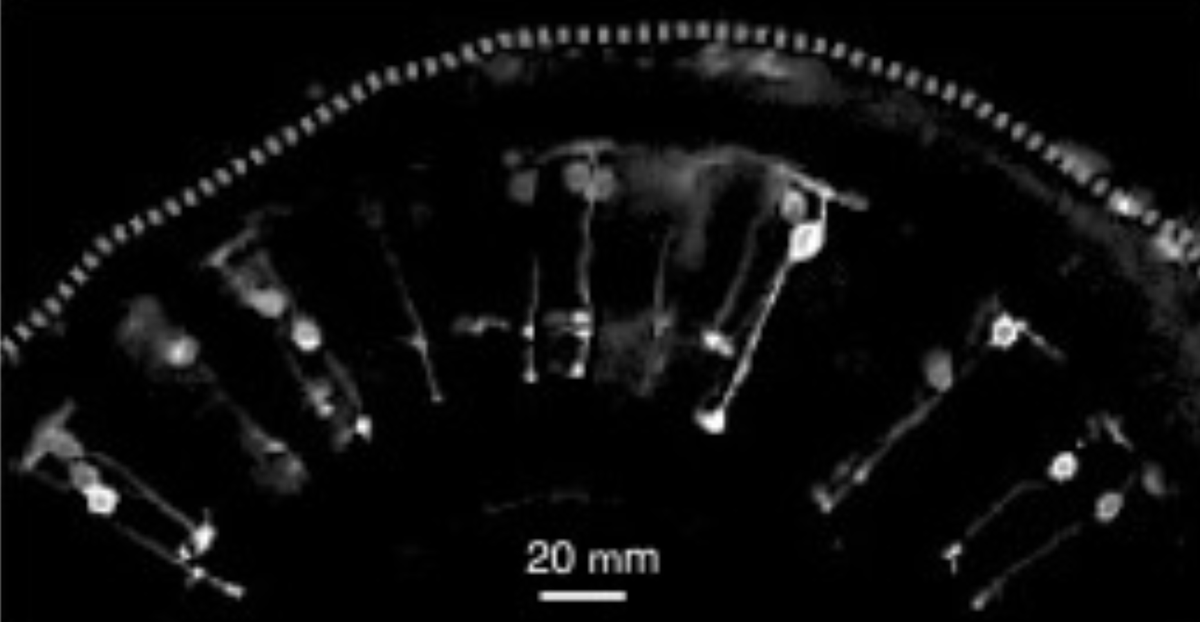
The #retina, like other brain circuits, is under modulatory control.
@yesiamohyes and @JosMoyaDaz1 show that "Substance P and dopamine form a “push-pull” system that diurnally regulates retinal gain".
tinyurl.com/258vvkfj. @CurrentBiology
#zebrafish #neuroscience
👇1/
2
12
34
2,795