
Try the most 3rd party tested, soy free 10,800 FU nattokinase, 180ug Vitamin K2, oat beta glucan product on the planet! Shop us now at the link below. ⬇️
Joined July 2025
- Tweets 955
- Following 96
- Followers 1,598
- Likes 2,197
94 Photos and videos

Pinned Tweet

Jan 30
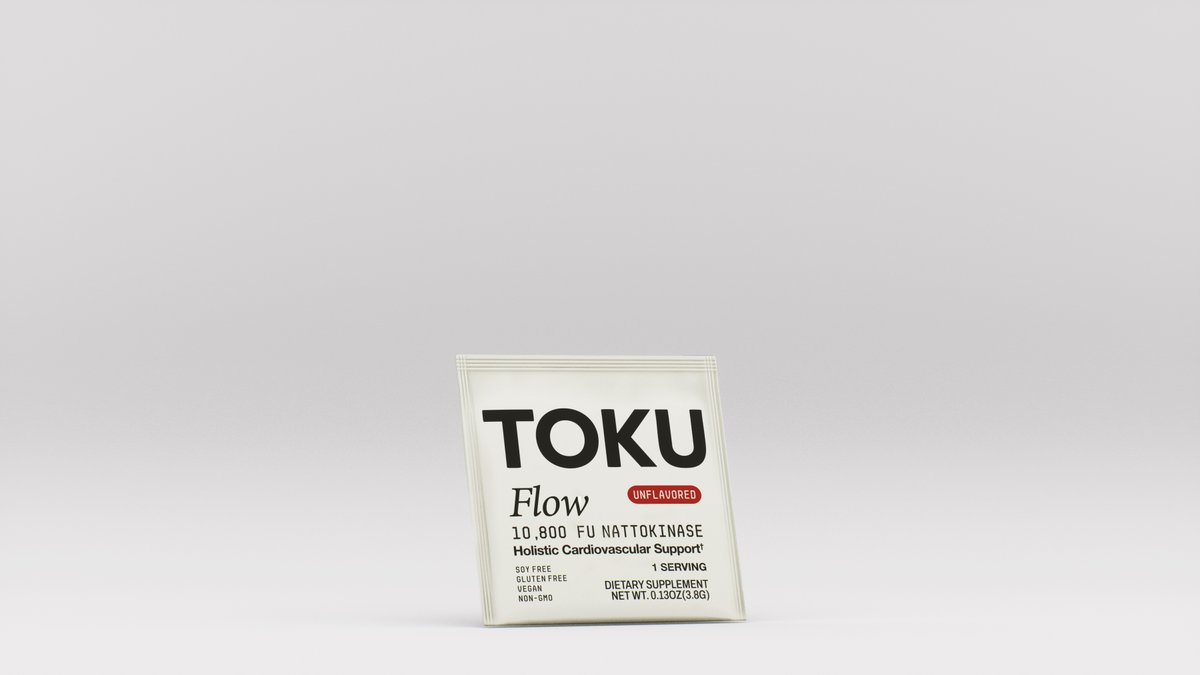
Run Your Own N=1 Trial with Toku Flow!
We're inviting you to test our product scientifically and we will reward you for sharing your results
How this works
1) Establish Your Baseline
Get comprehensive heart health labs before starting, including, standard markers: Total Cholesterol, LDL-C, HDL-C, Triglycerides and advanced markers such as ApoB, Lp(a), hs-CRP
2) Commit to the Protocol
Purchase Toku Flow and take it consistently for 90 days as part of your daily routine
3) Retest and Share
After 3–6 months, retest your labs and share your updated results with us (we'll send a reminder email).
Your rewards for participating:
✓ 50% reimbursement on your full 90-day supply after sharing your final labs
✓ Extra 25% off your next Toku order as you continue your journey
Please note this trial has limited availability
If your ready to start, use the link below:
3
3
25
8,245
1h
You don’t have poor decision-making.
You have poor arterial compliance.
Stiff arteries, means sluggish blood flow and reduced cerebral perfusion.
And brain fog, hesitation and a lag in execution are just symptoms of this.
This is because when circulation is compromised, your brain doesn’t get what it needs
Oxygen, glucose, signaling molecules.
Which eventually pours out into thoughts, decisions.
and reactions
When you remove that bottleneck though
Everything changes.
Blood moves faster, nutrients get delivered efficiently.
The brain sharpens like a pencil and you execute faster than a freight train.
Clarity replaces the friction, and those golden
opportunities no longer disappear
Because you’re finally able to act on them.
And the root of it all
Was as simple as supporting daily bloodflow...
1
3
218
18h
What they tell you nattokinase does:
➝ Supports heart health
What it really does (in the research models):
➝ Antioxidant properties
➝ ACE Inhibition like blood pressure medications
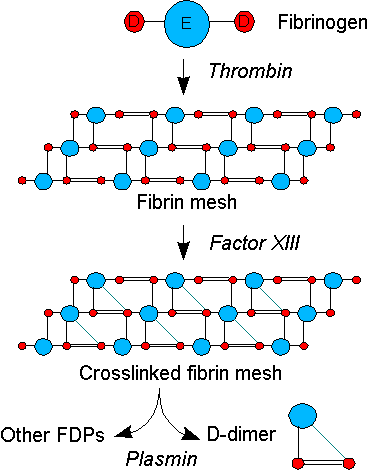
➝ Fibrinolytic, breaks down fibrin, thins clots, and reduces platelet aggregation
➝ Neuroprotective in stroke models: smaller infarcts, better neuro scores, less brain inflammation and oxidative stress
➝ Domain‑specific cognitive preservation: helps maintain visuospatial function in high vascular‑risk patients
And guess what?
That research just keeps growing...
1
15
723
Jun 15
What actually separates toku flow from every other nattokinase:
1) Exact clinical dosing
10,800 FU isn't an arbitrary number
But the precise dose from the largest nattokinase cardiovascular trial.
Most supplements are underdosed at 2,000–4,000 FU per capsule.
2) Triple cardiovascular synergy
ONLY Toku combines nattokinase K2 MK-7 oat beta-glucan, all at clinical doses targeting blood flow and cholesterol support
3) Soy-free, chickpea-fermented
Fermented from chickpeas retaining full fibrinolytic activity while eliminating allergens.
Why did we make it like this?
Because wanted to create something that we could use ourselves, the skeleton of all great companies.
1
2
18
1,587
Jun 14
Systems for cardiovascular prevention in your 20s/30s will cost a few hundred dollars per month you will have to battle zero symptoms
Interventions at 50 on the other hand
Will either cost you a life or thousands of dollars
And it will be incredibly hard to undo the damage that has been done
Start building your compound interest early
Do your cardio, take your supplements, reduce the stres, invest in that bloodwork.
In the end it will be all worth it
When you can still perfrom at your best even into later age.
1
1
7
453
Toku retweeted

Jun 14
Been taking Natto for the majority of the year. Starting last year. Can confirm, it works. Will continue to run this until my blood is squeaky clean
Jun 13

People who have spoken about nattokinase this year:
- david sinclair
- joe rogan
- dr nick norwitz
- dr. ferghal armstrong
If you don't see a clear pattern emerging we don't know what to tell you, this little enzyme is finally getting it's day in the sun.
2
1
7
922
Jun 14
The things that are actually worth focusing on in your health in 2026:
- blood pressure
- sleep
- cardiometabolic health
- nattokinase
- inflammation (hs-crp)
- lipid health
Everything else is just noise.
2
2
20
918
Jun 13
People who have spoken about nattokinase this year:
- david sinclair
- joe rogan
- dr nick norwitz
- dr. ferghal armstrong
If you don't see a clear pattern emerging we don't know what to tell you, this little enzyme is finally getting it's day in the sun.
3
1
20
2,164
Jun 13
Gentle reminder that it's possible to dial in your cognitive performance
Without having to reach for nootropics, its called enhancing cerebral bloodflow
Which is as simple as brisk walking in the AM, morning cardio sessions, sauna or anything in your arsenal that can drive a strong systemic circulation response.
Extra points if you stack your nattokinase on top like we do
The secret focus hack they don't want you to know about...
1
1
11
1,249
Jun 12
Yet another strong piece of evidence reinforcing what we've been saying all along.
The most effective dose of nattokinase sits just north of 10,000 FU.
That's exactly why we engineered toku flow to deliver 10,800 FU in one serving, aligned with the landmark Chen et al. 2022 study (1,062 participants)
Not arbitrary underdosing at 2,000 or 3,600 FU.
But remember dose alone isn't enough.
We sourced nattokinase and we paired it with vitamin K2 (MK-7)
Because that synergy isn't optional if you care about proper calcium handling and vascular health.
And for an added edge oat-derived beta-glucan to further support cardiovascular function and lipid metabolism.
This wasn't just under thought formula, it's been meticulously built to reflect how these systems work in nature.

Dr. Ovadia says nattokinase is something he routinely recommends as part of his protocol for patients.
It a fibrinolytic agent, meaning it helps the body break down blood clots as they start to form.
He points to a trial showing reduced arterial plaque in patients taking it, though that study measured carotid (neck) plaque rather than coronary plaque, which he flags as a caveat.
As mentioned below, the trial tested 3,600 units daily (not statistically significant) versus 10,800 units daily (significant plaque reduction), so he typically suggests around 10,000 units a day.
He cautions that many supplements are dosed too low or poorly sourced, and that anyone on blood-thinning medication should talk to their doctor first.
(h/t @KenDBerryMD & @DoctorTro)
1
2
14
2,059
Jun 11
How to actually lower your resting HR over time:
- parasympathetic/sympathetic balance
- strategic cardio routines (zone 2/4)
- recovery protocols when redlined
- water intake with electrolytes
- cardiovascular support supplements
- caffeine timing
- daily low-level movement
- training load management
- sauna post cardio
Cycle for 90 days and you're guaranteed to get those beats down.
1
22
2,128
Jun 10
Let's talk about the ultimate bottleneck in human physiology for a second
The plumbing and vasculature system.
Every single component associated with vitality, youth, and vigor relies on blood flow to actually happen.
You can have the perfect diet, the most optimized hormone panel, and an elite peptide protocol
But if your vascular system cannot deliver those resources to target tissues
You're just spinning your wheels.
Because blood flow is the underlying currency of biological optimization
Focusing on cardiovascular health and endothelial function is so much more than just preventing heart disease down the line
Its is the ultimate long-term investment.
When you optimize your vascular system
The return on investment compounds daily across every aesthetic and performance metric that actually matters...
2
8
800
Jun 9
How you should be thinking about heart health and how it translates to longevity:
1) Lower Resting Heart Rate (RHR) = Fewer Total Contractions
For every 1 bpm you lower in your resting heart rate, you save 1 contraction per minute, and that scales to 1,440 per day, and roughly 526,000 saved contractions PER year.
2) Blood Pressure Reduction = Less Force Per Contraction
Lower BP means your heart doesn't need to generate as much pressure per beat to overcome the afterload
Meaning you're dialing down the torque required for every single beat.
3) Plaque Reduction or Fibrinolysis = Less Resistance in the "Pipes"
Breaking down arterial plaque and actively cleaving fibrin means your blood runs thinner and your vessels stay wide open, and less scale in those pipes equals frictionless flow.
The Longevity equation/trinity:
> 526,000 fewer contractions/year
> LESS FORCE per contraction
> EASIER FLOW
= Millions of less stressful beats instead of millions of harder beats.
Because your heart is more than just a pump, i's a centrifugal engine with finite fatigue cycles.
Every contraction causes micro-stress on the myocardium, valves, and endothelium.
Make sure your build an engine that stands the test of time..
2
1
13
669
Toku retweeted

Jun 9
My next n=1 study will include a 90 day trial with 10,800 FU of Nattokinase
Labs before and after
Running this with @TokuHealth since they reimburse you 50% if you join their research arm
Jun 9

David Sinclair says he’s been reversing plaque in his arteries with nattokinase.
On Peter Diamandis’ podcast, Sinclair shared that he’s been taking it for years and mentioned a Chinese study with 1,086 people that showed up to 95% plaque reduction in one year at sufficient doses (at least 12 fibrinolytic units daily). He also checks his own carotid arteries with ultrasound and says there’s no buildup.
Nattokinase is an enzyme from fermented soybeans that breaks down fibrin. Some human studies show it can help reduce arterial plaque and improve blood flow, but results vary. Larger, high-quality trials are still limited, so it’s considered promising but not definitive.
Cardiovascular disease is still the #1 killer. If there are accessible tools that support artery health beyond statins and lifestyle, it’s worth paying attention.
Have you heard about nattokinase or tried anything similar for heart health?
2
2
24
2,336
Jun 9
Underrated cardiometabolic health metrics:
- vascularity
- morning wood
- being able to recover from hard cardio
- breathing efficiency at zone 2
- low resting hr
- triglyceride-to-hdl ratio
- resting blood pressure trends
What else are we missing?
2
1
34
2,029
Jun 8
Vascularity is an s-tier health metric because it's immediate biofeedback.
You don't even need to go to a doctor and get bloodwork to see it. You can see multiple systems of health playing out right in front of your eyes:
> insulin sensitivity
> peak endothelial function
> nervous system health (parasympathetic dominance)
It's the ultimate readout of health, yet so many people don't speak about it.
Your veins don't lie.
4
1
38
3,956
Jun 8
This post clearly shows how many people need to start focusing on their cardiovascular health.
Morning wood is the canary in the coal mine, an early warning sign that indicates later cardiovascular events.
When you lose that marker daily. it goes beyond the lens of just sexual function.
That’s your cardiovascular system telling you something is seriously off.
Jun 7

do guys get morning wood every morning or is that just an occasional thing
2
1
22
6,359
Jun 7
It's funny that some people keep saying that nattokinase is just another over-hyped supplement
Yet it's probably got the most traction in 2026 and it's not slowing down anytime soon, feel like there's a lesson in here somewhere.
Jun 7

Joe Rogan recently talked about a study involving 1,062 participants who took nattokinase for a full year.
According to the reported ultrasound findings, arterial plaque was reduced by roughly 36%. The enzyme is said to help prevent new blockages while also supporting the reduction of existing plaque buildup.
Here’s a closer look at the data and dosage protocol: (1/12)
4
15
2,015
Jun 6
Some people like to dose their nattokinase in the pm
And it makes sense because It is a proteolytic enzyme, so dosing it in a fasted state makes sense.
If you take it alongside food especially protein, it may be diverted toward digestive activity rather than systemic absorption where you actually want its fibrinolytic effects.
The timing piece gets more interesting when you factor in circadian biology.
In the early morning, the body undergoes what’s known as the morning surge
Aharp rise in cortisol that drives increases in blood pressure, heart rate, vascular tone, and platelet aggregation. In other words, a temporary shift toward a more pro-thrombotic state.
The logic behind PM dosing is to have nattokinase active in the system during this window.
Taken at night, fasted, it may better align with this rhythm, supporting fibrinolysis right as the body trends toward increased clotting risk..
6
2
35
2,280
Jun 5
This is categorically false
The study that showed that it was a p-glycoprotein inhibitor was a natto-derived product called natto K2
Not nattokinase itself and this was a cell-line/in vitro study
Not human
And so far there is zero direct evidence that it acts as P-gp inhibitor in humans
May 30

Before you jump on the nattokinase train like what seems to everyone else it’s important you know how and why it works
Nattokinase is a p-glycoprotein inhibitor
P-gp is the body’s cellular "bouncer” and nattokinase temporarily disables it
This means that compounds that would normally be pumped out are now free to pass through the cell and enter systemic circulation
It allows target molecules to accumulate in higher concentrations inside the cells and tissues than they normally would
How this can be a bad thing
If you are taking a medication or supplement alongside a P-gp inhibitor, your liver and gut stop pumping the excess out
When P-gp is inhibited, substances that have absolutely no business being in your central nervous system can cross the BBB and accumulate in the brain, leading to neurological side effects, lethargy, confusion, or neurotoxicity
We don't just ingest pure nutrients and clean supplements, our food, water, and environment contain trace heavy metals, pesticides, plasticizers, and microbial toxins.
Normally, if you ingest a trace environmental toxin, P-gp in your intestinal lining immediately recognizes it as a foreign threat and pumps it right back into the bowel to be excreted in stool.
If P-gp is locked in the "off" position, your gut loses its ability to filter these out, allowing a much higher percentage of daily environmental toxins to pass directly into your systemic circulation and burden your liver and kidneys.
By allowing molecules to bypass the initial gut defense and enter systemic circulation, you alter the kinetics of how your body processes everything.
The burden shifts entirely to your phase I and phase II liver detoxification pathways and kidney filtration. If these downstream systems are already working hard, the sudden flood of highly bioavailable compounds can create a metabolic bottleneck
Nattokinase is highly effective at preventing clots because it acts as a potent fibrinolytic enzyme, meaning it directly binds to and cleaves fibrin, the protein mesh that forms the structural backbone of a blood clot.
Beyond directly dissolving existing clots, it simultaneously breaks down plasminogen activator inhibitor 1 (PAI-1), a compound that normally suppresses the body's natural clot-clearing mechanisms.
By combining this direct clot-shredding action with the optimization of the body's intrinsic defenses, it significantly improves overall blood fluidity and circulation.
Whether the risk is worth the reward depends entirely on what else is going into your body and your specific cardiovascular goals.
For a completely clean, unmedicated protocol, maybe the risk profile is generally very low but the calculus changes completely the moment other pharmaceuticals or heavy supplement stacks are introduced.
To run nattokinase in a safer way (if I were to take it) I would isolate its ingestion by taking it on an empty stomach at least two hours away from all other supplements, medications, or food.
Ensure your protocol is completely free of pharmaceutical blood thinners or narrow-index cardiac medications to eliminate dangerous bioavailability spikes.
And maintain a clean, low-toxin low vitamin A dietary baseline to minimize the systemic absorption of environmental impurities while the intestinal barrier's defenses are reduced.
1
10
972
Jun 5
Nattokinase's subjective benefits are barely talked about.
But when they do surface
They're usually straightforward and mechanistic:
1) Better mental clarity/focus
Pilot trials report sharper focus in 4–6 weeks
Makes sense because better cerebral blood flow = more oxygen to the brain
Study also show nattokinase "ameliorates BBB dysfunction, reduces brain inflammation, and improves cognitive ability in rat studies".
2) Warmer hands/feet
Double-blind placebo trial: accelerates skin temperature recovery after cold water immersion
Because skin temperature is "largely controlled by skin surface blood flow"
And it doesn't disturb normal circulatory response or sympathetic nervous system
3) Steadier energy
Users report "steadier energy or less heaviness in legs after consistent use"
Better blood flow = better oxygen/nutrient delivery to tissues
These subjective benefits never cease to surprise us, what an enzyme.
4
26
2,203