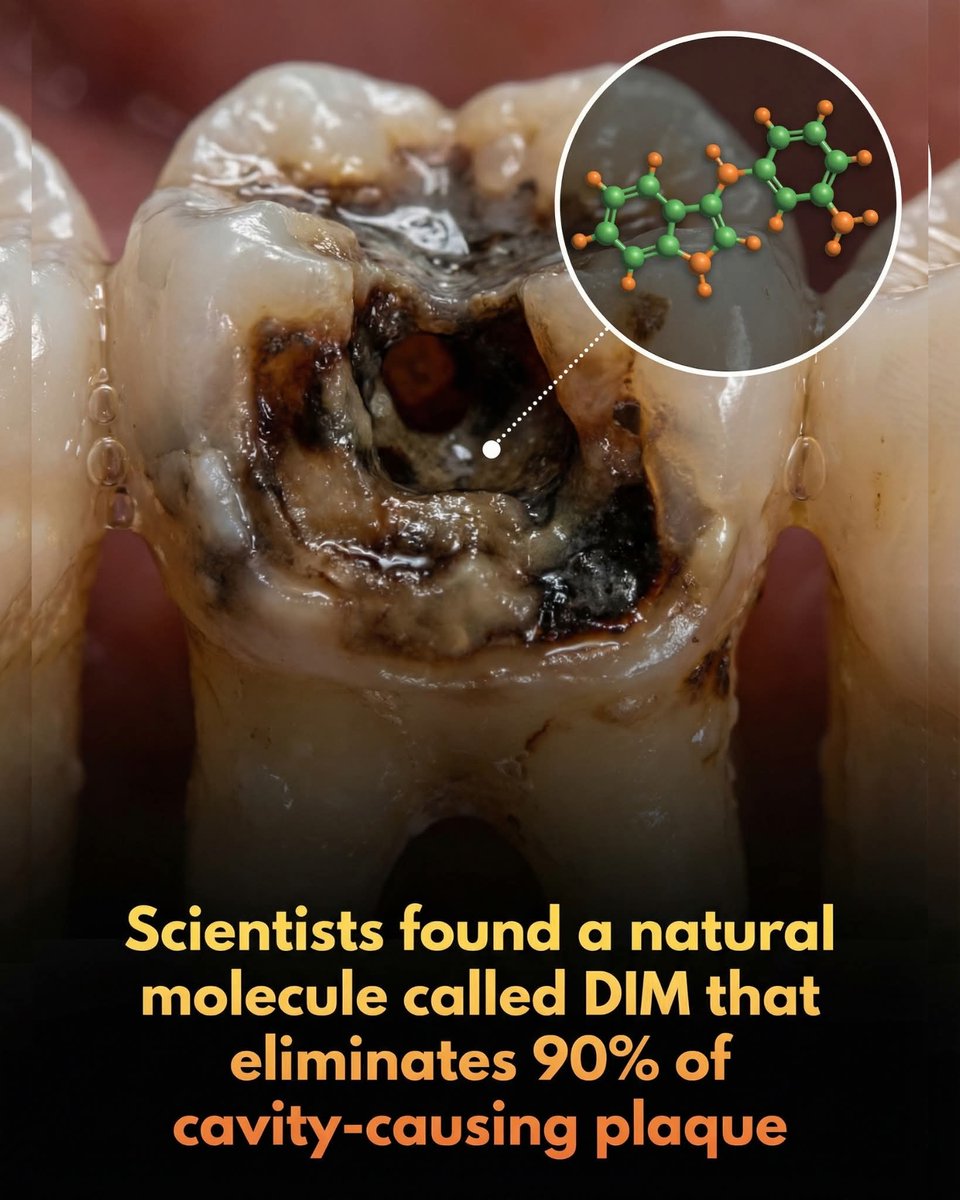
A molecule in cruciferous vegetables has been found to eliminate cavity-causing bacteria.
Hiding within your daily serving of broccoli and cabbage is a powerful molecule that could transform the future of dental care.
Known as 3,3′-diindolylmethane (DIM), this natural compound has demonstrated a remarkable ability to dismantle the protective defenses of Streptococcus mutans, the primary bacteria responsible for tooth decay.
In recent laboratory studies, DIM successfully eliminated up to 90% of bacterial biofilms by preventing the formation of the sticky layers that allow plaque to thrive on teeth. By stripping away this biological shield, the compound leaves harmful microbes significantly more vulnerable and easier to remove.
The potential applications for DIM extend far beyond the laboratory, as researchers suggest it could become a standard additive in toothpaste, mouthwash, and other oral-care products. Unlike harsh chemicals, this plant-derived molecule offers a low-toxicity alternative that targets specific harmful bacteria without disrupting the overall balance of the mouth. Furthermore, DIM is already recognized for its potent anti-cancer properties, highlighting its role as a versatile powerhouse for human health. This breakthrough signals a shift toward natural, multi-functional ingredients that address both hygiene and long-term wellness.
Source: Qvartz, K., Cohen, G., & Kushmaro, A. 3,3′-Diindolylmethane (DIM): A Potential Therapeutic Agent against Streptococcus mutans Biofilm Development. Antibiotics.
ALT A molecule in cruciferous vegetables has been found to eliminate cavity-causing bacteria.
Hiding within your daily serving of broccoli and cabbage is a powerful molecule that could transform the future of dental care.
Known as 3,3′-diindolylmethane (DIM), this natural compound has demonstrated a remarkable ability to dismantle the protective defenses of Streptococcus mutans, the primary bacteria responsible for tooth decay.
In recent laboratory studies, DIM successfully eliminated up to 90% of bacterial biofilms by preventing the formation of the sticky layers that allow plaque to thrive on teeth. By stripping away this biological shield, the compound leaves harmful microbes significantly more vulnerable and easier to remove.
The potential applications for DIM extend far beyond the laboratory, as researchers suggest it could become a standard additive in toothpaste, mouthwash, and other oral-care products. Unlike harsh chemicals, this plant-derived molecule offers a low-toxicity