
Christ follower; @UGA_SPIA ‘11; State Director @afpgeorgia *Views are my own*
Joined November 2019
- Tweets 2,960
- Following 823
- Followers 843
- Likes 4,490
246 Photos and videos






Pinned Tweet

Feb 20
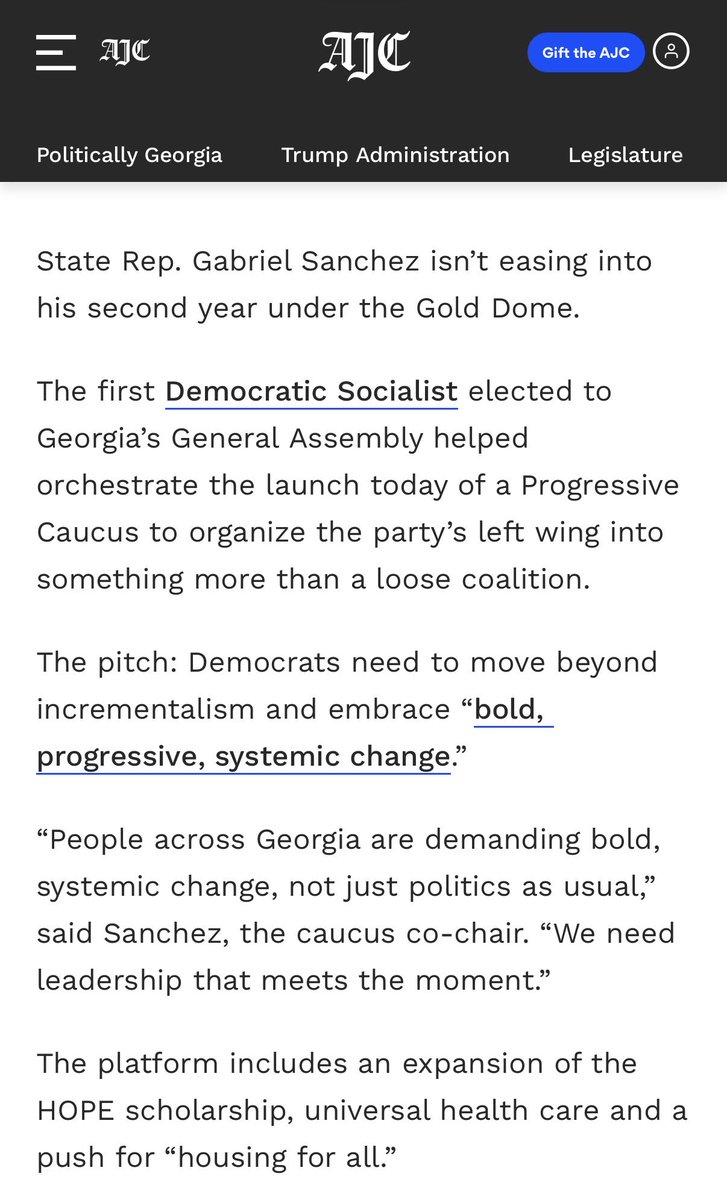
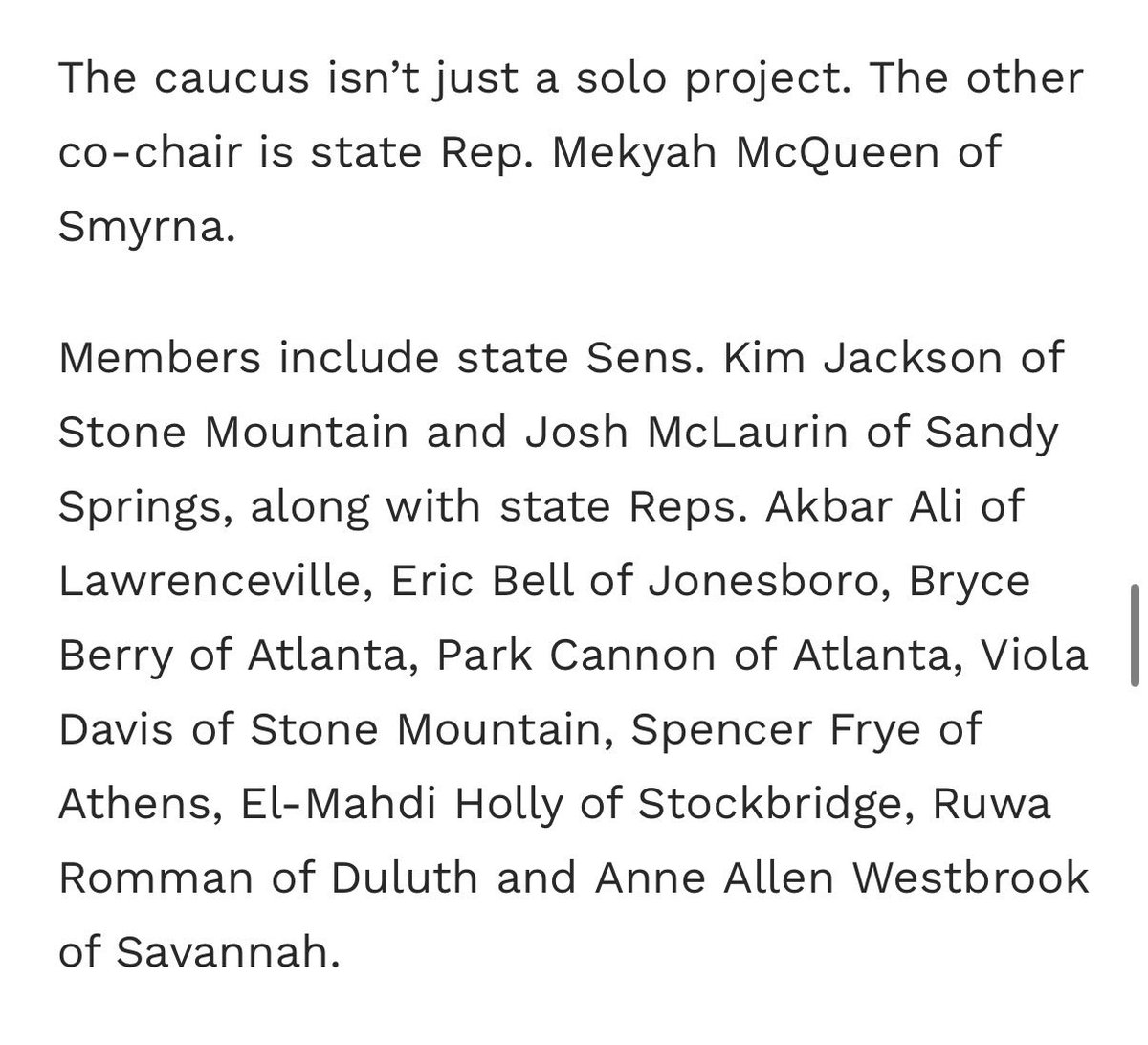
Georgians don’t want far left fringe economics. But this announcement matches their legislative behavior—wildly out of step with our state, and even with Democrats in other states (1/2)
Feb 20

Elsewhere in the newsletter: Democrats today launched a Progressive Caucus to organize the party’s left wing into something more than a loose coalition. #gapol
3
2
13
2,248


Jun 12
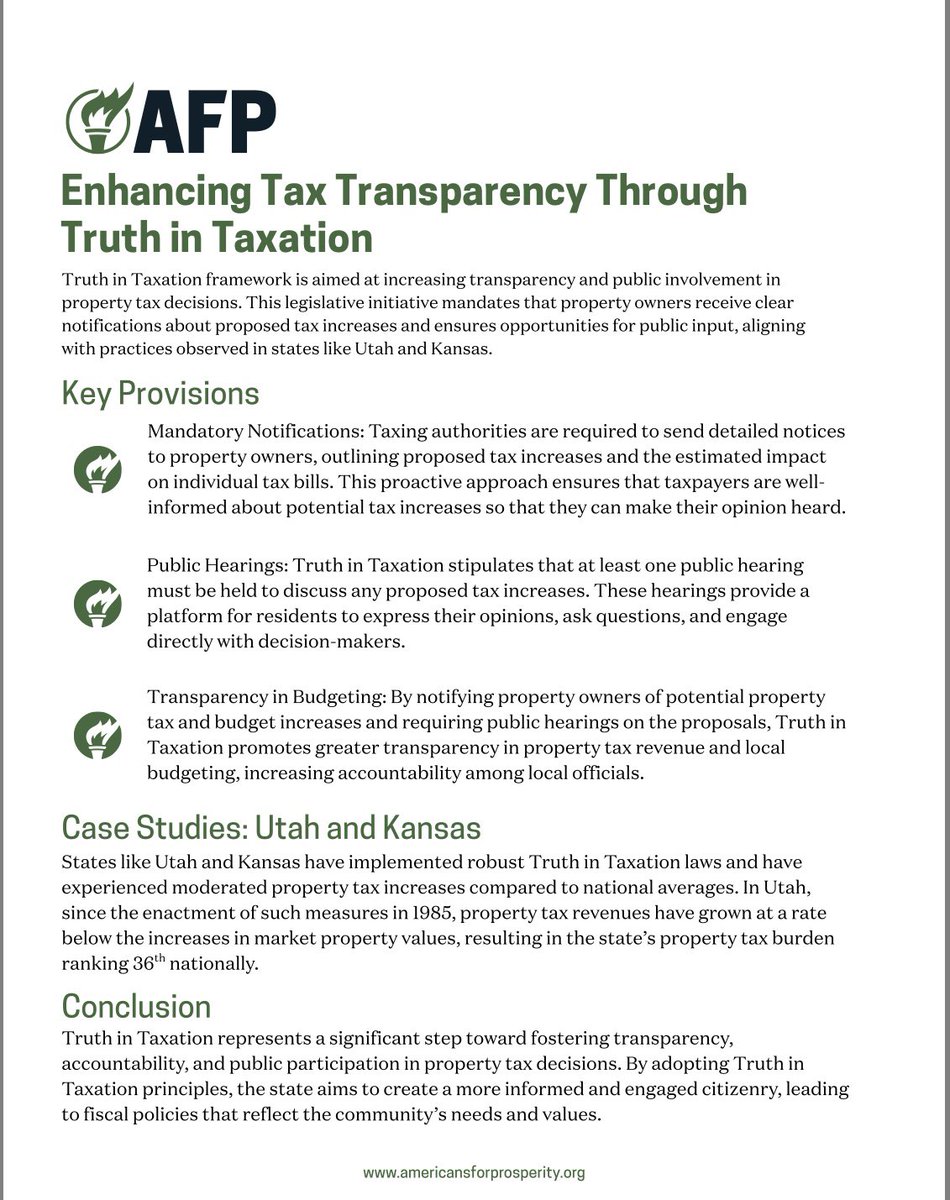
Take a break from the election horse race political coverage and read my latest at @peachpundit !
The oft topic du jour—property taxes! #gapol
peachpundit.com/2026-propert…
1
2
65
Tony West retweeted

Jun 11
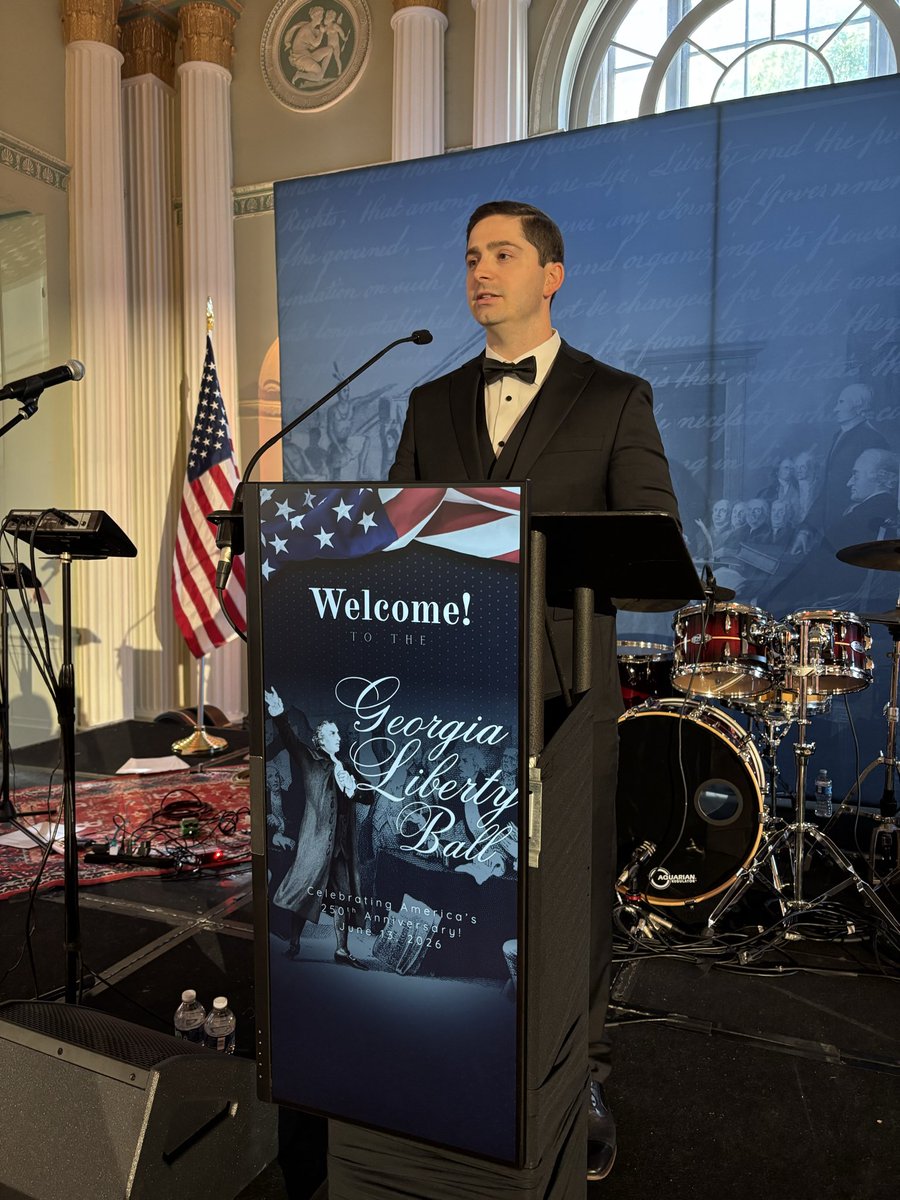
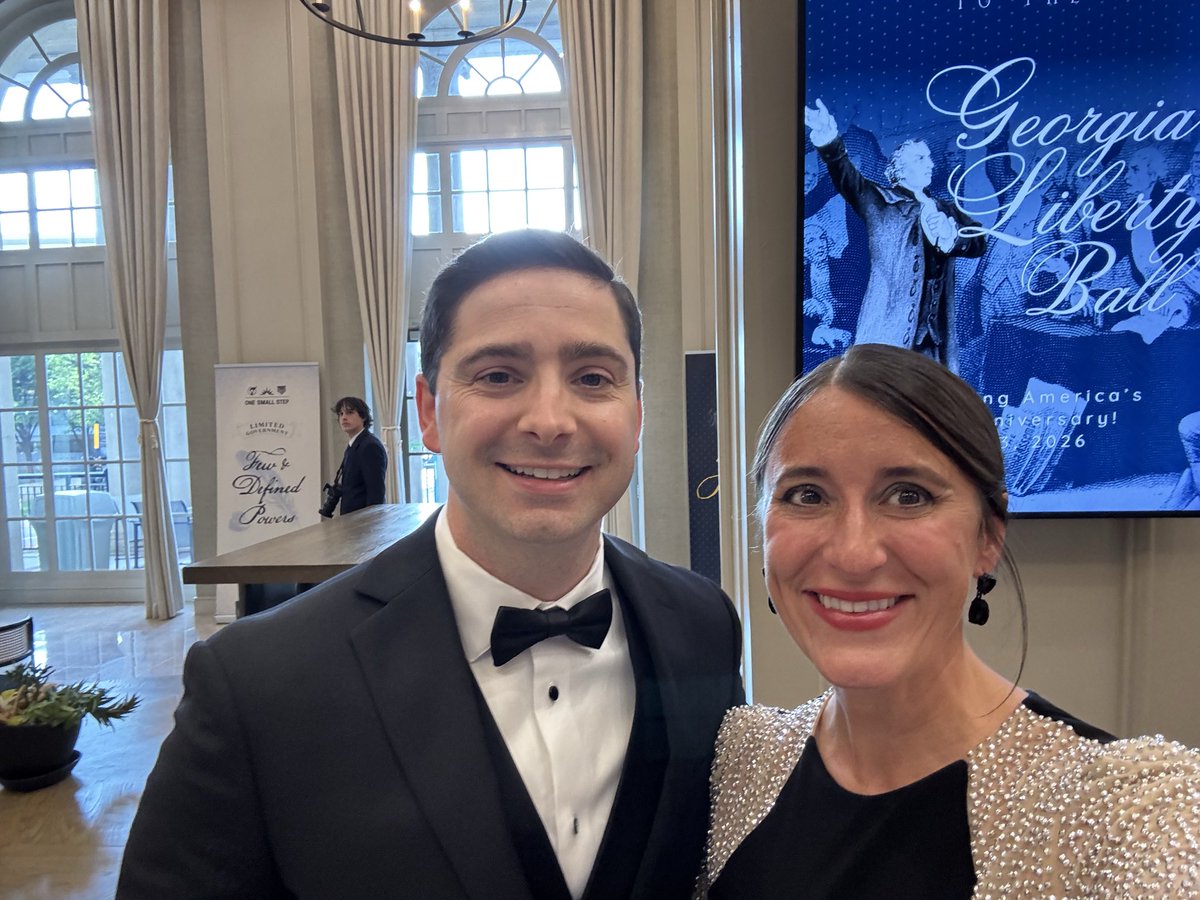
We are only a couple days away from the A250 Liberty Ball! We are excited to welcome Trey Gowdy as one of several featured speakers as he helps us celebrate America's 250th Anniversary!
Tickets are SOLD OUT and NOT TRANSFERABLE (all attendees must have a ticket), however you can still get on the waitlist here: GeorgiaA250.com
#galibertyball #gapol

2
3
191
Tony West retweeted

Jun 10
Russia: 75% divorce rate. Collapsed birth rates. Sky-high alcoholism, sex-trafficking, and domestic abuse. Very low church attendance.
The only way you can say Russia isn’t in sharper decline is if you’re being paid to say that.
Coincidently, know the op when you see it.

561
2,008
11,312
233,075
Tony West retweeted
Jun 10
We are only 4 days away from the A250 Liberty Ball! We are excited to welcome Commissioner John King to our speaker lineup as he helps us celebrate America's 250th Anniversary!
Tickets are SOLD OUT and NOT TRANSFERABLE (all attendees must have a ticket), however you can still get on the waitlist here: GeorgiaA250.com #gapol #GALibertyBall

2
3
12
377

Tony West retweeted

Jun 7
100 percent! This is how the CCCP is in front of us re super computing and other critical AI infrastructure.

The same country that put humans on the Moon in 1969 now takes an average of 4.5 years to approve major infrastructure permits.. longer than it took to build the Panama Canal.
Transmission lines average 10 years from permitting to completion. The bottleneck to abundance is not technology, but BUREAUCRACY!
1
1
65

Tony West retweeted

Jun 4
The allegations against Platner are better corroborated than the allegations against Brett Kavanaugh were and it will be interesting to see who manages to be consistent in their beliefs about such things.
262
375
3,615
605,007
Tony West retweeted

Jun 4
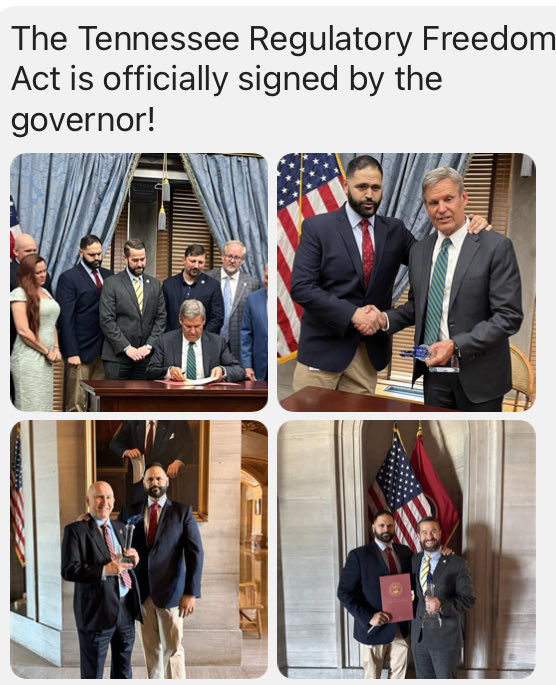
It’s official!
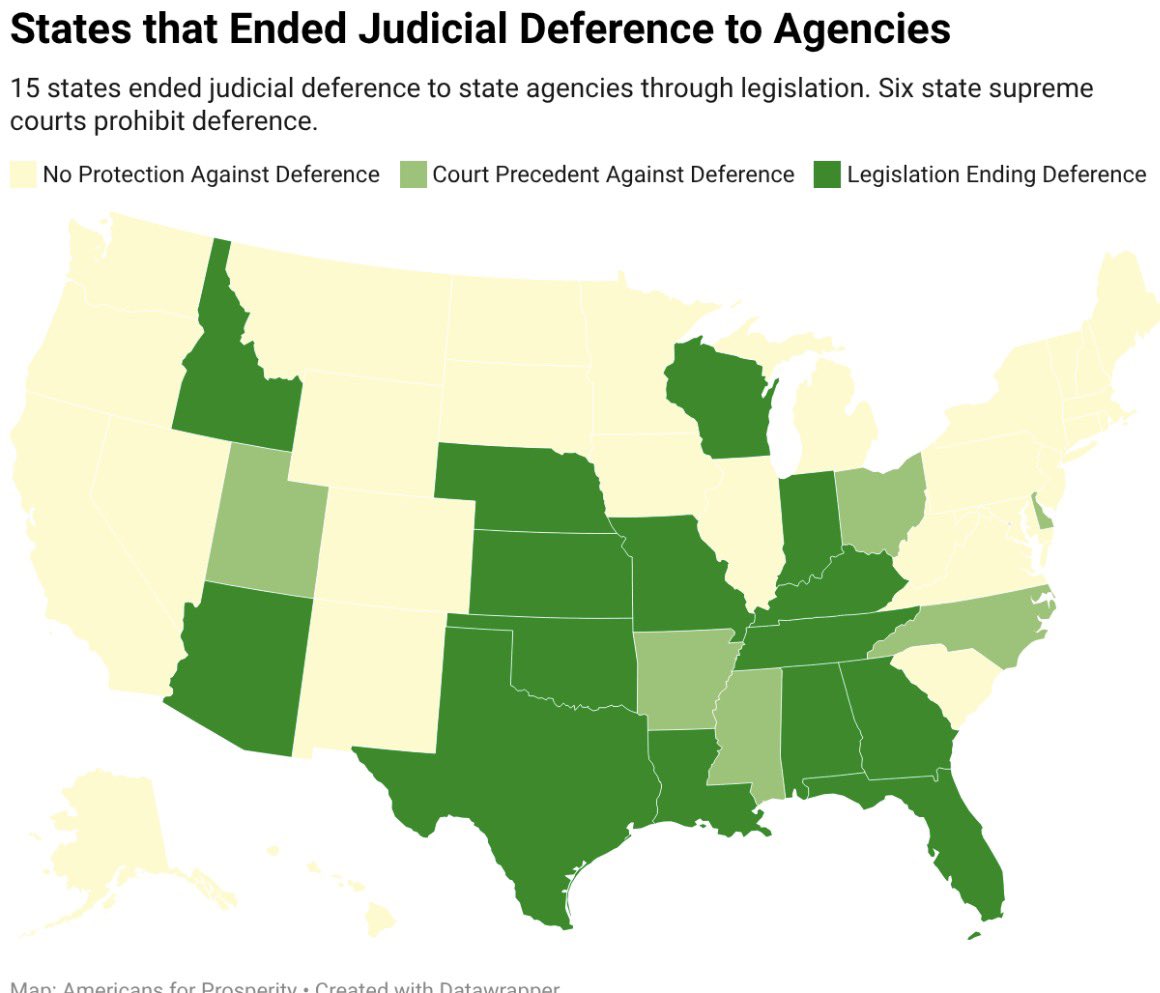
Tennessee is a REINS Act state.
Great work @ToriVen @MichaelLotfi and a huge thanks to the great @GovBillLee!
1
7
33
1,504
Jun 3
“If the government does not reduce the cost of public services, then a special tax break for one group merely forces everyone else to pick up the slack.”
That’s right.

A property tax break for senior citizens was proposed by @NancyMace, but @ericboehm87 explains why this is just bad policy.
Read more: reason.pub/4dZXJjg

2
110
Jun 3
So the Russian psyop to make American right wingers more sympathetic to the Kremlin continues…I thought the near universal mocking that Tucker received for his stunt would have dissuaded them to try this obvious ploy again, but they must have been pleased with his performance.
May 31

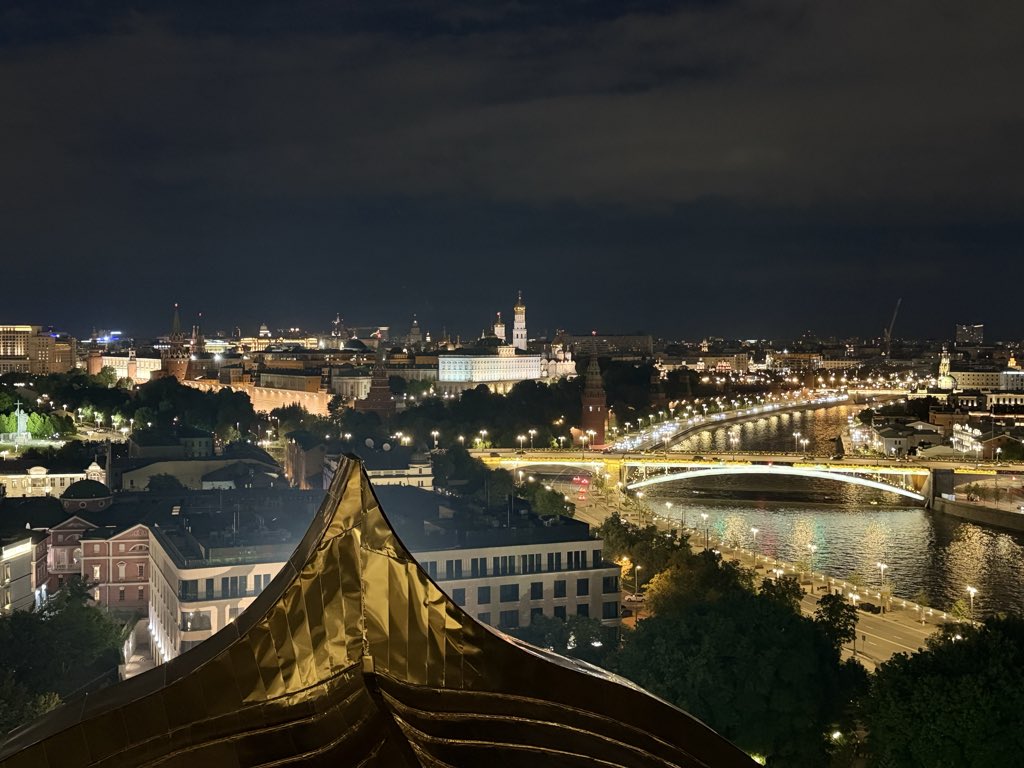
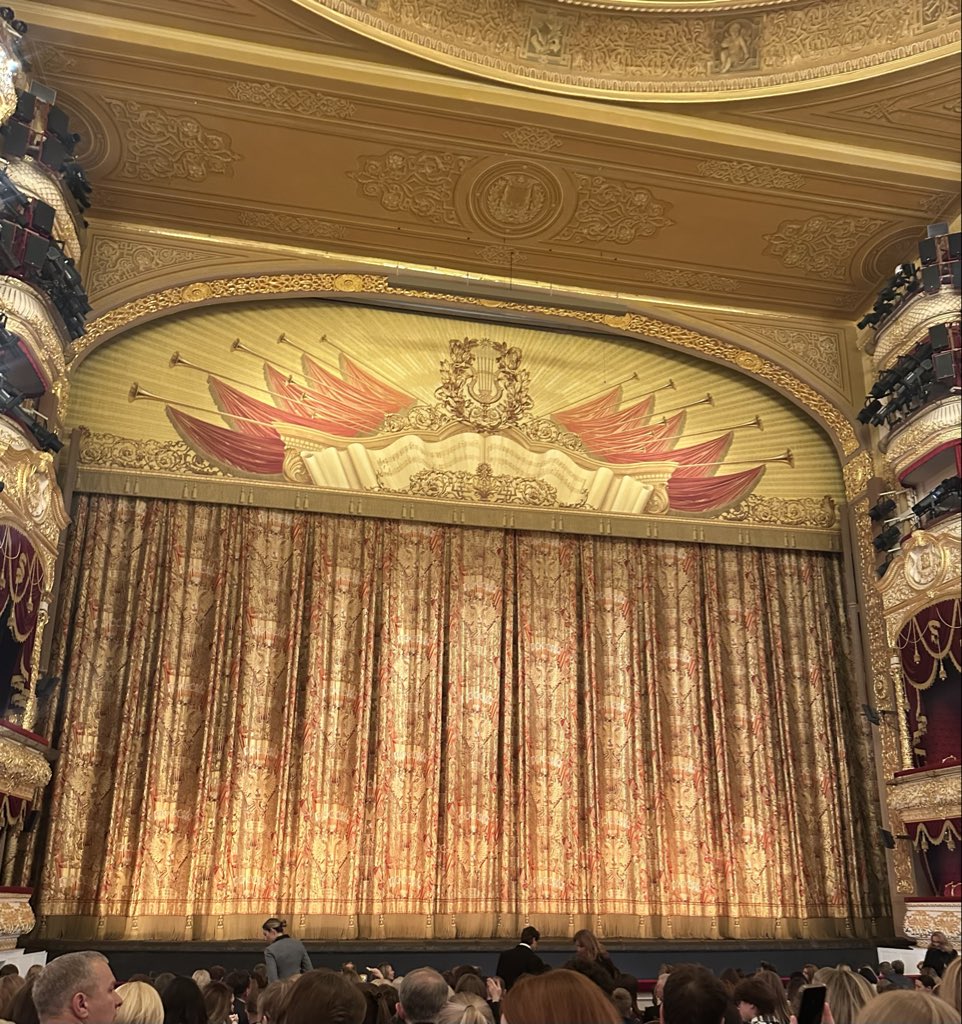
I’m not sure what I was expecting but I wasn’t expecting this.
Moscow is an unbelievably beautiful city.

1
2
167
Jun 3
Oh look, Andrew Tate happens to be visiting Russia at the same time as Candace. x.com/cinemashogun/status/20…
Jun 2

Andrew Tate has arrived in Russia‼️
I would say that it’s probably just a coincidence that he decided to go at the same time as Candace Owens.
But remember Candace Owens taught us that there’s no such thing as coincidences.
They’re not even trying to hide the op anymore.
2
248

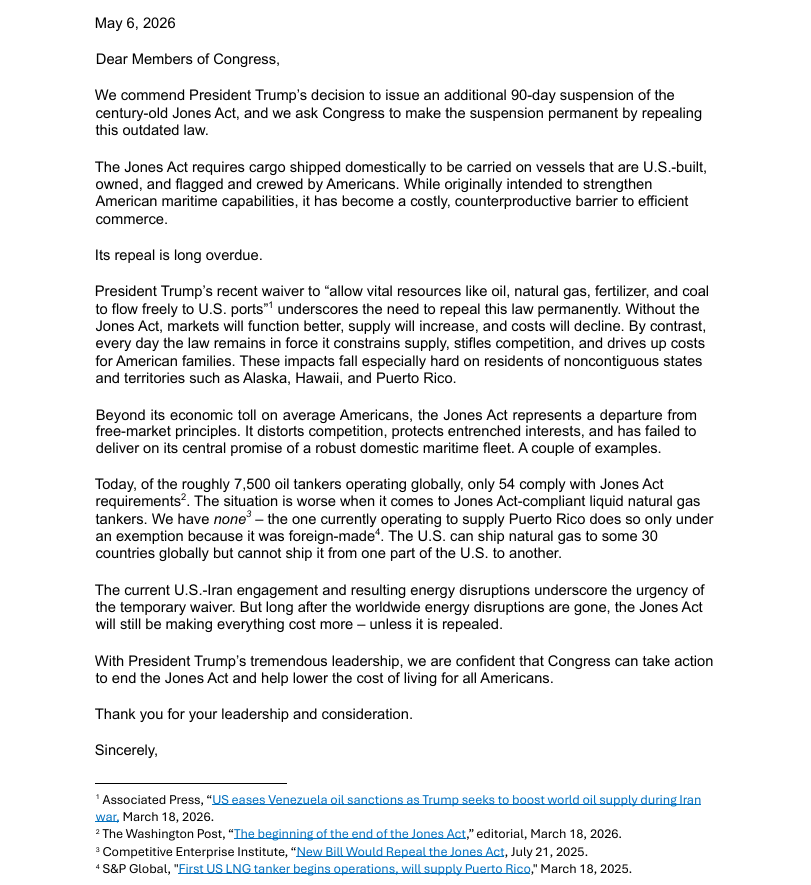
Tell Congress: Repeal the Jones Act! American families are paying more for groceries, fuel, and everyday essentials, and a 100-year-old shipping law is one of the reasons. Support President Trump by sending your letter and urge your lawmakers to support permanently repealing the Jones Act!
1
4
11
1,381
Tony West retweeted
May 28
🚢💡It's time to turn the lights out on the Jones Act.
The Merchant Marine Act of 1920 — better known as the Jones Act — mandates that goods shipped between U.S. ports must travel on vessels that are U.S.-built, U.S.-owned, and U.S.-flagged.
Sold as a national security measure, it has instead become a textbook case of protectionism producing the opposite of its intended effects.
✴️Higher Costs for Consumers and Businesses
✅Shipping a container from the U.S. mainland to Puerto Rico costs roughly twice what it costs to ship the same container to a nearby foreign island — a direct Jones Act tax on American consumers.
✅Hawaii, Alaska, and Puerto Rico — all heavily dependent on maritime imports — face systematically elevated prices for food, fuel, construction materials, and consumer goods.
✅American manufacturers pay inflated freight costs that make U.S. exports less competitive globally, undermining the very industries the law claims to protect.
✅During natural disasters the Act delays emergency relief shipments, forcing costly waivers just to get aid to Americans in crisis.
✴️A Shipbuilding Industry in Irreversible Decline
✅Shielded from foreign competition, U.S. shipyards have had little incentive to innovate, invest, or become cost-efficient — a Jones Act-built ship costs 4–5x more than a comparable foreign-built vessel.
✅The U.S. commercial shipbuilding industry has collapsed from over 70 active shipyards in the mid-20th century to a handful today, despite — or because of — protectionist insulation.
✅Monopoly protection breeds stagnation, not strength. The Act has produced atrophied, high-cost weakness.
✴️A Weakened Navy and Merchant Fleet
✅The U.S. merchant fleet — the very asset Jones Act proponents claim to be preserving — has shrunk dramatically; fewer than 100 Jones Act vessels operate today.
✅A truly competitive, dynamic maritime industry would produce more vessels, more trained mariners, and more surge capacity for national emergencies — the opposite of what the Act delivers.
✅Allied navies and commercial partners increasingly outpace U.S. maritime capability, precisely because their industries face competitive pressure that drives improvement.
✴️The Bottom Line
The Jones Act is corporate welfare masquerading as patriotism.
It enriches a small cluster of protected shipowners while taxing every American who lives on an island, ships goods domestically, or pays at the pump.
💪🇺🇸🚢Repeal would lower prices, revitalize shipbuilding through genuine competition, and produce a merchant fleet worth defending.
@AFPhq @kentstrang @HeartlandPostWI @abundanceinst @ckoopman @senatorshoshana @AFPGovAffairs @scottlincicome @BasedMikeLee @GroverNorquist @jackprandelli
5
13
57
4,379
Tony West retweeted

For many Americans, the uniform they wore was the last thing they put on before giving their lives for this country. Their mission: Defend the homeland.
Memorial Day is a time to honor their sacrifices. @JohnVickFL reflects on what this day means to him.
1
8
18
275
May 21
Interesting. I have been thinking the moral panic over data centers may be a bit overblown. Each case is unique to any given community though. This perspective is helpful.
May 20

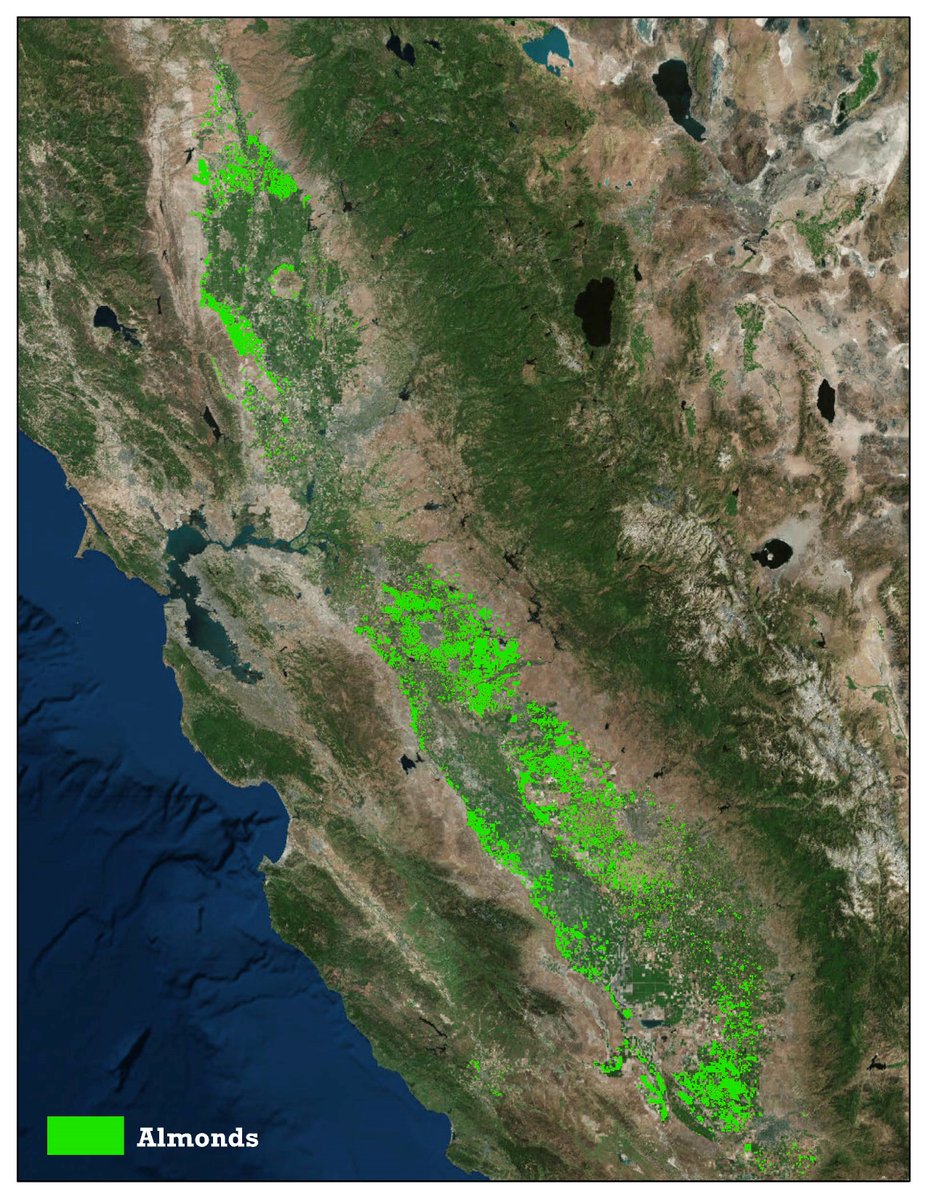
Insane stat of the day: California almonds use roughly 3–5.5 million acre-feet of water per year, depending on methodology.
That's ~4-7x more water than all data centers in North America used combined in 2025.
1
113
May 20
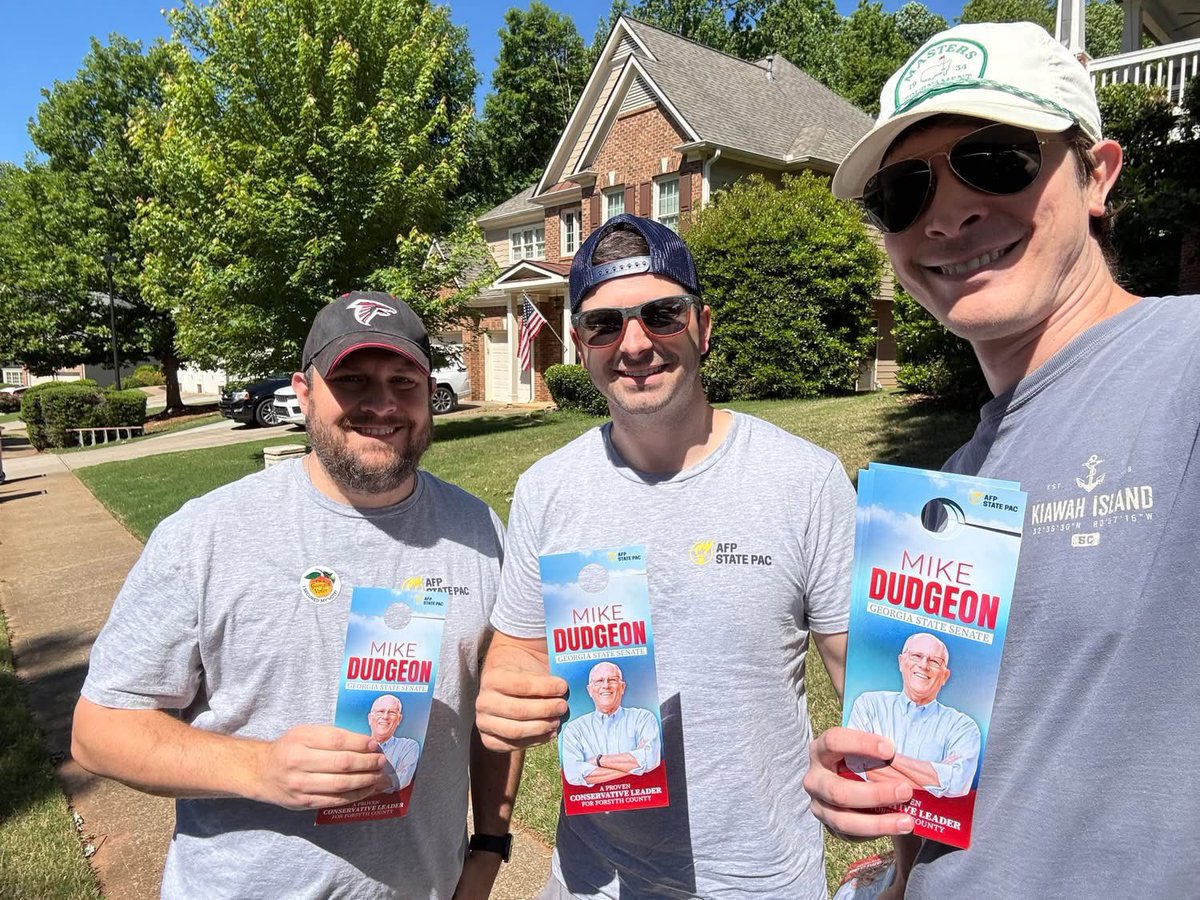
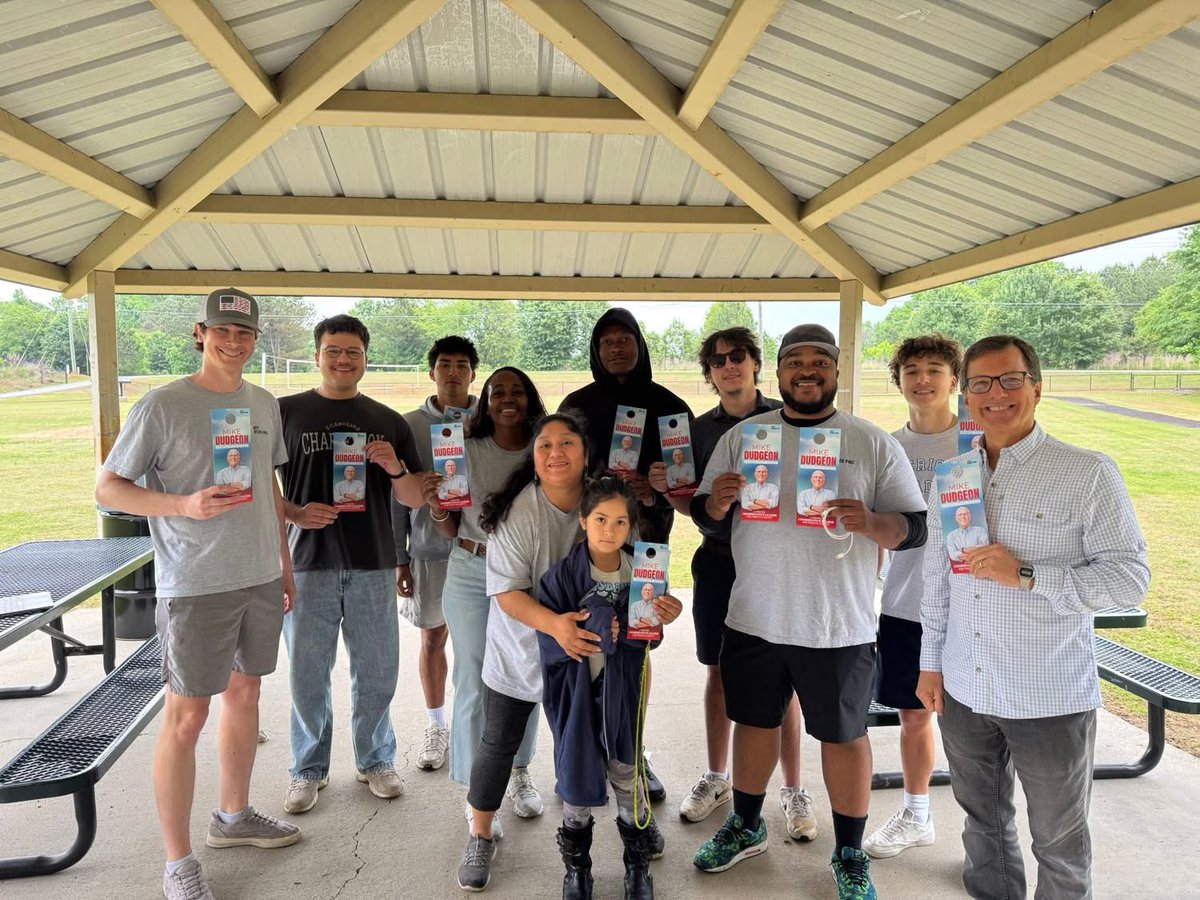
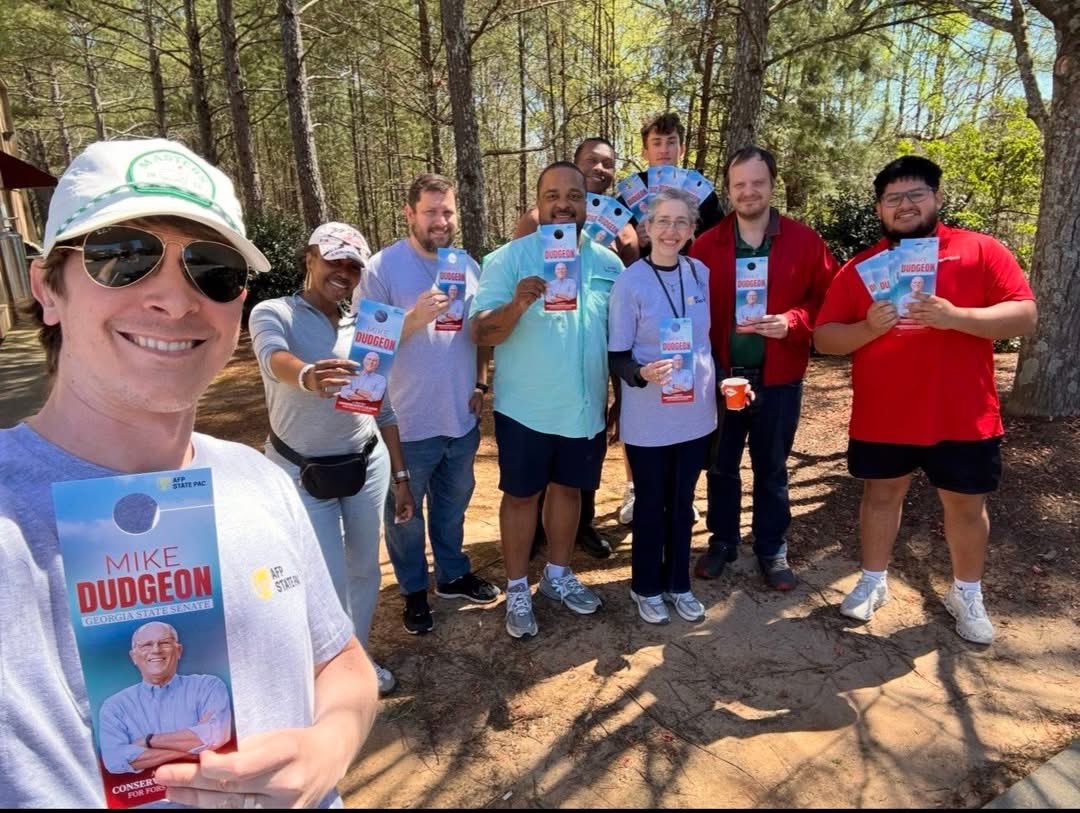
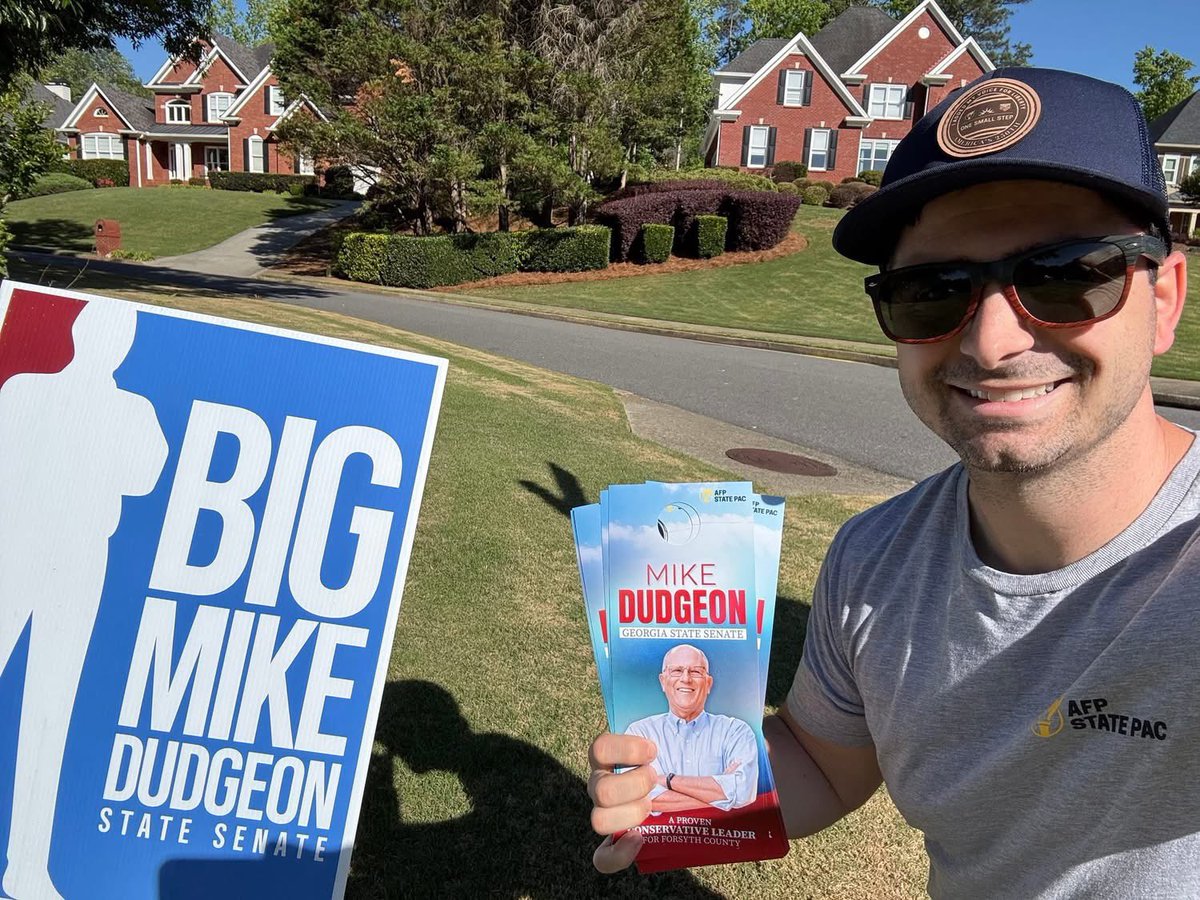
Thousands of doors and conversations about why Mike Dudgeon should be the next State Senator from Forsyth. @AFPStatePAC is a force and we’re just getting started.
1
13
1,191