
Joined February 2014
- Tweets 36,383
- Following 1,050
- Followers 188
- Likes 254,187
400 Photos and videos




Pinned Tweet

8 Dec 2018
If opportunity doesn't knock, better start creating a door.
#SaturdayMotivation
1
4
19
Enigma (insane arc) retweeted

My cousin staying in BLR is married for 15 years and had decided early on to not have kids.
Carrying the DINK title in urban metros till 2020 was really cool (don’t know the status now).
And now, the couple in their early 40’s are not able to have kids, IVF is painful and scary and natural conception is just not possible at this age.
Boomers were absolutely correct with their timelines in life. Millennials have screwed it.
Let’s see what Gen Z’s do.
Meanwhile I have a 3 year old son, smart but extremely naughty.
I really don’t know how my wife and my life would’ve been without him.
Let certain things go as per nature.
Disclaimer:
1. To all the idiots claiming population pressure on the planet.
That is primarily because of dis balanced reproduction in certain parts of the world.
Your not having one/ two kids will neither add/ subtract that population growth.
Even if you don’t have kids, planet will still be burdened by population in some corner.
2. As for expenses, make your lifestyle choices wisely. Don’t upgrade it unnecessarily.
You have funds to do a vacation but not fund a child’s annual education is an extremely selfish reason.
Offer: I can plan your help expenses according to the number of kids you have and the city you live in. This service is free.
3. If you don’t want to have kids then don’t blame it on expensive education and high cost of upbringing.
Just say for “our selfish reasons.” Dont give useless reasons.
4. As for one person in a marriage, who doesn’t want to have kids, the other one should run immediately. Don’t suffer because of him/ her.
#peace #proudfather
Jun 13

DINK(Double income No Kids) couples ka aadha life doosre ko ye dikhaane me jaata hai ki they are happy and doing good without kids ,while being jealous of people who are actually happy
163
159
1,363
429,337

I am a voracious reader but life, experience, and observation of society taught me that reading per se is only a by-product of intelligence and not the enhancer or supporter or trigger or catalyst or anything else.
New generation will face trouble if it can't UNDERSTAND things.
Jun 14

I don't think anybody really grasps how desperate this situation is.
University professors are now saying they are unable to teach history because reading long books and passages is how a person learns history. College kids are incapable of reading more than a few pages.
Some classes don't assign any reading at all now, only lectures.
There is an assumption among the people managing this decline that reading is just a way of receiving information. It isn't. Proper reading is how we build the mental muscle to synthesize ideas and evaluate them.
If the catastrophic decline in reading and literacy is not addressed now, we risk losing everything.
Western civilization cannot survive the death of reading because it was built by people with the kind of cognitive depth that a culture of deep reading brings:
Complex reasoning, extended internal dialogue, the capacity to hold opposing ideas in tension. Our systems and institutions are complex, and they require well ordered minds to maintain them.
Reading forms minds, and the West was built by the richest minds in history.
1
3
9
369
Enigma (insane arc) retweeted

Chinese are selling lower caste shang children to higher caste shi people
12h

China 🇨🇳, there are people selling children on the street. Chinese are truly 30 years ahead of the world."
16
467
3,293
30,336
Enigma (insane arc) retweeted

Jun 14
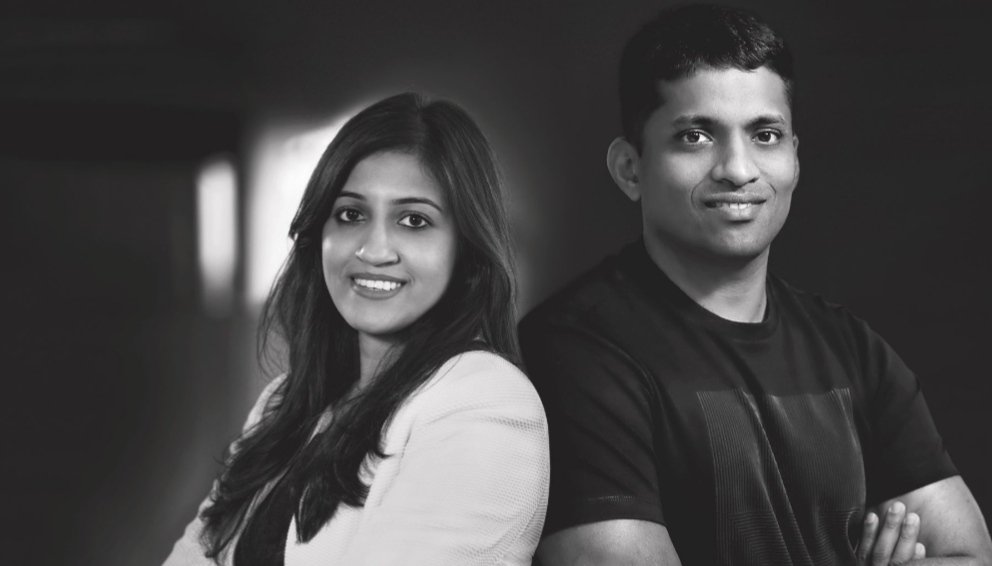
Go bankrupt together

78
501
12,367
294,384
Enigma (insane arc) retweeted

Civic sense at the 90,000$ per capita income.

22
709
6,453
69,940
Enigma (insane arc) retweeted

We think the Economics Nobel Prize confers some kind of real economic insight about how a poor country becomes rich. It does not.
If you want real insight about how a developing nation gets rich, study Lee Kuan Yew of Singapore, study Japan, study South Korea, study Taiwan, study post-Mao China. They have all lifted people up from poverty, produced widely shared prosperity but they do not produce Nobel Laureates in Economics.
The book "How Asia Works" by Joe Studwell is a great read.
Tldr; ignore Nobel Laureates in Economics. That is not the path to wealth.

#WATCH | On the Nobel laureate Abhijit Banerjee's statement that he does not have faith in Indian GDP numbers, India's Chief Economic Advisor (CEA), Dr V. Anantha Nageswaran, says, "... If I want the Indian economy to be bad and the statistics confirm it, then I am quiet. If the statistics don't confirm my belief or wish that the Indian economy is actually in a bad state, then the statistics are unreliable. I find this inconsistency difficult to accept."
Watch the full podcast at: youtu.be/3g0VCR3KSlk?si
108
459
2,237
103,484
Enigma (insane arc) retweeted

And the people you allow into your life
The people you allow to enter your energy field sets the standard
Your friends, lovers and family all set the standard for you and communicate what you think you deserve or can do.
If they adapt to your reality (because you set an attractive frame/reality) then they’re welcome
If they don’t and you accept their reality (frame) then *they* set the standard for you
So be aware of who you invite into your life
They want the best for you
And you want the best for them
You create your ideal reality by setting the standard for what you allow into your life
And not out of ego or entitlement but a genuine desire for a win/win outcome

You must constantly be raising your standards for life
It reinforces your belief in your future reality
If you fail to hold the standard you communicate to yourself “I don’t actually believe I can get it”
So you must hold your standards no matter what
3
28
1,646
IT industry as a whole from day one remained content in doing chakari of US bigahots and NEVER bothered to do anything of their own, despite having access both to money and talent. Upar se sabhi metros me maids aur property ke rates badhwa diye wo alag.
Gaali to padegi.
8h

Someone who started as fresher in “sweat shop” and owning “sweat shop” I have different views(obviously).
Landscam isn’t not only for IT companies, in fact baring 3/4 big companies most it service company receives no govt benefits. All big players across the sectors receives such benefits, but we receive max hatred
9
22
948
Enigma (insane arc) retweeted

कुलदेवी.
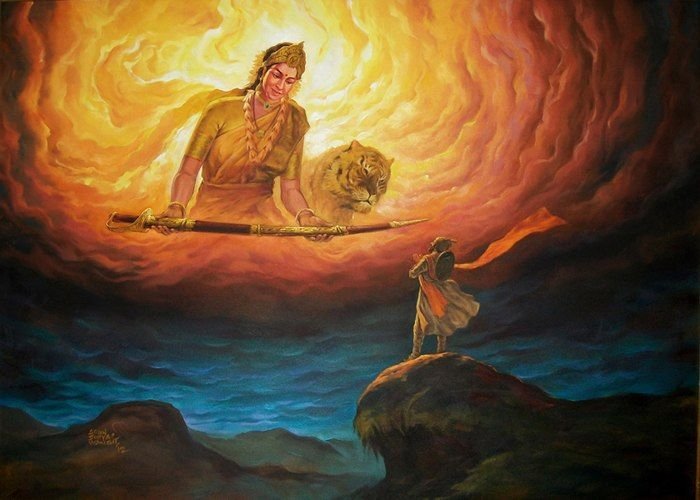

If women are to submit to their husband, who are men supposed to submit to?
2
7
56
626
Enigma (insane arc) retweeted

Packing thousands of straws together basically creates a low-tech pixel screen.
Each straw acts as an independent light pathway, perfectly mimicking how data channels work.
136
2,118
33,457
2,114,782
Enigma (insane arc) retweeted
You must constantly be raising your standards for life
It reinforces your belief in your future reality
If you fail to hold the standard you communicate to yourself “I don’t actually believe I can get it”
So you must hold your standards no matter what
3
52
2,950
Enigma (insane arc) retweeted

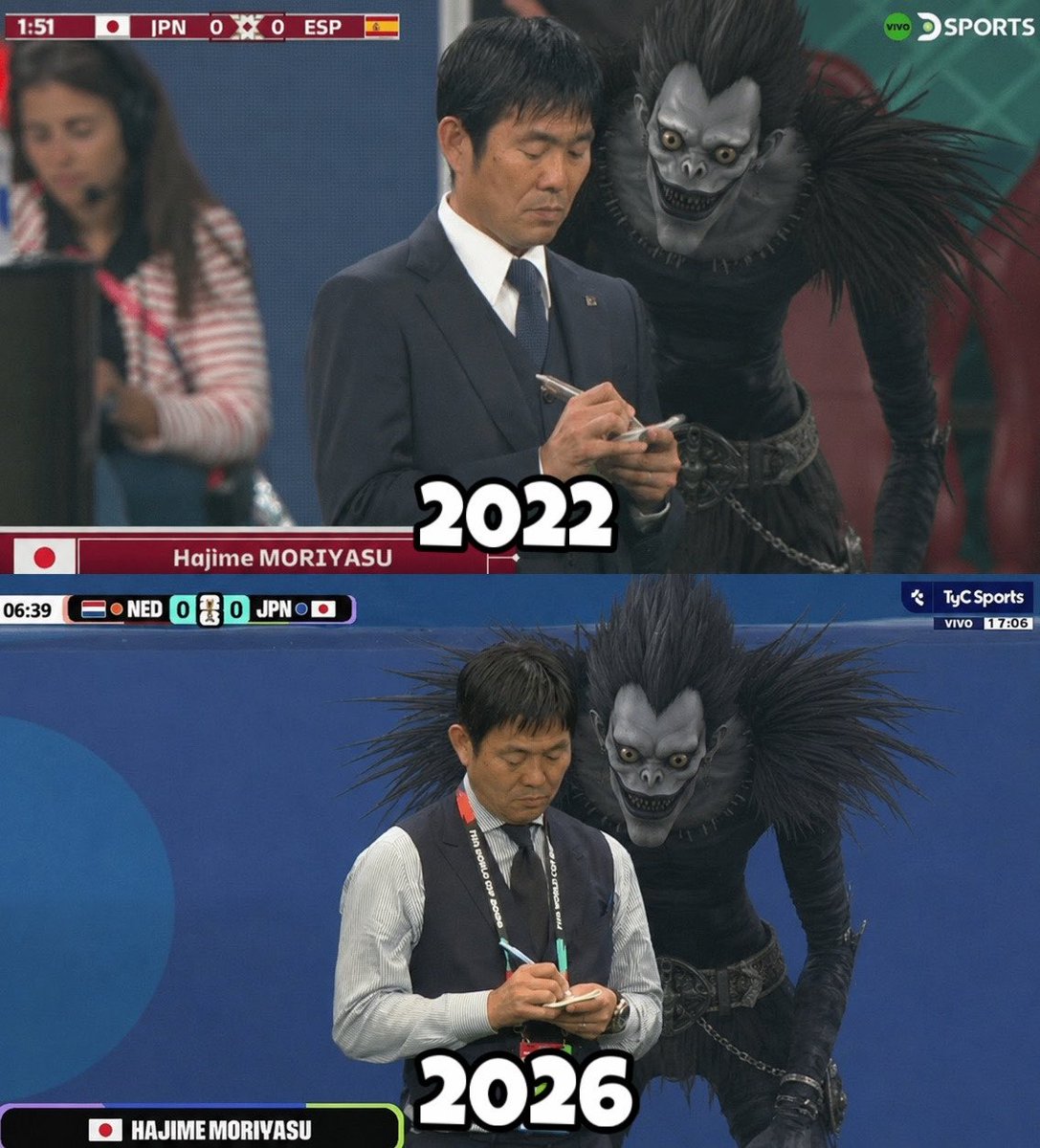
HE DID IT AGAIN 😭
1,302
35,956
534,604
9,004,544
Enigma (insane arc) retweeted

Neelkanth Mishra and VAN are the smartest guys to have been associated with GoI in a long time. If I were Modi, i would just blindly listen to them. VAN’s article on the R&D crisis was brilliant and rooted in reality. I hope we don’t lose VAN to some shenanigans in the babudom
Promo | ANI Podcast with CEA Dr. V. Anantha Nageswaran Premieres Today at 5 PM
"We don't use GDP revisions to bump up numbers artificially."
"The exchange rate is a natural shock absorber."
"AI-related valuations are definitely a bubble. There is no question about it."
"The conversation with the Prime Minister is not about the outcome. It is about the actions required."
"The era of software, computer science, and MBA degrees is over."
"India's resilience is underestimated. Our ability to adapt and innovate is what critics get wrong."
Tap 'Notify Me' to get episode alerts: youtu.be/3g0VCR3KSlk
#ANIPodcast #SmitaPrakash #India #Economy #AI #Rupee #Dollar #China
17
82
578
31,671
Enigma (insane arc) retweeted

This is the country bhosads want Indians to emulate
Much civic sense and whatnot

Çin'de dehşet veren bir olay yaşandı!
İki kız öğrenci, bir arkadaşlarını çatıdan atarak intihar süsü vermeye çalıştı. Korkunç girişim, bir öğretmenin olayı son anda fark etmesiyle engellendi
8
77
574
7,326
Enigma (insane arc) retweeted

If your parents, wife, or children feel hurt, devastated, or upset while you are doing the right thing, then don't carry the burden of their ignorance or the emotional pain and devastation they are going through.
Because this temporary hurt is better for them compared to the permanent sadness that can happen if you walk down the wrong path shown by them.
If you are right, then it doesn't matter who is feeling sad, depressed, or crying whatsoever.
What is right will eventually bring peace and prosperity in the long run. These emotional reactions from people are very temporary, yet they are often what you fear and usually try to avoid by walking on wrong path shown by your parents, wife, and children.
4
5
90
1,821
In sanskrit, there's a very apt word for a knowledgeable and wise person - बहुश्रुत - he who has heard much.
NOT बहुपाठी, that seals it for me.

Reading is over-rated. Comprehension is under rated.
1
7
475
Enigma (insane arc) retweeted

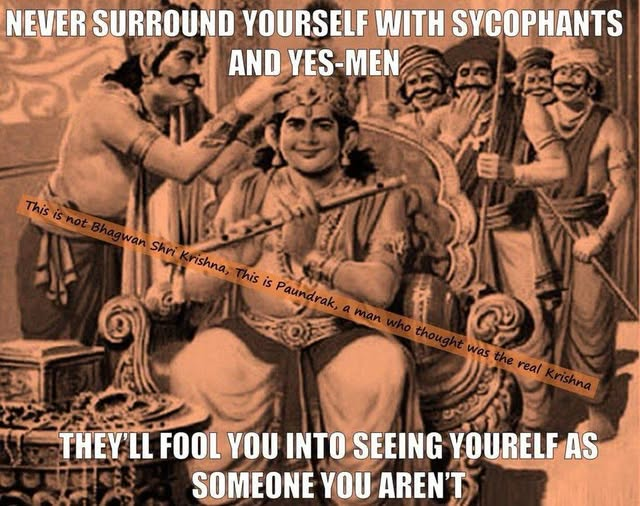
Beware of toxic flattery. True leadership and self-growth require honest feedback, not empty praise.
1
26
270
Enigma (insane arc) retweeted

Annamalai wanting to study politics in foreign instead of contesting elections
Jun 14

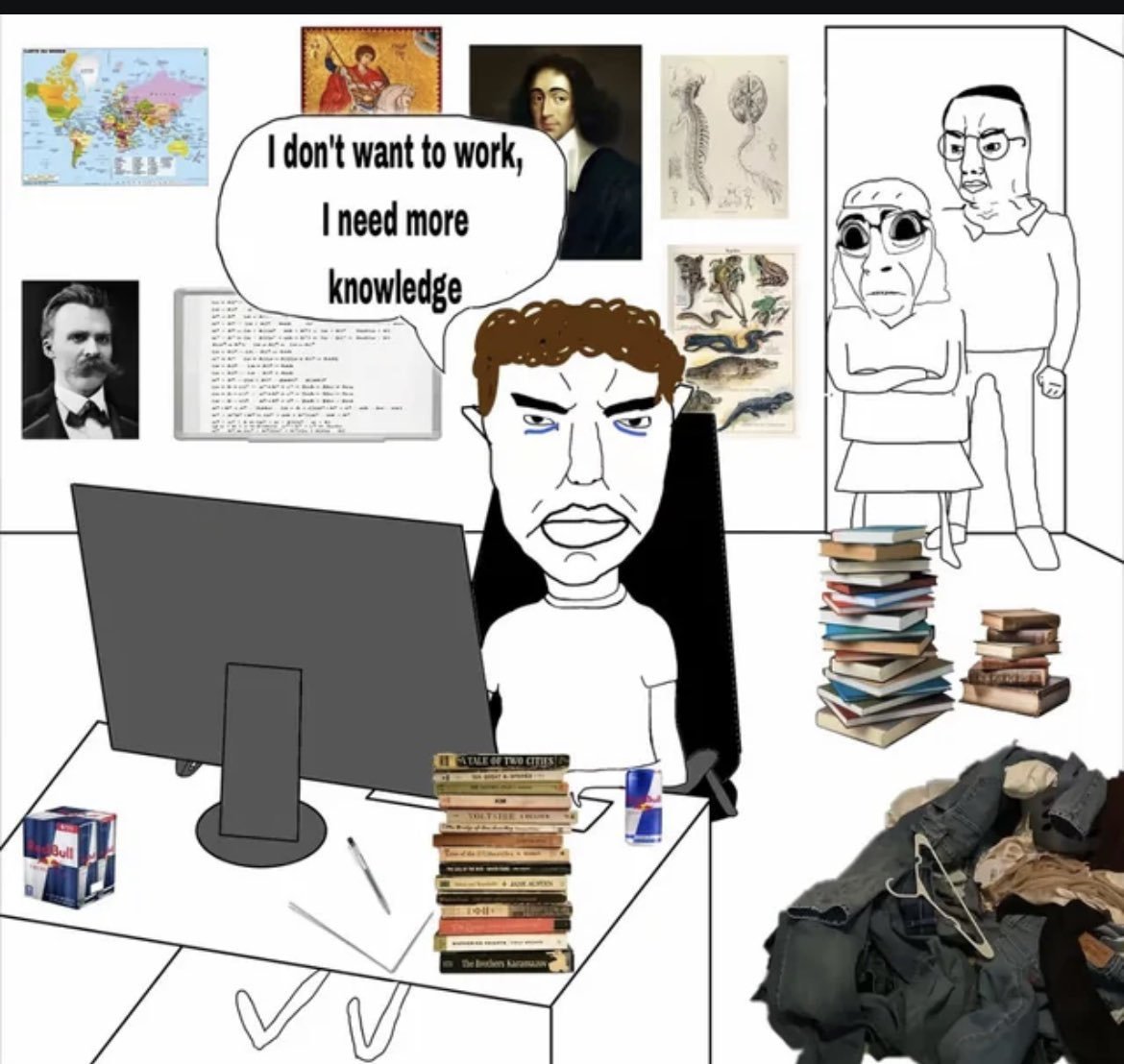
There is a certain type of person everywhere now, especially online.
He consumes endless information every day: philosophy, psychology, productivity, spirituality, neuroscience, business, self-improvement, history.
He knows a little about everything and deeply experiences almost nothing.
His entire identity becomes built around understanding instead of living.
He watches videos about confidence instead of speaking confidently. Reads about discipline instead of becoming disciplined. Studies relationships instead of learning how to love. Consumes motivational content instead of taking action.
He feels intelligent because he is constantly mentally stimulated. But stimulation is not transformation.
Most of the time, knowledge becomes emotional protection. Reality is unpredictable. Reality humiliates. Reality exposes weakness. Books and ideas do not.
Inside information, he can continue imagining himself as intelligent, deep, insightful, different from ordinary people. So he remains trapped in preparation.
He constantly feels as if he is "becoming" someone, while his real life remains strangely untouched. He develops sophisticated language for problems he never confronts directly. He can explain human behavior beautifully while being unable to handle ordinary discomfort, rejection, uncertainty, loneliness, or risk.
He slowly turns life into observation instead of participation.
The internet rewards this personality heavily. He receives validation for sounding aware rather than becoming capable.
Eventually, he begins confusing self-analysis with growth and information with wisdom.
But beneath the intelligence usually exists the same thing: fear. Fear of failure. Fear of embarrassment. Fear of reality answering back.
Because action destroys fantasy. The moment he truly acts, he can no longer hide inside potential.
3
2
47
2,007
Enigma (insane arc) retweeted
#Damodarah – दामोदरः
(SVSN sloka #40 – Naama #367)
Sri Vishnu Sahasranama Bhashya Series...
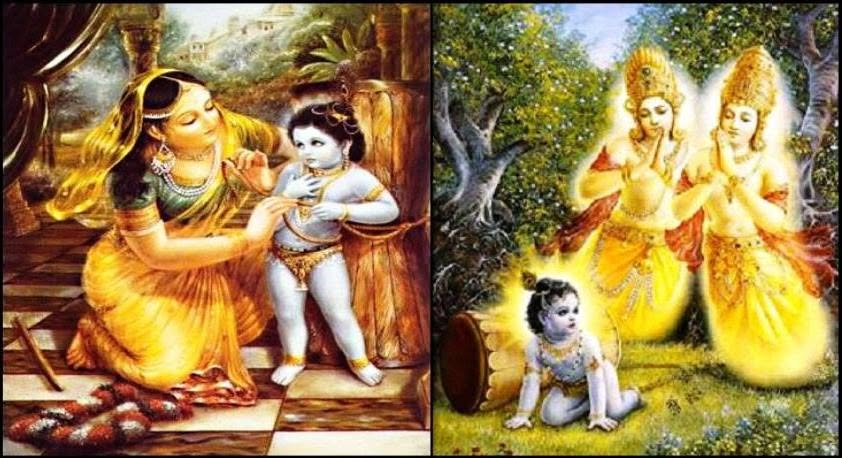
The name दामोदरः (Dāmodarah), which appears as the 367th name in the Sri Vishnu Sahasranama, is far more than a simple title; it is a profound intersection of divine play (leela) and ultimate truth (tattva). As one of the holy Chaturvimshati Kesavaadi Rupas (the 24 primary forms of Lord Vishnu), and serving as the Maasa Niyaamaka (presiding deity) for the auspicious month of Kartika, this sacred name beautifully bridges the sweet devotion of Lord Krishna’s childhood pastimes with the majestic realization of His supreme cosmic independence.
dAmoDaRo hAriH…
DaAmodara is one of the most prominent names used to refer to Lord Sri Krishna. It is a profound name rich in both endearing childhood pastimes (leelas) and deep, multidimensional philosophical truths.
The name DaAmodara is a combination of two words: DaAma (rope) and Udara (belly). Literally, it means "the one who was tied with a rope around his belly."
We find the primary scriptural references to this name across multiple ancient texts:
• SriMadh Bhagavatham (10th Canto): Records the playful childhood episode where His foster mother Yasoda attempts to bind Him with a rope. In this episode, Lord Sri Krishna (Daamodara) crawls and drags a heavy wooden grinding mortar (Ukhala) between two trees, liberating Nalakubera and Manigreeva—the two sons of Kubera—from the curse of sage Narada.
• Vishnu Purana: Sage Vyasa explicitly documents this naming ceremony, noting that He was called Damodara precisely because of the rope tied around his waist by Yasoda.
• Mahabharata (Udyoga Parva): Sage Sanatsujata explains to King Dhritarashtra that the Lord is called Damodara because His supreme bliss is known through internal self-restraint.
Deep Philosophical and Cosmic Meanings
Beyond the historical pastime, the word "DaAma" holds deeper spiritual and esoteric definitions:
1. The Cosmic Abode: DaAma also means an abode or residence. In a supreme spiritual sense, DaAmodara means "the one whose abdomen is the abode for the entire universe." During the cosmic dissolution (Pralaya), the entire cosmos rests safely inside His belly.
2. The Rope of Samsara: DaAmodara is the Supreme God Hari Sarvottama. He is the ultimate savior who can untie the spiritual "rope" of Samsara (the cycle of births and deaths) and liberate bound souls.
3. The Power of Self-Control (Dama): Philosophically, Dama refers to the control of the mind and senses. Damodara is the one who is attained by a mind purified through rigorous self-control. The syllable Da represents Damyata (control yourselves).
4. Bound by Love: The physical rope used by Yasoda symbolizes human ego and affection. It highlights a beautiful theological paradox: the infinite, boundless Supreme Being allows Himself to be bound only by the pure, unadulterated devotion (Bhakti) of His devotees.
Astronomical and Liturgical Context
• Maasa Niyaamaka: Damodara-naamaka Paramaatma is the presiding deity (Maasa Niyaamaka) for the highly auspicious Karthiika Maasa.
• Chaturmaasa Forms: Sridhara, Hrishikesha, Padmanabha, and Damodara are the four divine presiding forms of the Lord designated for the four sacred months of Chaturmaasa.
Haridasa Sahitya
This deep philosophical need to overcome the senses and connect with Damodara is beautifully captured by Sri Kanaka Dasaru in Haridasa literature:
kAma krOdha biDisi ninna nAma jihveyoLage nuDiso |
shrii mahAnubhAvanAda dAmOdarA ||
ಕಾಮಕ್ರೋಧ ಬಿಡಿಸಿ ನಿನ್ನ | ನಾಮ ಜಿಹ್ವೆಯೊಳಗೆ ನುಡಿಸು ||
ಶ್ರೀಮಹಾನುಭಾವನಾದ ದಾಮೋದರ ||
"O great DaAmodara, free me from desire and anger (the internal enemies). Inspire me to always recite your divine name upon my tongue."
Ultimately, the sacred name Dāmodarah reminds us that the infinite Supreme Being, who holds the entire cosmos securely within His belly and commands the very ropes of our liberation, willingly submits to be bound by nothing other than the pure, unadulterated love (Bhakti) of His devotees. May He untie our internal knots of desire and anger, and forever rest upon our tongues.
Sri Kartika Damodara Stotram
It is an exceptionally beautiful and powerful hymn chanted specifically during the auspicious Kartika Masa.
Found in the Pancharatra Agama within a dialogue between Hamsa and Brahma, this stotram is deeply cherished within the Madhva tradition. It is unique because it masterfully weaves the playful childhood leelas of Lord Krishna with the majestic spans of the Dashavatara (the ten avatars of Vishnu).
The stotram generally comprises 12 verses packed with dynamic name-salutations (Jaya-Bho):
• The Avatara Cycle: It transitions smoothly from the early incarnations like Matsya, Kurma, and Varaha directly into Narasimha, Vamana, and Parashurama.
• The Glories of Krishna: It places heavy emphasis on Krishna's local pastimes—mentioning the breaking of the twin Yamalarjuna trees (Yamalārjuna-bhanjana), the humbling of the Kaliya serpent, and protecting Draupadi (Pānchālī-paripālana).
• The Bound Lord: It explicitly recalls how the master of the universe allowed Himself to be bound by a simple mother's rope (Jaya jananī-kara-pāśa-subaddha).
Traditional Practice and Benefits
According to the text's Phalashruti (verses detailing benefits):
• Devotees traditionally recite this stotram in the early morning hours (Arunodaya) while performing a Deepa-Dana (lighting a lamp) before the Lord during Kartika.
• Scriptural guidelines note that chanting this hymn, particularly on the 13th and 14th lunar days (Trayodashi and Chaturdashi) of the month, cleanses sins and liberates souls from hellish worlds.
श्री कृष्णार्पणमस्तु
नाहं कर्ता हरिः कर्ता - हरिः कर्ता हि केवलम्
हरी सर्वोत्तम - वायू जीवोत्तम
#srivishnushasranamastotram #srivishnusahasranamabhashya #srivishnusahasranama #bhargavasarma #lordvishnu #PhilosophyofVishnusahasranama
2
9
52
999
Enigma (insane arc) retweeted
This is legit fucked up.
Just wrong.
She exposed so many powerful systems and how they work.
I’m not sure what to think…
Fuck.
This is horrible.
She was one of the most intelligent people I’ve ever met.
I met up with her about a month ago and she just completely changed my whole life strategy
An incredibly powerful person that uncovered many powerful and fraudulent games being played… shame
1
1
53
12,471