
- Tweets 1,482
- Following 82
- Followers 2,661
- Likes 620
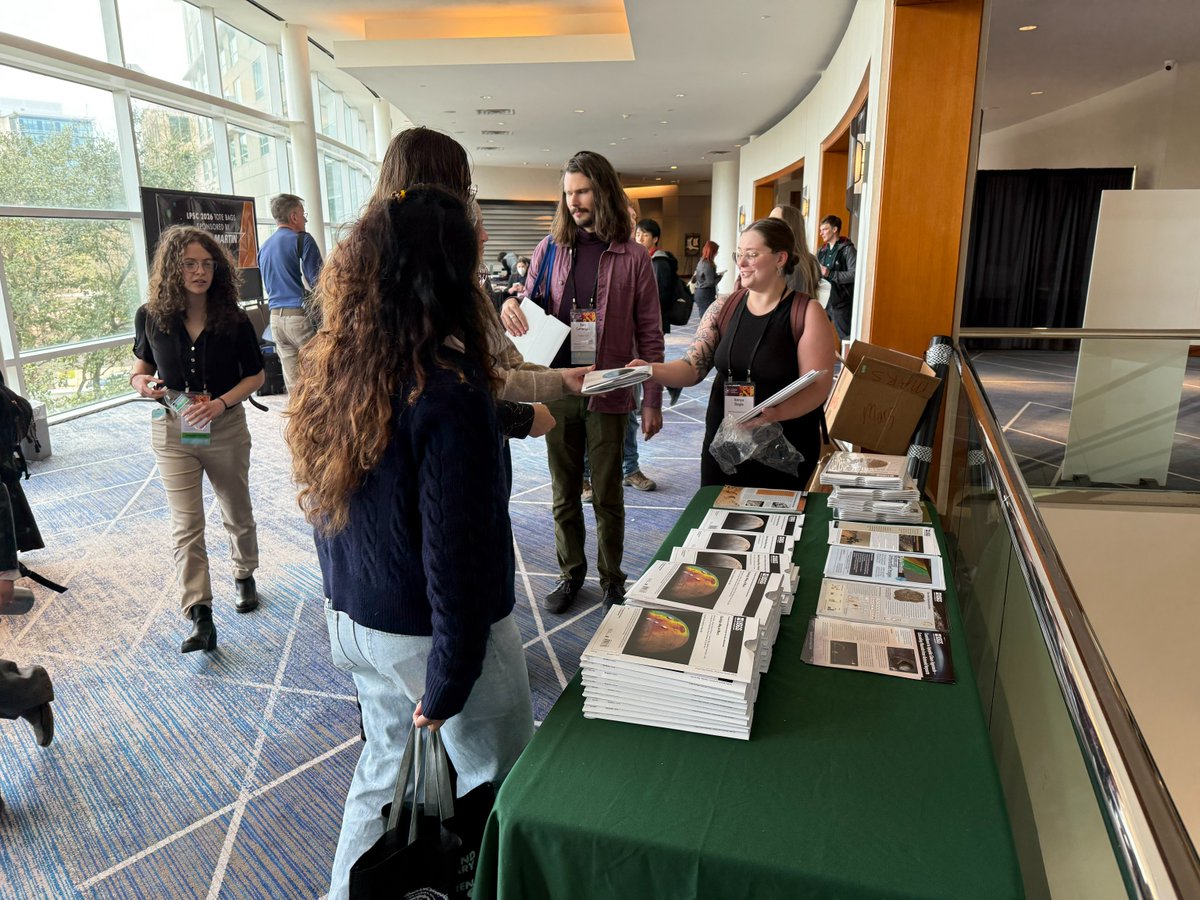

ALT USGS Geographer Sonya Bogle handing out maps at the USGS booth at LPSC
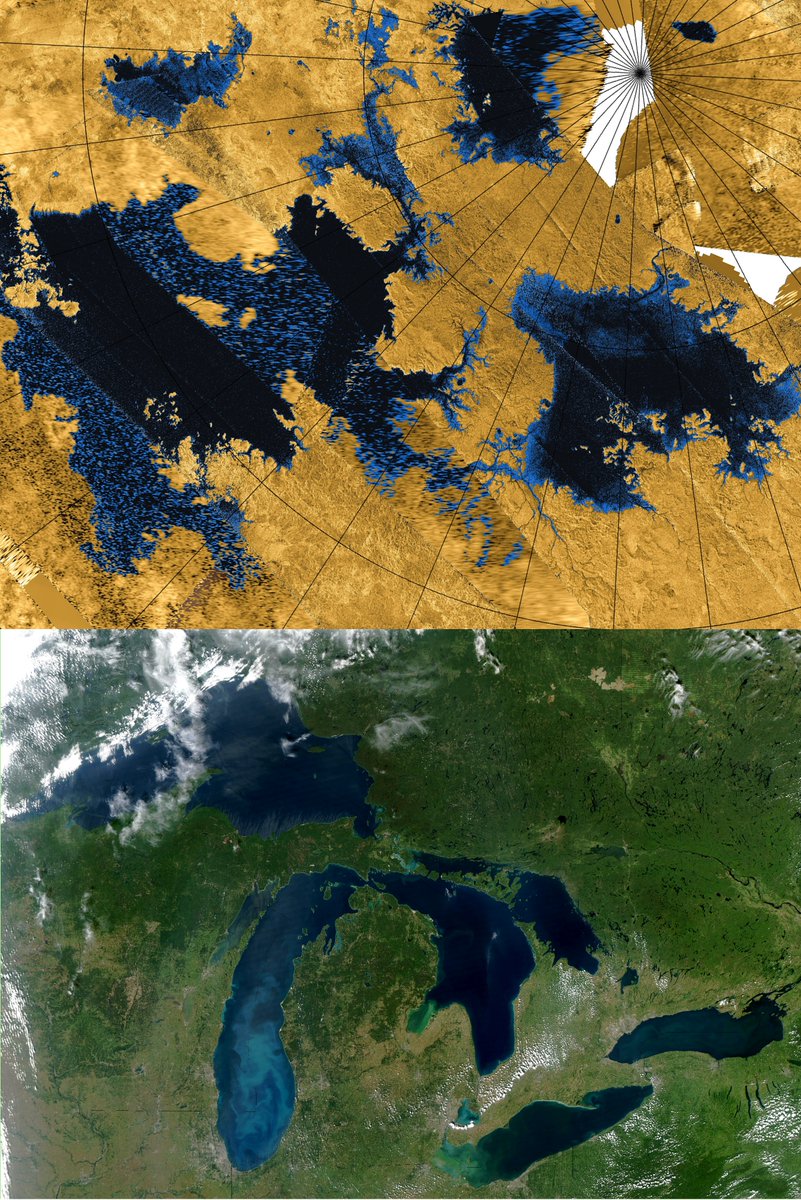
ALT Dark blue lakes on Saturn's moon, Titan, (top) from Cassini compared to The Great Lakes (bottom)
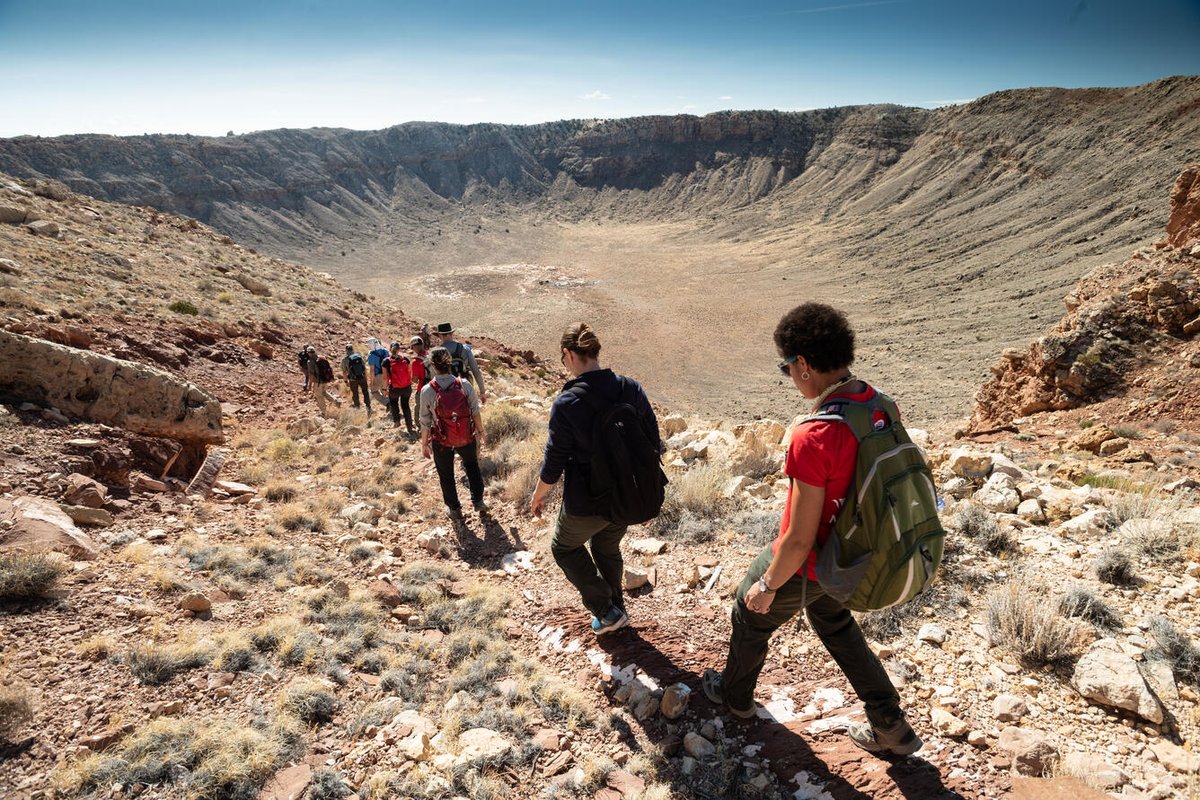
ALT Artemis astronauts hiking below the rim of Meteor Crater during astronaut training
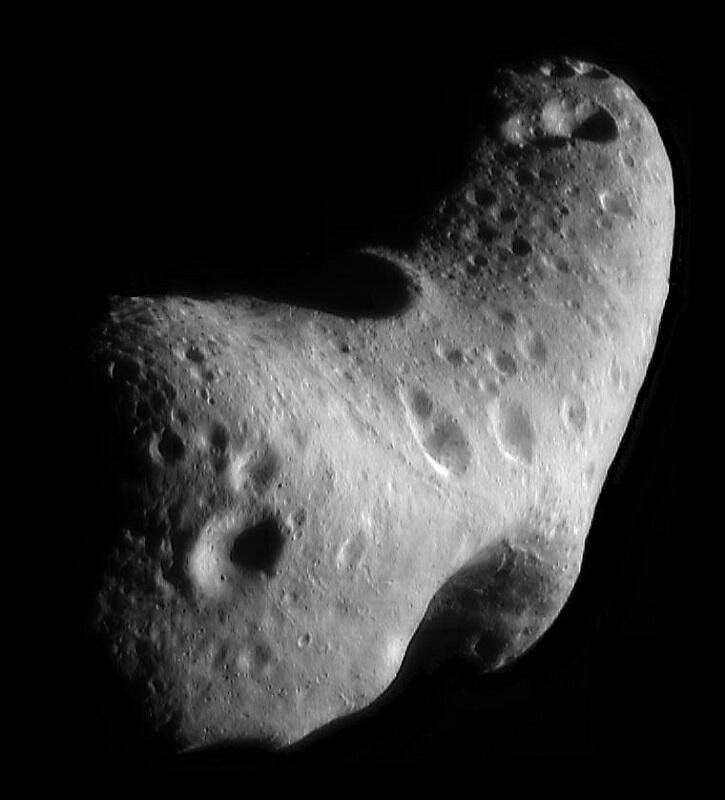
ALT Image mosaic of the Near-Earth Asteroid, Eros
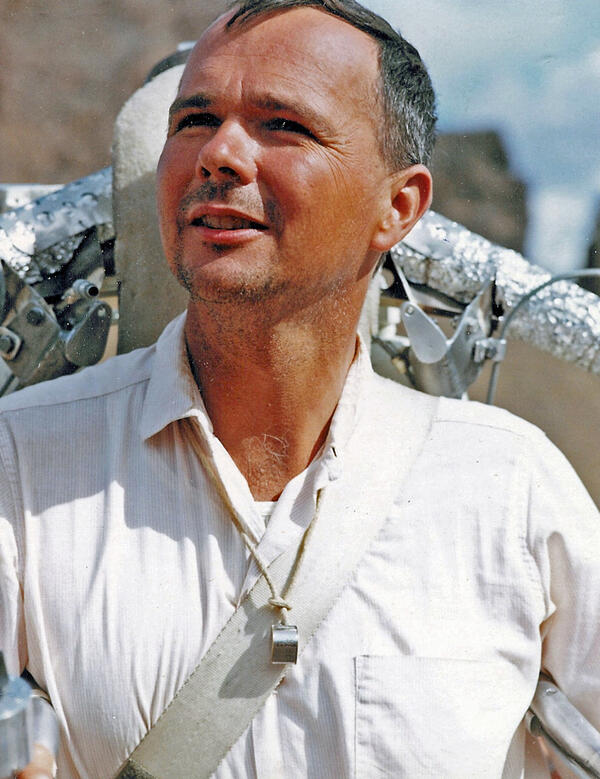
ALT USGS Astrogeology founder Gene Shoemaker with a rocket pack on his back and a hand lens around his neck
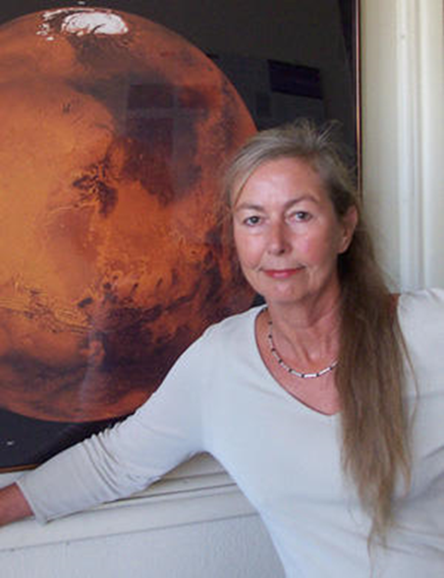
ALT Astrogeology scientist Baerbel Lucchitta in front of an image of Mars
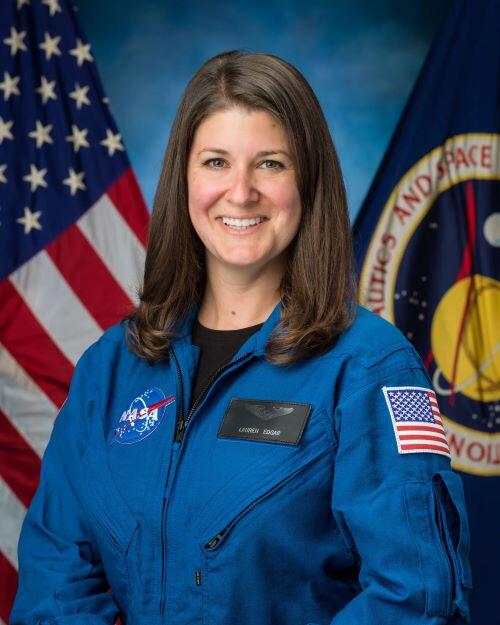
ALT Former Astrogeology scientist Lauren Edgar, now Artemis Astronaut Candidate
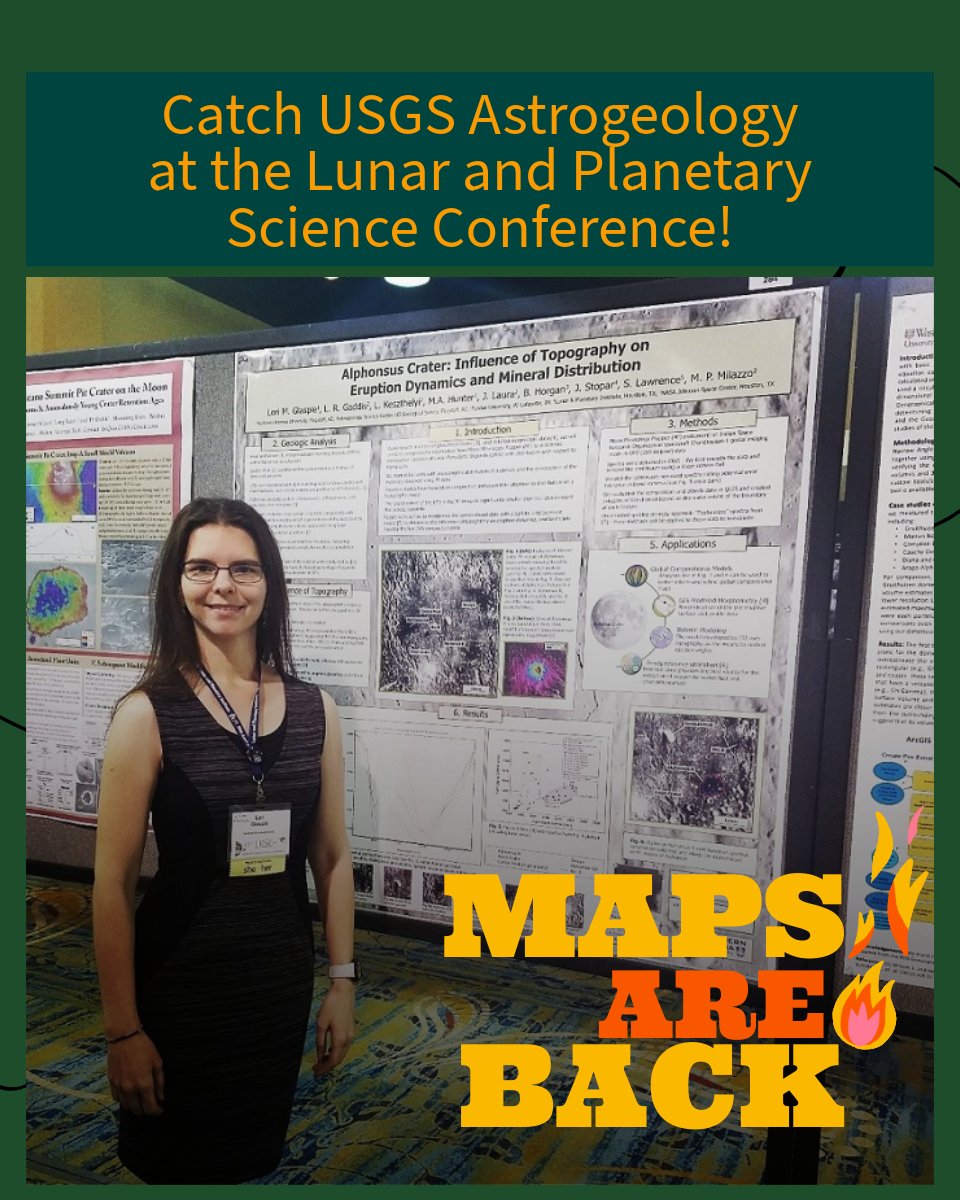
ALT Scientist Lori Pigue presenting at LPSC, 2018
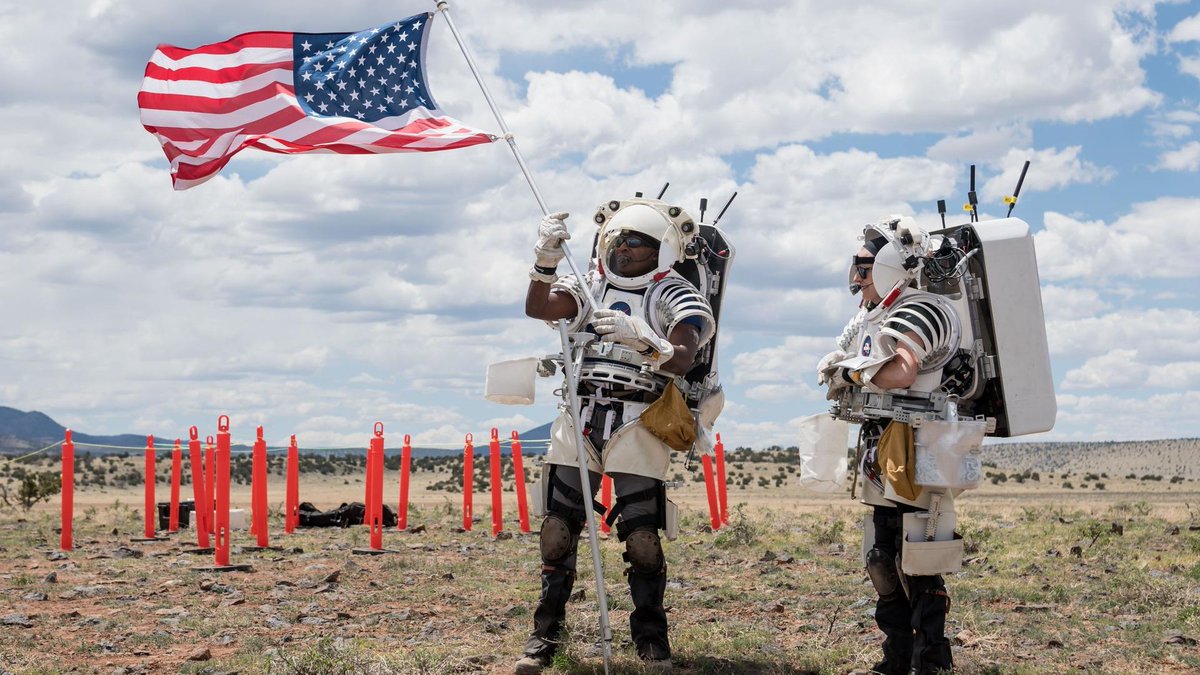
ALT NASA astronaut Andre Douglas (left) raises an American flag next to NASA astronaut Kate Rubins (right) wearing partial spacesuits in a desert-like environment.
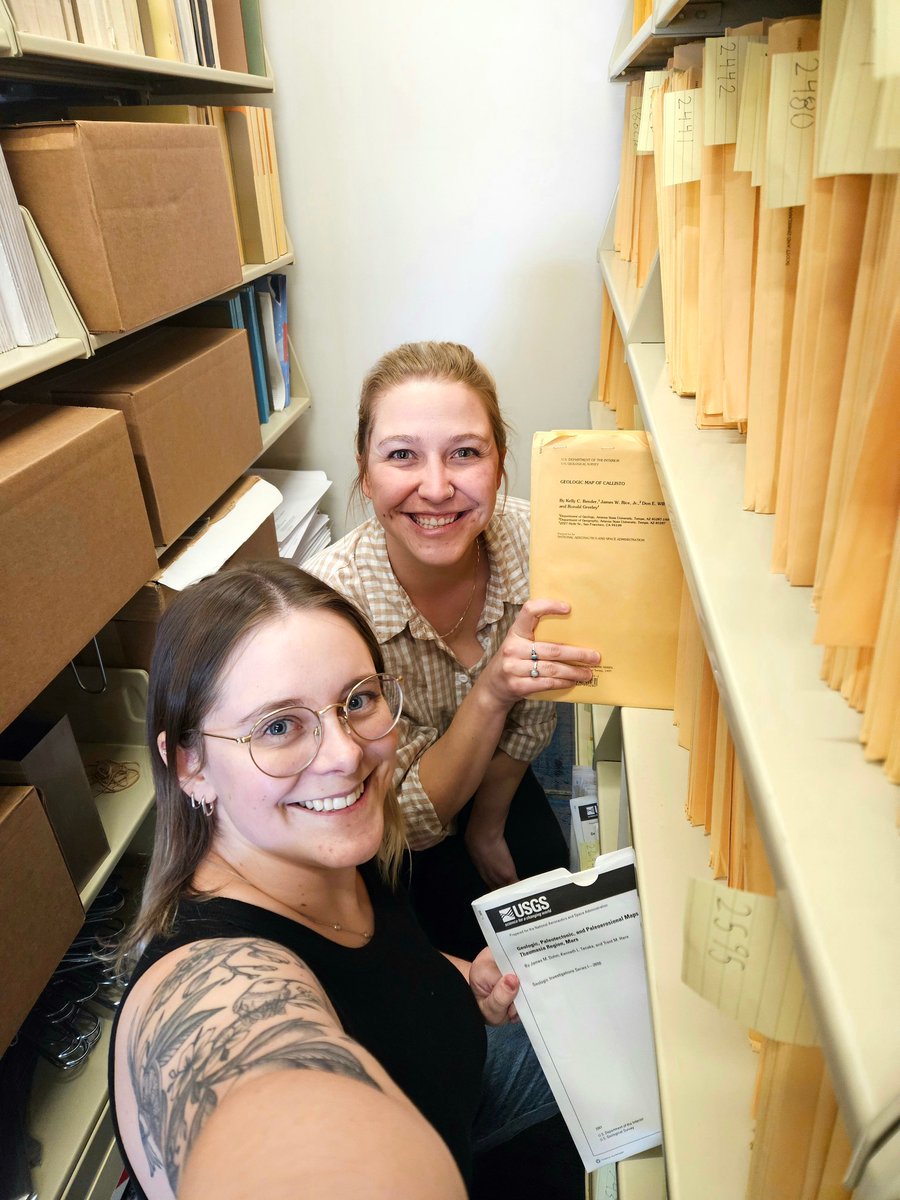
ALT Photo of two Astrogeology mappers with historical maps (in yellow folio) and newer maps (in white folio) that are available for visitors to take home from a visit to Astrogeology.
ALT Black and white image of Janus taken by Cassini with the limb of Saturn in the background. Image ISS-NA: 1_N1537920449.122 taken 9-25-2006
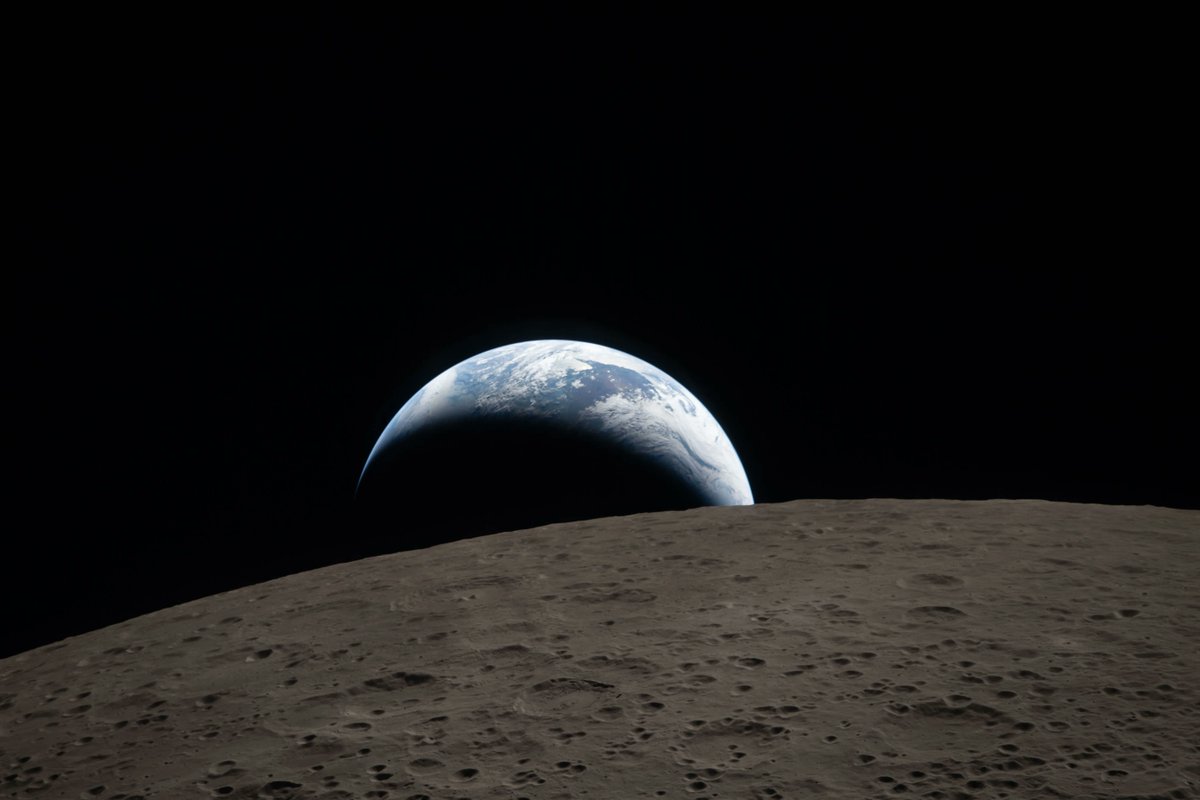
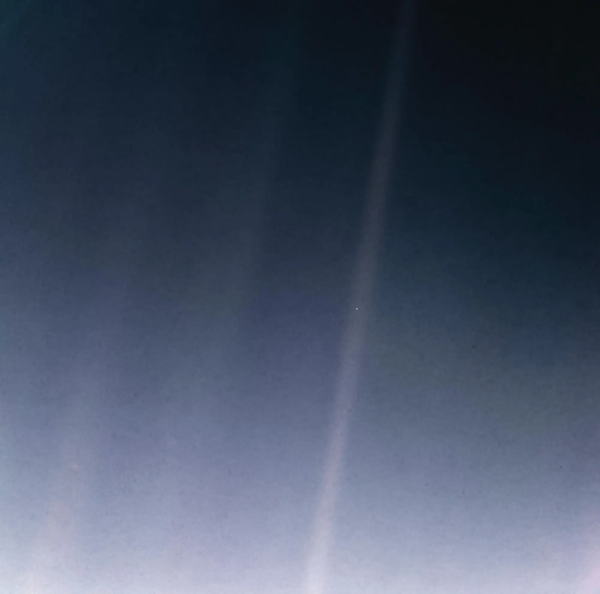
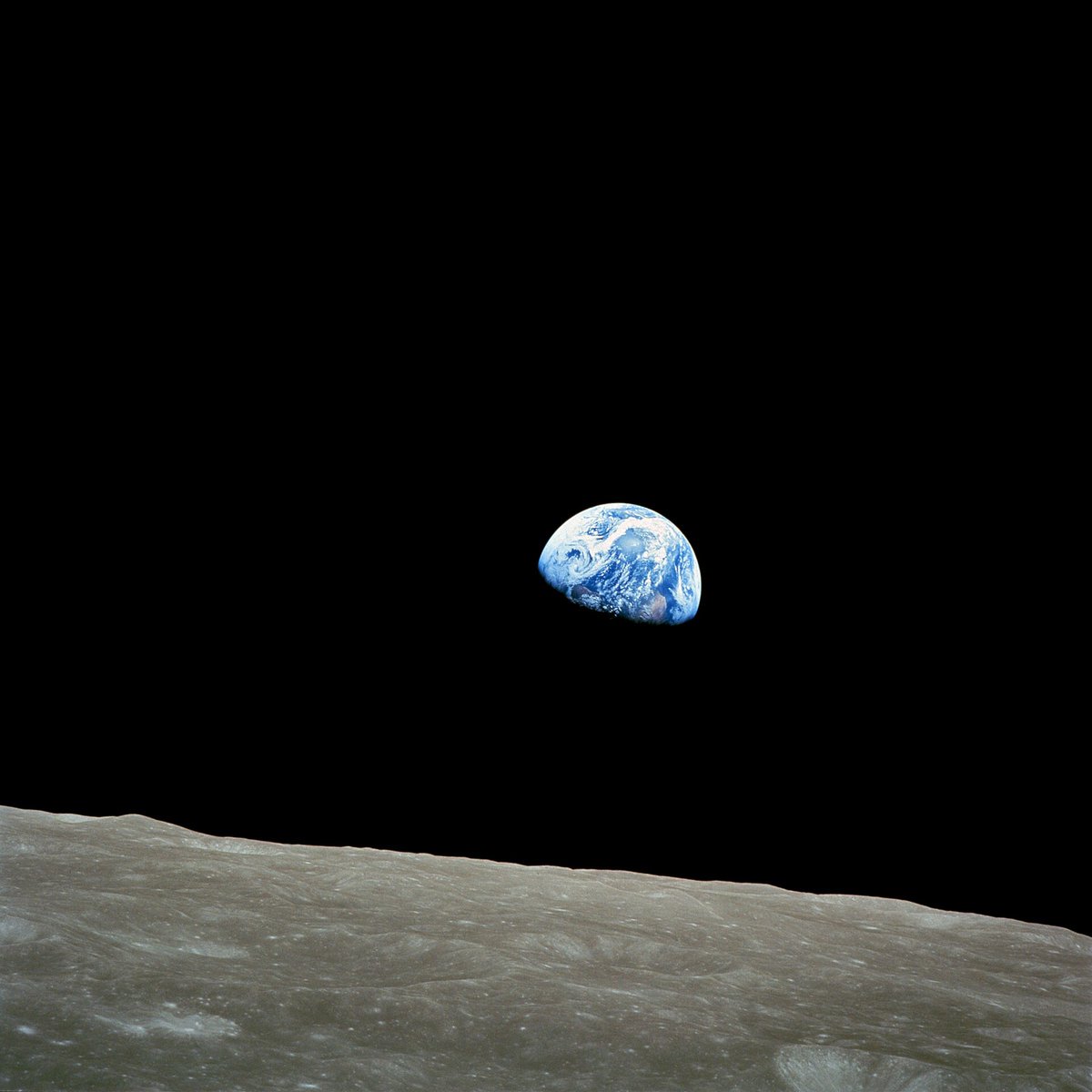
ALT "Earthrise" photo taken by astronaut Bill Anders with the lunar surface in the foreground and the half-illuminated Earth in the background.

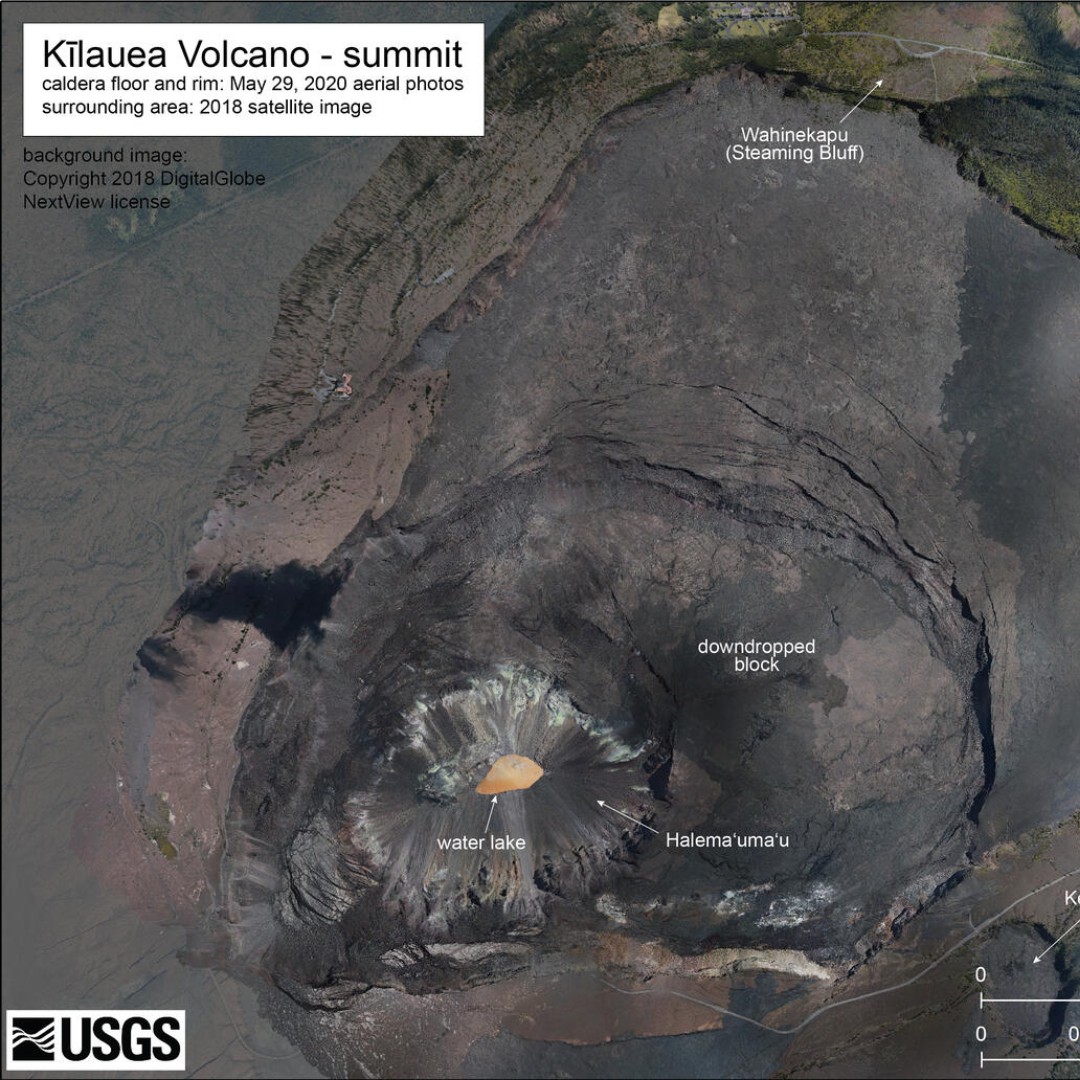
ALT Aerial photos of the caldera of Kilauea in Hawaii in 2020. The caldera grew significantly in 2018 to a diameter of 2.93 mi (4.72 km), and concentric fractures from the collapse are still visible in the caldera floor. Background image courtesy of Maxar Technologies under the NextView license.
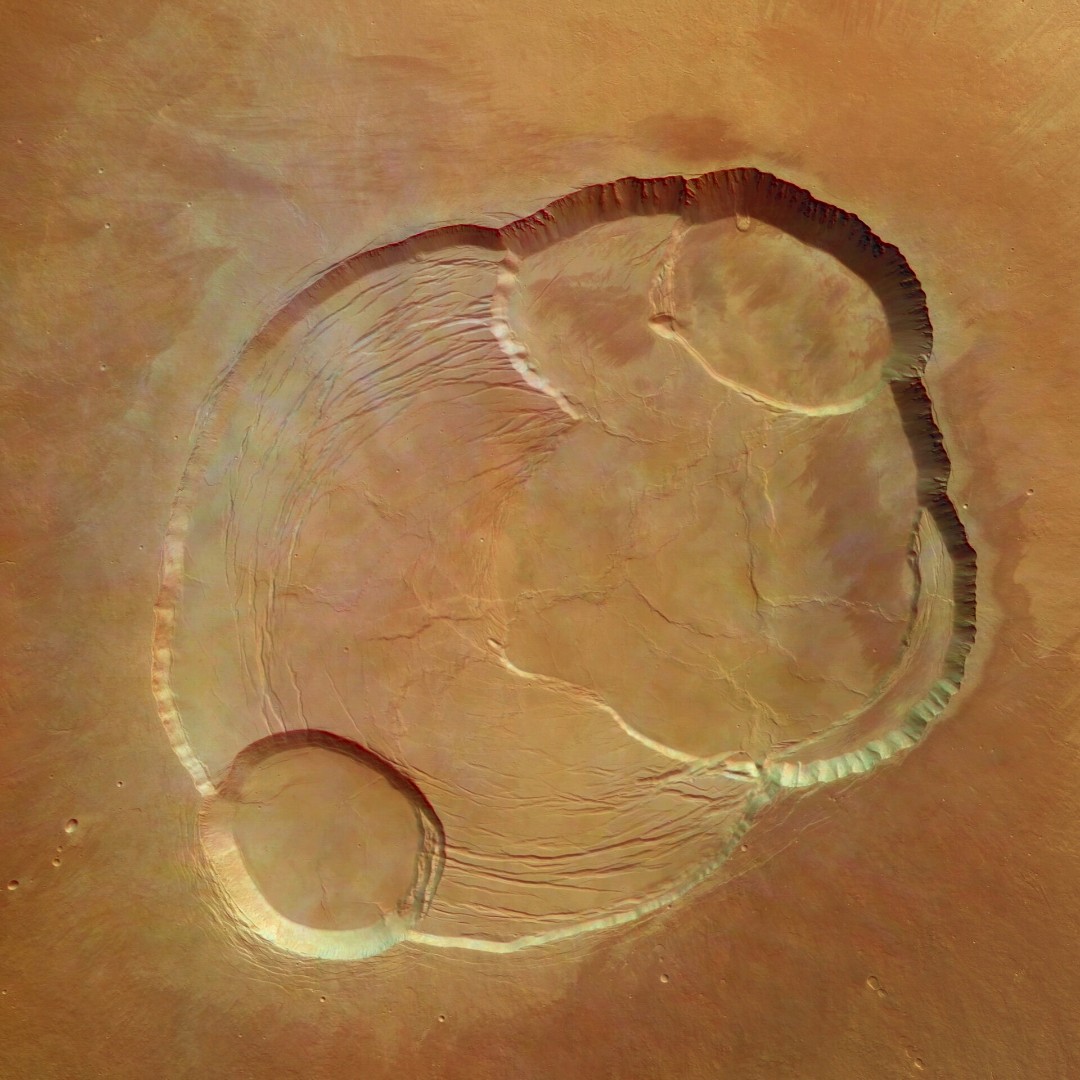
ALT The caldera of Olympus Mons on Mars looks very similar to the caldera on Kilauea, with many circular depressions and concentric fractures. It's just a whole lot bigger: ~50 mi (80 km) across! ESA/DLR/FU Berlin
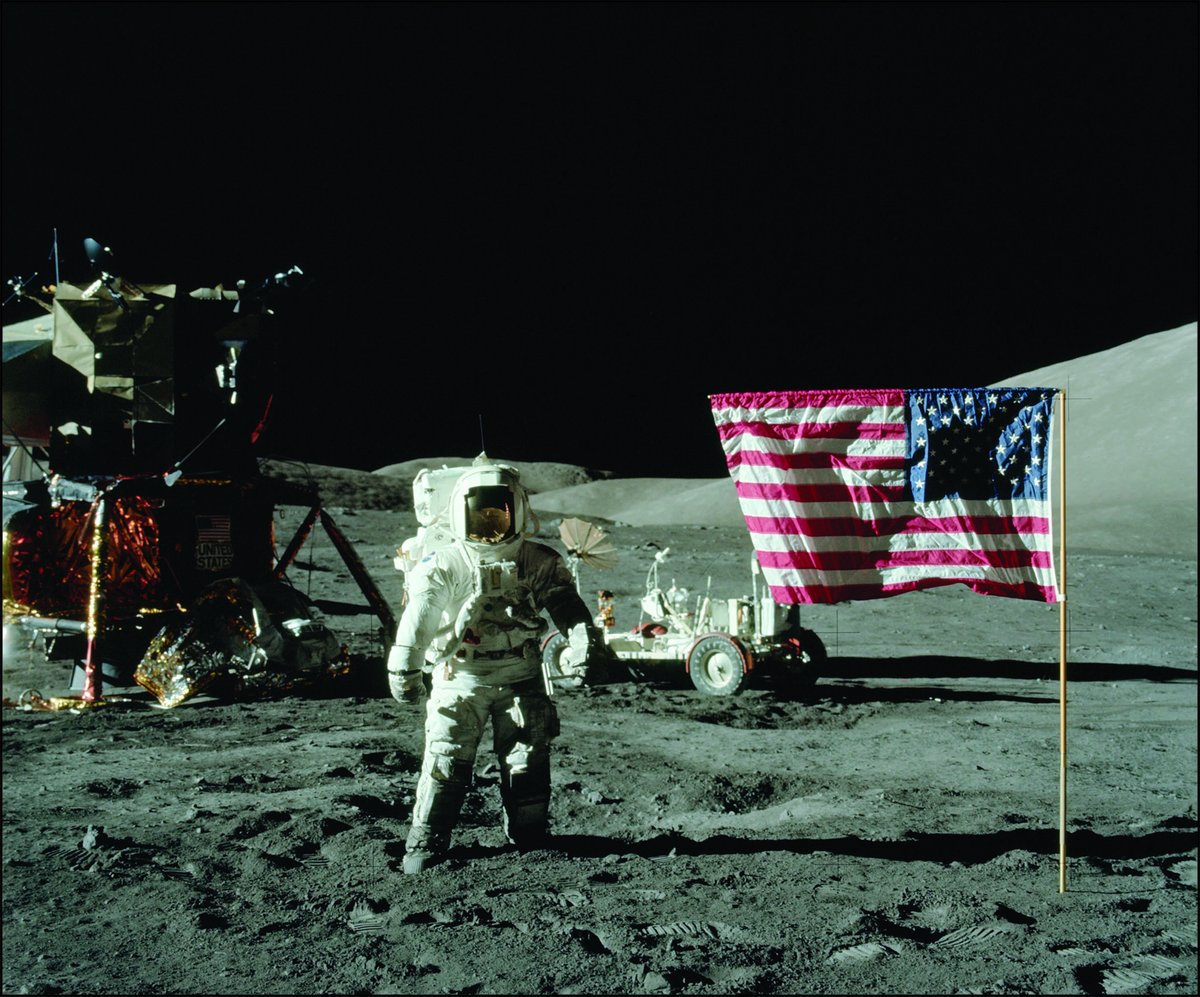
ALT Astronaut Jack Schmitt standing near the lunar module, lunar roving vehicle, and American flag on the lunar surface.
ALT Image Description: Blue and green background with text that reads "Astrogeology Software Docs: Getting Started, How-To Guides, Concepts, and Software Manuals"

ALT Drawing of a rocket ship with text that describes the PLANETS curriculum development project
ALT Drawing of a rocket on the right with description of PLANETS space-themed educational content for after school, summer camps, or other youth programs
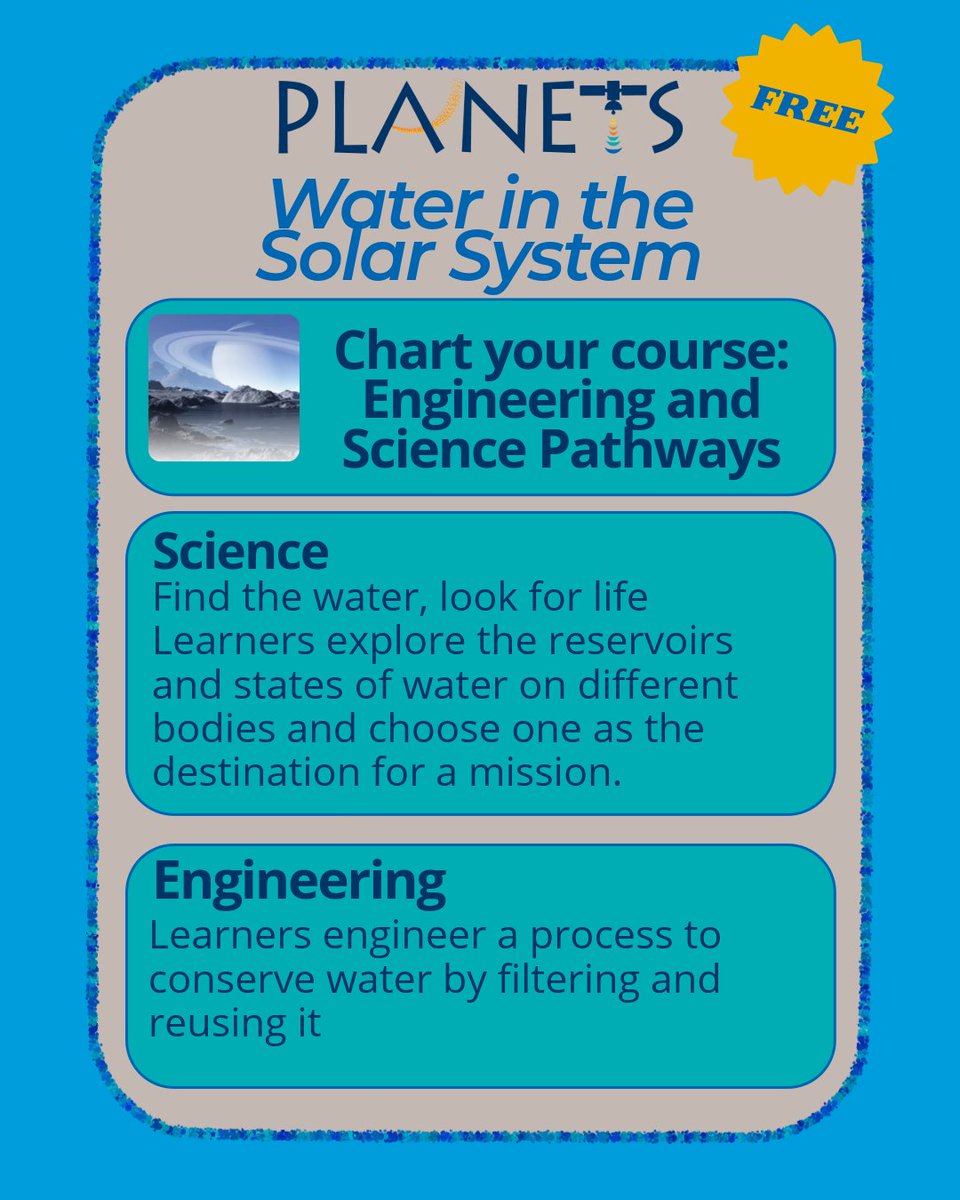
ALT Description of Engineering and Science pathways, where learners explore water reservoirs and where the water is found, and engineer a process to conserve water
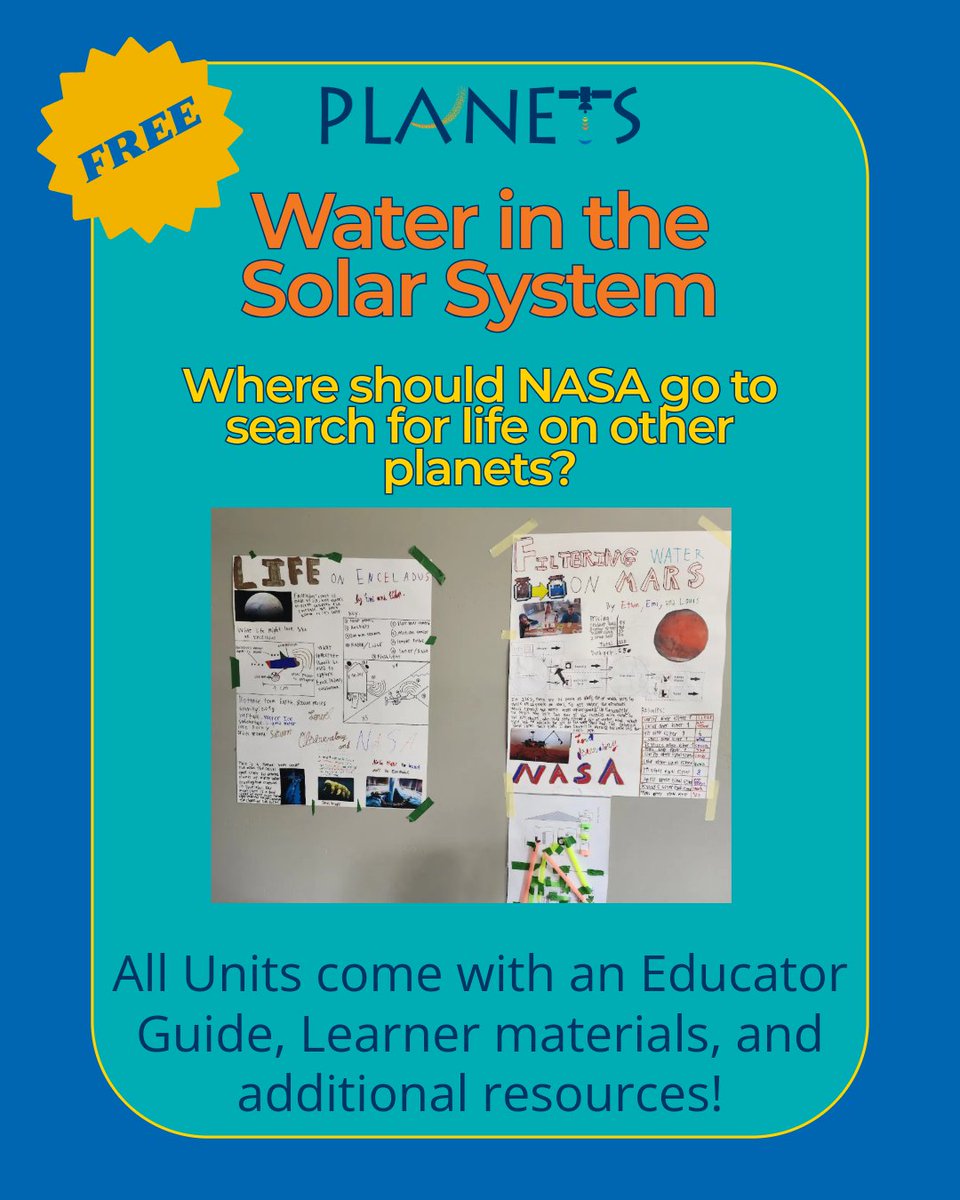
ALT Photo of learner's discoveries of where there’s water in the solar system and where NASA should go to try to find life
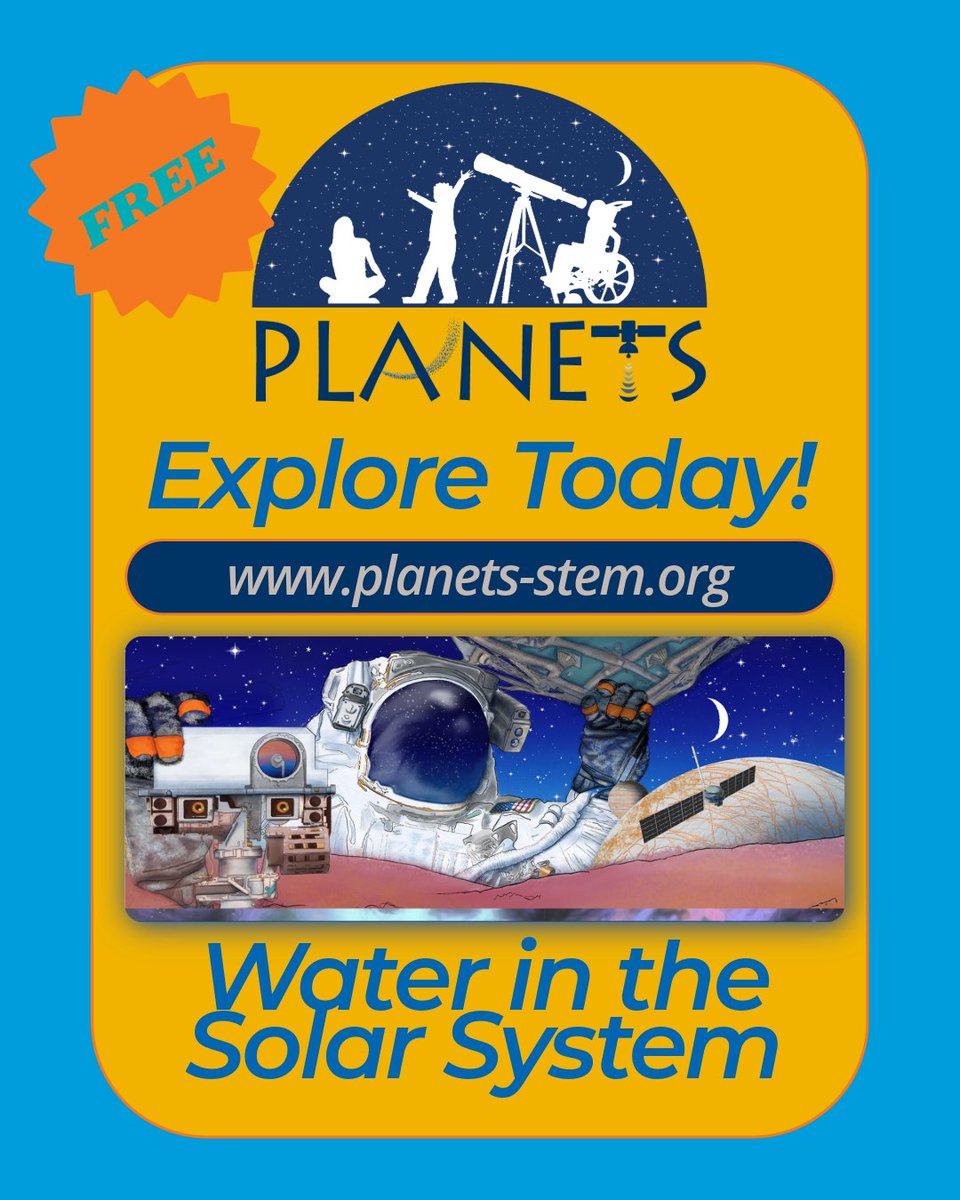
ALT Graphic with an astronaut in front of an icy moon with a rover mast camera in front and a satellite orbiting behind. Website "www.planets-stem.org" is shown, with "Explore Today" above and "Water in the Solar System" below
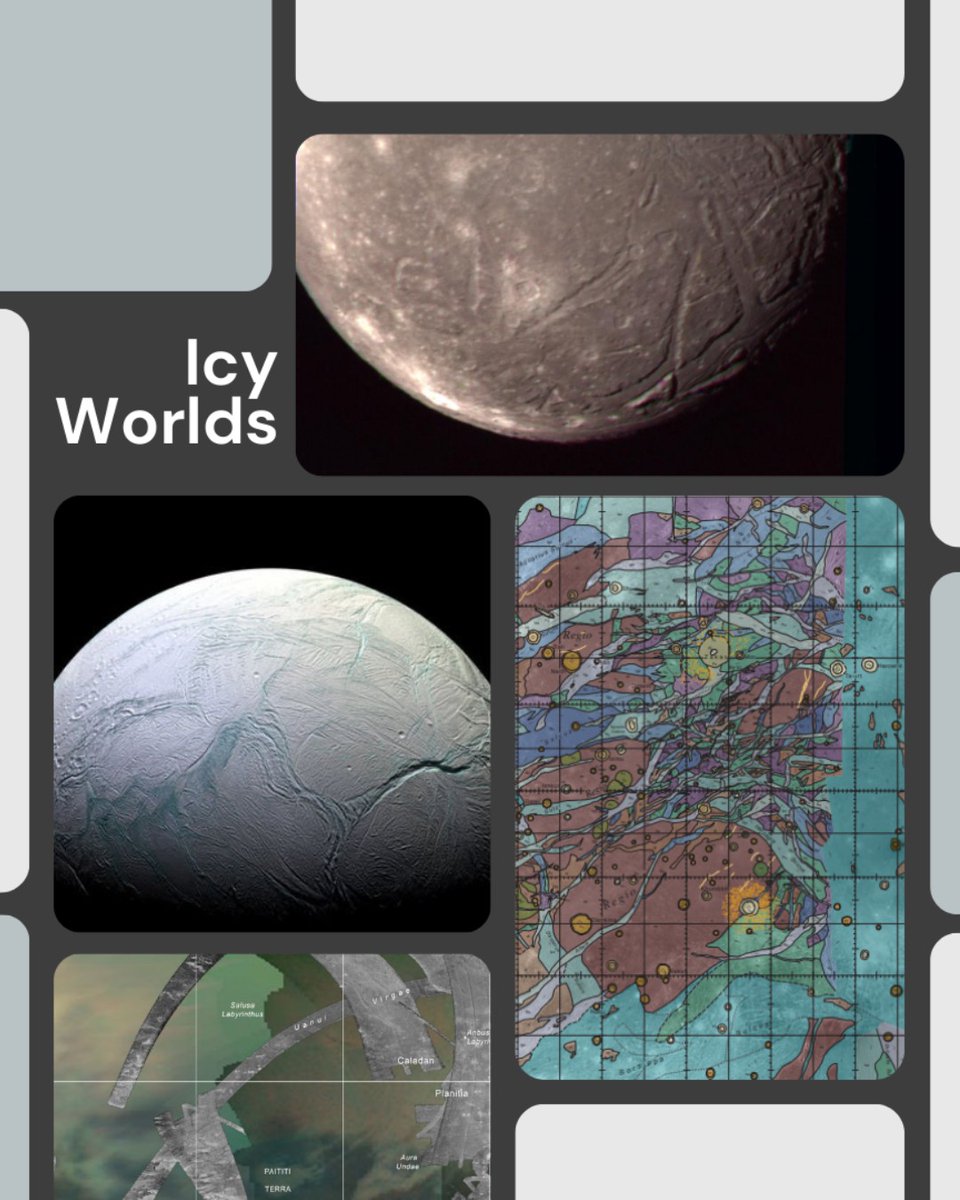
ALT Collage of images from various solar system bodies. Top: Ariel, a moon of Uranus; middle left: Europa, a moon of Jupiter; middle right: a geologic map of Ganymede, a moon of Jupiter; bottom: image mosaic of Titan, a moon of Saturn.
ALT Image 1: Drawing of a rocket on the right with description of PLANETS space-themed educational content for after school, summer camps, or other youth programs
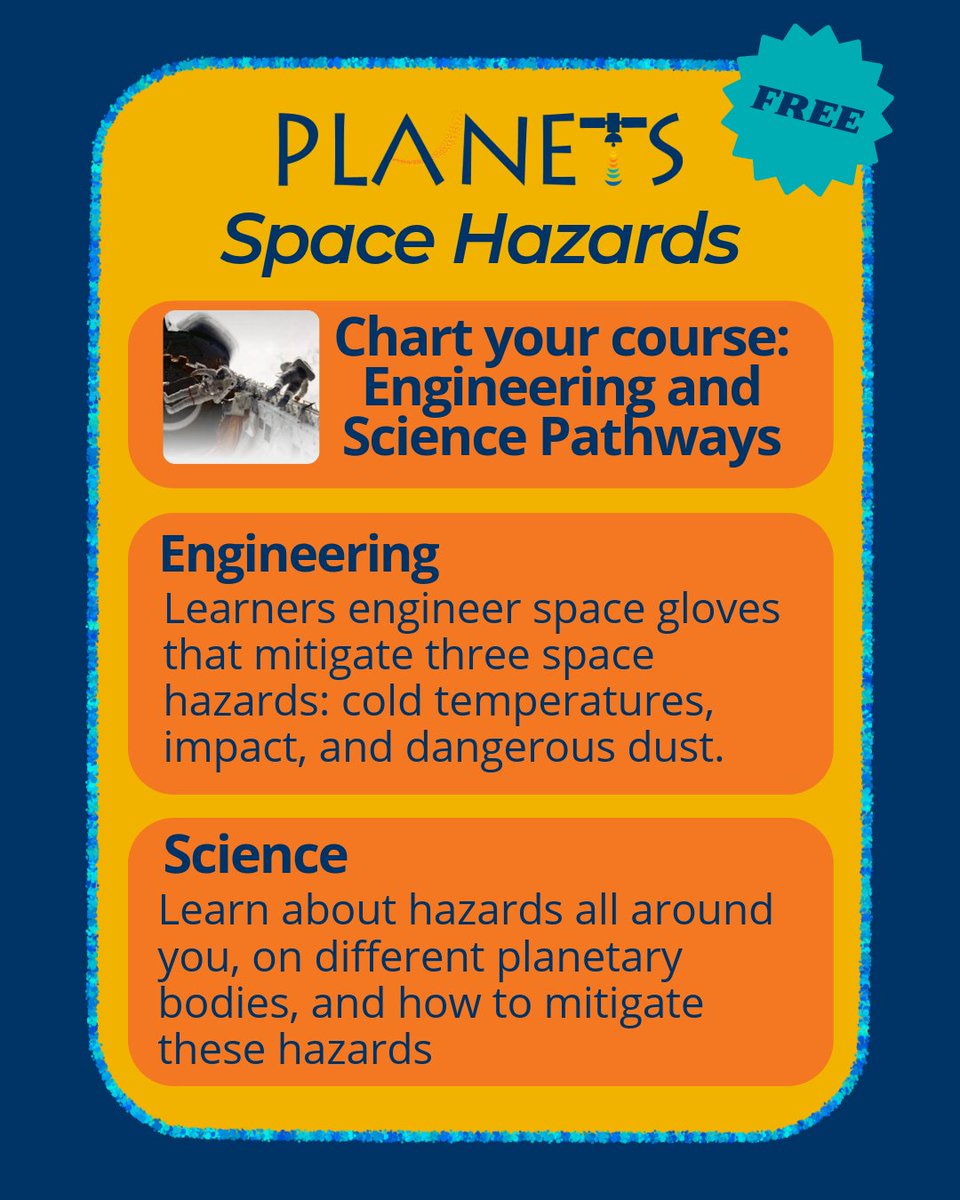
ALT Image 3: Description of Engineering and Science pathways, where learners engineer space gloves or learn about hazards on Earth and in space
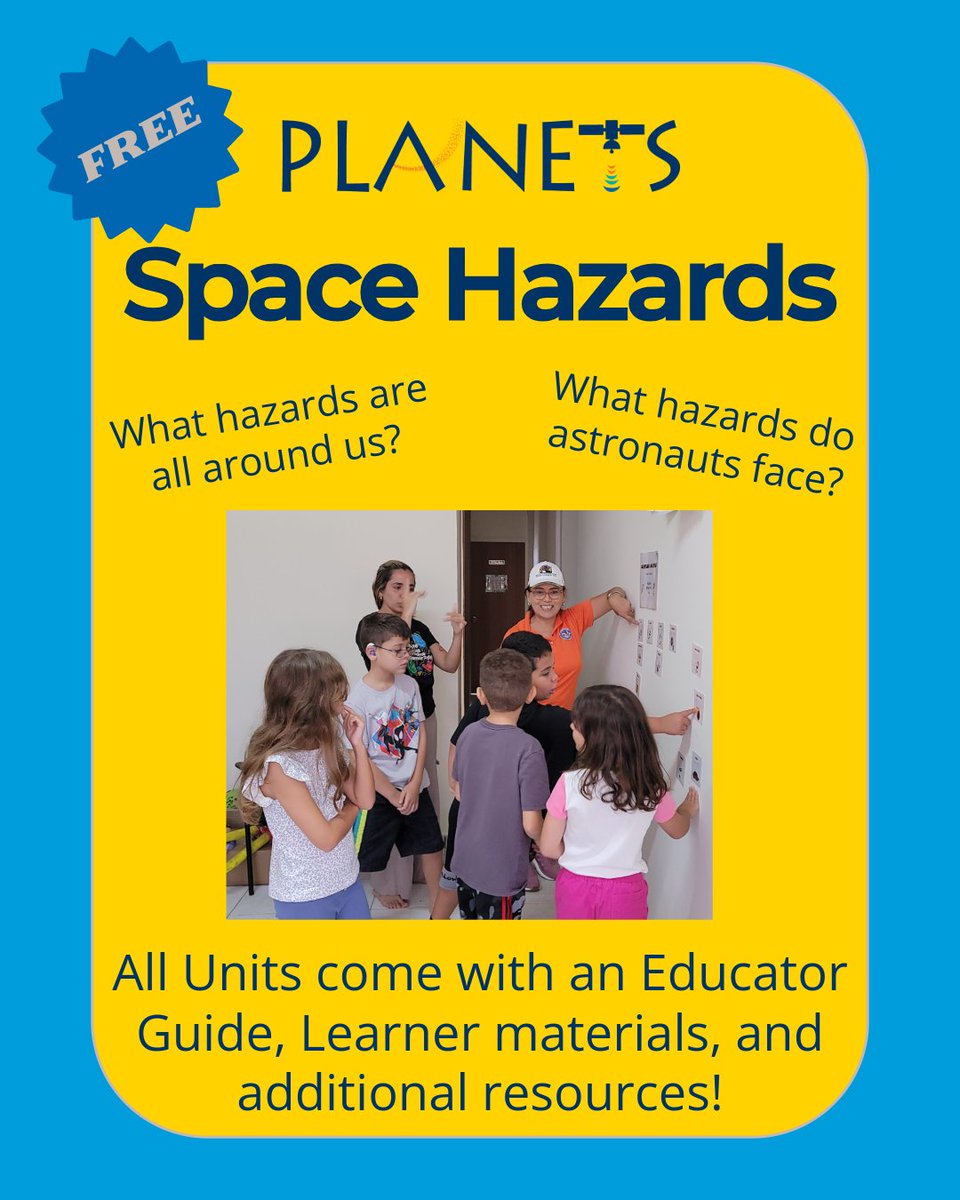
ALT Photo of learner's results deciding what types of hazards there are and where they exist. Text at the bottom describes units come with educator guide, learner materials and additional resources

ALT Graphic with an astronaut in front of an icy moon with a rover mast camera in front and a satellite orbiting behind. Website "www.planets-stem.org" is shown, with "Explore Today" above and "Space Hazards" below
ALT Image of a rocket on the right with description of PLANETS space-themed educational content for after school, summer camps, or other youth programs
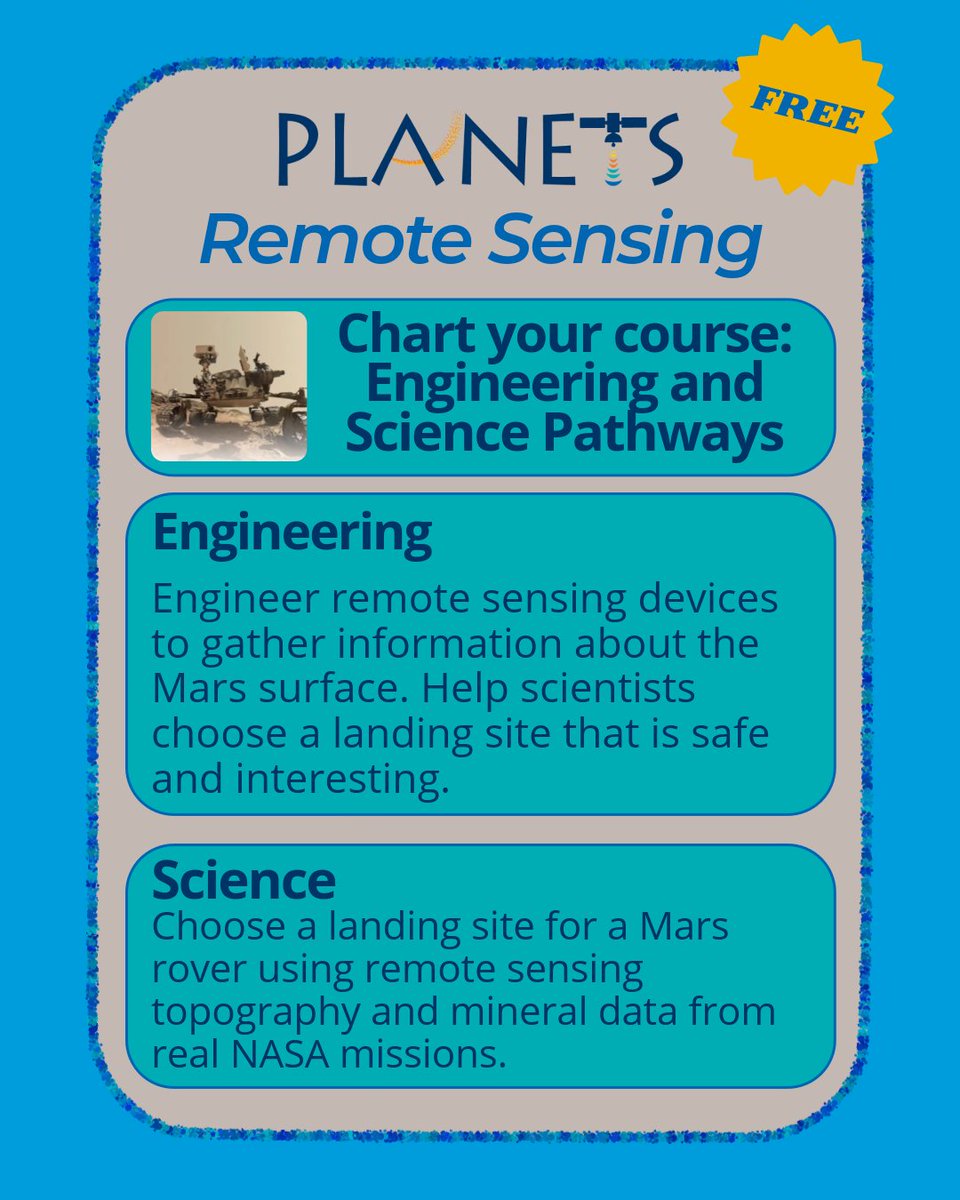
ALT Description of Engineering and Science pathways, where learners engineer remote sensing devices or use remote sensing data to choose a landing site for landing on Mars
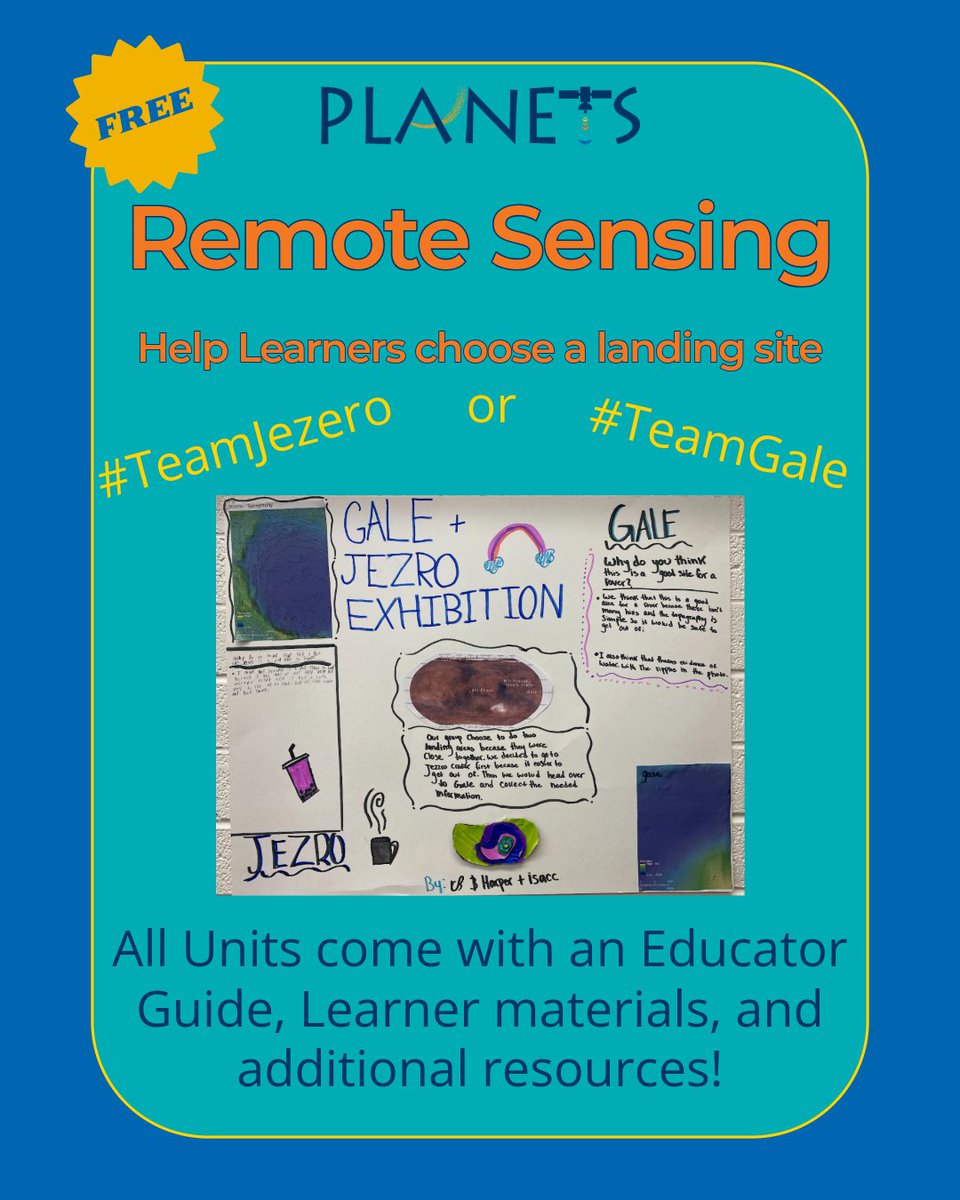
ALT Photo of learner's results deciding whether to land in Jezero crater or Gale crater based on remote sensing analyses. Text at the bottom describes units come with educator guide, learner materials and additional resources

ALT Graphic with an astronaut in front of an icy moon with a rover mast camera in front and a satellite orbiting behind. Website "www.planets-stem.org" is shown, with "Explore Today" above and "Remote Sensing" Below
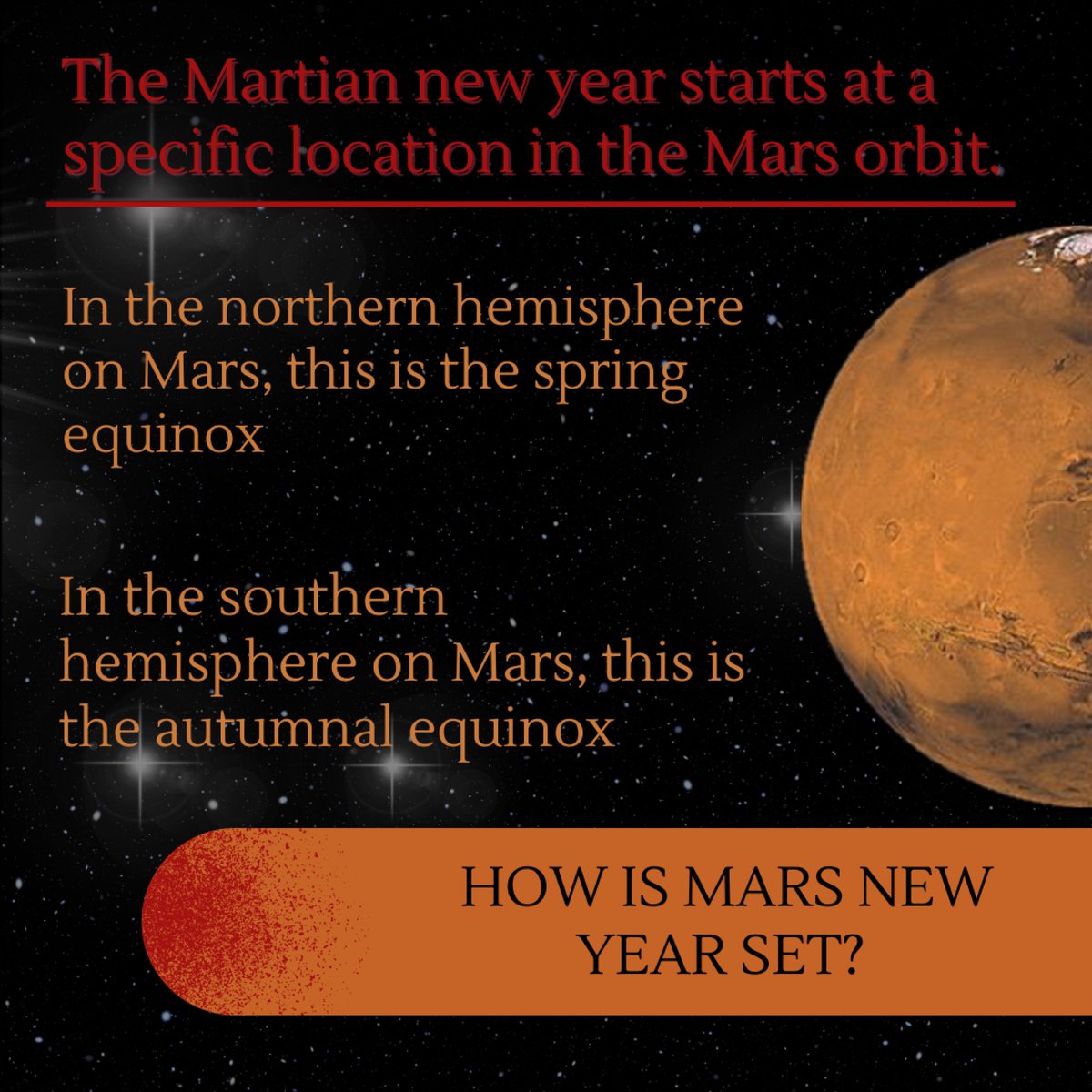
ALT Image of Mars on the right with foreground text that reads "The Martian new year starts at a specific location in the Mars orbit. In the northern hemisphere on Mars, this is the spring Equinox"
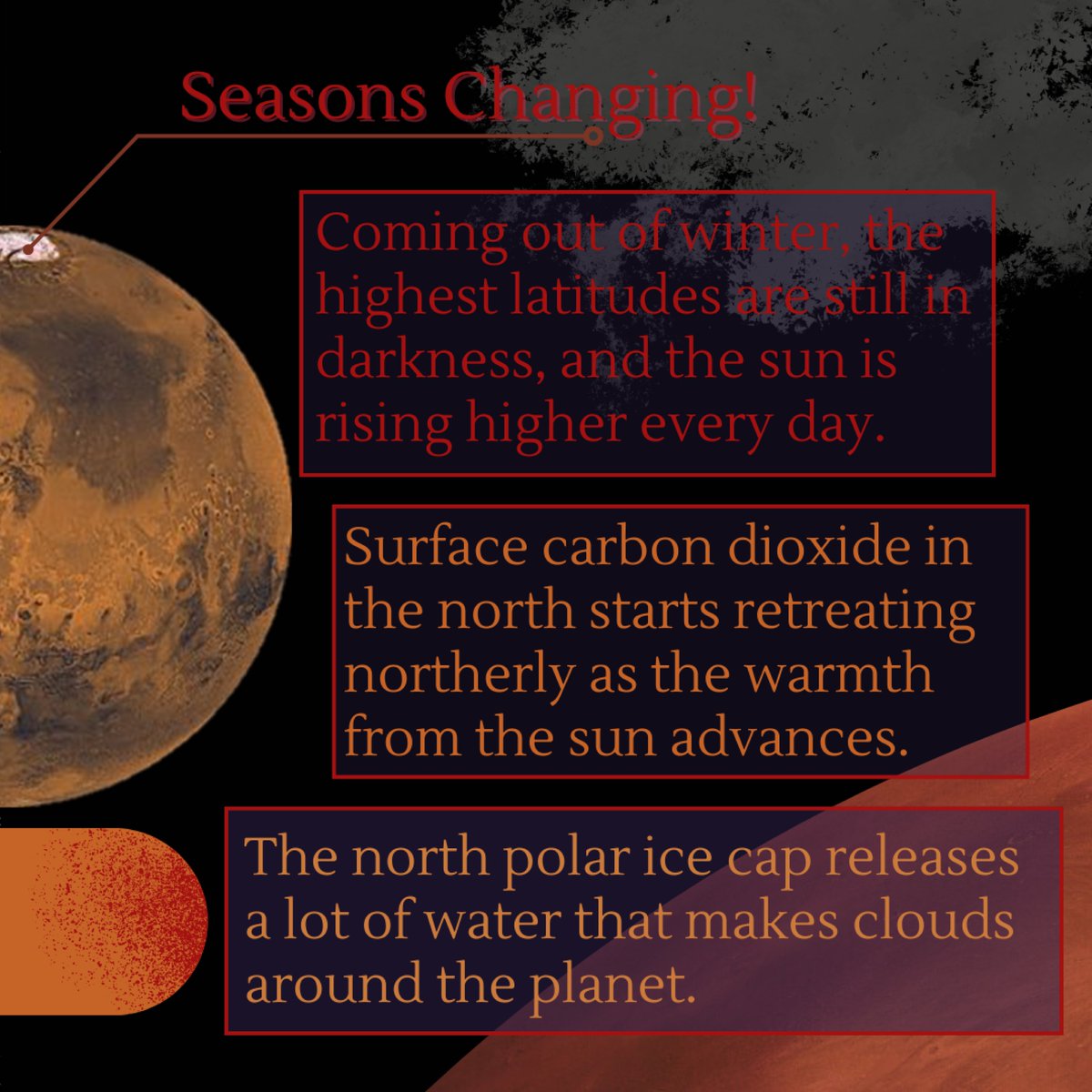
ALT Image of Mars on the left with foreground text that reads "Seasons changing, coming out of winter, the highest latitudes are still in darkness and the sun is rising higher every day. Surface carbon dioxide in the north starts retreating northerly as the warmth from the sun advances. The north polar cap releases a lot of water that makes clouds around the planet"