
Founder Myfundbazaar
Joined August 2009
- Tweets 2,077
- Following 998
- Followers 189
- Likes 4,285
24 Photos and videos









Vinit khandare retweeted

Wishing everyone a very happy Ram Navami. May His divine blessings continue to guide us!
@srgfconnect @VGK_India @UmaSudhindra @Vinitkz @varunkhandare

1
2
31
Vinit khandare retweeted
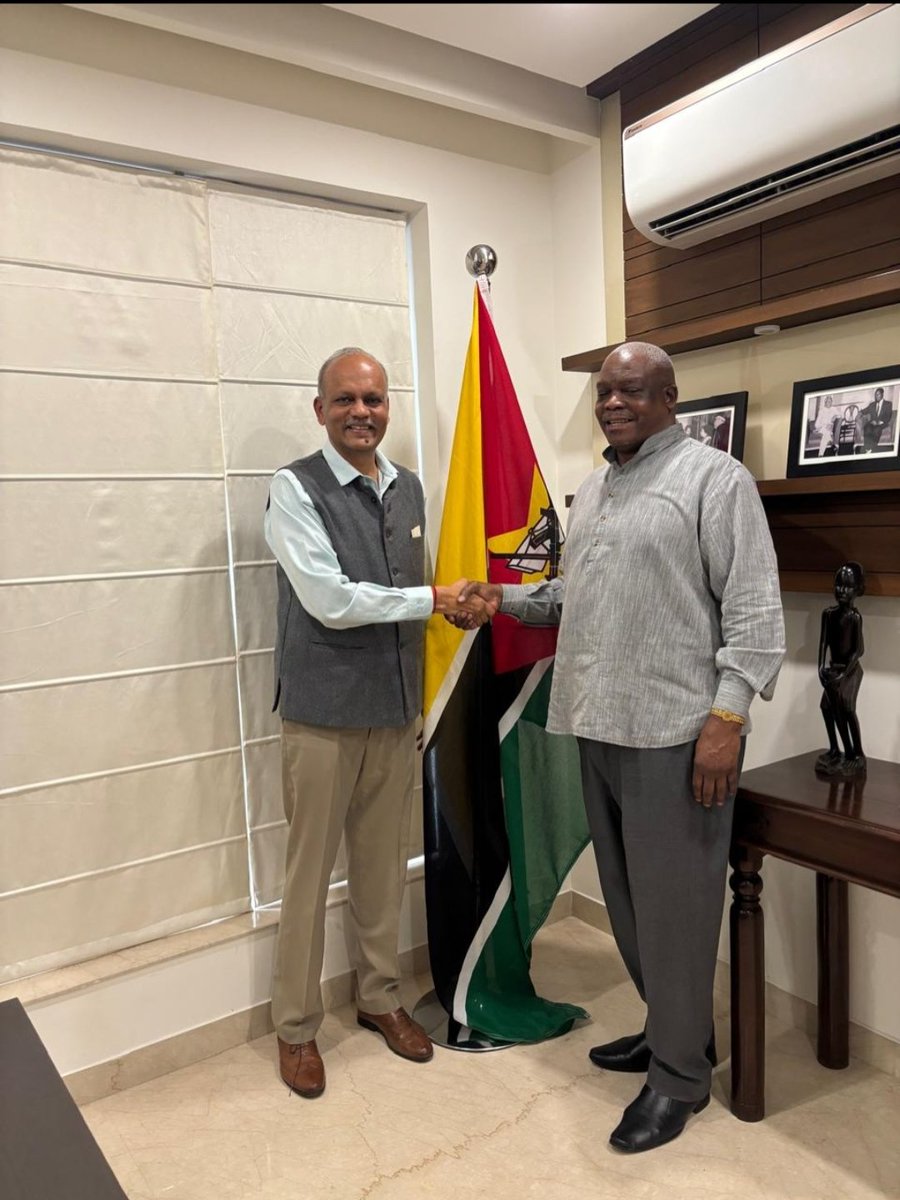
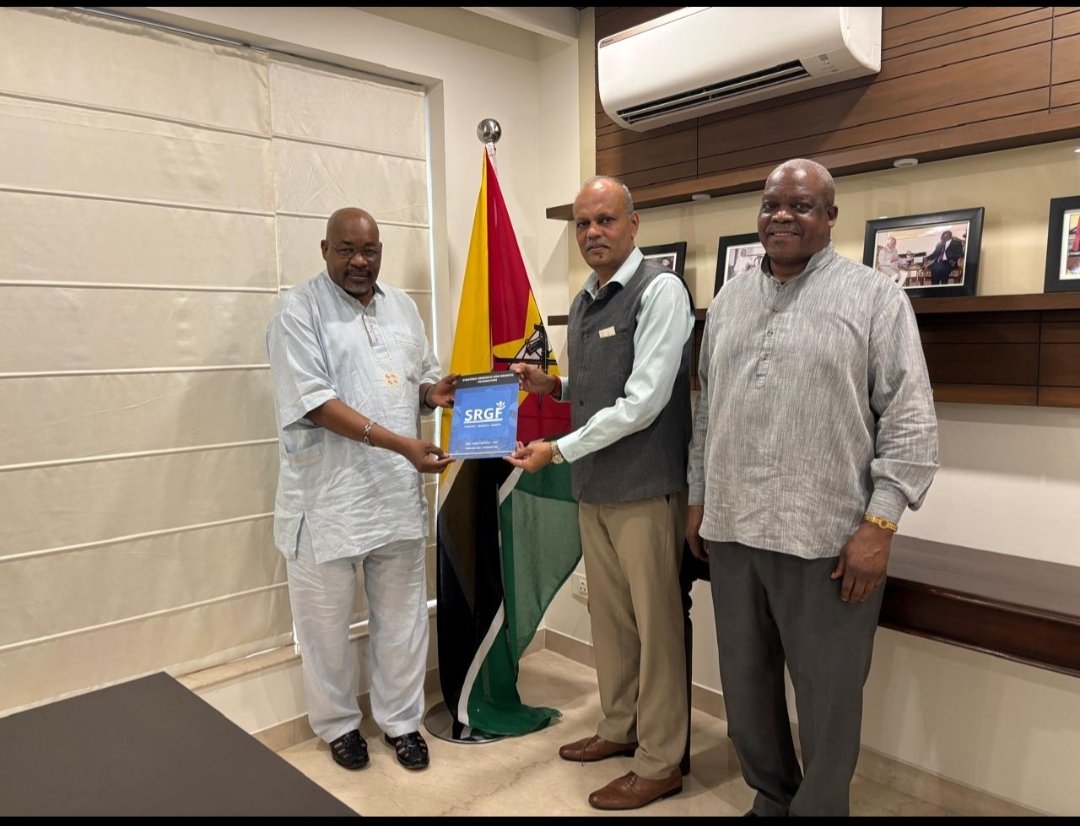
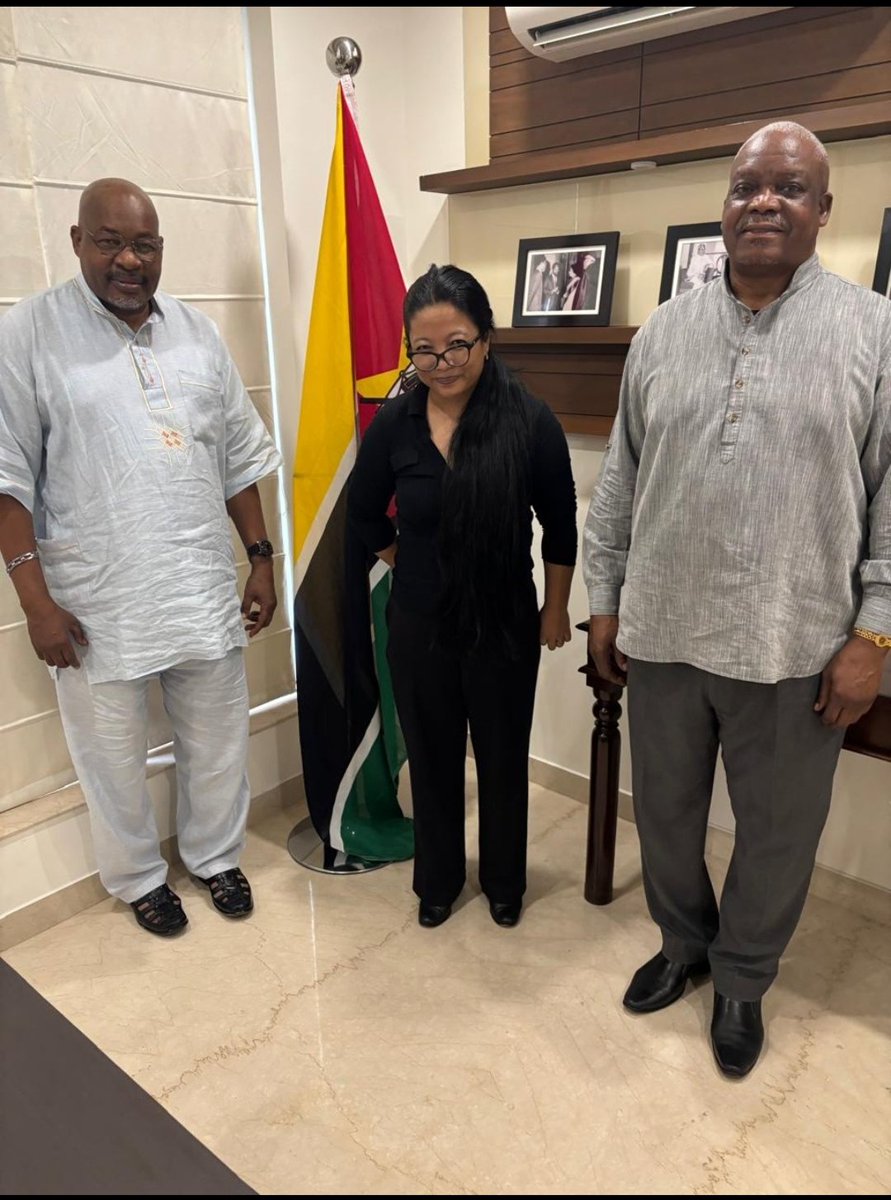
@srgfconnect & Mozambique High Commission explore opportunities. Gen A Kashid & Ms Wanda Ritse of SRGF & Mr Izidio Rafael Assamundine, First Secy & Col Luis Macuacua, DA of Mozambique met to discuss collaborations in various fields.
#Mozambique #bilateral #partnerships
3
3
54
Vinit khandare retweeted

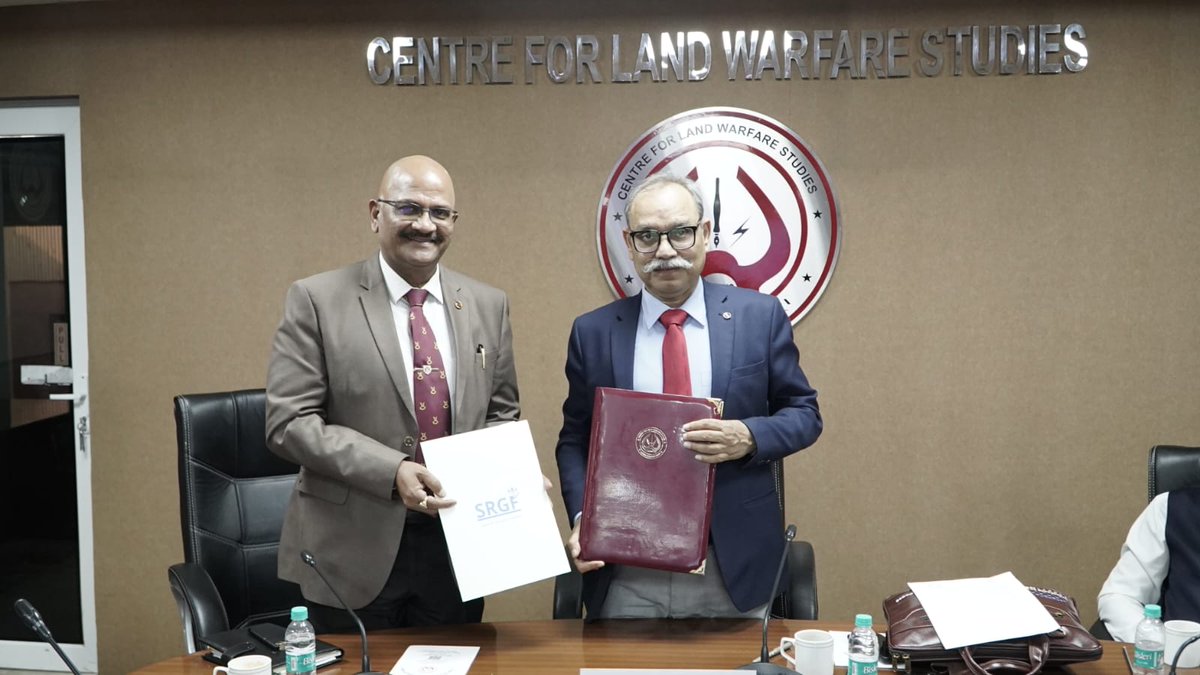
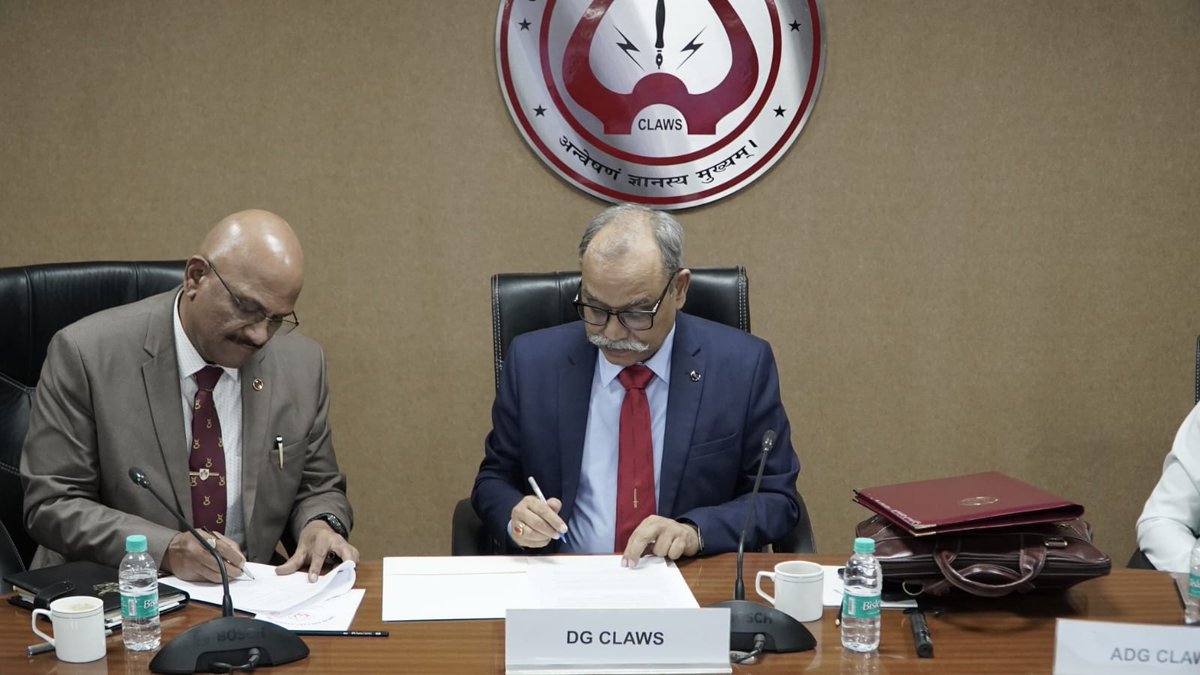
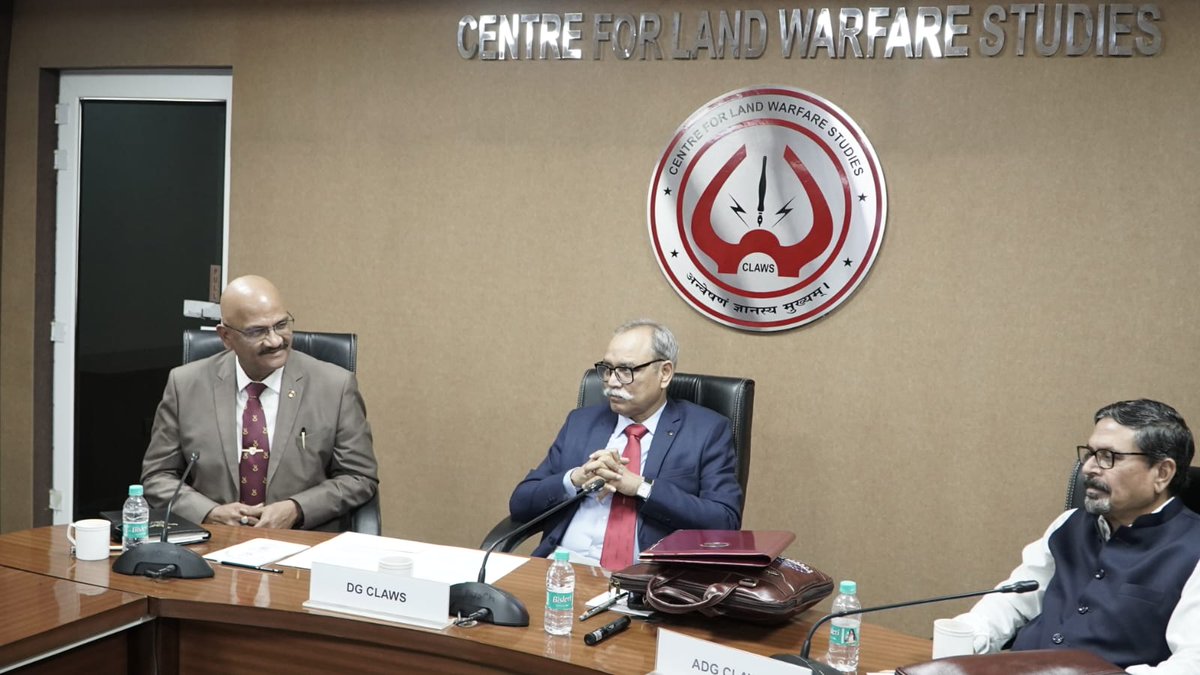
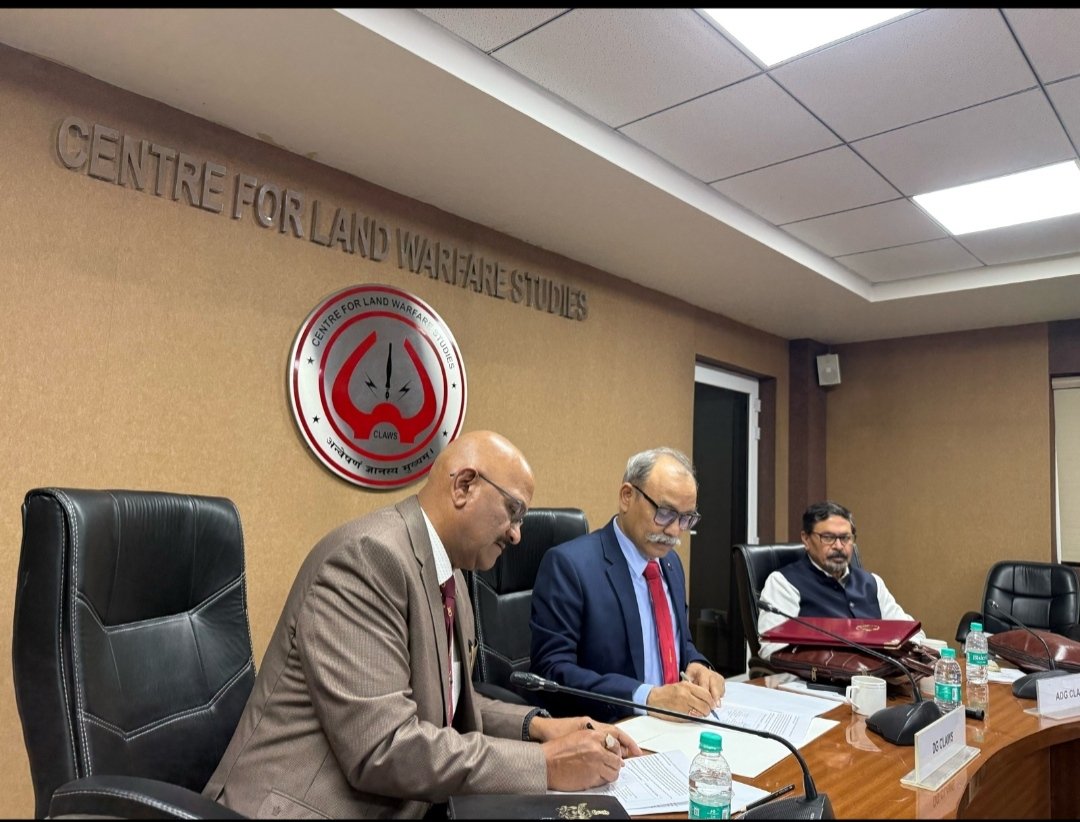
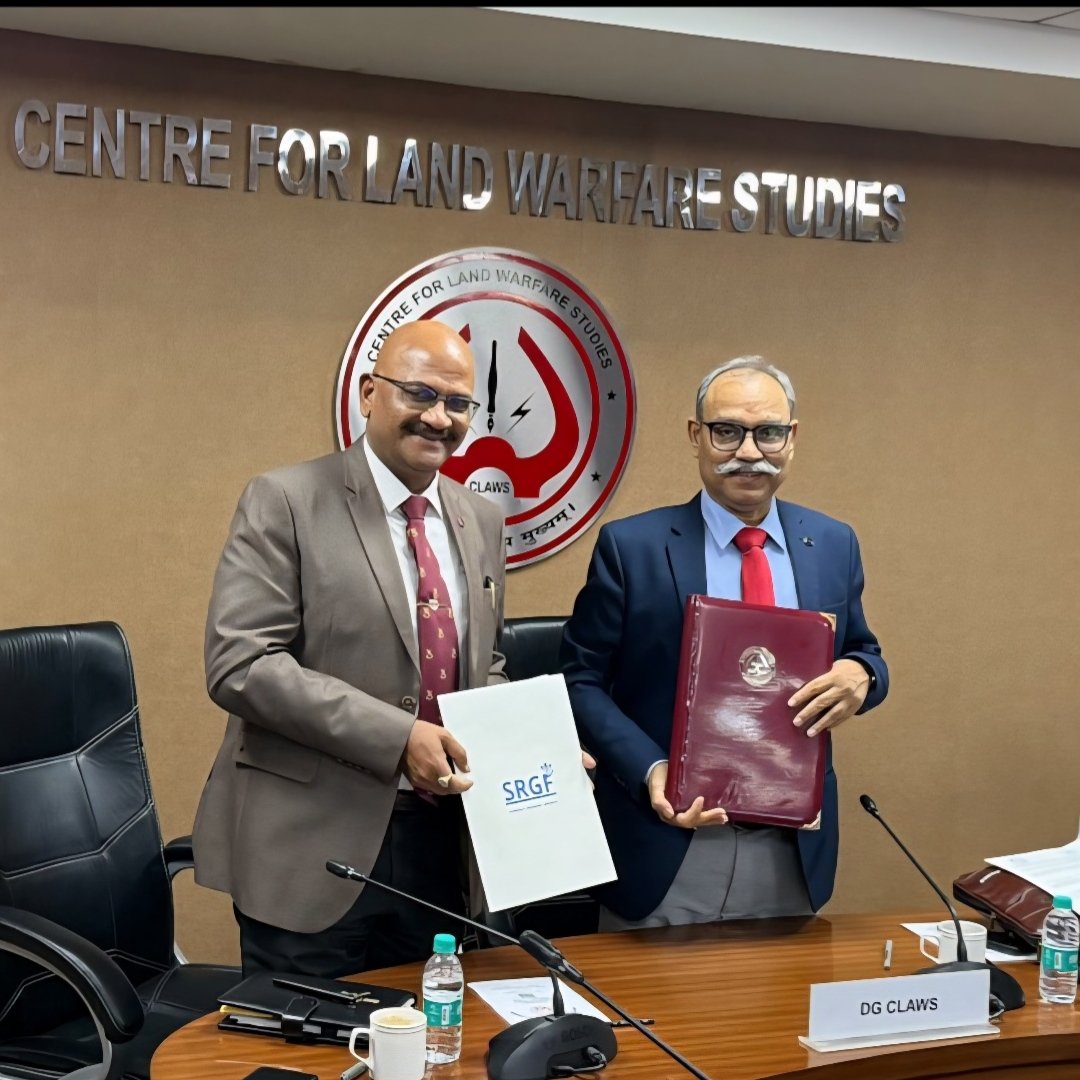
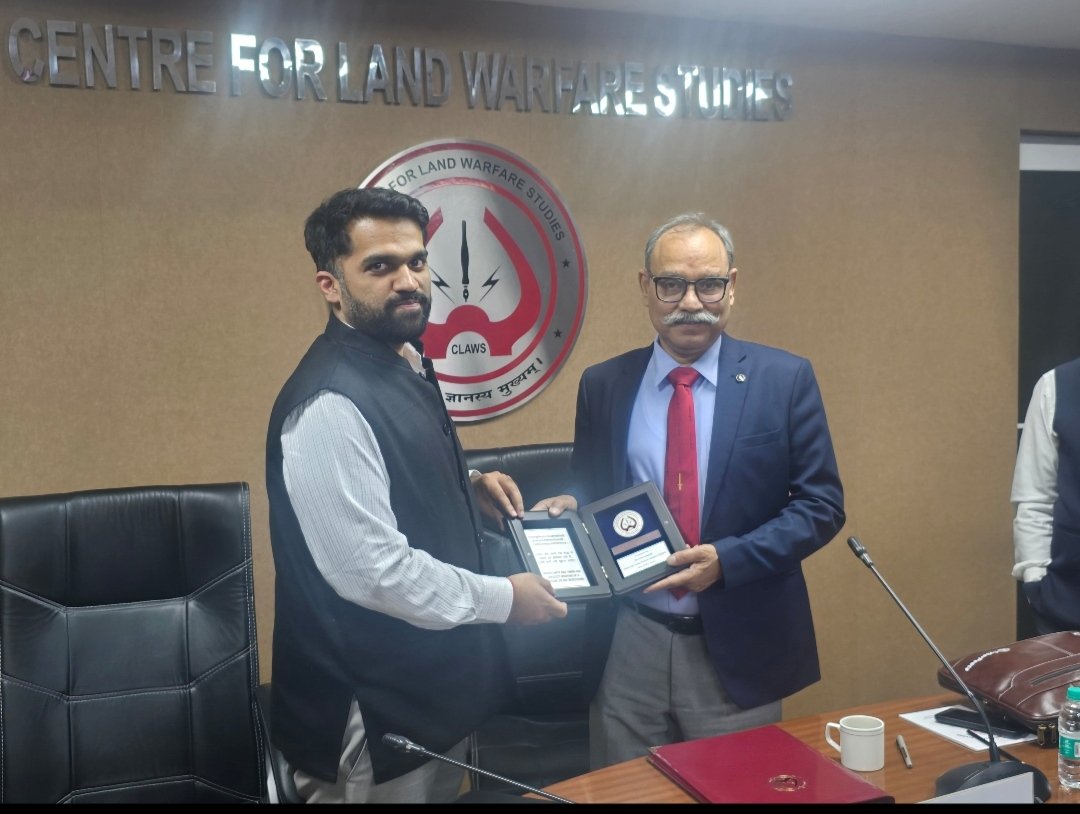
We are pleased to announce the signing of an MoU between @OfficialCLAWSIN & Strategic Research and Growth Foundation (SRGF) 🤝
SRGF, a Pune-based non-profit, works toward societal growth by fostering synergy among stakeholders for sustainable development.
Together, we aim to advance research, innovation & impact.
#MoUSigning #Collaboration #Research #Innovation
4
12
485
Vinit khandare retweeted
We are pleased to announce #SRGF & @OfficialCLAWSIN signed an MoU to collaborate on geopolitics & geoeconomics. From jt research to capacity building, this collab aims to bridge the gap between comprehensive #natsec & comprehensive #natpower🇮🇳
#StrategicAffairs #MoU #partnership
1
1
4
29
Vinit khandare retweeted
SRGF wishes everyone Happy Gudi Padwa and Ugadi to all! May this Chaitra Navratri bring peace and prosperity, wisdom and wellness to all. 🙏🌿🪷🌟🌞
#SRGF #festivalsofindia #celebrations
@Vinitkz @varunkhandare @VGK_India @UmaSudhindra

1
2
27
Vinit khandare retweeted
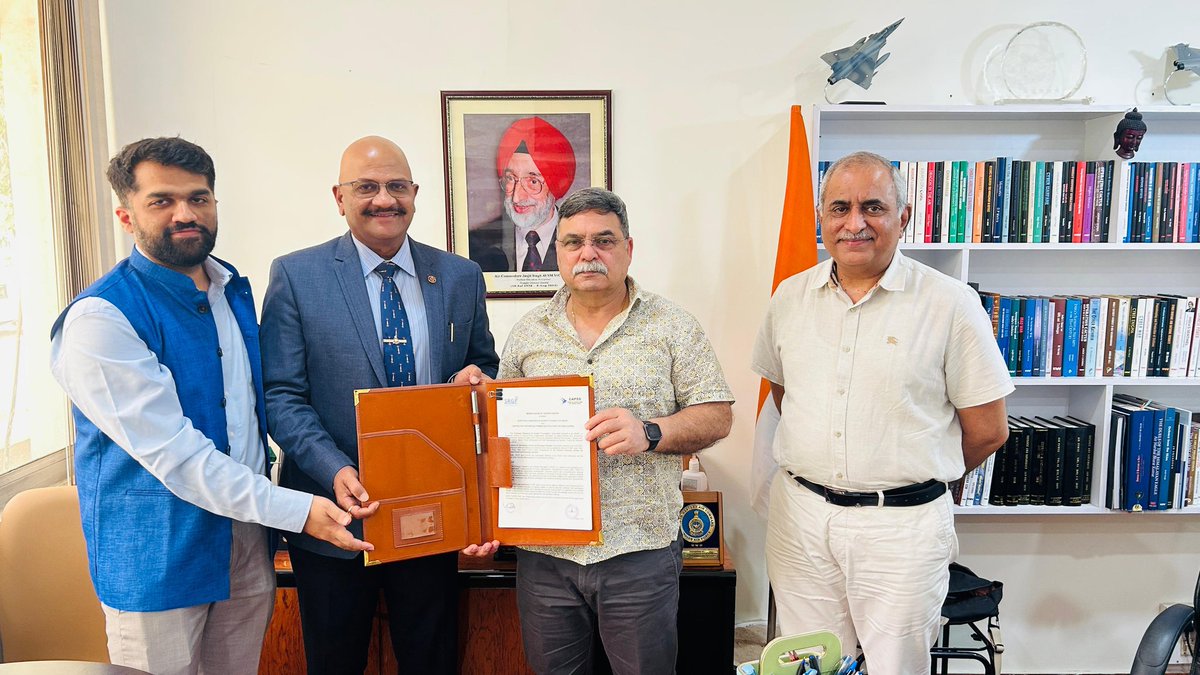
#SRGF is delighted to announce an MoU with @CAPS_INDIA. Driven by a shared commitment to strengthening 🇮🇳's Comprehensive National Power #CNP, this partnership will work across a spectrum of areas.
@UmaSudhindra @varunkhandare
3
6
110



Vinit khandare retweeted

8 Nov 2025
Wonder if this is properly documented. Good case studies of on-the-ground administration and problem solving are rare. They would be very useful for teaching the next generation of officers.
8 Nov 2025

Rupees ₹1,977 crore!
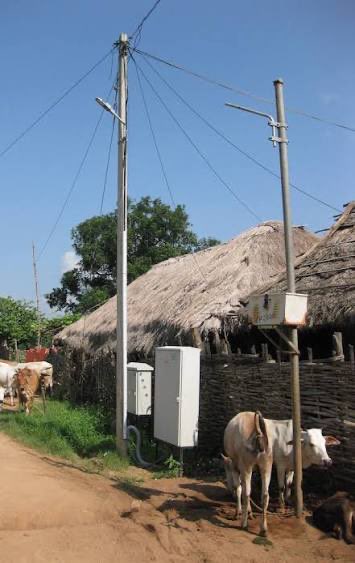
This was the amount pending for collection in the then Central Electricity Supply Utility of Odisha in 2019. I was the new CEO.
These arrears were mostly in rural areas. If staff went for disconnection, they were assaulted. Sometimes entire villages united and chased them away.
We decided to launch a disconnection drive and issued notices, giving defaulters two months to clear dues. Just before the drive, some local leaders urged villagers not to allow our teams inside. We were very anxious. But aborting the plan would have been a loss of face, both professionally and personally.
The outcome surprised everyone. In two months, we collected an unprecedented ₹240 crore. There wasn’t a single incident of assault or police case.
How was this possible? Because we structured the drive around a simple, universal human trait: jealousy.
People rarely oppose action against those who are better off than them. Often, they quietly welcome it.
Phase 1:
We announced that defaulting industries would be targeted first. There was a widespread misconception that industries were the big defaulters.
In reality, the industrial arrears were negligible. Most industries paid promptly. They couldn’t risk disconnection even for a day. But people loved this announcement. The media kept asking how many industries we had acted against.
Phase 2:
A week later, we declared that consumers with arrears above ₹50,000 would be targeted. Out of more than 50 lakh consumers, this group was just 10–20 thousand.
Most people were below this slab, so they felt safe and supportive.
Phase 3:
Next, we announced action against households with more than one AC, multi-storey houses, or cars. In rural Odisha, very few households fit that description, and those who did were usually envied.
Instead of resistance, there was visible enthusiasm. When our teams reached, there was zero opposition. After all, who doesn’t secretly enjoy watching a wealthy neighbour face heat?
Phase 4 and 5:
By then, momentum was strong. The next phases targeted arrears above ₹20,000 and finally everyone left from the earlier phases.
When we reached the lowest category, the largest in number, there was still no resistance. The campaign had gained momentum. Those targeted in the earlier phases supported us. The narrative had shifted, and the drive rolled smoothly.
The huge revenue flow transformed our balance sheet, which showed no loss for the first time in the utility’s history.
48
248
2,179
133,588
Vinit khandare retweeted

22 Oct 2025
Deindustrializing Germany: The Silent Coup of Brussels, Washington & the War Economy
Germany’s collapse is no longer a distant warning it is unfolding in real time on the factory floors of Wolfsburg. Volkswagen, the crown jewel of Europe’s manufacturing prowess, is preparing to halt production of its flagship models, the Golf and the Tiguan, as semiconductor shortages choke the assembly line.
But this isn’t a routine supply chain hiccup. It’s the culmination of years of geopolitical hubris, energy mismanagement, and suicidal policy alignment between Berlin, Brussels, and Washington.
According to reports the crisis began when the Dutch government acting under U.S. pressure seized control of Nexperia, a semiconductor manufacturer owned by China’s Wingtech Group. Washington’s ongoing campaign to isolate Beijing from critical technology cascaded through Europe, and The Hague dutifully complied.
In response, China retaliated by banning exports of essential components, effectively freezing Nexperia’s chip production. The result being that Europe’s automotive lifeline was severed at its source. Nexperia’s chips feed not directly into Volkswagen, but through hundreds of German suppliers whose components now sit idle.
The ripple effect is devastating not only for VW but for the entire industrial ecosystem that sustains Germany’s economic identity.
For Volkswagen, this comes at the worst possible moment. The company is battling falling sales in China, weakening demand in the United States, and soaring costs from the forced march toward electric vehicles.
Chief Financial Officer Arno Antlitz recently warned that the automaker needs €11 billion next year just to maintain its investment cycle. A production stop now threatens to derail the entire operation. Yet, beneath the surface of supply bottlenecks lies a deeper truth: this is an economic collapse engineered by design, not by fate.
Germany’s industrial might was built on equilibrium cheap Russian energy, Chinese technology partnerships, and an export-driven alliance with global markets. That balance has been obliterated. The destruction of the Nord Stream pipeline symbolized not just an energy loss but the severing of Germany’s independence.
The same transatlantic establishment that preached “European unity” presided over the dismantling of its most productive economy.
Brussels, led by Ursula von der Leyen, cheered on sanctions that crippled energy-intensive industries. NATO demanded total alignment on Ukraine, even as factories went dark and inflation surged. Now, with energy prices unlivable and production margins crushed, Germany is being hollowed out in the name of ideology.
Friedrich Merz’s call for a €500 billion rescue package rings hollow. His own party helped craft the very policies that made industry unviable green levies, bureaucratic overreach, gas rationing, and endless war spending.
The so-called “sick man of Europe” isn’t suffering from inefficiency anymore; it’s bleeding from self-inflicted wounds. German steel production has plunged 12 percent, and the auto sector produces two million fewer vehicles than it did in 2017. Yet, instead of course correction, Berlin remains muzzled while Washington reindustrializes under the Inflation Reduction Act, luring away Europe’s capital and talent.
In North Rhine-Westphalia, the revolt is already visible. The AfD’s surge isn’t just populism it’s economic realism. Ordinary Germans now see what went wrong. Their factories didn’t fail because of Russia. They failed because of Brussels, Berlin, and the blind obedience to Washington’s playbook.
Germany’s fall is not an accident it’s the logical outcome of policies that sacrificed sovereignty on the altar of geopolitics. As Volkswagen’s assembly lines fall silent, so too does the myth of European unity.
As VW plans to cut jobs across the chain. What remains is a sobering truth: the engine of Europe has stalled, and it was pushed off the cliff by its own hands.
29
243
820
113,841
Vinit khandare retweeted
SRGF wishes everyone a very Happy #Diwali! 🪔✨ May the festival of lights bring joy, prosperity, and inspiration for brighter journeys ahead!
1
2
48
Vinit khandare retweeted
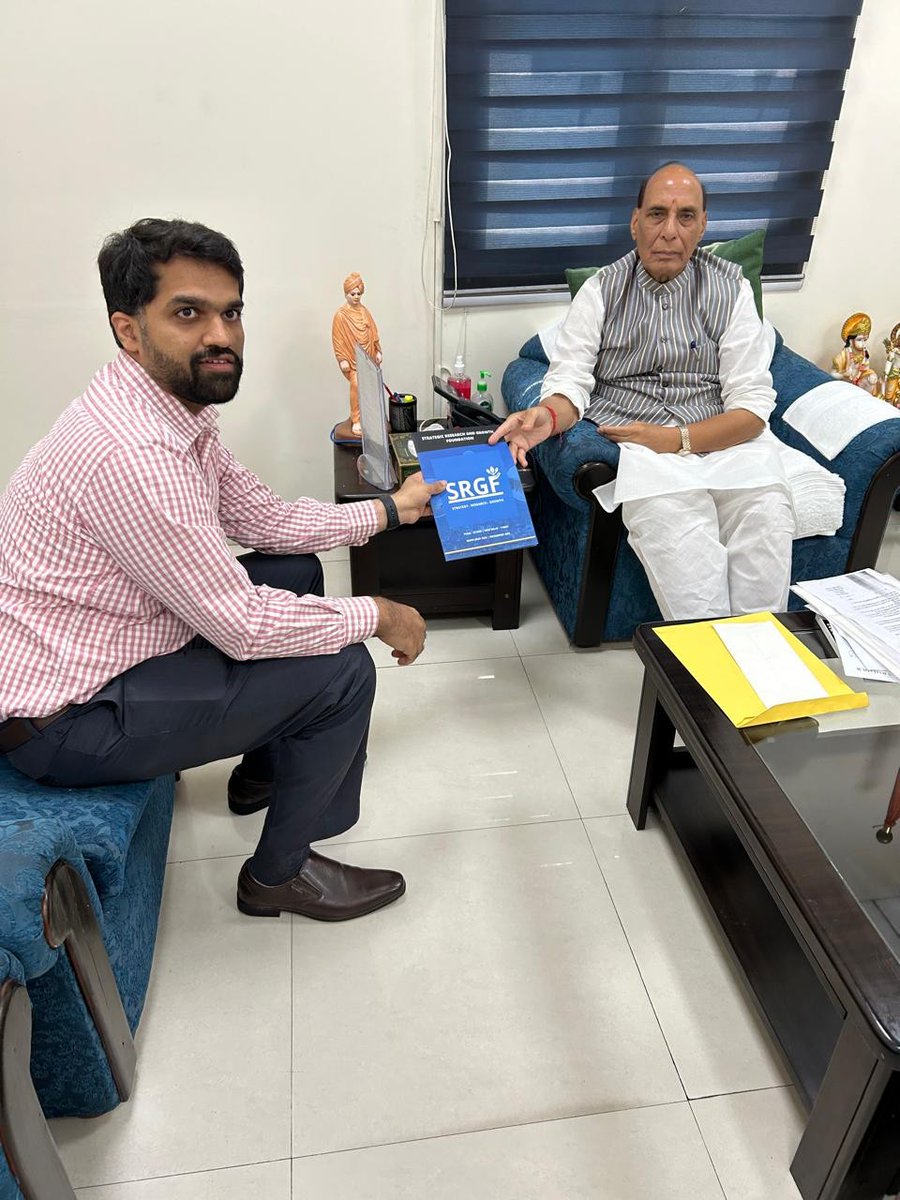
Proud to present SRGF’s work to Shri @rajnathsingh , Honourable Raksha Mantri of India.
Our Founder Director, Mr Vinit Khandare, briefed him on SRGF’s initiatives in defence innovation, deep tech & emerging technologies driving #AatmanirbharBharat #DefenceInnovation
@Vinitkz
43
5
68
916
Vinit khandare retweeted

13 Sep 2025
While our international funds in India take limited subscriptions, one less known fund from us that provides 70-30 India-US exposure is Edelweiss Tech Fund (not Edelweiss US Tech Fund). A fund that has completed 1 year plus and blends traditional IT services, with new age local digital and innovation ideas, as well as leading US tech plays. And while track record is only a year, has started well!
Details and disclaimer: edelweissmf.com/types-of-mut…
13 Sep 2025

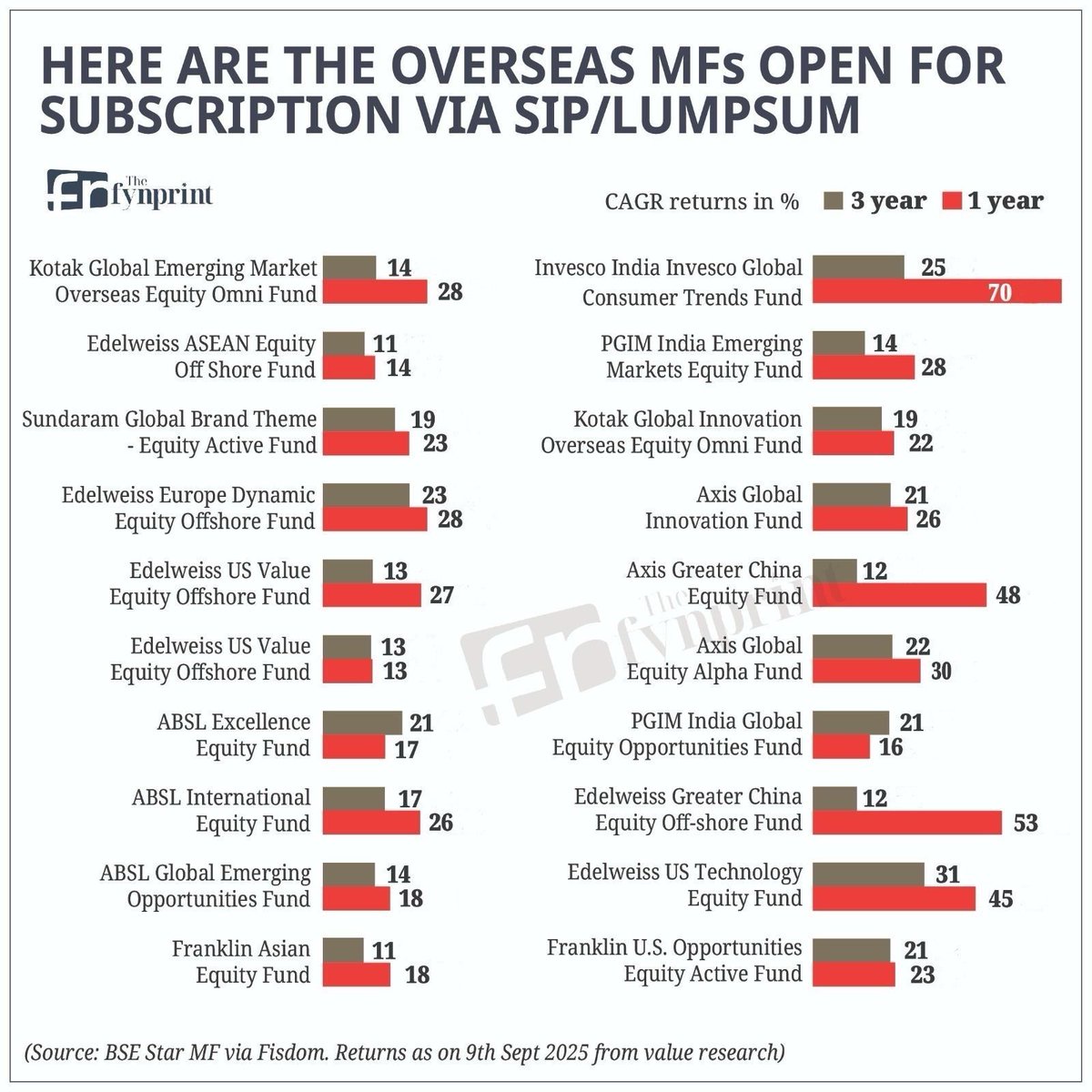
Which overseas funds are open? @PosteAnil gives you a list. thefynprint.com/ARTiqZqh4
Mixed funds like Parag Parikh Flexicap are also open. These don't close but deploy fresh money only in domestic stocks. You can
1) Open a broking account in the US
2) Invest in a GIFT city fund
27
49
378
77,955
Vinit khandare retweeted

8 Sep 2025
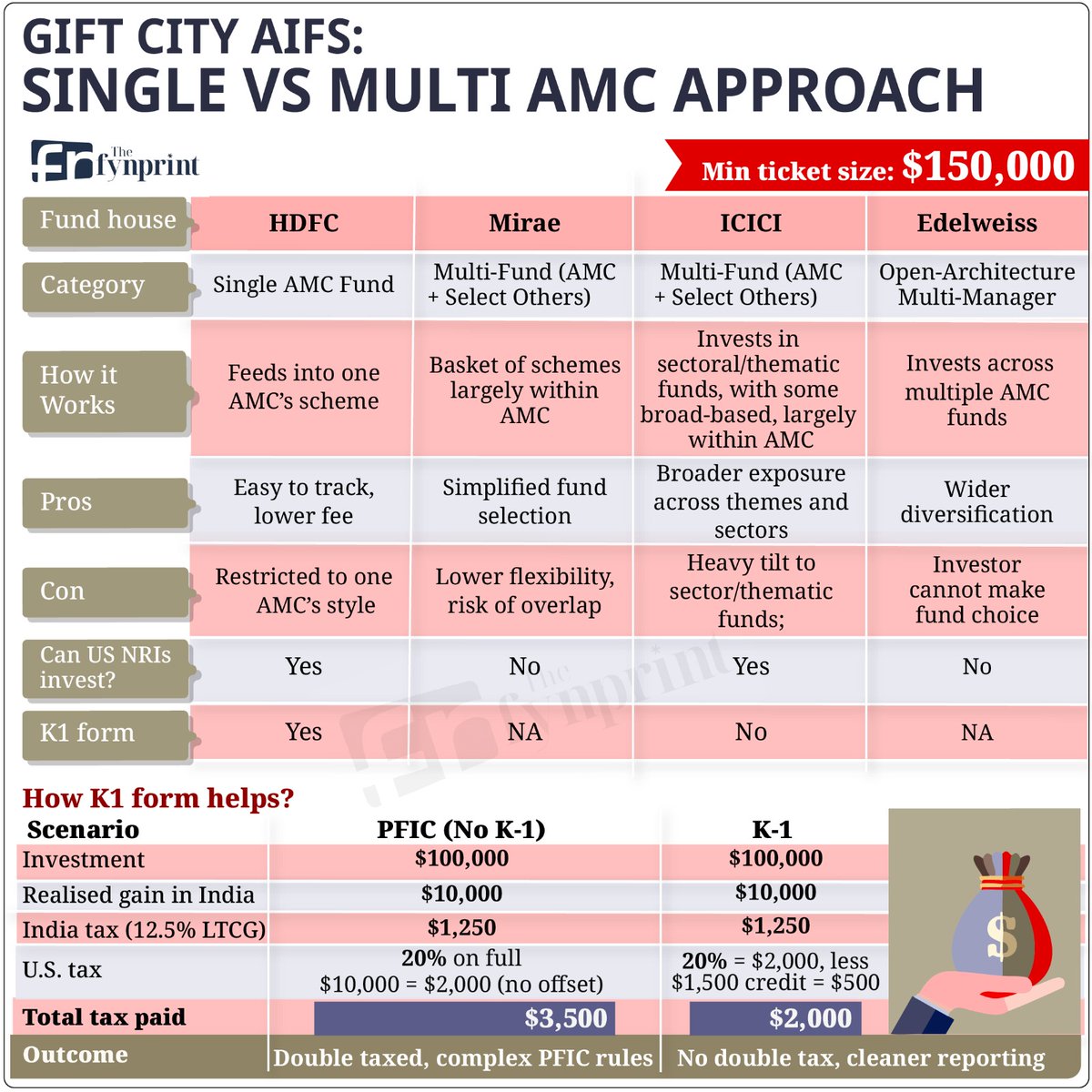
GIFT is opening doors to India. Different AMCs, different routes. AIFs feeding in:
1) Single fund
2) Multiple funds, same AMC
3) Multiple funds, multiple AMCs (open plan).
Last is smartest. Rebalancing with no constraints and no tax.
Story by @PosteAnil thefynprint.com/gIyH4M1Fd
23
68
396
74,832
Vinit khandare retweeted
9 Sep 2025
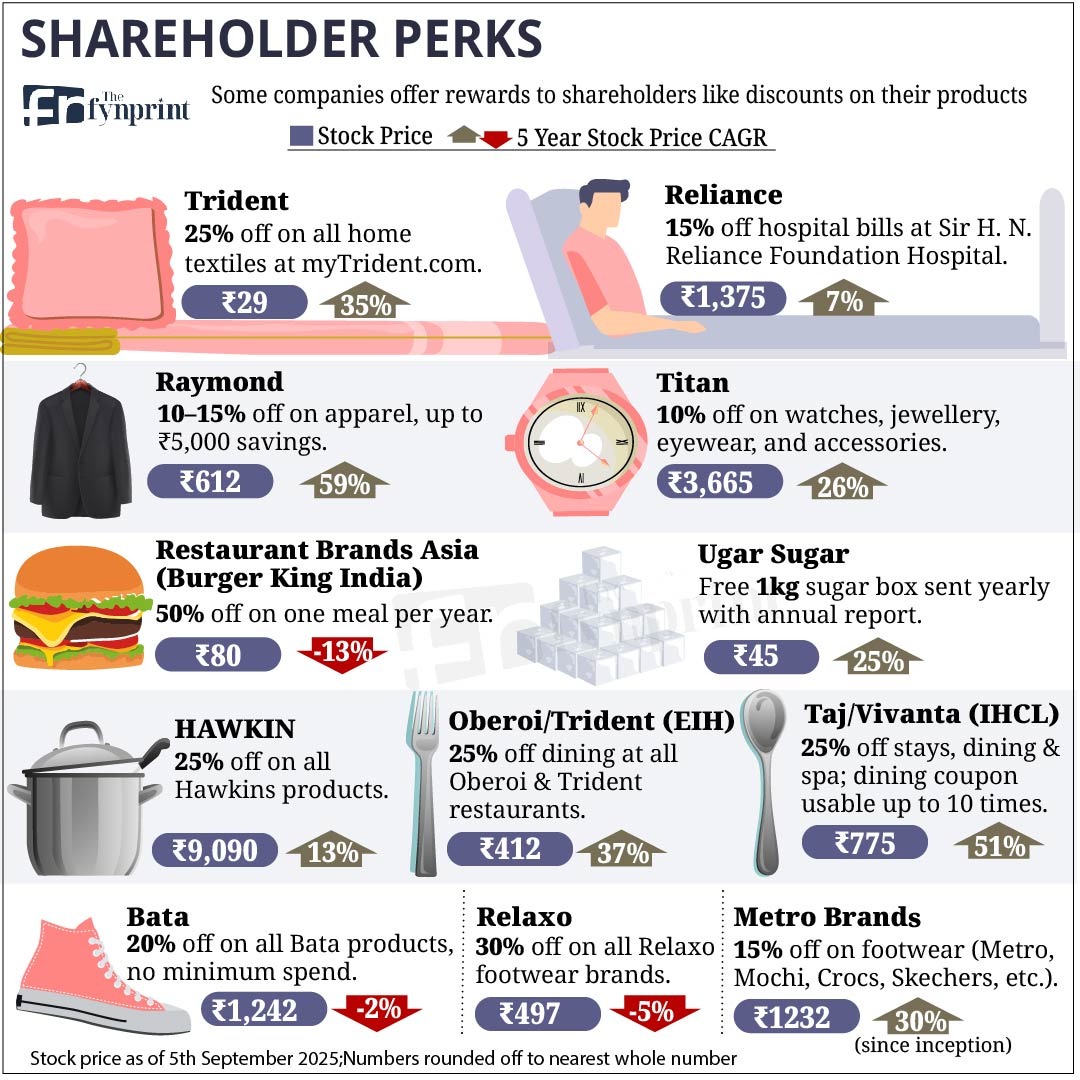
Some shares get you additional perks. Don't invest for them, but if you're investing anyway they are a nice benefit to enjoy. Follow @thefynprint for more such updates
51
194
1,489
148,006
Vinit khandare retweeted

21 Aug 2025
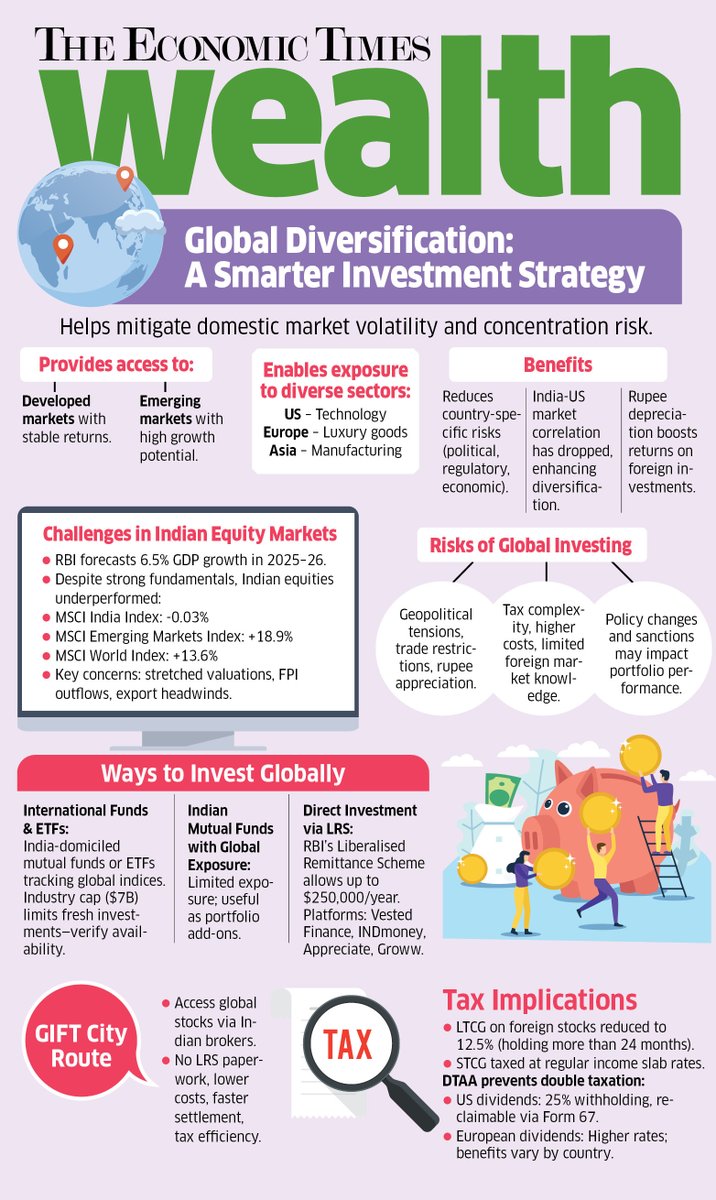
While Indian markets have delivered flat returns this year, global markets are up 13-19%.
Time to think beyond home turf.
You can invest globally through international mutual funds, LRS (up to $2,50,000/year), or GIFT City route. Diversification isn't just smart—it's essential.
Great guide by @SameerBhardwaj in this week's @ET_Wealth
3
30
222
26,328
Vinit khandare retweeted

16 Aug 2025
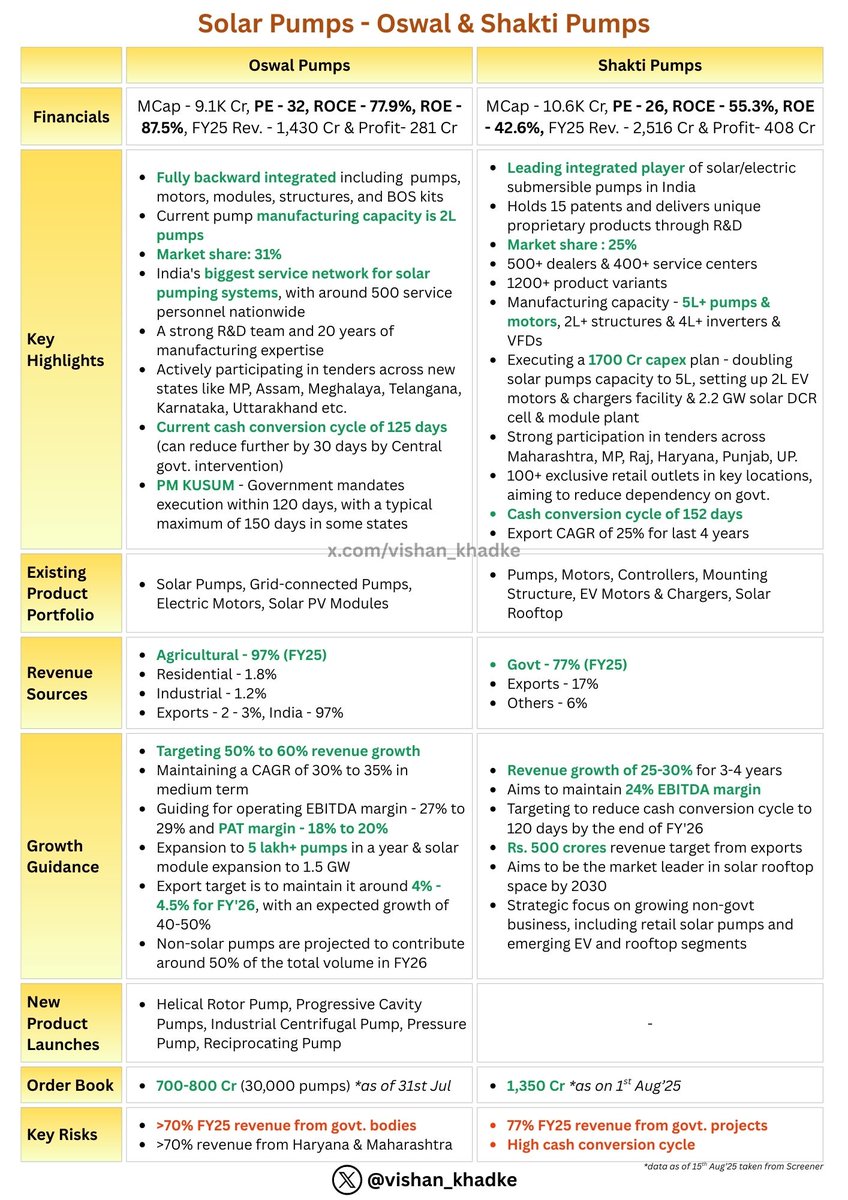
Solar Pumps - Shakti vs Oswal Pumps Comparative Analysis 🔥🔥
Do follow @vishan_khadke for more such analysis.
Read the complete analysis below 👇
🟩 Market Opportunity
• 3.6L Cr potential in coming years in India 🔥
• Global solar pumps market to grow at 15.6% CAGR from 2024 to 2029 while Indian market to grow at 32.6% 🚀
🟩 Oswal Pumps
1. Strong Financial Performance
• Q1 Revenue: ₹5,139 Mn ( 36.8% YoY)
• Q1 EBITDA: ₹1,408 Mn ( 38.7% YoY) | Margin: 27.4%
• FY25 Revenue: ₹14,300 Mn ( 89% YoY)
• FY25 EBITDA: 4200 Mn ( 174.5% YoY) | Margin: 29.4%
• RoCE: 77.9% | RoE: 87.5%
• Net Debt/Equity: -0.01
• Cash Conversion cycle - 125 days
• Negative CFO
2. Operational & Market Leadership
• 31% market share
• Order book (Jul 31, 2025): 700-800 Cr
• Presence in major agri belts: Maharashtra (53% Q1 rev), Haryana, Punjab, Rajasthan, UP
3.Manufacturing & Integration Strength
• 2 large facilities:
> Pumps & Motors (Karnal, Haryana)
> Solar Modules (570 MW capacity)
• Fully vertically integrated – pumps, motors, solar panels, mounting structures & BoS kits
• Planned expansion: 1,500 MW solar module capacity, EVA manufacturing etc.
4. Distribution & Retail Growth
• 1.6K distributors across India
• “Oswal Shoppe” retail format – 320 stores operational
• Expanding into new states & reinforcing brand presence
5. Key Strengths
• 22 years in pumping solutions
• One of the fastest-growing vertically integrated solar pump manufacturers in India (58.3% revenue CAGR over last 4 years)
• Consistent high return ratios and profitability
🟩 Shakti Pumps
1. Financial Performance
• Q1 Revenue: ₹6,225 Mn ( 9.7% YoY)
• Q1 EBITDA: ₹1,436 Mn | Margin: 23.1%
• FY25 Revenue: ₹25,162 Mn ( 83.6% YoY)
• FY25 EBITDA: 6,030 Mn ( 168% YoY) | Margin: 24%
• RoCE: 55.3% | ROE: 42.6%
• Debt/Equity: 0.1x
• Cash conversion cycle - 152 days ‼️
• Positive CFO
2. Strong Order Book (as of 1 Aug 2025)
• Total: ~₹1,350 Cr
• Market Share - 25%
3. Capacity Expansion (Capex ₹1,700 Cr)
• Doubling pump, motor, VFD & solar structure capacity
• Setting up EV Motors/Chargers facility (Shakti EV Mobility)
• Establishing 2.2 GW Solar DCR Cell & PV Module plant in MP
4. Diversified Market Presence
• Export to 100 countries, 24.8% CAGR over FY21–25
• Strong domestic presence via govt., retail & industrial customers
5. Innovation & R&D
• 15 patents granted (29 filed)
• In-house manufacturing of key components
• Integrated solutions in solar pumps, EV drives & controllers, rooftop solar
6. New Growth Avenues
• Solar Rooftop (PM Surya Ghar scheme) – Target 1 crore households by 2027
• EV Segment – Motors, controllers, chargers; new patent on Permanent Magnet Rotor tech
• Expanding retail outlets (100 exclusive stores)
7. Strengths
• 40 years of industry experience
• Integrated and diversified product portfolio
‼️Key Risks - Both the companies have majority of their revenues coming from govt. projects
🟩 Conclusion
Oswal Pumps is doing great financially, executing well, and has a good growth forecast, but their portfolio is a bit focused, unlike Shakti Pumps. Given the solar pumps tailwinds, Oswal Pumps is a good pick.
No reco. Do your due diligence before investing.
If you liked the content, please Like | Repost | Share.
@AshishMeher7 @InvestmentVeda
#solarpumps #Shaktipumps #oswalpumps
30
59
345
95,914

Vinit khandare retweeted

10 Aug 2025
Celebrating #24YearsOfDilChahtaHai
#AamirKhan #SaifAliKhan #AkshayeKhanna @realpreityzinta @sonalikulkarni #DimpleKapadia @ritesh_sid #ZoyaAkhtar @Kagtireema @javedakhtarjadu @TheFarahKhan @ShankarEhsanLoy @dop007 @bbluntindia @J10kassim @vishalrr @excelmovies @TSeries
68
159
1,140
47,338

27 Jul 2025
This is new discovery for me right in my neighbourhood
26 Jul 2025

Finally, I managed to locate one of the #SmartCity infrastructure projects. It appears that the facility might have been handed over to @multifitgym Gym; a structure built using public funds, now seemingly run by a private entity.
In such cases, it is standard practice for the private company to offer a portion of their services like free memberships to local residents. If such a provision does not exist, the transaction raises serious concerns about transparency and public benefit. For instance, hospitals built on government land are typically required to reserve a quota for free or subsidized treatment.
I urge Baner residents to seek clarification:
•Is there a local quota for free or discounted gym memberships?
•If not, on what grounds was this public infrastructure handed over to a private company?
If answers aren’t forthcoming, it’s time to question the @PMCPune directly.
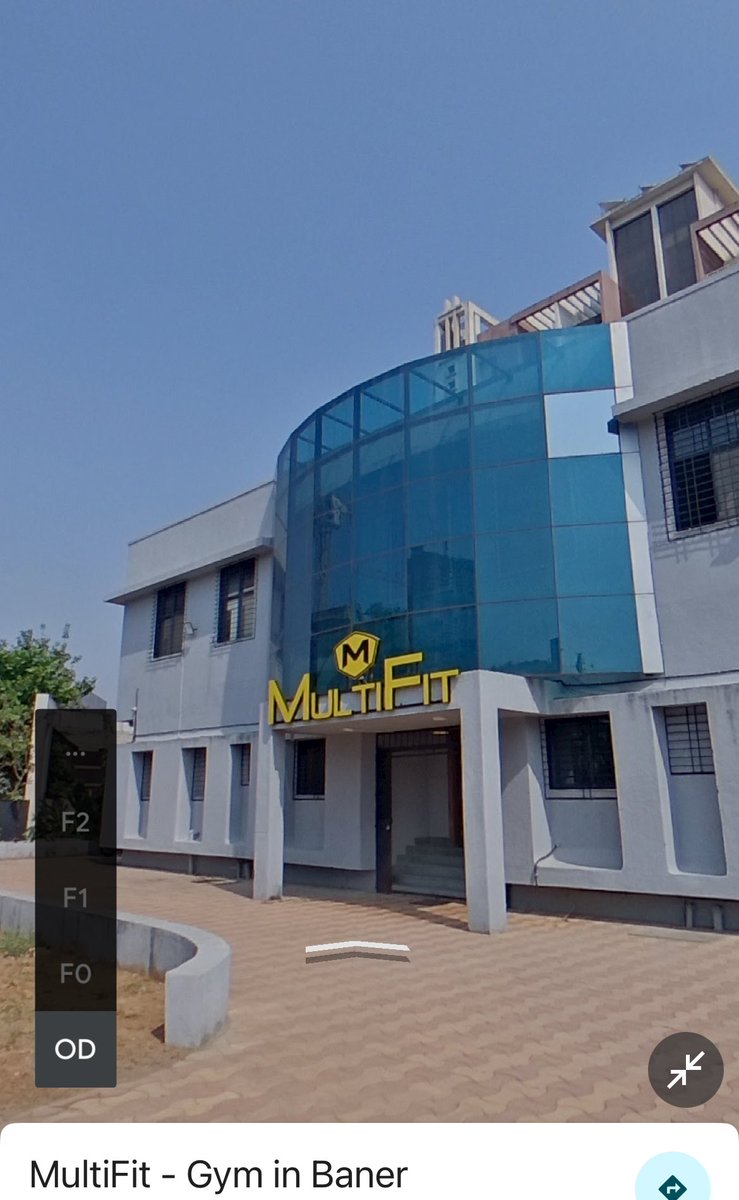
16
Vinit khandare retweeted

15 Jul 2025
This boy story will make you feel how lucky we are.
Boy turned into men🤝
91
1,541
12,662
243,506