Water Year 2023 Snow Drought Conditions Summary & Impacts in the West:
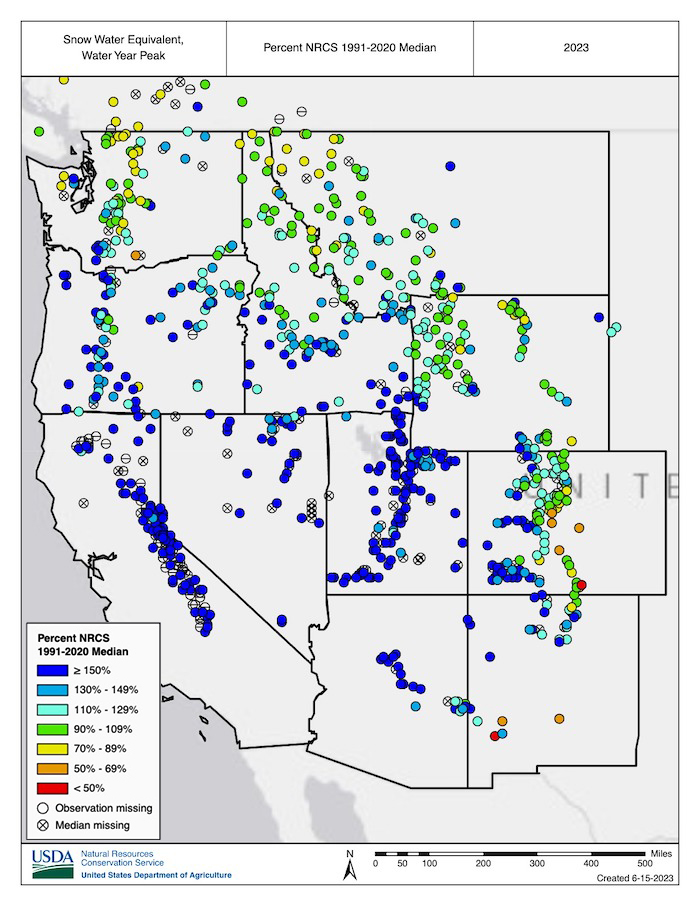
This year's snow season wiped away #drought in much of the West, except the Pacific Northwest
Read more ➡️ drought.gov/drought-status-u…
ALT A map of the Western U.S. showing SNOTEL snow water equivalent 2023 water year peak values as a percentage of the USDA Natural Resources Conservation Service 1991-2020 median. Many stations were well above values of 100%, with the exception of the Pacific Northwest and Northern Rockies.
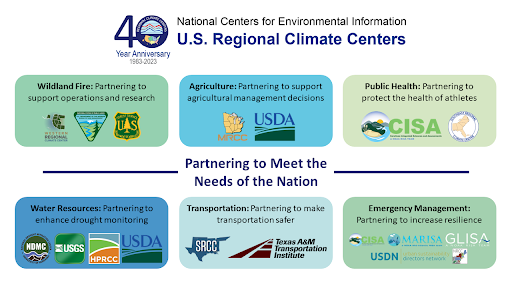
ALT Diagram showing examples of partnerships in selected sectors. There is a top row of boxes, and each box shows a sector, a short explanation of the importance of partnerships to that sector, and logos of programs corresponding to an example partnership within that sector. There is a header above the two rows of boxes and text between the two rows of boxes.
Interested in learning more about Evaporative Demand (i.e., atmospheric thirst)?
Check out this new 2-pager by @CnapRisa researchers about how it relates to drought and wildfire: cnap.ucsd.edu/wp-content/upl…
(1/2)
Also check out this new paper in @AMS_JHM led by @DRIScience researcher Dr. Christine Albano about trends in evaporative demand over the US and how they compare between different gridded data sets.
Enjoy!
journals.ametsoc.org/view/jo…
(2/2)
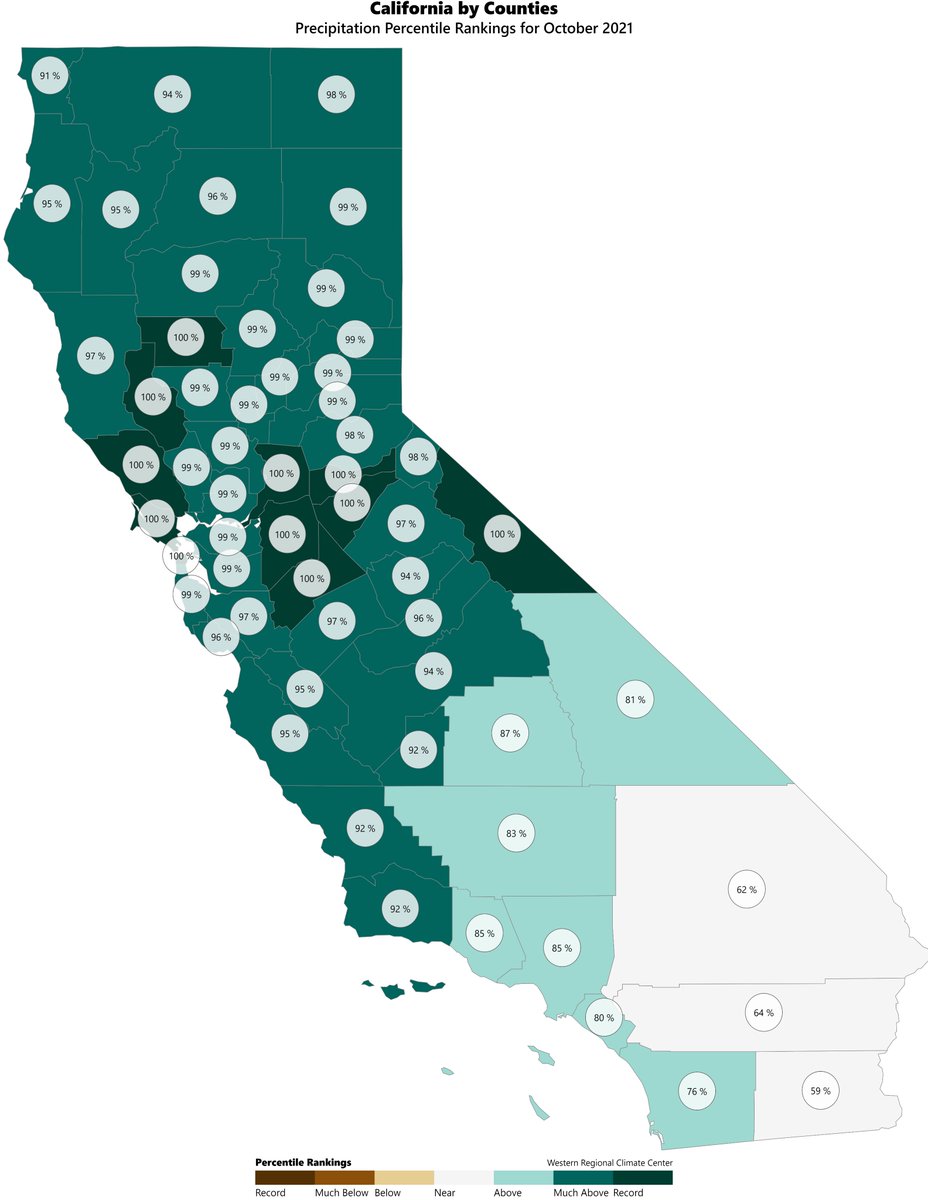
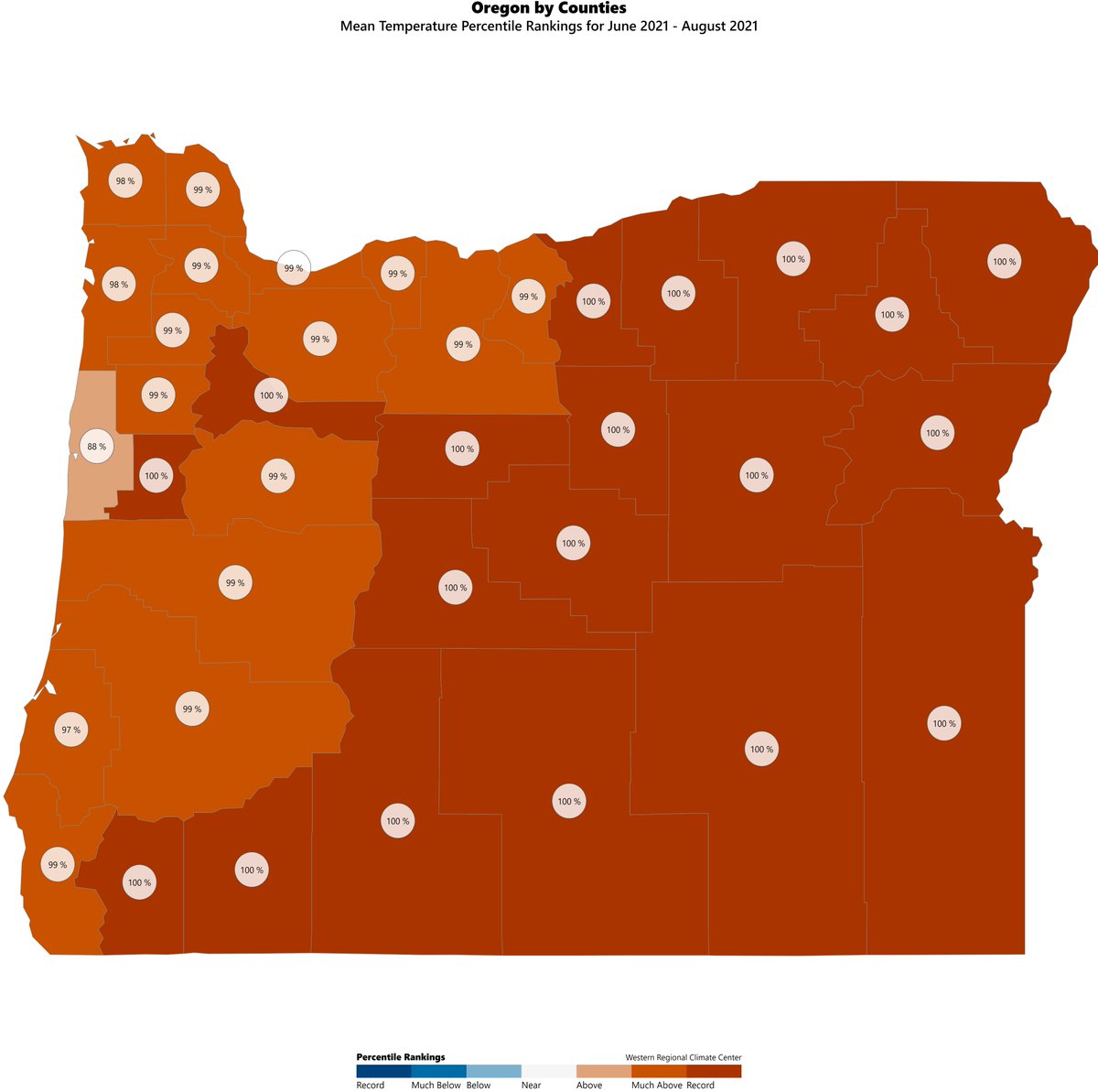
County-level maps and time series now available on our State Climate Trackers!
This tool provides choropleth maps and time series of climate summaries based on PRISM climate data for the Western states.
Check it out!
wrcc.dri.edu/my/climate/trac…
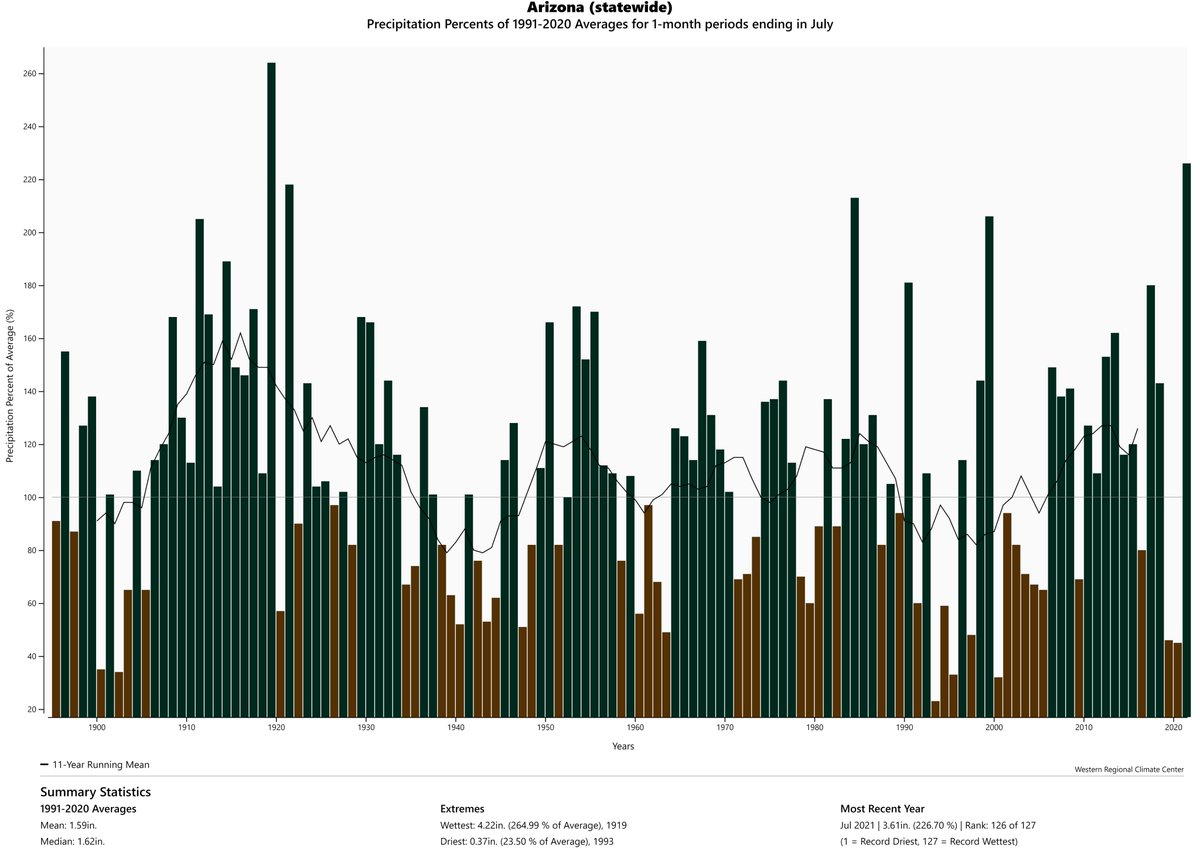
After two years in a row with a weak monsoon, July 2021 produced well above normal precipitation across Arizona. Gridded PRISM data from our state climate trackers show this July was the 2nd wettest on record statewide. 2020 and 2019 both <50% of ave.
wrcc.dri.edu/my/climate/trac…
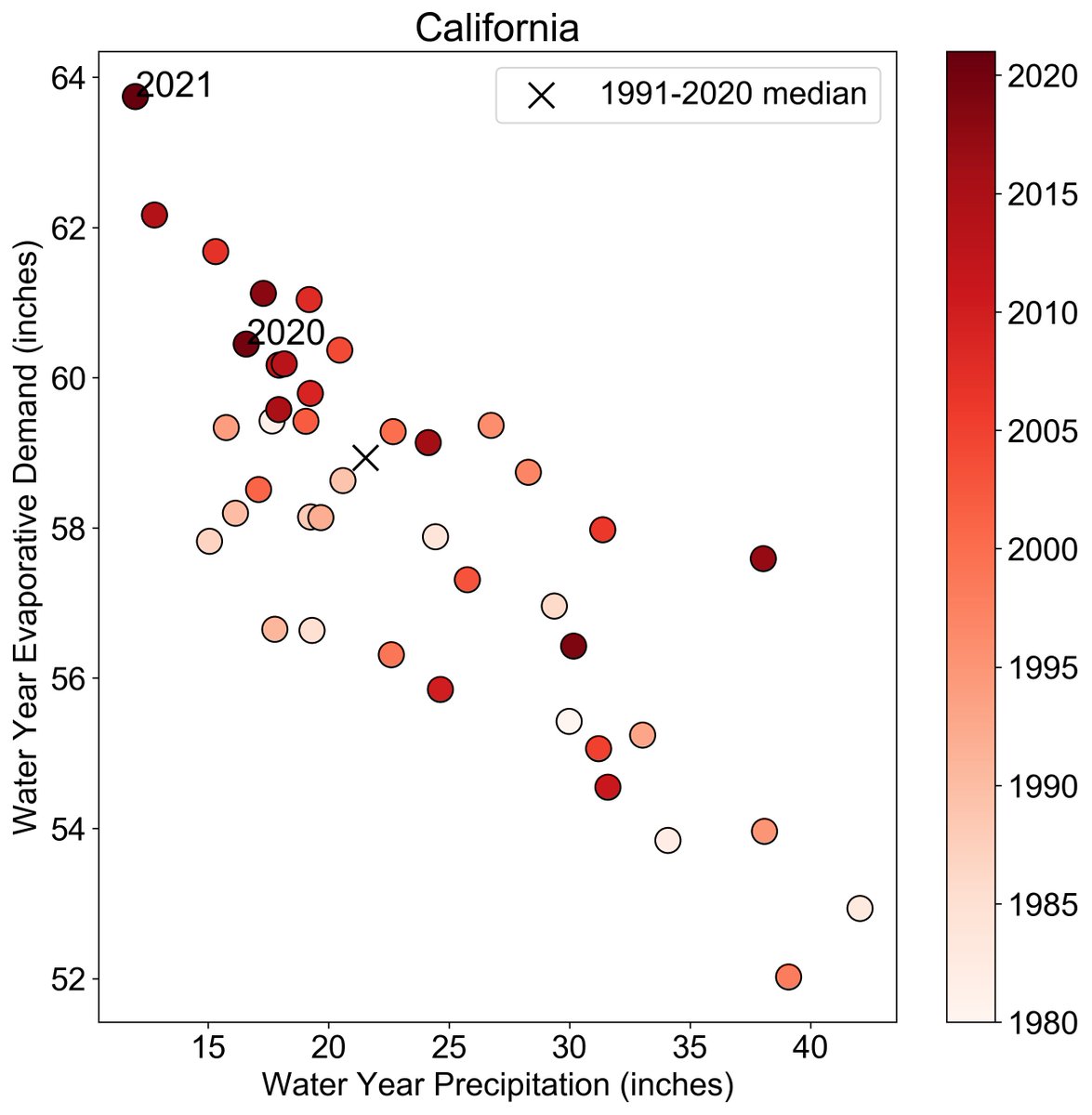
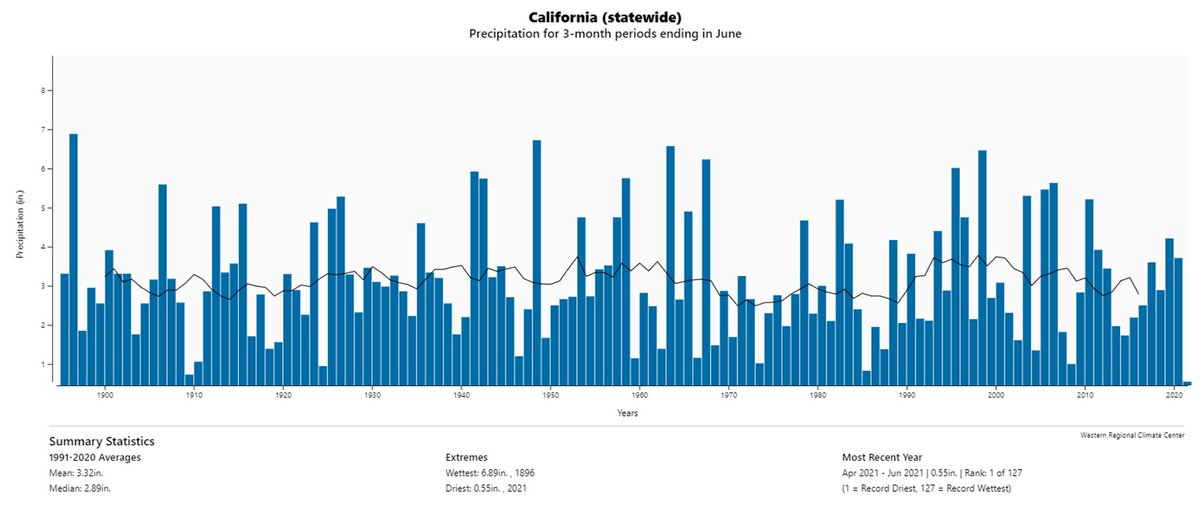
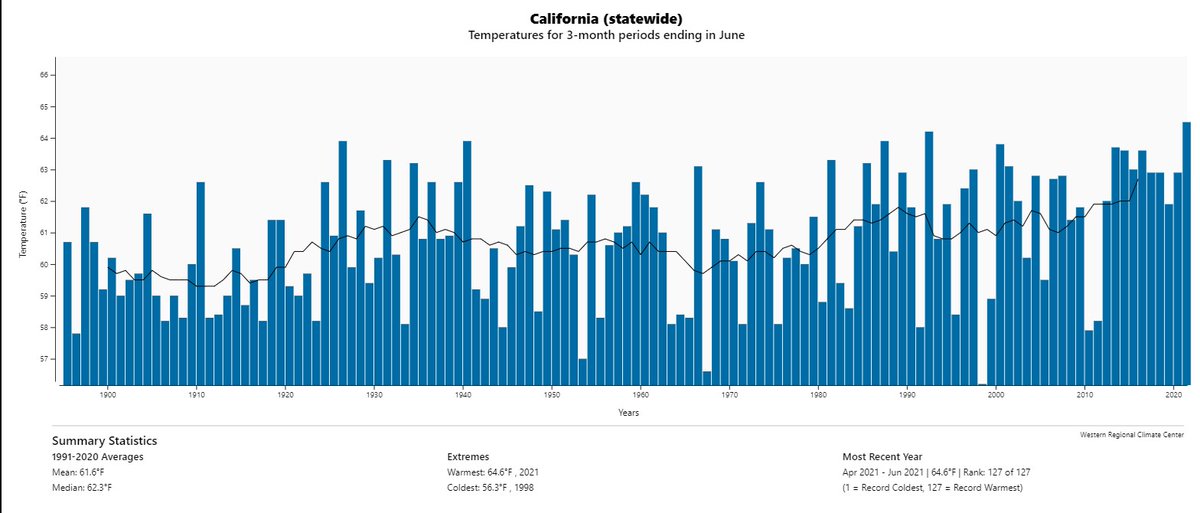
You can find these graphs for California and other western states using the WRCC state climate trackers!
Check it out here: wrcc.dri.edu/my/climate/trac…
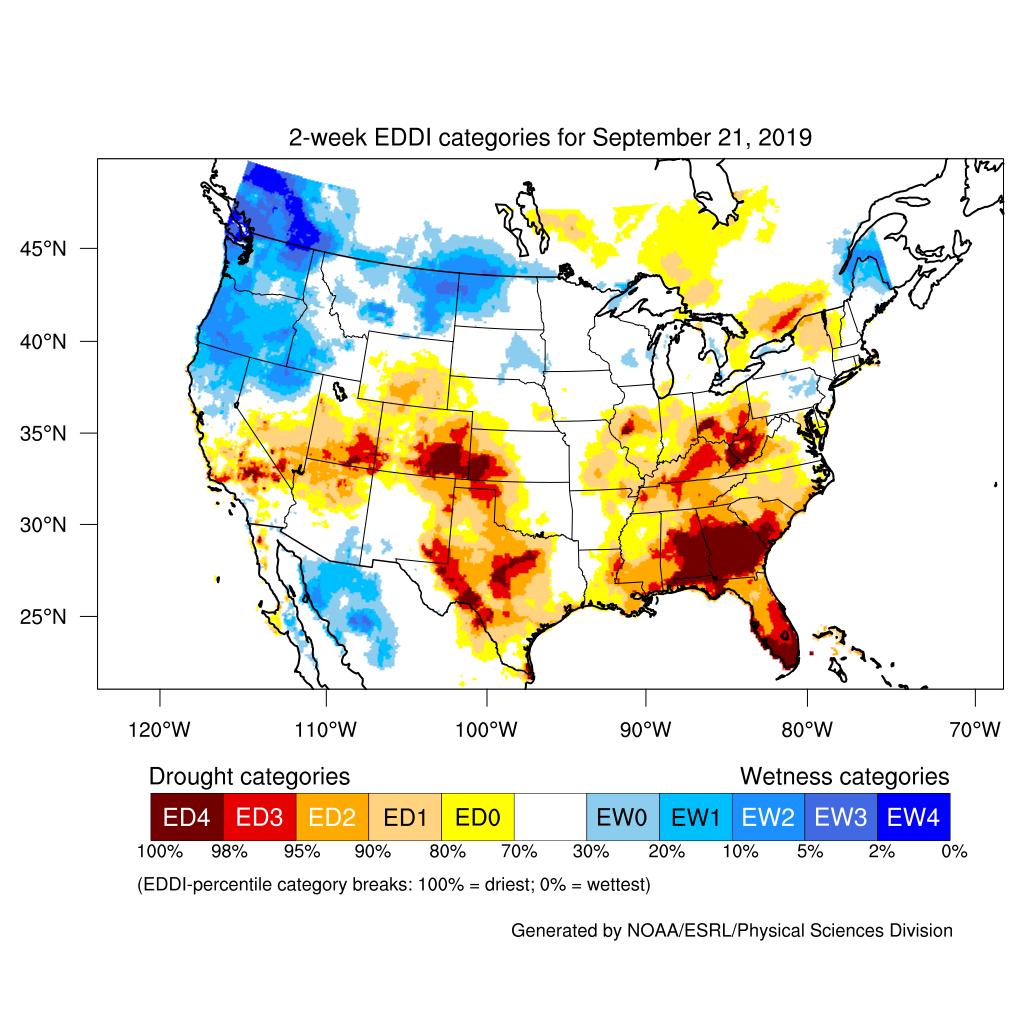
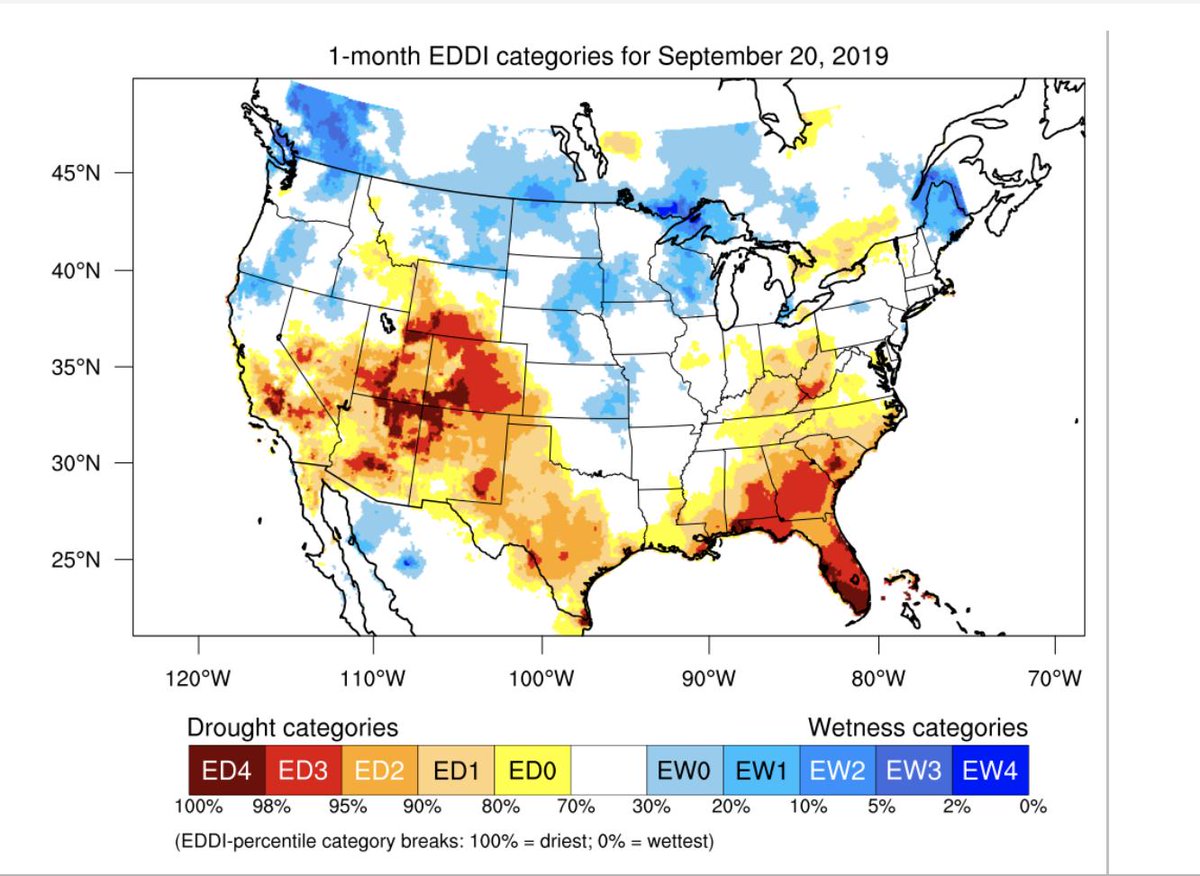
We've partnered with fire agencies to help incorporate more drought information into fire management. NOAA's Evaporative Demand Drought Index is being used to monitor fire potential related to extended hot, dry, windy, sunny periods. #Datapaloozaesrl.noaa.gov/psd/eddi/
We’re all fired up about the next round of today’s Twitter chat relay! 🔥
Experts will be available until 6 p.m. EDT to discuss how @NOAA data is used to study fire weather and to answer all your burning questions about it.
Reply to this tweet and use #Datapalooza!
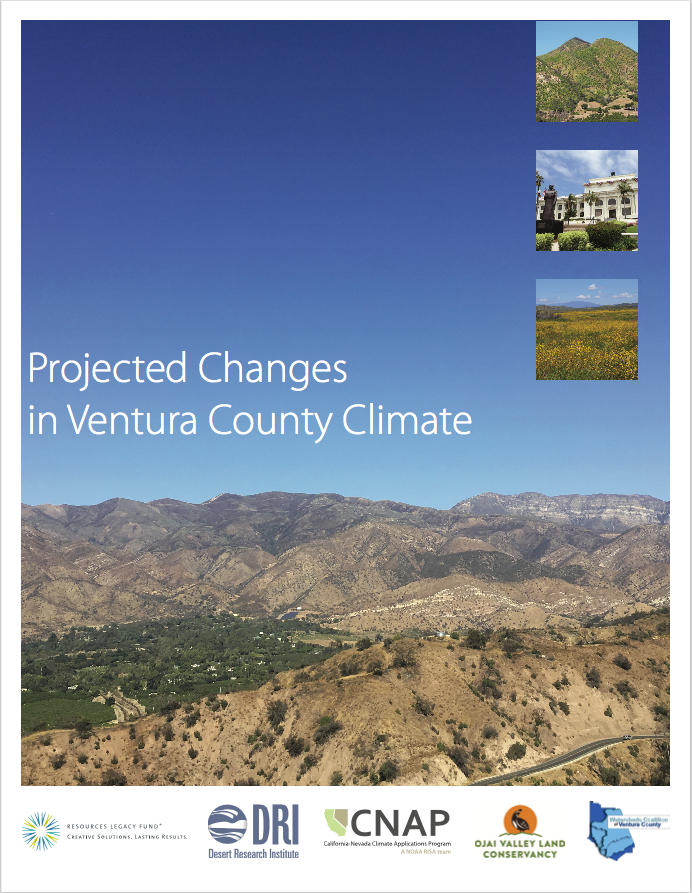
WRCC researchers worked with the Watersheds Coalition of Ventura County (CA) to produce a report on projected climate change for the County. Interested? Report available here: wrcc.dri.edu/Climate/reports…
Very cool article on the impacts of atmospheric rivers in British Columbia featuring research on the relationship between atmospheric rivers and snow avalanches led by WRCC's Ben Hatchett.
projects.thestar.com/climate…
Check out the new paper looking at drought indices and fire danger in CA-NV by WRCC staff @hydromet_man, @watermapper, Tim Brown, Kristin VanderMolen and others!
Need something fun to do for a few minutes? Help us test new software by telling us about what weather event of 2018 was most memorable where you live! Link here: bit.ly/2Yg1TvT Results to follow in a few weeks. Please share!