Wei Lab in the Biochemistry Department at the University of Wisconsin–Madison @UWBiochem weilabuw-madison.org/
Joined May 2020
- Tweets 688
- Following 1,101
- Followers 1,456
- Likes 1,791
15 Photos and videos



Wei Lab@wisc retweeted

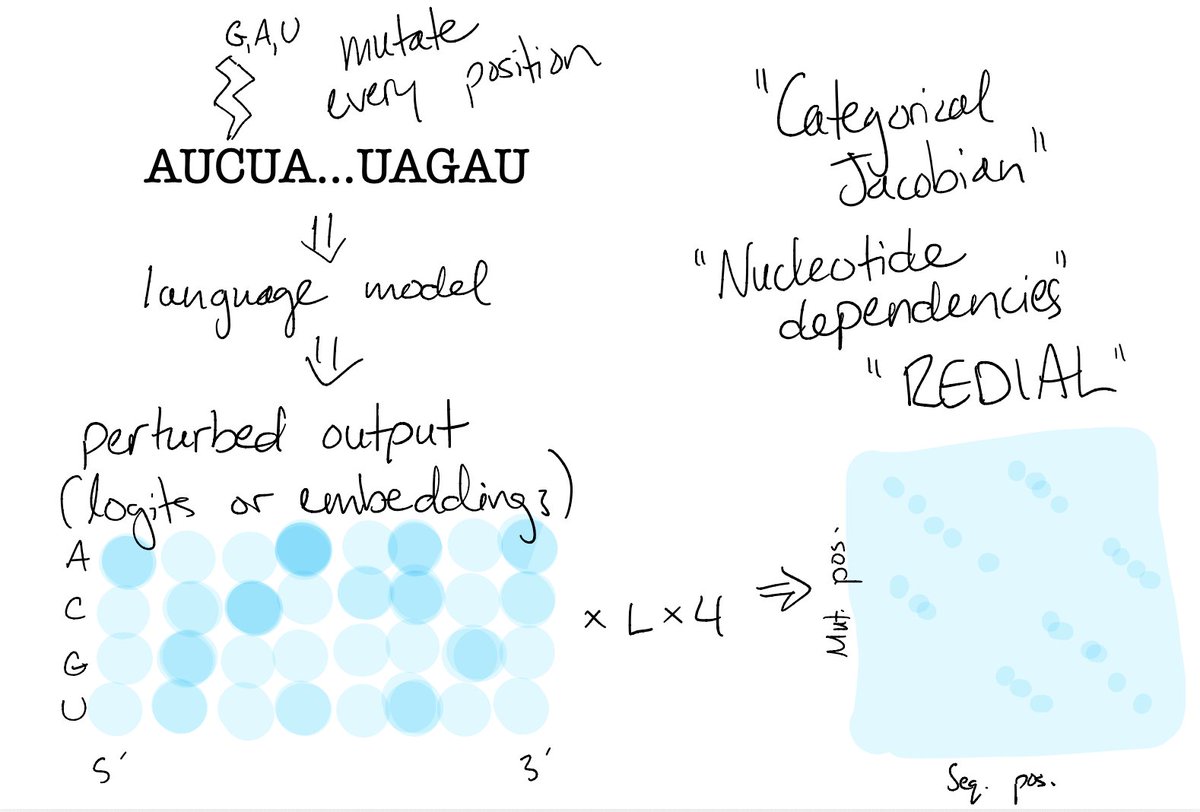
In the W-S lab's first preprint, we describe how genomic language models know something about RNA thermodynamics. Though we think this is cool, things get tricky!
A growing practice for interpreting LMs is to perturb input tokens, often called "Categorical Jacobian": 👇
4
29
122
10,528

May 29
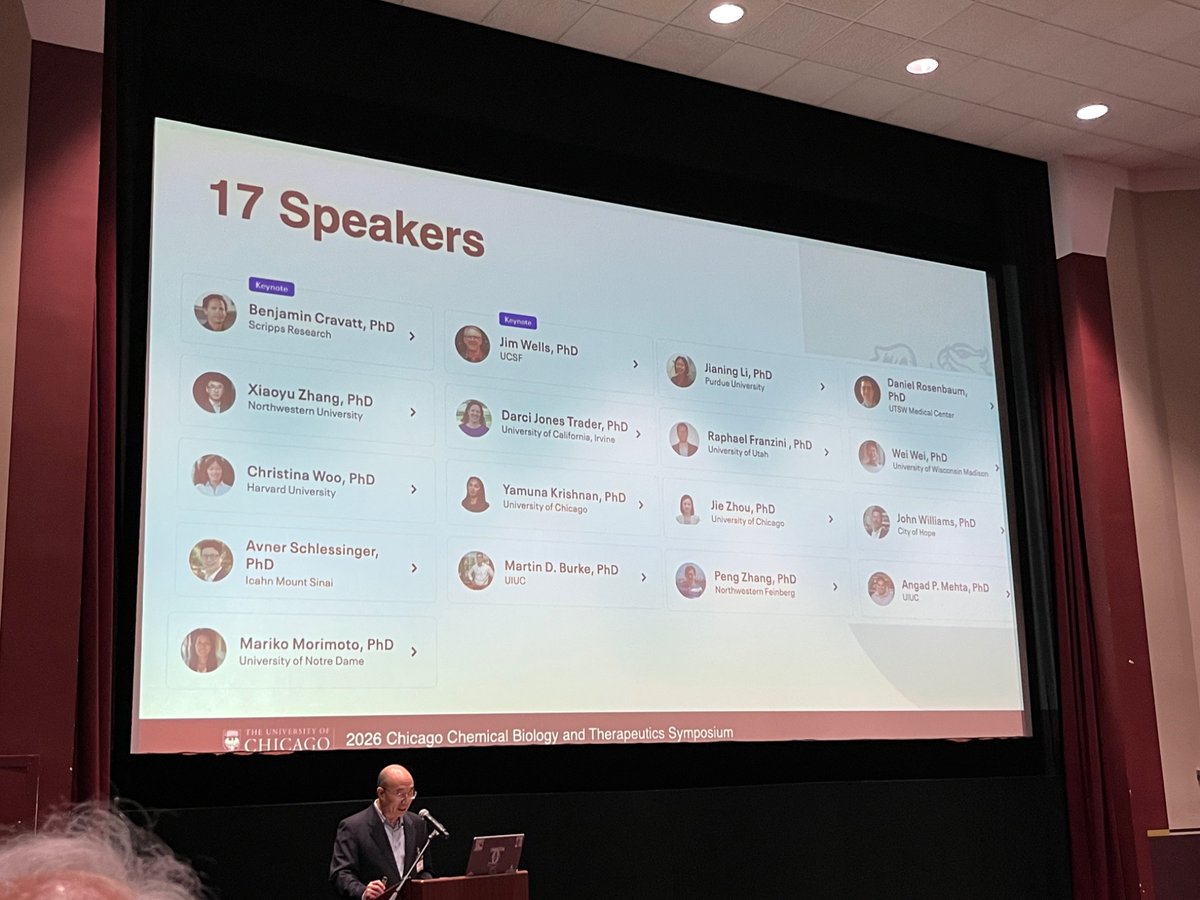
Excited to be part of the first Chicago Chemical Biology and Therapeutics Symposium!!
1
20
1,248
May 24
Excited to share the first manuscript from our lab! Here we identified a shared enzymatic mechanism linking N-acetylated β-amino acids to energy balance regulation @jbiolchem. Congratulations to our first PhD student, Ruida Li, from @CMB_UWMadison, for leading this work. Grateful for the tremendous support from @JudithSimcox @UWBiochem @longlabstanford @ssiipei
jbc.org/article/S0021-9258(2…
6
6
69
4,400
Huge congratulations to our newest postdoc @mariahcalubag on winning the Outstanding Graduate Student Award!! Excited for all the great metabolism research to come!
May 1

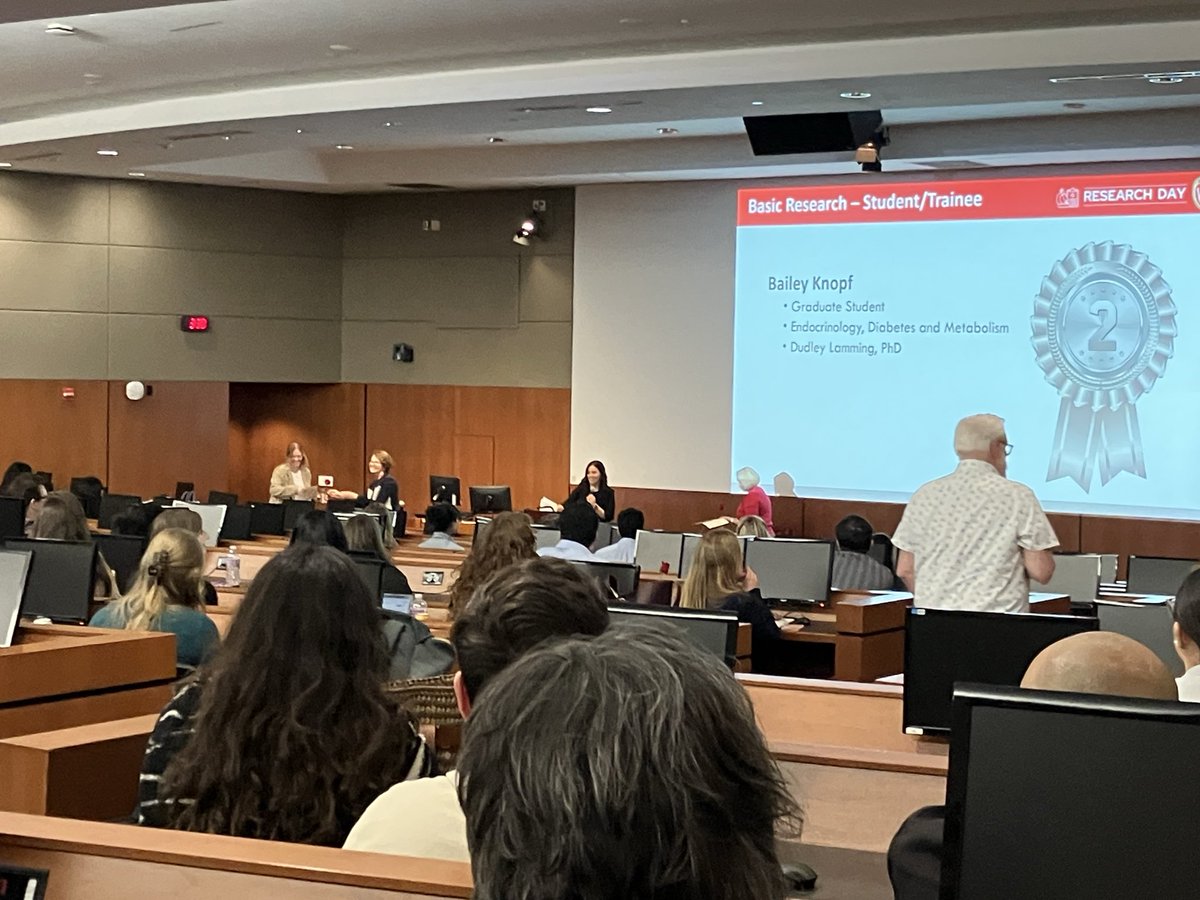
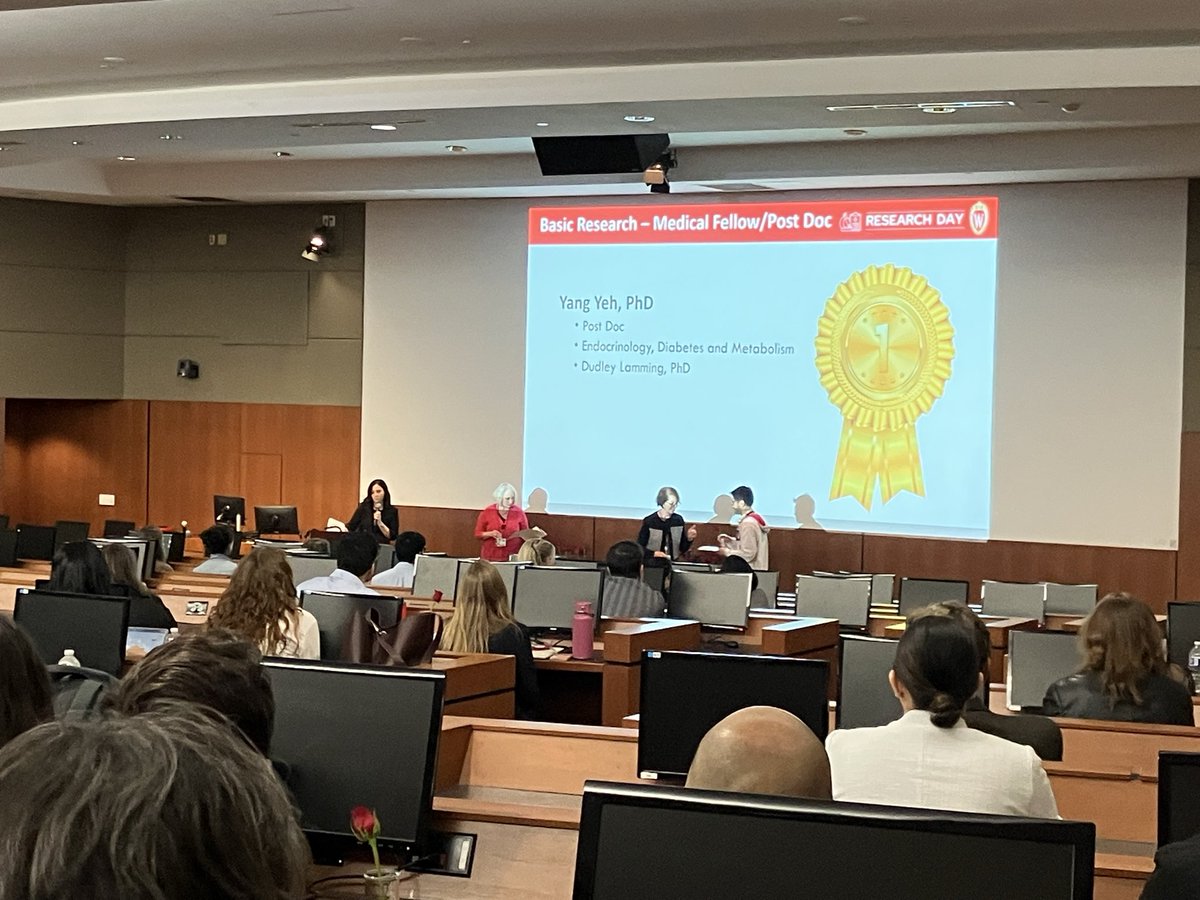
Terrific Department of Medicine Research, and congratulations to @iCCup_Spec and @baileyknopf for winning poster awards and @mariahcalubag for receiving the DOM Outstanding Graduate Student Award!
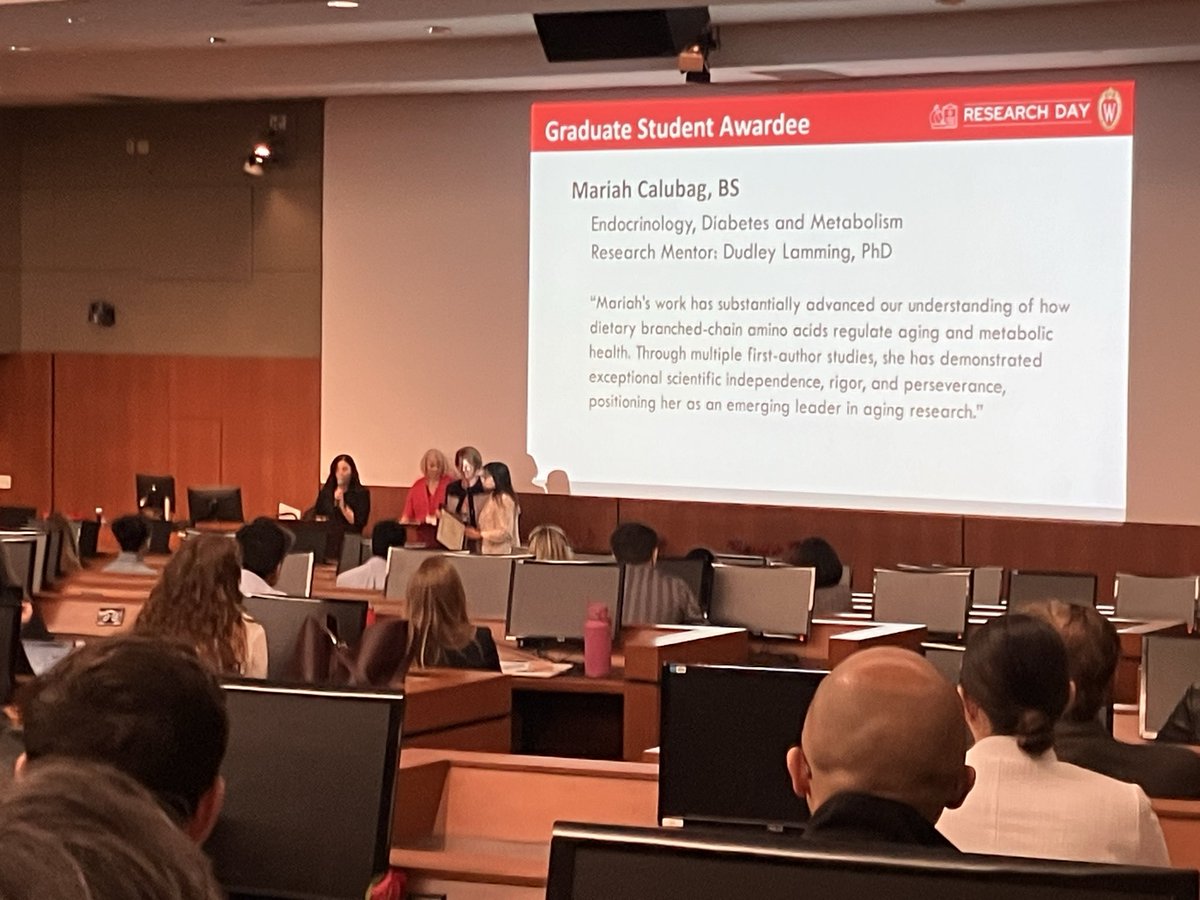
10
970
Wei Lab@wisc retweeted

We are recruiting one postdoc fellow and one Junior Specialist (for those finishing college and planning to pursue a PhD) in regenerative biology and extreme physiology. scvrb-core.ucsf.edu/~huang/l…
Please spread the news. Interested candidates can email me directly.
2
17
53
5,696
Wei Lab@wisc retweeted

Apr 29
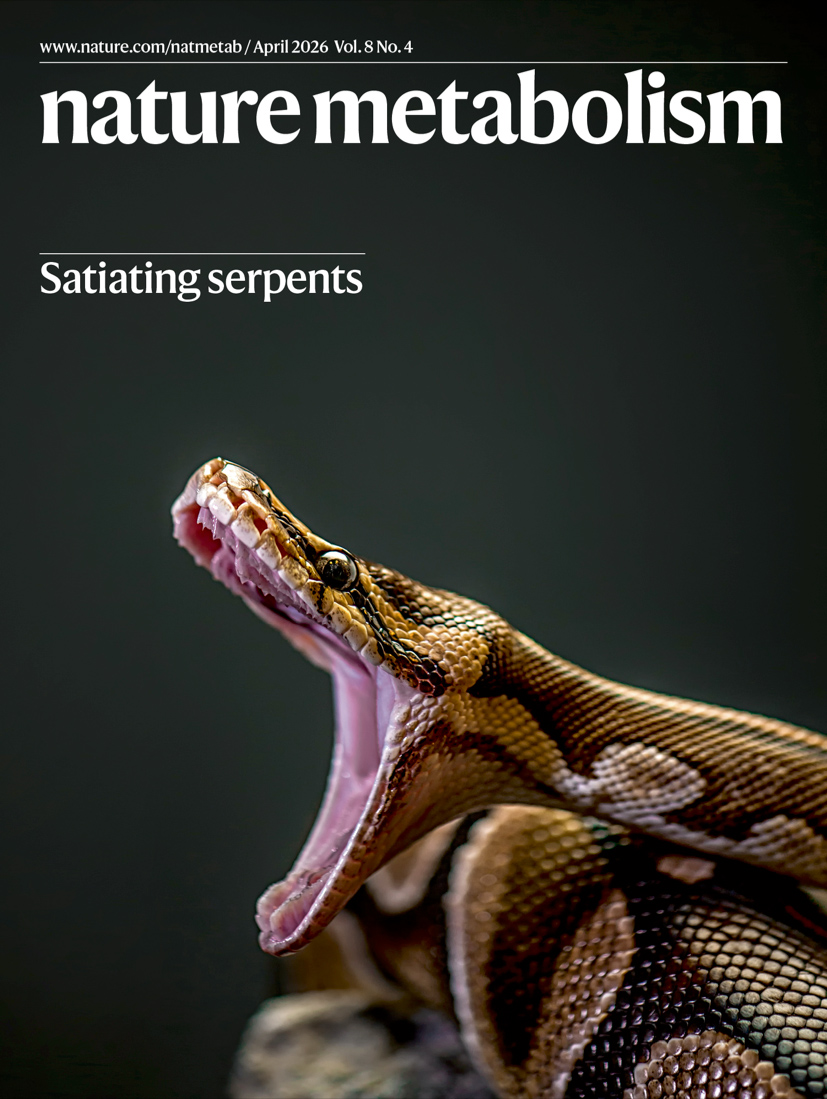
Congratulations @Shuke_Xiao and our colleagues Leslie Leinwand @CUBoulder and @DrYongXu1 whose🐍🐍🐍 work is featured on the cover of this month’s @NatMetabolism “Satiating serpents”! @Stanford_ChEMH @StanfordPath
Apr 28

✨New issue✨
Check out the latest in #Metabolism research from across all disciplines.
Read about the #GeneticsOfObesity, #DietaryFoodIntake, #PythonMetabolomics, #Irisin, #PancreaticCancer, #IsletEpigenetics, #Immunometabolism and many more topics! 🐭👥
nature.com/natmetab/volumes/…
1
10
44
4,262
Wei Lab@wisc retweeted

Apr 26
Postdoctoral Researcher positions-Kapahi lab - Buck Institute - 🚀
looking for two postdocs to lead cutting-edge studies on nutrient signaling, senescence, & aging — combining multiple models ( ucsf &Buck) buckinstitute.applytojob.com…
1
28
92
10,242
Wei Lab@wisc retweeted

Apr 22
For 40 years, we’ve known how UCP1 drives thermogenesis—but how UCP1-independent pathways are activated remained unknown. Thrilled to share our @Nature paper, led by Faiz Hussain, uncovering this mechanism:
nature.com/articles/s41586-0…
10
34
155
12,834
Apr 22
Glycogen ubiquitination for subcellular sorting! Wild
nature.com/articles/s41586-0…
10
36
5,956
Apr 10
Super useful tool & exciting discovery!!
Apr 9

Luminal surface proteome of the brain vasculature uncovers blood-brain barrier regulators @ScienceMagazine:
science.org/doi/10.1126/scie…
Big thanks to Zijian, Zuzhi, Yupu, Khanh, Yuxiang, and all collaborators to make this possible!
1
2
944
Mar 26
nature.com/articles/s42255-0…
Huge congratulations to my Twitter-less, next-door colleague Snehal for creating this amazing resource on folate metabolism!! How exciting!
7
637
Wei Lab@wisc retweeted
Mar 20
The first approved GLP1 (Byetta) came from a desert reptile, the Gila monster. Inspired by this, our work on Burmese pythons 🐍🐍 is now out @NatMetabolism. An “extreme”-ly fun collaboration with Leinwand and @DrYongXu1. Congratulations @Shuke_Xiao!
nature.com/articles/s42255-0…
9
40
150
12,796
Wei Lab@wisc retweeted
Mar 20
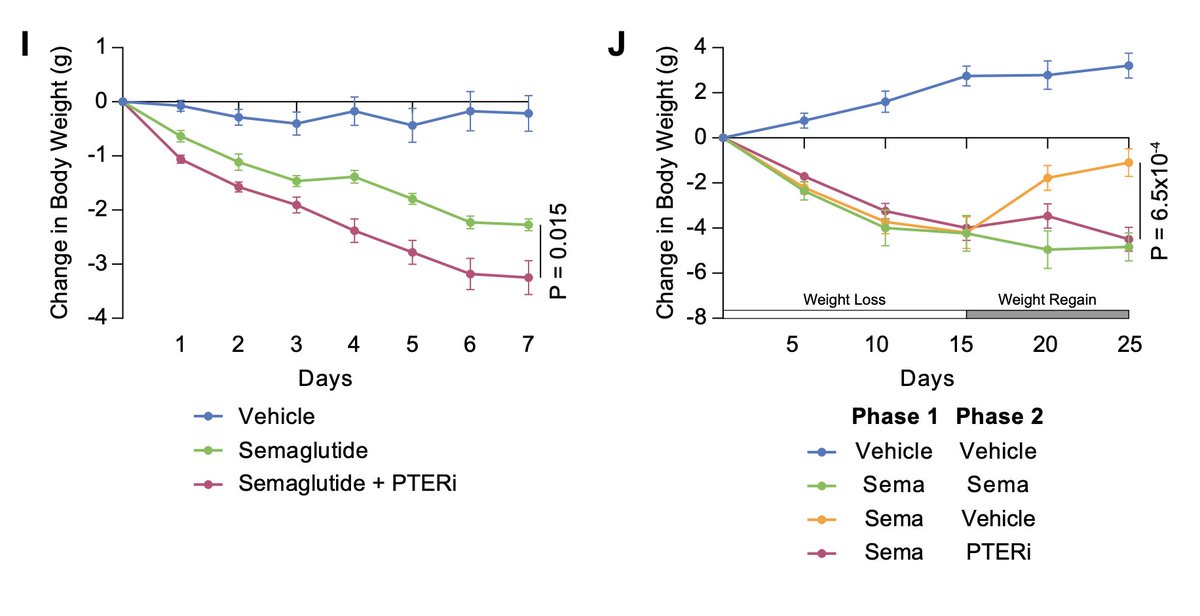
A first in class PTER inhibitor exhibits anti obesity activity (in mice)- and importantly, via a mechanism distinct from, and additive with, existing GLP1-RAs. Fun collaboration with Gray lab now out @CellChemBiol. Congratulations team! @Stanford_ChEMH
cell.com/cell-chemical-biolo…
1
9
56
3,580
Mar 20
Congratulations Shuke!!
Mar 20

🐍Excited to share our latest work in @NatMetabolism ! The discovery of pTOS highlights the beauty of looking to nature for answers. A fantastic collaboration between @longlabstanford , @DrYongXu1 , and the Leinwand lab. Team work makes dream work!
1
2
616
Mar 13
A great lab & PI!

📢📢My lab at @UUtah is officially open and I'm RECRUITING — especially techs/specialists and postdocs! Our research focuses on the neurobiology of interoception and learning/memory using tools from systems/comp neuro. Please share!🧠🏔️🏜️
Apply/more info: zimmerman-lab.org/#positions
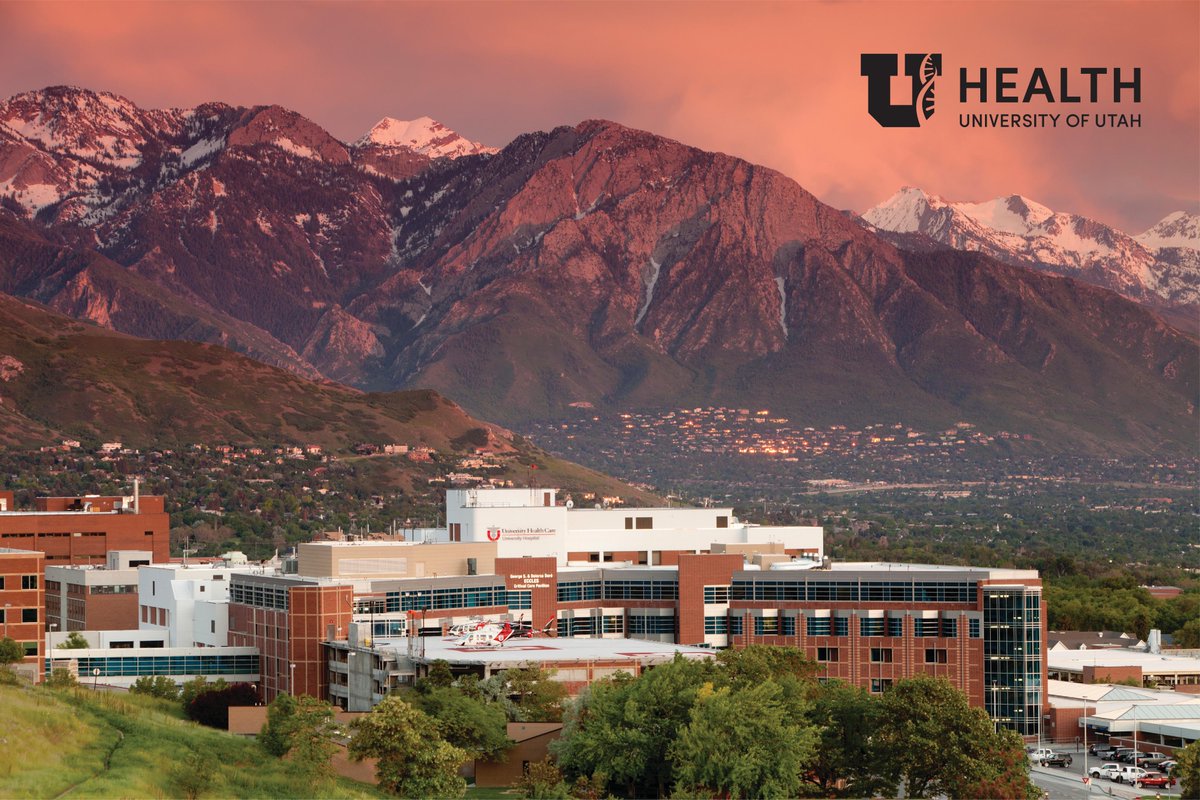
ALT University of Utah Health Campus at sunset. Image courtesy of the University of Utah.
5
19
2,888
Wei Lab@wisc retweeted

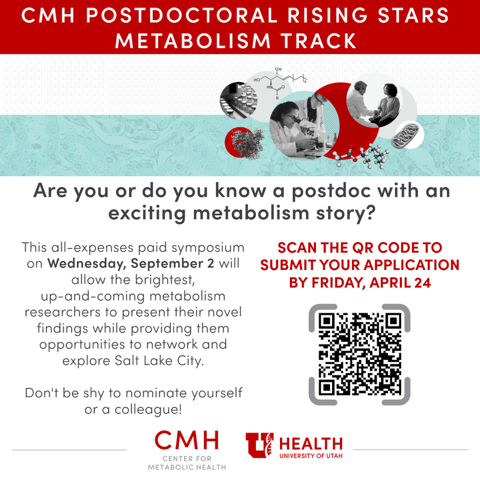
University of Utah, Center for Metabolic Health (CMH), Postdoctoral Rising Stars in Metabolism, Sept 2nd, 2026
If you are a postdoc with an exciting METABOLISM story, apply using the QR code by April 24th.
Please share with your colleagues.
3
11
1,381
Jan 31
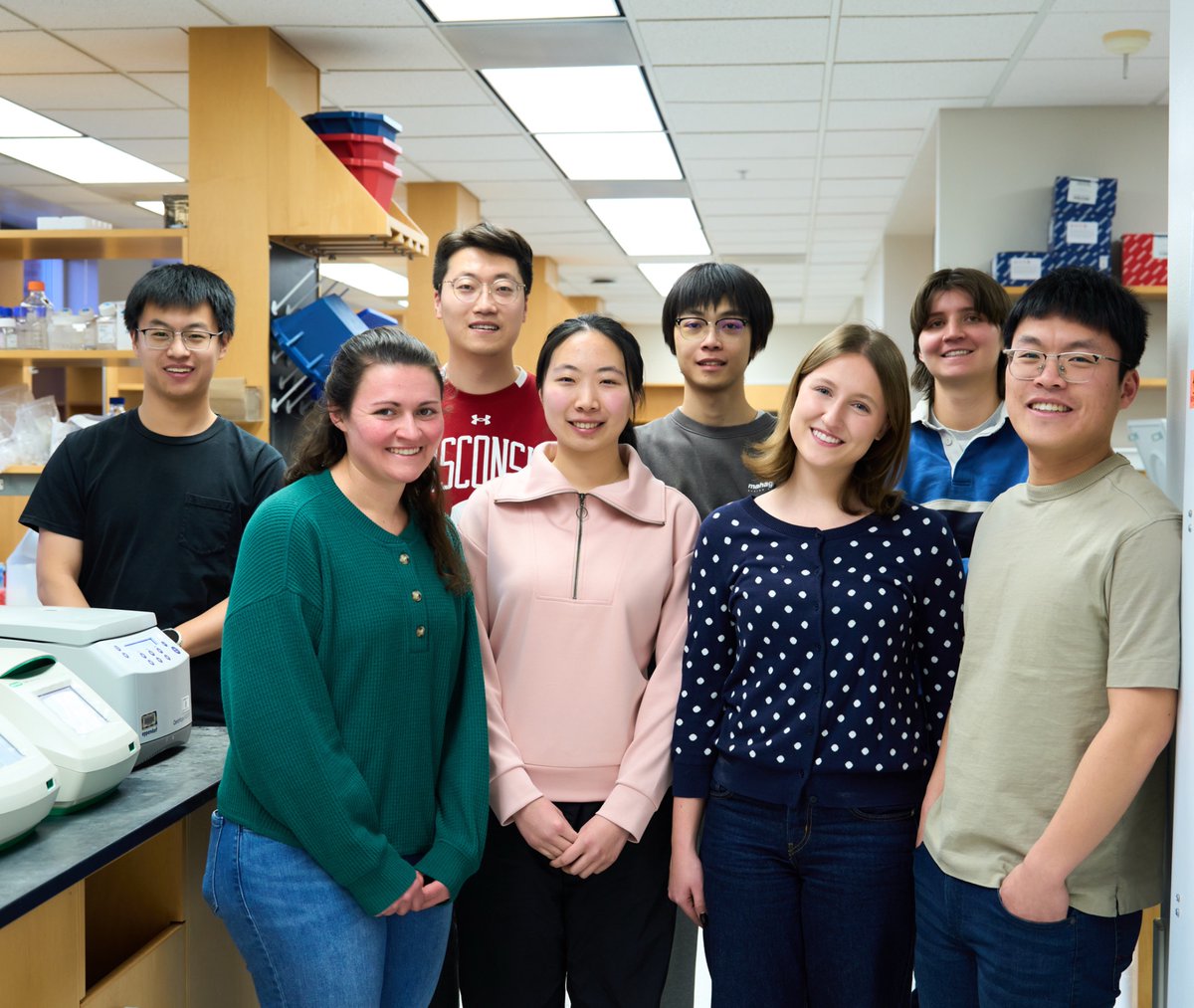
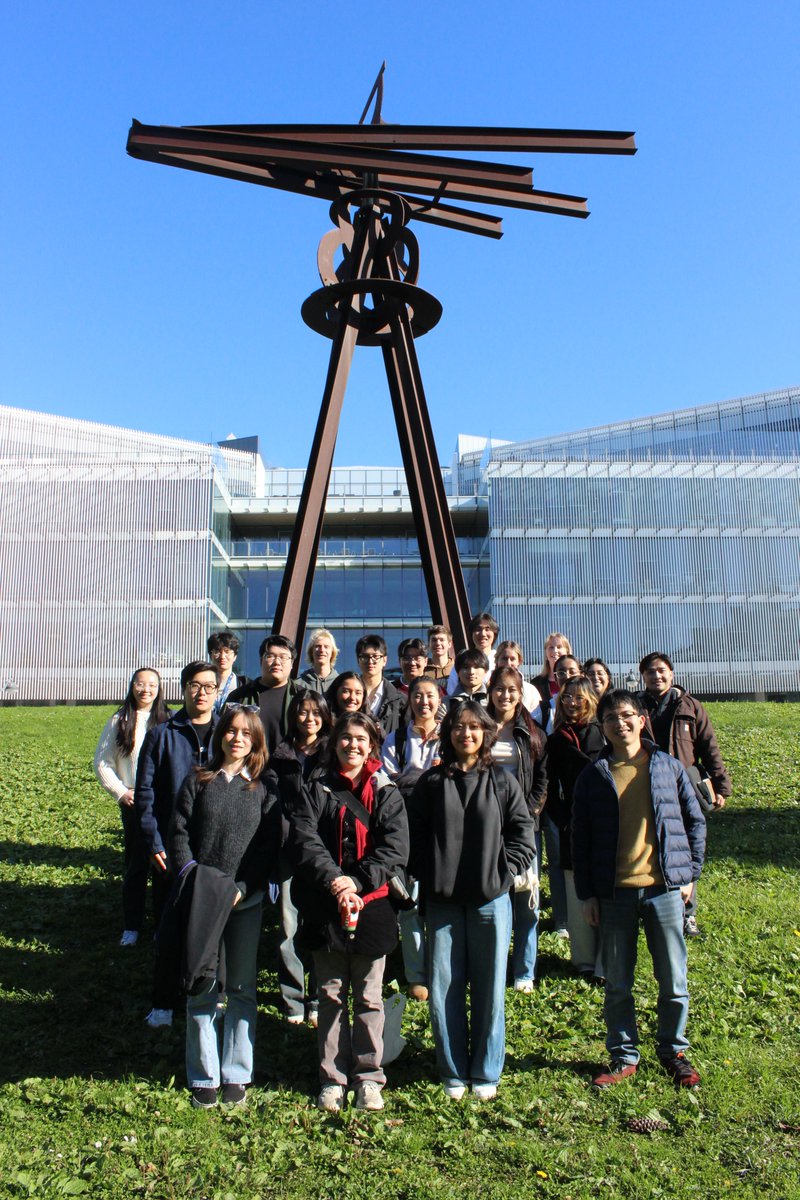
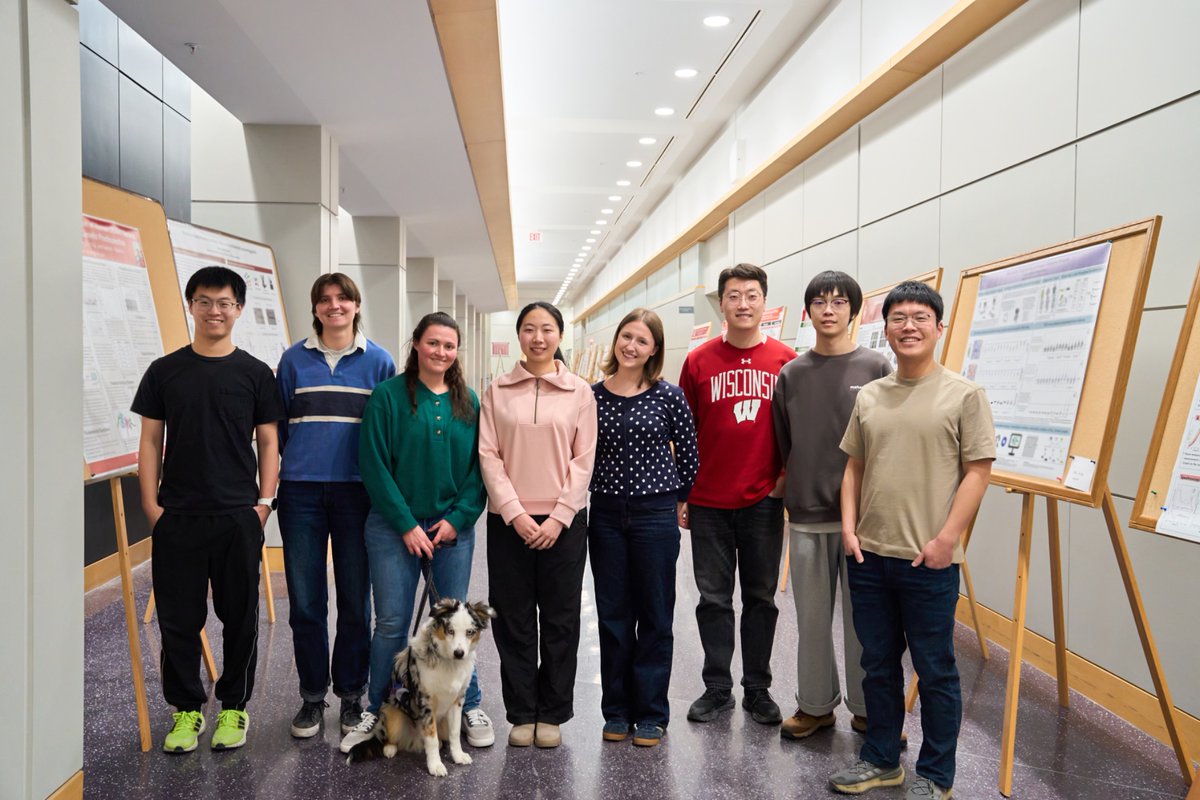
Wei lab in 2026! We are of course biased but we think we are doing very exciting science! @JudithSimcox @UWBiochem @longlabstanford @SvenssonLab
4
9
225
19,560
Wei Lab@wisc retweeted
Jan 30
GLP-1 drugs transformed obesity treatment. But they don’t work for everybody. What else regulates body weight? In 2024, we linked the BMI-associated enzyme PTER to a non-GLP-1 pathway. Now: first-in-class PTER inhibitors with efficacy in mice. Link here: biorxiv.org/content/10.64898…
9
59
5,355
Wei Lab@wisc retweeted

Jan 15
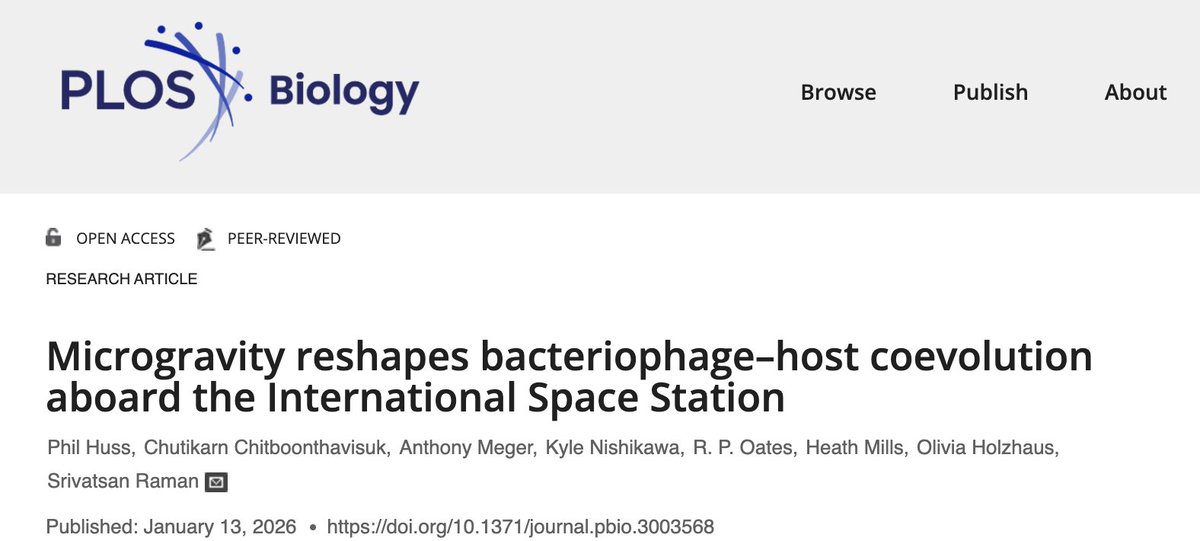
Phages shape microbial ecosystems on Earth—but what about in space? In our new study, we show that microgravity aboard the International Space Station reshapes phage–bacteria interactions, evolution, and fitness—with surprising benefits for targeting resistant pathogens on Earth. Great work @phil_huss @chuchitboonthav @RhScientific
journals.plos.org/plosbiolog…
1
4
10
1,311
Wei Lab@wisc retweeted
Jan 12
Most people eat small (~1-2% body weight) and frequent (2-3x/day) meals. But Burmese pythons 🐍🐍 can fast for >1 yr and eat 100% of their weight in a single meal. What happens in snakes after eating? What lessons they can teach us about human physiology? biorxiv.org/content/10.64898…
8
42
209
25,356