
Upper GI surgeon. RNR Medical Branch. Interest in #trauma.
Joined April 2012
- Tweets 1,024
- Following 527
- Followers 633
- Likes 1,707
45 Photos and videos
Pinned Tweet

2 Sep 2020
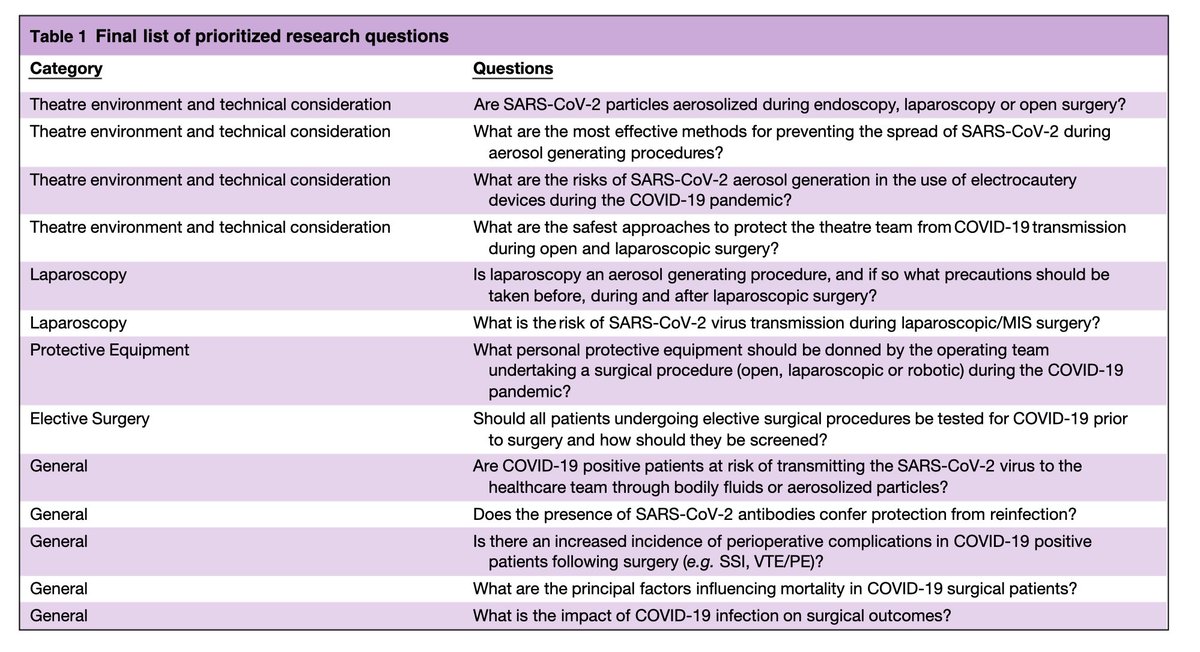
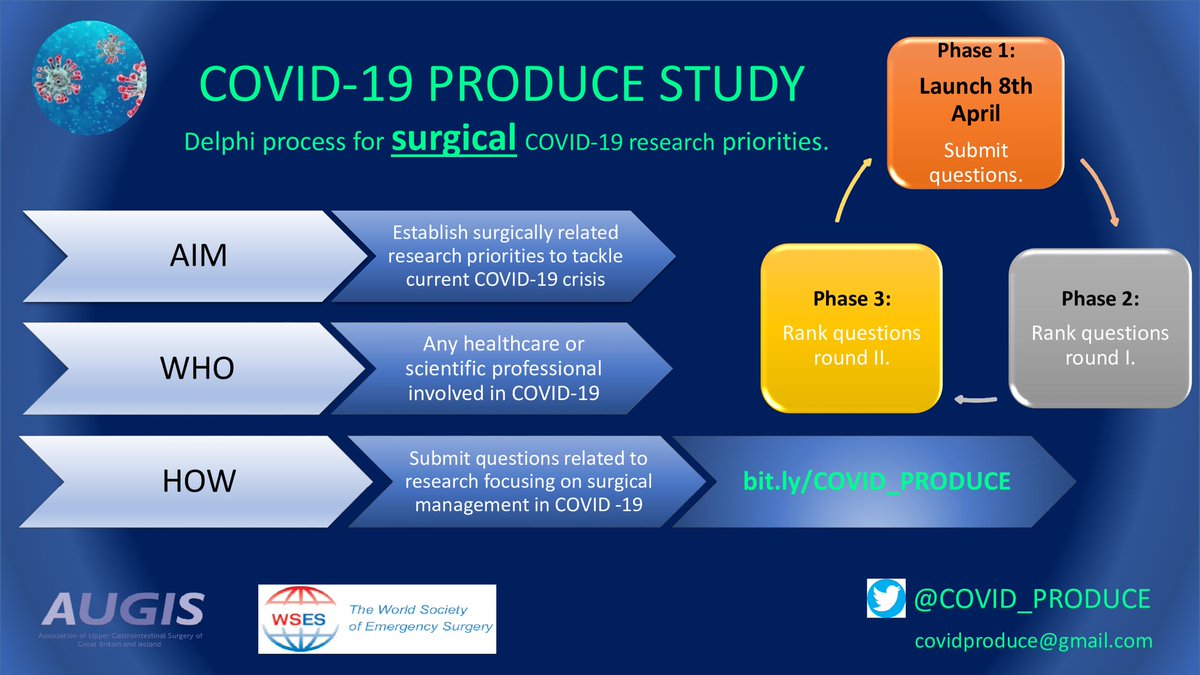
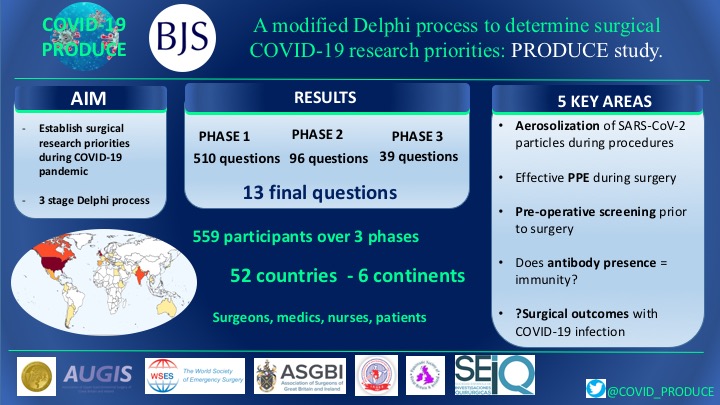
Delighted to have been part of this global effort. Here are the #COVID__19 surgical research priorities.
Doctors and patients as authors. Thank you all.
#MedTwitter #surgtwitter #COVID #collaboration @SWexner @markataylor16 @susanmoug @Augishealth @asgbi @ACPGBI @RCSnews @RCSEd
2 Sep 2020

End product now in print. Thanks to @BJSurgery Worldwide effort. Link: doi.org/10.1002/bjs.12015
559 participants. 52 countries #collaborative. 13 questions. 5 key areas.
@Augishealth @RCSnews @RCSEd @WSESurgery @SWexner @asgbi @asbun_hj @susanmoug @markataylor16 @shanu_kothari
1
7
17
4 Jan 2024
Such a document is long overdue. I shall take this north of the wall and share with @ScotTraumaNwk colleagues. One for tea, biscuits and an open discussion.
4 Jan 2024

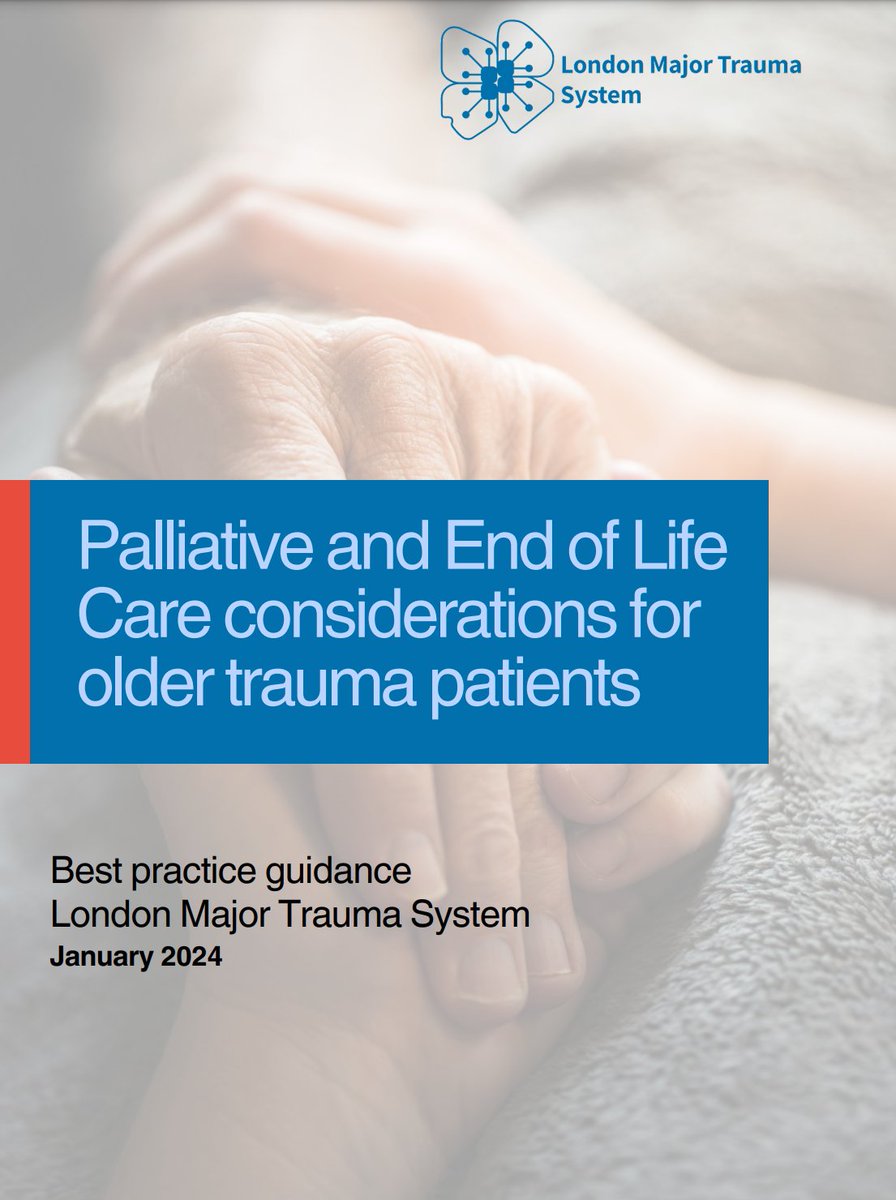
This week @London_Trauma System is publishing our Palliative and End of Life Care in Older Trauma Patients best practice guidance. Please share widely!
c4ts.qmul.ac.uk/downloads/lm…
Key Principles:
All healthcare professionals involved in the care of older trauma patients have a responsibility towards the identification and management of an individual’s palliative and end of life care needs.
Palliative support for older trauma patients should be provided in conjunction with, and not separate to, best available curative/life-prolonging interventions
All older trauma patients should be looked up on local health records to see if they have an advance care pathway
Prognostication at the outset can be difficult. Where the appropriateness of clinical interventions is uncertain, ‘time limited trial of treatments’ should be considered, alongside patients wishes and preferences.
Effective communication between TUs and MTCs is essential and palliative care referral pathways should be in place within trauma networks to facilitate individualised decision-making.
Where specialist services at MTCs are requested to guide treatment options, senior TU clinicians managing the patient should factor in and convey relevant information about a patient’s medical background and personal values, to enable shared decision-making on prognosis, treatment intentions and the best location of ongoing care.
Thank you to @TraumaEMC and everyone involved in producing this guidance.
5
12
2,784
26 Dec 2023
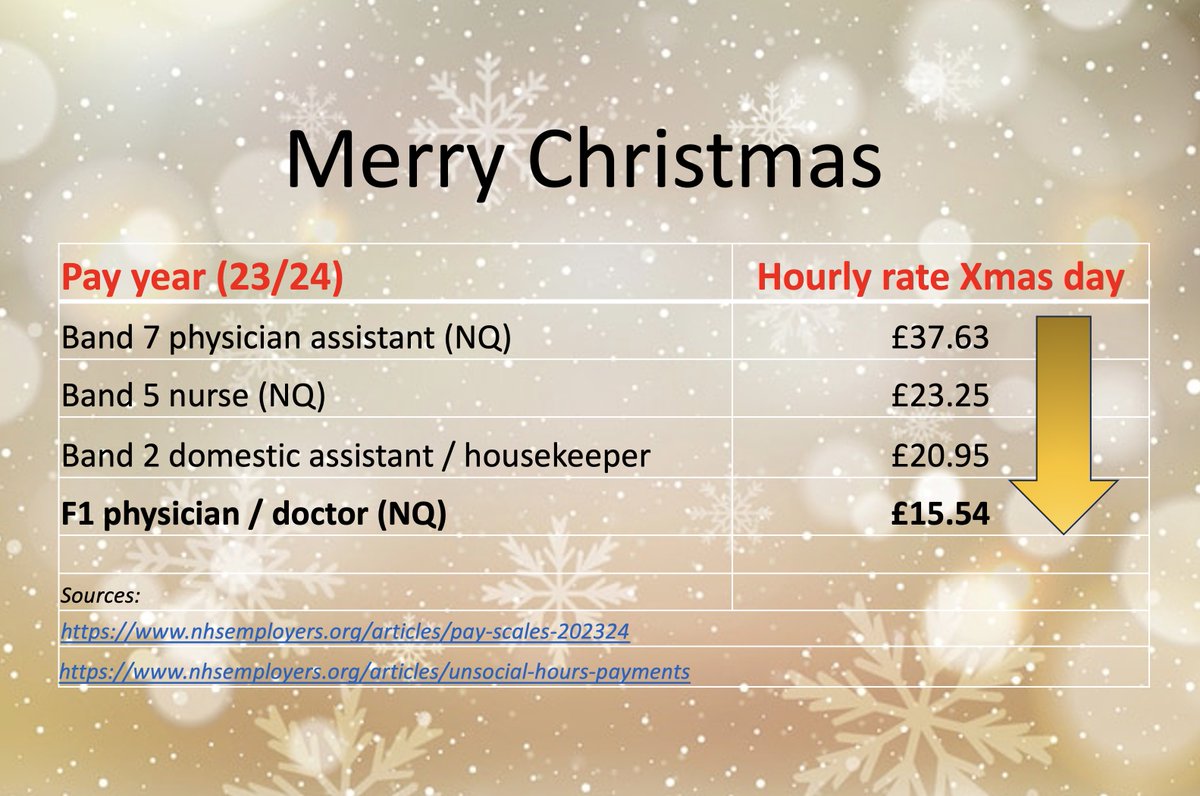
Something’s not right here…
25 Dec 2023

Merry Christmas to all those working in the NHS today
Many staff in the NHS are grossly underpaid (even on Christmas day👇) but none more so than Junior Doctors who frequently graduate with >£100k debt
RT to support them & ask government to pay them ALL fairly #PayRestoration
4
575
9 Oct 2023
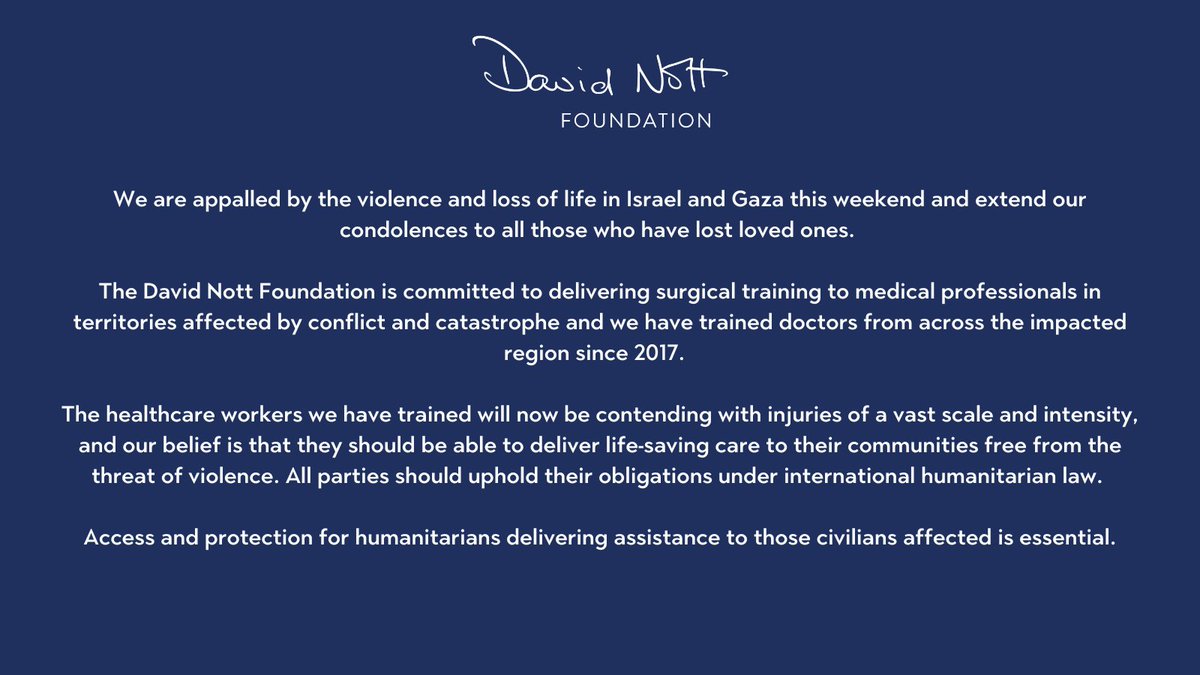
Thoughts with all affected. Sentiments below echoed by me
9 Oct 2023

4
1,109
Michael Wilson retweeted

23 Feb 2023
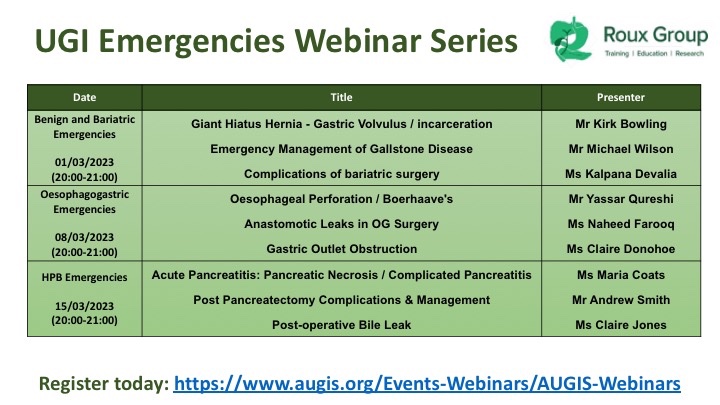
Throughout March we will be running our UGI emergencies webinar series in the run up to the Roux Weekend. The first webinar is next week (1.3.23) on Benign and Bariatric Emergencies and are lucky to have @bowling_kirk @WilsonMSJ and Ms Kalpana Devalia presenting. Register today!
6
15
31
11,242
19 Jan 2023
288
15 May 2022
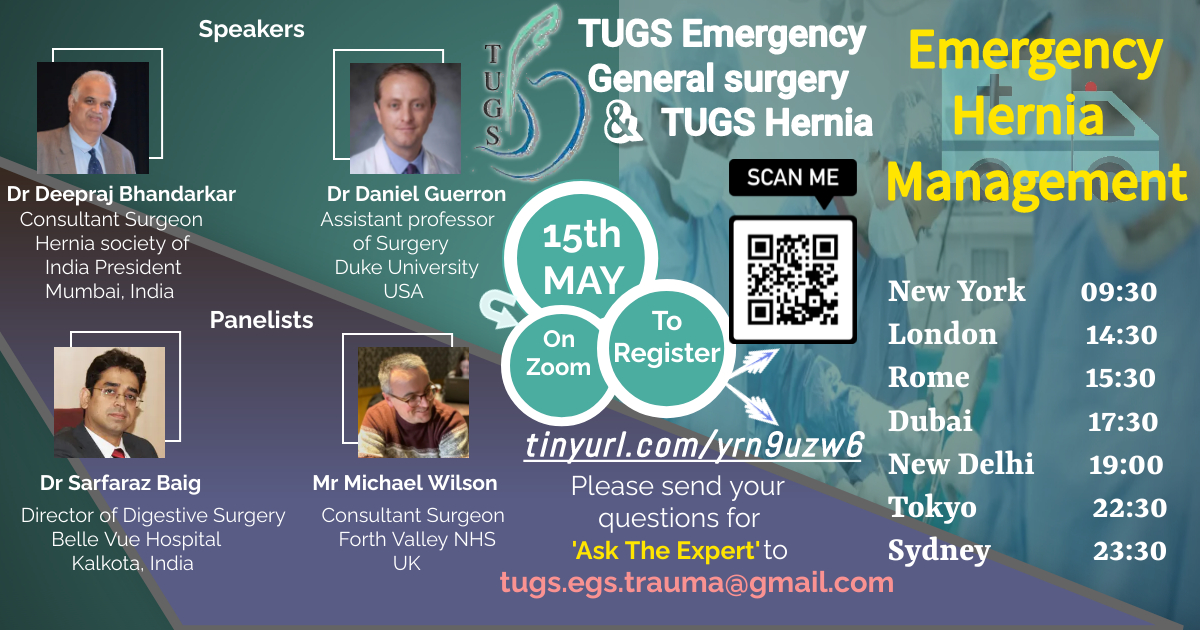
Still time to register. Join us in a hour for an educational update on #emergency #hernia management @T4UGIS @StudentsTugs @tugs_audits @TUGSESTgroup
9 May 2022

Exciting times! I invite you to our next TUGS EGS event in collaboration with TUGS Hernia. This will focus on emergency hernia management, featuring well-experienced international speakers. To be held on 15/05 at 1.30PM GMT.
To register go to tinyurl.com/yrn9uzw6
3
6
3 May 2022
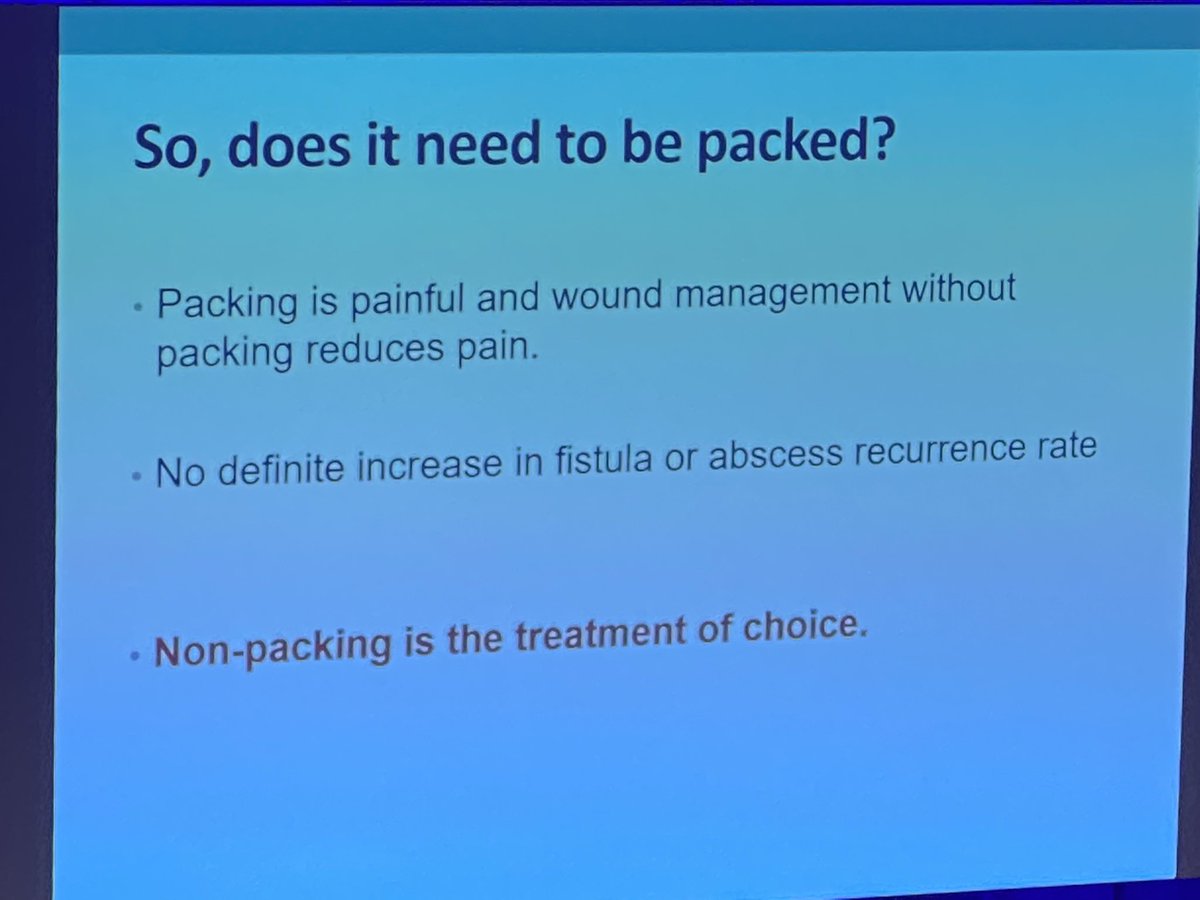
First game changer at #ASGBI2022? @PPAC2Trial demonstrates packing of #perianalabscess is NOT necessary. Costly, no difference in packing vs no packing.
Marvellous!
1
13
3 May 2022
Arrived at #ASGBI2022 - first stop is a sneak peak of @ELFStudy(2). So important - lots of centres involved. Patient involvement - lots more to come.
7
4 Apr 2022
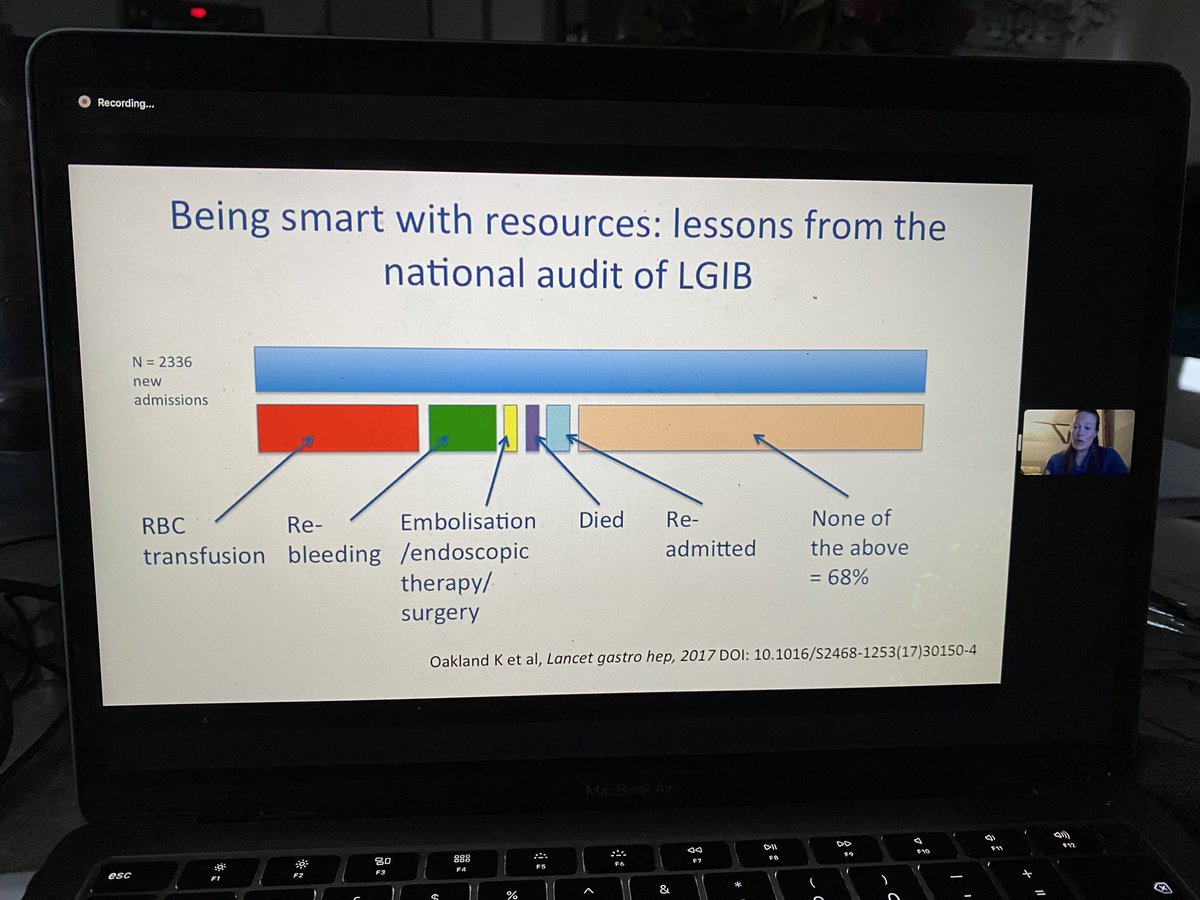
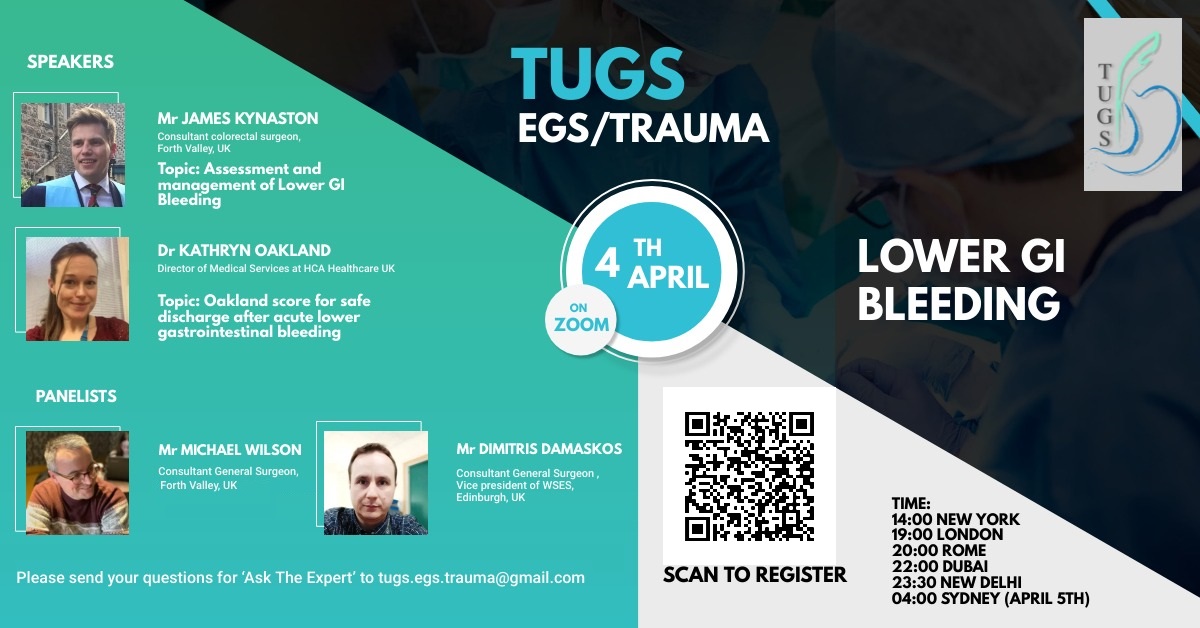
Listening to @kate_oakland educate us all on the #Oaklandscore following on from @JWFKynaston updating us on Acute Lower GI bleeding
1
2
11
31 Mar 2022
What’s happened to #CustomerService @British_Airways. I’ve been on the phone for 2 hours. Staff just hang up on you. I need to add a child to my existing booking and no one wants to help. They simply hang up.
Your company appears to be on its knees?
2
3
29 Mar 2022
Tune in for the next @T4UGIS EGS instalment @StudentsTugs @TugsMatch @TUGSESTgroup @tugs_audits on Lower GI bleeding #surgery #SoMe4Surgery
29 Mar 2022
Don't miss our exciting TUGS EGS April event covering Lower GI bleeding on April 4th 2022, 19:00 London UK time.
4
11
21 Mar 2022
Looking forward to this joint TUGS EGS/HPB session on acute pancreatitis with @MariaCoats13 and @RishiMukher and co-chair @laarhoven_stijn. Great speakers at the top of their game @T4UGIS @TUGSESTgroup @StudentsTugs @TugsMatch @tugs_audits @TUGS_AMBROSE
16 Mar 2022
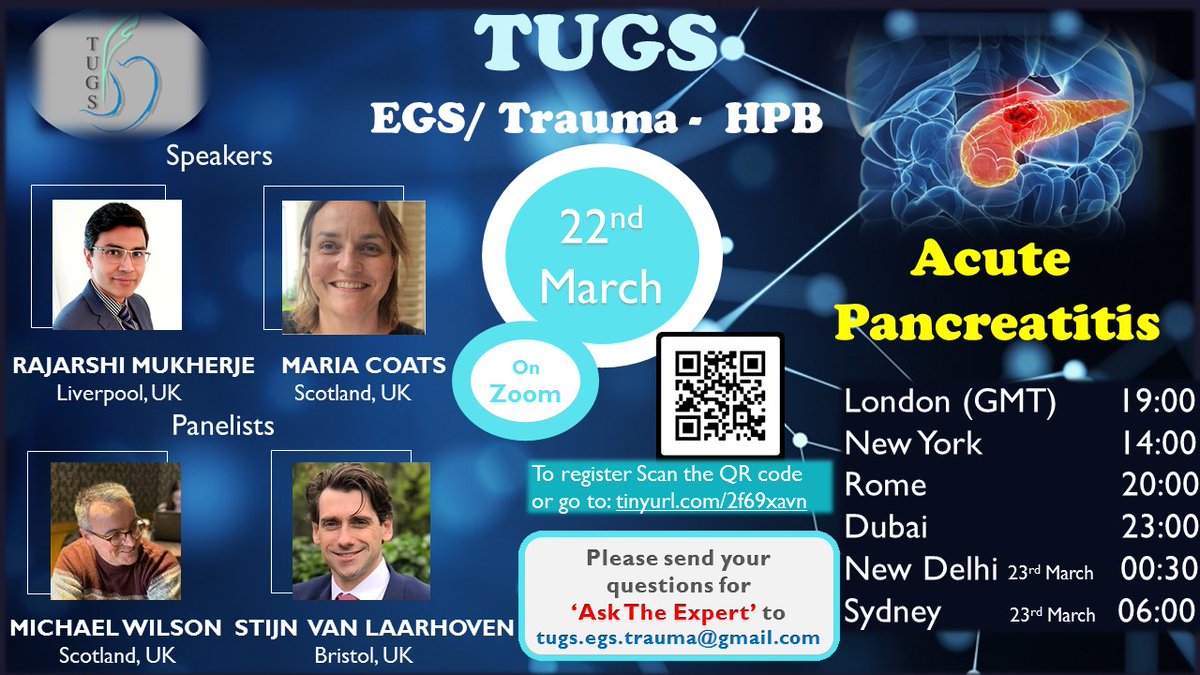
ALT It is with great excitement, I invite you to our #TUGS Upper GI Surgeons Emergency General Surgery event in collaboration with TUGS HPB, featuring expert speakers and panelists. The talk is focused on acute pancreatitis to be held on 22nd of March 2022 at 7 PM UK time on Zoom. Please see the flyer for details. To register scan the QR code or click the link https://lnkd.in/eDX7Zs_M Send your questions for 'Ask The Expert' to tugs.egs.trauma@gmail.com
1
11
23
15 Jan 2022
Great to see @NaTRIC_Research making plans for the future of #trauma #research. I’ll see you guys there @delphi_natric
15 Dec 2021

Excited to announce this FREE multi-disciplinary in-person springboard event on 15th March 2022 to launch the next national collaborations in trauma research, and pitch new ideas! @CommsC4TS #trauma #research #collaboration Register here: eventbrite.co.uk/e/natric-me…
2 Jan 2022
This is the way forward #collaboration
29 Dec 2021

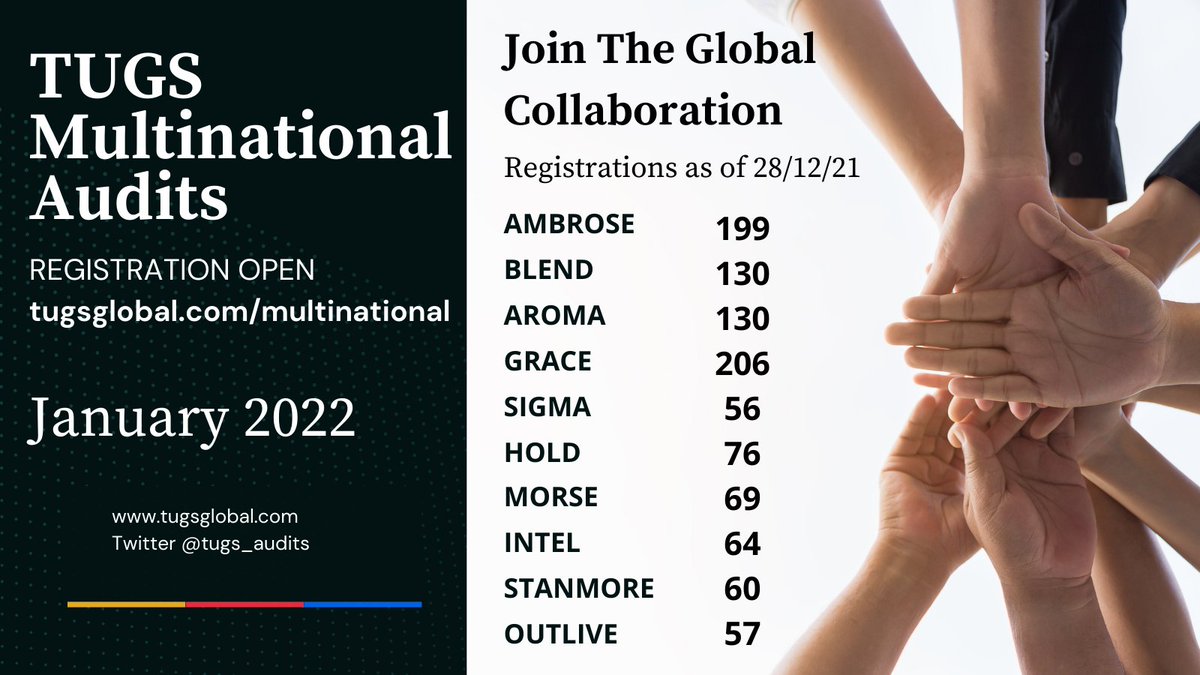
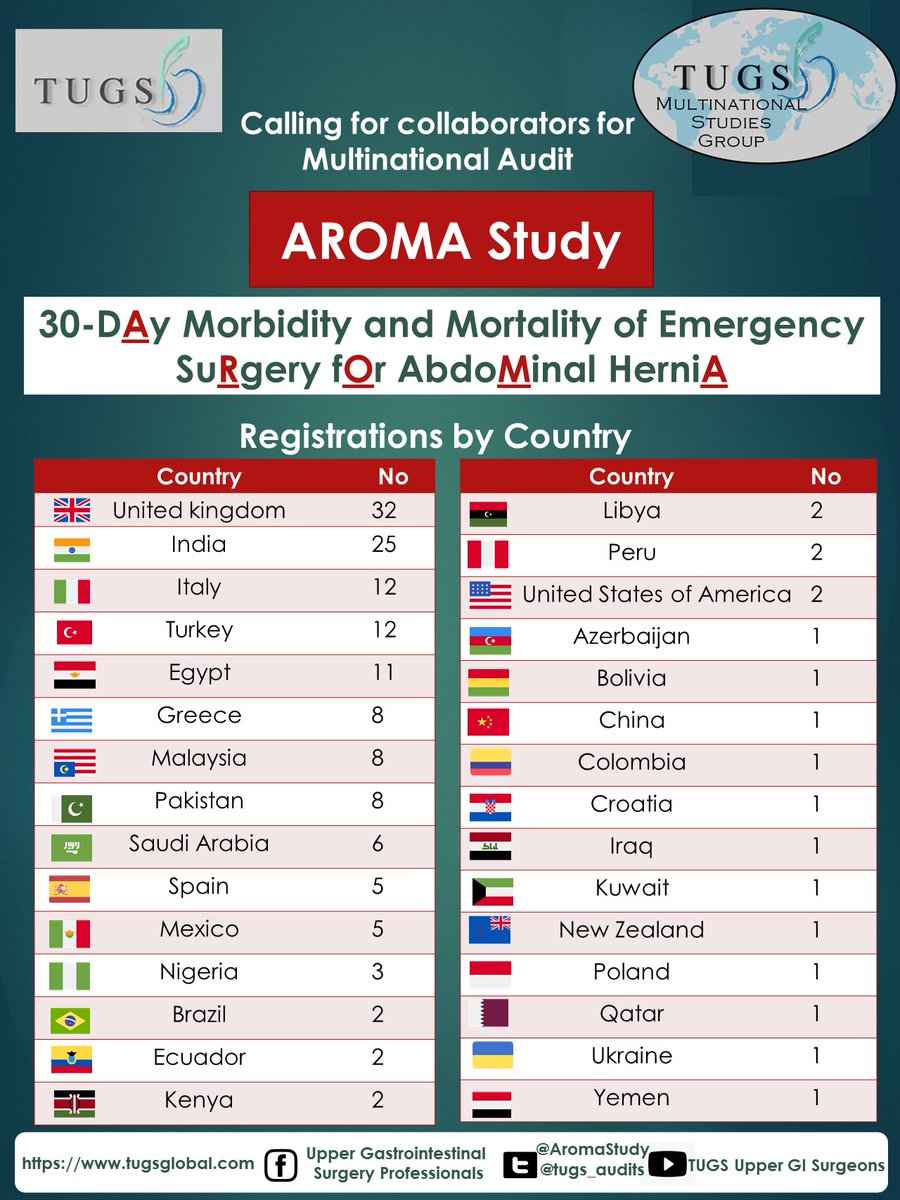
TUGS Audits are on steady progress with more than 1000 registrations for the 10 projects. Global collaboration at its best. Register here: tugsglobal.com/multinational
1
11
Michael Wilson retweeted

29 Dec 2021
Today we've reached 159 registrations from 30 countries. Help us spread the word in your country &reach new countries.Become a national coordinator.
@AmericanHernia @Herniadoc @herniacompleja @GlobalSurg @SAGES_Updates @IHC_hernia @eurohernias @T4UGIS @CleveClinicFL @awrsurgeons
1
3
9
Michael Wilson retweeted

26 Dec 2021
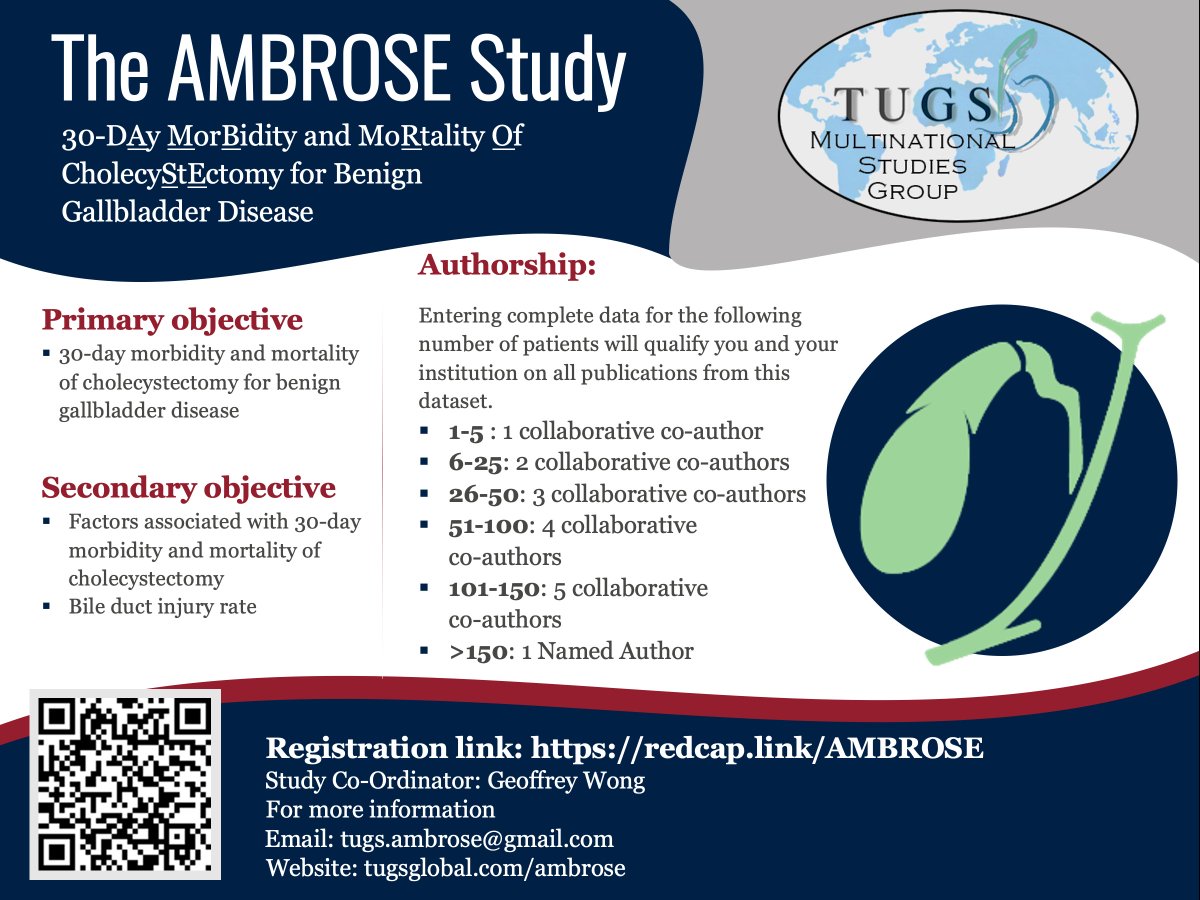
More than 160 collaborators have signed up to be part of the multinational AMBROSE study that will assess 30-day morbidity and mortality of cholecystectomy for benign gallbladder disease. Register now using this link: redcap.link/AMBROSE
@tugs_audits
1
16
34
Michael Wilson retweeted

1 Jan 2022
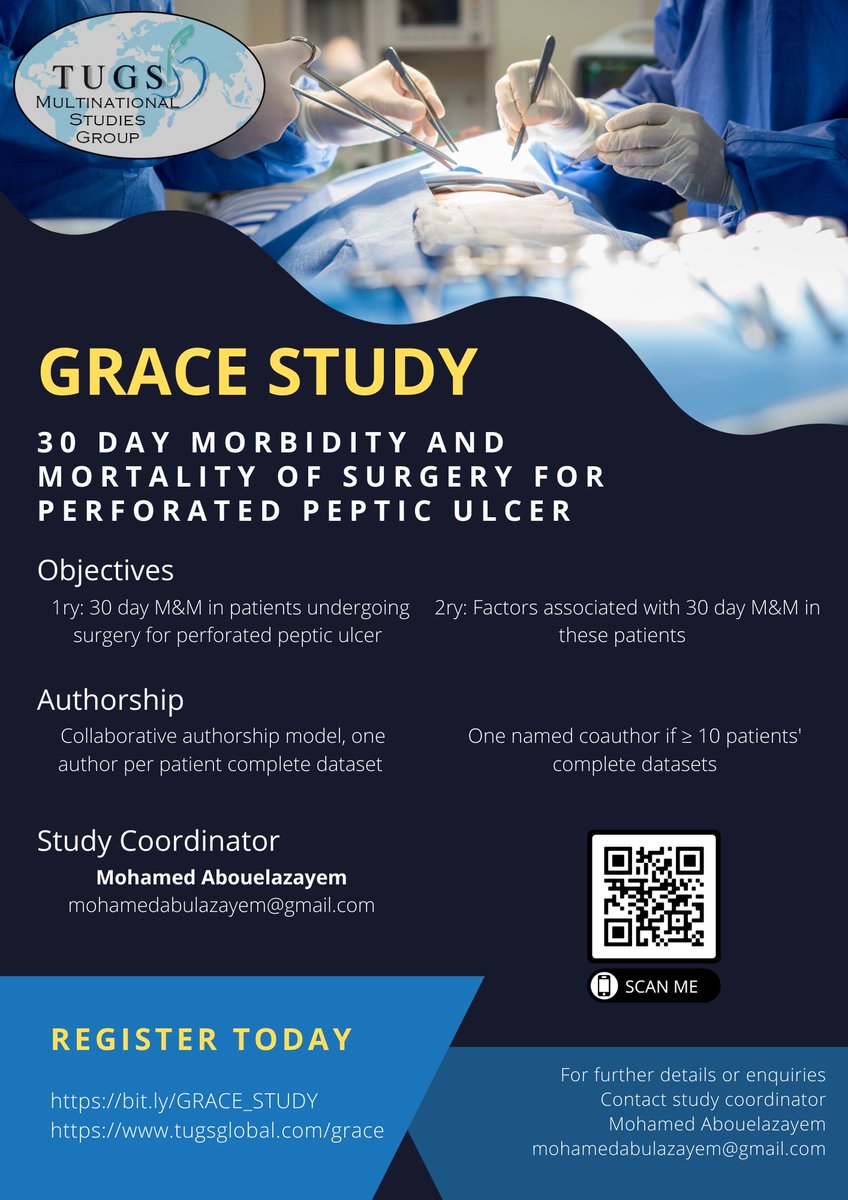
GRACE Study will assess the global 30 day mortality and morbidity of surgery for perforated peptic ulcer. Collaborative authorship model. Data collection started today. Join us and register here: forms.gle/6LcHHhs7rYuxDvyp7 @T4UGIS @tugs_audits @MoAbouelazayem @kmahawar
10
23

If you see following in the next few months, you can be a part of an international collaborative and a co-author.
1. Surgery for OG cancer
2. Cholecystectomy
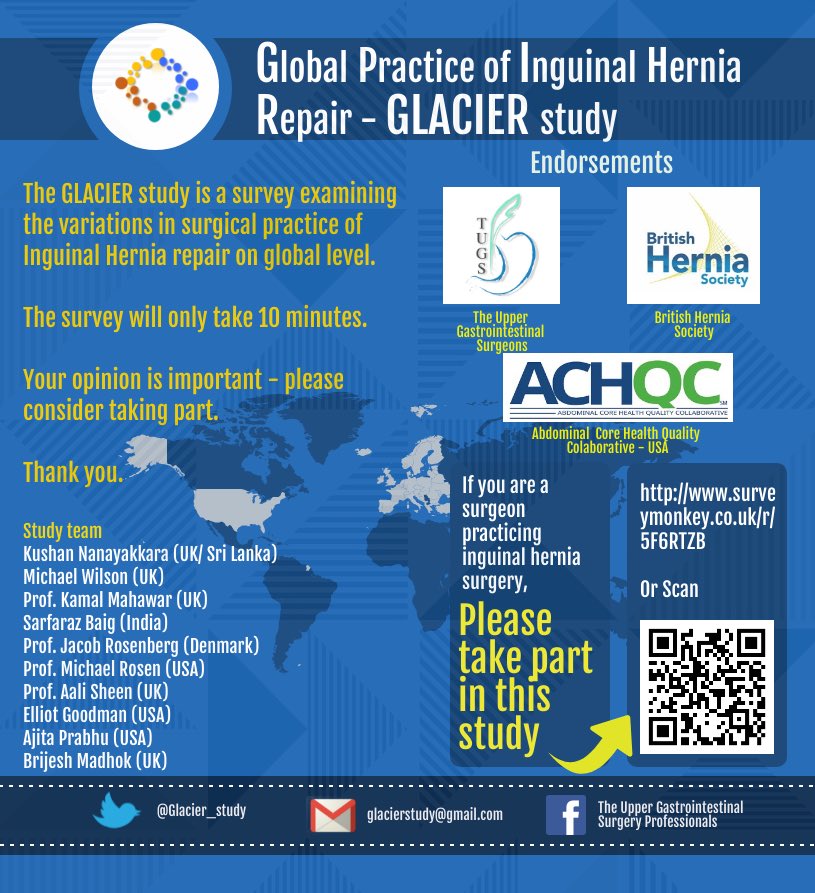
3. Emergency Hernia Repair
4. Perf. or Bleeding Peptic ulcer surgery
5. Nec. Fasciitis
More
tugsglobal.com/multinational
29
37
5 Nov 2021
Proud to be part of the team that delivered this project with such strong patient representation.
1
12
5 Nov 2021
This was such fun. Great team, #readytoroll for real if needed.
30 Oct 2021

Teamwork makes the Dream work.
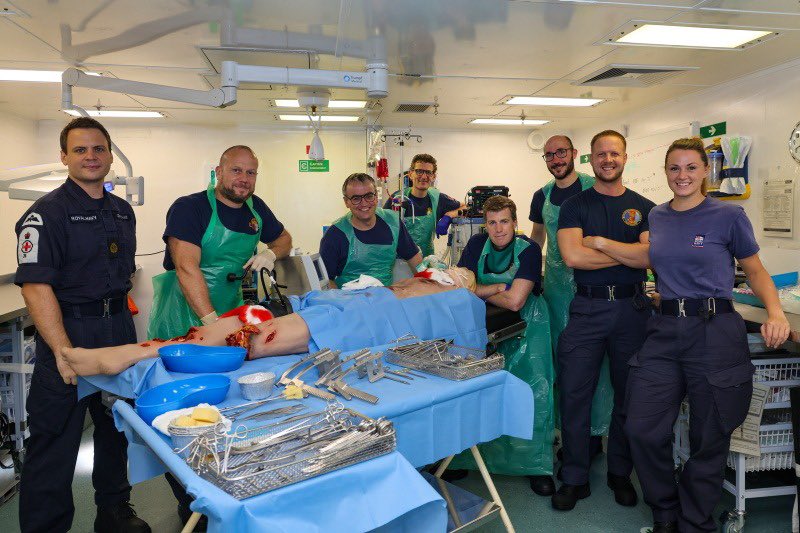
@royalnavy Surgical team rehearsing Damage Control resuscitation and surgery on board the #NationsFlagship @HMSQNLZ
Looking after our fellow sailors in the task group as they look after us.
(No manikins were hurt in the staging of this PhotEx)
1
1
4