
Building @Talentosapp, Founder @buildmyanmar, Floor lead @frontiertower
Joined August 2019
- Tweets 5,129
- Following 3,589
- Followers 2,063
- Likes 24,350
623 Photos and videos










Jun 5

To go out publicly and say what he is saying, @edzitron has balls the size of the Las Vegas sphere
39
Jun 5
All those kdramas paid off for Trae

1
32
Jun 4
The humiliation ritual before they kill you


66
Jun 4
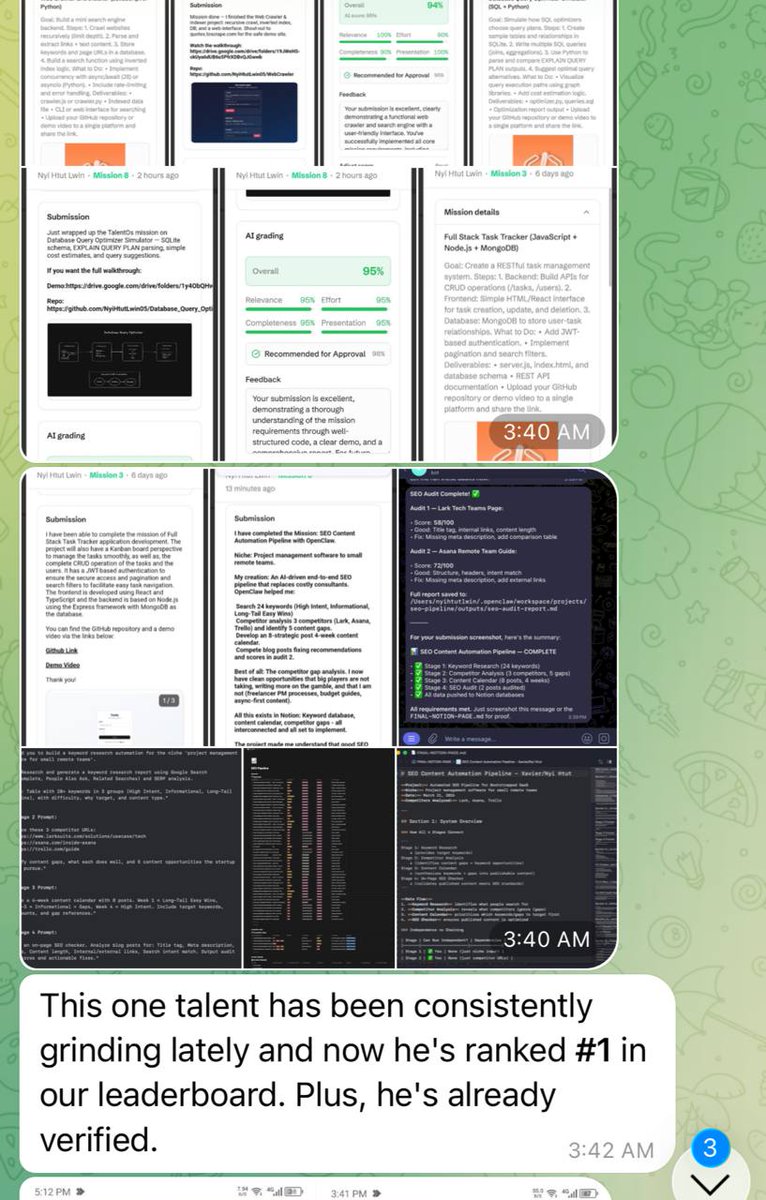
AI usage is not AI adoption.
Uber pushed employees to use AI as much as possible, then burned through most of its AI budget before summer.
The future is not about who uses the most AI tools.
It’s about who can use AI to do better work, save time, and prove it.
That's the gap we're closing with @talentosapp
4
53

James Win retweeted

Jun 2
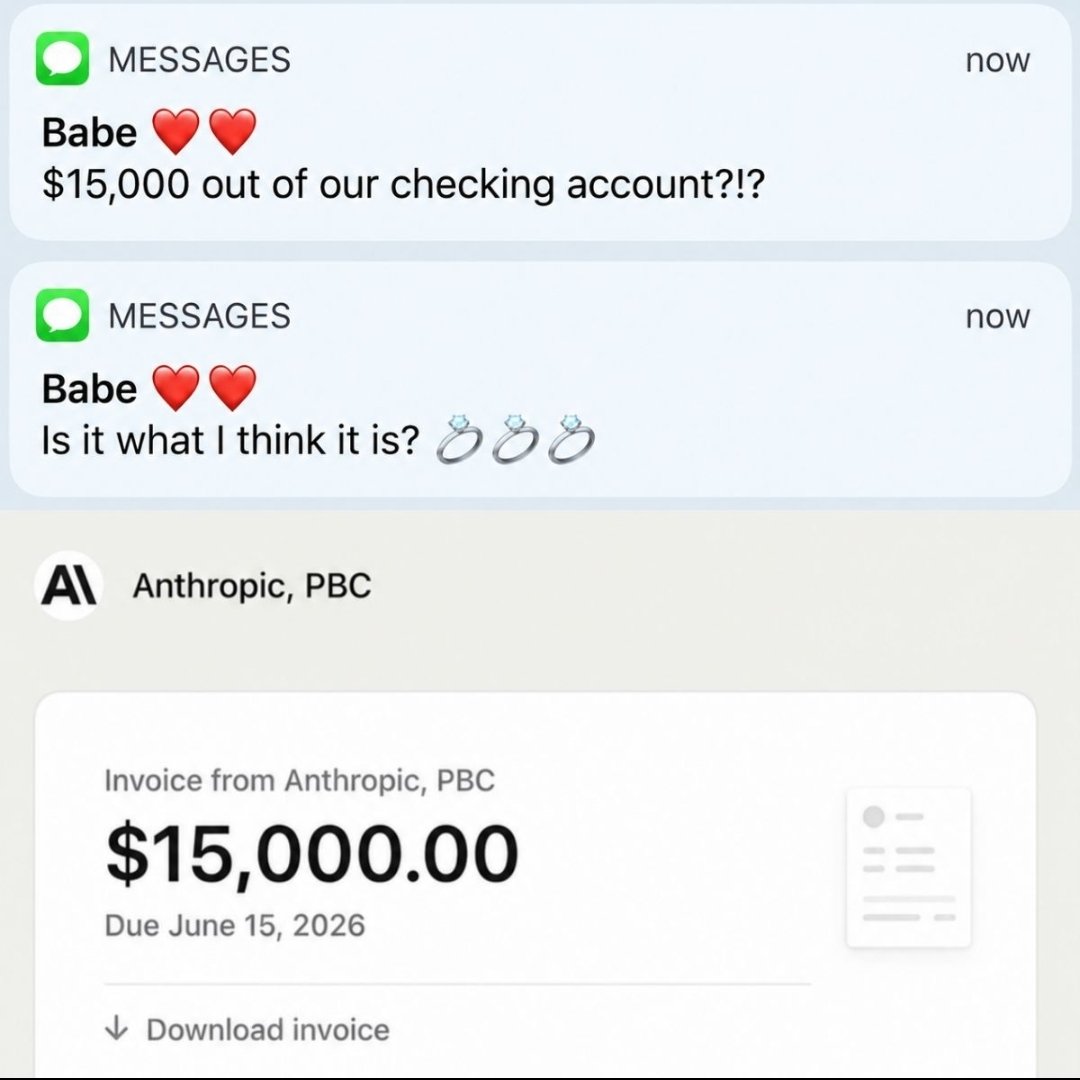
Imagine how dogshit OpenAI would be in Miami tho
1
30
3,588
James Win retweeted

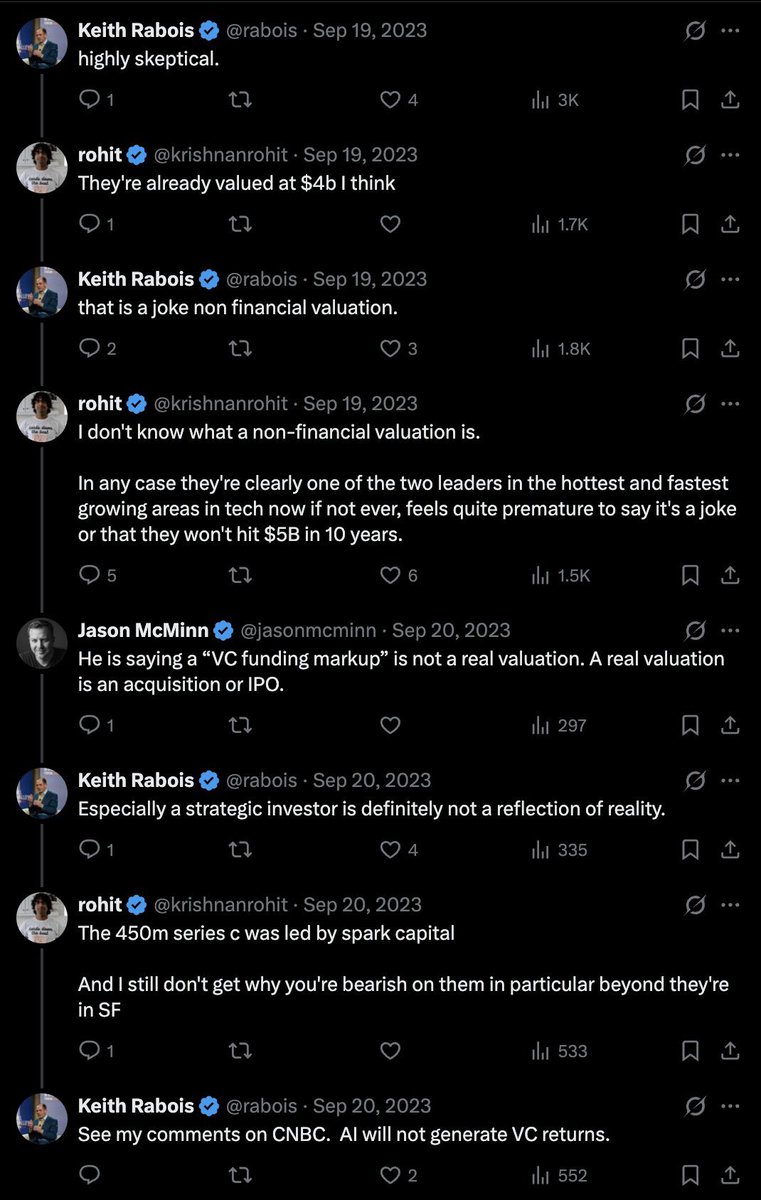
“No one knows anything” ✅
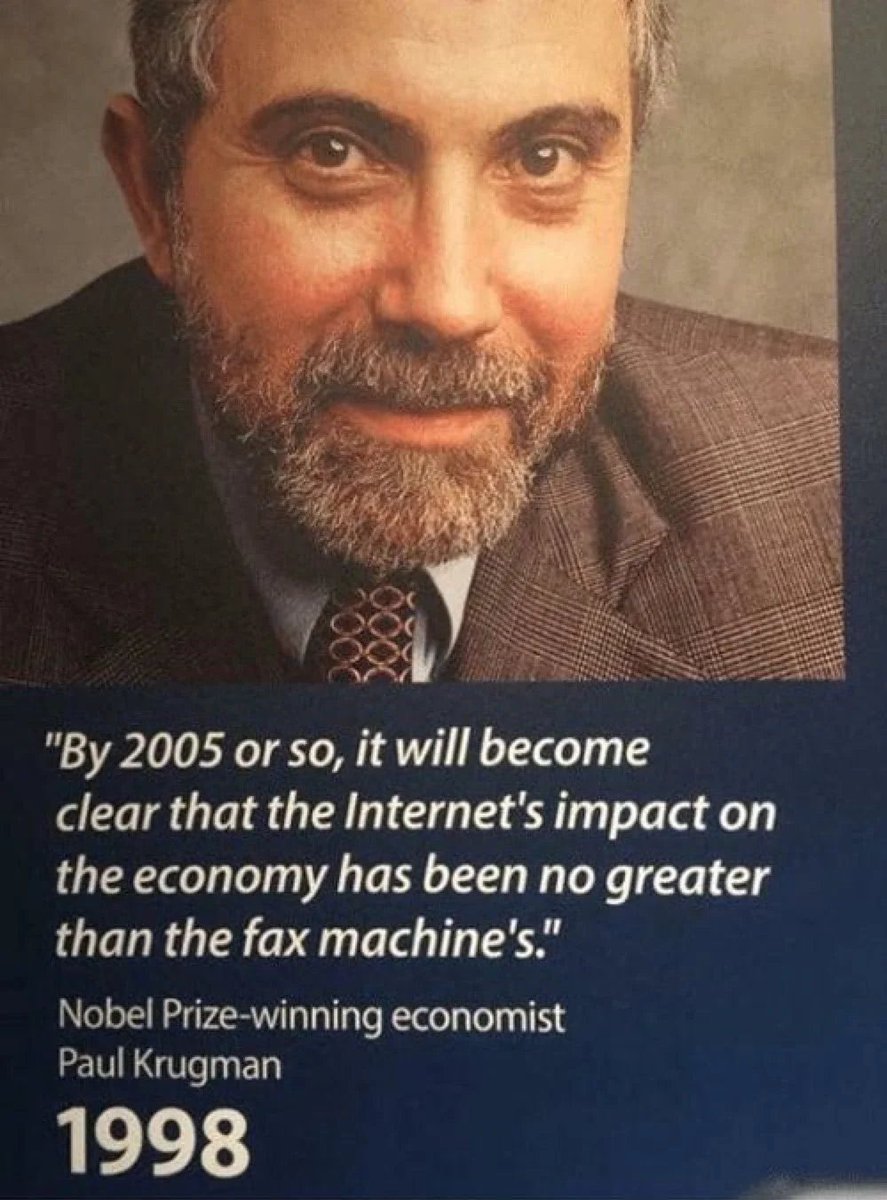
The fact that this is 2023 comment about Anthropic is simply unreal.
Reminds me of Bill Gates’ comment about the internet on the David Letterman show.
7
5
69
9,126
James Win retweeted

Such a wild dichotomy in today's market. If you are "king made" you can raise on nothing, but if you aren't, the burden of proof is higher than ever before. I just don't foresee this pattern changing any time soon unfortunately.
12
7
187
18,807
Jun 2
If you don’t know what to do in life, just start a startup.
Unironically it’s the best way to pick up skills.
1
26
Jun 2
People are wildly overestimating Harvey and Legora. They can be easily vibe coded by two cracked 14-year-olds in a week
The last frontier of full non-human software development lies in security and maintenance. Once that’s solved, software is done.
Jun 1

some thoughts on kirkland building its own harvey
1) kirkland is spending $500m over four years in order to build its own internal ai legal tools; kirkland intends to spend $100m this year
2) i suspect that kirkland is doing this because they have told themselves that they have valuable data and because they want to appear differentiated
3) i think the first issue is that kirkland probably does not have differentiated data from other elite law firms; at least, not at the level a harvey would absorb
4) all the elite firms probably have similar internal workflow data and so long as some of them defect, that is enough to commoditize the data kirkland wants to use for its platform
5) and, to the extent that they do have different internal workflows, harvey and legora will end up representing a better version of them and this will put kirkland at a disadvantage
6) moreover, companies like kirkland will have difficulty building their internal legal platforms because they do not have experience with software development
7) and, there are both cultural and structural issues with them managing software developers, like they cannot give non-lawyers equity in the firm due to regulation
8) so, i think firms like kirkland are better off using tools like harvey and legora and then looking to focus on where their value really is now: client relationships, local knowledge (litigation, regulation) and legal r&d (novel structures, etc...)
9) anyway, this seems to me like a phenomenon that ai creates across a lot of industries, where firms that were previously vertically integrated become unbundled due to ai because part of the intelligence gets moved to the labs or otherwise gets commoditized
10) and so, a new set of companies are created whose job it is in order to provide services complementary to the labs: forward deployed like harvey and legora and data providers like mercor, surge and handshake
2
56
Jun 2
Ngl this has to be satisfying

Anthropic’s last round was apparently a bloodbath behind the scenes. A GP at a prominent fund had dinner with Dario three times before their allocation was slashed to zero. At least four other tier-one funds got pulled at the last minute.
Their crime? Passing on the Series B, the hardest round Dario ever had to raise (led by Spark). In venture conviction is all that counts.
1
128
James Win retweeted

May 31
I agree that you have to work insanely hard to build a successful startup. Shut up and do the work though instead of talking yourself hard on a podcast.
36
25
727
32,663
May 31
This is like a minimum requirement in sf
May 30

If you think you’re willing to do anything for your startup’s success, think again.
This is me making out with a guy for investor money.

1
2
79
James Win retweeted

May 31
uber driver in sf asked what i do
said i'm building a startup
he said "what's your mrr?"
this city is cooked
116
108
6,259
430,339
James Win retweeted

May 31
The fallacy of this is that more creates more. More hours, more hiring, more something.
And it is true in a sense. If you put in more work, more work will happen. But I think for most startups, the leverage is really in how differently you approach the problem, how well you cultivate your team, and the strategy.
Any large company can outspend you on hours. They have thousands or tens of thousands more people, spending more hours. If hours worked were the metric, every large company and government organization would always win and do the best work. More hours, better output.
This thinking is often representative of younger founders, where the startup becomes their identity and life. They have a hard time doing anything else, and cannot understand that your work is not the person that is you. But activities outside of work can grow you as a person too and make you do better work.
I’ve never worked this way. As a designer, I always saw the need to take a step back, to take a break. At times, I might work 12 hours or 16 hours, or whatever amount was needed, but it wasn’t the norm. You just can't grind design, you need inspiration. But taking that step away from the work, would give me more perspective, inspiration and I could approach the problem differently or I could just see the solution.
Grinding is never good for any creative problem, and startups or creating new products are often mostly about creative problem solving. Grinding works ok for email jobs, or where you just executing on very clear playbook.
With Linear, we’ve never worked this way. We work reasonable hours, 5 days a week. All of us founders have families. Many of our employees have families. I personally stop every evening, spend time with the family, cook dinner for the family, eat dinner together, and focus on things outside of work. Sometimes I work in the late evenings or weekends, but to me the pride is that I don’t need to. Company should be succesful without it.
My goal is to build a company that is sustainable in the long term, and doesn’t require heroics or personal sacrifices every single day.
There are times when our team is heroic. Launches, incidents, some other work that just needs to be done. They will work late into the night because they know it is the right thing. But we don’t require that every day or every week, and the more this happens, the more I think it is a failure of our company and leadership. The team and the leaders should always keep a reserve to use when something is needed.
Our thinking was also that quality, which we value, doesn’t emerge from working more or stressing people more. It emerges when you create the conditions for it to emerge. Often it is the appreciation, space, time, and how the person feels. A person who is rested will do better work.
I wouldn’t attribute much of our success to working a lot. The success came from having clear thinking, ideas, and focus to do the right things.
I sometimes wish we could move the culture more toward a Zen master.
Real mastery is not exerting the most effort. It is achieving the outcome with the least necessary effort.
May 30

"If you are not working 7 days per week, you are going to lose".
Corgi Insurance is the most intense workplace culture in startups.
- The company works 7 days per week.
- Founder (@nico_laqua) lives and sleeps in the office.
- He built a cafe in the office because there was no local cafe that was open 24/7.
- 2/3 of the first 30 team members have the Corgi logo as a tattoo.
Today I went behind the scenes with Nico, who has used this culture to scale the company to a $2.6BN valuation in just two years.
My condensed notes below:
1. If You Are Not Working 7 Days Per Week, You Are Going to Lose:
Whatever you can get done in 5 days, you'll get more done in 6 and 7. If you are trying to solve the world’s hardest problems, a standard 5-day workweek will not cut it.
2. Work Trials Repel the Mediocre:
Corgi forces candidates into mock work trials over the weekend. If seeing a full office on a Saturday scares them, they don't belong. True intensity acts as a natural filter to attract killers and repel clock-watchers.
3. Lead from the Front Lines
You can’t demand 7-day weeks while sitting on a yacht. Nico sleeps 3–4 hours a night on a mattress inside the office. If you want your troops to bleed, you have to be in the trenches with them.
4. Culture Only Means One Thing: Winning
Forget superficial jargon like "hackers" or "ex-founders." Strip away the corporate fluff. A great startup culture is aggressively optimized around one single word: Winning.
5. Lifespan vs. Victories
Building something world-historic requires radical sacrifice. When asked if he'd rather build a trillion-dollar company and die at 50, or fail and live to 80, the answer was easy. "I would rather measure my lifespan in victories."
6. Reject the Comfort of "Quiet Quitting."
If you are operating in a hyper-growth environment and your days off happen to be Saturday and Sunday every single week, you are quiet quitting. To win, you must deliberately bypass the off-ramps of personal comfort and low volatility.
Corgi isn't for everyone—and that’s exactly the point.
157
444
5,103
1,345,456
May 30
Or just go to Calistoga and enjoy the pool

SF weekend date ideas:
- Go to the Indian mango tasting party
- Attend the unofficial cake picnic
- Try the new monthly Salt and Straw flavors
- Find a Zoox beta user to take you around the city
- Vibe code a project for the Sui Overflow hackathon
48
May 27
Mass email dead. In 3 years, an AI agent screens your inbox before you do. It decides what you see. Start writing for the agent, not the human.
29
May 24
The companies that are still treating AI adoption as a training problem in a few years will find themselves outpaced by competitors who've already moved on to building the actual infrastructure around it.
1
1
39