
Millennial ♀️ 30s | she/her | CompSci student. currently reading: Katabasis by R.F. Kuang | i have varied interests, my posts will reflect that.
Joined February 2023
- Tweets 1,292
- Following 615
- Followers 186
- Likes 156,481
112 Photos and videos






Pinned Tweet

May 20
Sometimes, even if I don't understand, I will like posts where someone is explaining an advanced concept in a subject that I am interested. I like the posts anyway because I am confident that as I continue to follow my hobbies and seek knowledge, one day I will understand.
92
Khayla | 思雨 | ケイーラ retweeted

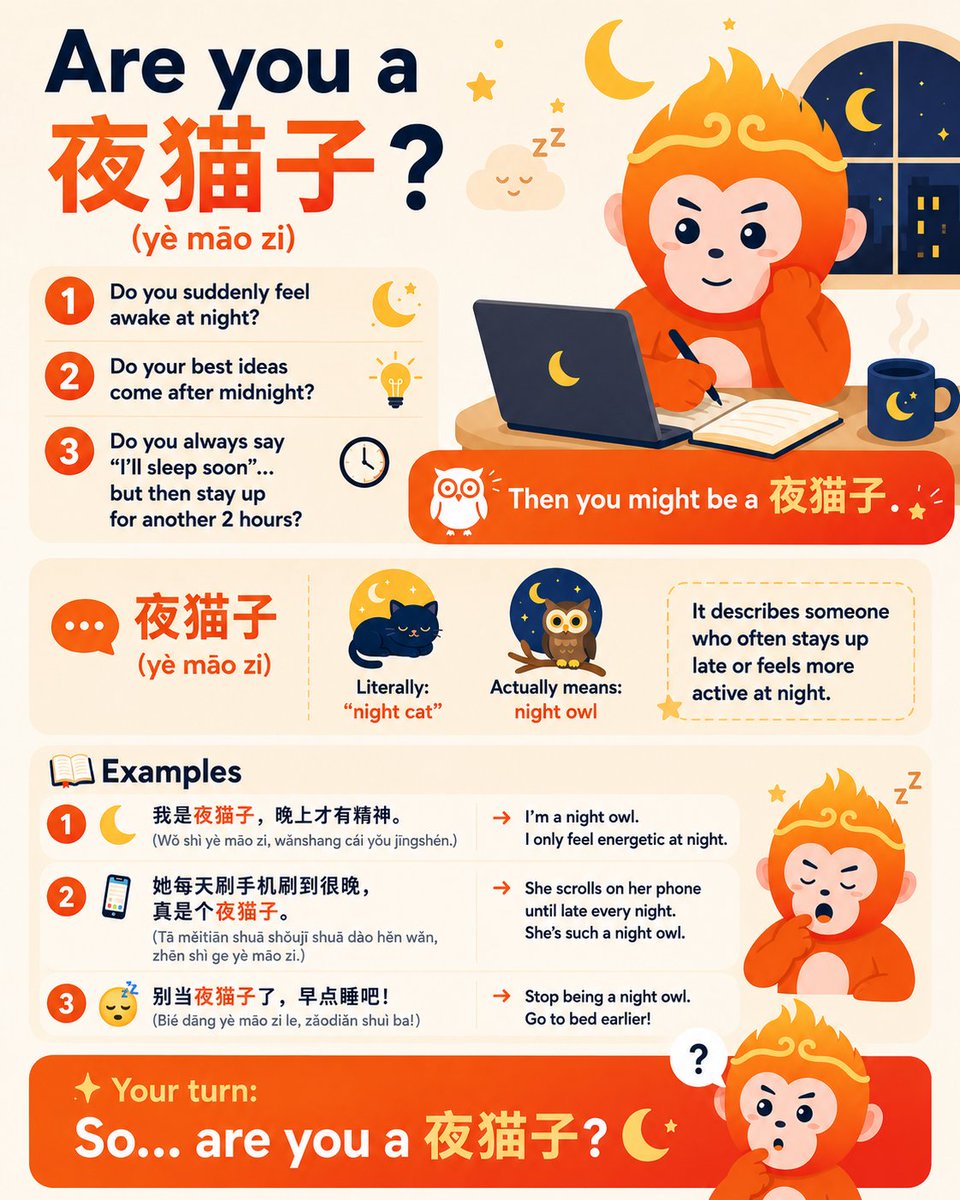
Are you a 夜猫子? 😴🌙
夜猫子 (yè māo zi) literally means “night cat,” but in daily Chinese, it means night owl — someone who stays up late or feels more active at night.
Example:
我是夜猫子,晚上才有精神。
(Wǒ shì yè māo zi, wǎnshang cái yǒu jīngshén.)
I’m a night owl. I only feel energetic at night.
So… are you a 夜猫子? 🌙
1
11
37
818
Started math on Duolingo for fun. geometry is a weak subject, but I didnt realize just how weak. thought Math couldn't humble me further. I swear I've never heard of a "heptagon". Have they invented new shapes in the past 20 years since I was in elementary school? Insane lol
27

Khayla | 思雨 | ケイーラ retweeted

May 28

ALT A fluffy black cat with wide round eyes lies flat on the ground in the corner of a softly textured pastel background that fades from pink to purple and pale green. Above the cat, the text reads: “Existing can be a lot of work”.
5
378
1,667
18,511
May 21
We know time is a finite resource. How do you stop yourself from spending "too much" time on theory and not enough time on practice and application? Especially when you genuinely enjoy reading the theory.
I need to better balance my studies. . .
1
53
Khayla | 思雨 | ケイーラ retweeted

May 20
Microdosing hell by being aware and literate
120
33,681
166,994
2,028,403

Khayla | 思雨 | ケイーラ retweeted

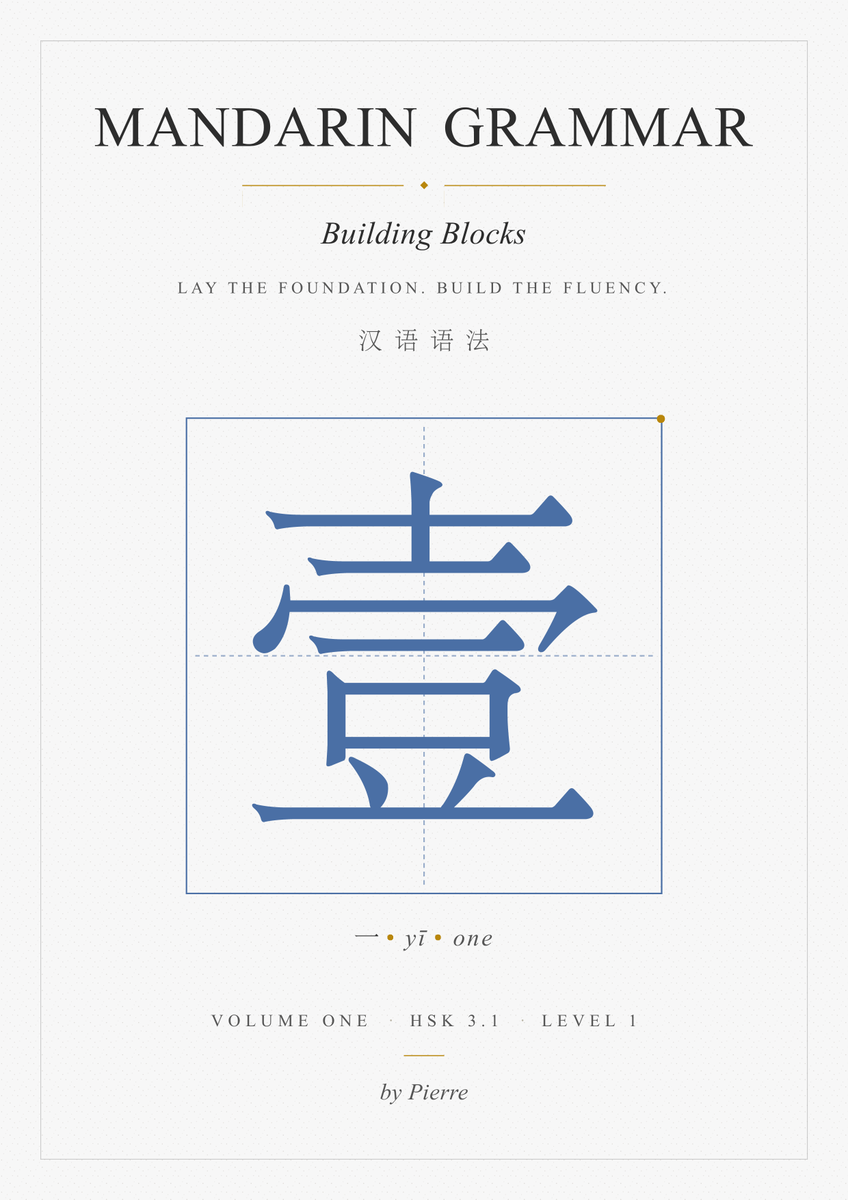
After five months of writing, my first Mandarin grammar workbook is finally out.
174 pages. 18 chapters. 108 exercises. Built around the new HSK 1 (rolling out July 2026).
Plus a 534-card Anki deck of sentences from the book.
40% off launch week 👇
2
19
271
9,869
Khayla | 思雨 | ケイーラ retweeted

May 16
not a jack of all trades but a hoe of all hobbies
18
1,310
7,835
150,672
Khayla | 思雨 | ケイーラ retweeted

May 11
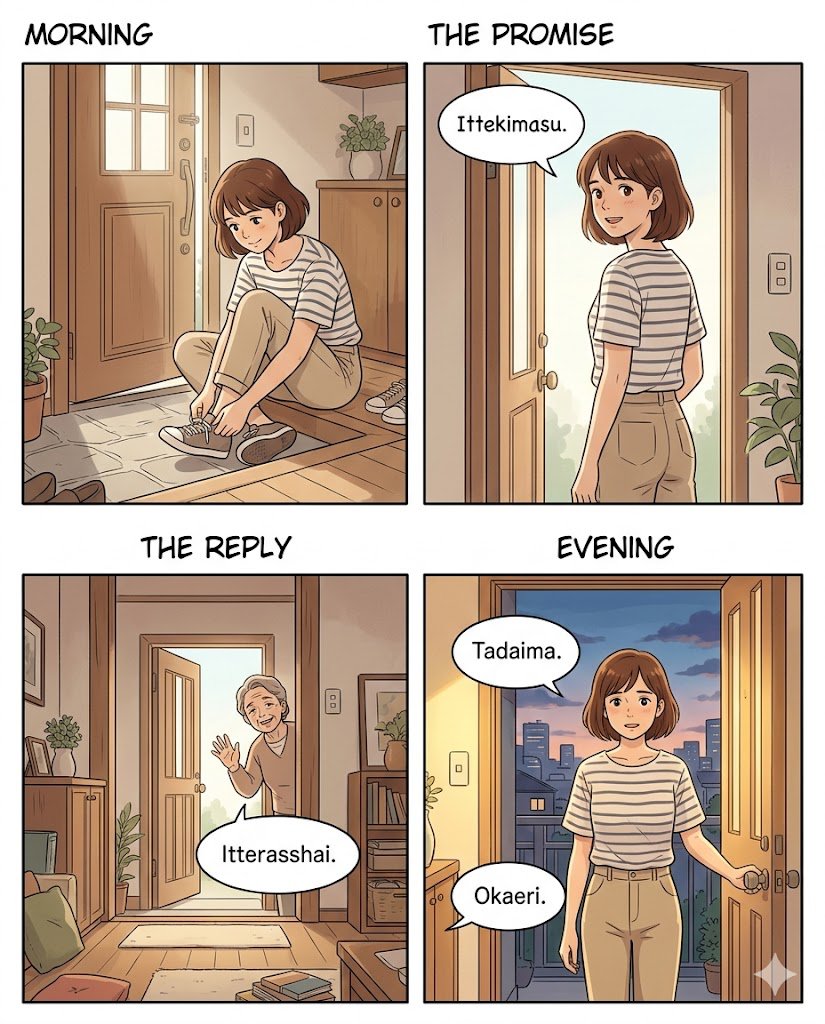
"Ittekimasu" doesn't mean goodbye in Japanese.
If anything, it means the opposite.
The word is made of two verbs: "itte" (go) and "kimasu" (come).
So when a Japanese person says it on the way out the door, they're not saying farewell.
They're saying "I'm going, and I'll be back."
The reply, "itterasshai," works the same way.
It means "go, and come back."
Two short promises.
One leaving, one waiting.
People don't think about this every morning, of course.
It's just something you say.
But the structure is still there, baked into the word.
Every ittekimasu has a small promise inside it: I'll be back.
Every itterasshai has a small request: please come back.
English doesn't really have an equivalent.
"See you later" is the closest, but it doesn't promise anything.
It just hopes.
So every morning in Japan, in millions of homes, people exchange tiny contracts before walking out the door.
One person leaves.
Another waits.
And both expect to meet again at the end of the day.
It's not really a goodbye.
It's a small, daily promise that today won't be the last time.
90
285
2,196
58,674
Khayla | 思雨 | ケイーラ retweeted

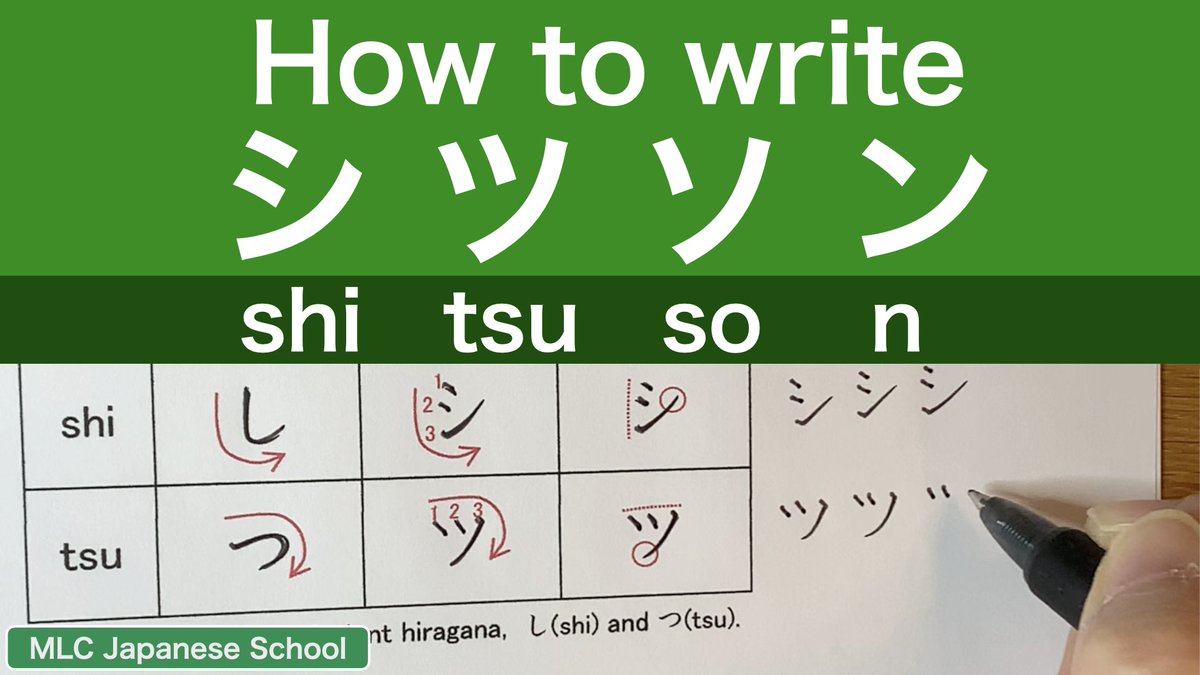
Learn how to clearly distinguish and write the katakana characters シ / ツ and ソ / ン
youtu.be/ojNnNU4mnNE
#katakana
19
179
7,210

flip-flops and logic gates are where computation starts.
not ai.
not python.
not react.
not operating systems.
just voltage.
high voltage → 1
low voltage → 0
that’s it.
logic gates are the decision makers.
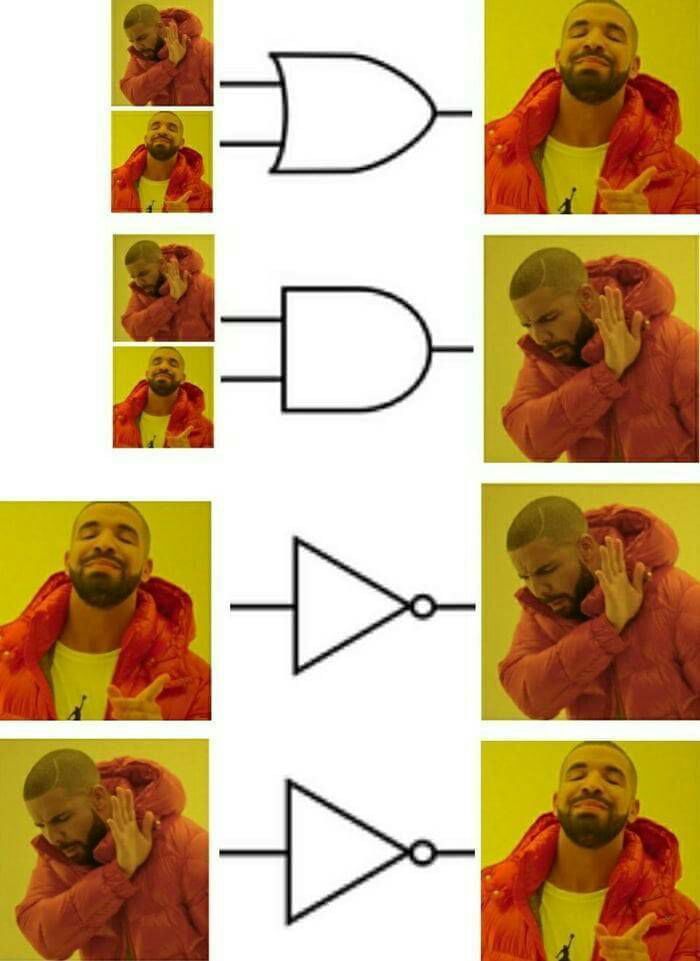
and gate → both inputs must be 1
or gate → one input must be 1
not gate → flips 1 into 0, 0 into 1
xor gate → true only when inputs are different
from these stupidly simple blocks, you get:
→ adders
→ multiplexers
→ alu
→ registers
→ memory
→ cpus
→ gpus
→ basically the entire digital world
but gates alone are not enough.
logic gates compute.
flip-flops remember.
that one distinction is the whole game.
a logic gate says:
“given these inputs, what should the output be right now?”
a flip-flop says:
“store this bit and hold it until the next clock edge.”
that’s memory.
one flip-flop → 1 bit
8 flip-flops → 1 byte
32 flip-flops → one 32-bit register
millions/billions → real machines
this is where circuits stop being dumb wires and start becoming systems.
combinational logic:
input → logic gates → output
sequential logic:
input previous state clock → next state
that “previous state” is everything.
without flip-flops:
→ no counters
→ no registers
→ no instruction cycles
→ no finite state machines
→ no processors
→ no computers
software people think computation starts at code.
hardware people know it starts at state.
code becomes instructions.
instructions become control signals.
control signals move bits.
bits sit inside registers.
registers are built from flip-flops.
operations happen through logic gates.
every app, every website, every model, every game, every “ai agent” eventually collapses into this:
gates deciding.
flip-flops remembering.
clock ticking.
learn digital logic once and computers stop feeling like magic.
they become machines.
4
12
107
3,926

Khayla | 思雨 | ケイーラ retweeted

"気になる" vs "気になってる" in Japanese romance:
気になる = curious, noticing.
気になってる = ongoing pull, you're stuck in my head.
The て-form pushes it from passing thought to present feeling.
7
67
1,907
Khayla | 思雨 | ケイーラ retweeted

May 11
It begins
Grade 1 for Kanji Study now available—import to Anki from this link:
ashiba-app.com/anki-Ashiba_K…
Method follows my approach to kanji study outlined here: ashiba-app.com/learn/foundat…
Happy studying!
1
6
98
Khayla | 思雨 | ケイーラ retweeted

Over 80% of Chinese characters are pictophonetic — meaning one part tells you the meaning (the radical), and the other part gives you a massive clue to the pronunciation.
Put this into practice with real, level-graded news stories today. Link in bio.
1
1
88
I spent over an hour trying to figure out why I kept getting an error trying to run my simple code. I finally broke down and asked AI to tell me what was wrong. It was all due to a small typo. That made me wish I had just stuck it out a little longer & figured it out myself. 😂
30
Duolingo says both "boleto" and "entrada" both mean "ticket" in Spanish. Are there any nuances as far as when to use one or the other?
38