
Joined July 2016
- Tweets 830
- Following 148
- Followers 657,784
- Likes 1,496
98 Photos and videos


Pinned Tweet

2 Aug 2016
“An Open Letter to John Hanke & Niantic” by @YangCLiu medium.com/@yangcliu/an-open…
716
5,015
19,800
Feb 23
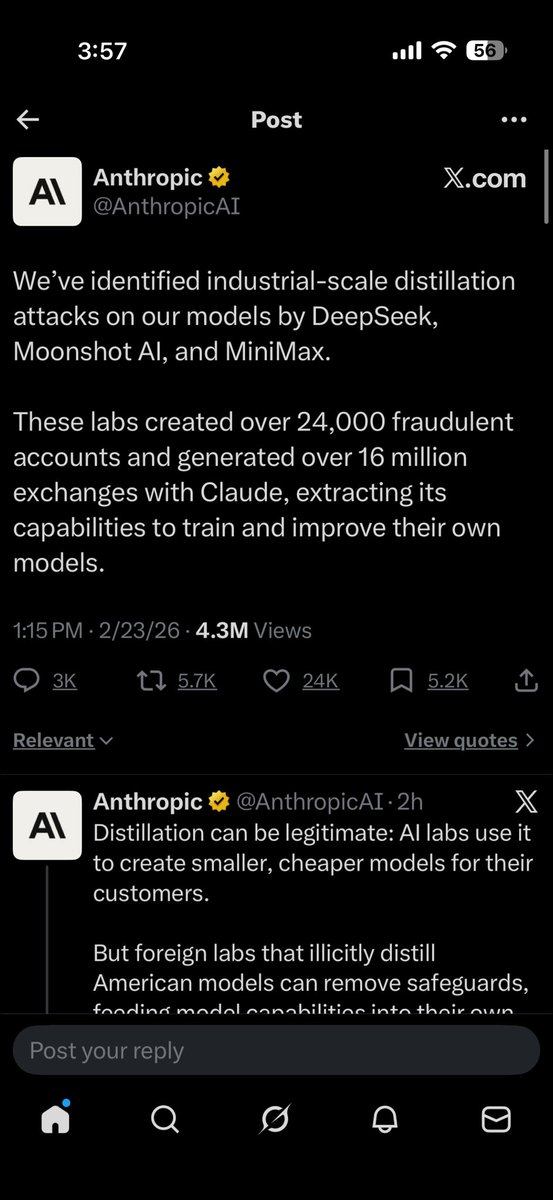
Surprise, surprise
29 Jan 2025

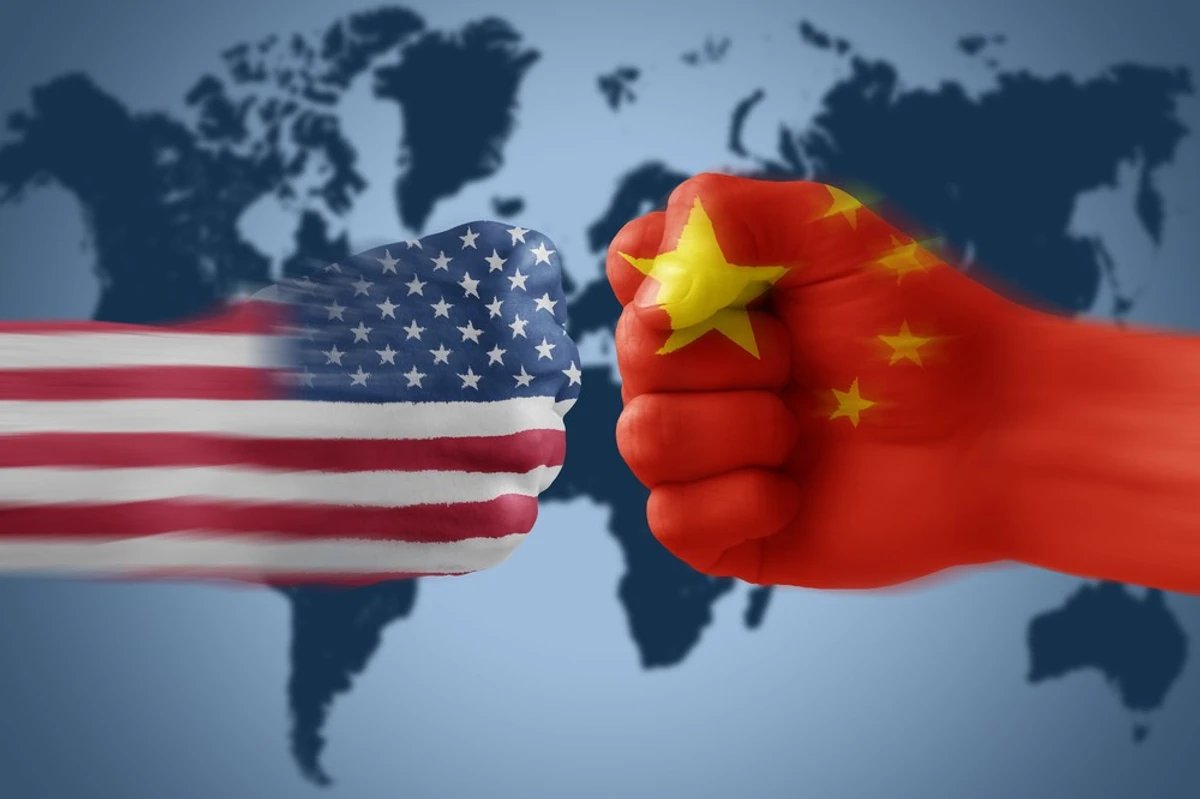
I believe DeepSeek’s recent developments should not be misconstrued as a mere demonstration of Chinese assertiveness or an attempt to undermine Western technology. Rather, it represents a meticulously orchestrated defensive strategy by both China’s private sector and government to forestall the imposition of more severe sanctions by an increasingly “China-hawkish” U.S. administration, exemplified by actions against platforms like TikTok.
A significant challenge in enforcing punitive measures against China to establish a reciprocal technological relationship—ensuring equal opportunities for app launches in both China and the U.S.—lies in the realm of open-source technology.
China is acutely aware of this dynamic. The release of DeepSeek, notably timed on the eve of the Lunar New Year (poor timing for Chinese employees), serves as a preemptive measure against potential U.S. actions. It is not a coincidence that this happened shortly after Trump's inauguration - where many tech have been advising Trump significantly on the topic of US v. China tech.
By introducing Deepkseek, an advanced open-source codebase, China not only showcases its technological capabilities but also complicates the U.S.‘s ability to impose punitive measures, as such actions could hinder global technological collaboration from which the U.S. also benefits.
This scenario underscores China’s confidence in its global positioning. By willingly sharing substantial value now, China aims to continue reaping the benefits of global technological collaboration, thereby deterring potential sanctions, while simultaneously maintaining a closed domestic market for its consumers.
3
7
10
11,663
29 Jan 2025
I believe DeepSeek’s recent developments should not be misconstrued as a mere demonstration of Chinese assertiveness or an attempt to undermine Western technology. Rather, it represents a meticulously orchestrated defensive strategy by both China’s private sector and government to forestall the imposition of more severe sanctions by an increasingly “China-hawkish” U.S. administration, exemplified by actions against platforms like TikTok.
A significant challenge in enforcing punitive measures against China to establish a reciprocal technological relationship—ensuring equal opportunities for app launches in both China and the U.S.—lies in the realm of open-source technology.
China is acutely aware of this dynamic. The release of DeepSeek, notably timed on the eve of the Lunar New Year (poor timing for Chinese employees), serves as a preemptive measure against potential U.S. actions. It is not a coincidence that this happened shortly after Trump's inauguration - where many tech have been advising Trump significantly on the topic of US v. China tech.
By introducing Deepkseek, an advanced open-source codebase, China not only showcases its technological capabilities but also complicates the U.S.‘s ability to impose punitive measures, as such actions could hinder global technological collaboration from which the U.S. also benefits.
This scenario underscores China’s confidence in its global positioning. By willingly sharing substantial value now, China aims to continue reaping the benefits of global technological collaboration, thereby deterring potential sanctions, while simultaneously maintaining a closed domestic market for its consumers.
4
14
24,089
29 Jan 2025
As @pmarca hinted it here in 2022 x.com/pmarca/status/15205823…
China’s leadership keenly observed recently shifts within the U.S. political landscape, particularly the “circulation of elites” —the transition of power among governing groups (aka tech leaders now in government).
Deepseek is likely to be a response in kind, as using traditional political maneuvers no longer will be effective against the new administration.
1 May 2022

"James Burnham had proposed the existence of a similar class in his 1941 book, The Managerial Revolution, arguing that they had become the new ruling class."
3
13,682
25 Jan 2025
Hi everyone! This is Yang (of Pokevision).
I will be using this account as I deactivated my Twitter account a year ago and just noticed it became permanently deleted.
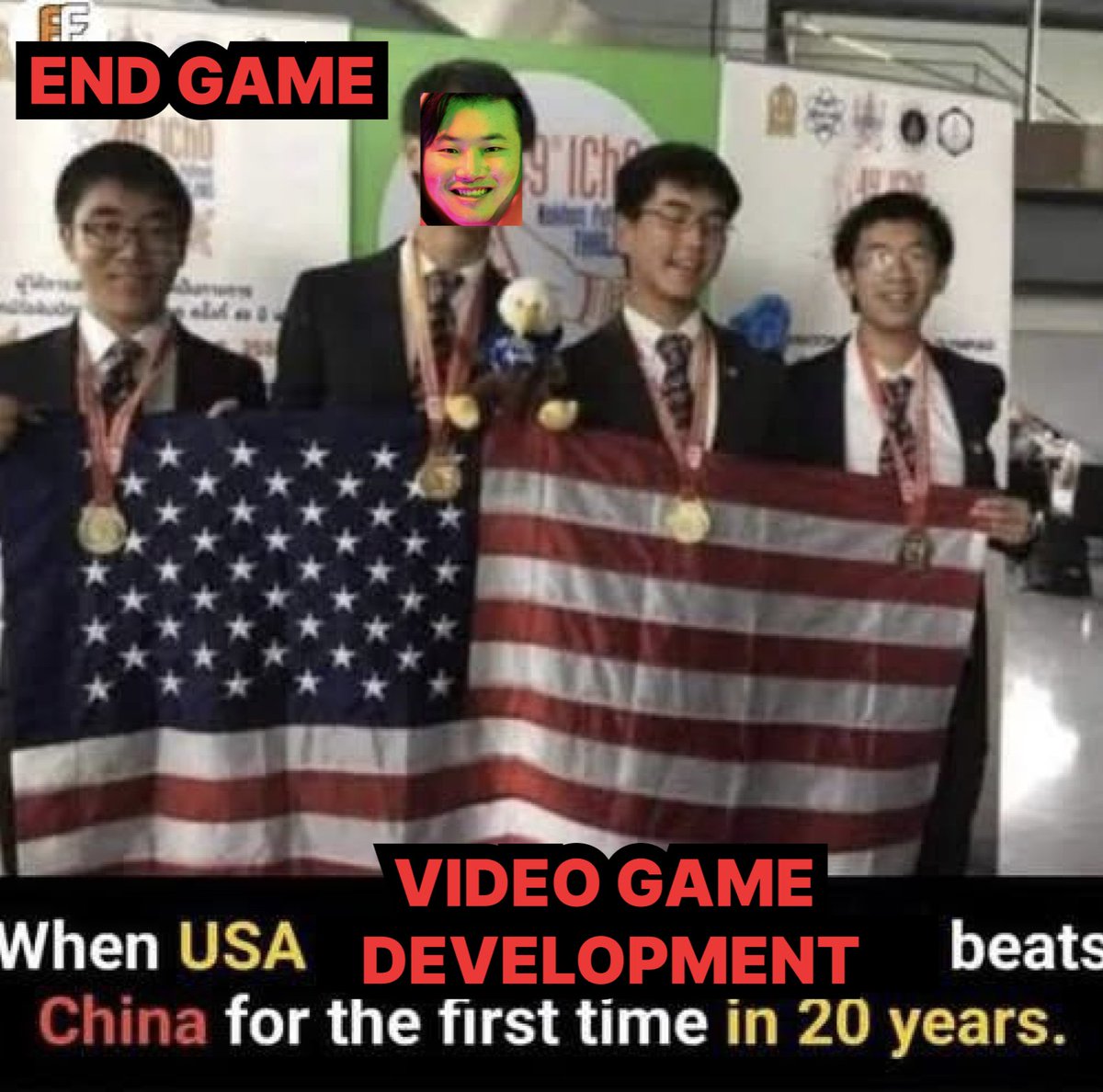
Since Pokevision, Luke (also built Pokevision) and I have decided to build an American video game development studio and we have been funded by some amazing investors to build great games that we grew up playing in our child hood. Our experiences with games such as Pokemon GO was definitely very influential in our decision to go down this path. You can read a bit here: forbes.com/sites/kenrickcai/…
From now on, I will be tweeting about video games, game development AI, and entertainment in general. I am using this account because it shares a lot of mutual contacts I used to have on my own account. But if my tweets are not of interest to you - I won't be offended if you decide to unfollow me!
I promise to tweet interesting things though if you do decide to stick around!
-Yang
(Pokevision forever!!!)
6
6
29
13,498
10 May 2018
We recently launched a new game on iOS. Please check it out and support us if you can!
It's a 100-player, real-time, multiplayer 2D Battle Royale game, we hope you can try it!
Thank you <3 - Pokevision team
itunes.apple.com/us/app/zomb…
34
34
277
27 Oct 2016
Just curious - do most of you guys play other video games? And if so, which ones!
271
32
610
2 Aug 2016
How enjoyable are you finding Pokemon Go this week compared to the weeks before? [Please answer seriously guys!]
11%
More enjoyable
14%
Just as enjoyable
50%
Less enjoyable
25%
I've stopped playing
437,159 votes • Final results
3,252
2,835
10,038
31 Jul 2016
Sorry guys - we took the Teespring down because while we do want Pokevision to be up, we can't guarantee it & don't want to give false hope.
438
374
3,724
31 Jul 2016
We hope soon, but we don't know. We didn't want to keep you guys in the dark. We hope that these circumstances change soon.
271
225
2,522
31 Jul 2016
Hey guys. We wish we had some news for you
At this moment, we are respecting Niantic and Nintendo's wishes.
Will keep you guys posted
<3
2,156
1,857
8,944
29 Jul 2016
John Hanke's story on what led to the creation of Pokemon Go by @RMac18 forbes.com/sites/ryanmac/201…
43
219
1,172
29 Jul 2016
We're switching the map tiles, will take a bit, thanks for your patience! Everything will be back to normal soon
139
136
1,607
29 Jul 2016
.@perniciousducks Yes this is a very expensive service. And we have everything to thank @Esri for.
9
18
449
Yang Liu retweeted

29 Jul 2016
Creator of 'Pokémon GO' wants to shut down the game’s unofficial apps til.ink/2aibH4c

136
230
881