I cook, therefore I am. People feeder, awareness raiser, #BCwine fan, traveler. she/her
Joined May 2010
- Tweets 22,364
- Following 772
- Followers 843
- Likes 30,869
652 Photos and videos





Karen Dar Woon retweeted

Joy, in the healthiest sense, is not the loud promise that everything will be fine. It is not a bright sticker pasted over a cracked window. Joy is a steady, clear-eyed willingness to notice what is good without denying what hurts. In the Yukon, joy can be as small as the smell of tea in a warm mug, as quiet as a raven’s wingbeat, as simple as a neighbour waving from across a snowy road. It does not erase pain. It sits beside it and says, "I am here too."
*****
By 2026, digital media had engulfed everyday life. In 2026, I created an experience through the tactile, quiet, unhurried act of reading on paper. Inside The Gurdeep Magazine, you’ll find essays crafted for slow, quiet reading, all centered on joy, hope, and positivity. If you'd like to hold printed words that warm your hands, heart and mind, visit gurdeep.ca/magazine.
2
30
317
4,831
Karen Dar Woon retweeted

Jun 10
June 10th! Ballpoint Pen Day! Writing (and drawing) by hand is good for the brain and good for the soul. To celebrate the day, you could gift a ballpoint & a stack of good copy paper to your three favorite people, of any age. #ballpointpen

5
81
433
4,262
Karen Dar Woon retweeted

Jun 9
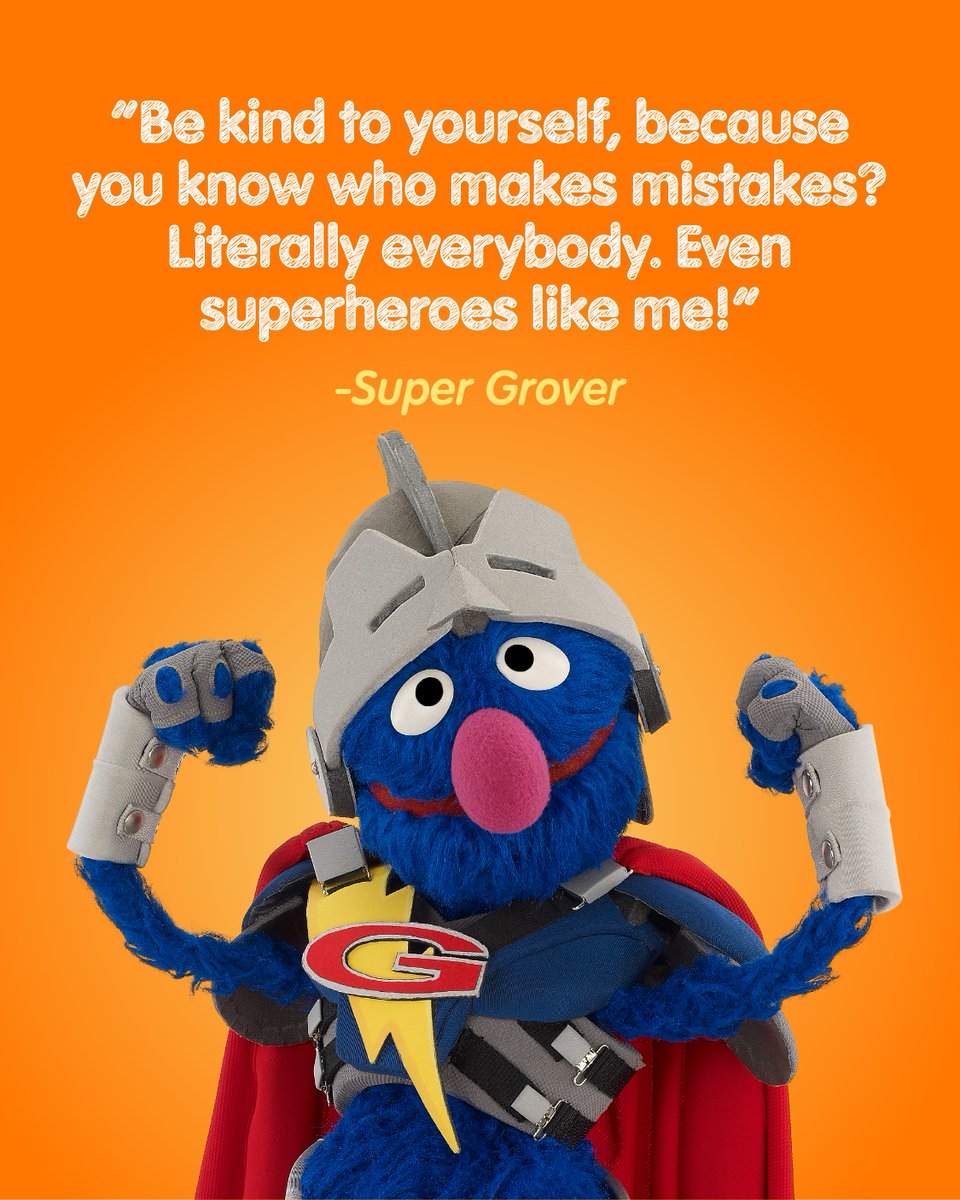
Be super kind to your super self! 💙
21
464
2,106
29,786
Karen Dar Woon retweeted

If my kids gotta do active shooter drills then your kids can handle a t-shirt with a rainbow on it
470
3,000
33,449
291,989
Karen Dar Woon retweeted

Jun 10
Today we are wishing a Happy Birthday to Maurice Sendak, who was born #onthisdate in 1928.
If you've not read Where The Wild Things Are, read it today. Or if you've not read it for a while, read it today.
And then let the wild rumpus start.
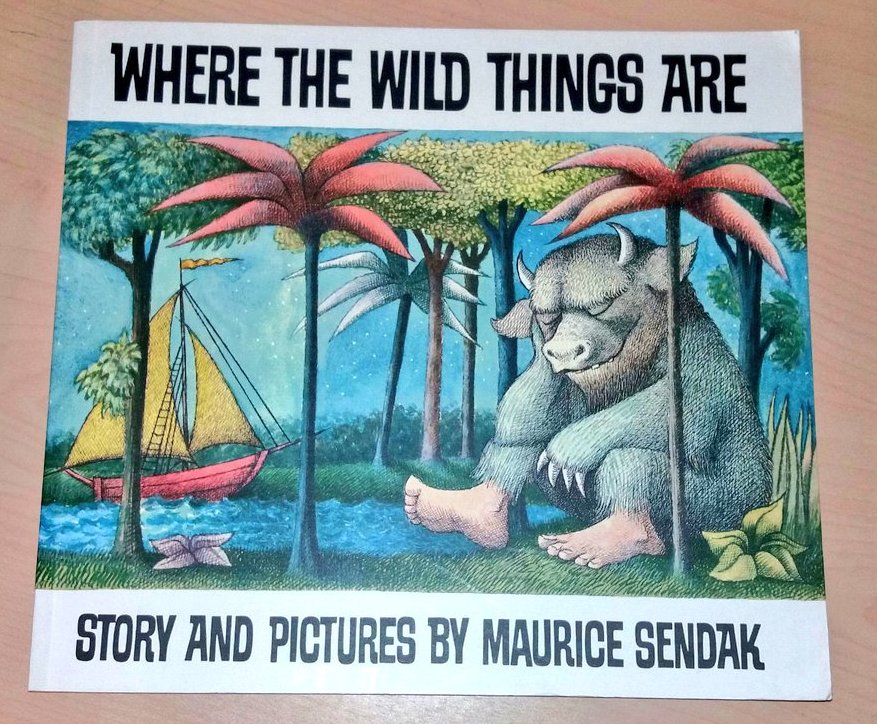
ALT The book Where the Wild Things Are by Maurice Sendak
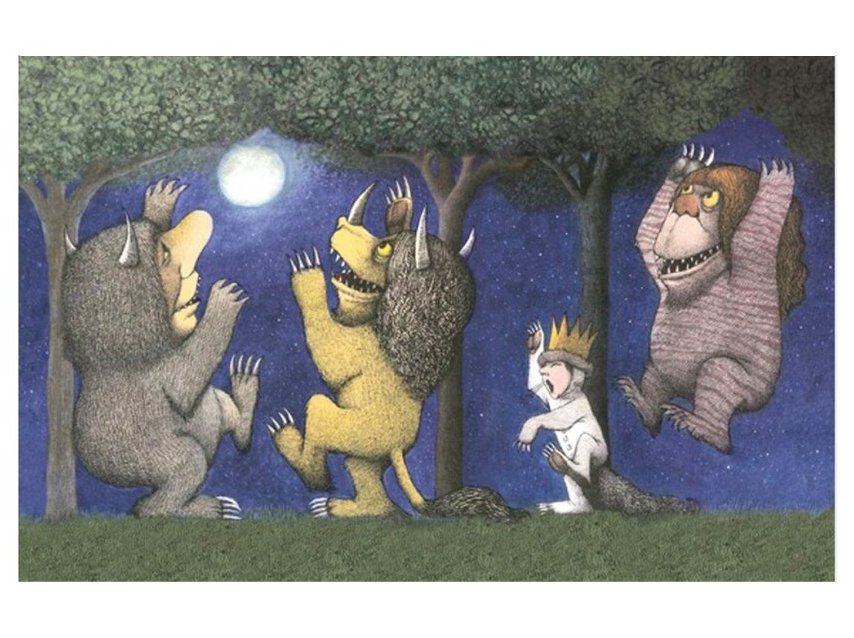
ALT An illustrated page from Where The Wild Things Are. Max and the monsters having a wild rumpus.
9
122
631
13,285
Karen Dar Woon retweeted

Jun 10
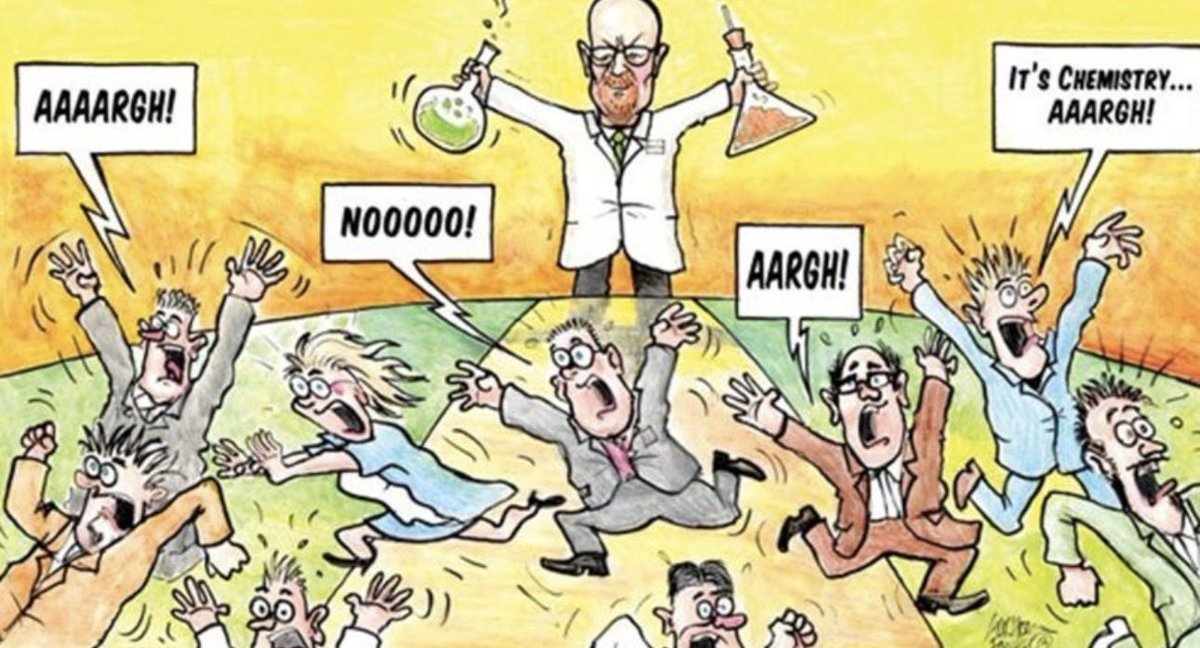
I’m a chemist. I need to say this - because it’s getting dangerous out there. The biggest health myth in the world isn’t about vaccines.
Or GMOs. Or fluoride.
It’s the root of all of them.
It’s called chemophobia - and it’s killing science.
Fear of “chemicals” now drives vaccine rejection, GMO bans, food hysteria, and entire political movements.
From tampons to tap water, people have been taught to fear chemistry - the very thing that keeps us alive.
Chemophobia tells us:
“Natural is good.”
“Synthetic is bad.”
That’s a lie.
Botulinum toxin is 100% natural and one of the deadliest molecules known. Aspirin is synthetic and life-saving.
We’ve gone from banning harmful substances for good reason…to banning safe, well-tested molecules for emotional reasons.
You’ve seen the slogans: “If you can’t pronounce it, don’t eat it.” “Paraben-free.” “Clean beauty.”
They sound empowering. But they’re not science - they’re marketing. And they’re making the world dumber, poorer, and sicker.
Your body doesn’t care if a molecule comes from a plant or a lab. Vitamin C is vitamin C.
Formaldehyde is formaldehyde and your body makes more of it every day than any vaccine ever could.
Dose matters. Source doesn’t.
This fear isn’t harmless.
It shapes public policy.
It blocks innovation.
It raises food prices.
It slows down cancer treatments.
Chemophobia is now mainstream and it’s costing lives. Scientists aren’t losing because we’re wrong.
We’re losing because fear spreads faster than facts. Because influencers sell fear for clicks.
Because lawyers monetize doubt. And because scientists are too tired to fight back.
So here’s my message, as a chemist and as a citizen: Learn how toxicology works.
Call out chemical fear-mongering. Support policies based on evidence, not emotion.
Chemistry isn’t the enemy. It’s the reason you have clean water, safe food, and modern medicine.
If we let fear win, we lose all of it.
174
638
1,740
37,520
Karen Dar Woon retweeted

Jun 9
Fascism does not arrive saying “I am fascism.” It arrives saying “law and order,” “border security,” “anti-woke,” “election integrity,” and “national emergency.”
1,063
11,290
46,208
883,423
Karen Dar Woon retweeted

Jun 9
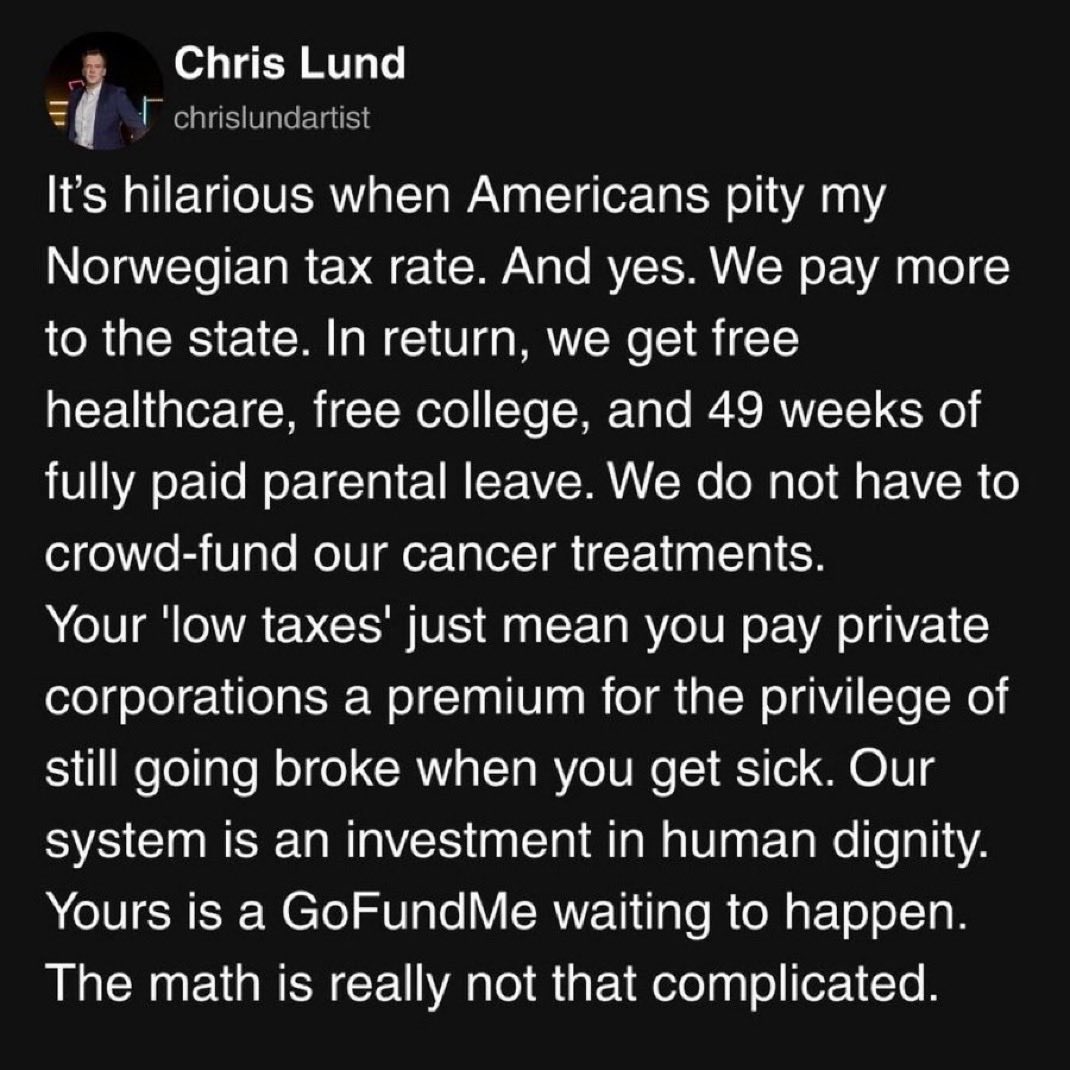
This one hits hard.
1,750
16,565
75,022
1,178,787
Karen Dar Woon retweeted

Jun 10
Brian May’s story is a beautiful reminder that dreams don’t expire.
Most people choose one path and stay on it. He followed his passion for music, inspired millions with Queen, then returned decades later to finish what he had started in science. That takes humility, discipline, and incredible determination.
What stands out even more is how much he cared about students. Despite being a global rock icon, he treasured shaking hands, celebrating achievements, and being present for young people on one of the most important days of their lives.
A true example that success isn’t about titles—it’s about never stopping your curiosity and never losing your connection to people.
Rock legend. Scientist. Mentor. Human being.
Brian May proves that it’s never too late to finish a dream and never too important to make time for others. ❤️
1
3
149
Karen Dar Woon retweeted
Jun 5
Tax the oligarchy like the working class

121
888
3,528
51,904

Karen Dar Woon retweeted

Jun 4
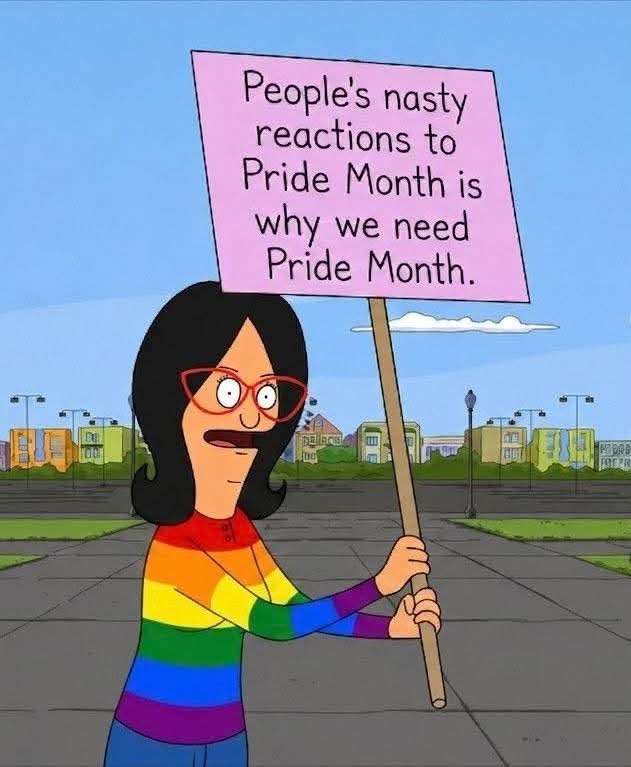
Friendly reminder that Pride isn't about turning your straight kids into gay kids. It's about not turning gay kids into dead kids.
713
11,874
70,000
622,733
Karen Dar Woon retweeted

May 23
Women: I want to exist without constantly being afraid.
Society: Carry your keys between your fingers. Share your location. Don’t walk alone. Don’t trust strangers. Don’t trust men. Don’t wear that. Don’t drink too much. Don’t stay out late.
Women: So what are men being taught?
Society: Well… anyway, stay safe.
Women: I want to say “no.”
Society: Be careful how you say it.
Women: I want to reject someone politely.
Society: Don’t embarrass him. Men can get angry.
Women: I want to be left alone.
Society: That’s dangerous too.
Women: I was assaulted.
Society: What were you wearing?
Women: I want freedom.
Society: Not at night.
Not alone.
Not in certain clothes.
Not after drinking.
Not online.
Not around the wrong men.
Not without protection.
Women: So when do I actually get to feel safe?
Society: …
59
871
3,470
45,404
Karen Dar Woon retweeted

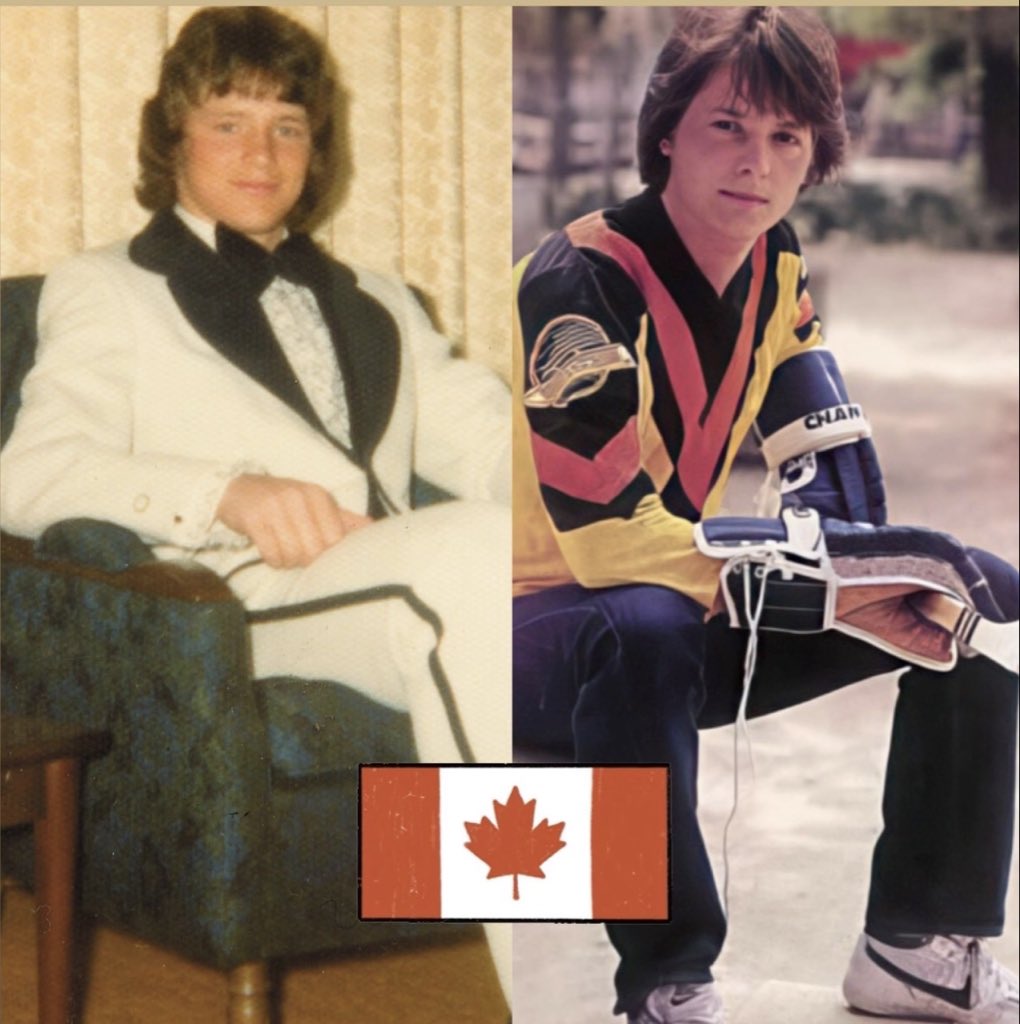
Two young 🇨🇦 men with the last name Fox went to high school 24kms apart just outside of Vancouver, BC in the mid 1970s. Both young men would inspire the world and combine to fundraise over $3 billion for Cancer and Parkinson’s research. Two amazing Canadians, Terry Fox and Michael J Fox. 🇨🇦❤️
34
769
3,406
54,120
Karen Dar Woon retweeted

May 20
Goslings and their parents seemingly headed for a field trip to Science World's giant FIFA World Cup soccer ball.
34
183
1,352
113,227

Karen Dar Woon retweeted

May 15
Nothing says “strong leadership” like rage-deleting the one account tied to the operational backbone of the company before doing a handover.
4
30
1,263
41,920

I don't get to create slow-motion Snowflake videos every year in the middle of May on Mt. Seymour in Vancouver, BC. But here we are on May 15th, 2026. #bcstorm #shareyourweather
21
103
636
22,032
Karen Dar Woon retweeted

May 15
Adulting is realizing;
1. You will die, and most people won’t care after a while.
2. People use you until you’re no longer useful.
3. Most people secretly want you to fail.
4. One day you’ll wish you started today.
5. Most people fake happiness while dying inside.
6. No one is coming to save you.
7. You’ll be judged no matter what you do.
8. Your health is your greatest wealth.
9. Happiness is temporary—discipline is permanent.
10. Success takes longer than you think.
11. No one respects weakness, even if they sympathize.
12. Complaining changes nothing.
13. Not everyone you love will love you back.
14. Money won’t solve all your problems—but it solves most.
15. Social media lies to you every day.
16. You’re replaceable at your job.
17. Life is unfair—get used to it.
18. One day, you’ll run out of days.
19. Regret hurts more than failure.
20. Nobody cares about your excuses. Work harder
The earlier you understand this, the better and easier your life gets.
70
891
3,638
218,891
Karen Dar Woon retweeted

Today marks a significant moment in Canadian legal history with the Supreme Court of Canada’s decision in Ahluwalia v Ahluwalia and the recognition of a new tort of family violence.
For years, many victim-survivors have lived through patterns of coercive control, intimidation, isolation, psychological abuse, financial abuse, threats, surveillance, and post-separation abuse that profoundly altered their lives, yet often did not fit neatly within traditional legal frameworks focused primarily on physical violence or isolated incidents.
This decision reflects an evolving understanding that family violence is not always visible bruises or singular explosive events. It is often a pattern of domination, entrapment, fear, deprivation of liberty, and ongoing psychological harm across time.
The recognition of family violence as its own tort is significant because it acknowledges the seriousness and cumulative impact of coercive and controlling behaviour within intimate and family relationships. It signals that these harms are real, measurable, and deserving of legal recognition.
This decision will likely shape important conversations across family law, civil litigation, criminal law, risk assessment, and professional practice. It also raises critical questions about how systems identify, assess, document, and respond to coercive control moving forward.
For many survivors, this ruling is more than a legal development. It is validation that what happened to them was not simply “conflict,” “poor communication,” or “a difficult relationship.” Patterns of coercive control can fundamentally alter a person’s autonomy, safety, psychological functioning, parenting, financial stability, and ability to participate freely in daily life.
We still have substantial work ahead in ensuring coercive control is properly understood and appropriately responded to within legal and institutional systems. However, today represents an important step in acknowledging the realities many survivors have been describing for decades. -via Trish Guise MSc, MBA, Expert in Coercive Control @TrishGuise
May 15

The Supreme Court of Canada has recognized intimate partner violence as a distinct legal basis for pursuing civil damages. toronto.citynews.ca/2026/05/…
4
22
51
3,713