
3,263 Photos and videos











Mary 🇵🇸 retweeted

La Policía Nacional en colaboración con Israel quiere detener a dos compañeros de Iranekin Bat por no callarse ante el genocidio en Gaza.
No pedimos perdón por dar voz a los niños de Gaza y a quienes ayudan a los niños de Gaza. La caza de brujas está aquí.elconfidencialdigital.com/ar…
6
243
304
31,489
Mary 🇵🇸 retweeted

16h
Capitalism is so good that it has only existed for 0.00000011% of the Earth's life YET in that time it has helped push the planet toward a mass extinction event.
56
387
2,083
17,118
Mary 🇵🇸 retweeted

This tweet should result in the end of Tapp's career. No politician with a shred of decency or integrity asks a question that his own government has made it illegal to answer.
Jun 15

Do you support the Palestine Action group?
49
557
5,119
43,259
Mary 🇵🇸 retweeted

Comunicado de @IranekinBat
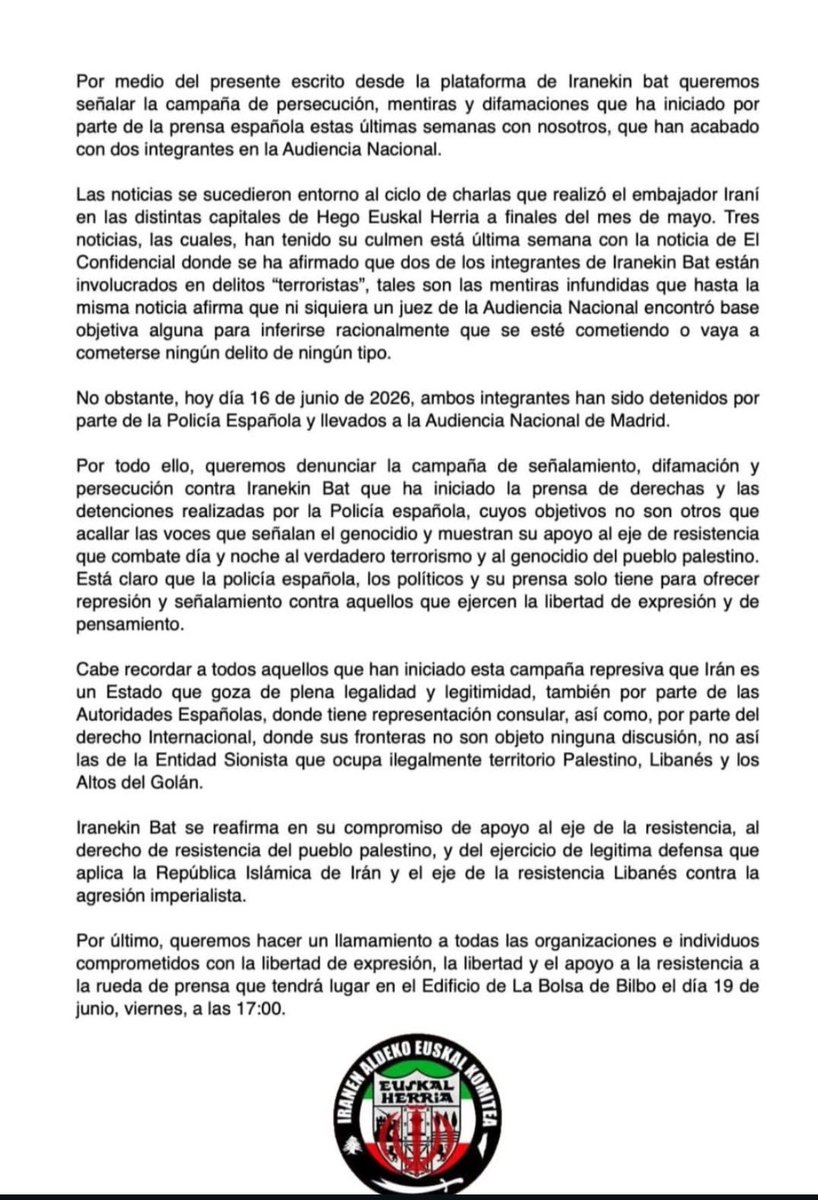

🚨¿“Operación “antiyihadista”? Pero @telediario_tve esto es demasiado burdo.
El marco “yihadismo” sin contexto busca confundir y criminalizar.
Han detenido a dos personas por sus posiciones políticas contra el sionismo y los crímenes de Israel.
61
103
1,476
Mary 🇵🇸 retweeted

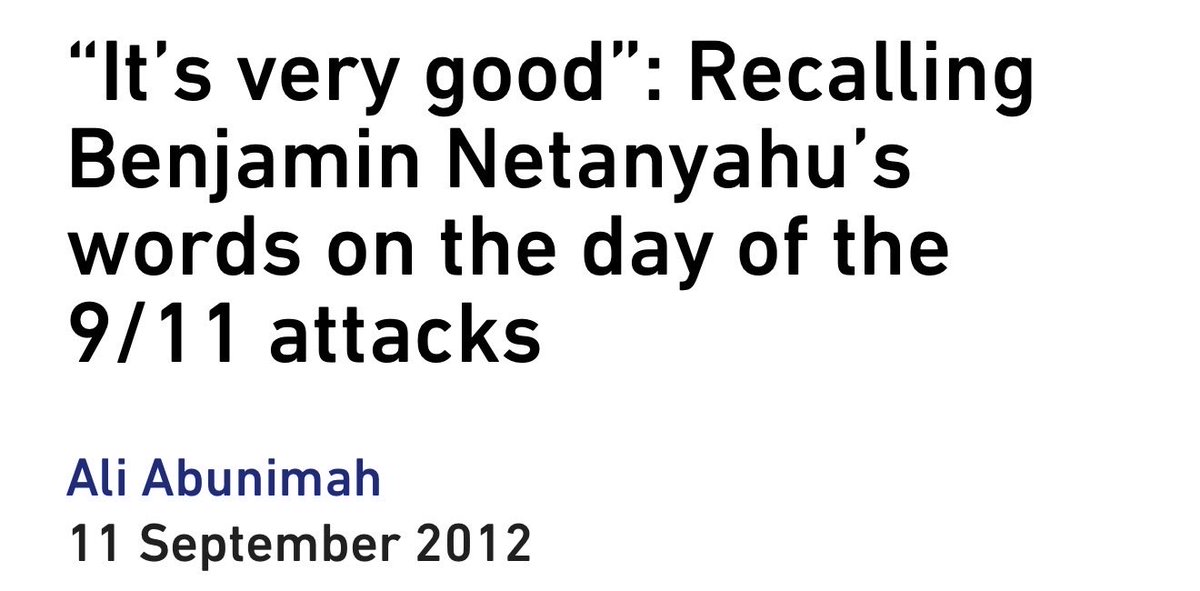

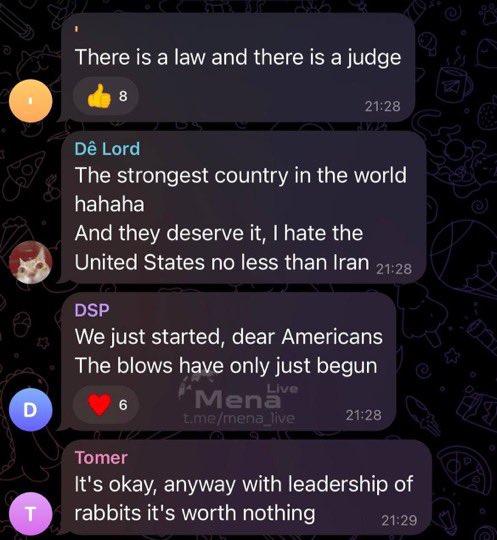
Israelis are CELEBRATING 8 American deaths after the B52 crash in California
‘They deserve it, I hate the United States no less than Iran.’
‘We just started, dear Americans. The blows have only just begun.’

15
525
1,938
41,959
Mary 🇵🇸 retweeted

Hoy ha sido detenido Asier, un hombre al que conozco personalmente y del que puedo decir que siempre ha estado del lado de los pueblos que sufren ocupación, guerra e injusticia. Ha defendido la causa palestina, la dignidad del pueblo iraní y también la causa saharaui.
Apoyar una causa política no es un delito. Defender la soberanía de los pueblos no es un delito. Lo preocupante es ver cómo se estrechan cada vez más los límites de la libertad de expresión y de la solidaridad internacional.
Toda mi solidaridad con Asier y su familia.
LIBERTAD

9
133
291
10,585
Mary 🇵🇸 retweeted

Así debe funcionar la justicia.
Un servidor público de tu país traiciona a la Patria pidiendo sanciones contra su país, y los tribunales lo condenan.
Punto.

🔴 URGENTE - Tribunal Supremo condena a Eduardo Bolsonaro por instigar a EE. UU. a imponer sanciones a Brasil f24.my/Bzga.x

79
1,059
3,370
40,681
Mary 🇵🇸 retweeted

The colony of Satan.
Jun 15

After passing two death penalty laws in six weeks, Israel is investing hundreds of millions of dollars to try to execute Palestinians on live TV. Unanimous support for the laws shows that Israeli society can unite around “death to Palestinians.” mondoweiss.net/2026/06/the-p…
23
294
738
10,009

The Americans are cheating at the World Cup. They are reducing the fitness of the Iranian team by not letting them rest, they are increasing home-field advantage by banning most fans from the Global South, and denying or delaying the visas for players from Switzerland to Morocco, not to mention FIFA referees they don’t like the color of. This is worse than the Nazi games because the Americans are worse than Nazis.

Such a blot on this World Cup. FIFA lets the US do their thing
Iran manager Amir Ghalenoei- "We spent so much time in the air commuting, they didn't even give us time to recover. After the game today, they said to us you have to leave immediately. It's very important for us to have time for recovery, but we've been told to return to our camp in Tijuana and we are really troubled by that. I think perhaps our team is the most repressed team in the whole World Cup."
goal.com/en-in/lists/most-re…
25
1,126
5,173
86,115
Mary 🇵🇸 retweeted

Team Iran Fans Showing Love with the Flag, Love for the Minab 168 and Showing Love to Palestine too
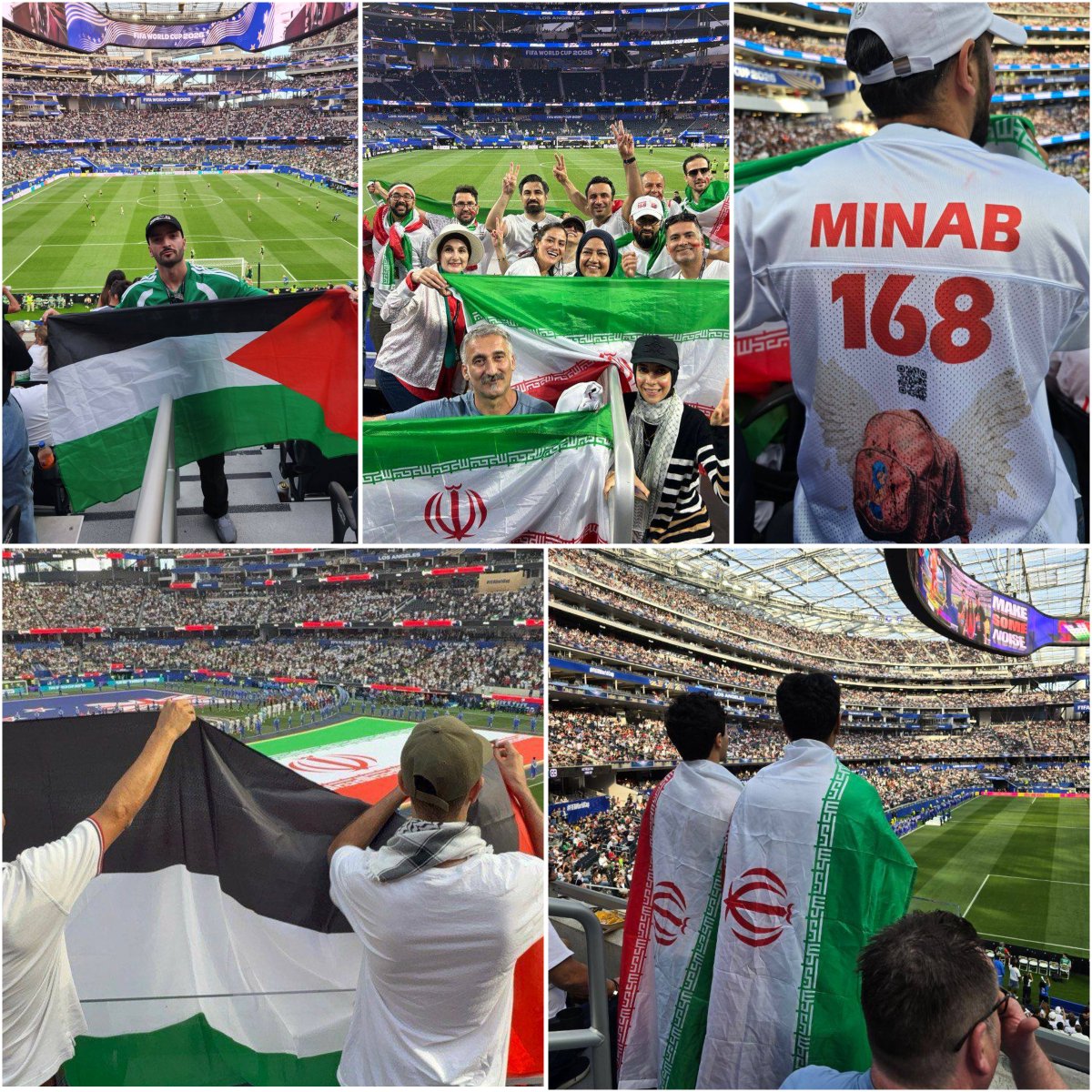
Jun 16

FIFA President Gianni Infantino Praises the Iran National Football Team after their World Cup Match.
Iran's Coach Amir Ghalenoei calls out the UNFAIR treatment of Iran's team by the U.S. host nation.
16
359
1,240
538,427
Mary 🇵🇸 retweeted

17h
You do not earn a billion dollars. You steal it. Nobody works a billion times harder than a nurse, a teacher, or a farmer. That wealth comes from underpaying the people who actually did the work. Stop praising hoarders who are just really good at wage theft.
1,299
1,243
5,061
124,019
Mary 🇵🇸 retweeted

Most of this $300 billion is Iranian money frozen around the world for a decade or two or some even more, but they'll never tell you that. And it belongs to the state and the people, not Mojtaba.
They always gotta paint themselves as "the victim."

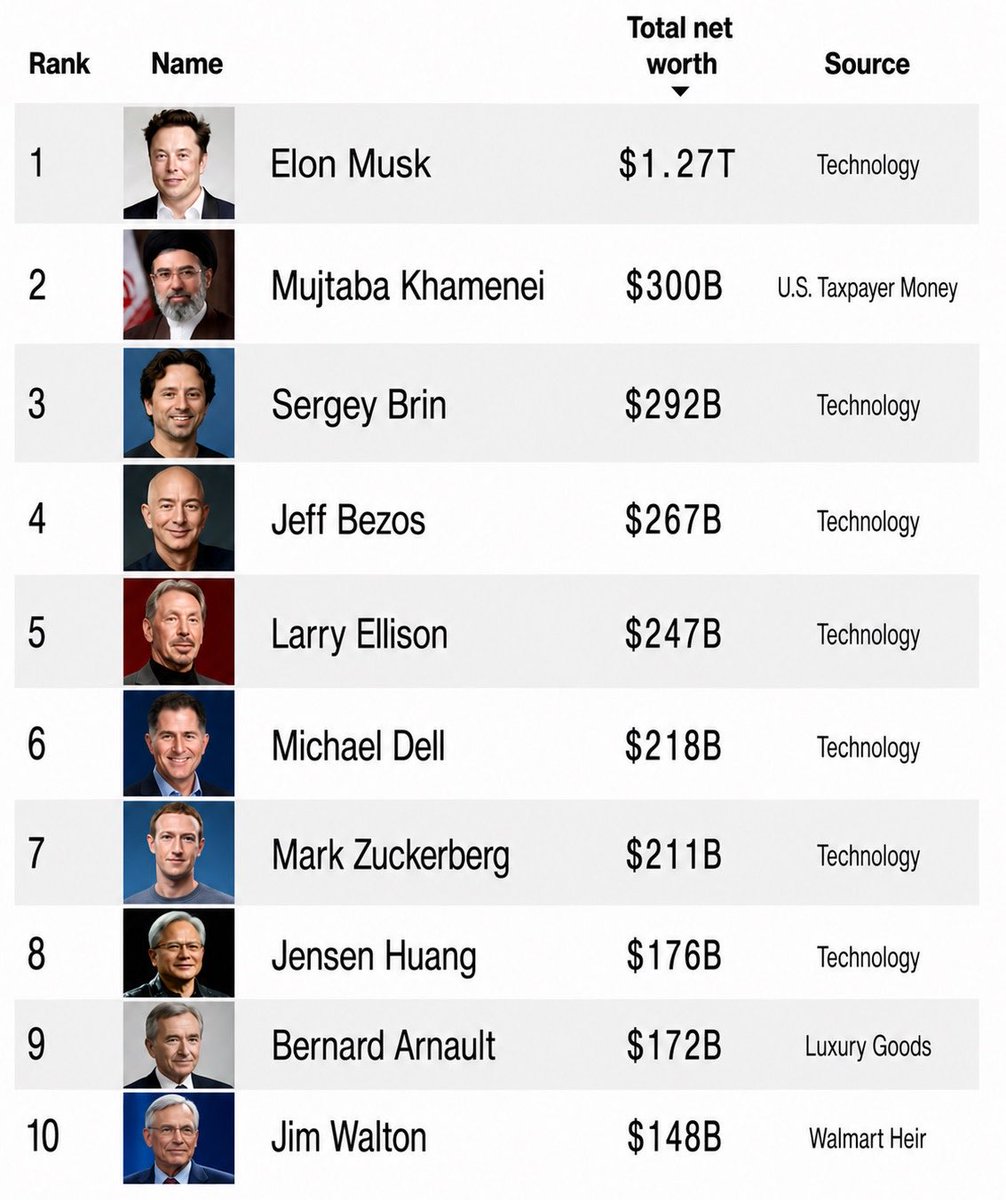
14
149
1,198
23,479
Mary 🇵🇸 retweeted

- Se compra una casa q le cuesta 770€/mes.
- Le sopla al inquilino 1300€/mes
- Ella vive de alquiler en otro piso por 950€/mes.
Con el trabajo de su inquilino paga la propiedad de una vivienda y la mitad de su alquiler.
Que te llamen especuladora es poco.

Me llaman ESPECULADORA por tener un piso alquilado.
Voy a enseñaros lo que ESPECULAR me cuesta cada mes:
Hipoteca: 625 €
Comunidad: 67 €
Seguro: 40 €
IBI: 30 €
Basuras: 8 €
Total: 770 € de gastos fijos. Todos los meses.
El alquiler son 1.300 €.
Quedan 530 € brutos, que Hacienda todavía no ha pasado por caja. Hay que descontar IRPF, posibles reparaciones, periodos sin inquilino, averías, derramas y cualquier imprevisto que surja.
Mientras tanto, yo pago 950 € de alquiler por la vivienda en la que vivo.
Eso significa que cada mes destino 1.720 € a vivienda entre una cosa y otra.
No digo que alquilar una vivienda no tenga rentabilidad. La tiene. Pero de ahí a pensar que cualquier propietario que alquila un piso está forrándose o especulando hay bastante distancia.
La próxima vez que escuches “especulador”, pregúntate quién está realmente asumiendo los gastos, los riesgos y las responsabilidades.
Para ti, ¿que es especular?
499
396
2,634
209,568
Mary 🇵🇸 retweeted

🚨🇮🇷 ÚLTIMA HORA — "Ridículo"
EE.UU. revocó la visa del delantero iraní Mehdi Torabi tras el partido contra Nueva Zelanda.
La FIFA debería sacar ya el mundial de ese país.
64
1,146
9,068
485,126
Mary 🇵🇸 retweeted
🚨¿“Operación “antiyihadista”? Pero @telediario_tve esto es demasiado burdo.
El marco “yihadismo” sin contexto busca confundir y criminalizar.
Han detenido a dos personas por sus posiciones políticas contra el sionismo y los crímenes de Israel.
11h
🚨 hay más de 200 personas concentradas en solidaridad mientras se registra el domicilio de uno de los detenidos. El despliegue policial parece un operativo antiterrorista.
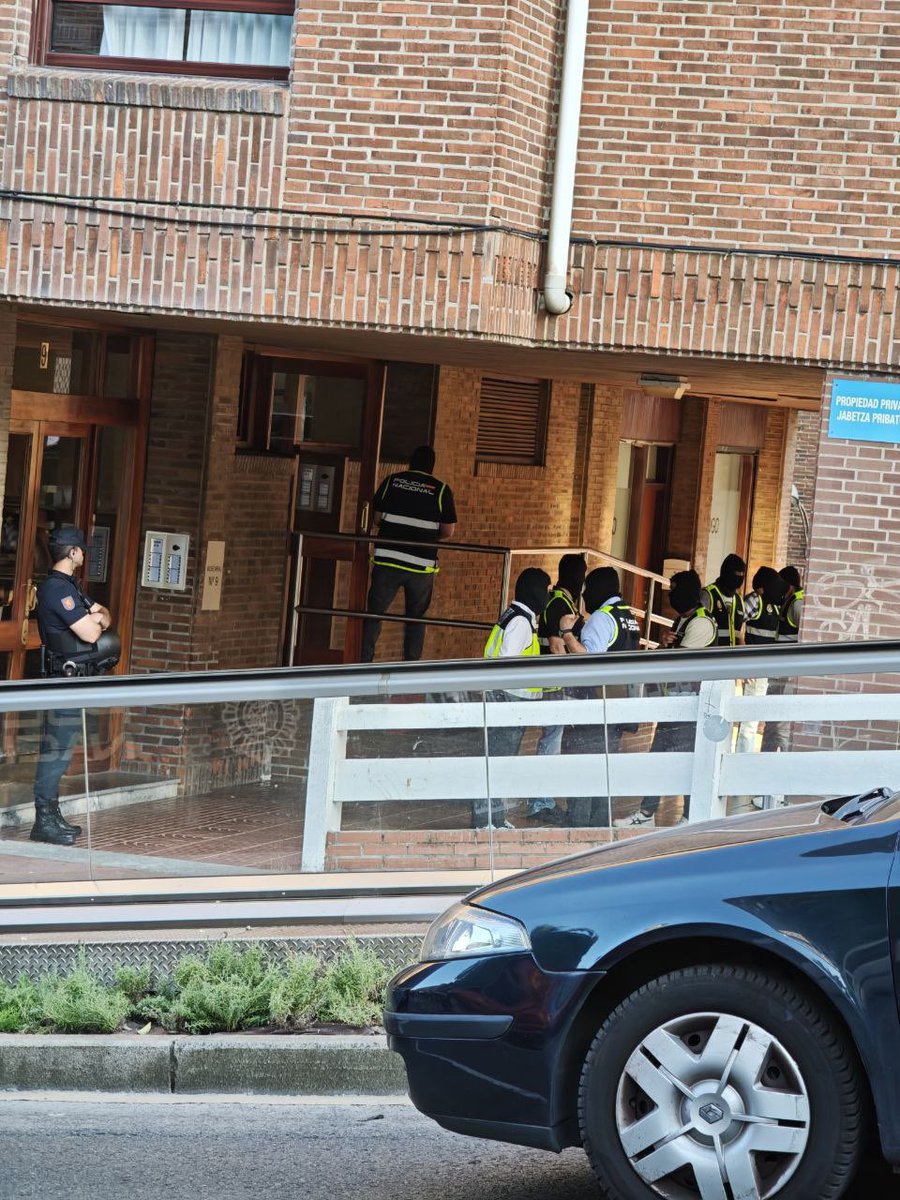
6
188
297
7,206
Mary 🇵🇸 retweeted

There is a reason Israel is known as the genocidal apartheid rape regime.
This documentary, very disturbing and not for the faint of heart, explains why.
Bodies of Evidence:
youtube.com/watch?v=e3pApprH…
15
417
630
33,530
Mary 🇵🇸 retweeted

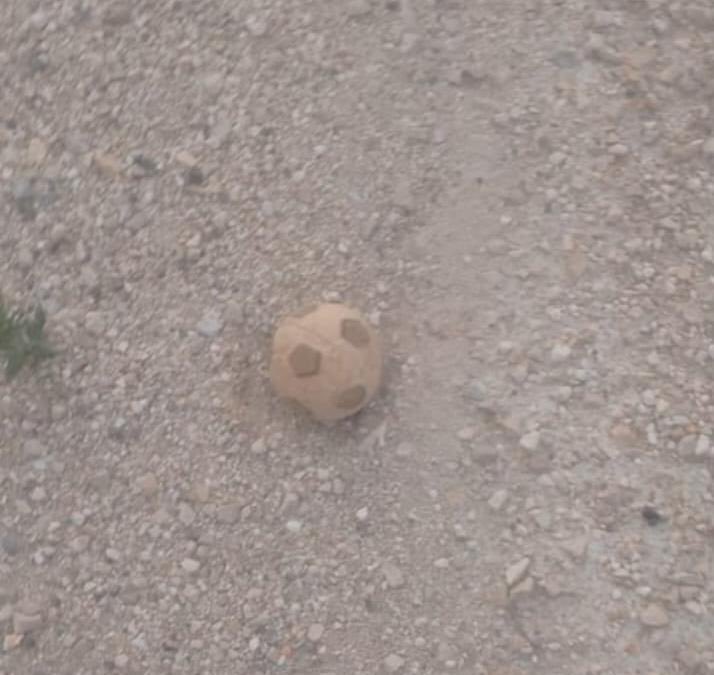
When I was 6 years old, Israel dropped bombs disguised as toys on us in Lebanon.
New report reveals that Israel left behind bombs disguised as toys in Gaza.
Today, a cluster bomb shaped like a small football found in South Lebanon.
But keep talking about Israel not targeting children.
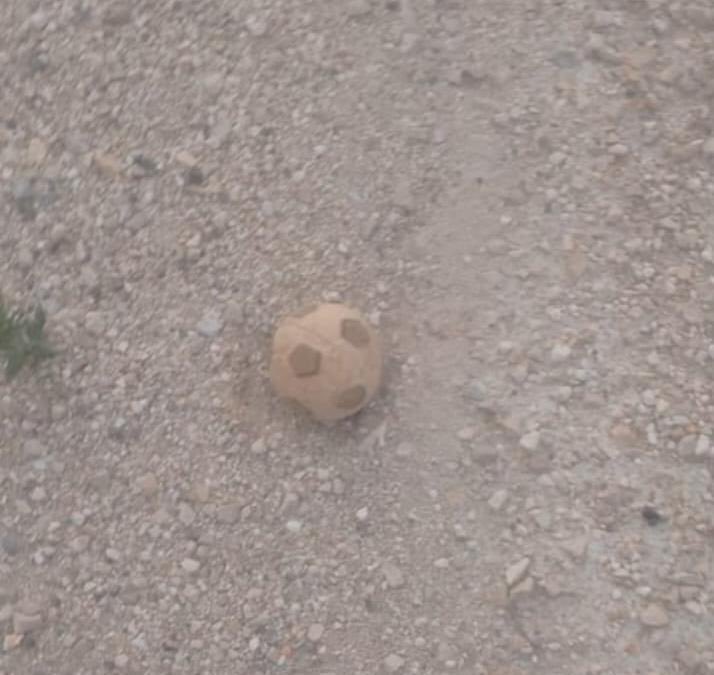
213
5,031
9,829
108,373
Mary 🇵🇸 retweeted

“The only purpose of this weapon is luring and maiming children.”
10h

A cluster bomb shaped like a small football found in South Lebanon. The only purpose of this weapon is luring and maiming children.
6
138
292
3,852
Mary 🇵🇸 retweeted

This reply is actually useful, because it reveals a very American assumption:
If a society helps the poor, it must look like America.
Food banks.
Charities.
Veteran shelters.
Nonprofits.
Emergency aid.
A whole misery-management industry built around state failure.
China does not operate that way.
China does not rely on food-bank culture because poverty relief is not supposed to be outsourced to charity.
It is handled through administration:
local governments,
village committees,
neighborhood committees,
household registration,
rural support programs,
micro-credit,
basic medical coverage,
employment assistance,
poverty monitoring,
and targeted help for vulnerable households.
That 82-year-old man in the video was not “abandoned.”
He had lived alone in that rural home for decades.
People came to check on him, talk to him, bring supplies, ask what he needed, and help with daily necessities.
That is precisely the difference.
In America, poverty often becomes a charity case.
In China, poverty is treated as a governance responsibility.
No, China is not perfect.
But pretending an old rural man receiving local assistance is the same as American-style street homelessness is dishonest.
So the real question is not whether China has “food banks.”
The real question is why the richest country on earth needs food banks as a permanent survival mechanism.
Charity is not proof of compassion.
It is just proof that the state has walked away.

16h

Do they have food banks in China? Do they have charities who provide assistance to homeless people? Do they have drug, medical and mental health treatment options available for people who are homeless in China? Do they have job placement services that help with job searching, resume writing and interview practice?
If the answer is no, then the homeless people in China are far worse off than any of the homeless people in the USA. This is coming from a US Navy Veteran that experienced homelessness in Colorado during winter.
6
63
249
7,619
Mary 🇵🇸 retweeted
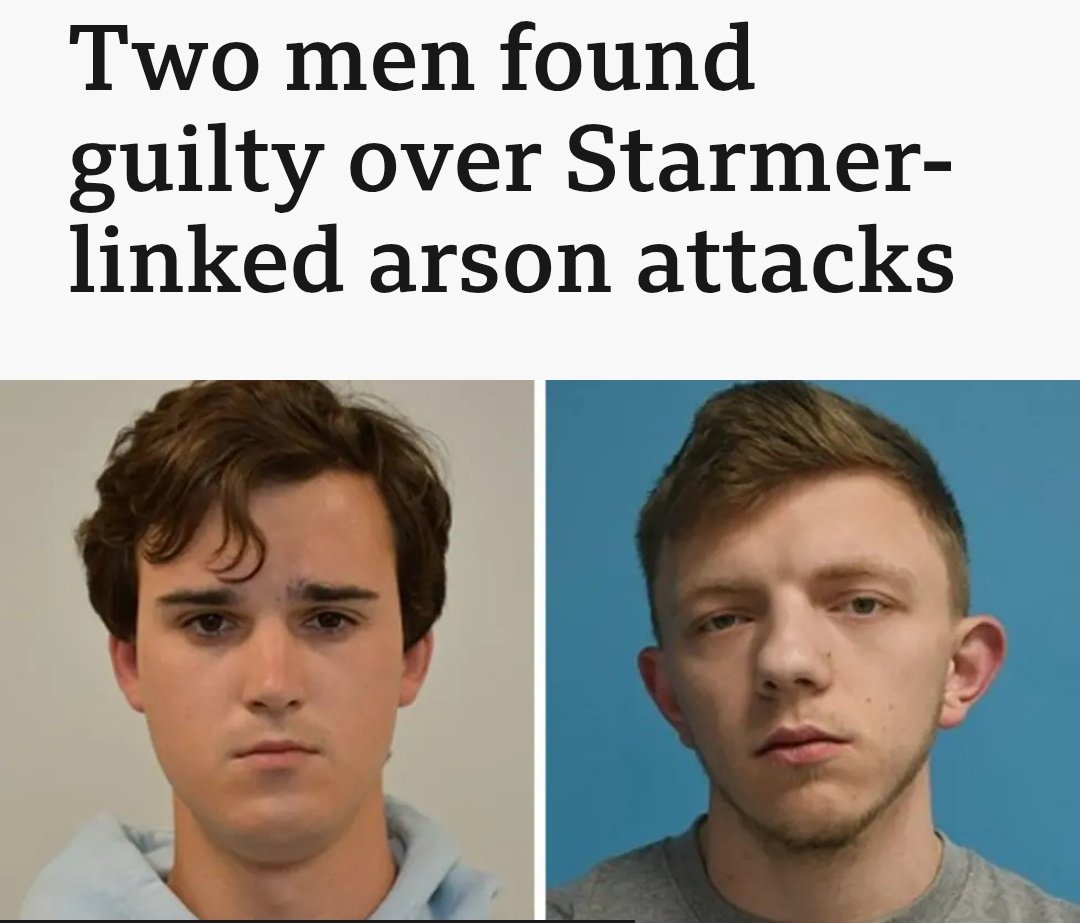
As expected, the truth behind the Ukrainian rent boy attacks will be withheld from the British public
Jun 15

Their lawyers requested prosecutors hand over information held on their recruiter, including whether they were associated with British intelligence services or a state agent, and where they were based. The judge ruled this "wholly irrelevant" to the trial 🧐🧐🧐🧐🧐
22
483
1,468
34,957