
Joined January 2020
- Tweets 19,578
- Following 5,221
- Followers 4,232
- Likes 105,597
3,439 Photos and videos
AZ Latina ☮️🌊🟦 retweeted

The ALS community saw the Nurown AdComm wasn't seeking the truth. We compiled the survival data ourselves & submitted a Citizen's Petition
@FDACBER has delayed it for >160 days with zero response
@SecKennedy @FDA_KyleD @SenRonJohnson @houmanhemmati @BellinaMatthew @BellinaDeb @RonJohnsonWI @realDonaldTrump @RobertKennedyJr @RepAndyHarrisMD @RepGuthrie @RepGusBilirakis @SenatorWicker @lisamurkowski @SenatorCollins

I am confident he’s being serious re AdComs. Thats good for FDA and it’s great for patients. Put drugs on “trial” for everyone to see.
1
3
6
281
AZ Latina ☮️🌊🟦 retweeted

All of Yoshinobu Yamamoto’s whiffs and called strikes from his dominant performance today 🔥
4
109
1,182
116,897
Insane!!!

55
AZ Latina ☮️🌊🟦 retweeted

Jun 13
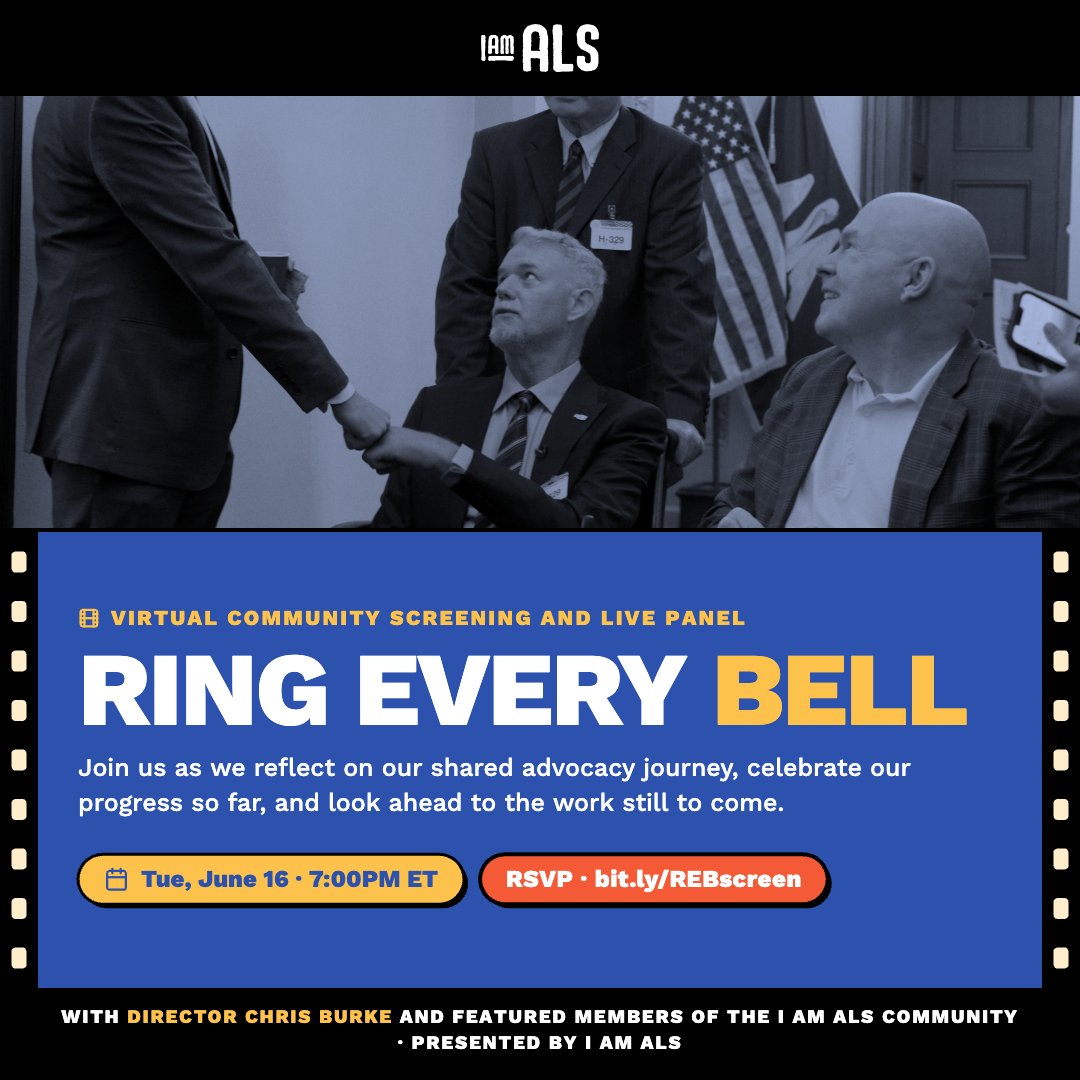
Every ALS story matters. 💙 Join us for a LIVE virtual screening of Ring Every Bell and hear directly from director Chris Burke and featured members of The I AM ALS Community during a live Q&A. RSVP: bit.ly/REBscreen
1
3
10
471
AZ Latina ☮️🌊🟦 retweeted

Jun 13
We're proud of you, Yoshinobu. 💙
159
2,225
19,817
584,529

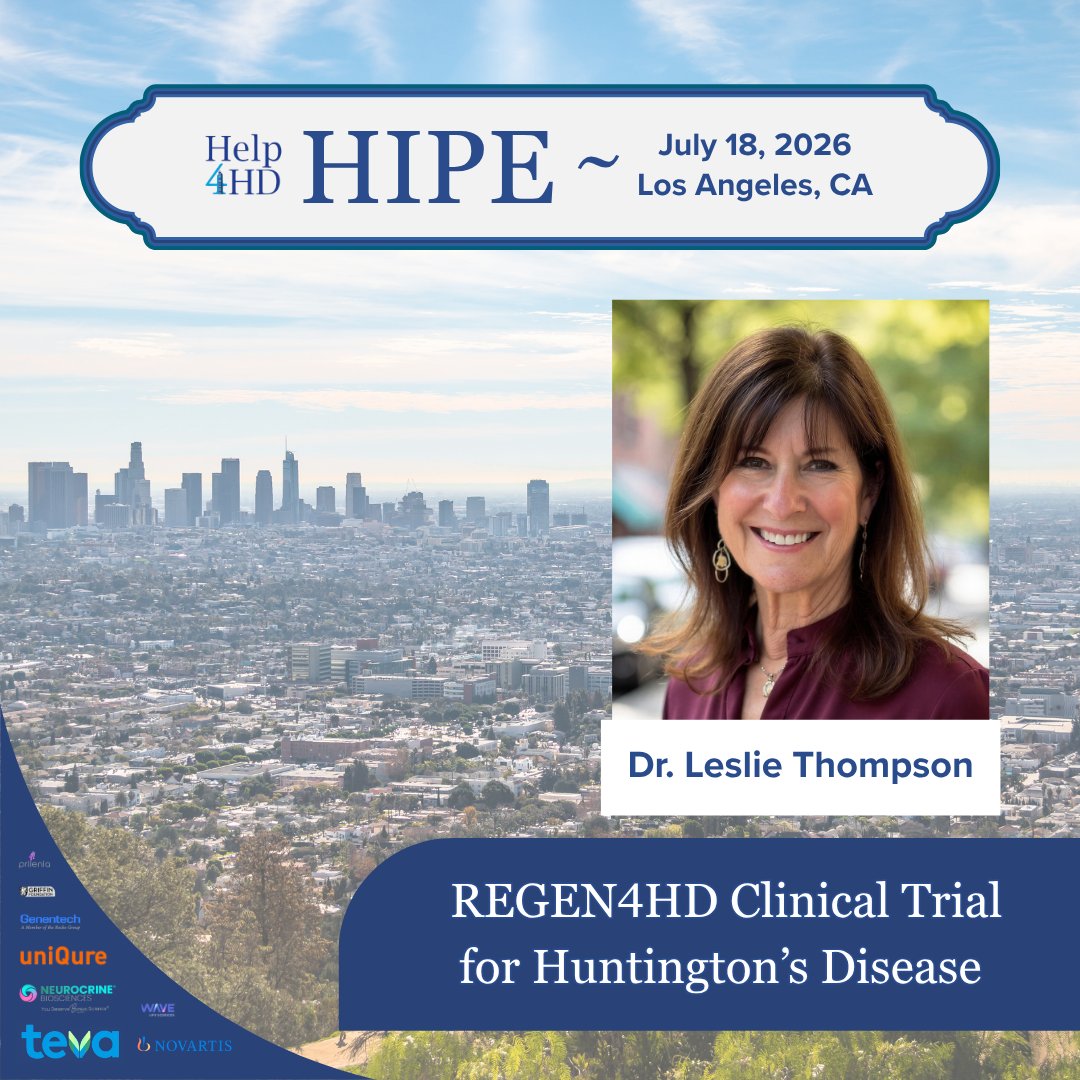
Heard about REGEN4HD? Dr. Leslie Thompson, Sue & Bill Gross #StemCellResearch Center Director, recently launched this first-in-human neural stem cell based #ClinicalTrial for #HD. Listen at #Help4HDHIPE2026 to learn more!
Register: help4hd.org/events
2
8
334


Jun 13
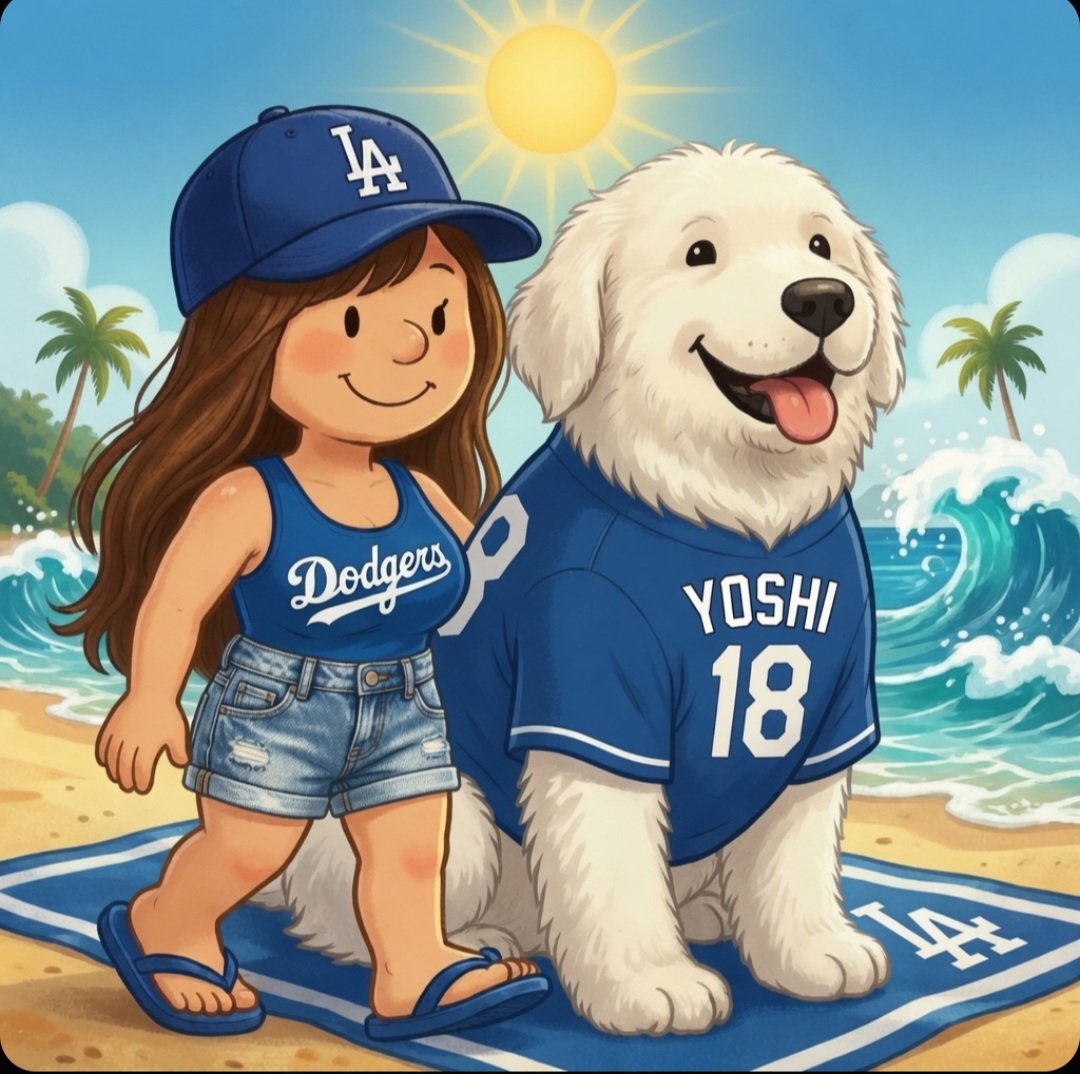
YOSHI... Named my Great Pyrenees after my fav Dodger, Yoshinobu Yamamoto, after his clutch World Series Performance.
#Dodgers #DodgersGirl #Pantone294 #MLB #BaseballistheBest
1
253
AZ Latina ☮️🌊🟦 retweeted

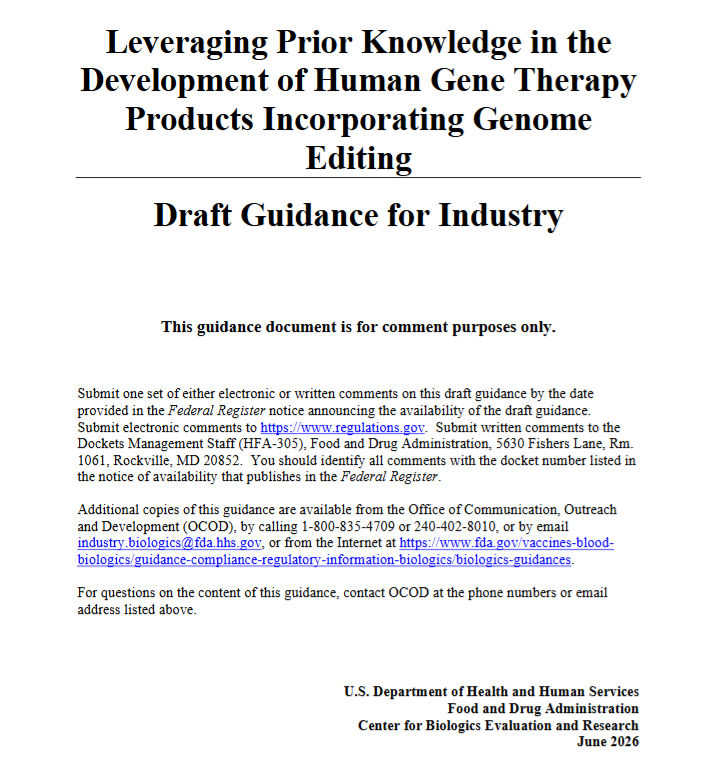
The FDA’s evidentiary framework was built for large trials and common diseases. ALS is neither.
Rare disease patients deserve advisory committees that understand urgency, totality of evidence, and the cost of delay. The past NurOwn AdComm understood none of this.
When a disease is 100% fatal, “wait for more data” is not a neutral decision. It’s a decision with consequences, costs lives, and is completely unacceptable. @FDA_KyleD @aVoice4ALS @iamalsorg @SecKennedy @houmanhemmati
Jun 11

I follow FDA news and policy, but did not know about the problem of AdComms until today. Thank you to this author for pointing out even more broken bits at FDA that need a cast. Please fix this. @FDA_KyleD, @SecKennedy & @POTUS. @houmanhemmati @peter_mantas @mike98572986 @PeterPitts @SenRonJohnson @SenRickScott @RepHarshbarger
washingtonexaminer.com/op-ed…
6
14
1,357
AZ Latina ☮️🌊🟦 retweeted

@mike98572986 thanks for another great share.
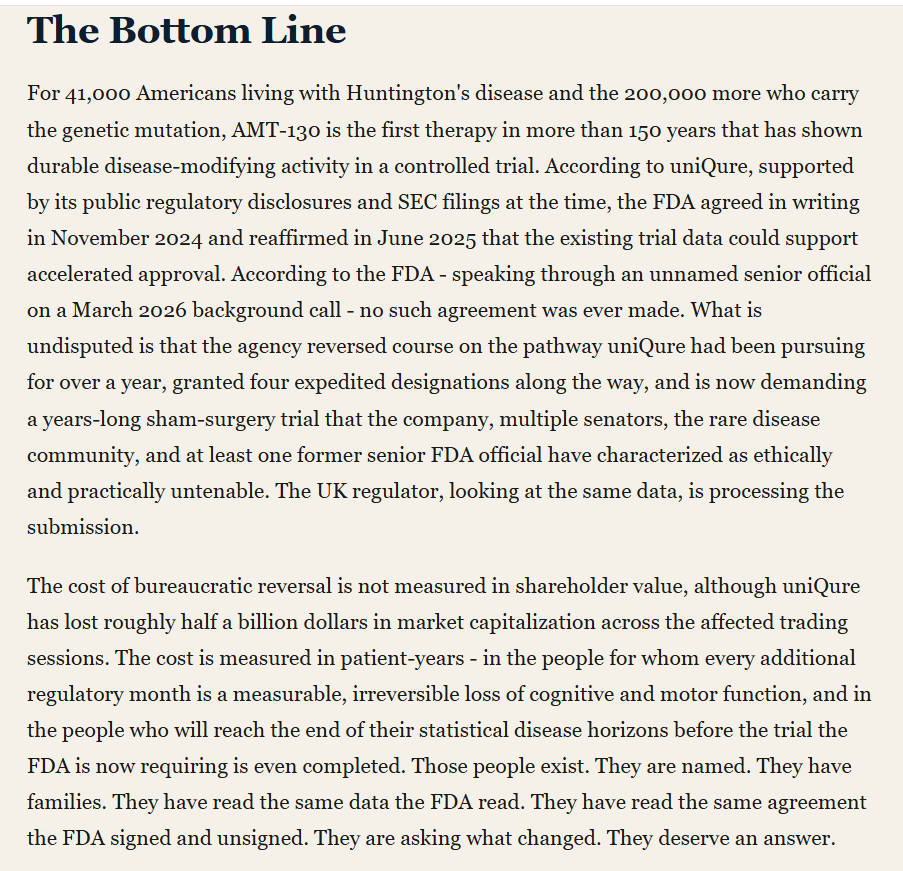
Very worthwhile, informative read on $QURE's AMT-130 for #HuntingtonsDisease
Thank you Dave Manuel for your excellent article.
davemanuel.com/2026/05/05/fd…
Jun 11

$qure $clpt
While we all wait for the update on the type b meeting this article shows the complete saga over the last 12-24 months. This amt-130 situation could be made into a 2 hour movie or a Netflix documentary with the insane drama that has occurred. What is even more crazy about this saga is that you have all this drama and this is only the publicly available side of the story. Can you imagine one day when you get the behind the scenes views of Uniqure, Tabrizi/Sung, internal fda members, patients in the trial, it will get much more crazy.
Don’t think I saw this article before, it was on May 5th, one of the better recaps of the entire Uniqure situation that I have seen. Hopefully for the HD community we get an update soon that is considered fair by them. Some of the interesting passages in the article below. Really shows the devastation that Prasad has occurred, history likely will look very bad on Prasad, mainly due to his intense desire to try to bury this program.
“The cost is measured in patient-years - in the people for whom every additional regulatory month is a measurable, irreversible loss of cognitive and motor function, and in the people who will reach the end of their statistical disease horizons before the trial the FDA is now requiring is even completed. Those people exist. They are named. They have families. They have read the same data the FDA read. They have read the same agreement the FDA signed and unsigned. They are asking what changed. They deserve an answer.”
“What the FDA has not addressed publicly is that uniQure used a sham control in approximately 10 patients earlier in the AMT-130 program and then stopped using it, precisely because of ethical concerns about asking patients with a fatal disease to undergo a procedure with no therapeutic benefit. According to a clinical analysis published by chemistry blogger and longtime industry observer Derek Lowe at Science.org, roughly 10% of those original sham-arm patients developed a blood clot during the procedure, which involved 10 to 12 hours of general anesthesia.”
“Bioethics professor Holly Fernandez Lynch of the University of Pennsylvania, asked about the FDA's practice of attacking uniQure on background calls with reporters, said: "The fact that you are sharing information with the press without standing behind it either suggests that you know you should not be talking to the press or that you don't really stand behind your opinion. Why are we debating this in the court of public opinion? The stakes are too high."
“Several other companies have publicly requested adcomm meetings, and at least three have said the FDA initially told them to prepare for a meeting and then retracted that guidance. On the same March 5 background call where the senior FDA official attacked uniQure and singled out Woodcock by name, the official also dismissed the broader pool of outside scientists who serve on FDA advisory panels, saying they "do not do their homework" and may be motivated by financial conflicts of interest. The agency's position is that an advisory committee is unnecessary. The agency's former Acting Commissioner, multiple senators, the rare disease community, and at least three other companies that have requested adcomms believe an advisory committee is precisely what is required.”
“The agency has granted four expedited designations to AMT-130 specifically: Fast Track in 2019, Orphan Drug, RMAT in 2024, and Breakthrough Therapy in 2025. Each designation is supposed to mean the FDA recognizes both the unmet need and the substantial preliminary evidence of effectiveness. Each was granted on the same data the agency now describes as unable to demonstrate "any therapeutic benefit."
davemanuel.com/2026/05/05/fd…
3
10
5,209
AZ Latina ☮️🌊🟦 retweeted

Jun 12
A nonprofit once helped relieve the financial pressure of Ryu's medical expenses — until they reallocated those resources toward gene therapy research for Duchenne. We prayed it would work because of the sacrifices of many families.
It did, showing improved muscle function in the majority of patients. Last summer, the @US_FDA inexplicably restricted the only approved gene therapy for #Duchenne despite results.
The FDA may live in the land of theoretical risk, but my family lives real risk daily. We should be the ones deciding what treatments are worth trying when our loved ones' lives are at stake.
1
1
3
214

AZ Latina ☮️🌊🟦 retweeted

Jun 9
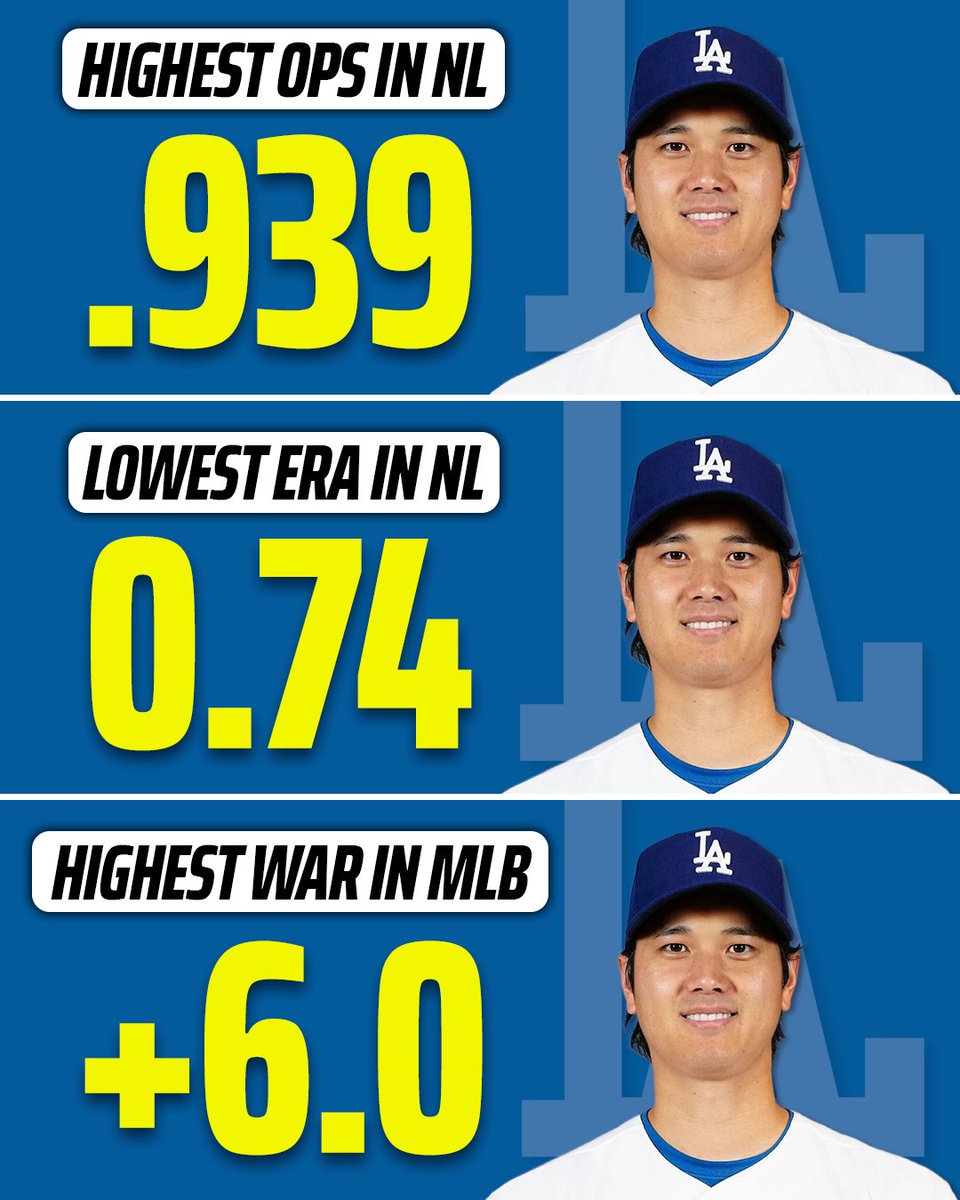
Shohei Ohtani is good at baseball.
14
76
929
41,000
AZ Latina ☮️🌊🟦 retweeted

Jun 9
this is a good example of the gap that exists between the plausible mechanism pathway for n=1 diseases like baby KJ vs other ultrarare diseases. even though only a few dozen US patients have ngly1 deficiency, it is too many to qualify for the pathway, so must meet fda standards for gene therapy manufacturing. the article says the company estimates it will cost them $20-25m and 2 years (that actually sounds like an optimistically low estimate to me). it is precisely at this point that otherwise promising gene therapies hit a brick wall.
endpoints.news/grace-science…
1
9
43
17,221
Jun 9
Kai on #Deramiocel for #Duchenne:
"This drug was life-changing. It helped me & I'm confident it will help others as well."
Matt Bellina on #NurOwn (debamestrocel) for #ALS:
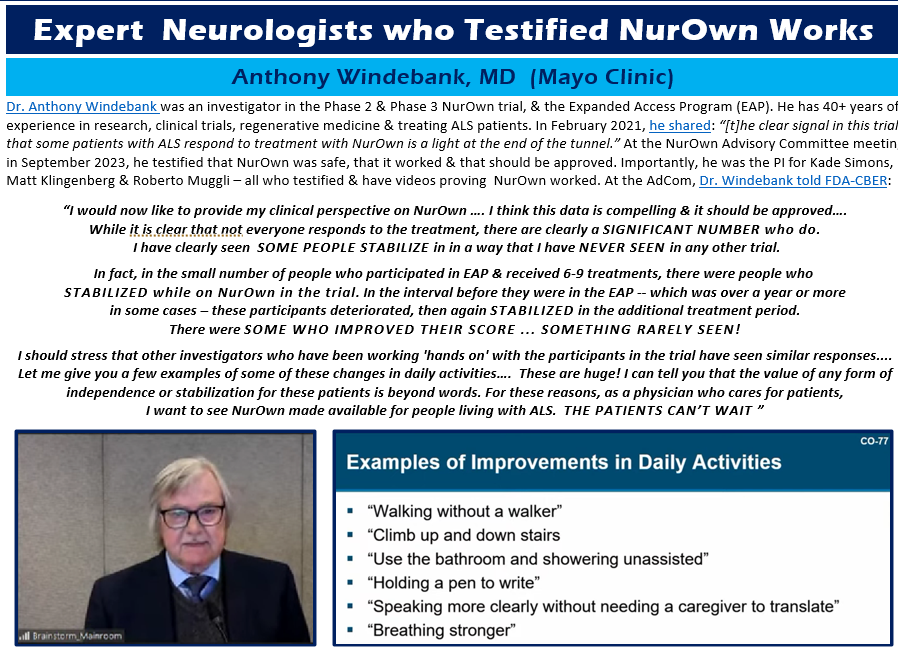
"I was not able to get out of my wheelchair on my own before NurOwn.... Since the 3rd treatment, I am able to stand from my chair without the aid of my arms. I have not been able to do this for over 2 years.”
BELIEVE THEM.
People who are becoming paralyzed KNOW when a drug restores some function. That's #RealWorldEvidence the FDA is required by law (21st Century Cures) to consider.
@FDA_KyleD @FDACommissioner @SecKennedy
@FDACBER is failing people dying of #rarediseases. Both these cell therapies -- deramiocel (allogeneic) & debamestrocel (autologous) -- deserve accelerated approval as they are "reasonably likely to have a clinically meaningful impact" & an impact on mortality.
@SenRonJohnson @SenRickScott @RogerWicker @SenRandPaul @LeaderJohnThune @ChuckGrassley @SenJohnBarrasso @SenGillibrand @ChrisCoons
@RepAndyHarrisMD @RepJohnJoyce @RepMGriffith @brettguthrie @RepGuthrie @DorisMatsui @RepGusBilirakis @RepDianaDeGette
Jun 9

This is Kai and he’s a teenager with Duchenne Muscular Dystrophy, a genetic disease that kills most boys before 25.
His life was improved when he joined a clinical trial for a promising drug called “Deramiocel” from Capricor Therapeutics.
Then that drug’s review process was put on pause by the FDA until the company refiled with the best data ever in treating DMD. Kids had 54% better function at the end of a clinical trial called HOPE-3. Thank goodness, it's finally under review again.
Since 2025, FDA reviewers have rejected 23 rare disease drugs and some believe this was driven by Vinay, but others suggest it's the near-sighted FDA reviewers. Trump finally pushed Vinay out for his inability to do the job the American people demand. So there is hope that treatments for rare diseases may see some light.
Moms of dying kids don't care about the deep state’s "process." They care if their child sees Christmas.
Acting U.S. FDA Commissioner Kyle Diamantas said he wants to reopen approvals for these rare disease drugs.
Here’s hoping he’s serious.
And moves fast.
#CapricorPartner
3
11
658
AZ Latina ☮️🌊🟦 retweeted

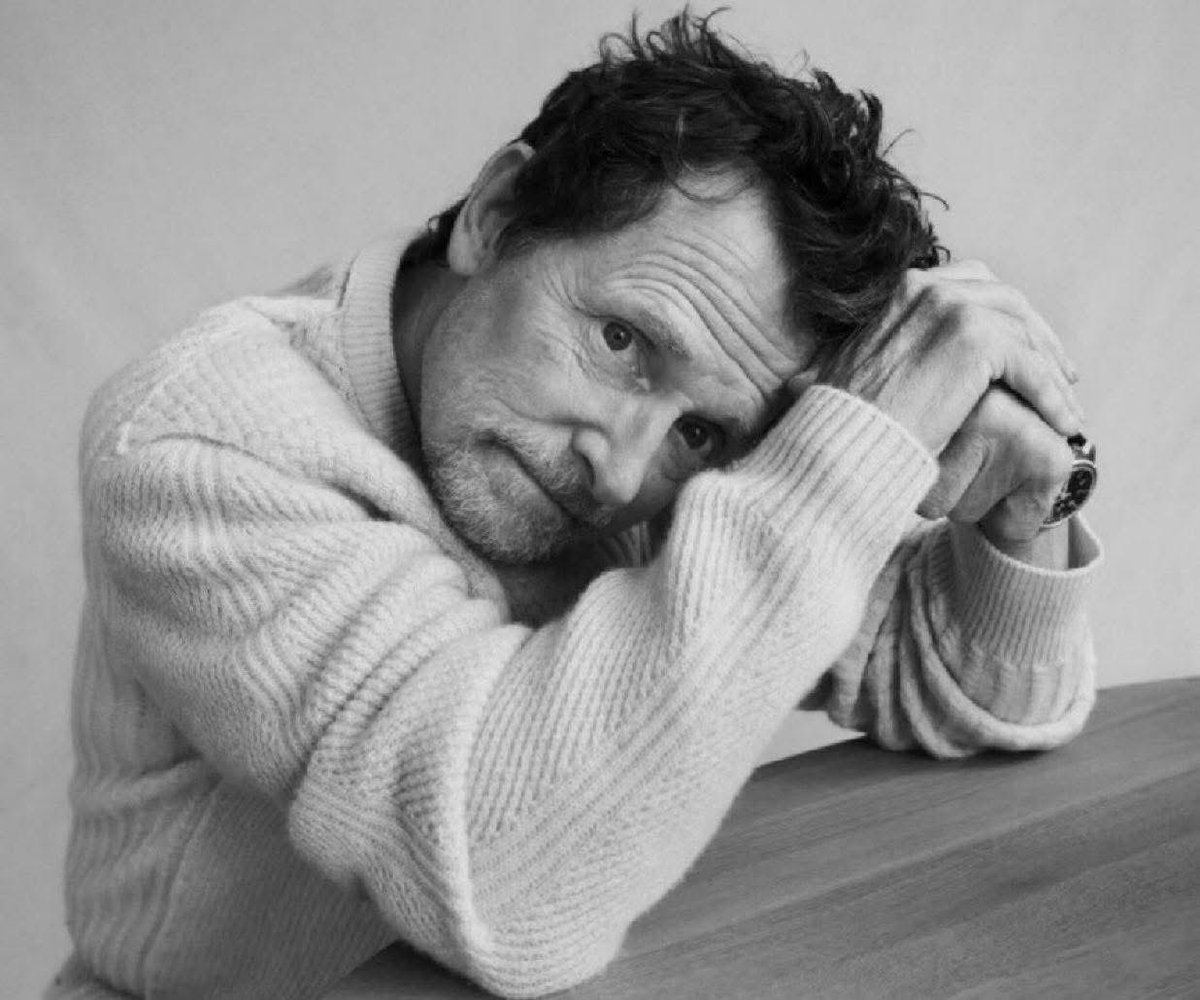
65 Candles 🎂 today for the wonderful & inspirational MICHAEL J. FOX
427
2,224
33,526
286,493
Jun 9
Poweul OpEd from a Duchenne Mom 2 months ago... but a message worth repeating for families battling #Duchenne, #ALS, #Huntingtons & other #rarediseases:
"When I hear "risk," I see Ryu’s quality of life irreversibly decline by the day ... these changes are irreversible. That’s why treatment options must be expanded — and not at the speed of the FDA, but at the speed of terminal rare diseases.... What we need is a system that recognizes that doing nothing is a decision that is deadly, 100% of the time."
People wth ALS have repeatedly implored the FDA to act wth the same urgency as ALS is killing them.
@FDA_KyleD @SecKennedy you can rebuild that trust by granting accelerated approval of #NurOwn, #deramiocel & AMT-130.
Time=Muscle
Time=Brain
Time=Motor Neurons
Time=Death

3
2
6
413
AZ Latina ☮️🌊🟦 retweeted

Jun 9
This day in Dodgers history involves Sandy Koufax, Tommy Lasorda and Don Drysdale.
dodgerblue.com/this-day-dodg…
2
23
2,743
"This could be a 15-16 WAR."
Al Leiter, BK and @Feinsand discuss Shohei Ohtani's historic production and pace.

Shohei Ohtani's production is even BETTER than you might think so far this season! 🤯
BK digs in on how incredible the Dodgers star is playing.
10
49
535
75,781
AZ Latina ☮️🌊🟦 retweeted

Jun 7
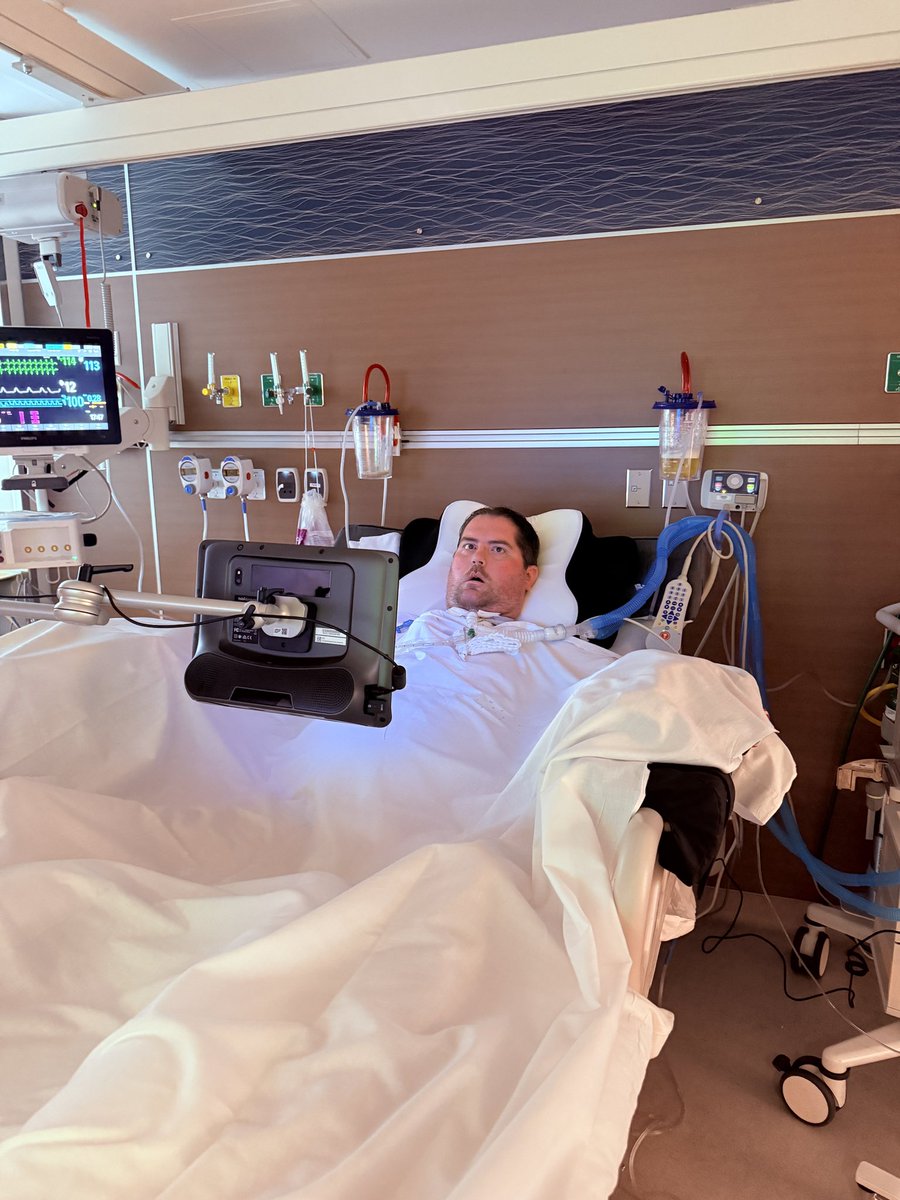
Pat is back in the hospital battling another infection. Unfortunately, his symptoms can become very serious very quickly, and he is no longer able to manage these infections at home. Thank you to everyone who continues to keep Pat in your thoughts and prayers. #BehanStrong
2
3
51
13,837