
Studies empathy, altruism, aggression @Georgetown. Author of The Fear Factor amazon.com/dp/1541697197. Co-Founder of disordersofaggression.org
Joined June 2013
- Tweets 9,727
- Following 1,060
- Followers 5,506
- Likes 11,724
656 Photos and videos

Jun 12
I could not agree more with @jayvanbavel on all of these points. I typically trust an outlet less when they get things I know a lot about wrong. This piece reduced my overall trust in @NYMag by a lot. Updates to staff and/or editorial policies are needed.
Jun 12

There is a real resistence to standardized testing that has broken the brains of some folks. They interpret evidence completely backwards (like this NYMagazine article). What is clear evidence of predictive validty gets spun as clear evidence of a failure.
I've seen this for too many years, with SAT and GRE tests too, to believe it's an isolated error. Instead, it's a systemic ideological failure. People are unwilling to look at the evidence in an open-minded way and draw accurate conclusions. And they don't have the institutional checks and balances to root out biases.
This is a serious problem that extends beyond magazines to our leading universities that repealed standardized tests and are now dealing all the problems this has created. It also reduces public trust in these institutions. I have a subscription to NYMagazine and this issue makes me trust the magazine less.
The only solution is that these institutions and organizations need to issue a correction, re-examine their editorial policies, hire staff who have the analytic skills to evaluate this type of data, and then listen to those staff. This is what it will take to earn and sustain the trust of the public. Making the same mistake over and over again only reveals that they don't care about accuracy.
1
2
6
1,820
Jun 12
Although maybe it should have been a tipoff that @NYMag publishes *astrological readings* as though they are serious. This suggests they place more faith in "tests" that tell people what they want to hear than those with actual evidence to back them up.
nymag.com/tags/astrology/?st…
1
2
113
Abigail Marsh retweeted

Jun 12
There is a real resistence to standardized testing that has broken the brains of some folks. They interpret evidence completely backwards (like this NYMagazine article). What is clear evidence of predictive validty gets spun as clear evidence of a failure.
I've seen this for too many years, with SAT and GRE tests too, to believe it's an isolated error. Instead, it's a systemic ideological failure. People are unwilling to look at the evidence in an open-minded way and draw accurate conclusions. And they don't have the institutional checks and balances to root out biases.
This is a serious problem that extends beyond magazines to our leading universities that repealed standardized tests and are now dealing all the problems this has created. It also reduces public trust in these institutions. I have a subscription to NYMagazine and this issue makes me trust the magazine less.
The only solution is that these institutions and organizations need to issue a correction, re-examine their editorial policies, hire staff who have the analytic skills to evaluate this type of data, and then listen to those staff. This is what it will take to earn and sustain the trust of the public. Making the same mistake over and over again only reveals that they don't care about accuracy.
10
35
266
45,706
Abigail Marsh retweeted
Jun 12
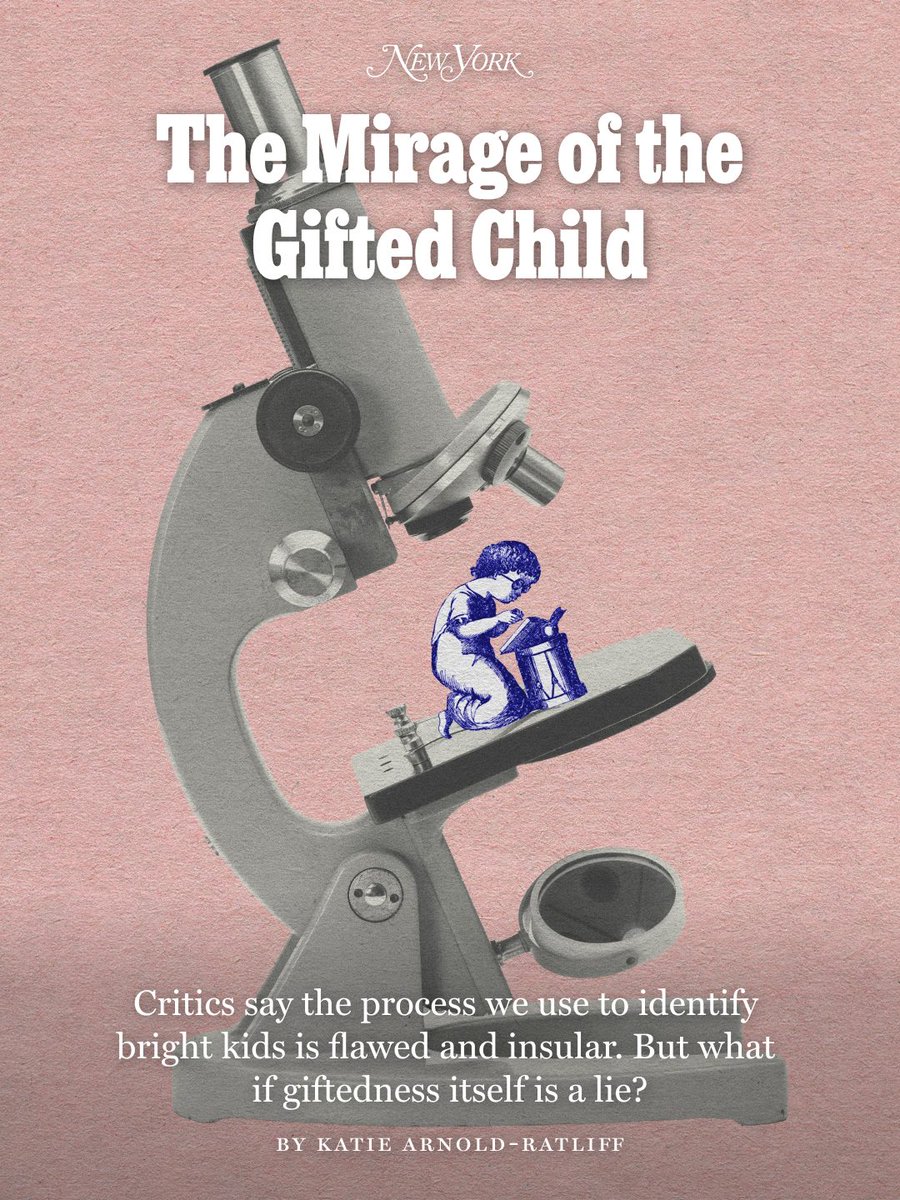
This is embarassing for @NYMag -- these "gifted" children were about 30X more likely to acheive eminence than their peers. By any standard that is not a "mirage", but the embodiment of whatever metric identified them as gifted.
It's one thing if their writers don't understand baserates and probabilities, but this should have never gotten through editorial review.
Jun 11

Gifted and Talented, or G&T, programs have long been a perennial subject of debate, particularly in New York City, where it has bedeviled mayors for years. Some parents have already washed their hands of the whole G&T business, refusing to participate in what they view as a corrupt system of segregation. But countless others still place significant stock in the G&T designation and what it offers and are comfortable relying on cognitive testing, should it be required, to determine whether a child qualifies.
“When your intelligence is the foundation of your self-perception, failing to achieve feels like soul death,” writes Katie Arnold-Ratliff. But if the limited amount of information we have about gifted kids long-term is any indication, most lead, at best, ordinary lives of modest accomplishment. A 35-year study of 677 gifted children found that by age 50, only 12.3 percent had reached a level of “eminence,” defined as “full professors … Fortune 500 executives … judges and lawyers, leaders in biomedicine, award-winning journalists and writers.” This means 88 percent never did.
Arnold-Ratliff digs into the myth of the gifted child, and how our notions of intelligence may be inherently flawed: nymag.visitlink.me/9mc2Wh
Community note
The study defines eminence as accomplishing "something rare" like becoming full professors at research universities or Fortune 500 executives; 12.3% of gifted participants achieved it, far exceeding general population rates. pmc.ncbi.nlm.nih.gov/articles/PMC64…
61
182
1,522
185,985
Abigail Marsh retweeted

Jun 12
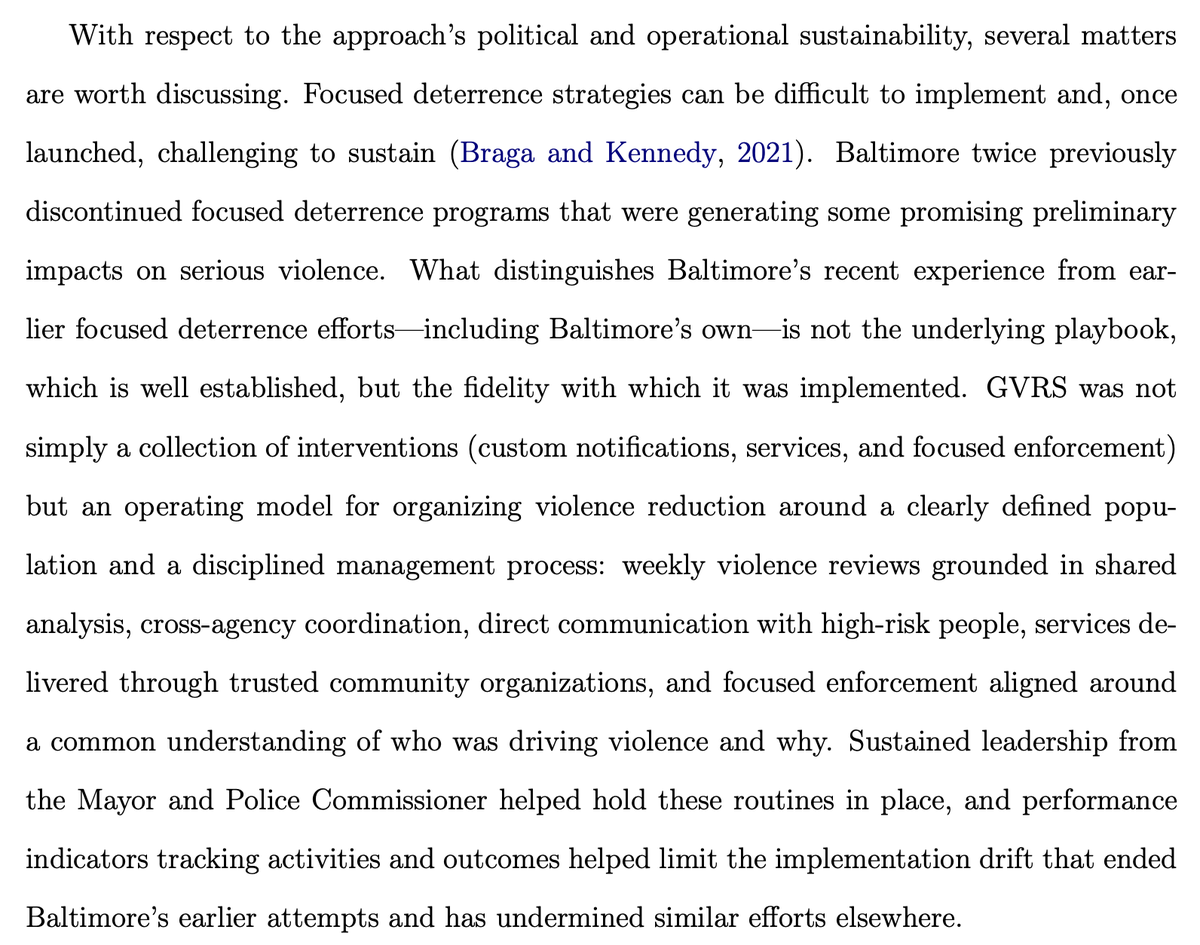
And then some good news: Baltimore's incredible decline in homicides was driven by intervening early with those at risk of committing a violent crime. Although that idea wasn't new, dedicated execution made the difference. nber.org/papers/w35292
2
34
115
15,417
Abigail Marsh retweeted

Jun 11
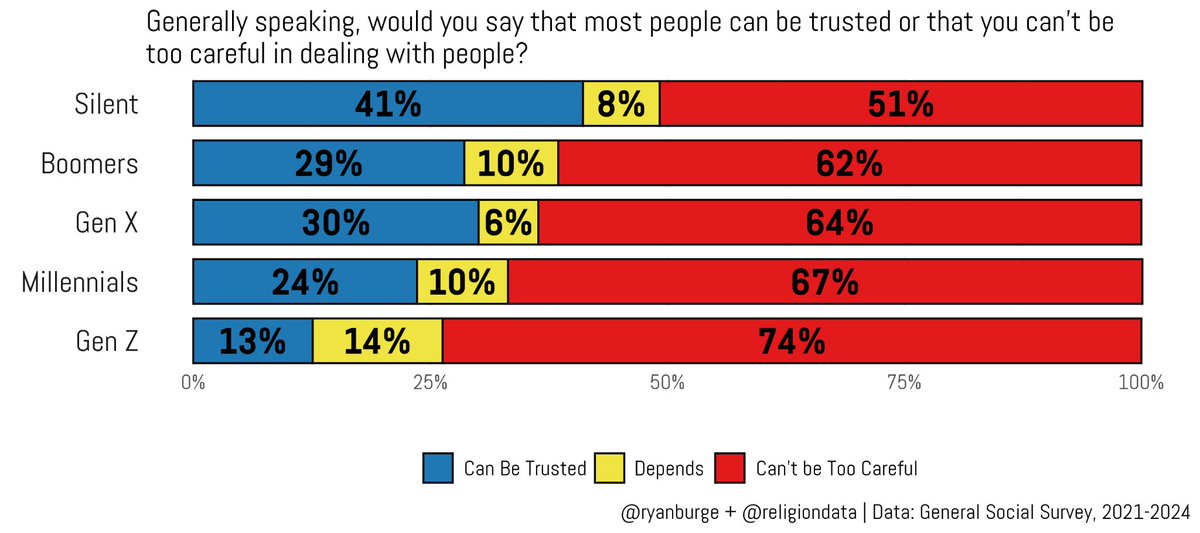
Generation Z has the lowest levels of interpersonal trust of any generation we've ever polled.
And although the data is time limited, the velocity of their decline in trust already far exceeds any previous generation.
105
220
1,288
446,490
Abigail Marsh retweeted

Jun 11
Surprised? No.
Delighted? Yes.
Worried? Also yes.
Study of 4000 kids indicates that "increasing outdoor play may be a useful public health approach to reduce child mental health problems."
So why am I worried?
Kids aren't playing outdoors very much.
acamh.onlinelibrary.wiley.co…
5
18
39
2,282
Abigail Marsh retweeted

Jun 10
I’ve officially resigned as Associate Editor for Frontiers in Systems Neuroscience (part of @FrontNeurosci). It used to be a reputable journal, but became a case study in how forced automation destroys academic integrity. 👇
33
243
1,071
195,269
Abigail Marsh retweeted

Jun 10
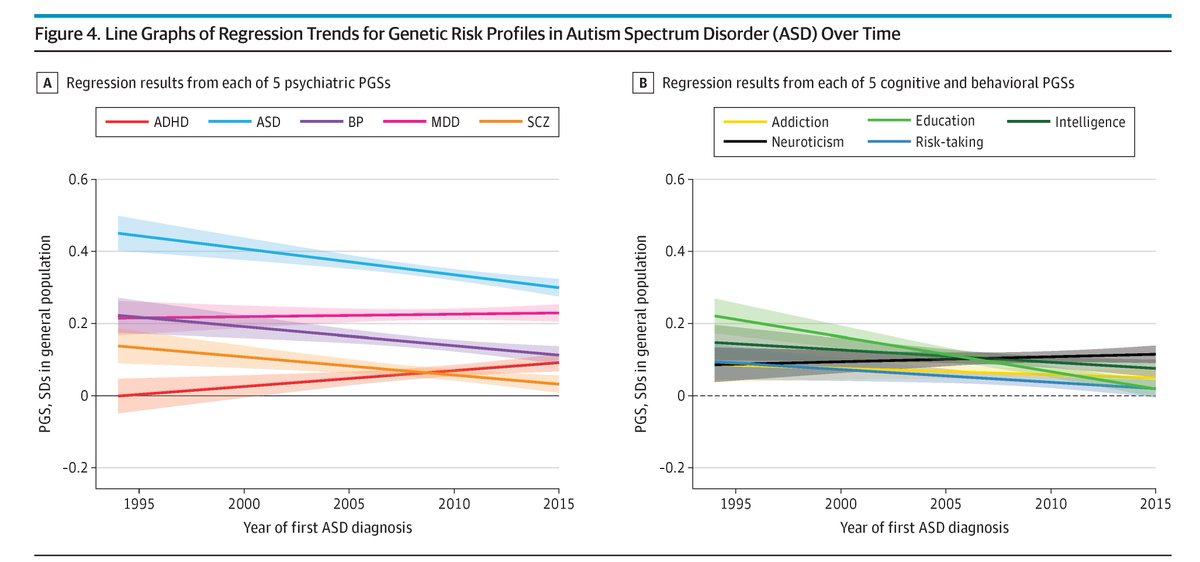
In Denmark, average genetic risk among individuals diagnosed with #ADHD or #AutismSpectrumDisorder declined over two decades, supporting broadening diagnostic criteria as the main driver of rising rates.
ja.ma/4vCXFgH
26
73
4,790
Abigail Marsh retweeted

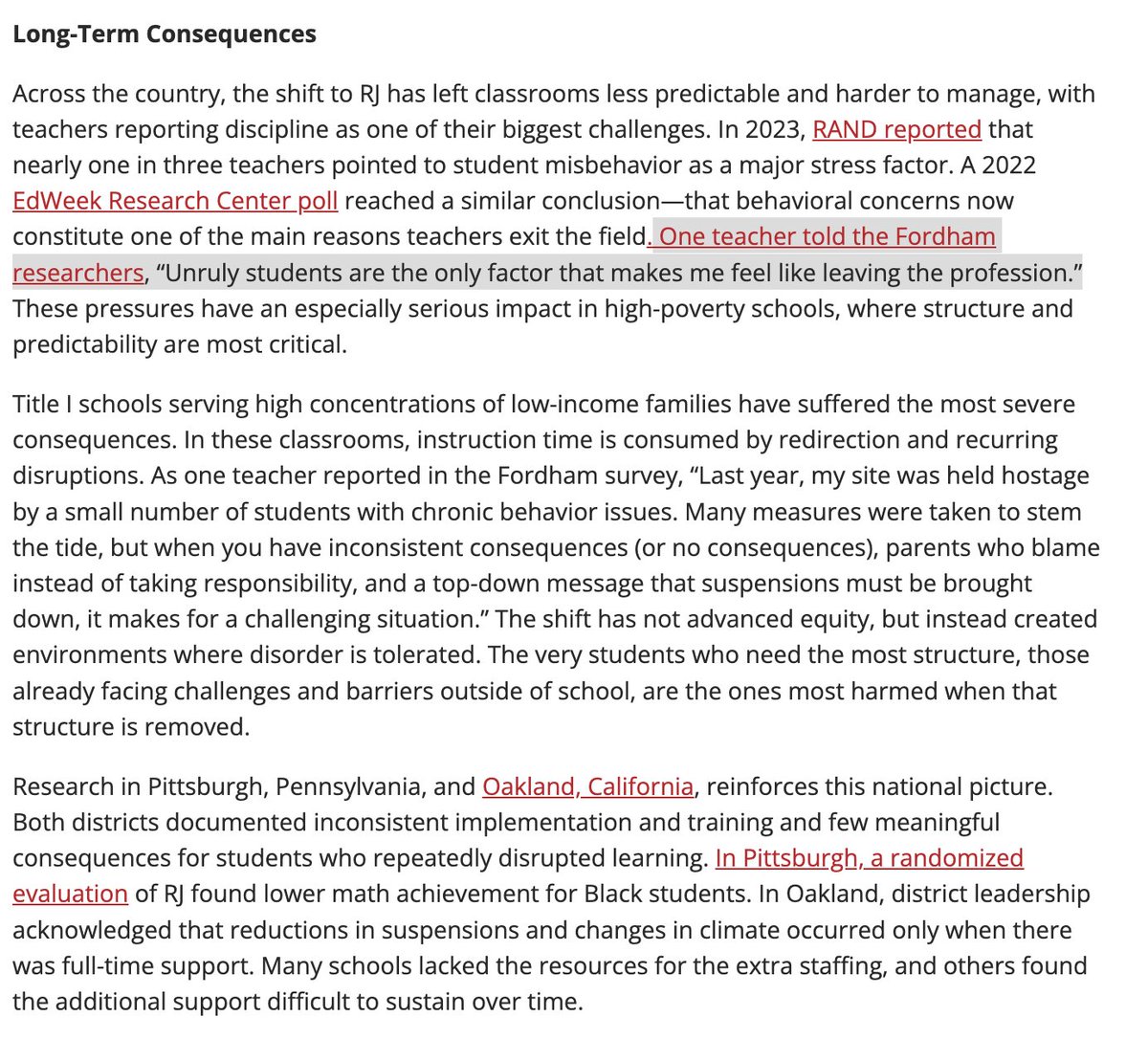
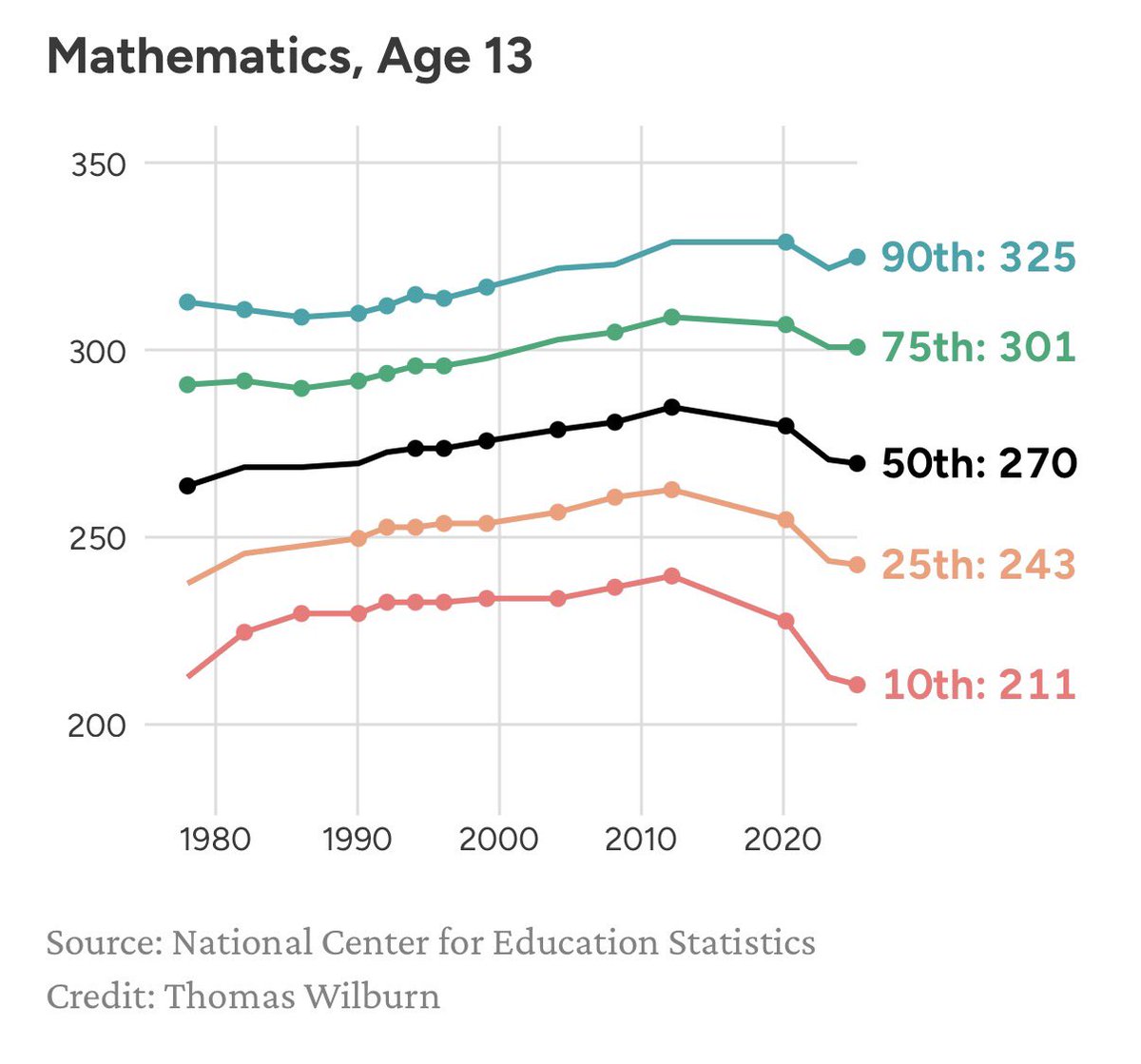
New NAEP results are out and it’s clear the bottom has fallen out for our lowest performing math students:
The bottom 10% of students performed worse than any cohort of students on the history of the test going all the way back to the 1970s
23
54
132
70,425
Abigail Marsh retweeted

Jun 10
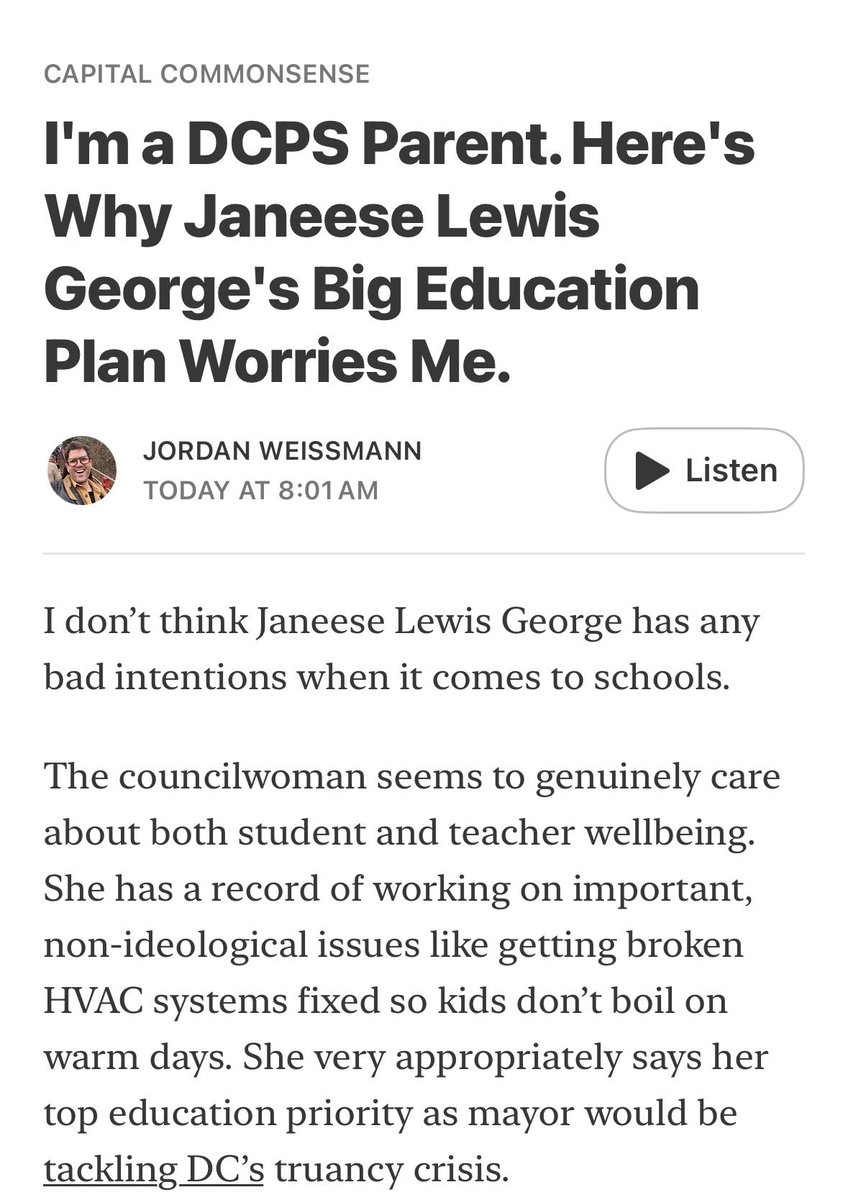
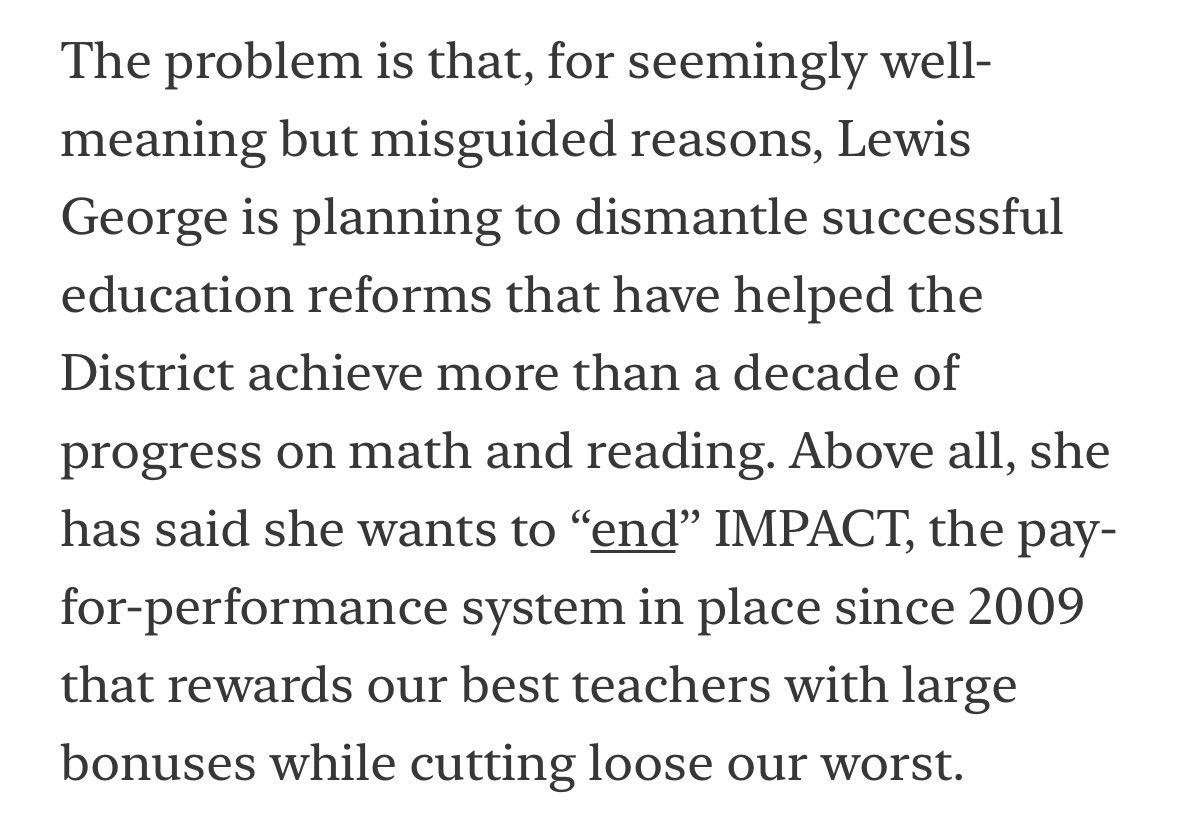
Today’s Capital Commonsense piece from @JHWeissmann is a great one on education and the future of accountability in DCPS. This has gotten little attention in local media thus far.
open.substack.com/pub/capita…
8
14
55
21,434
Jun 9
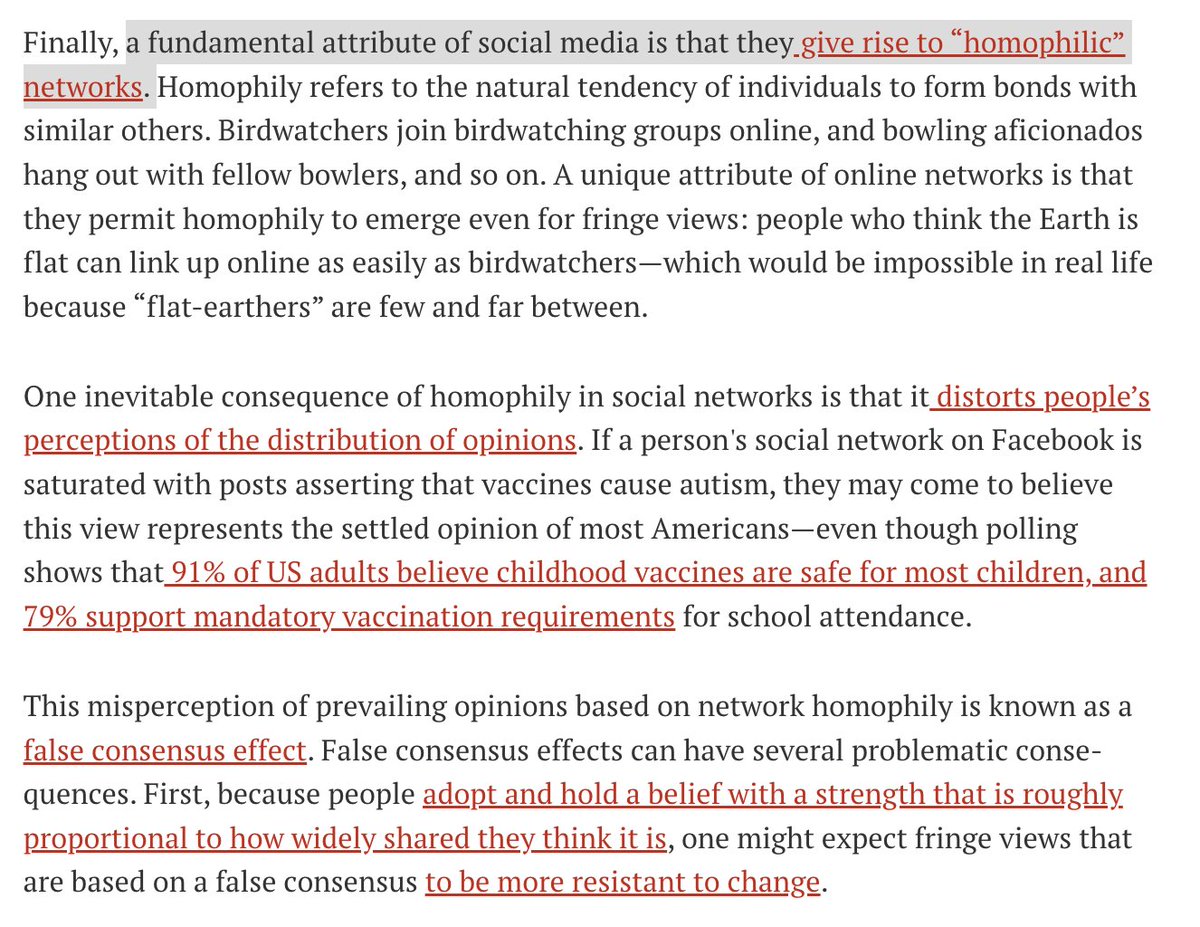
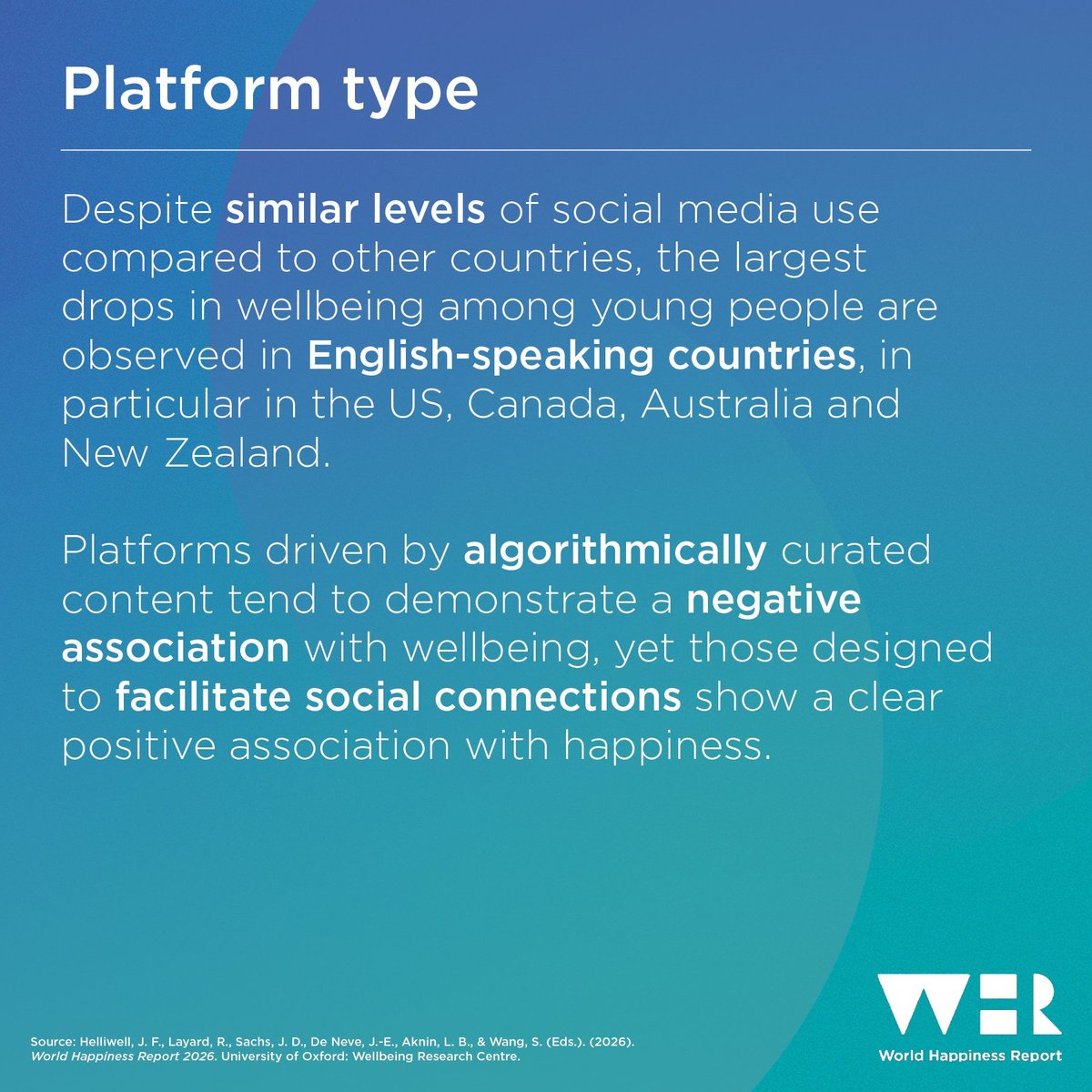
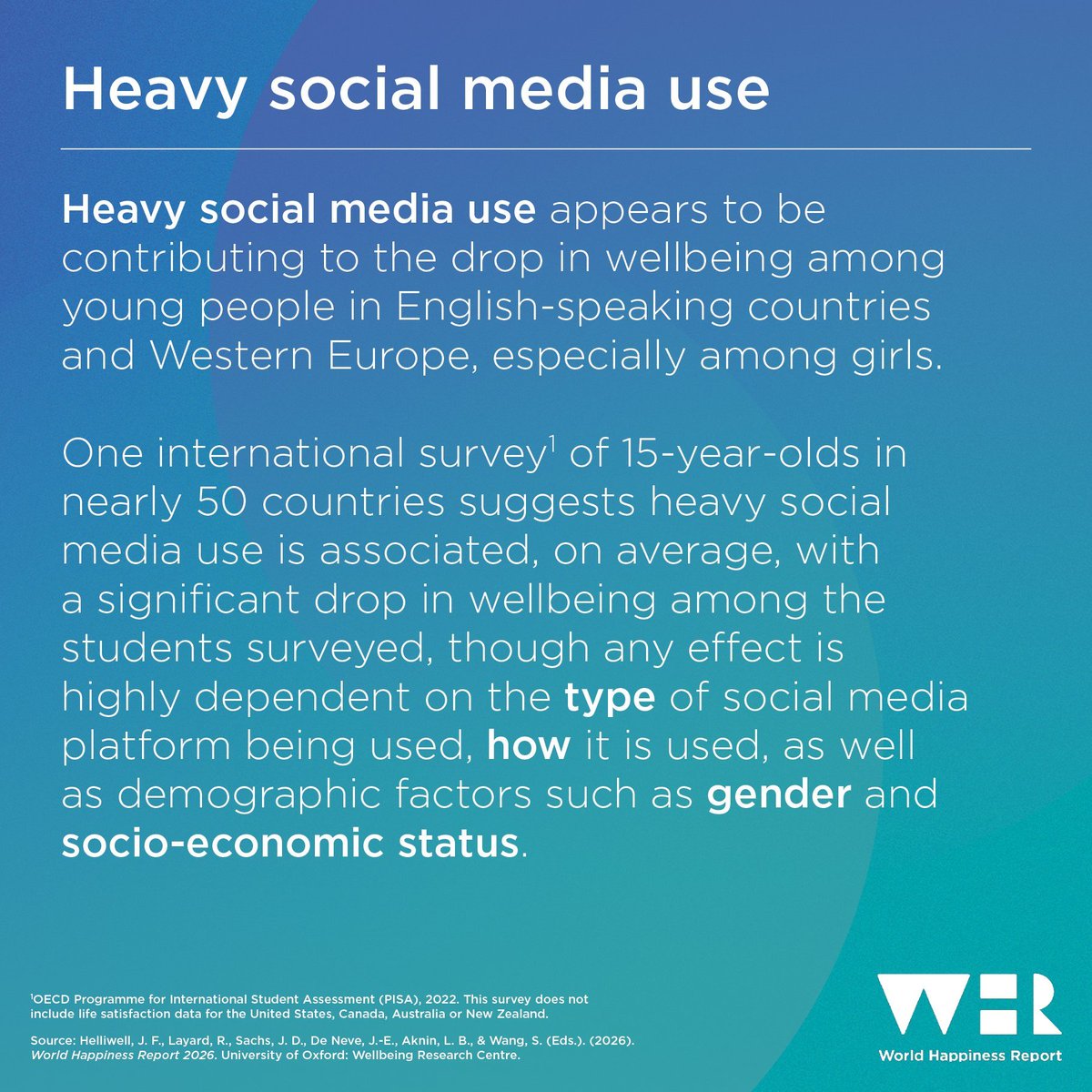
I have long worried that social media enables "runaway homophily"--associating with ever more self-similar others. We gain from interacting with people who think, feel, and value differently from us, and in the real world we have to--but online we don't. science.org/doi/10.1126/scie…
1
1
6
352
Abigail Marsh retweeted

Jun 9
The entire University of California system abandoned the use of standardized tests in admissions during the pandemic. Now a huge share of STEM and economics faculty is demanding the tests are considered again, @imkahloon reports: theatlantic.com/ideas/2026/0…
10
28
70
13,722
Abigail Marsh retweeted
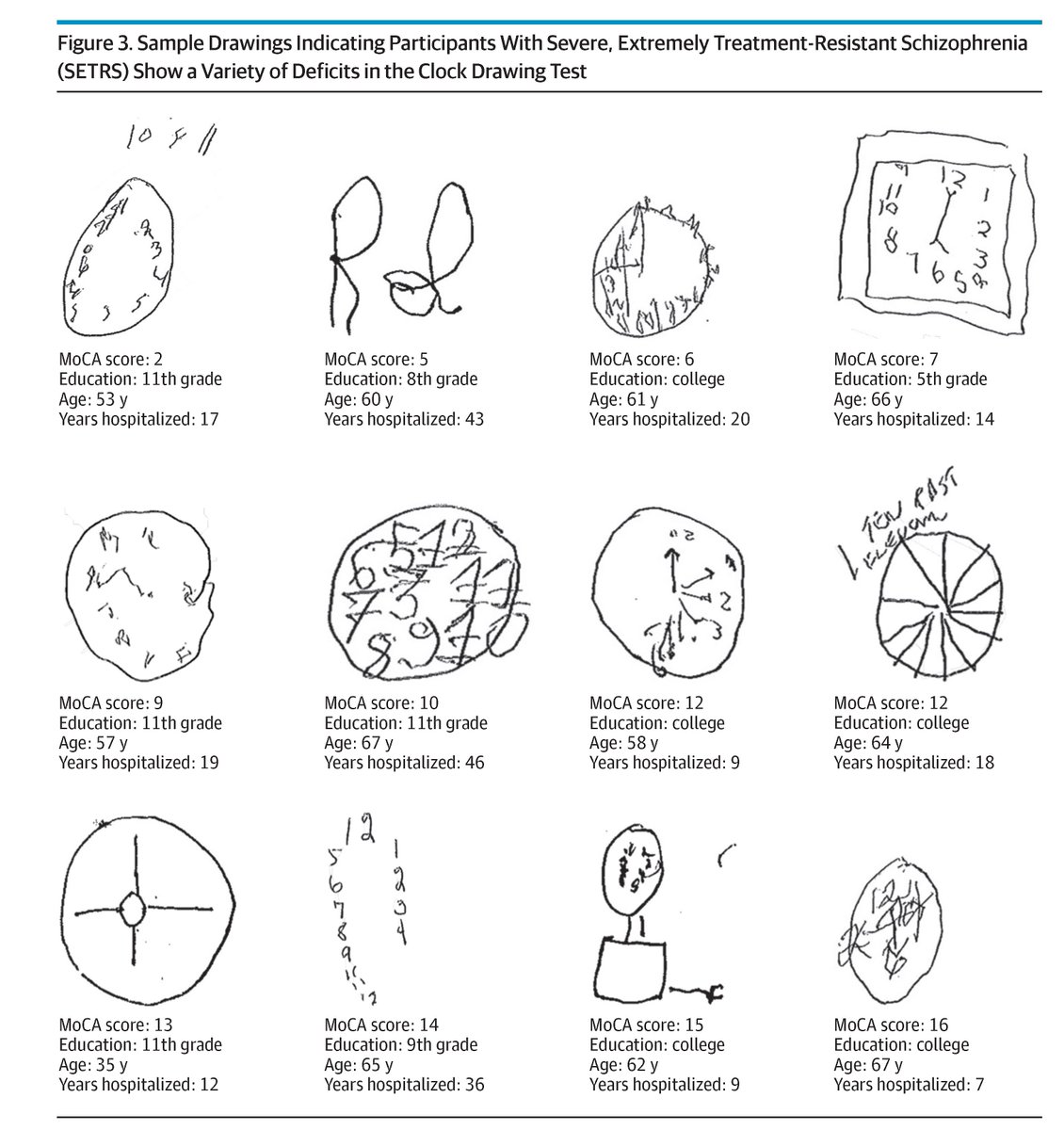
Among individuals with severe, treatment-resistant #Schizophrenia, dementia was common and showed a distinct clinical and genetic profile not explained by Alzheimer disease, cardiovascular risk, or medication effects. ja.ma/3QuowfV
1
19
46
2,681

Northern Virginia health officials are warning residents about an early-season spike in copperhead snake bites driven by warmer weather.
wjla.com/news/local/copperhe…
1
17
29
6,881
Abigail Marsh retweeted

Coworkers should date. It should not be a taboo. It should be a regular, normal thing that lots of people do!

Dating your coworker used to be one of the top ways to meet your spouse and now there’s a massive social taboo against it
75
43
1,261
101,598
Abigail Marsh retweeted

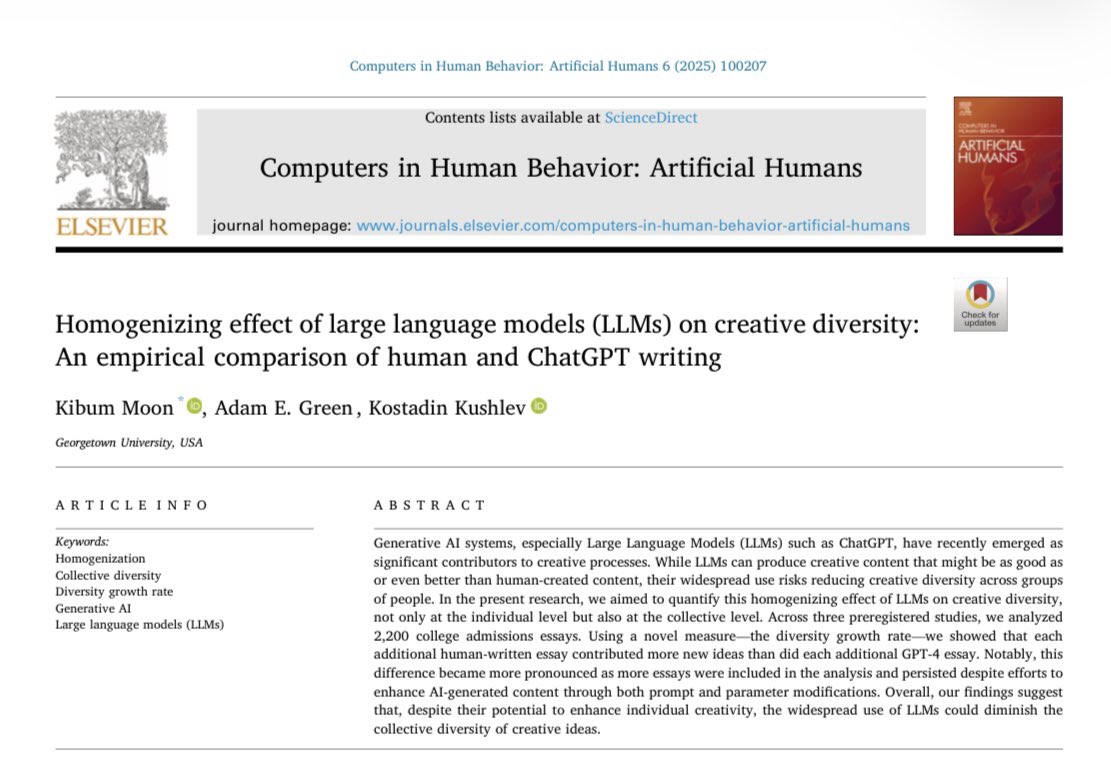
Students without access to LLMs are 2 to 8 times more creative than students with access.
That is the finding of a new paper comparing 2,200 college admissions essays written by humans before ChatGPT with essays generated by GPT-4.
The key point is not individual creativity. GPT-4 can write well, sometimes better than individual students. The problem is collective creativity.
Each new human essay added new semantic territory. New ideas. New angles. New experiences. New combinations.
Each new GPT-4 essay added much less.
The authors call this the diversity growth rate: how much novelty each additional text contributes to the collective pool of ideas.
Humans kept expanding the pool. GPT-4 made the pool converge.
Even when the authors pushed GPT-4 to be more creative, changed parameters, or used chain-of-thought prompting, the homogenizing effect remained.
This is the real danger of AI in education.
Not that students will write worse.
That everyone will write the same.
*
Full paper in the first reply
86
667
1,960
218,866

This piece [link below] by @ethanwatters1 is about 4 years old, but I think it's more urgent now. Remember, there was a time when *thousands* of therapists practiced these now discredited interventions, and millions of people took it all to be established scientific truth.
1
2
294
Abigail Marsh retweeted

Jun 7
When toys are present in a room, young children with autism often focus their visual attention on the objects rather than human faces. Removing visual clutter can gently encourage neurodivergent toddlers to spend more time observing social interactions. dlvr.it/TSwbx5
14
40
2,688

After the drastic change in guidance to no longer keep allergenic foods away from babies until 1 to 3 years of age and instead introduce them by 6 months of age, the prevalence of egg allergy among children fell by more than 17% in a new study published Monday in the journal JAMA Pediatrics. cnn.it/4v50rM0

259
869
5,894
3,356,072