
Founder @PakAirQuality, here street photography, travels and observations, back from #China to #Karachi 老北京人 also @ClimateActionPk
Joined August 2008
- Tweets 2,666
- Following 1,998
- Followers 992
- Likes 1,043
Photos and videos

This is not an April Fool’s announcement! 🤡
Hawanama has been dream, ten years in the making. Thanks to the PAQI team, especially Mahad Naveed and Rehan Ahmad it’s finally becoming real. 🚀
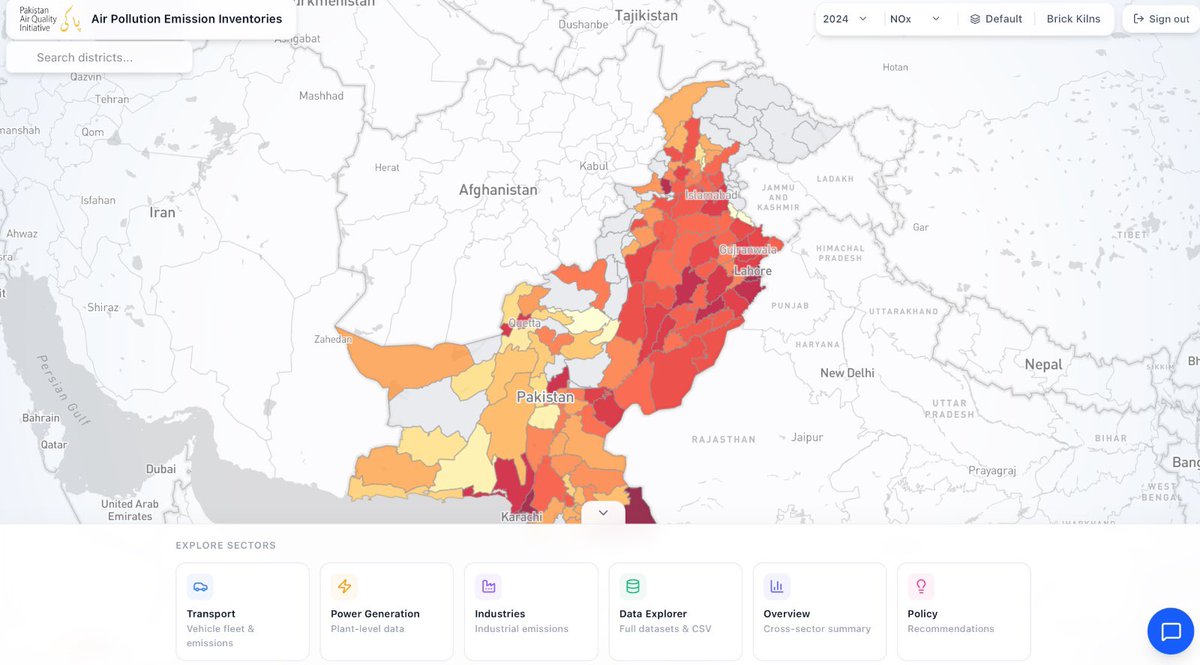
Hawanama, a state-of-the art data platform, not just for air pollution, but also for climate intelligence. With an AI chatbot to query the data, understand the sources, and evaluate the mitigation options.
Let us know what you think!

Meet *Hawanama* : PAQI’s new climate intelligence platform built to map the sources, forecast pollution, and model the solutions.
1
1
2
103




AO retweeted

28 Oct 2025
Can Punjab really afford the "temporary" but extremely expensive anti-smog guns to control #AirPollution? My oped in today's Dawn: dawn.com/news/1951728/mistin…
@Marriyum_A @dawarhbutt @Abidsuleri @sherryrehman @aminattock @ClimateChangePK @GovtofPunjabPK
3
7
13
1,148
AO retweeted

21 Oct 2025
"Until we confront the sources of pollution head-on, no amount of mist will clear the air."
Excellent must read piece by @abido of @PakAirQuality
‘Smog theatre’: Will cannons and towers clear polluted air? dawn.com/news/1950374
8
16
5,461
AO retweeted

14 Aug 2025
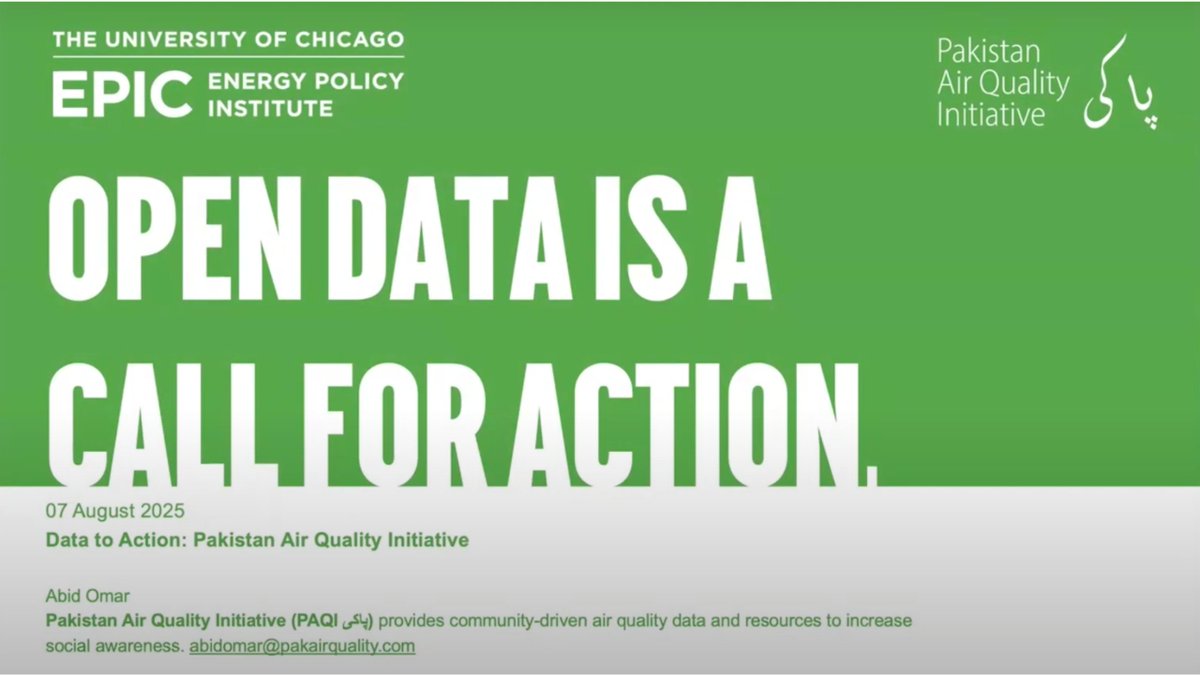
#ICYMI: Christa Hasenkopf, Director of @UChiEnergy’s Clean Air Program, and @abido founder of @PakAirQuality spoke about successfully engaging communities to demand clean air and drive policy change in Pakistan.
Watch: epic.uchicago.edu/events/eve… #UChiAir
1
2
242
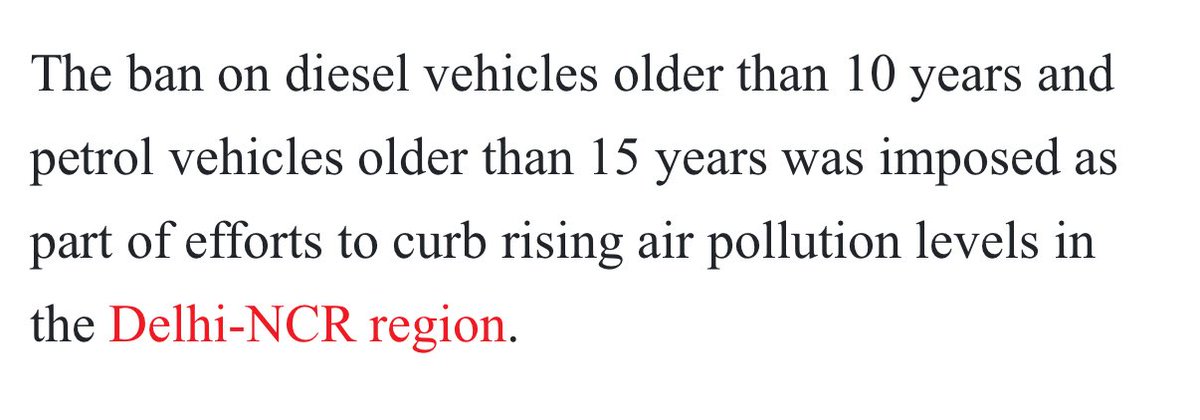
Do ‘bans’ work?
In India and Pakistan, bans function as an alternative to governance and regulation.
In Delhi NCR, a ban has been imposed on a ban.
Solutions to air pollution require holistic ideas, based on ground reality, scientific evidence, and an outlook beyond the election cycle.
outlookindia.com/national/su…
2
1
3
202
AO retweeted
25 Jul 2025
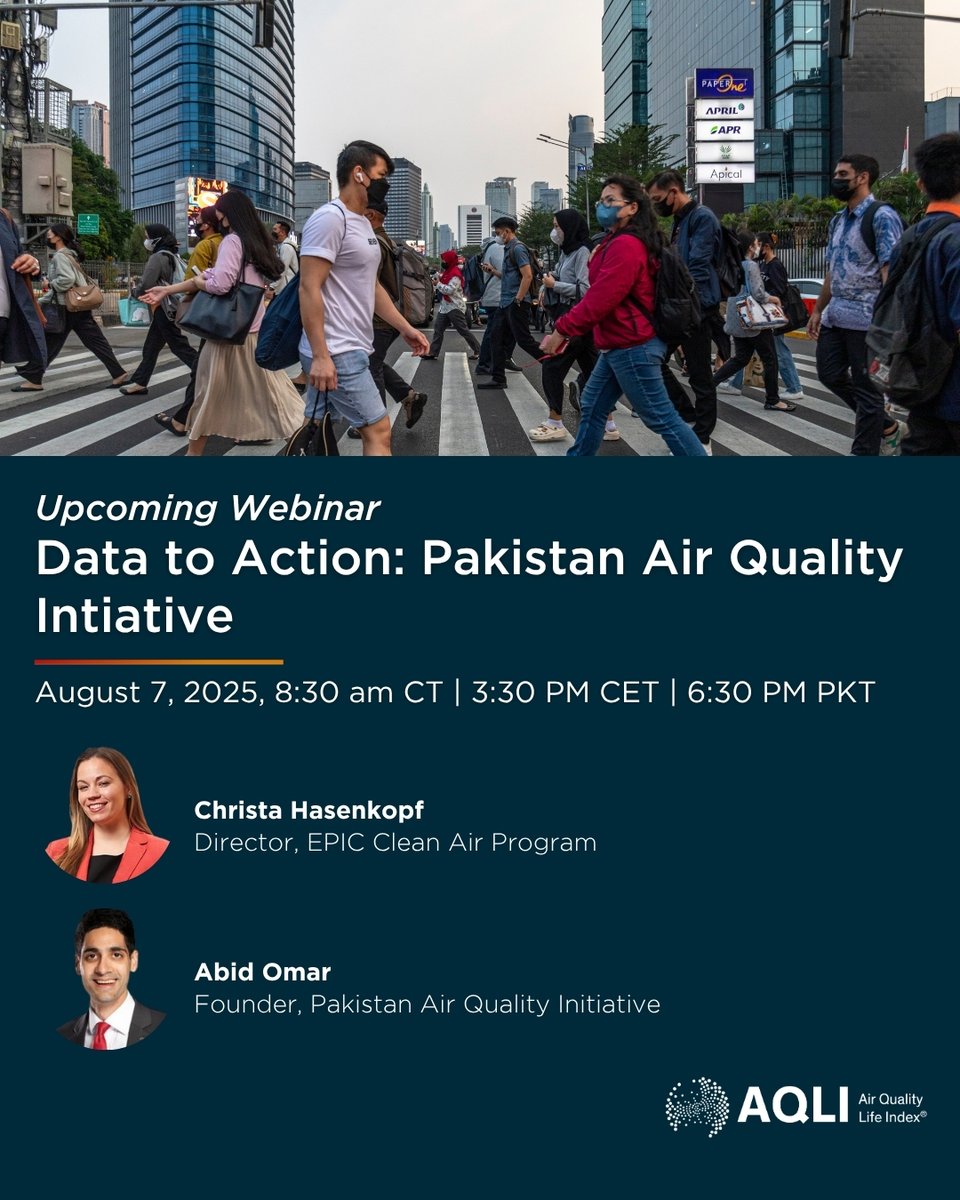
On Aug. 7, join Christa Hasenkopf, Director of EPIC’s Clean Air Program, and @abido, Founder of the @PakAirQuality & an EPIC Air Quality Fund Awardee, to discuss how to successfully engage communities to demand #CleanAir and drive policy change. Register: epic.uchicago.edu/events/eve…
8
12
1,890

AO retweeted

7 May 2025
In 2014, I visited a new waste-to-power facility in Wuhan as part of study tour. At the time, Wuhan was running out of places to put trash and this was a solution to a municipal management problem, with the power generated more of an incidental outcome, not the main goal.
6 May 2025

While many countries grapple with overflowing landfills and a mounting waste crisis, China is surprisingly facing a shortage of waste.
Waste-to-energy incineration has been a key driver of biomass power growth in China, with municipal solid waste (MSW) incineration representing 76.9% of newly installed biomass capacity in recent years.
However, the average annual utilization hours of biomass power generation—including waste-to-energy facilities—have notably declined, and the reasons behind this downturn are rather unexpected.
It turns out that waste-to-energy projects in economically developed regions of southeastern China have become nearly saturated, effectively processing almost all available urban waste.
Consequently, many cities have resorted to excavating old landfills, retrieving decades-old buried waste, treating it, and subsequently sending it to incineration plants for electricity generation.

5
18
159
10,778
AO retweeted

29 Apr 2025
@abido will presenting (virtually) at #EGU2025 on the @PakAirQuality population-centric methodology for designing air quality monitoring networks in data-sparse regions. Developed with co-author Mahad Naveed, our approach optimizes monitor placement based on where people actually live and breathe.
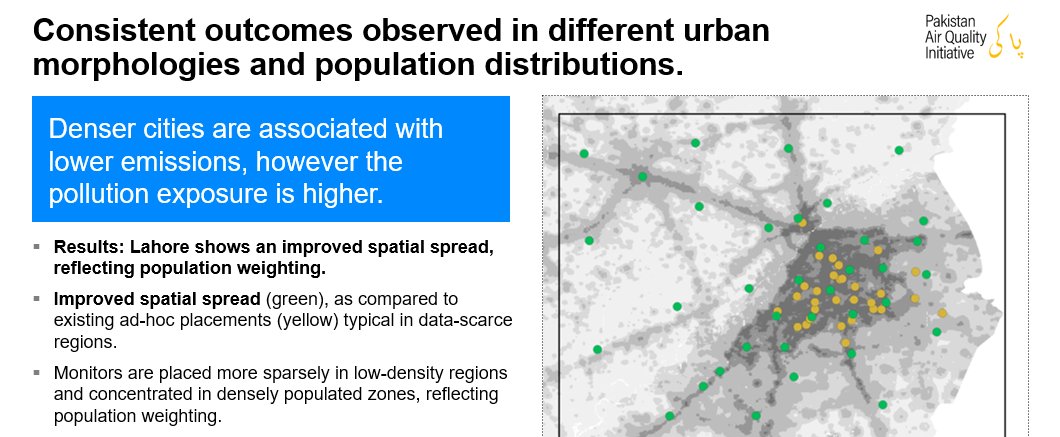
ALT Population-Centric Optimization of Air Quality Monitoring Networks in Data-Sparse Urban Regions: A Weighted K-Means Approach
1
1
134
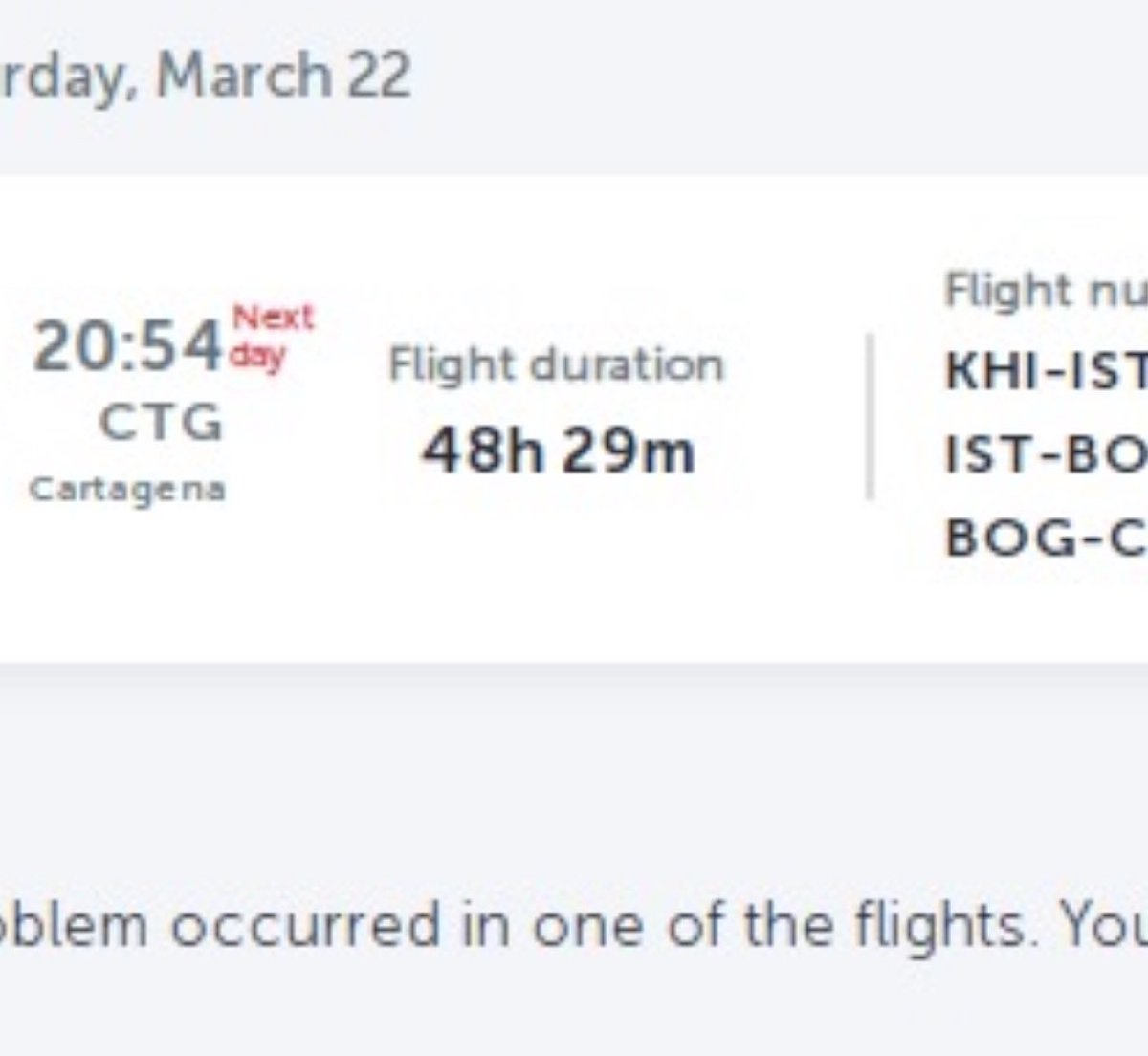
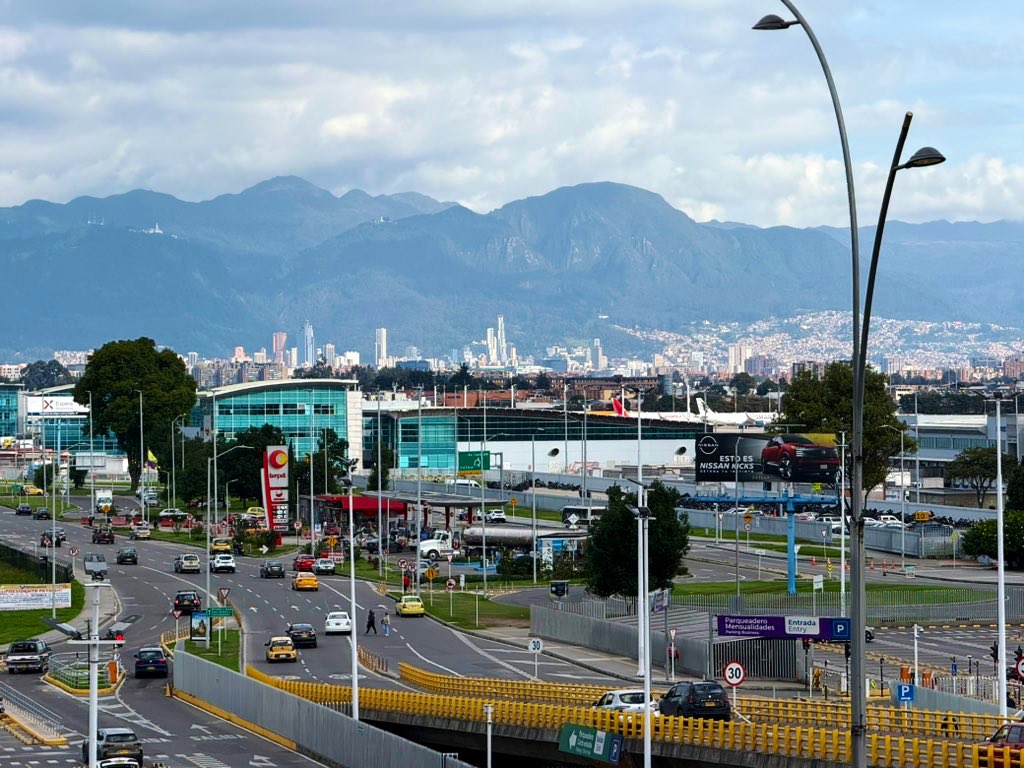
Heading to Cartagena for the WHO Second Global Conference on Air Pollution and Health.
It’s a grueling 48h 29m journey from Pakistan. Worth the effort if we can bring attention to @PakAirQuality pollution challenges.
1
1
3
479
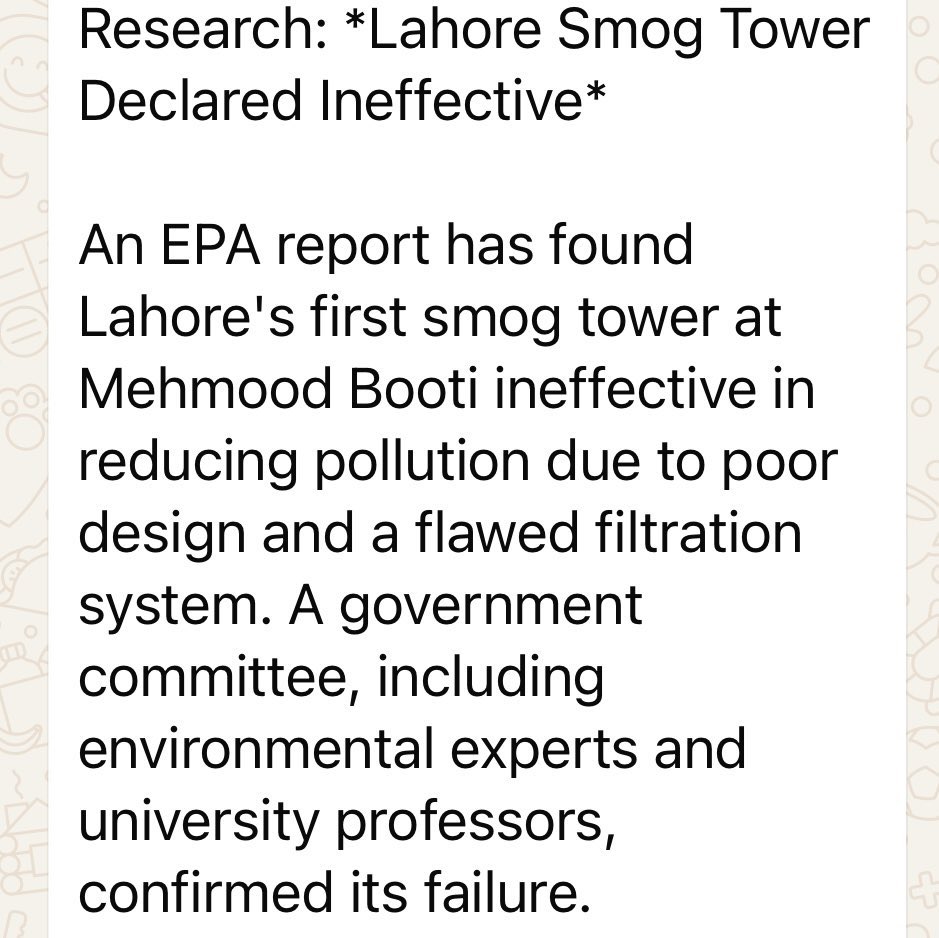
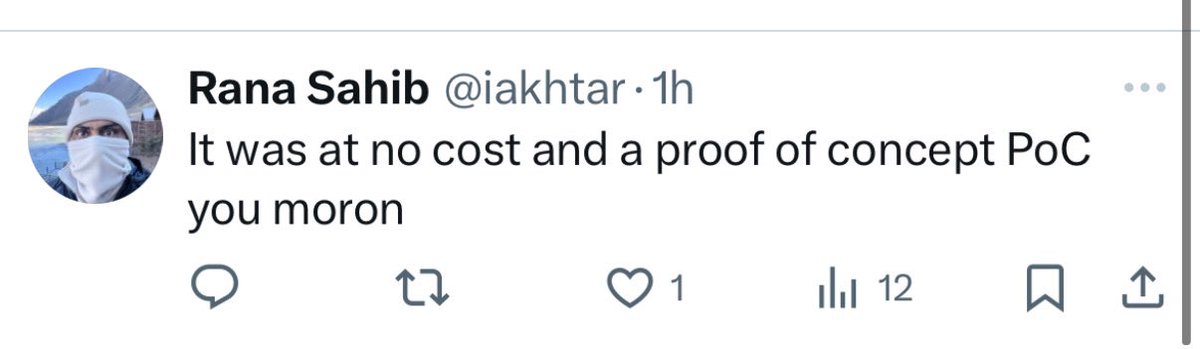
The Punjab EPA is blaming the “poor design and flawed filtration system” of the Smog Tower in Lahore.
That means there are more smog towers being planned somewhere, with better (read: more expensive) designs.
The sentiment is, that it’s ok to be ineffective, we just go back to the drawing board till we get it right.
1
153
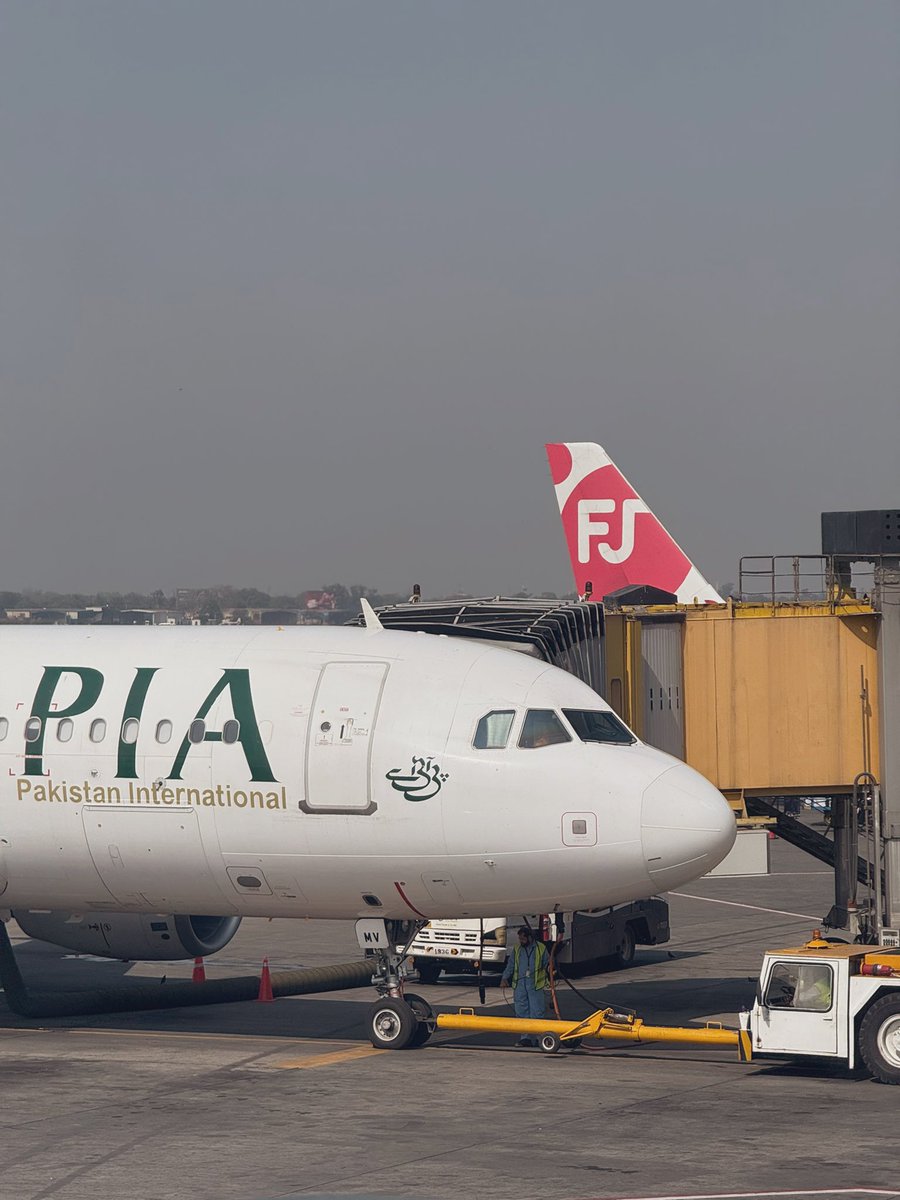
Great pollution to fly in. Had a few days in @LahoreSmog, quite surprising how poor air quality has been normalized.
1
109
AO retweeted

3 Feb 2025
When in India, I did end this podcast early due to the bad air quality. @nikhilkamathcio was a gracious host and we were having a great time. The problem was that the room we were in circulated outside air which made the air purifier I'd brought with me ineffective.
Inside, the AQI was 130 and PM2.5 was 75 µg/m³, which is equal to smoking 3.4 cigarettes for 24 hours of exposure.
This was my third day in India and the air pollution had made my skin break out in rash and my eyes and throat burn.
Air pollution has been so normalized in India that no one even notices anymore despite the science of its negative effects being well known. People would be outside running. Babies and small children exposed from birth. No one wore a mask which can significantly decrease exposure. It was so confusing.
The evidence shows that India would improve the health of its population more by cleaning up air quality than by curing all cancers.
I am unsure why India's leaders do not make air quality a national emergency. I don't know what interests, money and power keep things the way they are but it's really bad for the entire country.
When I returned to the U.S., my eyes were fresh to see what is normalized to me. I saw obesity everywhere. 42.4% of American are obese and because I was around it all the time, I had been mostly oblivious to it.
In many contexts, obesity is worse than air pollution in the long term.
Why wouldn't American leaders declare a national emergency on obesity? What interests, money and power keep things the way they are but are really bad for the entire country.
3 Feb 2025

Let this sink in
Bryan Johnson visited #India for the first time to record a podcast with Nikhil Kamath. During the shoot, which took place at a five-star hotel with an air purifier, he wore an N95 mask. Despite these, he left midway, unable to endure the room’s AQI, around 120.
1,191
3,880
23,955
4,034,538

The data suggests that emissions from transport are the biggest contributing factor to Pakistan's air pollution crisis. 🚗
Learn more about sources of pollution and ways to mitigate its impact with @UzairYounus and @Abido.
Watch here 👉lnkd.in/dN5QqT2A
2
4
223
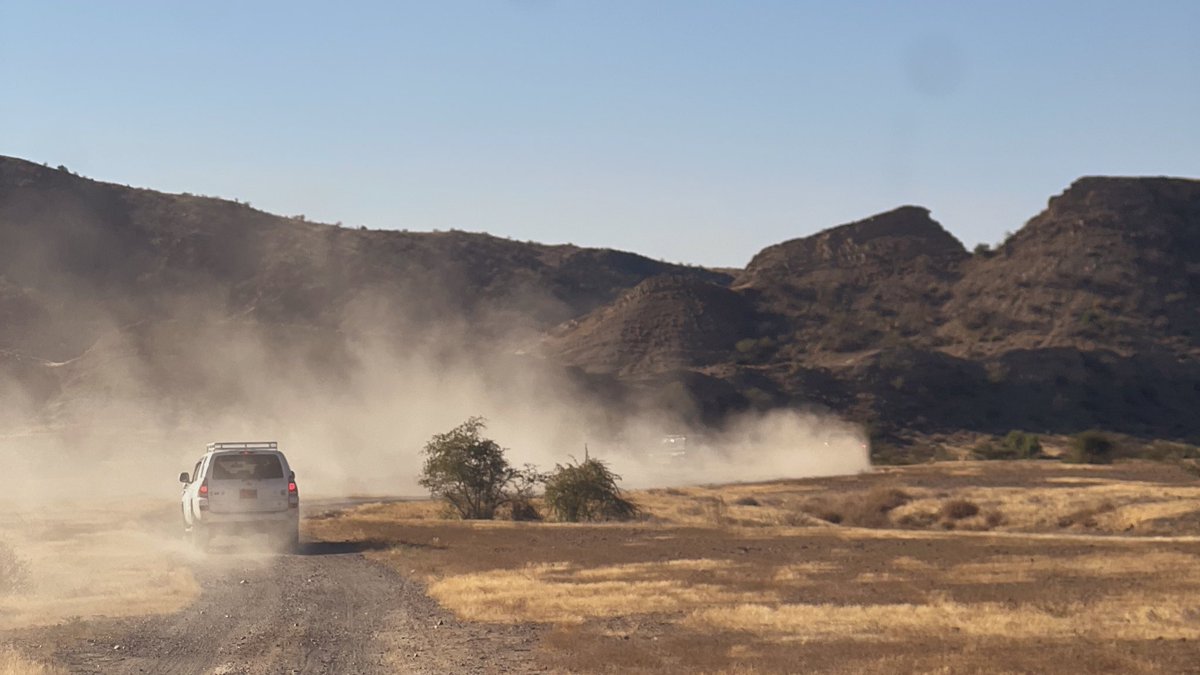
The data suggests that emissions from transport are the biggest contributing factor to Pakistan's air pollution crisis. 🚗
Learn more about sources of pollution and ways to mitigate its impact with @UzairYounus and @Abido.
Watch here 👇
lnkd.in/dN5QqT2A
2
2
181