
swe & ai enginner • 2x Internship • oss • Available for freelancing
Joined May 2022
- Tweets 1,926
- Following 420
- Followers 203
- Likes 765
112 Photos and videos


Pinned Tweet

26 Jun 2025
Some more editor panel features added in @opencutapp
- split and keep left
- split and keep right
- separate audio in different audio tracks
- keyboard shortcuts.
Working on export feature currently.
26 Jun 2025

Meanwhile, I added some cool features to opencutapp .
You can separate the audio tracks from a video and other cool stuff.

4
3
35
8,850
Aman retweeted

May 11
Idempotency has a dirty secret: the happy path always works. It's the weird ones that bankrupt you. The late retry. The payload that changed between attempts.
7 edge cases that break most implementations, and how to actually fix each one. 🧵
4
15
157
14,245
Apr 29
@trq212
Thier is a bug in claude code.
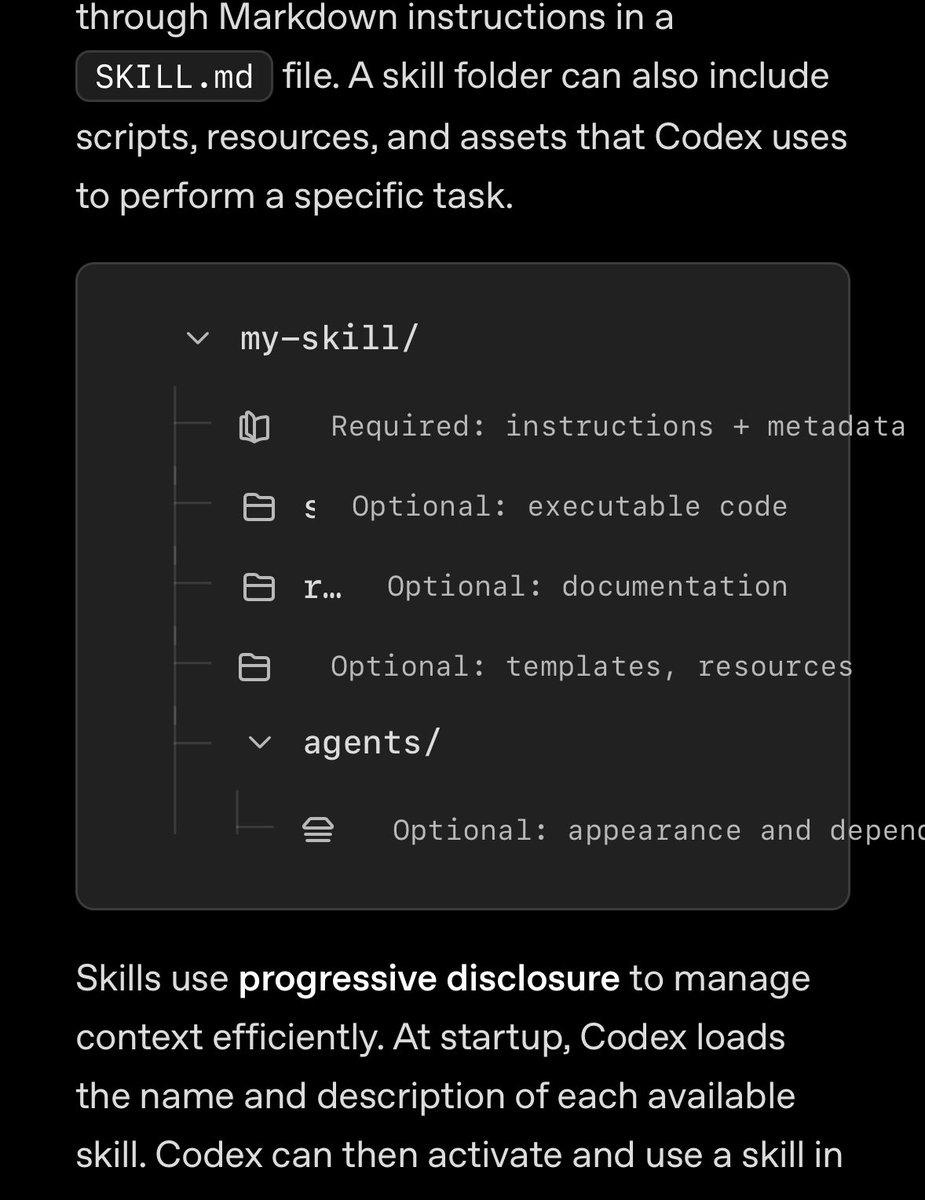
I have a folder called projA and inside that i have some skills . Inside projA i have multiple subfolders. ( subProjA, subProjB etc) like microservices.
More desc below( i hit post limits)
2
1
72
Apr 29
If i am working in one of those microservices and i use add-dir command to add root dir (projA) then i am not able to discover the root ProjA skills . Neither i am not able to discover the other microservice skills. But claude docs says we can access
Can you check once the issue
25
Apr 25
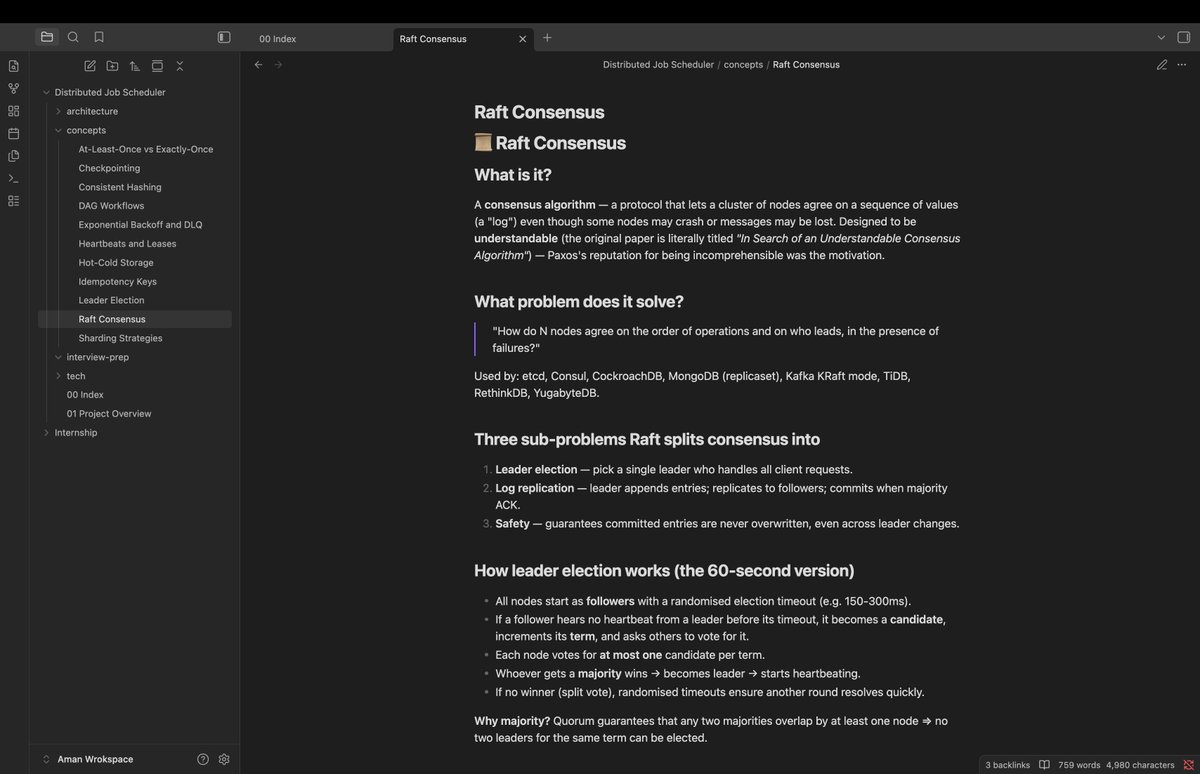
i was woking on distributed job scheduler. thought to make some notes about the distributed systems and project structure.
3
34
Apr 23
I want to go in the ML infra side and applied ai like scaling application/ inference engineering and along with distributed systems.
Code writing is easy nowdays but if somebody has some guidance from where i can start please let me know .
1
4
75
Apr 20
College exams starting will update this soon :)
Apr 19
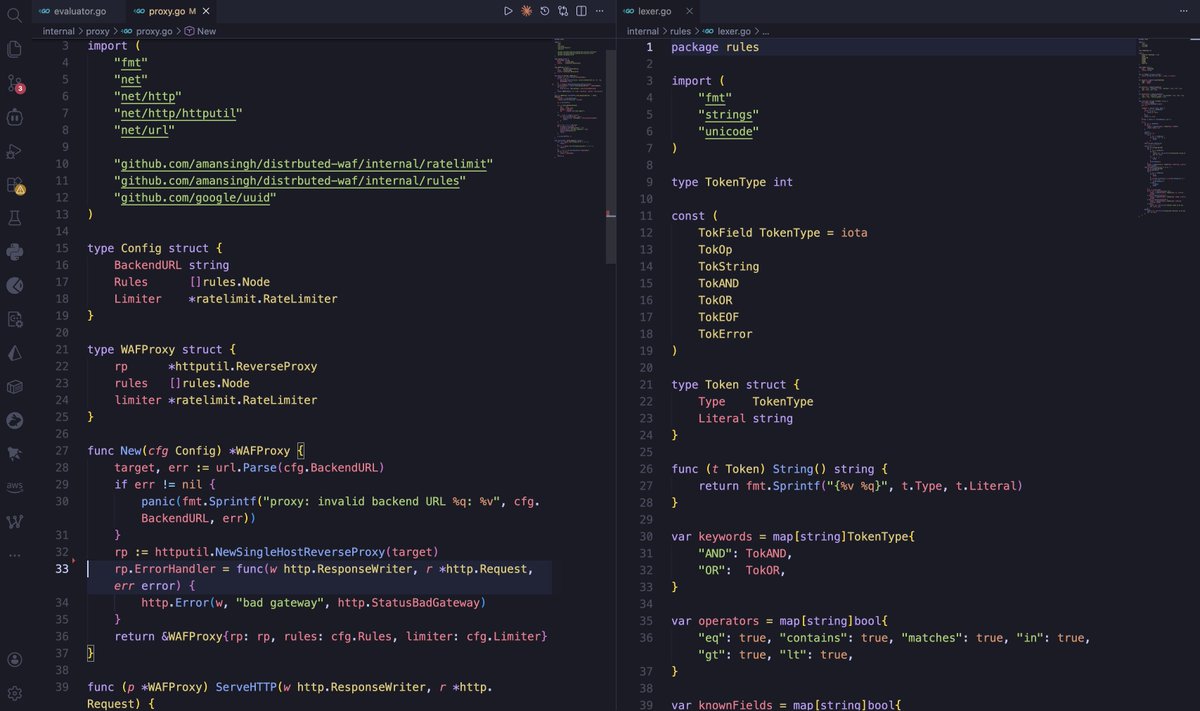
i m curently building distributed web application firewall in golang.
> made a custom DSL rule engine (lexer → parser → AST → evaluator)
> hot-reload via fsnotify atomic pointer swap
> token bucket rate limiter per ip/route
1
51
Apr 19
i m curently building distributed web application firewall in golang.
> made a custom DSL rule engine (lexer → parser → AST → evaluator)
> hot-reload via fsnotify atomic pointer swap
> token bucket rate limiter per ip/route
1
3
805
Apr 19
going to implement more things on this project and learn more about distributed system
23

@Maaztwts built OSAP to stop the constant tab-switching between Slack, GitHub, and Notion.
It uses GLM-5.1 as a reasoning layer to handle multi-step tasks across different apps, with persistent memory (HydraDB) to keep track of your specific workflow habits.
osap.maazx.dev
94
101
376
48,584

I work on a browser rendering engine. I write Rust. No, it's not frontend, backend or systems engineering.
I have struggled to explain what I do. So here's my attempt.
You know when you write "display: flex" in your CSS and it just works? Someone had to make it work.
Here's how a language feature goes from idea to your screen:
Someone proposes a new feature in HTML/CSS/JS language. for example a new CSS property or a new way to handle text.
A standards body (W3C for CSS, WHATWG for HTML, TC39 for JavaScript) discusses it, debates it, refines it. If it gets accepted, they publish a specification.
A document that describes exactly how the feature should behave.
Now browser engines (Chrome uses Blink, Firefox uses Gecko, Safari uses WebKit, and there's Servo which is written in Rust) need to actually implement it.
Someone reads the spec, writes the code in the engine that says "when you encounter this property, here's how to calculate it, here's how to lay it out, here's how to paint it."
Then it gets tested against thousands of web platform tests. Then it ships in a browser release.
Then you install a browser update. Then you write that CSS property in your project. Then your users see it render correctly on their screen.
That middle step, turning the specification into working code inside the engine, that's what I do.
These days I am working on making sure one is able to debug things in Servo DevTools!
51
76
1,534
80,391
Feb 18
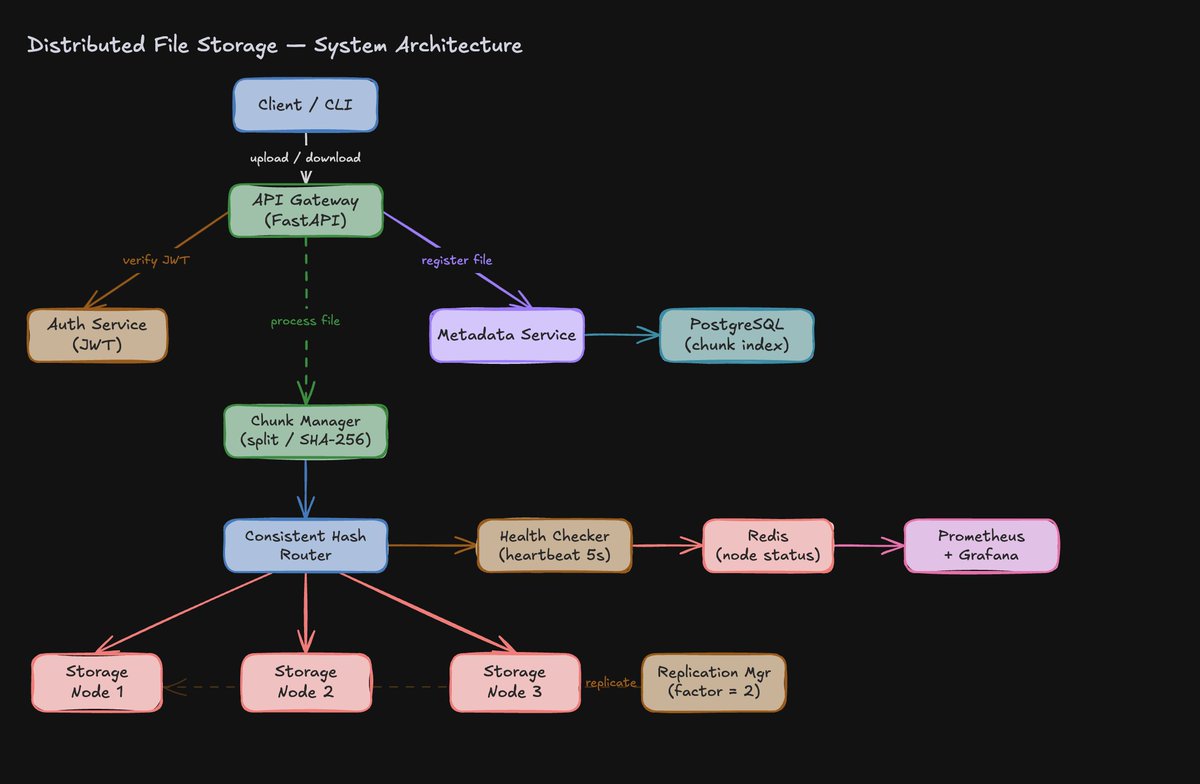
Starting distributed file storage project in go.
time to go crazy and make this in a week
Jan 9

Distributed Systems Project Ideas
Beginner Level
1. Simple Client–Server System (TCP/HTTP)
2. Distributed Key-Value Store (single leader, multiple replicas)
3. Heartbeat & Failure Detection Service
4. Basic Load Balancer (round-robin, least connections)
Intermediate Level
5. Leader Election System (Raft-style, simplified)
6. Distributed Rate Limiter (token bucket across nodes)
7. Message Queue with Acks & Retries
8. Distributed Cache with TTL & Eviction
9. Log Replication System
Advanced Level
10. Distributed File Storage System
11. Event Streaming Platform (Kafka-lite)
12. Distributed Task Scheduler
13. Globally Consistent Counter (CAP trade-offs)
14. Fault-Tolerant Microservice Platform
Build these and you’ll stop reading about distributed systems
and start thinking like one.
4
202
Feb 4
A billion dollar industry with great coding agents can’t fix its own website flaw . 🤔
111
Aman retweeted

Feb 4
The difference is that this meme is actually true now
You just tell the agent to draw the rest of the owl
But you have to know what to ask and why! And what to do when things go wrong.

7
18
188
15,941
Jan 28
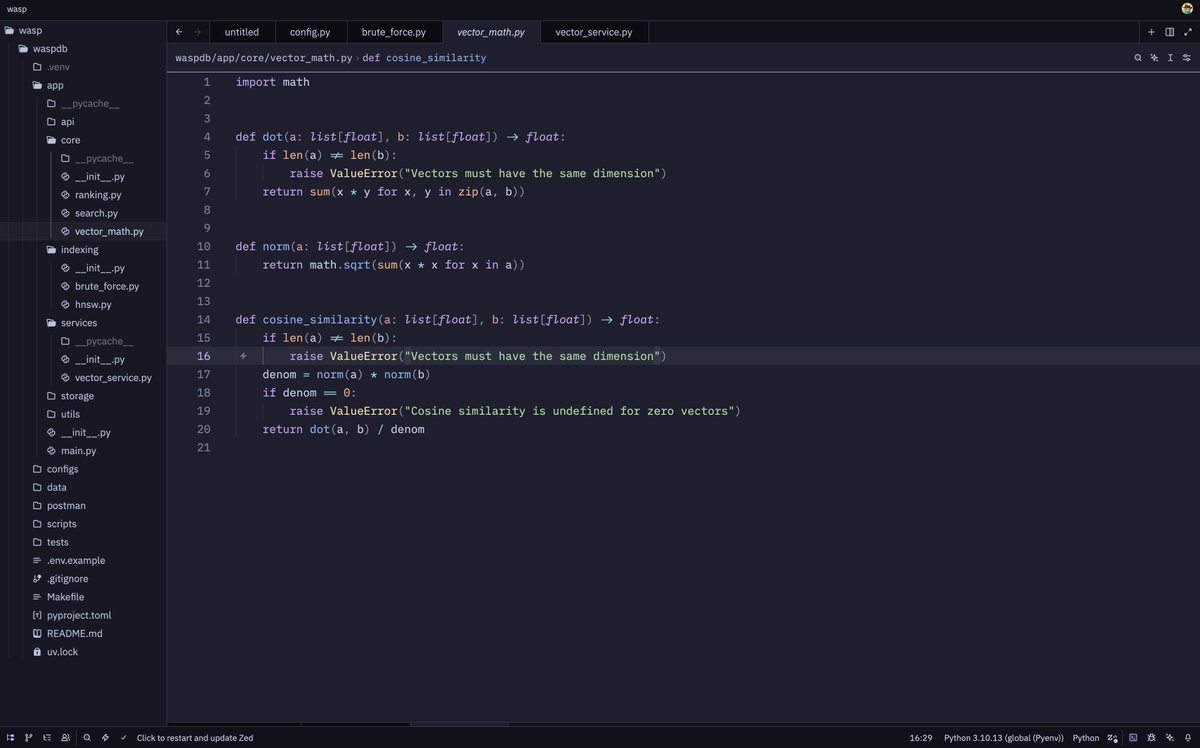
this week i am building vector database from scratch and try to learn it from first principle . currently i have implemented cosine search similarity which gives nearest k values. i will be learning more ANN algo (like hnsw) and try implementing it.
inspired by @archiexzzz 🫡
2
93
27 Dec 2025
Tell them we won 19 November 2023 world cup 🏆

1
1
159
26 Dec 2025
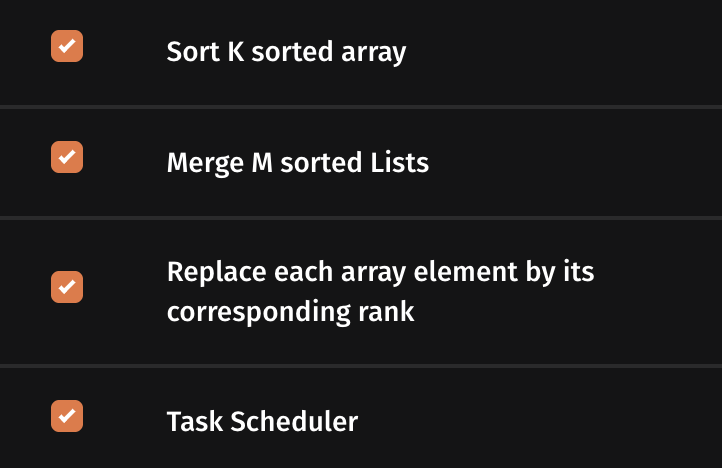
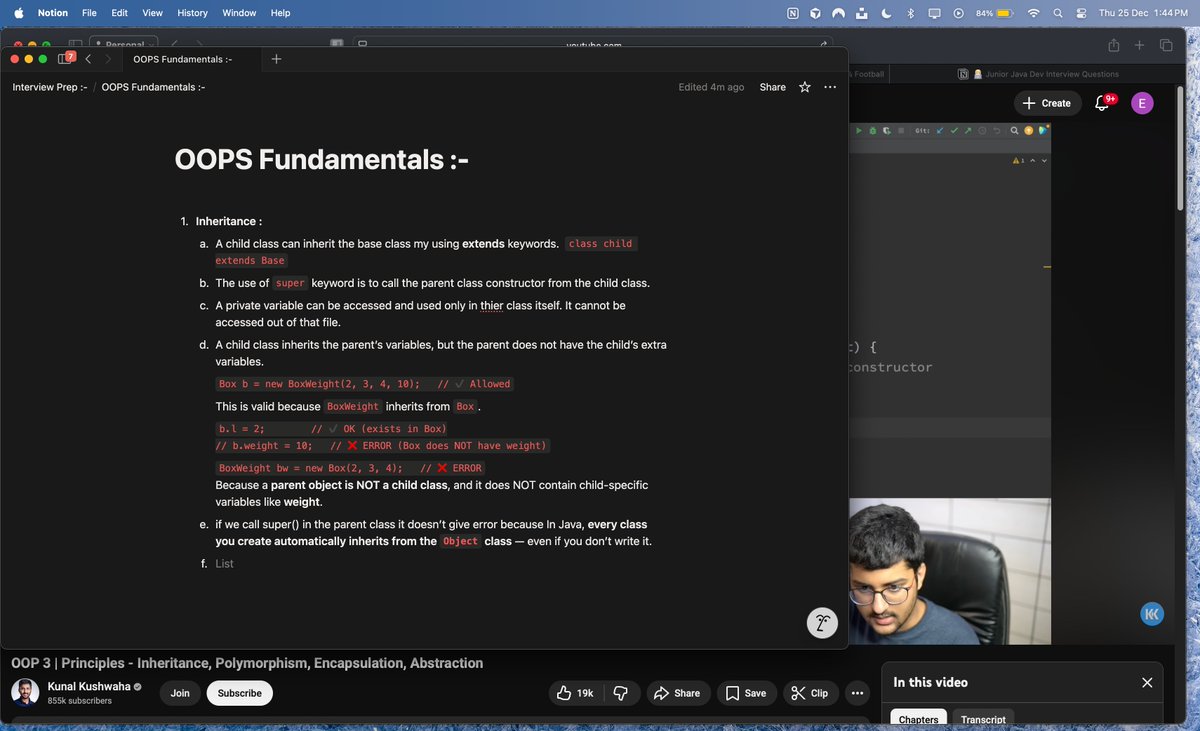
- solved 4 DSA problems . trying to build up consistency by @takeUforward_ daily challenge.
- read and understood about youtube system design (hello interview)
- went depth into db how they store data (b-trees/lsm) and partitioning & sharding methods.
1
76
25 Dec 2025
The startups where i am working has very chill and supportive environment.
Approximate 15 prs merged and working on a-lot of features currently.
One thing i got to know is ai can write your code but if you don’t review it, test it according to product requirements then RIP.
1
1
64