American ideals may have created The POTUS, but Americans keep it alive! A 501c3 nonprofit - Please consider a tax-deductible donation. THANK YOU!
Joined July 2020
- Tweets 427
- Following 192
- Followers 334
- Likes 512
191 Photos and videos



American POTUS Podcast retweeted

1 Aug 2023
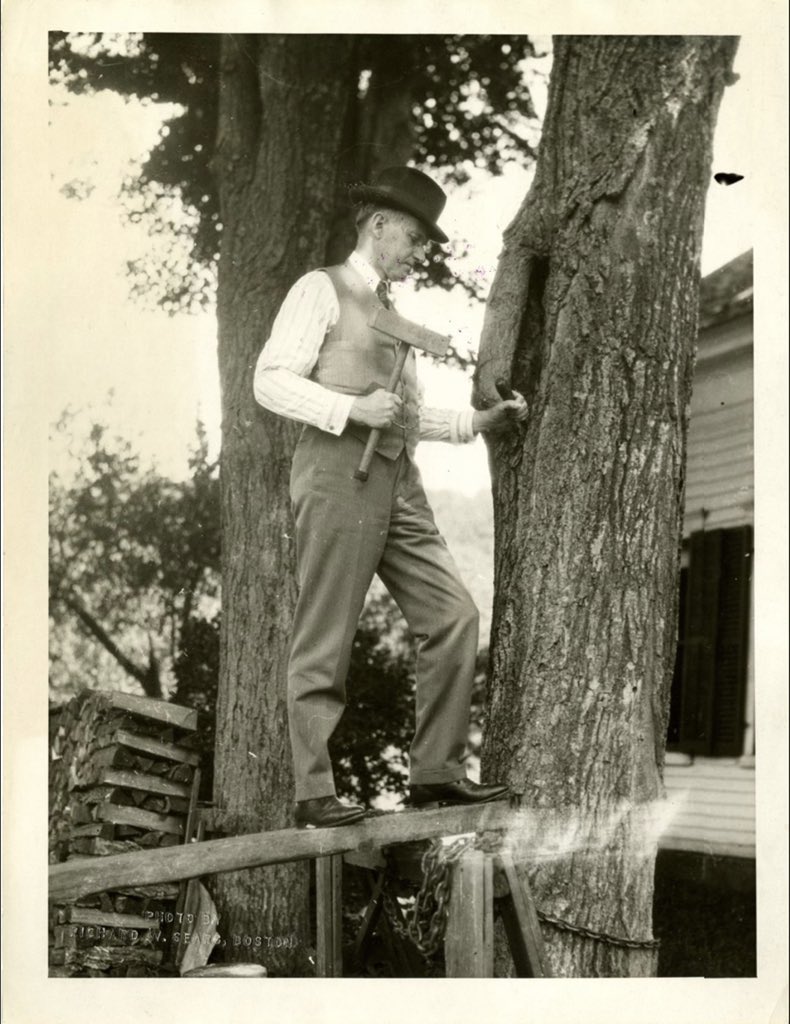
“Success comes to people who are not considering the narrow question of what they are paid for, but the broad question of what they can do to be helpful.”
-“#CalvinCoolidge Says” #OTD in 1930. #POTUS #quote
9
27
938
American POTUS Podcast retweeted

26 Jul 2023
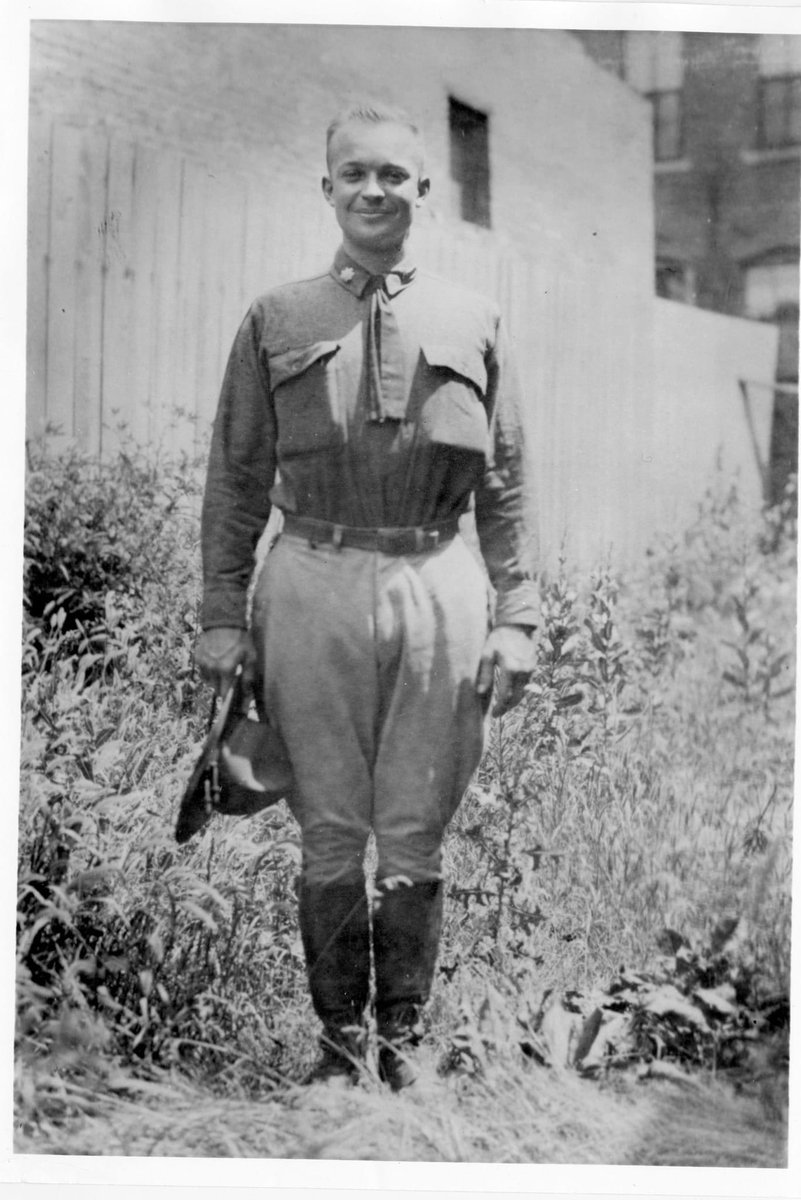
The young officer
2
7
95
2,386

19 Jul 2023
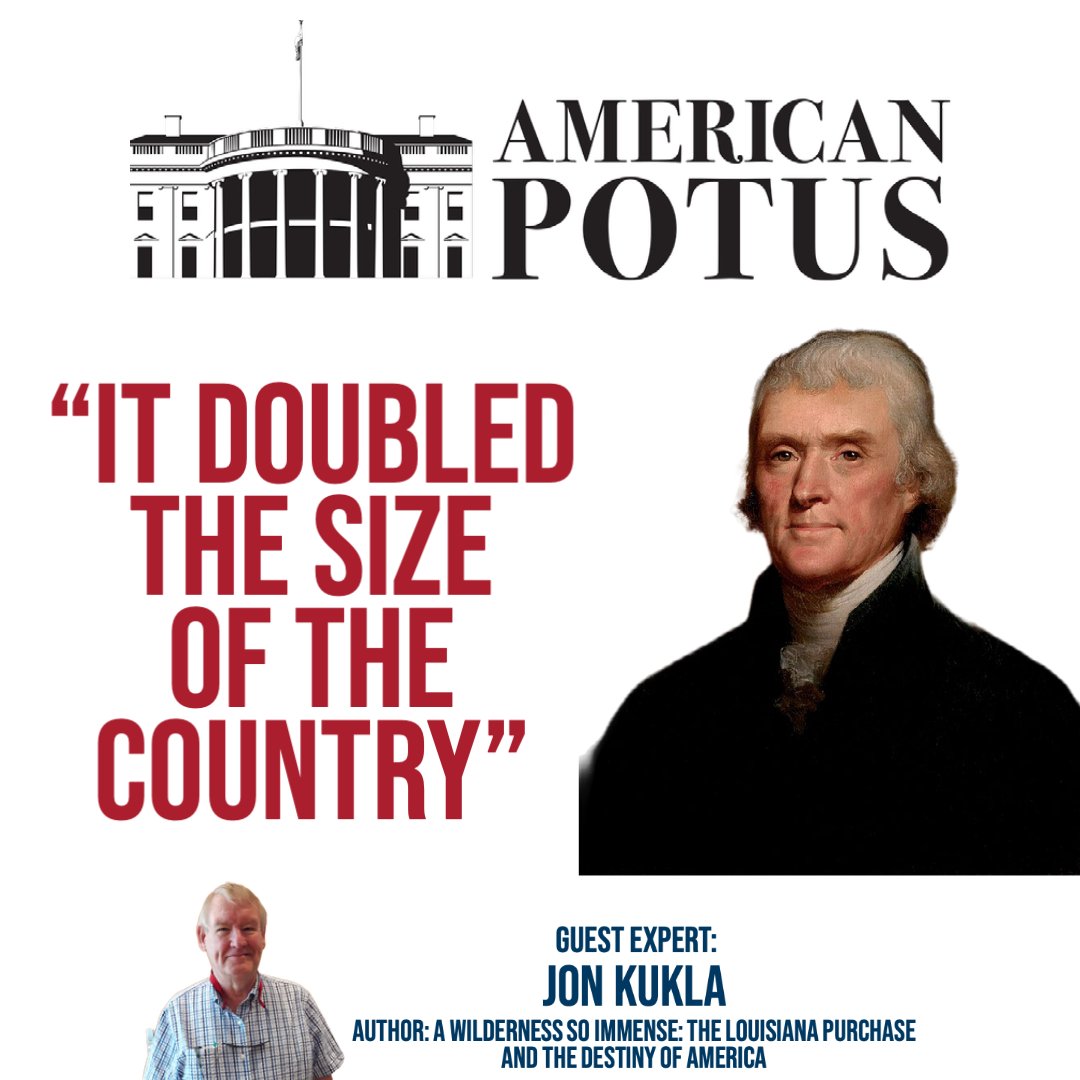
The Biggest Boldest real estate deal the country has ever known. How it came about and how it changed the nation forever! Author Jon Kukla joins us to talk about the Louisiana Purchase, in this brand-new episode of @american_potus! @the_purchase
3
2
163
American POTUS Podcast retweeted

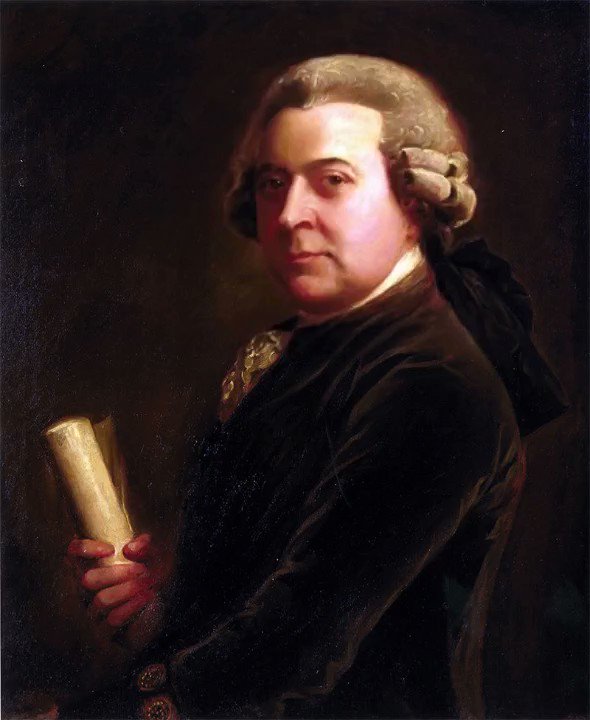
Today, perhaps the most decent thing we can do is to learn from #JohnAdams and Jefferson. Not just from their patriotism, but for their challenges as friends.
Politics strains us all, let’s strive never to deny the special spirit within each American. 🇺🇸
youtu.be/SL8aFTzKG2o
2
8
32
1,372
American POTUS Podcast retweeted

4 Jul 2023
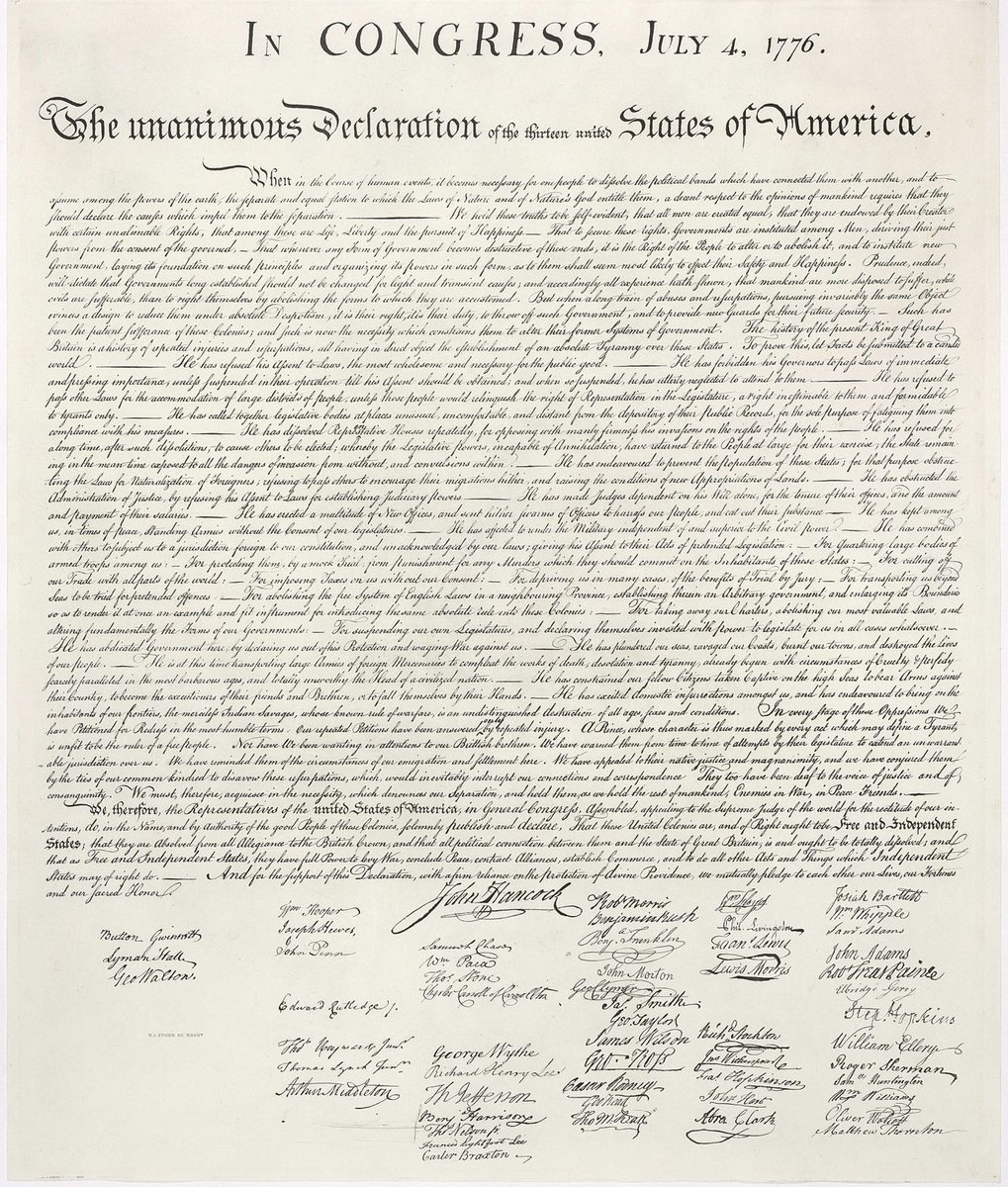
Happy #IndependenceDay !
Two future Presidents signed the Declaration of Independence - John Adams 🇺🇸 and Thomas Jefferson 🇺🇸 (who also died on the same #IndependenceDay (1826))
#POTUS 🎆
8
91
300
22,430
American POTUS Podcast retweeted

4 Jul 2023
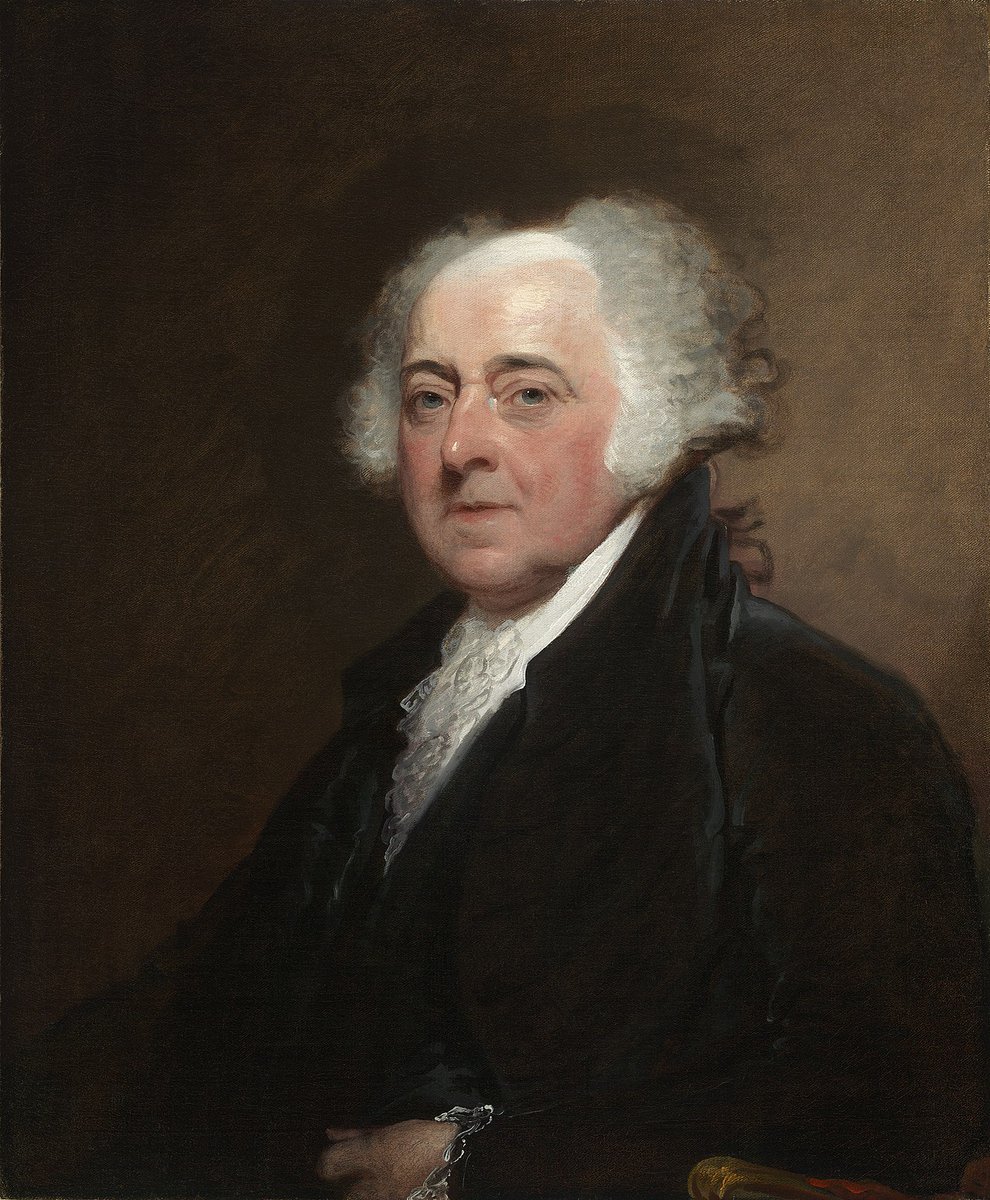
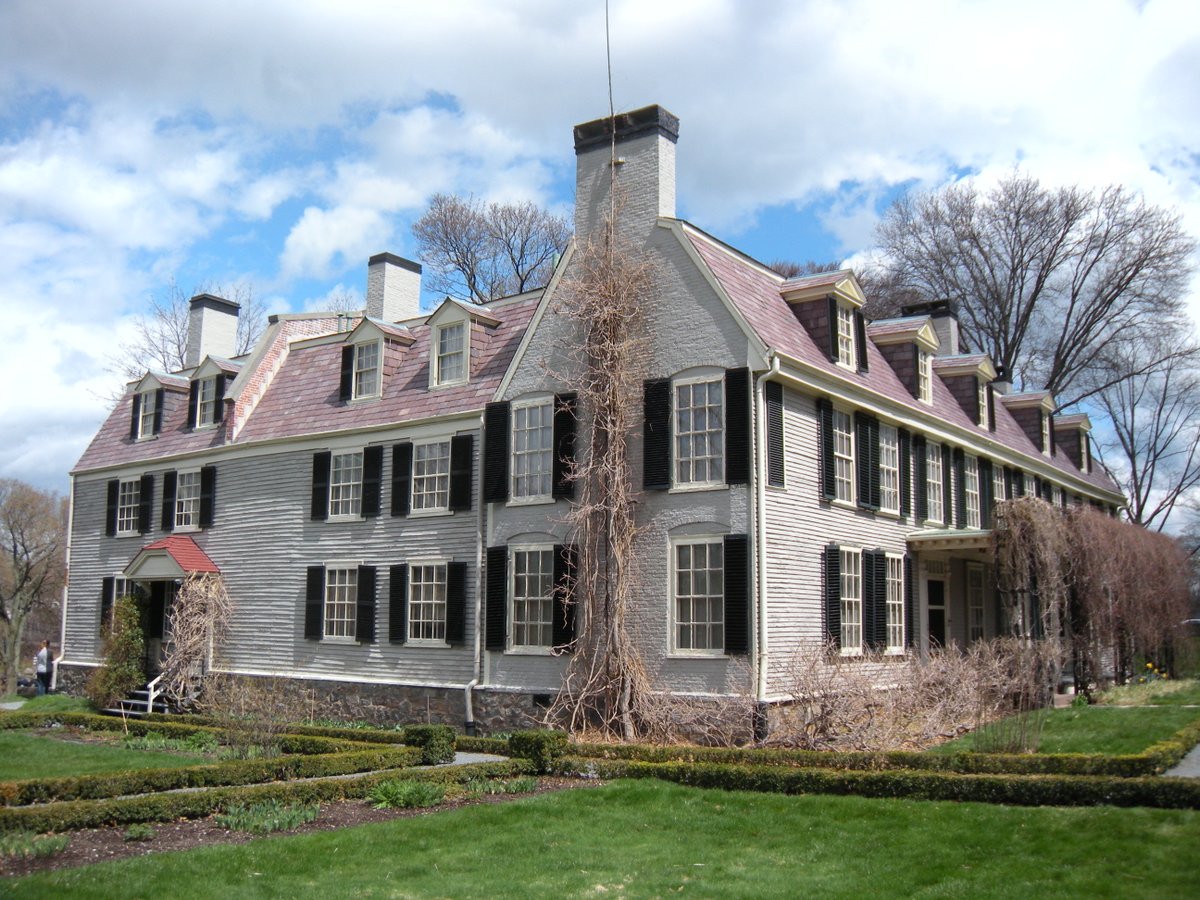
Late June 1826, the heat of summer, bright sunshine and the smell of fields and pastures was omnipresent in the small hamlet of Quincy, south of Boston, five-hundred and sixty-five miles to the north of Monticello. John Adams (eerily like Jefferson) was nearing the end of his storied life. was in a sad state: he’d grown pale, had difficulty breathing, and painful coughing fits. Early July, his granddaughter, Susana Boylston Adams Clark, asked him how he felt. “Very feeble my dear,” he told her. By evening, his face, already pale, had grown worse. Monday morning, July 3, Dr. Amos Holbrook arrived at Peacefield (Adams’ home). By evening, Adams soldiered on, showed no concern of his fading health, smoked a cigar, and enjoyed the company of his family. That evening, while Adams was resting in bed, he had difficulty sitting up to cough. Dr. Holbrook examined Adams and was not encouraged, “He is going very fast. I should not be surprised if he did not live twenty-four hours. If the medicine which I shall give him operates favorably he may live a week or two.” Adams enjoyed dinner but when he tried to find relief from his breathing by sitting up, he was bothered by “soreness and thirst.” Come nightfall, a temporary relief fell over Adams, and he fell in a much-needed sleep. Tuesday morning, July 4, Adams, was found in his bedroom in good spirits, greeting his grand-daughter and her cousin, Louisa, when they entered his study turned bedroom, were greeted by Adams with a big smile. He soon countered the affection with a gut-punch, telling the two girls he felt worse. Louisa sat on his bed, caressed his face, and Adams lifted his head to her head, and spoke briefly. Telling her to “be a good child.” Later in the morning an effort was made to move him but for fear of injuring him or worsening his condition, he remained in bed but was later moved to a chair after Dr. Holbrook arrived at Peacefield. But, uncomfortable in the chair, he was moved back to his bed. It was at this time Susana told him, “It is the Fourth of July sir, the fiftieth anniversary of Independence.” Adams, cognizant of the importance of the day, responded, “It is a great day. It is a good day.” At 1:00 PM, Adams, heard by Susana, spoke in a whisper, “Thomas Jefferson survives.” Five hours later, Adams, resting on his side in bed, asked to be turned, struggling to breathe. With what air and strength he could muster, he whispered in Susana’s ear, “help me child…help me.” “I wish I could,” she told him. A countenance of serenity fell over his face. His breaths grew short. At “about a half past six” the sage of Braintree passed away from the infirmities of old age. Seconds later, according to Susana, a deafening thunderclap shook the house and a rainbow arced over the countryside.

15
210
945
95,266
4 Jul 2023
A day for remembering the courage of our founding fathers who risked it all for the future of our nation. Happy 4th to all of us who call ourselves Americans! #July4th
2
101
2 Jul 2023
Underrated founding father John Adams is feeling a bit patriotic today
1
5
13
694
American POTUS Podcast retweeted

2 Jul 2023
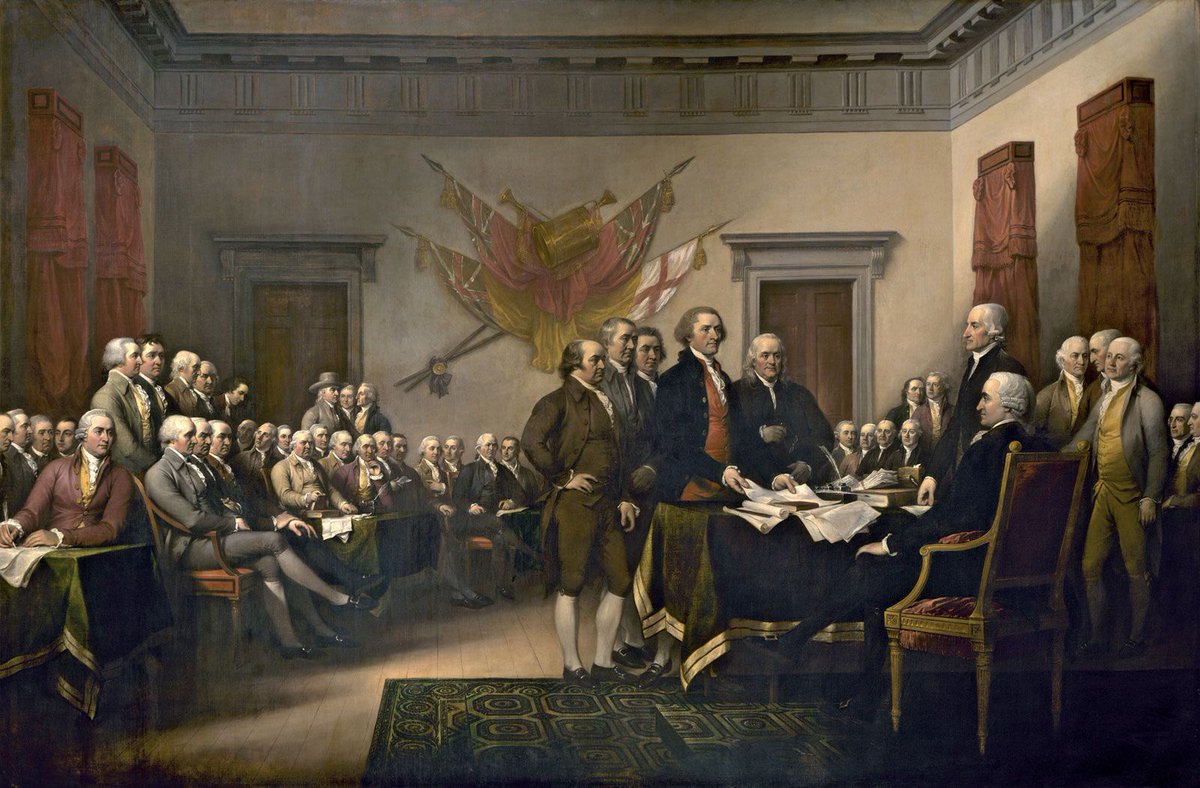
#OTD - July 2, 1776 - 12 of the 13 colonies vote for the resolution, with NY abstaining. Congress declares the resolution to be in effect. Independence has been formally declared.
.
#declaration #independence #continentalcongress #philadelphia #huzzah
1
19
38
2,155
American POTUS Podcast retweeted
1 Jul 2023
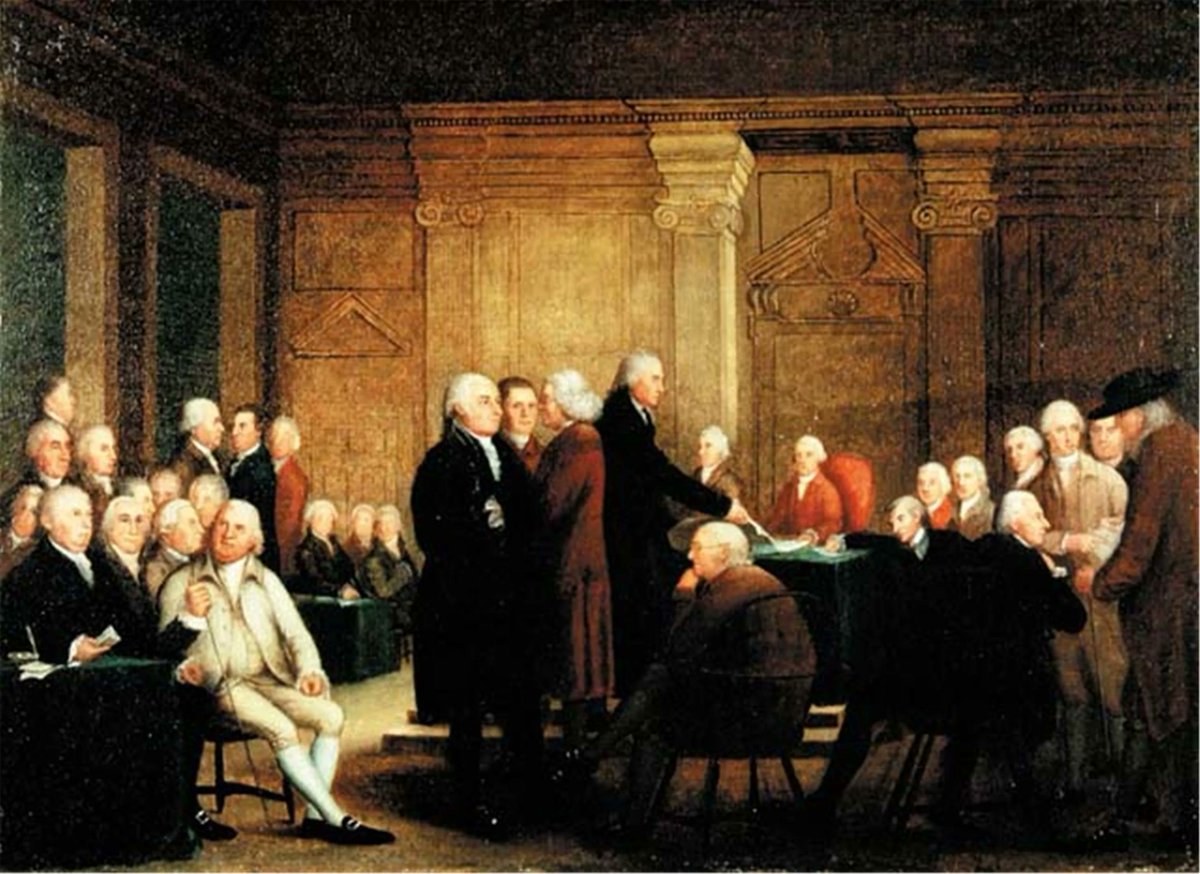
#OTD - July 1st, 1776 - The first vote on the resolution for independence. Nine colonies vote for it, 2 against it (PA and SC), 1 abstained (NY), and one was deadlocked (DE). The vote was to be retaken the next day.
#declaration #independence #philadelphia #leeresolution
1
19
38
2,052
30 Jun 2023
As we approach our annual recognition of Independence Day, let's not forget the weight of the issue on the men who made it happen. We encourage everyone to binge the HBO John Adams series, the most honest telling of this story to date. youtube.com/watch?v=BQHkGPXM…
78
19 Jun 2023
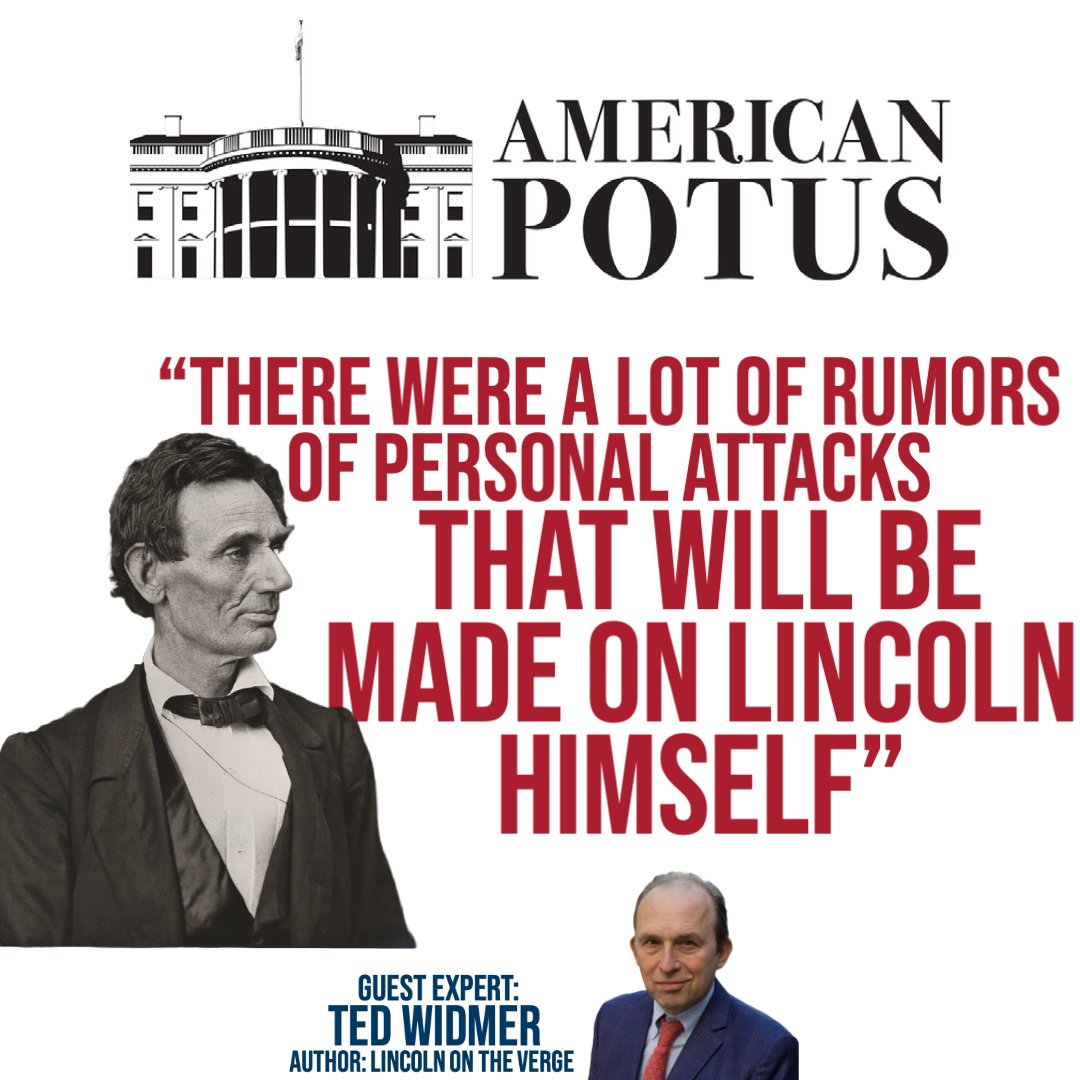
The death-defying trip that led to one of the greatest Presidencies the nation has ever known. Author @ted_widmer joins us for this eye-opening new episode of American POTUS!
1
1
124
14 Jun 2023
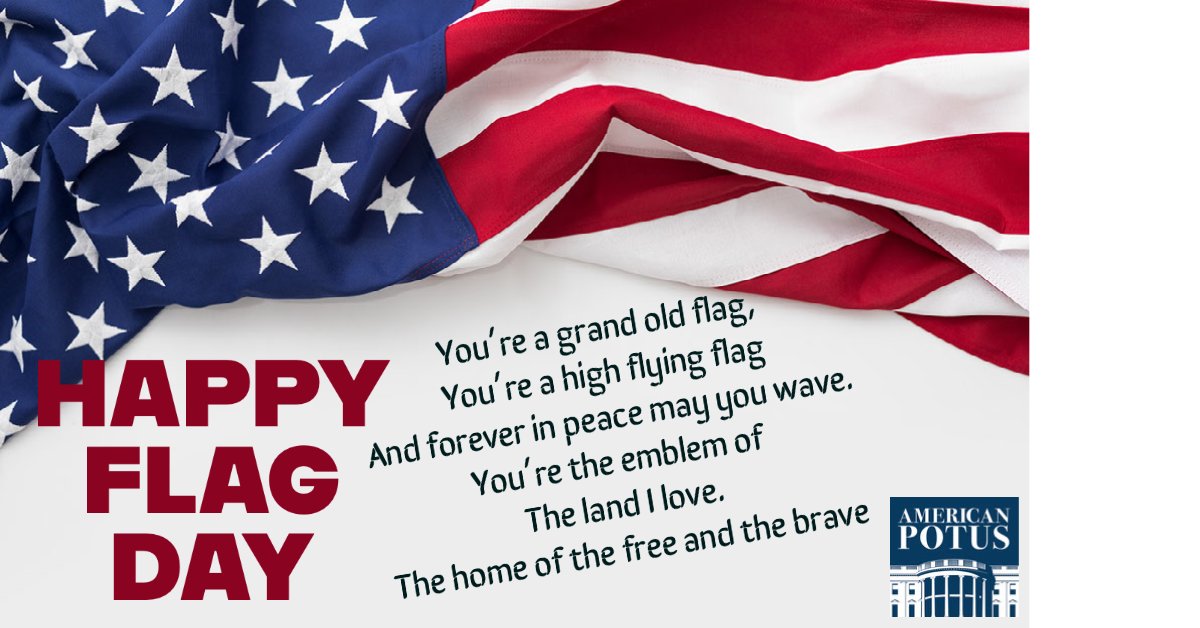
Representing our great nation for 246 years, and counting! Happy Flag Day!
1
63
American POTUS Podcast retweeted
11 Jun 2023
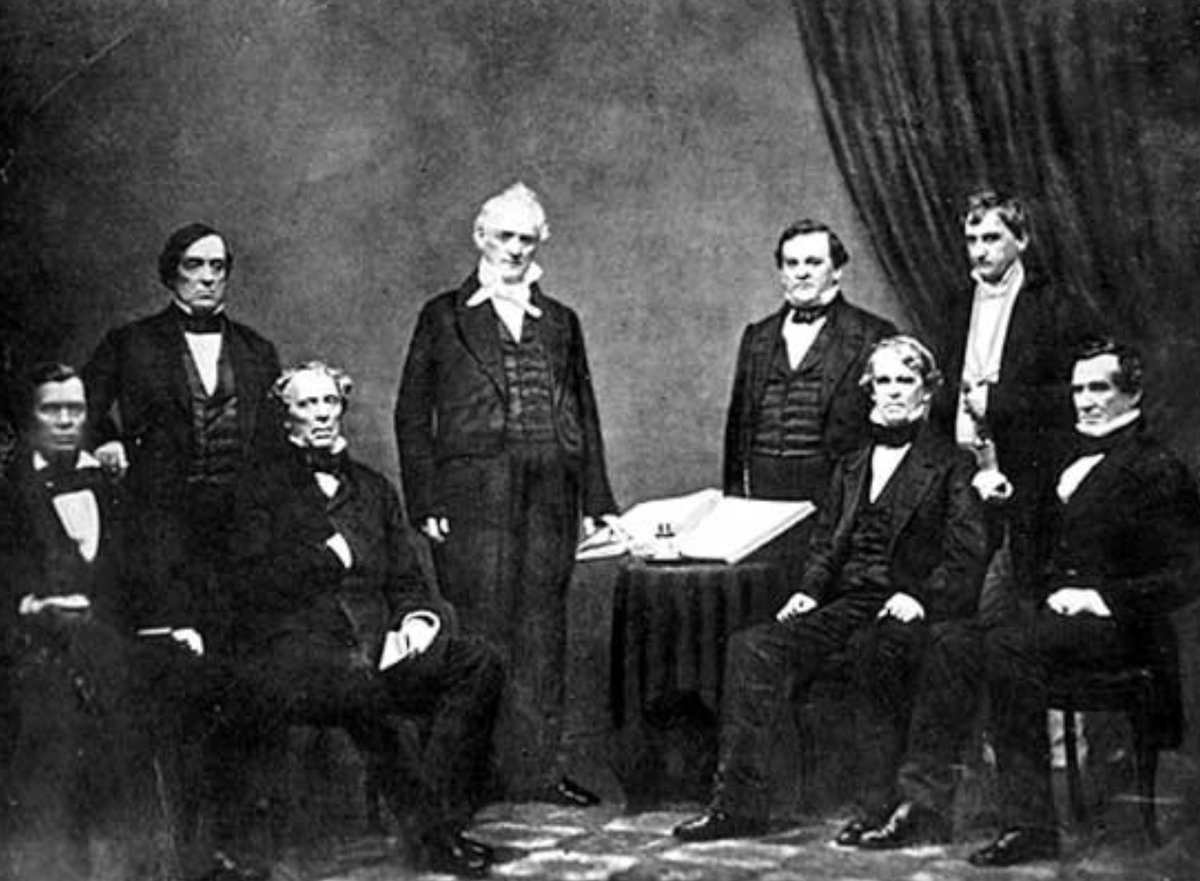
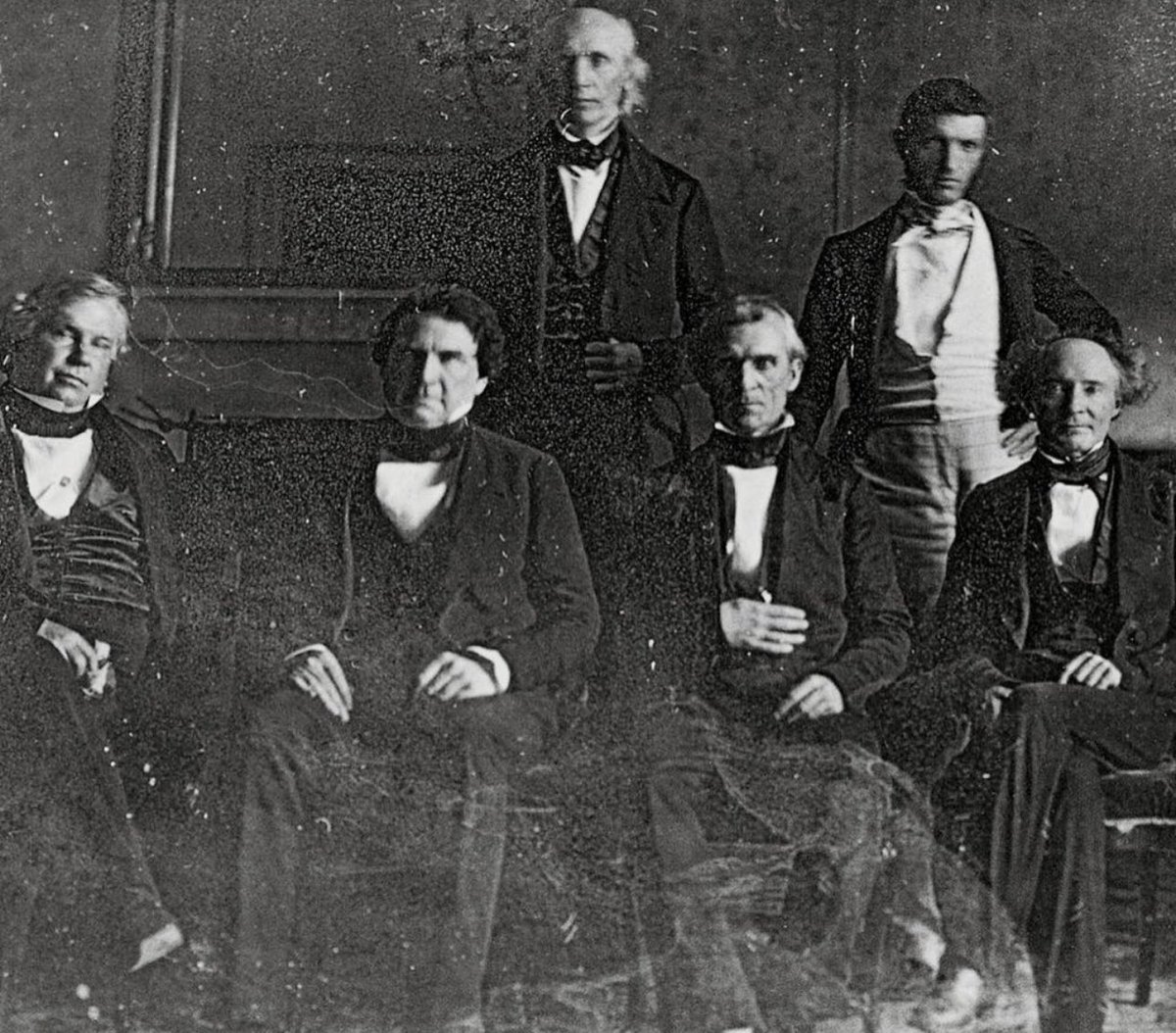
James K. Polk 🇺🇸 and his Cabinet
I read somewhere that this might be the first ever picture taken of a President and their Cabinet - AND - also the first ever picture taken of the inside of the White House
#POTUS 📸
21
37
230
13,743
31 May 2023
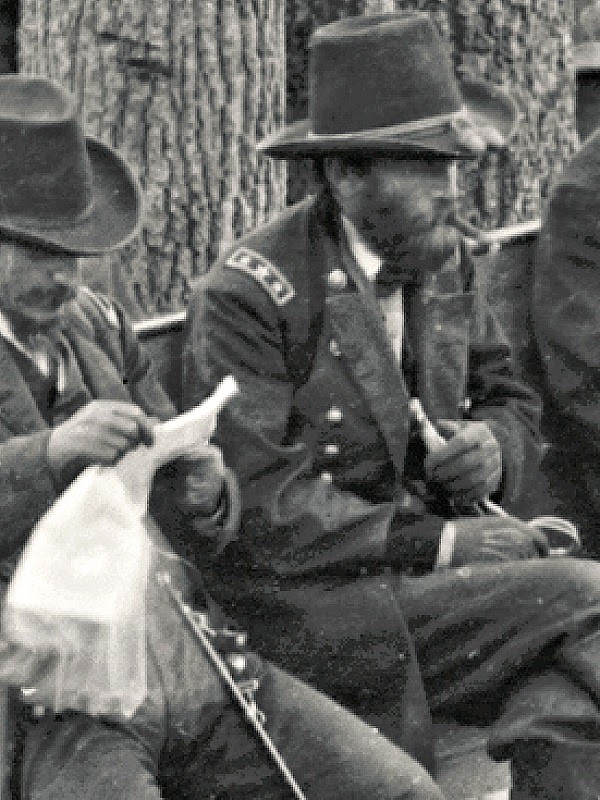
People from the North sent #POTUS 18 thousands of cigars following his cigar-smoking victory at Fort Donelson . "I gave away all I could," Grant wrote, "but naturally smoked more than I should, and I have continued the habit ever since."
#American_POTUS
podcasts.apple.com/us/podcas…
81
American POTUS Podcast retweeted

31 May 2023
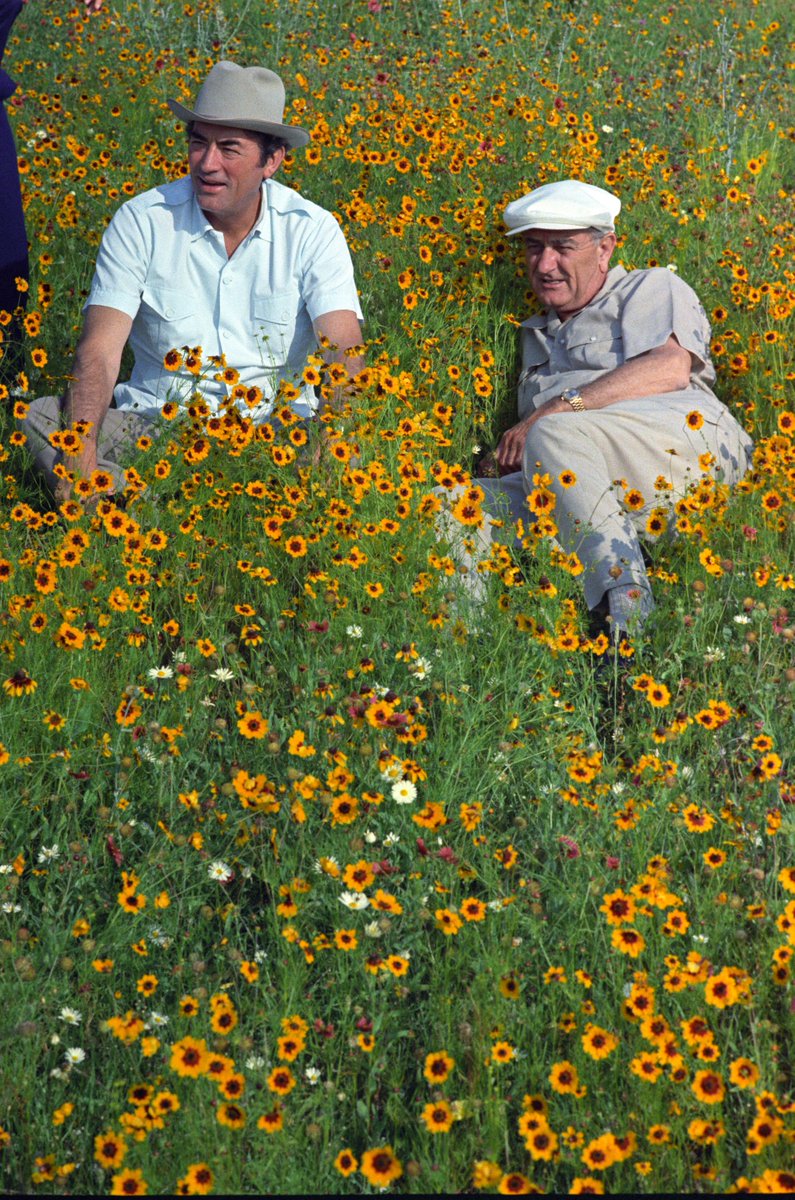
#OnThisDay: Actor #GregoryPeck and #PresidentJohnson take a break to relax in the wildflowers at the #LBJRanch.
📷 Mike Geissinger | 05/31/1968
2
13
49
7,467
15 May 2023
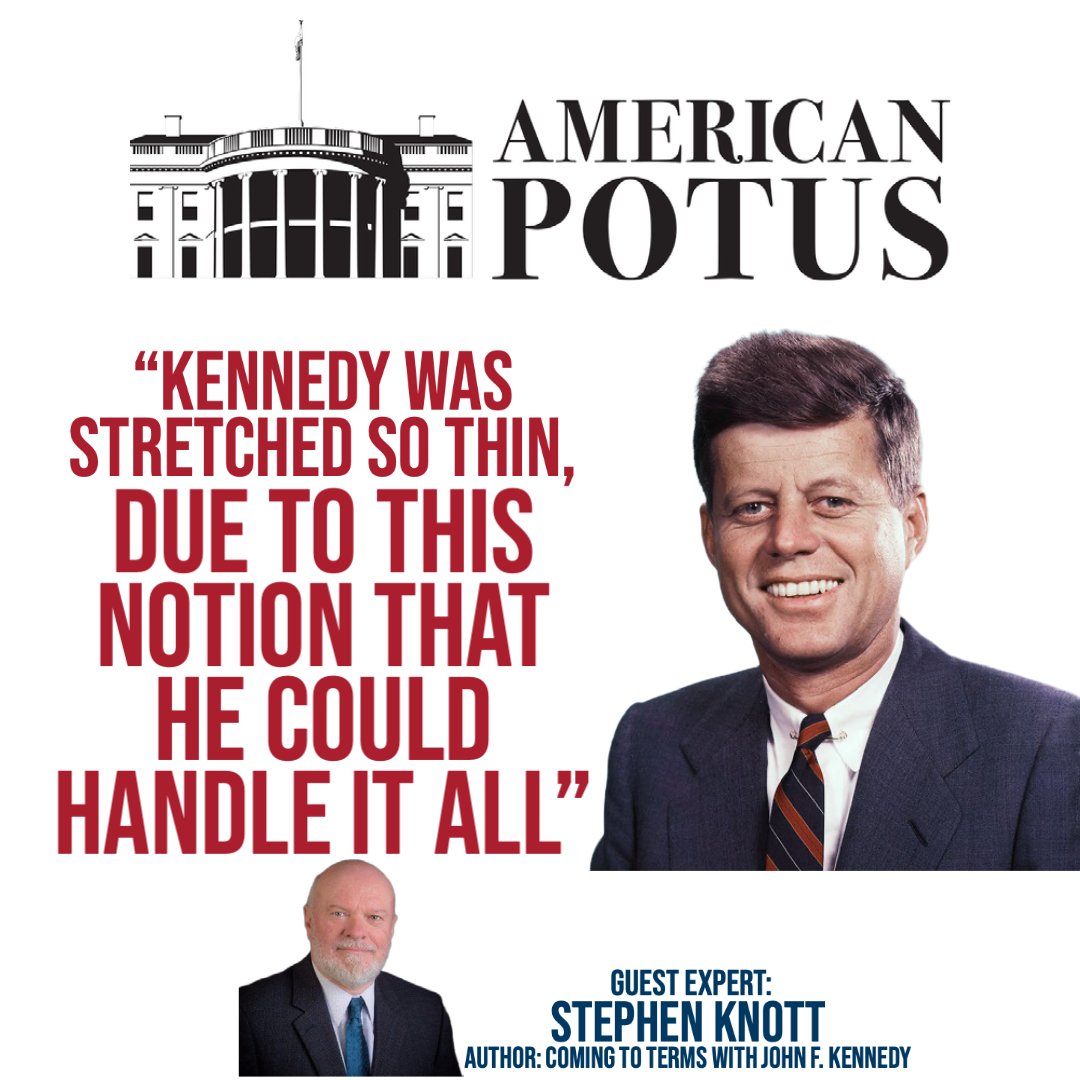
NEW EPISODE - @publius57 joins us for a fresh, unbiased look at the debatable, complex, and scandalous presidency of JFK!
1
1
4
4,261
American POTUS Podcast retweeted

14 May 2023
This Mother’s Day, we want to highlight two special women in Abraham’s life: Nancy Hanks Lincoln and Sarah Bush Lincoln. Both women worked hard to raise him on the frontier. Sadly, Nancy did not live to see her son grow up, but Sarah watched him grow and become president.
- HC
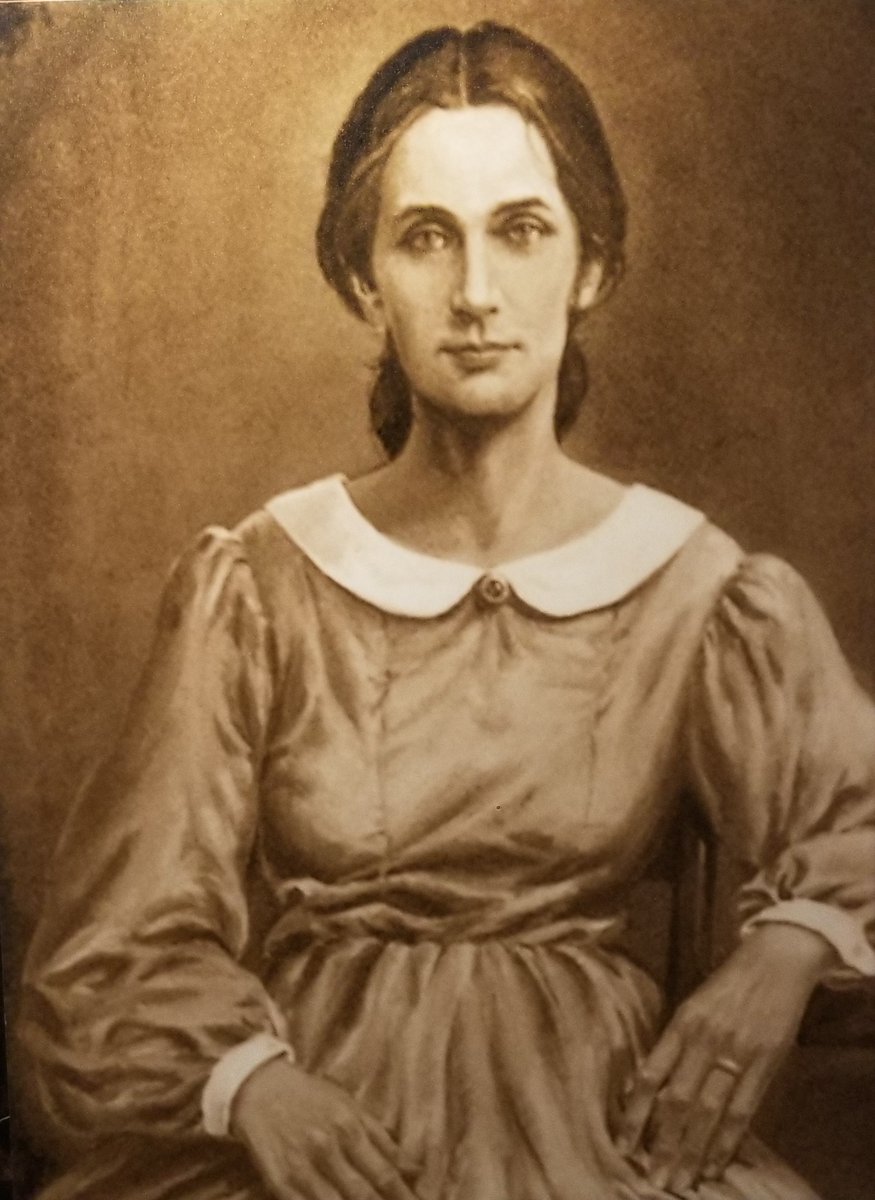
ALT Drawing of what Nancy Hanks may have looked like. She is facing the camera and wearing a long dress with a high collar.
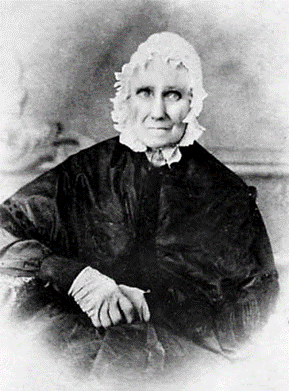
ALT Photograph of an elderly Sarah Bush Lincoln wearing a dark dress, light bonnet, and light gloves.
2
7
308
American POTUS Podcast retweeted

14 May 2023
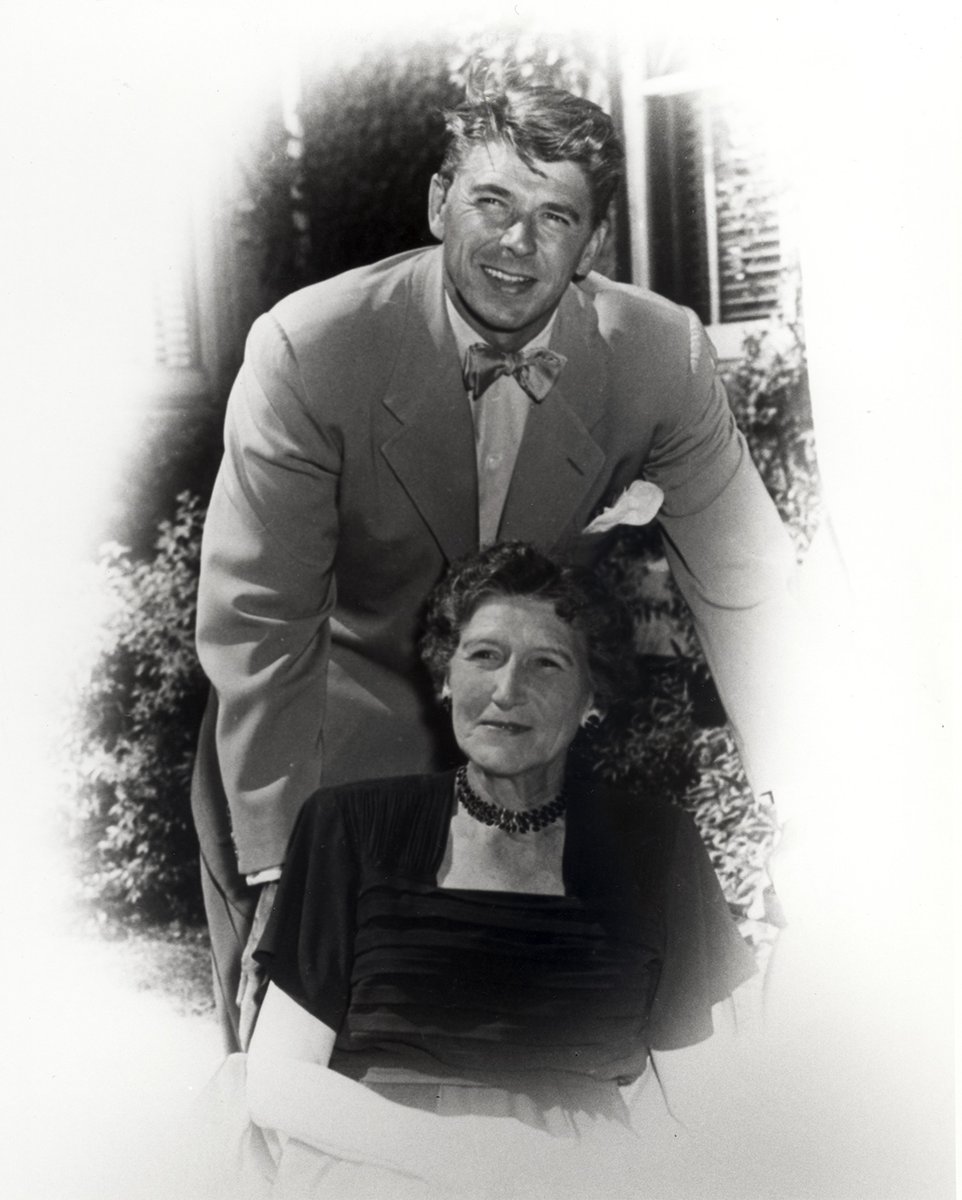
Happy #MothersDay!
---
#RonaldReagan posing with his mother Nelle at the Walgreen’s Estate in Dixon, Illinois 08/15/1950, H46-19
catalog.archives.gov/id/7585…
2
18
178
7,646
14 May 2023
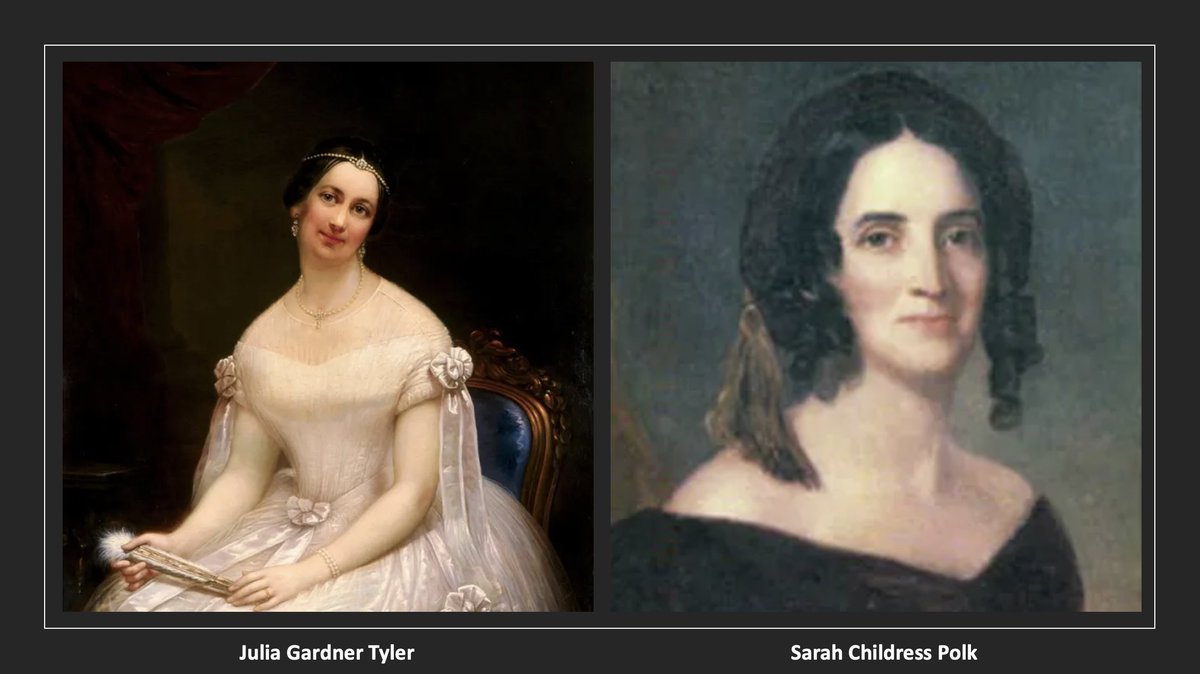
And Tyler Too?
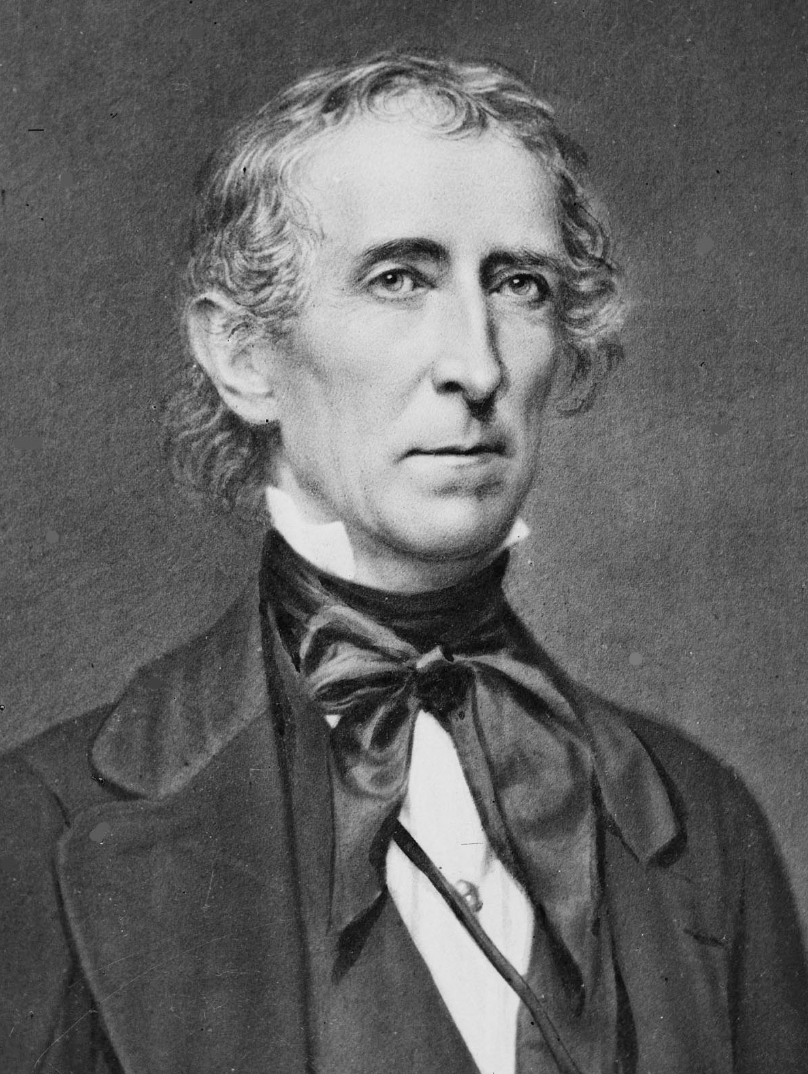
John Tyler is the only #POTUS to commit treason against the US. A lifelong slave owner and states-rights advocate he Chaired a "Peace Convention" in 1861 that failed. He was later elected to the Confederate Congress.
#American_POTUS
podcasts.apple.com/us/podcas…
2
68