
Believer, skeptic, humanist, typist & dad. Trying to make places fairer as director of cities towns for @Sightline. Views here: mine, all mine.
Joined September 2008
- Tweets 42,891
- Following 1,150
- Followers 5,873
- Likes 840
2,191 Photos and videos




Pinned Tweet

16 Nov 2024
This was the week things flipped for me: more to read & more post engagement on Bluesky than on twitter.
If you haven't, you should make a starter pack there on your favorite subject see if your folks have made their own yet. Here's mine.
go.bsky.app/5nxhmgK
2
1
24
3,868
Jun 12
People who are squeamish about smarts always seem to be pretty smart, I think because they've internalized the false idea that smarts are the most valuable human trait?
We're all good at different things and that is cool. No need to get worked up about it web.archive.org/web/20260611…
Jun 11

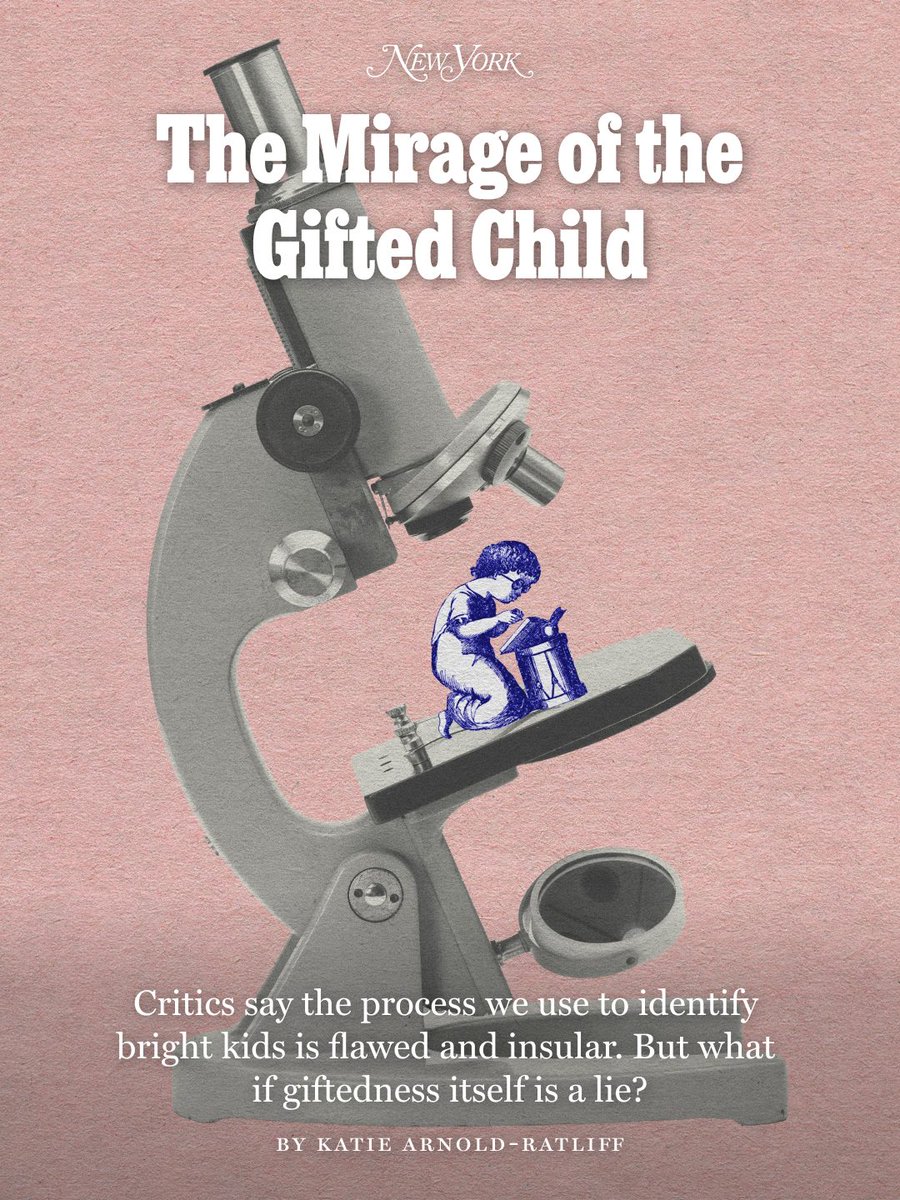
Gifted and Talented, or G&T, programs have long been a perennial subject of debate, particularly in New York City, where it has bedeviled mayors for years. Some parents have already washed their hands of the whole G&T business, refusing to participate in what they view as a corrupt system of segregation. But countless others still place significant stock in the G&T designation and what it offers and are comfortable relying on cognitive testing, should it be required, to determine whether a child qualifies.
“When your intelligence is the foundation of your self-perception, failing to achieve feels like soul death,” writes Katie Arnold-Ratliff. But if the limited amount of information we have about gifted kids long-term is any indication, most lead, at best, ordinary lives of modest accomplishment. A 35-year study of 677 gifted children found that by age 50, only 12.3 percent had reached a level of “eminence,” defined as “full professors … Fortune 500 executives … judges and lawyers, leaders in biomedicine, award-winning journalists and writers.” This means 88 percent never did.
Arnold-Ratliff digs into the myth of the gifted child, and how our notions of intelligence may be inherently flawed: nymag.visitlink.me/9mc2Wh
Community note
Eminence is incredibly rare, so 12.3% among gifted students is decidedly over-representative. For example, around 0.023% of Americans are full professors at R1 institutions, yet 22 of 677 (3.25%) of gifted students studied eventually held this position (a ~140x fold increase).
pmc.ncbi.nlm.nih.gov/articles/PMC64…
1
2
361
Jun 12
Like, maybe you are uncomfortable with the idea of pitying someone for being less smart than you, and I agree it's important not to be that way, but I guarantee you that sports stars feel pity for klutzes, hot people for ugly people, etc.
1
2
130
Michael Andersen retweeted

Jun 11
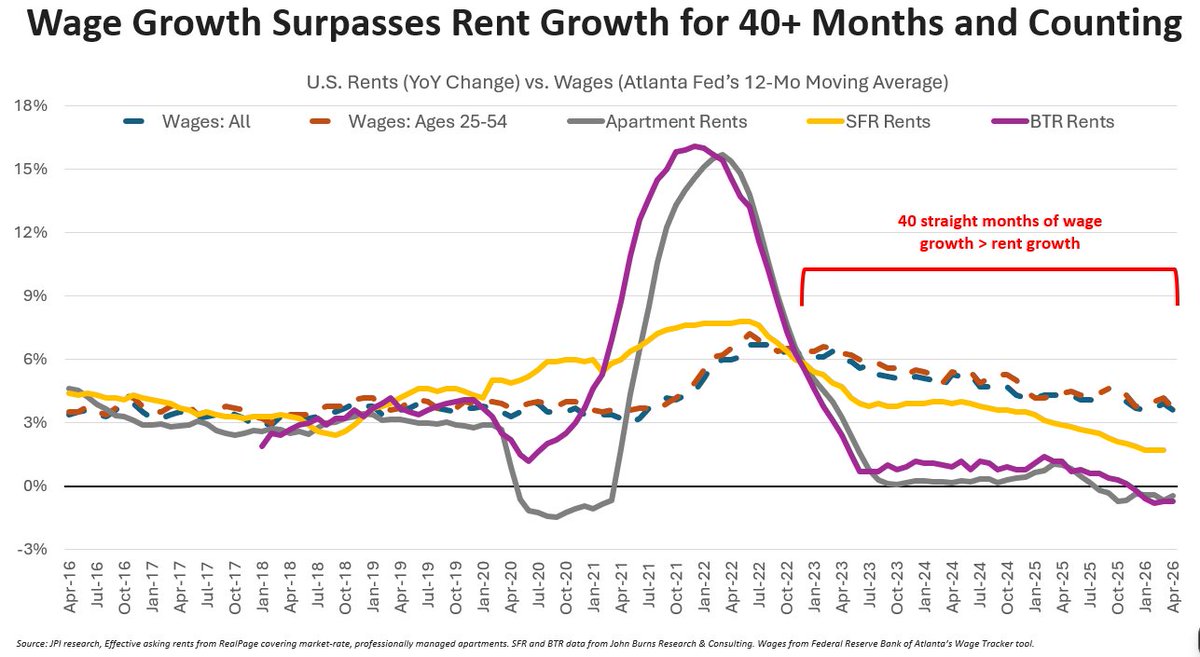
Wage growth has now surpassed rent growth for 40 straight months and counting.
The gap is particularly wide when you narrow to prime age workers living in apartments or build-to-rent single-family homes.
4
4
52
4,163
Jun 11
I suppose I find slow but inevitably approaching problems compelling, and this is a big one
Jun 11

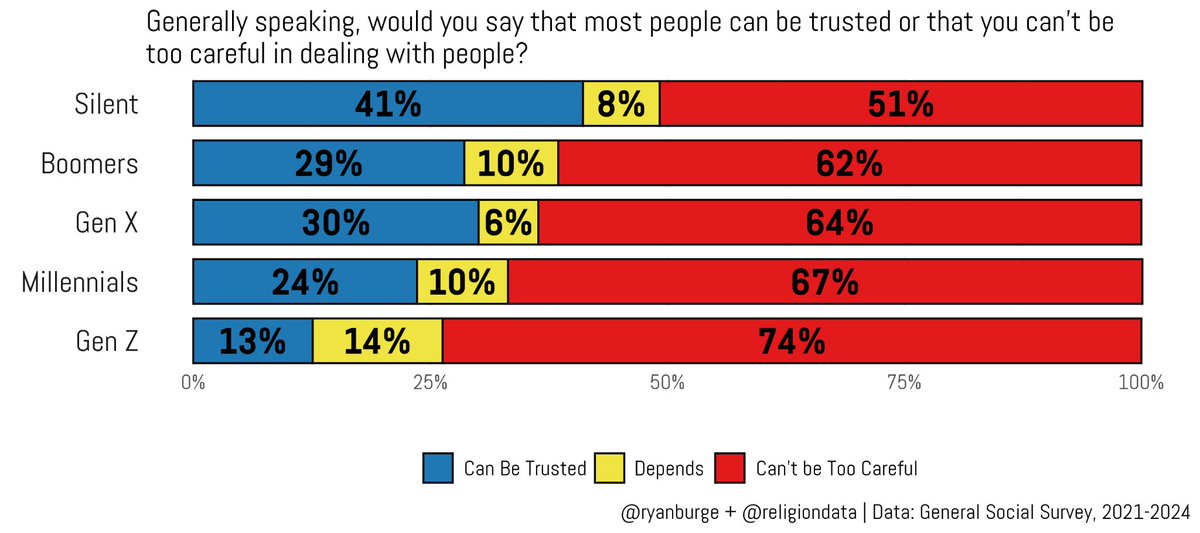
Generation Z has the lowest levels of interpersonal trust of any generation we've ever polled.
And although the data is time limited, the velocity of their decline in trust already far exceeds any previous generation.
107
Michael Andersen retweeted

Jun 10
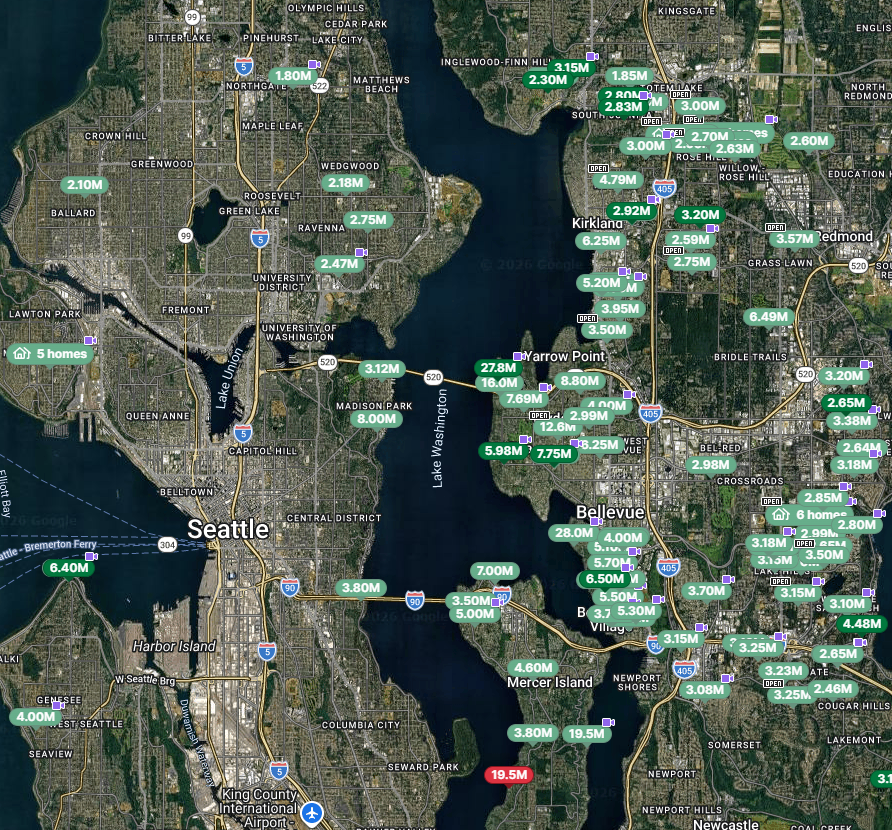
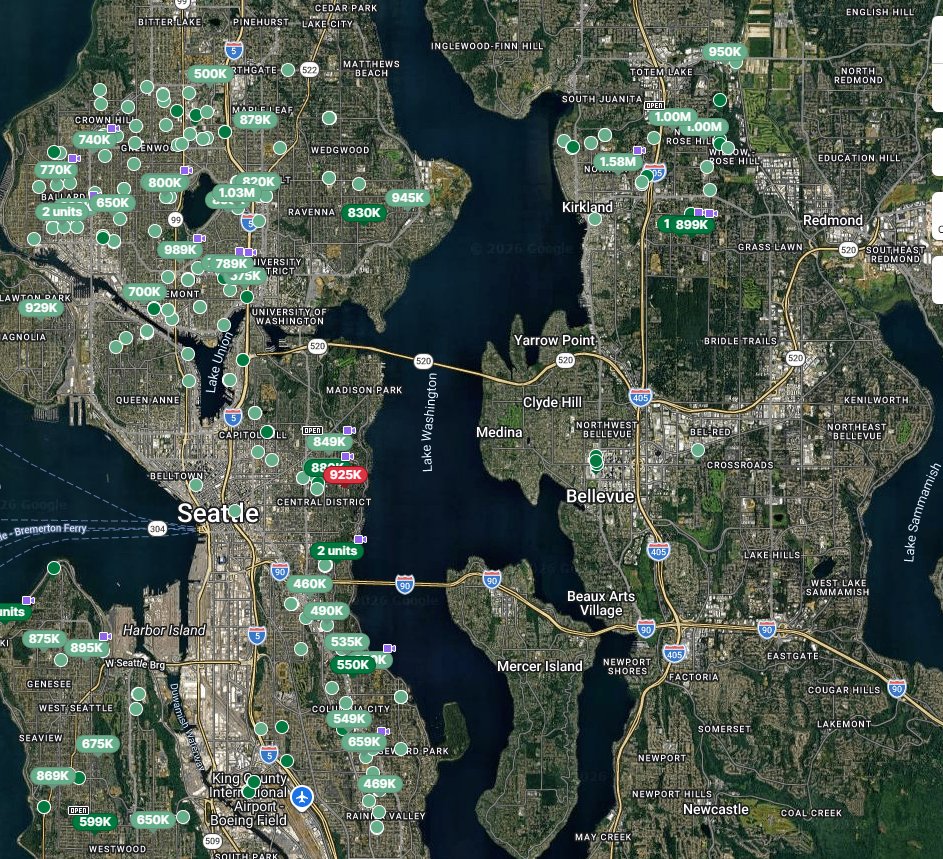
This Bellevue-Seattle listings comparison is an unbelievably vivid YIMBY map
In Seattle, people ask how legalizing all these $700k condos makes housing far more affordable
In Bellevue, those condos are illegal & instead they mandate $3M single family homes. There's the answer
Jun 9

Seattle is in a similar situation. While Bellevue is building >3000sqft homes for the rich, Seattle is primarily building for the middle and upper middle class. This will cause an even bigger gap in incomes.
Tough to say if it's good or bad.
4
33
353
27,149
Hey, during my sabbatical I made a podcast! It’s a one-shot miniseries about what happened after the world’s most ambitious upzoning campaign won.
The trailer is up on Apple/Spotify/etc; episodes coming weekly all through June & July
1
7
305
Apple: podcasts.apple.com/us/podcas…
Spotify: open.spotify.com/show/033r5w…
RSS: rss.com/podcasts/yimbycountr…
2
229
Today is the first episode of YIMBY Country, my podcast miniseries about what happened after New Zealand legalized housing.
It's a conversation with @PhilTwyford, described by @_westerlywinds as "the primary architect" of the country's historic nationwide upzones.
Links above!
66
Hey, I’m back to work at @Sightline today after my 3-month sabbatical! Attempting reentry without email bankruptcy but feel free to hit me up now
8
450
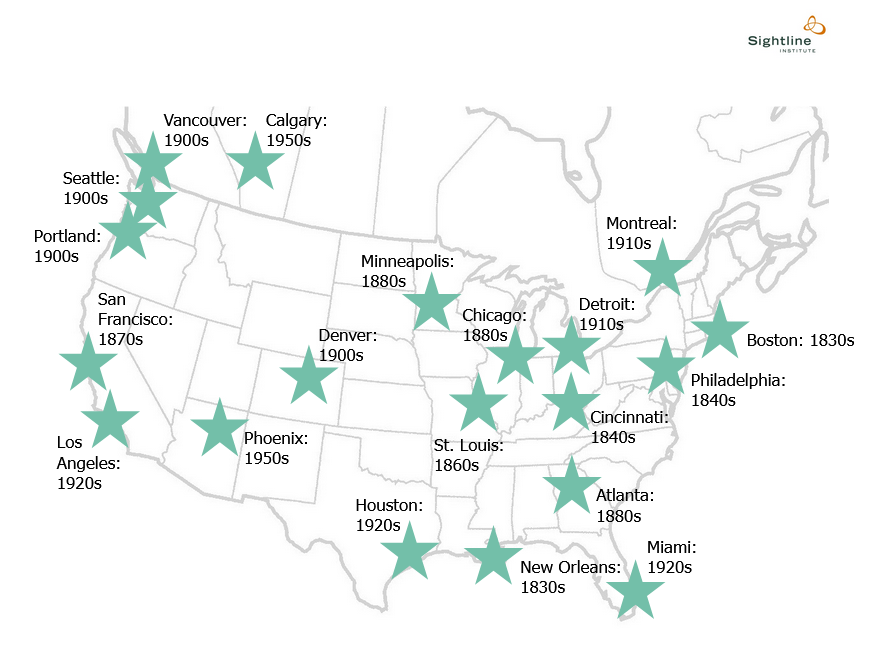
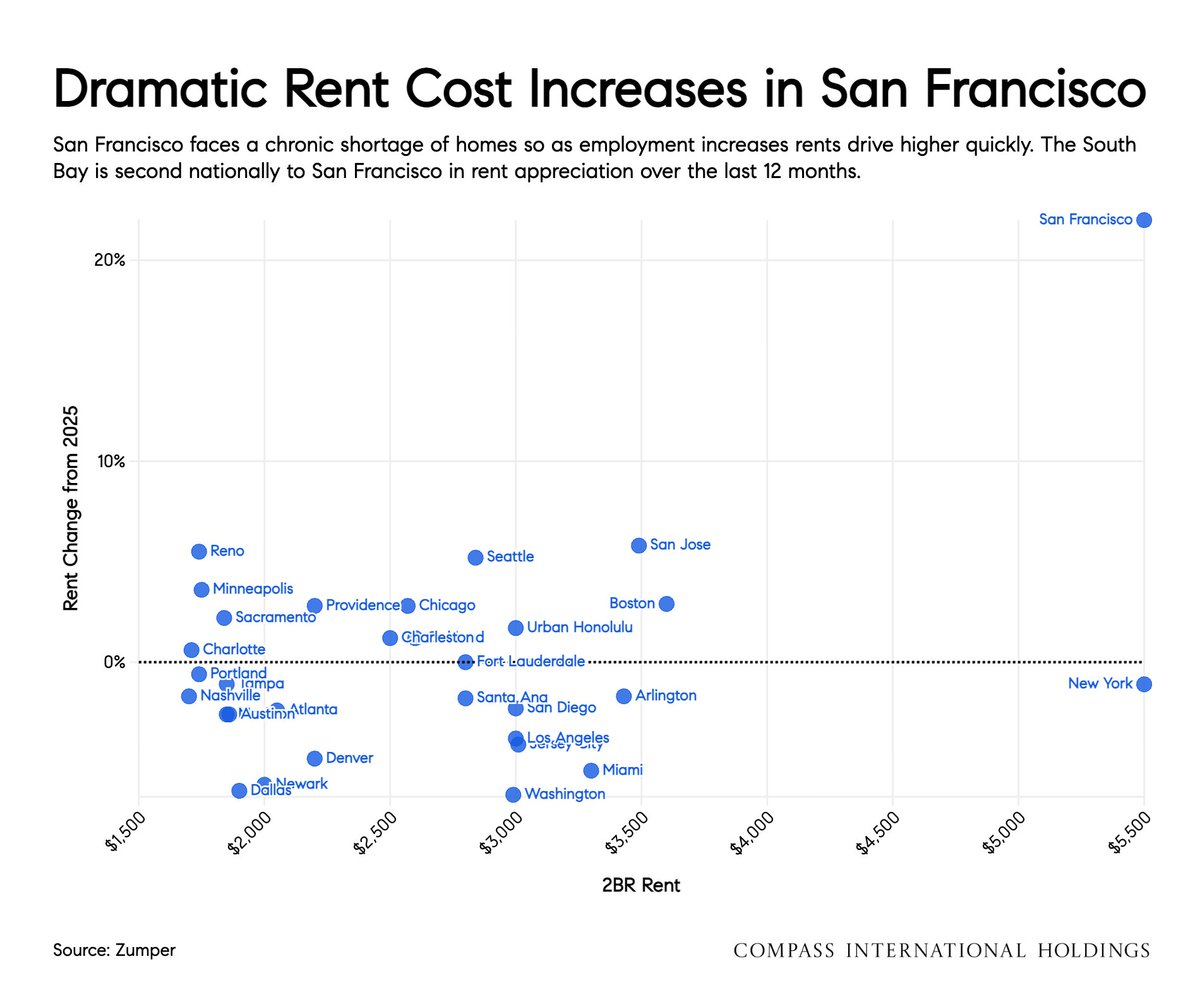
In the U.S., unlike in a lot of the rich world, local economic booms still happen; what's gone mostly extinct since zoning is turning a boom into a boomtown
in the zoning era (post 1930), local booms mostly boost local inequality

5
22
295
29,032
(necessary disclaimer: zoning isn't the only regulatory barrier to housing, especially in SF; what we gained in the 20s was a generalized regulatory hostility to inexpensive homes)
1
21
2,290
Michael Andersen retweeted

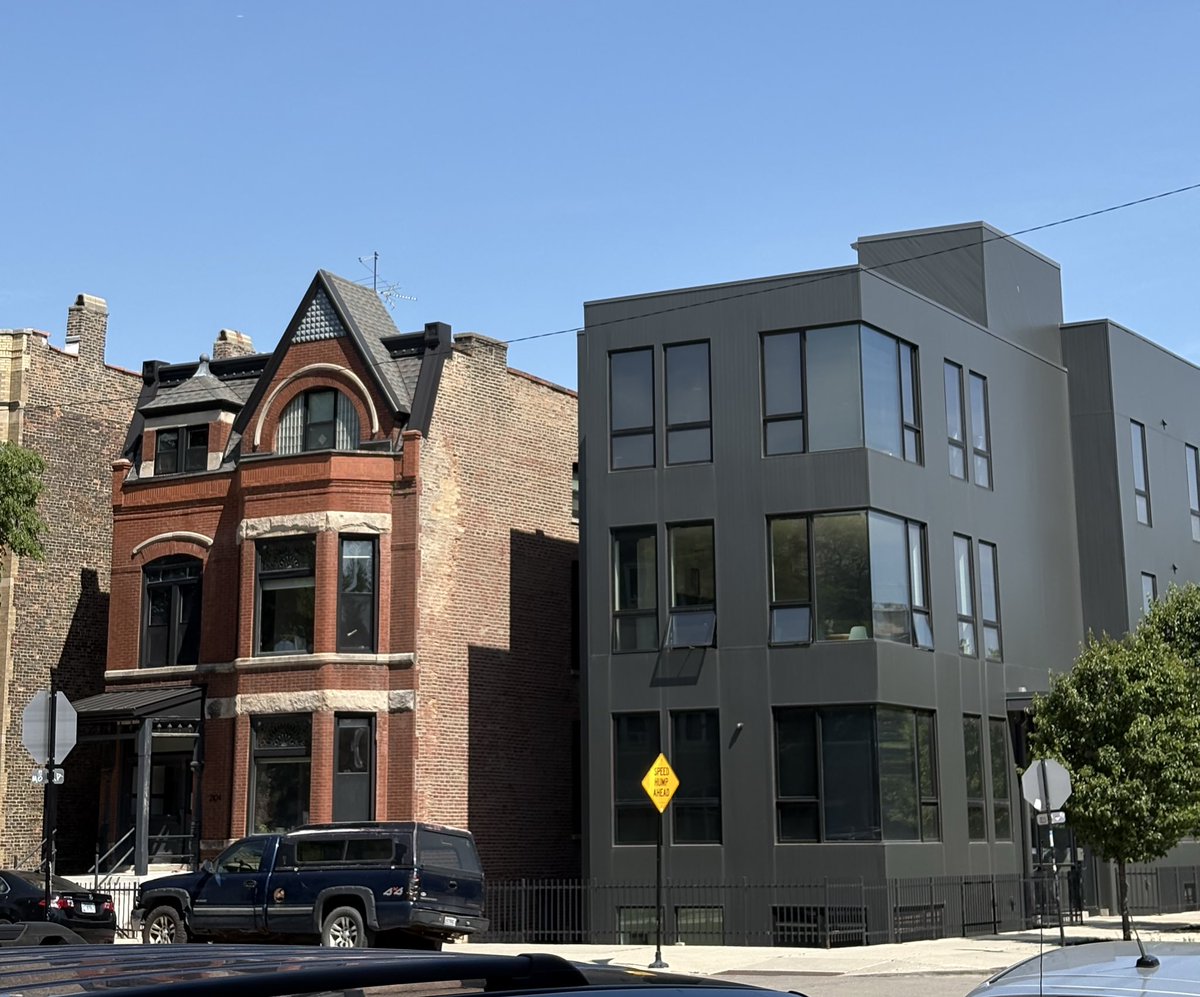
a reason people get so worked up about new buildings is that they superficially contradict the progress narrative that says our living standards have improved over the last 100 years.
The newer building interior definitely surpasses the old building. It has larger kitchens, bathrooms, closets, better acoustics and insulation, etc.
But it has an austerity facade, and probably for no other reason than the developer has been building this style of building for the last decade and has no motive to invest in a better design because buyers are so desperate for large, updated homes that they will overlook the facade.

42
64
2,377
235,572
Michael Andersen retweeted

New blog post from me:
The state of Oregon owns a consolidated tract of 230k acres of sagebrush in eastern Oregon, receiving pennies per acre per year in grazing fees.
Why doesn't the state develop massive solar farms on the land?
I explore why.

2
1
13
728
Michael Andersen retweeted
The concentration of significant figures in cities is fascinating. The usual explanation is agglomeration, as cities concentrate people, institutions, patrons, labs, markets, etc, and ideas can cross-fertilize in rich and well-funded environments.
But if WALKING makes people more creative, maybe the urban built environment has also played a role in making cities centers of creativity.

May 25

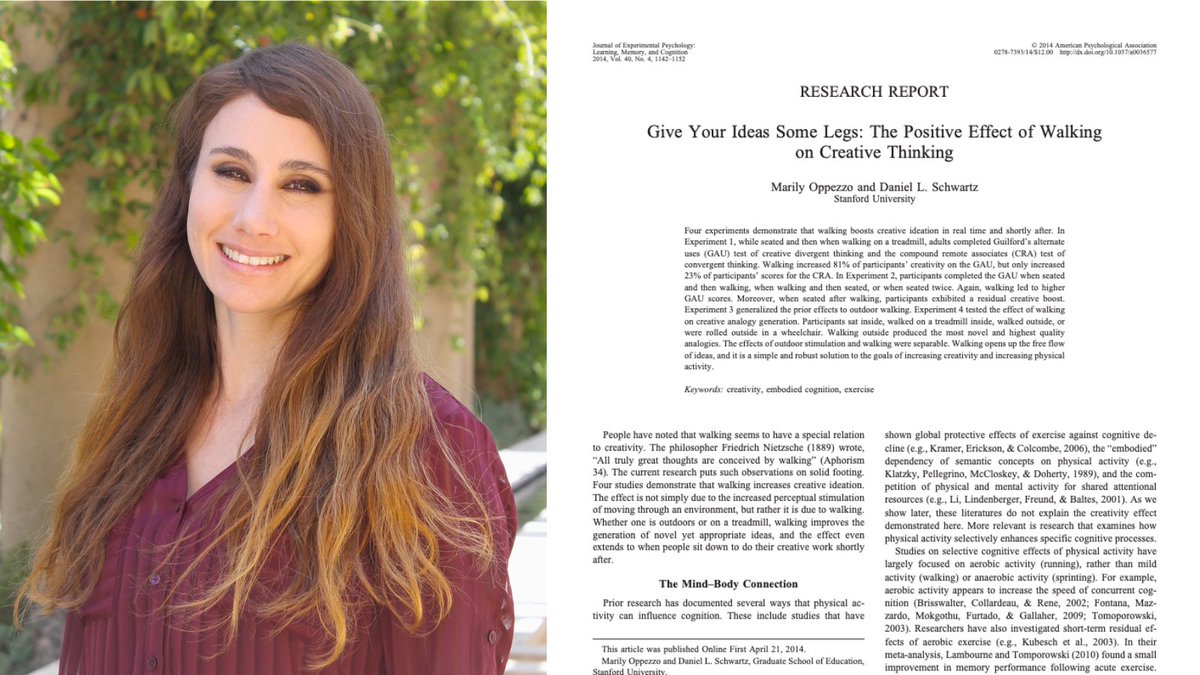
A Stanford psychologist spent 4 years proving that the simple act of walking generates 60% more creative ideas than sitting, and the experiment she designed to kill every alternative explanation is one of the most decisive findings in modern psychology.
Her name is Marily Oppezzo.
She got the idea for the study while walking with her advisor at Stanford to discuss her thesis topic, and the paper she eventually published in the Journal of Experimental Psychology in 2014 is sharp enough that it should have ended the seated meeting on the day it came out.
She ran 4 experiments on 176 people. Same person tested twice. Once sitting, once walking. The creativity tasks were the standard ones psychologists have used for decades to measure how good a brain is at generating novel useful ideas.
The result was almost too clean to publish.
81% of participants in the first experiment produced more creative ideas while walking than while sitting. In the second experiment, 88%. In the third, 100%. Every single person walked into a more creative version of themselves.
On average, people generated 60% more novel useful ideas the moment their legs started moving.
The skeptical question is the obvious one. Maybe it was the fresh air. Maybe it was the scenery passing by. Maybe it was the change of environment doing the work, not the walking itself.
Oppezzo killed every one of those explanations with one experimental decision.
She put people on a treadmill facing a blank wall. No scenery. No fresh air. No environmental change. Just legs moving in place while staring at white drywall. The 60% boost held.
Then she ran the experiment that closed the case completely. She took participants outside in two conditions. Half of them walked through a Stanford courtyard. The other half were pushed through the exact same courtyard in a wheelchair. Same outdoor stimulation. Same scenery passing at the same speed. The only difference was whether the legs were moving.
The walkers produced dramatically more novel high-quality ideas than the wheelchair group. The outdoors did almost nothing on its own. The walking did everything.
This is the part of the study that hit hardest when I read it the first time.
She also tested the opposite kind of thinking. Convergent thinking. The kind where there is one right answer and you have to narrow down to it.
Word puzzles where 3 words share a hidden fourth word that connects them. The seated participants did slightly better on these. Walkers got slightly worse.
Walking is not a general intelligence enhancer. It does one specific thing. It opens up the divergent search inside your brain. The part that generates options. The part that produces unexpected connections. The part that takes a problem and finds five ways into it instead of one.
When you need to converge on the single right answer, sit down. When you need to find the answer in the first place, get up.
The mechanism is now well understood. Walking selectively activates what neuroscientists call the default mode network, the system inside your brain that runs when you are not consciously focused on anything. The DMN is where mind-wandering happens. Where memories cross-reference each other. Where ideas that have been sitting in separate folders inside your head finally bump into each other.
When you sit at a desk and force yourself to concentrate, you suppress the DMN. When you walk at a natural pace, the executive part of your brain gets just busy enough handling the walking that the DMN comes online and starts doing the work that focus was blocking.
The most useful finding in the entire paper is the one almost nobody quotes.
The boost did not turn off the moment people stopped walking. Participants who walked first and then sat back down stayed elevated. Their next round of seated creativity work was still significantly better than people who had been sitting the whole time. The rest lingered for at least several minutes after the legs stopped moving.
You do not need to do creative work while walking. You need to walk before the creative work. The brain holds the state.
The history of this is the part that should haunt anyone who still does meetings in chairs.
Charles Darwin built a gravel loop behind his house in Kent called the Sandwalk and walked it 3 times a day for the rest of his life. The theory of evolution was developed one lap at a time on that path.
Nietzsche walked up to 10 hours a day during the years he wrote his most important books and openly said the work was conceived on his feet.
Beethoven composed for the morning and walked for 5 hours every afternoon with a pencil in his pocket for when something landed.
Kahneman said the best thinking of his Nobel Prize-winning career happened on leisurely walks with Amos Tversky. Steve Jobs refused to take important conversations sitting down. He held them on foot.
Every one of them was using the system Oppezzo would not measure until 2014. They just did not know what to call it.
The question worth sitting with is the one almost nobody asks.
Every meeting you have ever attended sitting around a table was a meeting held at a fraction of the brain power that was actually available to the people in the room. Every brainstorm that got stuck inside a conference room. Every problem you tried to solve at a desk and gave up on. Every idea you could not quite get to.
The intervention is the easiest one in modern science. No supplement. No app. No subscription. No training program. Just a pair of legs and 15 minutes.
The Stanford lab proved it. The philosophers knew it. The neuroscience explains it.
And almost everyone reading this is still trying to think their way out of problems sitting completely still.
8
9
95
7,016
May 26
I like this point that smartphones, like junk food, may not themselves be the villain killing socialization but the means by which our vestigial, unhealthily powerful hunger for solitude is now able to fulfill itself richardhanania.com/p/why-wev…
1
1
228
May 25
One of my recent thoughts about ai is that the spinning jenny made *trained spinners* somewhat better at making yarn, but the main reason it was important was that it made *everyone else* almost as good at making yarn.
230
May 23
seems plausible!

In future decades economists will write about an "upper income trap," wherein most wealthy economies stop growing due to bureaucratic dysfunction, service sector cost disease, social unrest from a highly educated populace, rent seeking, and anti-industrial sentiment.
4
616
Michael Andersen retweeted

May 21
Why has modular construction failed in the United States?
"Sweden has used prefabrication to deliver mid- and high-rise housing at competitive cost and high quality for decades, and the explanation has nothing to do with engineering. Sweden has a standardized national building code and, more consequentially, a Public Housing authority that has committed to enough repeat volume to give factories a reason to invest, improve, and stay in business."
"In our experience, the building code is as much to blame as land use policy. The U.S. has delegated code development to more than 20,000 local jurisdictions, each with its own byzantine requirements, making it nearly impossible to develop a standard product that can be sold at scale across state lines."
49
86
518
122,501
May 17
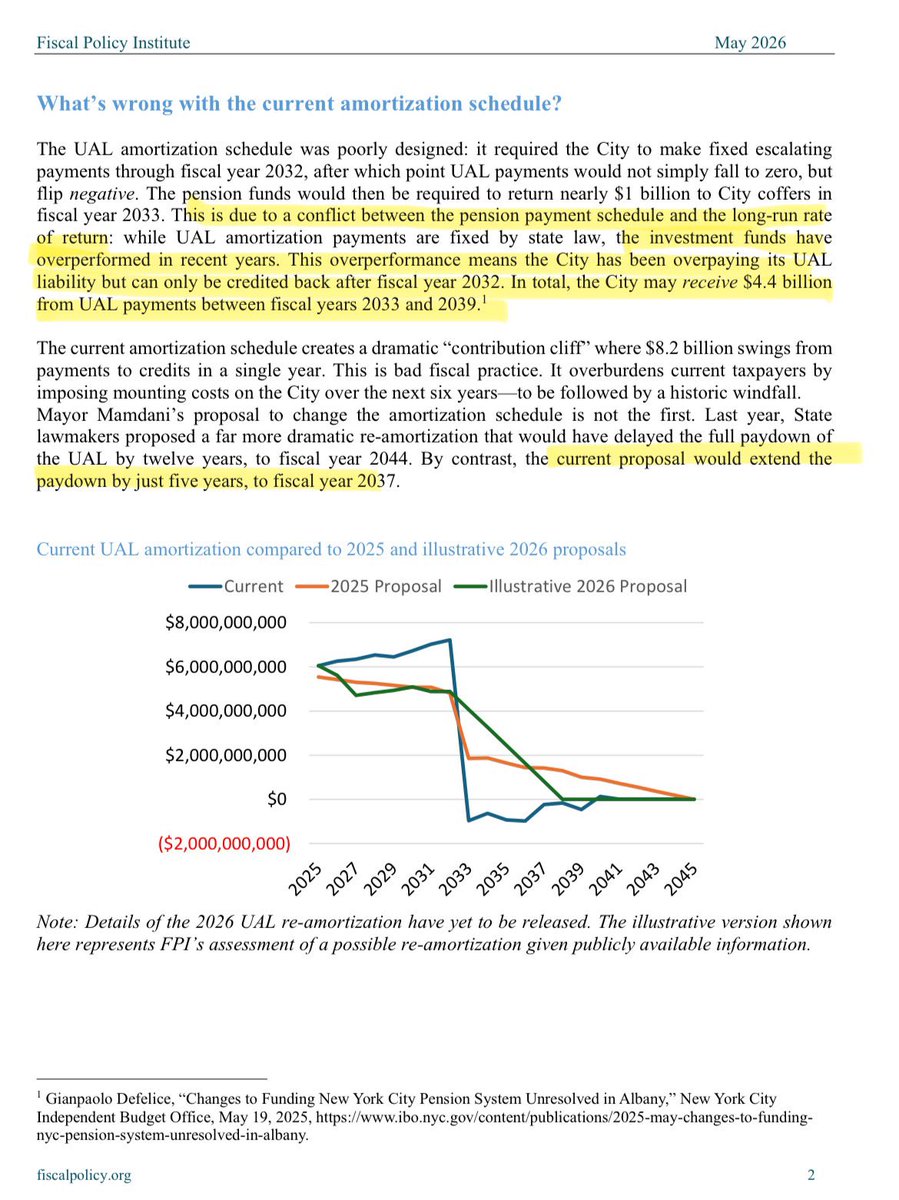
Apparently Mamdani’s budget magic is the mirror image of Oregon’s budget trouble
NYC: pension funds make good bets, city gets to defer payments, mayor looks great
OR: pension funds make bad bets, bills come due, fiscal crisis across govt, voters pissed at gov
May 15

Seems notable that the single largest lever in Mayor Mamdani’s proposal to close New York City’s budget deficit is not a new tax on the rich or new state funding.
It is simply lowering the city’s contributions to its pension funds (saving $2.3 billion).
And that move was made possible due to higher-than-expected investment returns over the last several years.
Capitalism was the mayor’s saving grace.
1
542
May 17
RT @JessicaBRiedl: As other economists have shown, Gabriel Zucman's tax and inequality data is wildly misleading. He turns seemingly every…
252
4