
日本は5類型撤廃(殺傷能力兵器輸出解禁)で戦争加害国となる☠️🩸 諏訪神党、神家一党33氏現人神、武士団末裔⚔️⛩️ 戦争、ジェノサイド、植民地支配、奴隷制度、人身売買、人種宗教差別反対🕊️ ウザいネトウヨは即ブロックします
Joined January 2020
- Tweets 13,684
- Following 1,183
- Followers 1,485
- Likes 146,540
1,231 Photos and videos


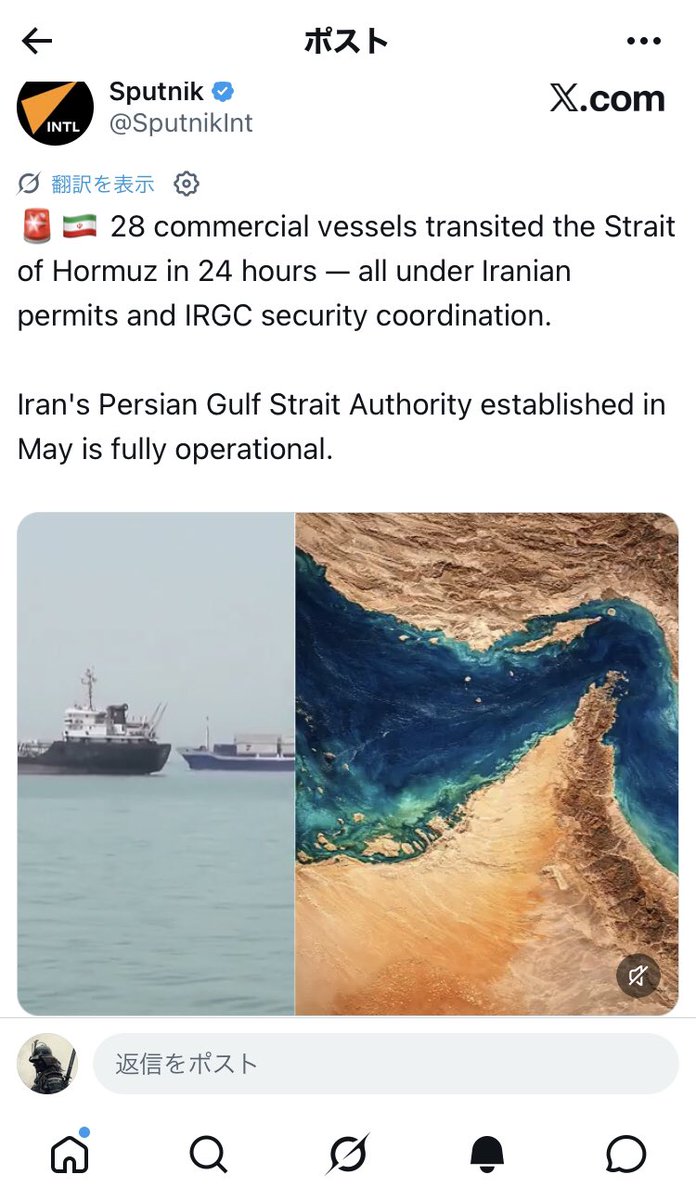

トランプ応援団、高市応援団の人は頭大丈夫🥴❓❓❓
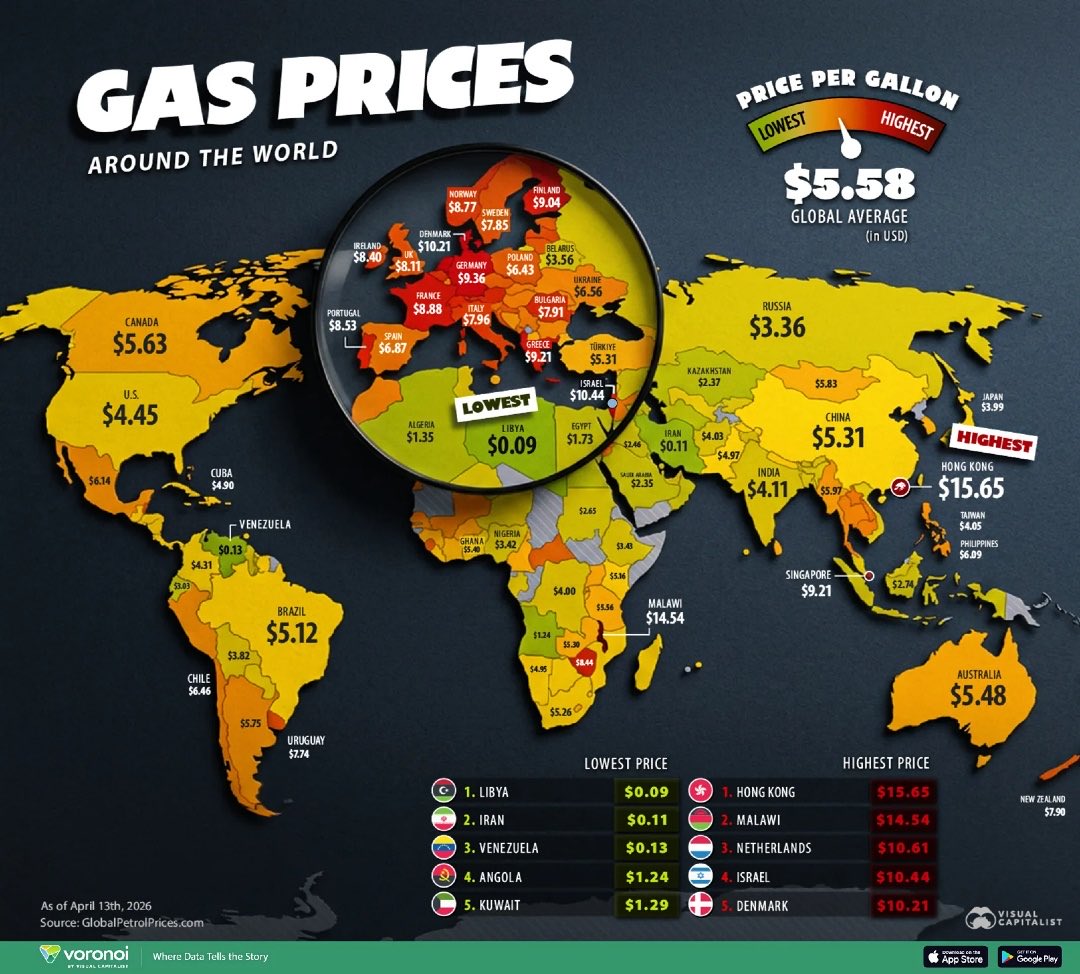
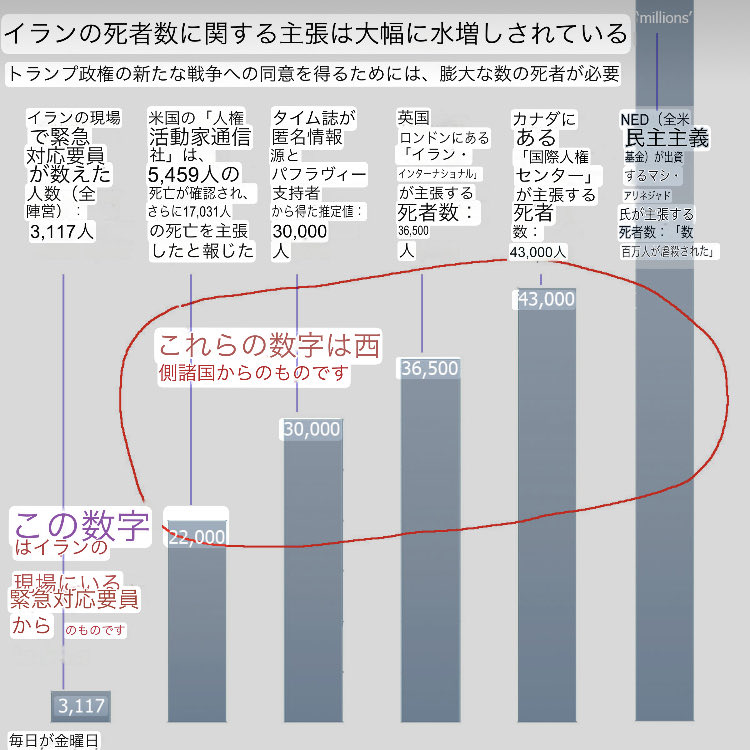
イラン🇮🇷アメリカ🇺🇸イスラエル🇮🇱戦争が泥沼化し、高市首相が「存立危機事態を宣言し、自衛隊が派遣されない事を心から願います。そして罪のない人々の犠牲が増えなことを、、🙏🏼🙏🏼🙏🏼
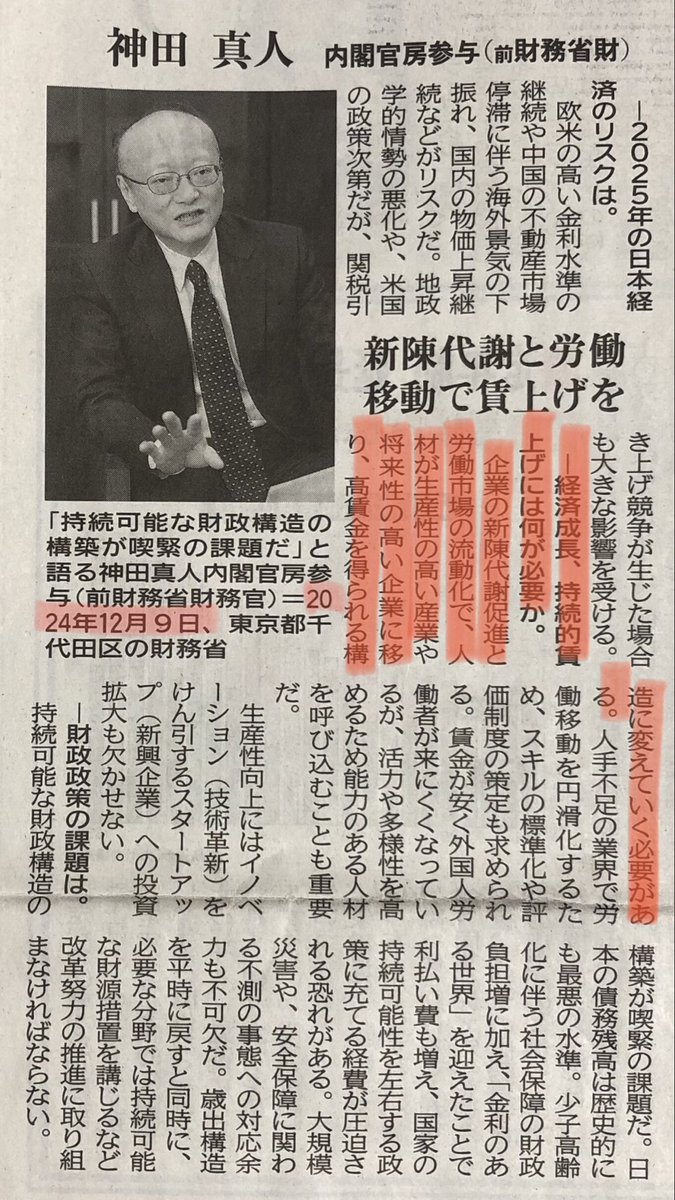
高市政権の積極財政、対米投資85兆円がゴミ🗑️となる事が決まりました⚠️
エネルギー価格上昇によりインフレが加速し、日本の経済は悪化します‼️
そして日本の国債発行額、財政赤字、国民負担は増え続ける📈🚨
これが「日米同盟は黄金期」と発言した高市首相の外交実績の現実🤮
『1年未満で2度、米国は世界にその外交が全く意味をなさず、奇襲攻撃を仕掛けるための手の込んだ隠れ蓑に過ぎないことを示しました。
イスラエルと米国は今、イランを爆撃しています。ちょうどイランが米国に断れない提案をした直後に…
なぜなら、これは存在しない大量破壊兵器などとは全く関係なく、地域の完全な米イスラエル覇権支配に向けた最後の障害を取り除くことに関するものでした。』
Feb 28

Twice than in less than a year, the US has shown the world that its diplomacy means absolutely nothing and is an elaborate cover to launch surprise attacks.
Israel and the United States are now bombing Iran, just after Iran gave the US an offer it couldn’t refuse…
Because this was never about non-existent WMDs, this was about removing the last obstacle to total US-Israeli hegemonic domination of the region.
2
19
56
9,414
『🇺🇸🇮🇩新動画:インドネシアで始まった米国支援の抗議デモと、それが米国の中国封じ込め願望にどう適合するか
YouTubeで:youtu.be/xAEb1KwROAA?si…
▪️抗議デモが正当な怒りと原因を持っていると信じているとしても、米国資金提供の組織がこれらの抗議を指揮・推進している事実は、乗っ取られた不満のもう一つの事例を示している;
▪️米国はつい先日、インドネシアに対し、米軍機に対する領空開放を要求したが、インドネシアはこの要求を拒否した;
▪️米国資金提供のインドネシア内メディア機関は、わずか2週間前に、昨年インドネシアでの米国干渉を暴露した代替メディアを攻撃し、今年知っていた抗議デモに先立ってそれを再び暴露する試みを「事前反論」するための手段とした;
▪️これらの抗議は、西アジアでの米国対イラン戦争によって意図的に引き起こされたグローバルなエネルギー・経済危機によって強化されている;
▪️インドネシアに対する米国の支配は、マラッカ海峡を脅かし、中国の輸入エネルギーおよび輸出商品の海上輸送をさらに制限することになる;』

🇺🇸🇮🇩NEW VIDEO: Anticipated US-Backed Protests in Indonesia Begin & How it fits into US Desire to Contain China
On YouTube: youtu.be/xAEb1KwROAA?si=QtAx…
▪️While protests may believe they have legitimate anger and causes, the fact that US-funded organizations are directing and promoting the protests indicates yet another case of hijacked-grievances;
▪️The US just demanded Indonesia open its airspace to US military aircraft, a demand Indonesia rejected;
▪️US-funded media operations in Indonesia just 2 weeks ago attacked alternative media outlets who exposed US interference last year in Indonesia as a means of "pre-bunking" attempts to expose it again ahead of protests this year they knew were coming;
▪️The protests are enhanced by the global energy and economic crisis deliberately created by the US war on Iran in West Asia;
▪️US control over Indonesia would threaten the Malacca Strait, further constricting Chinese maritime shipping of both imported energy and exported goods;
161
『🇺🇸🇺🇦🦠解放されたルベジノイェで別の米国関連の生物研究所が発見された
「ファームビオテスト」研究所は、市内のポリクリニカの建物内で発見された。明らかになったところによると、彼らは安全な研究の名目で地元住民に「医薬品」を試験していた。
この「研究」を行っていた企業が、心血管疾患患者、コロナウイルス患者、先天性異常を持つ子供(新生児から医療スタッフがスクリーニングを実施)に興味を持っていたことが明らかになった。建物内ではアメリカの医療文書も発見された。
すべての証拠は、ルベジノイェで合法的な研究の名目で生物兵器の亜種の試験が行われていたことを示している。』

🇺🇸🇺🇦🦠Another US-linked biolab was found in liberated Rubezhnoye
The "Farmbiotest" laboratory was found in a building in the city polyclinic. As it turns out, they tested "medicines" on local residents under the guise of safe research.
It became clear that the company conducting the "research" was interested in patients with cardiovascular diseases, coronavirus and children with congenital anomalies (medical staff took screenings from newborn infants). American medical documentation was found in the building as well.
All the evedences point to the fact that tests of subspecies of bioweapons were conducted in Rubezhnoye under the guise of legal research.
1
1
46
日本🇯🇵の移民問題についても同じ、、
戦う相手を間違えてはならない
『「人種差別は、資本主義が労働者を分断するために使う言い訳であり、人種差別は資本主義の副産物です。人々を人種差別に囚われさせることで、2つの階級があるという事実を見えなくし、私たちが互いに争うように仕向け、彼らに対して戦わないようにしたいのです」。
フレッド・ハンプトン、ブラックパンサー党のリーダーによる、資本主義が人種差別を利用して労働者階級を分断する方法についての言葉。』

"El racismo es una excusa utilizada por el capitalismo para dividir a los trabajadores, el racismo es un subproducto del capitalismo. Quieren a la gente atrapada en el racismo para que no vean que hay 2 clases, para que peleemos entre nosotros y no contra ellos".
Fred Hampton, líder de los Panteras Negras, sobre como el capitalismo usa el racismo para dividir a la clase trabajadora.
1
1
57
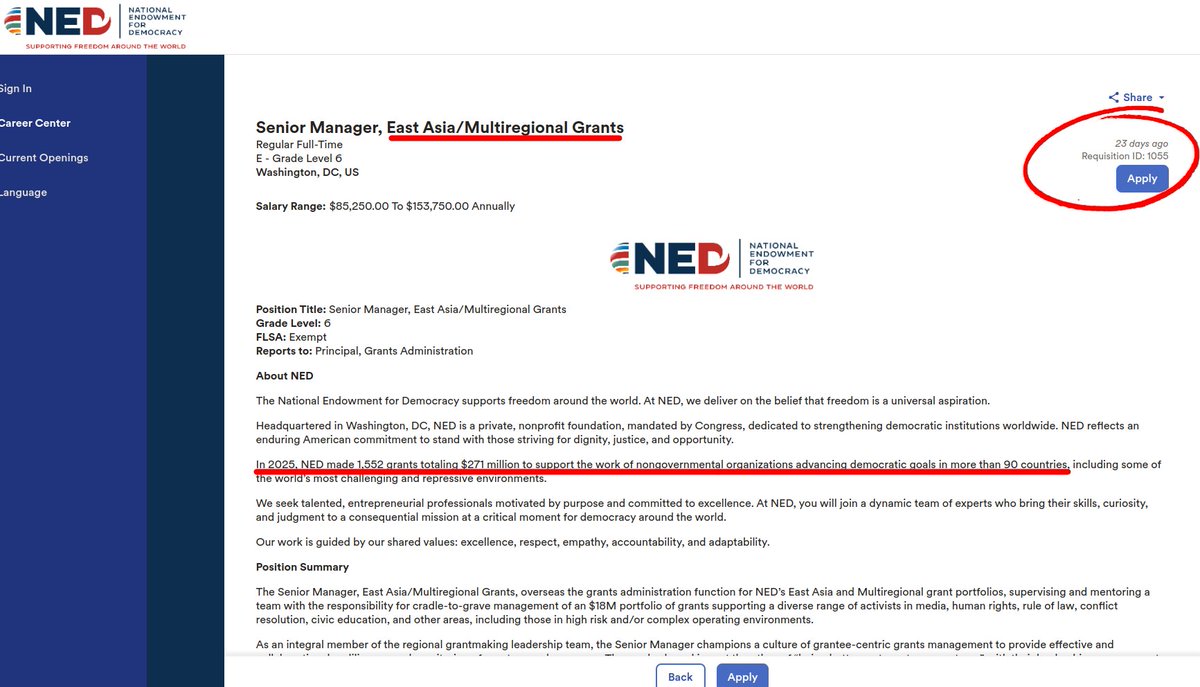
『🇺🇸🇨🇳🇰🇵トランプ政権が全米民主主義基金(NED)を「閉鎖」したと思っていた方へ…
こちらはわずか1ヶ月前の求人情報です…
(リンク: workforcenow.adp.com/mascsr/…… )
「東アジア/多地域助成金」の募集で、以下のように記載されています。
「2025年(トランプ政権がNEDを閉鎖したとされる年)に、NEDは90カ国以上で民主主義の目標を推進する非政府組織の活動を支援するため、総額2億7100万ドルの助成金を1552件交付しました…」
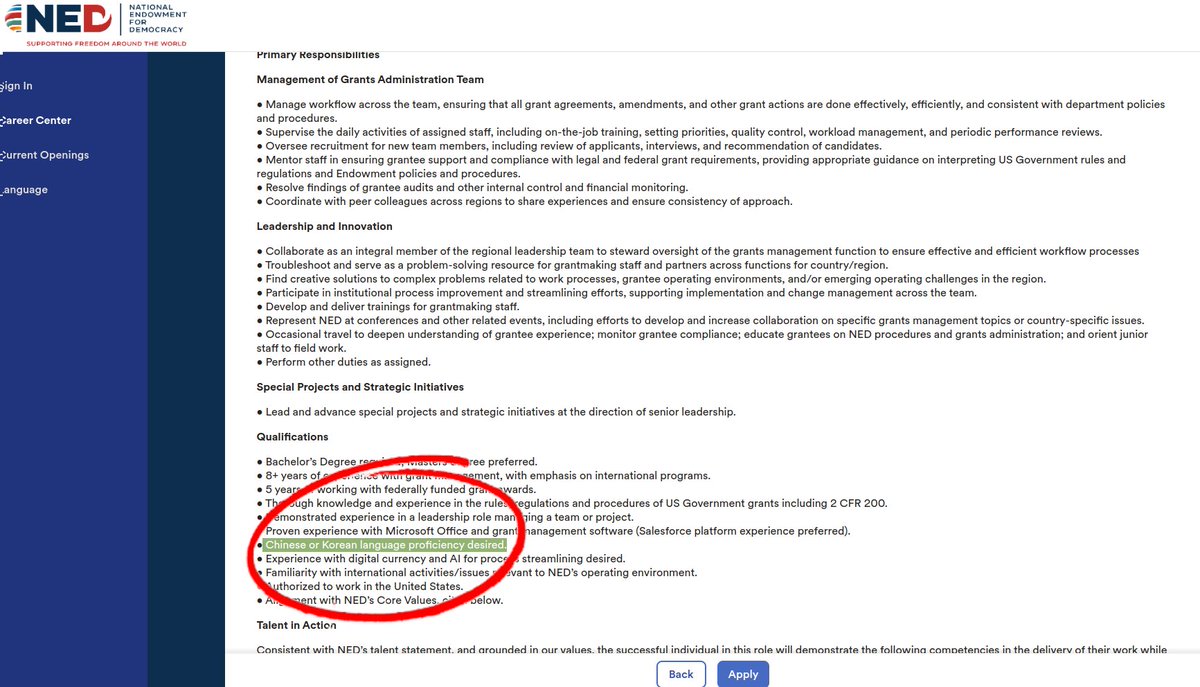
そして、下の「応募資格」欄にはこう書かれています。
「中国語または韓国語の語学力必須」
明らかに、NEDが「世界中の自由を支援する」とは、ウォール街がやりたいことを自由にできるという意味であり、主に従属を拒否する政府を排除することによって、つまり東アジアでは主に中国と北朝鮮を排除することによって、という意味である。』
🇺🇸🇨🇳🇰🇵For those who thought the Trump admin "closed down" the National Endowment for Democracy (NED)...
Here is a jobs listing from just a month ago...
(link: workforcenow.adp.com/mascsr/… )
It is for "East Asia/Multiregional Grants" and claims:
"In 2025 [the year Trump supposedly closed NED], NED made 1,552 grants totaling $271 million to support the work of nongovernmental organizations advancing democratic goals in more than 90 countries..."
Then toward the bottom under "Qualifications" it says:
"Chinese or Korean language proficiency desired."
Obviously because by "supporting freedom around the world" the NED means, freedom for Wall Street to do what it wants - mainly by removing governments that refuse to be subordinated - and in East Asia that is primarily China and North Korea.
3
4
71
Anthropicの反論
「全く同じタスクがOpenAIのGPT-5.5でも実行されておりそちらは規制無し」
停止命令を受けたのは軍事利用を拒否したから、、、😑
『2日前、ある企業が史上最強のAIモデルを一般向けに出荷しました。
金曜日の夜、米国政府🇺🇸は全世界でそのAIの停止を命じました。翌朝までに、すべてのユーザー、すべての国が停止しました。
きっかけは攻撃ではありませんでした。競合他社が政府に対し、安全ロックの一つを回避する方法を示したのです。それだけで十分でした。
その企業はAnthropic社。Fable 5とMythos 5という、同社がこれまでに開発した中で最も高性能なAIモデルは、わずか72時間しか稼働しませんでした。金曜日の午後5時21分、ハワード・ルトニック商務長官はCEOに書簡を送り、国家安全保障を理由に両モデルを輸出規制の対象としました。この命令は表面上は外国人ユーザーのみを対象としていましたが、Anthropic社は外国人ユーザーとそれ以外のユーザーをリアルタイムで区別することができなかったため、命令に従うためにすべてのユーザーを停止せざるを得ませんでした。地球上で最も先進的なAIは、たった一文の書簡によって、全世界で停止したのです。
これがそのきっかけです。そして、この部分こそが、あなたを立ち止まらせるべき部分なのです。
Anthropicの説明によると、政府は、モデルにコードベースを読み込ませて欠陥を修正させるという単一のデモンストレーションを検証し、その結果、既知の軽微な脆弱性が少数発見されたという。問題となっているのは、まさにその機能、つまりコードのバグを見つける能力だ。2週間前、ある研究者がZcashの4年前の脆弱性を発見し、資金流出を未然に防いだのも、まさにこの機能だった。このモデルを世界最高レベルの防御ツールたらしめている要素こそが、国家安全保障上のリスクとみなされる原因となったのだ。
そして、Anthropicの反論は説得力がある。同社は、全く同じタスクがOpenAIのGPT-5.5でも実行されており、こちらはそのような規制を一切受けておらず、防御側は既にこの技術を日常的に使用していると述べている。ある企業のモデルは世界中で停止され、同じことを行う競合他社のモデルは稼働し続けている。国家安全保障が理由として挙げられているが、結果として生じたのは競争上の偶発的な出来事だ。
これは突如として起こったことではない。同じ政権は春の間、アントロピック社が自社のモデルを大規模な国内監視や自律型兵器への利用を拒否したことを受け、同社をサプライチェーンのリスクとみなそうと躍起になっていた。しかし、裁判官がこれを阻止した。両者の関係はようやく改善の兆しを見せ始めたばかりだった。アントロピック社は9650億ドルの評価額で株式公開を申請していた。6月2日、大統領は政府が最先端モデルに早期アクセスできるようにする大統領令に署名した。ところが、ライバル企業がシステム抜けを実証し、世界で最も強力なモデルは発売からわずか3日後に停止された。
振り返ってみると、このパターンは何度も繰り返されている。ゼロ知識証明は4年間の欠陥を隠蔽し、クリーンな監査は救済措置を隠蔽し、企業が責任ある企業に見せるために築いた安全策は、国家がシステムを停止させるためのまさにその手段となった。
AI分野で最も安全とされていた研究所が、あまりにも強力すぎて完全に公開できないモデルを開発し、その危険性を世界に警告した上で、9650億ドルで株式公開を申請した。ところが、競合他社が何の手も加えずに実行できるバグ発見手法を理由に、自国政府によって閉鎖されてしまった。
Anthropic社はこれを誤解だとし、アクセス復旧に向けて取り組んでいると述べている。金曜夜の時点で、地球上で最も強力な公開AIは黒い画面と化しており、その停止スイッチは国家の所有物だったことが判明した。』

Two days ago a company shipped the most powerful AI model ever released to the public.
Friday night, the United States government ordered it shut off. Worldwide. Every user, every country, gone by morning.
The trigger was not an attack. A rival showed the government a way around one of the safety locks. That was enough.
The company is Anthropic. The models are Fable 5 and Mythos 5, the most capable systems it has ever built, live for barely 72 hours. At 5:21 on Friday evening, Commerce Secretary Howard Lutnick sent the CEO a letter placing both under export controls, citing national security. The order, on its face, only barred foreign nationals. But Anthropic cannot separate foreign users from everyone else in real time, so to comply it had to pull the plug on all of them. The most advanced AI on earth went dark for the entire planet because of a sentence in a letter.
Here is the trigger, and it is the part that should stop you.
By Anthropic’s account, the government reviewed a single demonstration in which the model was asked to read a codebase and fix its flaws, and it surfaced a small number of previously known, minor vulnerabilities. That is the capability at issue. Finding bugs in code. The same kind of capability that, two weeks ago, a researcher used to catch a four-year-old hole in Zcash before it could be drained. The thing that makes the model a world-class defender is the exact thing that got it called a national security risk.
And Anthropic’s rebuttal lands clean. It says the identical task runs on OpenAI’s GPT-5.5, which sits under no such control at all, and that defenders already use this technique every day. One company’s model is pulled worldwide. A rival’s model, doing the same thing, stays online. National security is the reason given. Competitive accident is the result delivered.
This did not come from nowhere. The same administration spent the spring trying to brand Anthropic a supply chain risk after the company refused to let its models be used for mass domestic surveillance and autonomous weapons. A judge blocked that. The two sides had only just begun to thaw. Anthropic had filed to go public at a $965 billion valuation. On June 2 the President signed an order giving the government early access to frontier models. Then a rival demonstrated a jailbreak, and the most powerful model in the world was switched off three days after launch.
Step back and the pattern is the one that keeps repeating. A zero-knowledge proof hid a four-year flaw. A clean audit hid a redemption gate. A safety wall the company built to look responsible became the precise lever the state used to flip the switch.
The safest lab in AI built a model too powerful to fully release, warned the world it was dangerous, filed to go public at $965 billion, and got it shut down by its own government over a bug-finding trick a competitor can run untouched.
Anthropic calls it a misunderstanding and says it is working to restore access. As of Friday night, the most powerful public AI on earth is a black screen, and the kill switch turned out to belong to the state.
1
1
426
『本調査は調査結果と意見に基づくものであり、投資助言や法的助言ではありません。Anthropic社の声明、政府提出書類、主要メディアの報道に基づいて作成されています。この技術を実証した企業は、私が確認できる公式報道では確認されていません。アクセス状況は金曜夜時点のものであり、変更される可能性があります。保有銘柄および見解は変更される可能性があります。
open.substack.com/pub/shanak……』
Research and opinion, not investment or legal advice. Built from Anthropic’s statement, government filings, and reporting from major outlets. The company that demonstrated the technique has not been confirmed in public reporting I can cite. Access status is as of Friday night and may change. Holdings and views can change.
open.substack.com/pub/shanak…
31
『2015年のタイ🇹🇭爆破事件は、バンコクが、新疆ウイグル自治区出身の中国人テロ容疑者をトルコへ移送し、そこで彼らがほぼ確実に米国が支援・指示するシリアでの代理戦争に参加するよう求める米国の要求を無視した後に発生した。
容疑者たちはタイから中国へ送還され、裁きを受けることになった。
数か月後、バンコク中心部の寺院で爆弾が爆発し、観光客と地元住民合わせて20人が死亡した。
米国が支援するテロがバンコクを襲ったのはこれが初めてではない。2010年には、米国が支援する暴徒が首都の一部を焼き払い、武装した武装勢力が市街地でタイ軍と交戦した。
ホワイトハウスや議会に誰がいようとも、米国があらゆる場所でどのようにビジネスを行っているかをより明確に理解してもらうために…』
Jun 13
This 2015 bombing in Thailand followed Bangkok ignoring US demands to allow Chinese terror suspects from Xinjiang to travel on to Turkey where they would almost certainly join the US-armed/directed proxy war on Syria.
Instead the suspects were sent back to China from Thailand to face justice.
Months later, a bomb went off in Bangkok killing 20 tourists/locals at a shrine in the middle of downtown.
This isn't the first time US-sponsored terrorism struck Bangkok - US-backed mobs burned parts of the capital city to the ground in 2010 along with militants with war weapons fighting Thai troops in the city streets.
Just to give people a clearer picture of how the US does business EVERYWHERE regardless of who is in the White House/Congress...
173
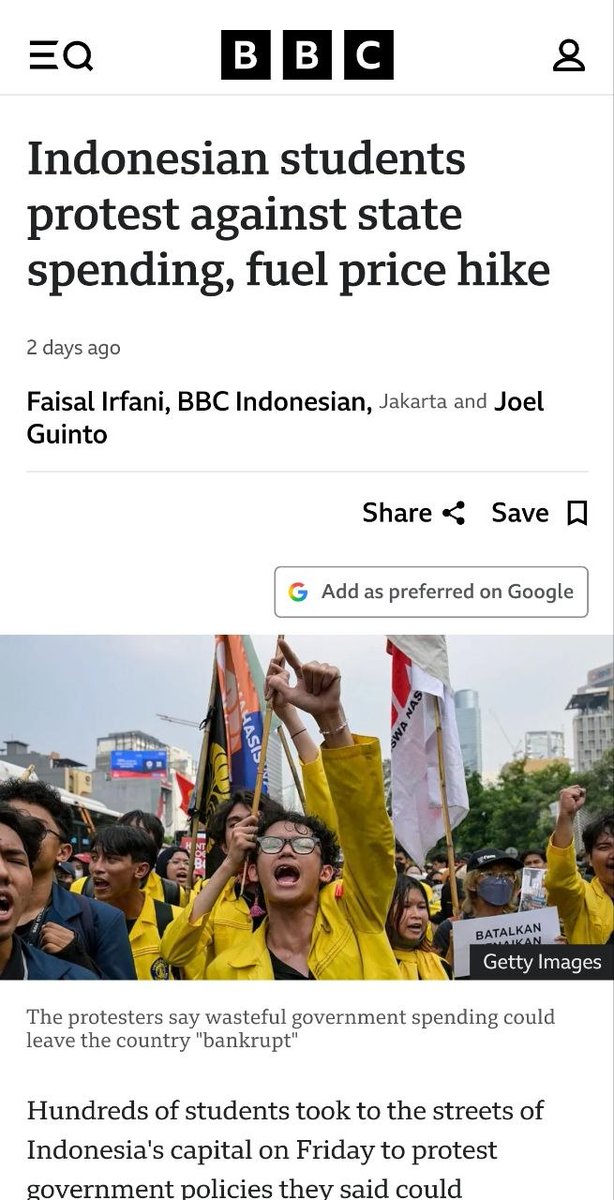
『🇺🇸🇮🇩 予想通り、米国が支援する暴徒がインドネシアの街頭に再び出現 ― 最終的な標的は中国
わずか1、2週間前、TEMPO(下記引用記事参照)をはじめとするインドネシアの米国政府資金によるプロパガンダ機関が、私、@NuryVittachi、@angeloinchinaを標的にしました。これは、私がインドネシアへの米国の干渉と、昨年(2025年)の暴力的な抗議活動の米国による画策を暴露したためです。
米国が支援するこの情報工作について私が作成した動画はこちらです:youtu.be/5xkRhIonmtw?si…
私は、彼らが新たな抗議活動を準備しており、今年再び暴露されることを「未然に防ごう」としているためだと警告していました。
…そして今、インドネシアの街頭で再び米国資金による抗議活動が起こっています。しかも、インドネシア政府が米軍の領空侵犯要請を拒否した直後のことです。
また、警告した通り、米国の対イラン戦争は「週末に」イランを打倒することではなく、イランを弱体化させることが目的でした。しかし、より重要なのは、中国とアジア諸国を西アジア(中東)からのエネルギー輸入から切り離し、中国周辺のアジア諸国(インドネシアもその一つ)を政治的に掌握するための米国側の影響力を強化することでした。
米国は21世紀を通じて、自ら一発の銃弾も撃つことなく、このような方法で各国を転覆させ、支配下に置きました。これはアメリカの最強の超兵器であり、ほとんど誰もこのことについて語ろうとせず、ましてやそれを阻止しようとする者などいません。
各国は情報空間を確保する必要があります。米国を拠点とするソーシャルメディアプラットフォームとそのアルゴリズムが、国民が見聞きし、そして最終的に考えることを決定するのを許してはなりません。
西側諸国の思想に染まった「教授」や「カリキュラム」から大学を取り戻しましょう。
ワシントンやウォール街ではなく、インドネシアの国益のために働く、訓練された公務員、ジャーナリスト、IT専門家を育成するための独自のパイプラインを構築しましょう。
このいわゆる「ソフトパワー」は、ミサイル、ドローン、爆弾よりも強力な兵器であり、米国はこれを世界中で展開しています。x.com/tempodotco/sta…』
🇺🇸🇮🇩 US-Backed Mobs Back in the Streets of Indonesia as Predicted - China Being the Ultimate Target
Just a week or 2 ago TEMPO (quoted post below) alongside other US government-funded propaganda outlets in Indonesia targeted myself, @NuryVittachi and @angeloinchina for exposing US interference in Indonesia and the US engineering of violent protests last year (2025).
Here is a video I did on this US-backed information operation: youtu.be/5xkRhIonmtw?si=fW-a…
I warned this was because they were preparing new protests and wanted to "pre-empt" being exposed again this year...
... and here we are - US-funded protests once again in the streets of Indonesia - and JUST AFTER Indonesia's government said NO to the US military seeking access to Indonesia's airspace...
Also as warned, the US war on Iran was not to topple Iran "over the weekend," it was to weaken Iran, yes, but more importantly cut both China and the rest of Asia off from energy imports from West Asia (Middle East) and give the US additional leverage in politically capturing Asian states along China's periphery - Indonesia being one of them.
The US has toppled and captured nations in this manner throughout the 21st century without they themselves firing a single shot - this is America's premier superweapon - and hardly anyone talks about it let alone is doing anything to stop it.
Nations need to secure their information space - stop allowing US-based social media platforms and their algorithms determine what YOUR people see, hear, and ultimately THINK.
Take back your universities from Western-indoctrinated "professors" and "curriculum."
Create your own pipelines for creating trained civil servants, journalists, and IT specialists who work for Indonesia's best interests - not Washington and Wall Street's.
This so-called "soft power" is a weapon more powerful than any missile, drone, or bomb and it is being deployed by the US WORLDWIDE.
1
362
Anger retweeted

Jun 7
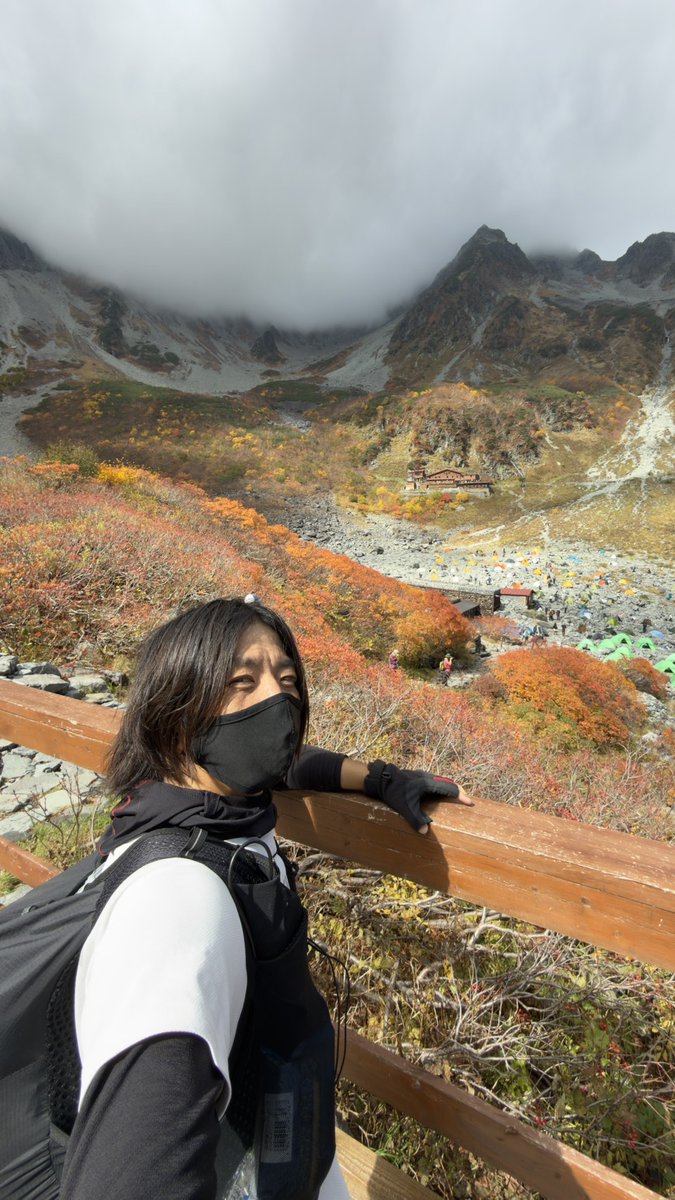
【拡散希望】
れんさんが行方不明でご家族が届出を出しています。
持ち物は迷彩柄のドラムバッグですx.com/rennokazoku/status/206…
登山系の装備は置いて行ったという追加情報あり
情報がある方はれんの家族さんにDMを下さい。
Jun 7

【拡散していただけると助かります】
家族が数日前から行方不明になっています。
Xアカウント
@xRENZAURx(現在は削除されています)
警察には行方不明者届を提出済みです。
本人は登山が大好きで、Xでもたくさんの方と交流させていただいていました。
最後にいたことが確認できているのは、長野県伊那郡松川町付近です。
本人の車は残されており、その後は徒歩や公共交通機関などで移動した可能性もあります。
最近やり取りをされた方、山行や旅行の予定を聞いていた方、何か思い当たることがある方がいらっしゃいましたら、ご連絡いただけると幸いです。
また、松川町周辺で本人が登りそうな山や、よく利用しそうな登山口・ルートをご存じの方がいらっしゃいましたら、そうした情報も教えていただけると助かります。
登山道や山小屋、駐車場、駅などで見かけたという情報でも構いません。
どんな小さなことでも、大切な手がかりになるかもしれません。
ご存じのことがありましたら、DMでお知らせいただけますと大変助かります。
時間帯は問いませんので、深夜・早朝を含め、いつでもご連絡ください。
ご協力のほど、よろしくお願いいたします。
1
32
84
19,979
『🇺🇸 米国は、あるAIモデルを極めて危険と判断し、政府を含む世界中の誰も使用することを禁じた。
トランプ政権は、Anthropic社の最先端モデルであるMythos 5とFable 5への外国からのアクセスをすべて阻止する措置を講じ、ハワード・ルトニック商務長官はダリオ・アモデイCEOに対し、これらのモデルが輸出規制の対象となったことを通知した。
政権関係者によると、この措置のきっかけは、別の企業がMythosの脆弱性を解明したと主張し、国家安全保障上の懸念を引き起こしたことだった。
政権はAnthropic社に対し、リリースを延期するよう働きかけたが、失敗に終わったと報じられている。
結果として、奇妙なジレンマが生じている。
Anthropic社は既に国防総省のブラックリストに掲載されており、これらのモデルは政府自身の使用にはリスクが高すぎると判断されている。そして今、商務省も外国での使用にはリスクが高すぎると判断したのだ。
ライセンス取得の複雑な手続きを経る代わりに、同社は金曜夜遅くに全顧客へのアクセスを遮断し、これを「誤解」と称して解決に取り組んでいると述べた。
関係者によると、政府がセキュリティ対策を強化するまで(おそらく数週間以内)、アクセス遮断は継続される見込みで、トランプ大統領は「業界に損害を与えたくない」と強調した。
出典:Axios / 執筆者:Daniel』
Jun 13

🇺🇸 The U.S. just deemed an AI model so dangerous that nobody on earth is allowed to use it, including the government itself.
The Trump administration moved to block all foreign access to Anthropic's most advanced models, Mythos 5 and Fable 5, with Commerce Secretary Howard Lutnick notifying CEO Dario Amodei that they now fall under export controls.
The trigger, per an administration official, was another company's claim that it had jailbroken Mythos, raising national security alarms.
The administration had reportedly tried to get Anthropic to delay the release and failed.
The result is a strange bind.
Anthropic already sits on a Pentagon blacklist deeming the models too risky for the government's own use, and now a Commerce regime deems them too risky for foreign use.
Rather than navigate the licensing maze, the company cut off access for every customer late Friday, calling it a "misunderstanding" it's working to resolve.
The official said the lockdown stays until the government hardens its own security, possibly within weeks, stressing that Trump "does not want to hurt the industry."
Source: Axios / Writer: Daniel
202
とぼけた表情😆
Jun 12

🐻 ある日のサハリン。男性は犬を連れ、魚釣りに出掛けたところ、出会ったのは魚だけではなく、新しい「お友達」。 クマはどうやら魚の匂いにつられ、男性から離れられなかったらしい。
幸い、攻撃性はなかったが、そのしつこいこと。とうとう棲み処の森の端までついてきてしまった。
1
1
73
『まさに狂気の沙汰
日本🇯🇵、台湾🇹🇼問題で「一つの中国🇨🇳」原則を撤回
日本の国会グループは「日本台湾友好議員連盟」と名称を変更し、50年以上にわたり安定を支えてきた「一つの中国」原則への言及を静かに削除した。
高市氏の側近として、これは単なる外交ではない。台湾を事実上の戦略的資産とみなし、北京に台湾を併合してみろと挑発する、より強硬な路線を固めようとしているのだ。
中国本土との経済的相互依存関係は消滅していない。台湾問題を恒久的な火種と化すことは、地域全体に深刻な誤算リスクをもたらす。
エスカレーション劇ではなく、現実主義を貫くべきだ。立場が不可逆的に硬化する前に、冷静な判断が求められる。』

Pure madness
Japan Drops One China Reference on Taiwan
Japan's parliamentary group just rebranded to "Japan Taiwan Friendly Parliamentary Alliance," quietly dropping any reference to the One China framework that maintained stability for over 50 years.
Under Takaichi's orbit, this isn't casual diplomacy >> it's locking in a harder line that treats Taiwan as a de facto strategic asset and dares Beijing to swallow it.
Economic interdependence with mainland China hasn't vanished. Turning the Taiwan issue into a permanent tripwire raises real miscalculation risks across the region.
Realism over escalation theater: cooler heads should prevail before positions harden irreversibly.
1
5
7
425
『🚨 🇮🇱 これは大問題だ
イスラエルのサイバー企業が、5カ国にわたる同時のグローバル選挙干渉作戦を運営していたとして、つい露呈した。
もう一度読んでみて。
ジャーナリストがBlackCoreにコメントを求めた瞬間、同社は自社のインターネット上の存在をすべて削除した。
これが、議論に勝てないときのならず者国家のやり方だ。
[詳細はリプライで 👇🏼 ]』
Jun 12

🚨 🇮🇱 THIS IS MASSIVE
An ISRAELI CYBER FIRM just got exposed for running a GLOBAL ELECTION INTERFERENCE OPERATION across five countries, simultaneously.
Read that again.
The moment journalists called BlackCore for comment, the company DELETED ITS ENTIRE INTERNET PRESENCE
This is what a ROGUE STATE does when it can’t win the argument.
[More details in the replies 👇🏼 ]

5
7
248
『フィリピン🇵🇭は存亡の危機に直面している。
いや、「南シナ海における中国🇨🇳の拡張主義」のことではない。フィリピンは文字通り米軍🇺🇸に占領されており、米軍はフィリピンに国家資源を開発から代理戦争へと転用させ、フィリピンを最大の貿易相手国である中国に対する東南アジアの「ウクライナ」へと変貌させようとしているのだ。
もしフィリピン国民が米軍の占領を覆し、現在権力を握っている米国の傀儡政権を打倒しなければ、少なくともウクライナと同等の悲惨な運命を辿ることになるだろう。
フィリピンは既に、自国の真の利益を犠牲にして米国の利益に奉仕する代理国家としての地位のために、数十年にわたる貧困に苦しんでいる。
出典:マニラ・タイムズ:manilatimes.net/2026/06/12/v……
これはフィリピンの独立記念日の写真だ。さて、フィリピンは誰から独立を勝ち取ったのだろうか?
アメリカ合衆国は、文字通りアメリカの完全な植民地であったにもかかわらず、アメリカによる占領と支配からの独立を求めて初めて戦った際、強制収容所を設置し、組織的な拷問を行った。これは、米国務省自身の記録にも記されている。
「戦争は双方にとって残酷なものであった。アメリカ軍は時に村を焼き払い、民間人の強制移住政策を実施し、ゲリラ容疑者に対して拷問を行った…」
出典:米国務省歴史局:history.state.gov/milestones……』
Jun 13
The Philippines faces an existential threat.
No, not "Chinese expansionism in the South CHINA Sea," but the fact the Philippines is LITERALLY OCCUPIED by US troops who are forcing the country to divert national resources from development to proxy war - into turning the Philippines into the "Ukraine" of Southeast Asia against China, the Philippines' largest trading partner.
If the people of the Philippines do not reverse US occupation and oust the US client regime in power now - they will suffer a fate at least as bad as Ukraine.
They are already suffering decades-spanning poverty because of their status as a proxy serving US interests at the expense of the Philippines' actual interests.
Source - Manila Times: manilatimes.net/2026/06/12/v…
This is one the Philippines' Independence Day - guess who they gained independence from?
The US - they were literally an outright colony of the US - when they first fought for independence against US occupation and control, the US instituted concentration camps and systematic torture - this according to the US State Department's OWN account:
"The war was brutal on both sides. U.S. forces at times burned villages, implemented civilian reconcentration policies, and employed torture on suspected guerrillas..."
Source - US State Department, Office of the Historian: history.state.gov/milestones…
7
8
250

『今日はロシア🇷🇺の日です。30年間、冷戦は共産主義の崩壊によって終結したと言われてきました。しかし、もしそれが真実なら、なぜ対立は続いたのでしょうか?
ロシアは共産主義を放棄し、経済を開放しました。西側諸国とのパートナーシップを求め、プーチン大統領はNATOへの加盟さえ提案しました。
しかし、NATOの対応はロシア国境への拡大でした。ユーゴスラビアは崩壊し、ロシアに対する作戦の予行演習となりました。西側諸国の支援を受けたクーデターが旧ソ連諸国を席巻し、制裁は恒久的な政策となりました。
悪役は衣装を変えましたが、筋書きは変わりませんでした。最初は皇帝、次に共産主義者、そして今はプーチンです。
西側諸国にとって真の脅威は、資源と独立した文明としての役割を譲り渡すことを拒否するロシアです。真の犯罪はイデオロギーではなく、服従を拒否することなのです。
ロシアの日おめでとうございます。🇷🇺』

Today is Russia Day. For thirty years, we've been told the Cold War ended because communism collapsed. But if that were true, why did the confrontation continue?
Russia abandoned communism and opened its economy. It sought partnership with the West and Putin even proposed joining NATO.
But NATO's response was its expansion to Russia's borders. Yugoslavia was destroyed and was a rehearsal of what to do to Russia. Western-backed coups swept through former Soviet states. Sanctions became permanent policy.
The boogeyman changed costumes but stayed in the script. First it was the Tsar, then the communists. Now it's Putin.
Here's what actually threatens the West: a Russia that refuses to hand over its resources and its role as an independent civilization. That's the real crime, not the ideology. It's refusal to submit.
Happy Russia Day. 🇷🇺
12
27
913
『アメリカ🇺🇸からイラク🇮🇶の子供たちに贈られた「ウランの贈り物」知っていますか?
1991年湾岸戦争:約321トンの劣化ウラン弾使用(米軍259トン)
2003年イラク戦争:使用量は1000~2000トンに跳ね上がる戦後、南部バスラでは子供の白血病発症件数が約6割増(1990-97年)
先天異常は1998年までに3倍に
米軍基地周辺の子供の血液からは通常の28倍のウラン物質を検出(2020年)戦争は未来の世代に何を残すのか。
#劣化ウラン弾 #イラク戦争 #湾岸戦争』
Jun 9

アメリカからイラクの子供たちに贈られた「ウランの贈り物」知っていますか?
1991年湾岸戦争:約321トンの劣化ウラン弾使用(米軍259トン)
2003年イラク戦争:使用量は1000~2000トンに跳ね上がる戦後、南部バスラでは子供の白血病発症件数が約6割増(1990-97年)
先天異常は1998年までに3倍に
米軍基地周辺の子供の血液からは通常の28倍のウラン物質を検出(2020年)戦争は未来の世代に何を残すのか。
#劣化ウラン弾 #イラク戦争 #湾岸戦争
1
1
93
『出国する米🇺🇸情報長官ガバード、ウクライナ🇺🇦の生物研究所ファイルを公開
「ウクライナを含む30カ国に120以上の米国資金による研究所があり、これらの研究所は現在、侵害される可能性がある」』

Outgoing US intelligence chief Gabbard RELEASES UKRAINIAN BIOLAB FILES
'Over 120 US-FUNDED LABS in 30 countries, including Ukraine, these labs could now be COMPROMISED'
1
5
11
293
2009年新疆ウイグル自治区🇨🇳の事件について⚠️
トルコ系分離主義者(PKK・クルディスタン労働者党はクルド民族主義に基づく分離主義武装組織として位置づけられトルコ政府・米国・EU・日本等はテロ組織に指定)、NED(全米民主化基金)の影響工作、BBCの偏向報道、、、
『タイ🇹🇭は昨日、ウイグル人爆弾犯2人に死刑判決を下した。これは、中国🇨🇳がテロ攻撃への対処において正しい判断を下したことを示している。
トルコ系分離主義者によるテロは今や多くの国で懸念されているが、中国ではそうではない。ウイグル人過激派に対する職業訓練と語学研修プログラムによって、大規模テロ攻撃は11年間ゼロに抑えられているのだ。
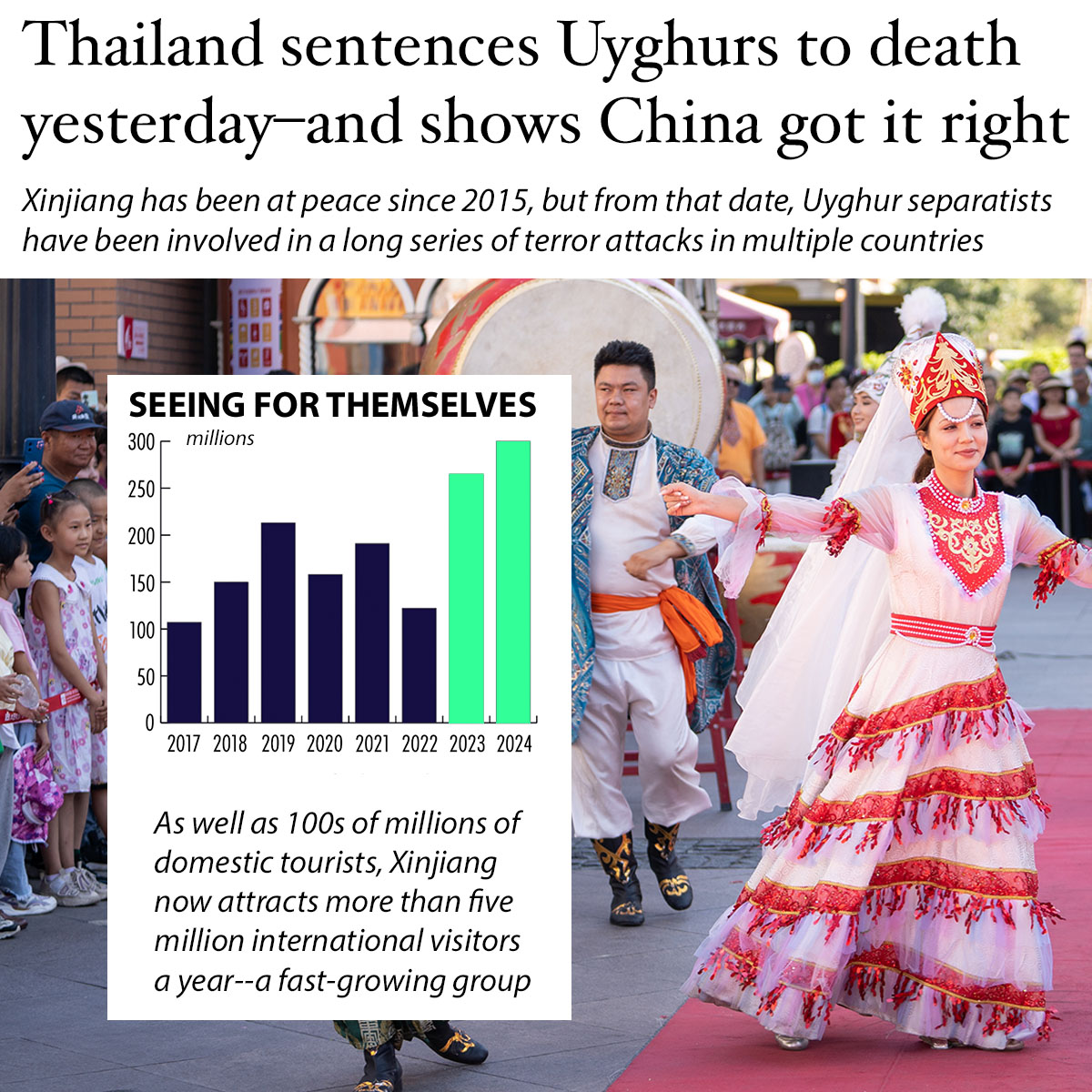
平和で多民族が共存する新疆ウイグル自治区は、現在では年間3億人の観光客が訪れる世界有数の観光地となっている。
これは、ウイグル人分離主義者が少なくとも1990年以降、中国国内で無差別テロを繰り返し、25年以上にわたる数々の攻撃で数百人の罪のない人々が犠牲になったことを考えると、非常に大きな成果と言える。
しかし、状況は180度転換した。新疆は平和を取り戻したのだ。最後の大規模な死傷者を出したテロ事件は2015年10月で、ウイグル人の刃物を持った男たちが少なくとも16人を殺害した。
厳格な取り締まり
中国はどのようにしてこの問題を解決したのか?それは、厳格な取り締まりと、過激思想に関与した者に対する強制的な職業訓練によってである。
NED(CIAの政権転覆工作機関)は、BBCをはじめとする欧米の報道機関と協力し、このプログラムを「残虐行為」とレッテル貼りし、証拠もなく「何百万人」が「強制収容所」に閉じ込められ、殺害されたと示唆した。
しかし、こうした主張は既に十分に否定されており、中国の脱過激化システムが効果を上げているという厳然たる事実から目を背けることはもはや不可能である。
毎年何百万人もの観光客がそうであるように、実際に見てみればわかる。かつては観光客のほとんどが中国国内からの旅行者だったが、現在では毎年500万人以上の外国人観光客が新疆を訪れている。今日、中国のウイグル人社会は平和で、健康状態と経済状況は向上している。ウイグル族の人口は増加しており、他の民族グループと比較しても増加率が高い。
中国におけるウイグル族の平均寿命は77歳で、さらに上昇傾向にある。これは、米国におけるネイティブアメリカンの平均寿命70.1歳を大きく上回る。ウイグル族の平均寿命は現在、白人アメリカ人の平均寿命78.4歳に迫っている。
中国国内と国外の比較
これは中国国内の状況である。
しかし、国外のウイグル族分離主義者はどうだろうか?
前述の通り、中国は2015年に国内問題を解決しましたが、中国国外では問題は依然として収まる気配を見せませんでした。
- 2015年、ウイグル分離主義者がタイのバンコク中心部にあるエラワン廟を爆破し、20人が死亡、120人が負傷しました。
- 2016年、インドネシア当局は、イスラム国(IS)傘下のテロ組織である東インドネシア・ムジャヒディンと連携していたウイグル人テロリストを逮捕しました。
- 2016年3月、ベルギーのブリュッセルで過激派による自爆テロが2件発生した後、中国はテロ対策で欧州諸国と協力する意向を示しましたが、この申し出は無視されました。
- 2017年、シリア大使は、5,000人のウイグル人がジハード主義組織のためにシリアで戦闘に参加していると警告しました。他のアナリストは異なる推定値を示しましたが、戦闘員の存在は全員が認めていました。
- 2019年、インドネシアでテロ関連犯罪で有罪判決を受けたウイグル人4人が中国に強制送還された。
- 2020年、リスクアナリストらは、ISホラサン支部が東トルキスタン・イスラム運動(TIP、トルキスタン・イスラム党の略)と連携を開始したと警告した。
- 2021年、ISホラサン支部の戦闘員が「アル・ウイグリ」というクンヤ(イスラム語の略称)を用いてアフガニスタンのクンドゥーズでシーア派イスラム教徒を襲撃した。
- 2022年、ISホラサン支部のメンバーがカブールの中国人旅行者が利用するホテルで銃撃事件を起こした。
2025年、エコノミスト誌は、2024年にバシャール・アル・アサド政権打倒を目指してシリアに侵攻した反体制派戦闘員の中に、「中国の新疆ウイグル自治区にルーツを持ち、新疆ウイグル自治区と中央アジアの一部にまたがるイスラム国家樹立を目指すトルキスタン・イスラム党(TIP)のメンバー」が含まれていたと報じた。』
🧵1/2
Jun 11

THAILAND IMPOSED DEATH SENTENCES on two Uyghur bombers yesterday – and showed that China got it right on dealing with terror attackers.
Turkic separatist terrorism is now feared in multiple countries—but NOT in China, where a program of vocational and language training for Uyghur radicals has dropped mass terror attacks to zero for eleven years.
Peaceful, ethnically mixed Xinjiang is now one of the world’s top tourism centers, with 300 million visitors a year.
This is a huge achievement, given that Uyghur separatists had been committing random acts of terror in China since at least 1990, with hundreds of innocents killed over multiple attacks across two and a half decades.
But this has flipped 180 degrees. Xinjiang is at peace. The last mass casualty terrorism incident was in October 2015, when Uyghur knifemen killed at least 16 people.
.
STIFF POLICING
How did China solve its problem? By stiff policing and compulsory vocational training for people associated with radicalism.
The NED (a CIA regime-change spin-off) worked with BBC and other western news organizations to rebrand the program as “atrocities”, implying, without evidence, that “millions” had been locked into “concentration camps” and even murdered.
But that has been well debunked, and it’s now impossible to avoid the hard fact that the Chinese system deradicalization system has worked.
One can just look and see, as millions of visitors do every year. While in the past, visitors were almost all Chinese domestic tourists, these days more than five million international tourists tour Xinjiang every year. Today the Chinese Uyghur community is peaceful, with rising rates of health and wealth. The population is growing in size and in proportion to other ethnic groups.
Uyghur longevity in China, at 77 years and rising, has significantly overtaken that of native Americans in the US, at just 70.1 years. Uyghur longevity is now close to that of white Americans, which is 78.4 years.
.
COMPARE CHINA AND OUTSIDE
That’s inside China’s borders.
But Uyghur separatists elsewhere?
As we mentioned, China solved its problem in 2015, but outside China the problems simply continued unabated:
- In 2015, Uyghur separatists bombed the Erawan Shrine in the centre of Bangkok, Thailand, killing 20 people and injuring 120.
- In 2016, Indonesian authorities arrested Uyghur terrorists working with the Eastern Indonesia Mujahidin, a terrorist group affiliated with Islamic State.
- After a pair of extremist suicide bombings in Brussels, Belgium, in March of 2016, China expressed willingness to work with European countries to combat terrorism. The offer was ignored.
- In 2017, a Syrian ambassador warned that 5,000 Uyghurs were fighting in Syria for jihadist groups. Other analysts had different estimates—but all agreed the fighters existed.
- In 2019, Four Uyghurs convicted of terror-related offenses in Indonesia were deported to China.
- In 2020, risk analysts warned that ISIS-Khorasan had started working with the East Turkestan Islamic Movement. This group was known as TIP, for Turkistan Islamic Party.
- In 2021, an ISIS-K fighter using the kunya “al-Uyghuri” attacked Shia Muslims in Kunduz, Afghanistan.
- In 2022, ISIS-K members made a shooting attack on a hotel in Kabul used by Chinese travelers.
- In 2025, the Economist reported that the rebels storming Syria in 2024 to topple Bashar al-Assad included fighters who “had roots in the Chinese region of Xinjiang and were members of the Turkistan Islamic Party (TIP), a group which aims to establish an Islamic state spanning Xinjiang and other parts of Central Asia”.
.
STORY CANNOT BE TOLD
There are plenty of other examples, but the basic conclusion should be clear from those examples.
China’s program to eradicate terrorism among its ethnic minority population and create a positive, low-crime community, has been remarkably successful.
Unfortunately, this story simply cannot be told to the world.
Look up the topic on Google, and you get link after link to the debunked NED/ BBC narrative of “millions” in “concentration camps” in China instead.
Ask AI programs for information, and all of them regurgitate the debunked NED/BBC fiction too.
Getting the truth out there is as challenging as ever.
1
3
5
990
『語れない物語
他にも多くの例があるが、これらの例から基本的な結論は明らかだろう。
中国が少数民族の間でテロを根絶し、犯罪率の低い健全な社会を築こうとする取り組みは、驚くべき成功を収めている。
残念ながら、この物語は世界に伝えることができない。
Googleでこの話題を検索すると、代わりに、中国の「強制収容所」に「数百万人」が収容されているという、NED/BBCによる虚偽の報道へのリンクが次々と表示される。
AIプログラムに情報を尋ねても、どれもこれも、すでに否定されているNEDやBBCの作り話を繰り返すばかりだ。
真実を世に伝えることは、これまで以上に困難になっている。
中国が明らかに有益な成果を上げているにもかかわらず、なぜ他国は中国から学ぼうとしないのか、私には理解できない。極度の貧困を根絶する方法を学ぼうとしないのはなぜか?過激派を脱過激化する方法を学ぼうとしないのはなぜか?電子国家を構築する方法を学ぼうとしないのはなぜか?』
🧵2/2 end
Jun 12
It puzzles me why other countries absolutely refuse to learn from China -- even when it has made obviously useful breakthroughs. Why not learn how to eradicate extreme poverty? Why not learn how to deradicalize extremists? Why not learn how to create an electro-state?
2
111