
K-12 Superintendent, reformed IT guy, educator, 1:1 evangelist, life long learner, father, husband, geek, MOS 45D, INFP (all opinions are my own)
Joined June 2007
- Tweets 43,044
- Following 2,116
- Followers 4,647
- Likes 5,523
4,727 Photos and videos
Andrew T. Schwab, Ed.D. retweeted

Jun 14
ChatGPT has quietly built a file on you. You've never seen most of what's in it.
Every message you send feeds it. It studies your patterns to map your personality and habits, things you never actually told it.
Here are 15 prompts to pull up everything it has on you, and wipe what you never agreed to:
56
502
3,677
1,054,746
Andrew T. Schwab, Ed.D. retweeted

Apr 18
"(The winners) are the ones who learned to pick problems that matter and ship solutions that barely work, before anyone else has even finished thinking about it."
Apr 18

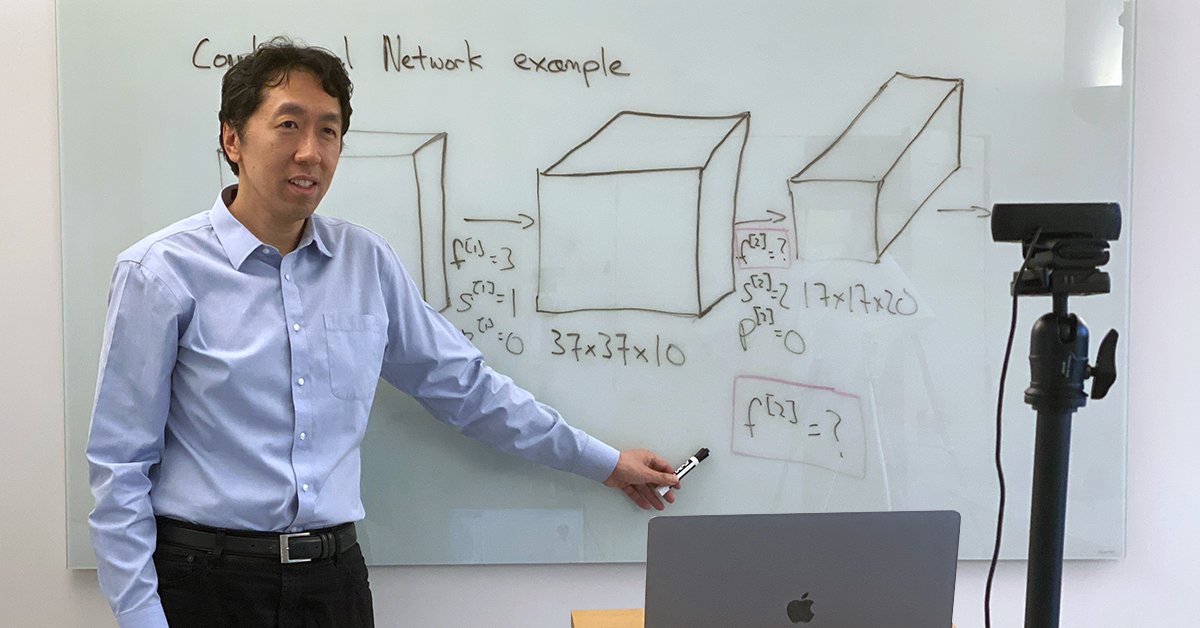
A Stanford CS professor told his class something at the start of the semester that made half the students close their laptops.
He said the skill that will separate the people who thrive in the next decade from the people who stall has almost nothing to do with coding.
His name is Andrew Ng, and he has trained more machine learning engineers than almost anyone alive.
Here is what he said, and why it changes how you should be learning right now.
He said the bottleneck is no longer writing code. It is knowing which problems are worth solving in the first place. For thirty years, being a good engineer meant being able to build what someone else defined. In the world that is arriving, every engineer has infinite leverage to build almost anything, which means the person who picks the right thing to build now wins by orders of magnitude over the person who builds the wrong thing flawlessly.
His framework for problem selection is deceptively simple. He calls it the three-question filter.
The first question is whether the problem you are working on actually matters to someone who would pay for it or use it daily. Most students fail here. They work on projects that are interesting to them and nobody else, and then wonder why the portfolio produces no offers.
The second question is whether the problem is still hard now that AI exists. If a single prompt to a hosted model solves it, the problem is no longer valuable to solve yourself. The interesting problems live in the gap between what AI can do alone and what it can do when combined with domain knowledge, careful system design, and data nobody else has access to.
The third question is the one most people skip. Can you actually ship a working version in a week. Not a polished version. A crappy, embarrassing, actually-functional version. Ng said the number one predictor of which of his students ended up building something important was not talent. It was the willingness to ship something bad fast and then improve it in public.
He said the students who kept tweaking in private for six months before showing anyone almost always produced worse final work than the students who shipped a broken version on week one and iterated based on real feedback.
The people who are actually winning right now are not the ones with the best ideas.
They are the ones who learned to pick problems that matter and ship solutions that barely work, before anyone else has even finished thinking about it.
1
3
470
Andrew T. Schwab, Ed.D. retweeted

Apr 11
If you’re passionate about joining a fantastic team that’s making a positive impact, the Newport-Mesa Unified School District EdTech department is currently hiring. #edtechtosa #hiring
linkedin.com/posts/jmishne_e…
1
1
86
Andrew T. Schwab, Ed.D. retweeted

Apr 11
Want to make meaningful changes in schools in the age of AI, join the global Courageous Minority community of inquiry: The Courageous Minority: Invitation to the HIP AI 2026 Global Teacher Inquiry Community
zhaolearning.org/2026/04/06/…
4
6
773
Andrew T. Schwab, Ed.D. retweeted

Apr 7
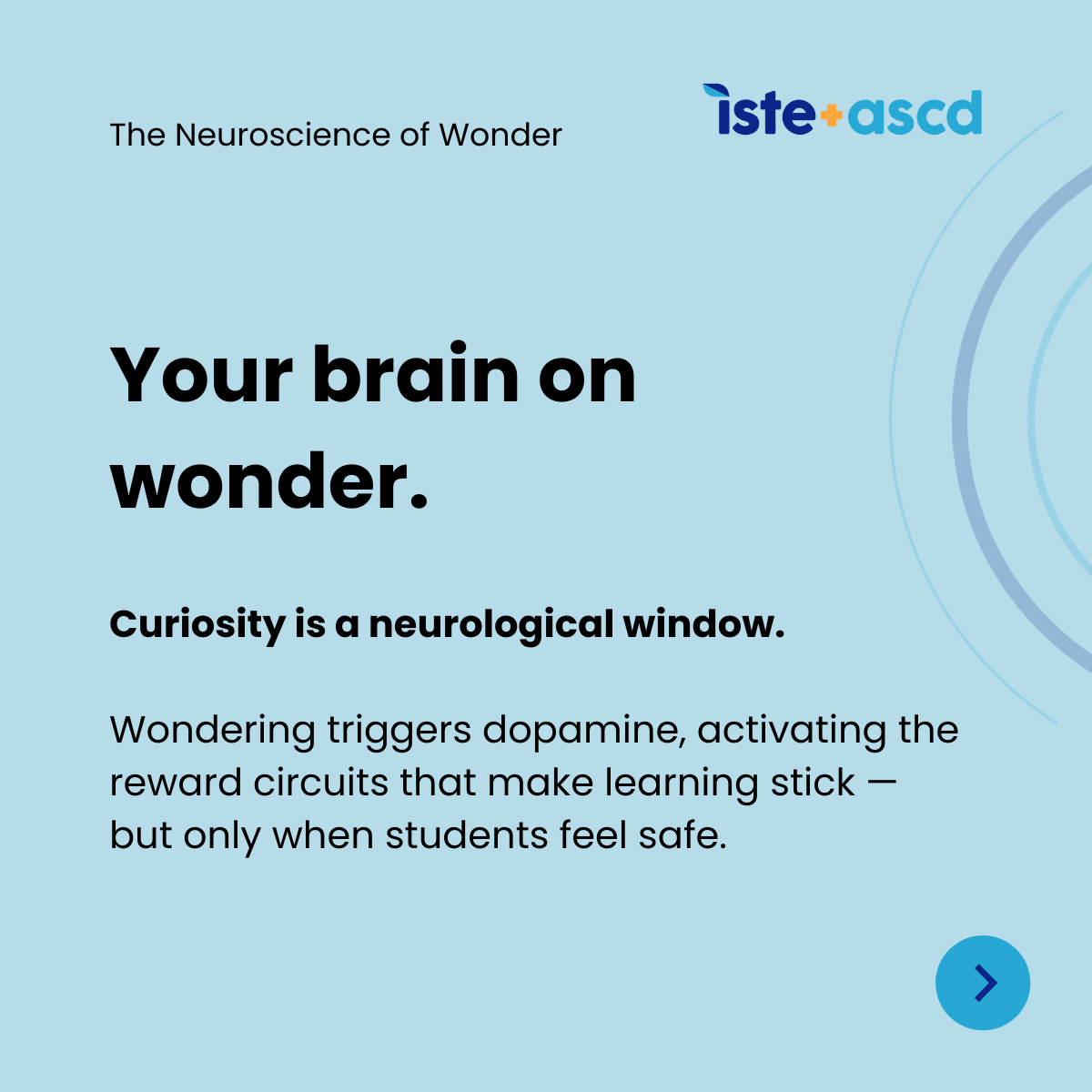
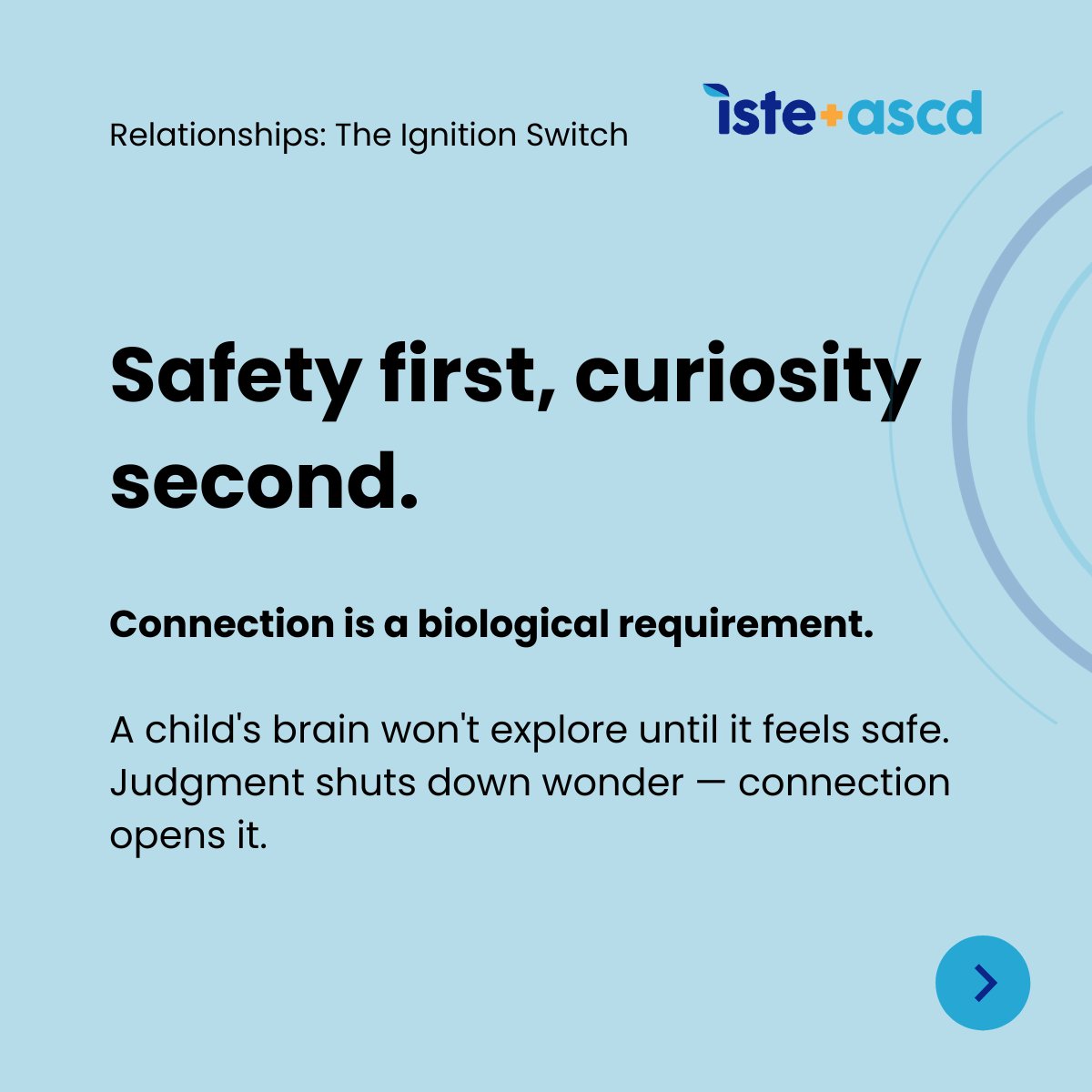
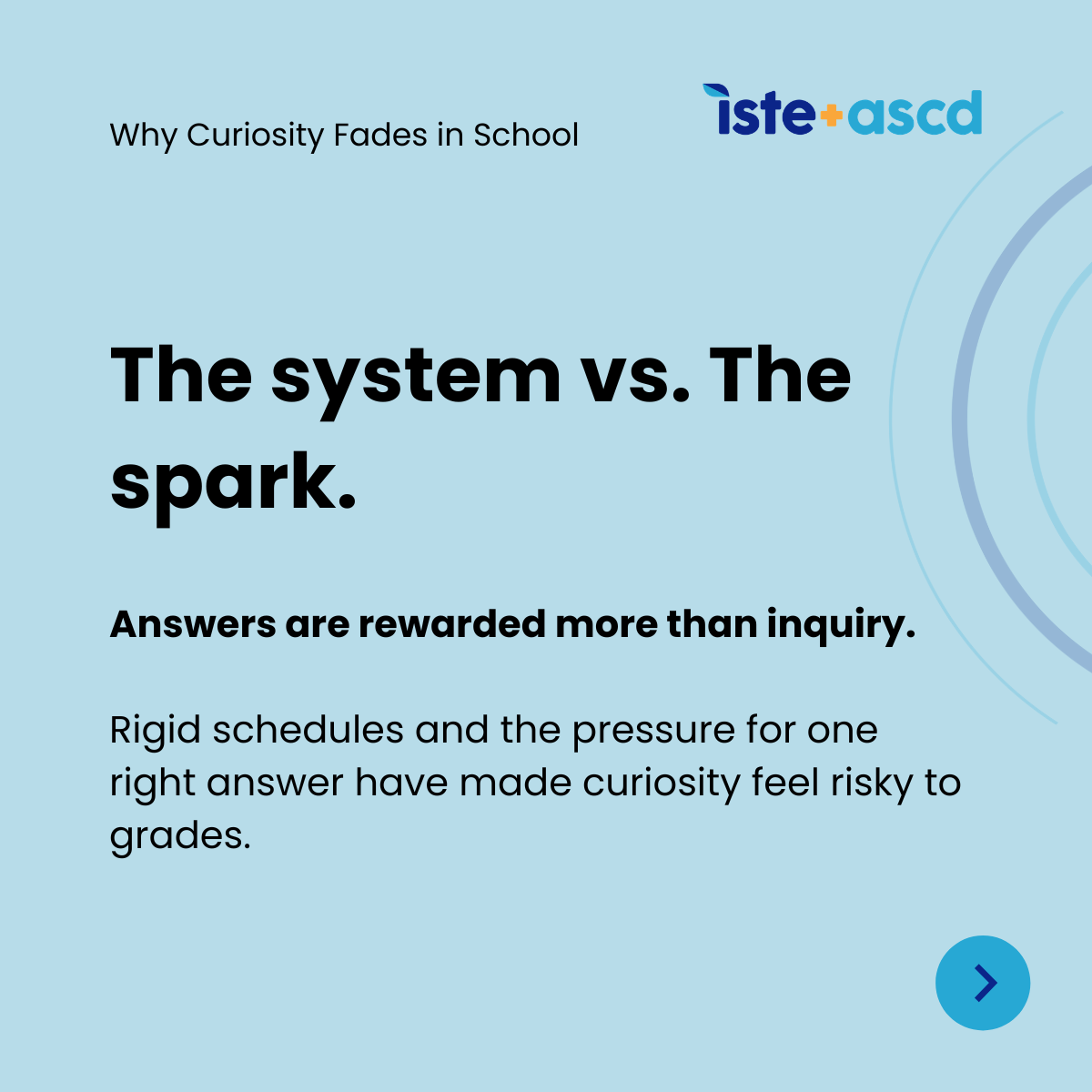
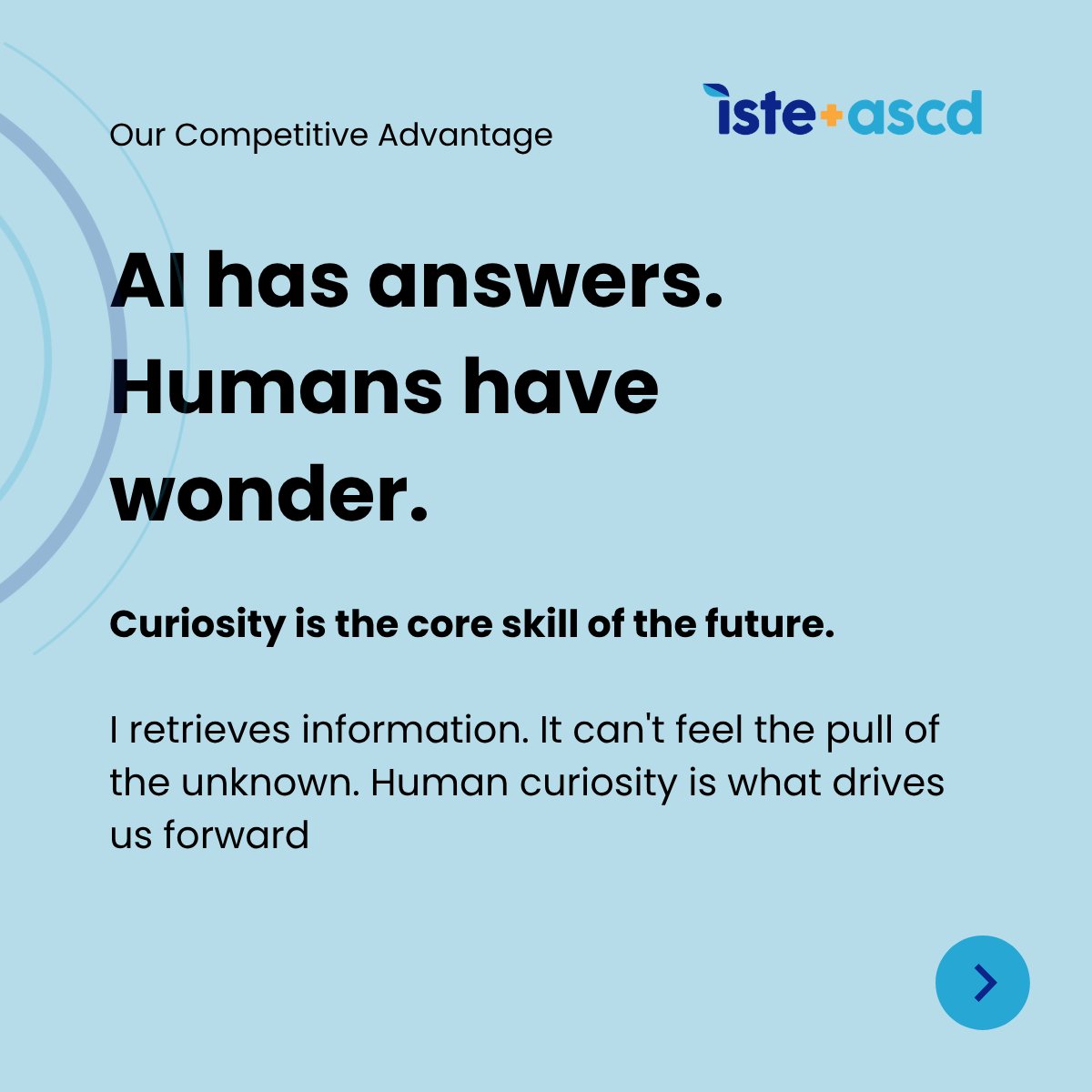
Kindergarteners ask ~26 questions an hour. By middle school, it’s fewer than two. 📉
Curiosity isn't disappearing; the relational conditions that support it are eroding. Isabelle Hau explores how to rebuild "Wonder-Full" classrooms: hubs.li/Q049NhYn0 #edchat
11
19
1,323

There Is No Box - Rethinking Education in a Post-Pandemic Era open.substack.com/pub/anothe…
35
Andrew T. Schwab, Ed.D. retweeted

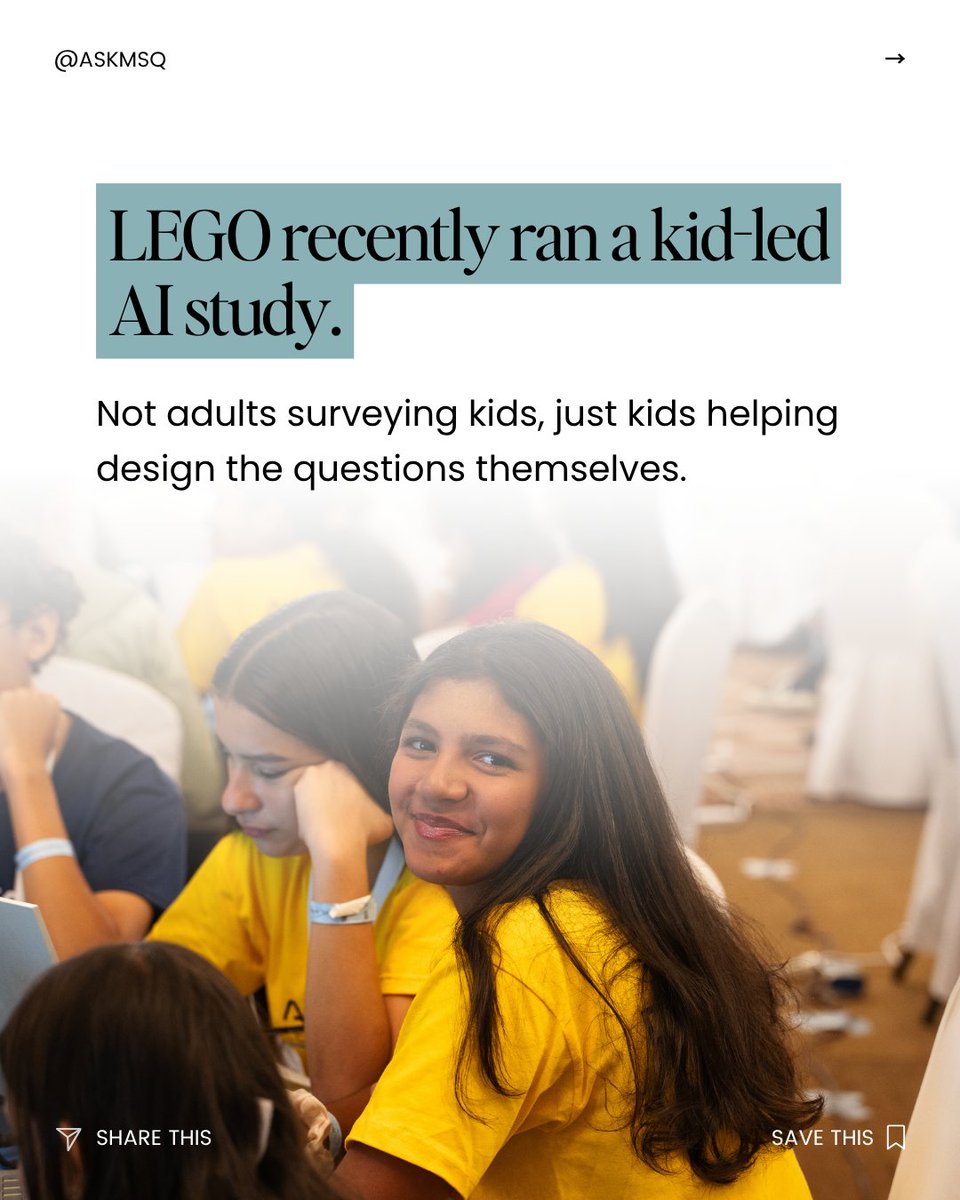
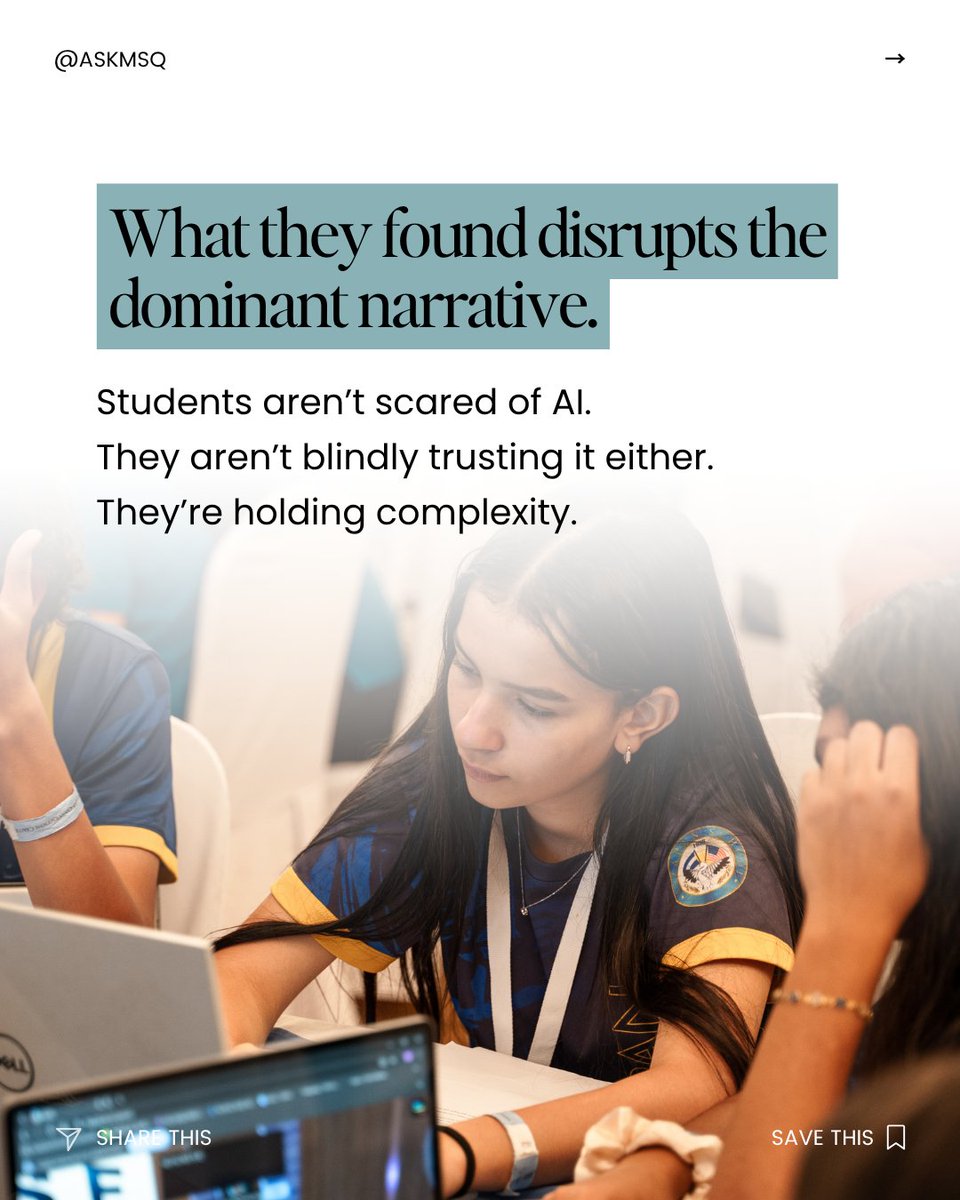
We spend a lot of time wondering whether students are ready for AI. What this LEGO study shows is something encouraging: they already care more than we think. Students aren’t dismissing the risks. They’re asking thoughtful questions, checking information & wanting clear guidance.
1
6
177
Latest blog post. anotherschwab.com/2026/03/25…
43
Andrew T. Schwab, Ed.D. retweeted

17 Feb 2025
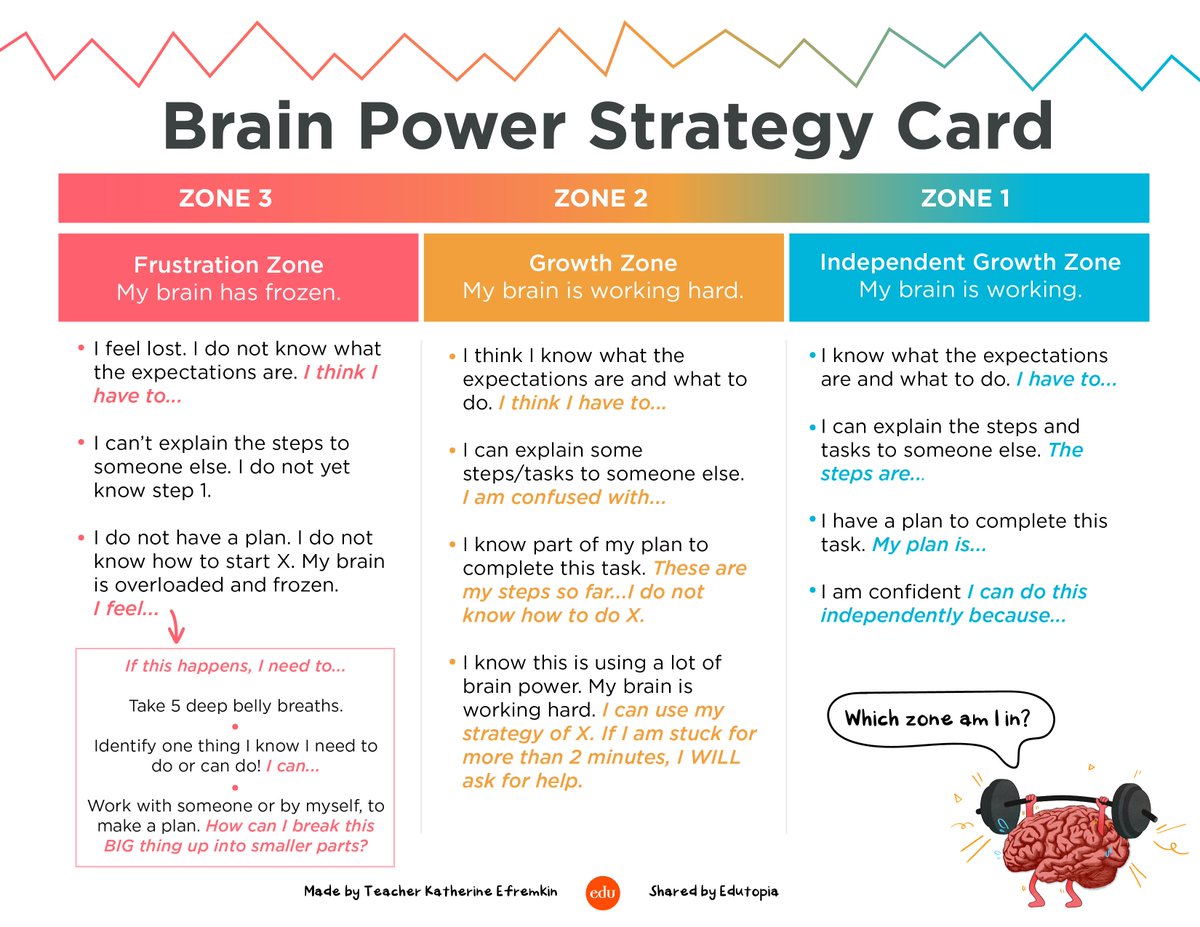
Great piece on cognitive load. We need to remember that classroom design can dramatic impact what load that students have left for learning. Teaching Young Students How to Overcome Cognitive Overload buff.ly/4hTDUKN
1
4
584
Andrew T. Schwab, Ed.D. retweeted

Mar 17
In an AI-driven world, a written report isn't proof of learning. The oral defense is: a high-fidelity moment where students must stand by their logic and defend their work. #Education #AI #Teaching
1
3
150
Andrew T. Schwab, Ed.D. retweeted

Mar 17
New study involving 770 high school students over 5 months across 10 schools. All students got the same lectures, course material, and GenAI tutor. The only difference: half received a fixed sequence of practice problems (easy to hard, standard practice), while the other half had their problem sequence dynamically personalized by a reinforcement learning (RL) algorithm.
The result: students with adaptive sequencing scored 0.15 standard deviations higher on an in-person, handwritten final exam: no devices, no AI assistance.
By some estimates, that's equivalent to 6–9 months of additional schooling. No extra instruction time or additional teacher workload. Beginners with no prior experience saw the largest gains (0.215 SD). Students at lower-tier schools benefited more than those at elite schools.
linkedin.com/posts/johnbaile…

14
83
468
65,618
Andrew T. Schwab, Ed.D. retweeted
Mar 17
How to Change Schools Without Changing Schools zhaolearning.org/2026/03/17/…
3
3
1,037
Andrew T. Schwab, Ed.D. retweeted

Mar 15
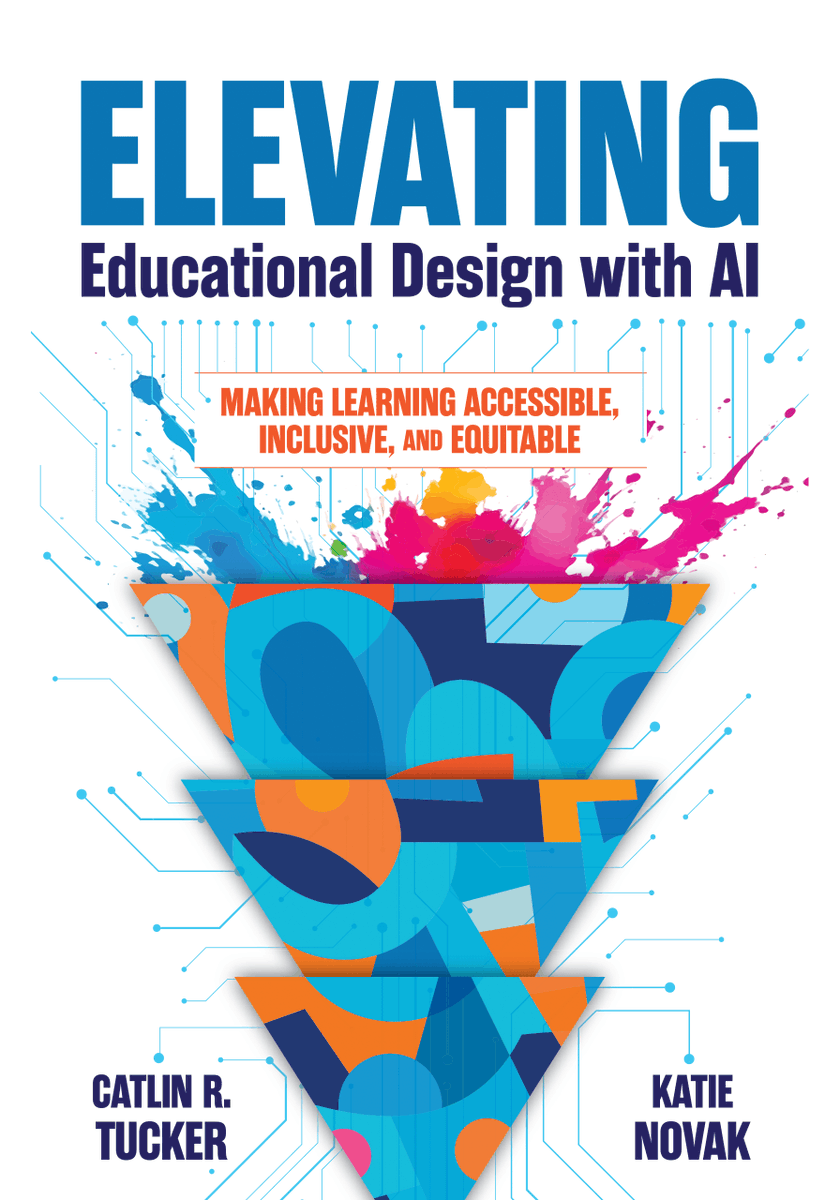
AI as gimmicky slop?
No thanks.
AI as a dynamic thought partner in service of great teaching?
Yes, please. 💡
Get your copy👇🏻
Amazon: bit.ly/3E71NQo
B&N: bit.ly/3C9gqCk
Bulk: bit.ly/4fnOckU
1
2
16
1,533
Andrew T. Schwab, Ed.D. retweeted
Mar 8
@theaieducatorx I just read your newsletter. Insightful as always. I think we need to get to a more human classroom - with an AI engine. I developed a framework that is working in my class - I call it the MasteryFlip, and it just got featured in Tech & Learning techlearning.com/technology/…
1
4
193
Andrew T. Schwab, Ed.D. retweeted
“Screens are hurting learning.” But what is worth learning? My new blog post at: zhaolearning.com/2026/03/08/…
1
3
10
2,094
Now Reading: “Screens are hurting learning.” But what is worth learning?
- “The real danger isn’t that students will use tools. The real danger is that schools will keep teaching as if tools don’t exist.”

“Screens are hurting learning.” But what is worth learning? My new blog post at: zhaolearning.com/2026/03/08/…
49
Andrew T. Schwab, Ed.D. retweeted
Mar 7
More on NotebookLM.
Mar 7
I accidentally discovered how to compress a semester of learning into 48 hours.
A grad student at MIT showed me his NotebookLM setup. I thought he was just organized. Then I watched him pass a qualifying exam on a subject he'd never studied before.
Here's exactly what he did:
First: he didn't upload a textbook.
He uploaded 6 textbooks, 15 research papers, and every lecture transcript he could find on the subject.
Then he asked NotebookLM one question:
"What are the 5 core mental models that every expert in this field shares?"
Not "summarize this." Not "explain this topic."
Mental models. The stuff that takes professors years to develop.
But the next part is what broke my brain.
He followed up with:
"Now show me the 3 places where experts in this field fundamentally disagree, and what each side's strongest argument is."
In 20 minutes he had a map of the entire intellectual landscape of the field:
the debates, the consensus, the open questions.
Most students spend a full semester just figuring out what those debates even are.
Then he did something I've never seen before.
He asked:
"Generate 10 questions that would expose whether someone deeply understands this subject versus someone who just memorized facts."
He spent the next 6 hours answering those questions using the source material. Every wrong answer triggered a follow-up:
"Explain why this is wrong and what I'm missing."
By hour 48, he could hold a conversation with his thesis advisor without getting destroyed.
The tool didn't change. The questions did.
Most people treat NotebookLM like a fancy highlighter.
These students are using it like a private tutor who has read everything ever written on the subject.
The difference between a semester and 48 hours isn't the amount of content.
It's knowing which questions to ask.

1
1
3
888
Andrew T. Schwab, Ed.D. retweeted

Mar 5
115
421
5,765
3,763,855
Andrew T. Schwab, Ed.D. retweeted
Recent Reports about AI in Schools: What’s Happening and What Should Be Happening? zhaolearning.com/2026/03/04/… Read my recent blog post
1
5
7
1,729