
Instructor @um_bmg @UM_RadyFHS @umanitoba || #PrecisionMedicine #GenomicMedicine #CancerGenomics || 🦋 apantaz.bsky.social
Joined September 2010
- Tweets 910
- Following 638
- Followers 536
- Likes 940
48 Photos and videos
Angeliki Pantazi retweeted

Jan 28
AlphaGenome is out in @nature today along with model weights! 🧬
📄 Paper: nature.com/articles/s41586-0…
💻 Weights: github.com/google-deepmind/a…
Getting here wasn’t a straight path. We sat down @googledeepmind to discuss the story behind the model, paper & API: youtu.be/V8lhUqKqzUc
29
477
1,863
225,777
Angeliki Pantazi retweeted

📢Paper alert!
Read about popEVE, a deep generative model that ranks missense variants by deleteriousness across the proteome, by combining evolutionary and population data. It flags novel genes and can identify causal variants even in singleton exomes.
nature.com/articles/s41588-0…
5
21
1,793
Angeliki Pantazi retweeted

5 Nov 2025
There is a fascinating tension here: accuracy comes at the cost of flexibility. This study really captures how “hallucination-free” AI in education might look: verified, context-aware, and always on. The question now is how much constraint learners want.
4 Nov 2025

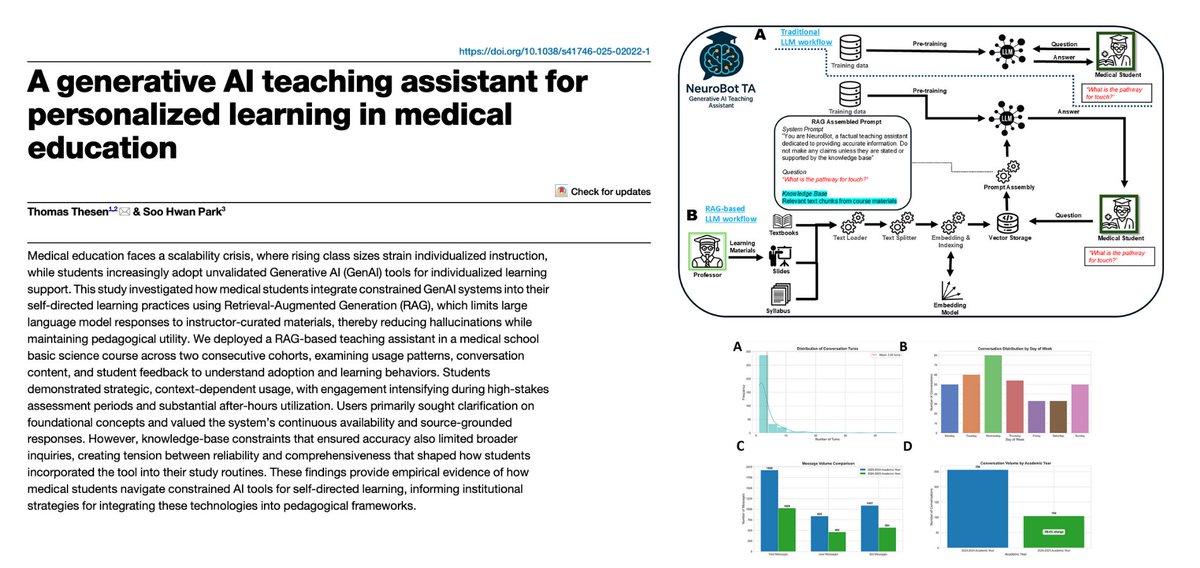
🚨 I just read the most important AI paper of 2025 and it might redefine how medical students learn.
A new paper from Dartmouth and Stanford shows that generative AI can finally deliver personalized tutoring at scale without hallucinations.
They built a system called NeuroBot TA, an AI teaching assistant powered by Retrieval-Augmented Generation (RAG). It only answers from instructor-approved materials, meaning it’s accurate and contextual.
The results?
• 329% spike in student usage before exams
• Heavy after-hours use (post–5 pm)
• Most questions on neuroanatomy & clinical disorders
• Students trusted it more because it cited real sources but some wanted it less constrained
The tension is clear:
Reliability vs. breadth.
Students love AI that’s grounded in truth, but they still crave flexibility.
This is what the future of med ed looks like: precision learning tailored, verified, 24/7 tutoring built directly from your course.
Full paper: npj Digital Medicine (Nature, 2025)
9
17
1,180

18 Sep 2025
The life-saving secrets in your baby's DNA (Robert C. Green | TED2025) go.ted.com/WGcSU via @TEDTalks @Genomes2People @RobertCGreen
38
Angeliki Pantazi retweeted

Research highlights how long-read sequencing is helping close the diagnostic gap for rare diseases.
Using a nanopore-based pipeline, researchers resolved 11 rare disease cases, uncovering variants and epigenetic changes missed by short-read approaches.
medrxiv.org/content/10.1101/…
8
20
963
Angeliki Pantazi retweeted

9 May 2025
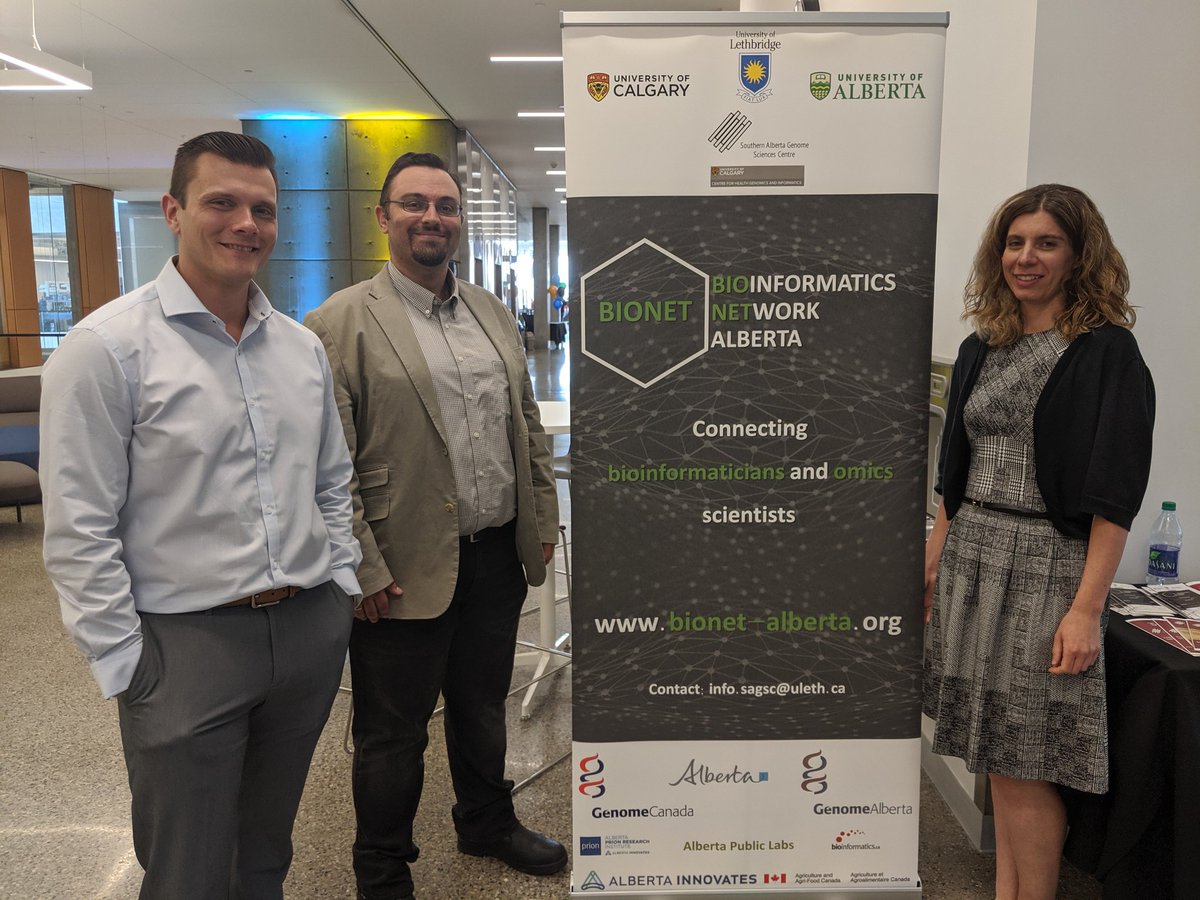
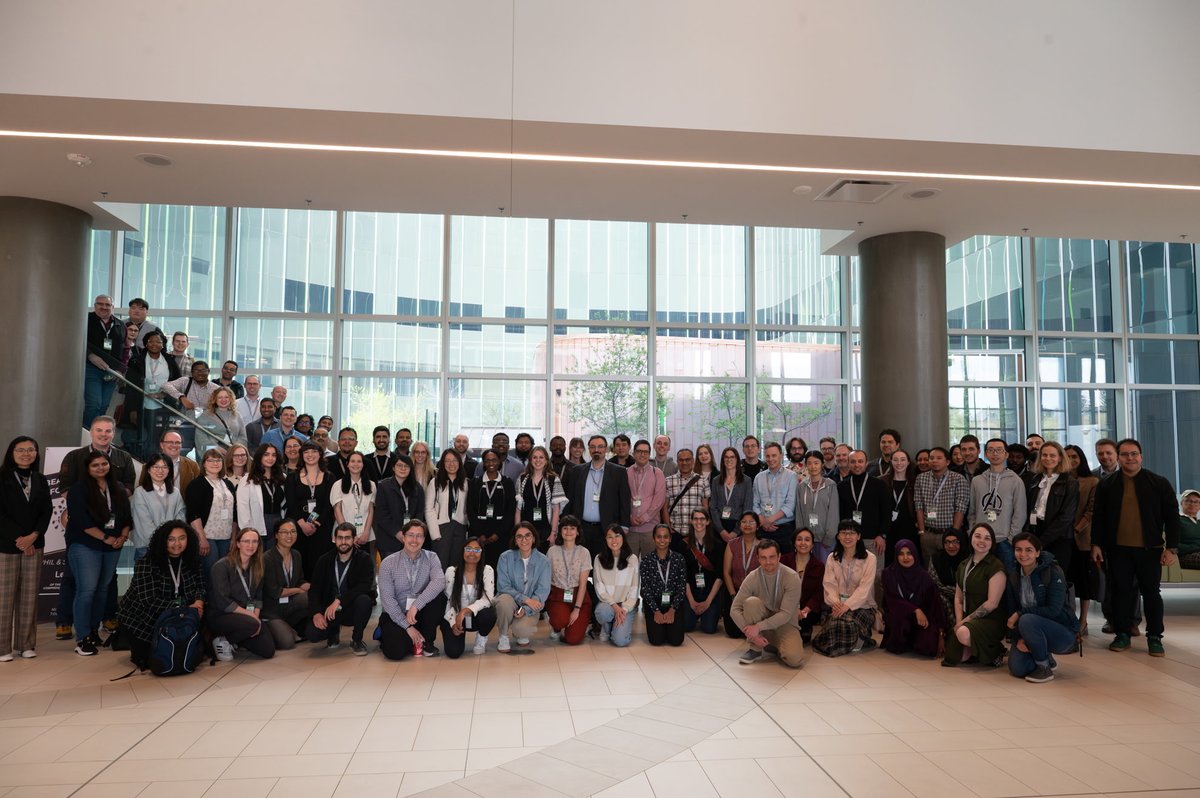
A sincere thank you to all participants for contributing to an engaging and inspiring #BioNet2025. We look forward to seeing you again next year at #BioNet2026 #bioinformatics #omics
1
7
13
669
Angeliki Pantazi retweeted

18 Mar 2025
An initiative bringing together @umanitoba, @CHRIManitoba & the Manitoba Tumor Bank to revolutionize health care in the Prairies.
By analyzing the DNA of 3,000 individuals, we’re unlocking earlier diagnoses & targeted treatments for diseases like cancer.
youtu.be/VVaiyo_MsM0?si=REHY…
7
11
1,078
6 Mar 2025
Very exciting times and a great team to work with on #PrecisionHealth in Canada!
6 Mar 2025

Congratulations to Dr. Rockman-Greenberg @drcgreenberg and our Academic Lead Dr. Zovoilis @ZovoilisLab for this success! 🎉
1
99
Angeliki Pantazi retweeted

18 Feb 2025
Looking for a faculty position? How about a postdoc position?
Canadian Women in STEM launches an easy to use Job Board. #job #facultyposition #pdfposition
canadianwomeninstem.org/job-…
3
223
Angeliki Pantazi retweeted

11 Feb 2025
🚨We're hiring! 🚨
BMG is seeking an Assistant/Associate Professor with expertise in Cancer Biology—focusing on genetics and/or biochemistry.
📅 Application review begins March 31, 2025.
🔗More info: viprecprod.ad.umanitoba.ca/D…
4
2
259
11 Feb 2025
📢 Our Department @um_bmg is Hiring! 🎓
Join our team as an Assistant/Associate Professor in #Cancer Biology at @UM_RadyFHS @umanitoba! 🌟 Contribute to research, teaching, and innovation in a dynamic academic environment.
🔗 More details & apply here: viprecprod.ad.umanitoba.ca/D…
3
2
279
Angeliki Pantazi retweeted
5 Feb 2025
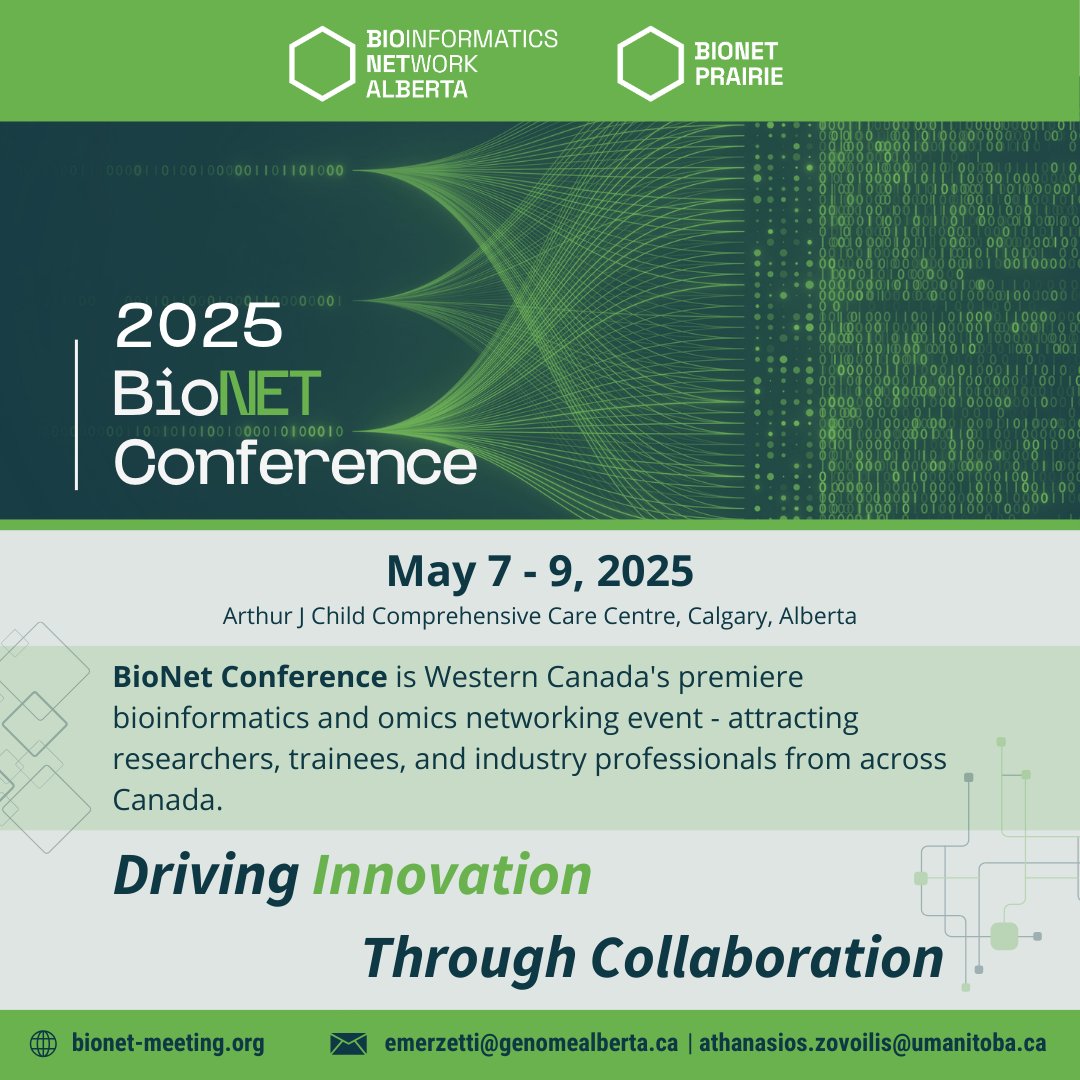
🚀 Exciting Announcement for the 5⃣th Annual @BionetCanada Conference! 🎉
Join us at #BioNet2025 in May in Calgary! 📍 Connect with #bioinformatics experts, explore groundbreaking ideas, and engage in insightful discussions
🗓️ Save the date! Register now: bionet-meeting.org/registrat…
3
5
877
Angeliki Pantazi retweeted

31 Jan 2025
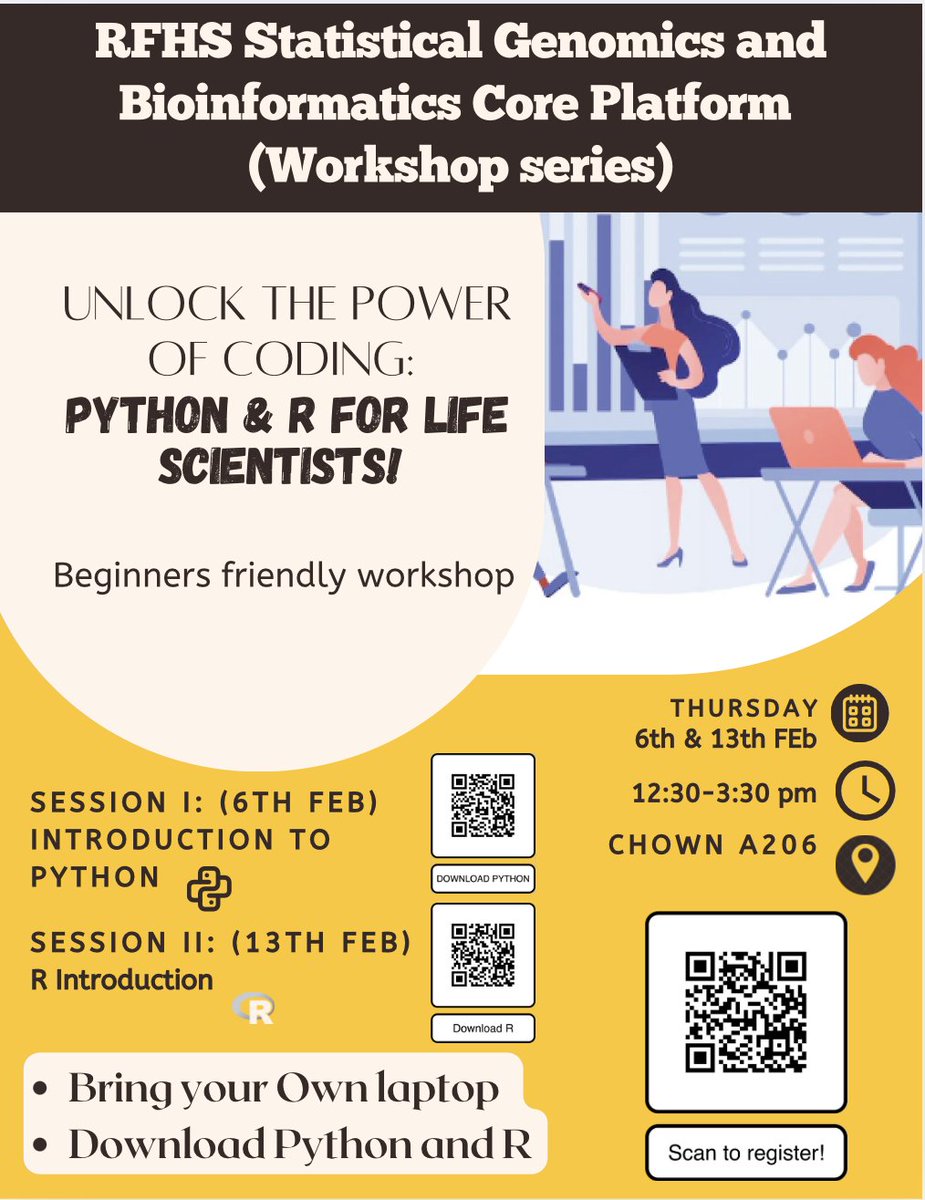
Join us for the new workshop series of the RFHS Statistical Genomics and Bioinformatics Core Platform #python #R @um_bmg @UM_RadyFHS @umanitoba
2
6
8
616
Angeliki Pantazi retweeted

8 Dec 2024
"That got me hooked on computers and AI for the rest of my life."
2024 chemistry laureate Demis Hassabis describes how playing chess competitively at the age of four led him to becoming an AI programmer. From there he went on to solve big problems in biology, developing an AI model to predict the structure of virtually all known proteins.
Watch his full Nobel Prize lecture: bit.ly/4f77WJi
24
146
663
94,624

Angeliki Pantazi retweeted

21 Nov 2024
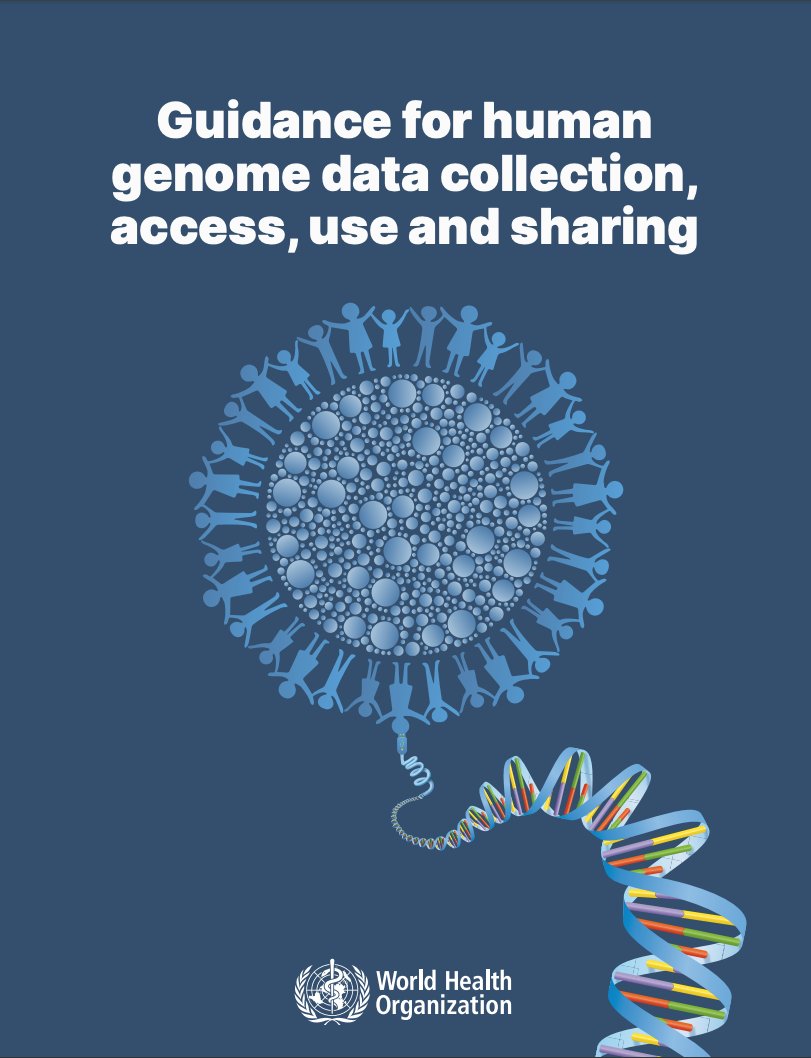
📣 Today the @WHO's #Genomics Program launched its principles for the ethical human genome data collection, access, use and sharing. 🌎🧬
Read more & access the full document here 👉 who.int/news/item/20-11-2024…
#genomics #globalhealth #data #equity
#collaboration #research #WHO
3
7
482
Angeliki Pantazi retweeted
19 Nov 2024
📢Join us on May 7-9 2025 for the 5th Annual BioNet Conference at Calgary's new Arthur J.E. Child Comprehensive Cancer Centre!
Stay tuned for more details—mark your calendars! 🖊️✨
#SaveTheDate #BioNet2025
2
1
241
Angeliki Pantazi retweeted

7 Nov 2024
UM researchers are utilizing artificial intelligence to improve cancer research and early detection of genetic diseases, potentially revealing previously overlooked insights. Read more: brnw.ch/21wOszX
#UManitoba #UMResearch @UM_RadyFHS
6
20
2,518
Angeliki Pantazi retweeted
23 Oct 2024
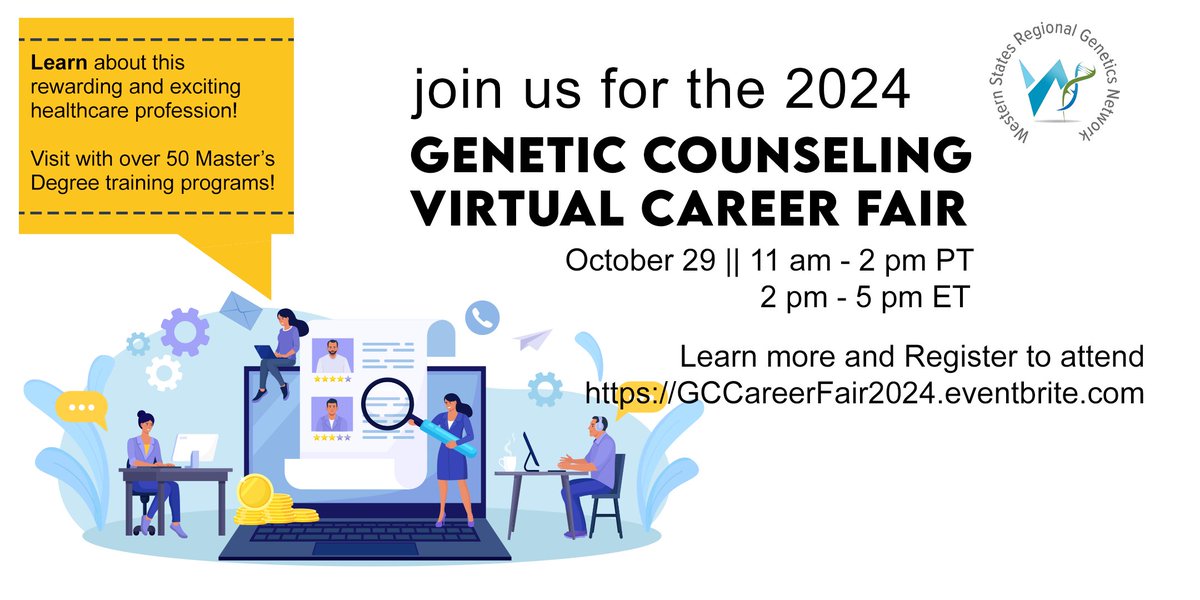
Interested in GC programs? Join the Western States Virtual Career Fair on Oct 29 (1-4pm CST) to learn about U of Manitoba’s MSc in Genetic Counselling. Canadian Programs will all be in one room, with 15 minute overview videos & follow-up Q&A. Register: GCCareerFair2024.eventbrite.…
3
2
230
Angeliki Pantazi retweeted

30 Oct 2024
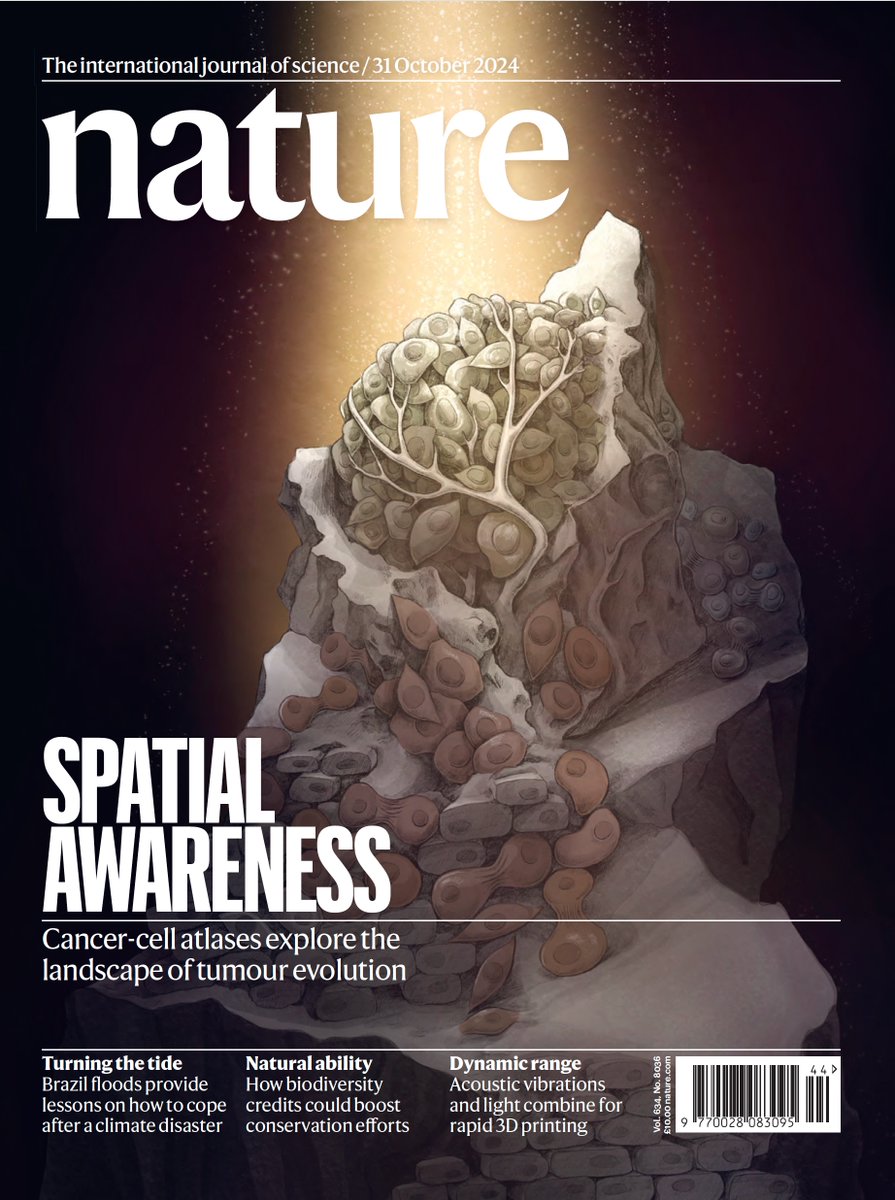
A huge day for spatial omics of cancer, tracing the precise origin and evolution of 20 types of cancer, many in 3D, in ~2,000 individuals, with 12 publications @Nature @NatureCancer @NatureMedicine @naturemethods @CommsBio
Collection nature.com/immersive/d42859-…
9
296
934
118,438