
47 Photos and videos











Ateret retweeted

Jun 12
Remember: statements from both Trump and Iran mean absolutely nothing. They change their versions 20 times per day. Don't get blackpilled over what either side says. Wait to see the actual deal, if such a deal even exists. Might be both sides are making that up too.
26
37
226
4,515
Ateret retweeted

Jun 5
I've met Trump before, and I like the guy. But in the Middle East, we need Trump to speak fluent Arabic and Persian not English. The Islamic regime in Iran should be confronted, not endlessly negotiated with. The Persian people and their great civilization deserve freedom, prosperity, and a future beyond the rule of the mullahs. Persia gave the world poets, scholars, and empires. It deserves better than isolation, repression, and fear.
255
1,318
2,839
64,514
Ateret retweeted

May 31
Ah, let me explain. It's because having troops facing terrorists, on their territory, is better that having terrorists on our territory butchering civilians.
In the end we found out that were only these two bad options, and we chose the less bad.
Happy to help.
9
30
354
96,396
Ateret retweeted
May 31
This was Hamas’s own PR: an 8-year-old hostage begging for her life. But they still won the PR battle, with the full support of Western media. If you are wondering why that is, you don’t know much about Jew-hate.
322
3,556
14,995
319,870
Ateret retweeted

May 29
נתנאל אלינסון ברשת המקבילה:
שלא יחמוק לנו מתחת לרדאר בתוך האירועים הקשים השבוע, אבל שני בני הזוג היפים האלה, אולגה ורוסלן נרצחו שניהם בשעה שטיילו בלב ארץ ישראל. היום נעצר החשוד ברצח, ערבי ישראלי, והרקע- לאומני.
אולגה ורוסלן פריחודקו מראשון לציון, נמצאו בסוף השבוע ירויים ברכב, בשטח פתוח בסמוך לתל גזר בו הם טיילו. הידיעה לא הודהדה מספיק עקב אי הבהירות לגבי מה שקרה שם. עכשיו מסתמן בסבירות גבוהה שמדובר בפיגוע אכזרי.
הנער החשוד, בן 17, נעצר על-ידי כוחות של הימ"מ מחשש שהוא יהיה חמוש ומיוחס לו רצח כפול על רקע לאומני. אחיו של החשוד היה מעורב לפני כמה שנים בפיגוע דריסה במרכז הארץ.
עוד זוג מהמם בתוך המלחמה שבה נרצחו הכי הרבה בני זוג, יחד, מאז קום מדינת ישראל.
מלחמת המשפחות.
הנה הרשימה שאספתי בצער רב
אודות זוגות שנרצחו יחד במלחמה:
דינה וג'ניה קאפישטר, באר שבע
נח ומעינה הרשקוביץ, בארי
עמיר ומתי וייס, בארי
לבנת ואביב קוץ, בארי
יסמין ואורון בירה, בארי
רפי ואורית סבירסקי, בארי
סמי ועפרה קידר, בארי
אביתר ולילך קיפניס, בארי
יצחק וחנה סיטון, בארי
דרור ויונת אור, בארי
מני ואיילת גודארד, בארי
מרינה ואיגור לוסב, בארי
זאב וזהבה הקר, בארי
שמוליק ויהודית וייס, בארי
מרסל ודרור קפלון, בארי
מרדכי נווה ויונה פריקר, בארי
סרגיי וויקטוריה גרדסקול, אופקים
יפתח ומריה יאחנגילוב אופקים
ולדימיר וסוניה פופוב, אופקים
דולב ואודיה סויסה, שדרות,
רונית ורולאן סולטן, חולית
שחר ושלומי מתיאס, חולית
מאיר וליז אלחרר, חולית
עינב ומטיאס בורנשטיין, כרמיאל
אבנר ומיה גורן, ניר עוז
תמר ויונתן סימן טוב, ניר עוז
ג'ודי וגדי חגי, ניר עוז
יוסי ומרגיט סילברמן, ניר עוז
בלהה ויעקובי ינון, נתיב העשרה
איילת ניר ושלמה מולכו, נתיב העשרה
רותי ואריה אקוני ובתם אור, נתיב העשרה
יזהר וגילה פלד, כפר עזה
איתי והדר בריצ'בסקי, כפר עזה
רם ולילי איתמרי, כפר עזה
רועי וסמדר עידן, כפר עזה
אביב ודורית ורטהיים, כפר עזה
איתן ותמי זיו, כפר עזה
יגאול וסינדי פלש, כפר עזה
אורלי ודוד שוורצמן, כפר עזה
יסמין ויניב זוהר, נחל עוז,
נעם אליקים ודקלה ערבה, נחל עוז
איתי ואתי זק, כיסופים
אדיר ושירז תמם, חולון
נאג'י וגל עבדוש, קרית עקרון
נועה וניר ברנס, אורטל
ועכשיו גם-
אולגה ורוסלן פריחודקו, ראשון לציון.
(זו רק רשימת הזוגות. על רשימת שאר קשרי המשפחה, אני עומל).
לא לשכוח אותם, ולא את קודמיהם.
ולהמשיך להילחם עד תום במנוולים המרצחים מעזה, מלבנון, ומתוך ישראל.

14
53
377
6,623
Ateret retweeted

May 28
Democrats cannot grasp that Palestinians don’t want peace.
They don’t want a state. They don’t want coexistence. They want to slaughter the 10 million people in Israel.
It’s why Israel has checkpoints. It’s why they held a parade for the infants they strangled. It’s why October 7th happened.
If you want peace, deradicalization of Palestinians the same way we deradicalized Germans after Nazis is the only way.

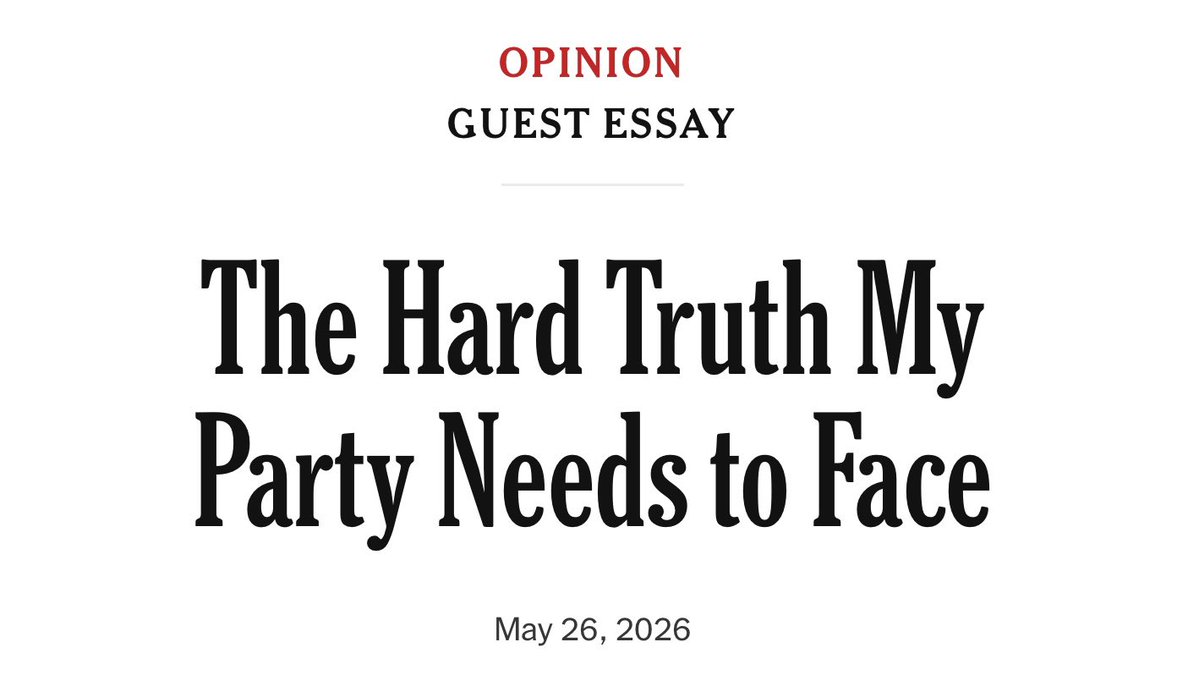
Democrats have provided reflexive & unconditional support to Netanyahu & Israeli governments, even as they undermined the values we claimed to stand for.
It's time to end taxpayer-funded support & condition arms sales to end the occupation & salvage a 2-state solution.
nytimes.com/2026/05/26/opini…
417
472
3,326
128,535
Ateret retweeted

May 28
Good deal = Iranian regime removed
Bad deal = anything else
448
1,764
7,737
81,402
Ateret retweeted

May 28
65 מיליון דולר, לאורך שנים, כדי להרעיל את המוחות באמריקה.
קטאר זאת לא מדינה אלא משרד הרייך לתעמולה בגלגול מודרני.

27
42
677
10,967
Ateret retweeted

May 27
היי שבכ,
היי צהל,
היי משטרה,
אולי יש להם רעיון למה הרכב הזה מחכה בגבול? למי הוא מחכה?
אגב, אותו פרופיל בטיקטוק שמעלה את הרכב הזה, מעלה גם את זה..>>
23
127
732
25,489
Ateret retweeted

May 27
אין סיבה בעולם לא להפציץ את השיירה הזו

הלווייתו בעזה של מפקד הזרוע הצבאית של חמאס למשך עשרה ימים, מוחמד עודה.
24
22
810
23,601
Ateret retweeted
May 27
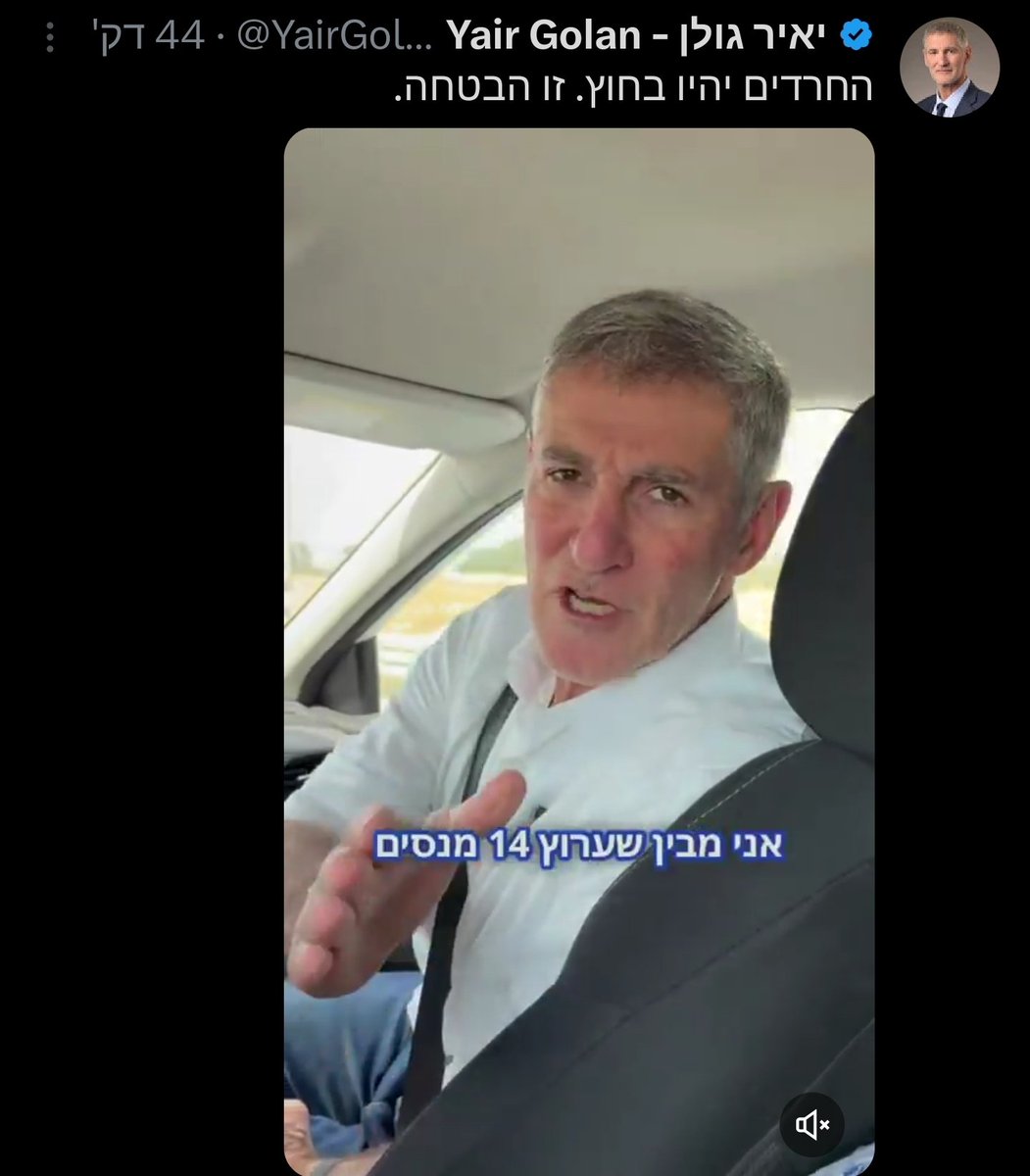
מביך.
כולם שמעו בדיוק מה אמרת. ולצעוק "ערוץ 14" לא ישנה את זה.
מתי סוף סוף נפסיק את השיח הזה? יאיר גולן הרי יגיד שהחרדים יהיו בחוץ, (עכשיו, אחרי שנתפס אומר את ההיפך), בנט יגיד שהערבים יהיו בחוץ, ליברמן יגיד שהערבים בכלל צריכים להיות בעזה... אולי תתחילו להגיד מי יהיה בפנים?
אני רוצה לחזור לפוליטיקה נורמלית. יש פה רוב של אזרחים שמסכים על המון. ואני לא אומר את זה בקטע של לאבי דאבי או הסכמות רחבות, אלא בקטע של דברים שאפשר לקדם, באמת. מי קבע שכל ממשלה בישראל חייבת להיות בת ערובה של רעמ או של יהדות התורה? מה כל כך רע ברעיון של ממשלת אחדות?
ובאמת שאין לי בעיה שבממשלת אחדות ישבו גם מפלגות מגזריות, אבל כן חשוב שהממשלה לא תהיה תלויה בהם. יש פה רוב, וגם לרוב הזה יש אינטרסים. כאלה שקריטיים לעצם קיומה של המדינה הזאת.
43
15
388
7,818
Ateret retweeted
May 27
If you don't want to lose territory, don't bomb Israel from your territory. It's really that simple.
70
87
1,290
14,359
Ateret retweeted

May 26
רק אתמול מדינה שלמה כאבה את נפילתו של נהוראי לייזר.
אולי הגיע הזמן להפסיק עם הכינוי הזה.
16
3
303
23,439
Ateret retweeted
May 26
Reminder: not one inch of Lebanese land was occupied by Israel before Hezbollah decided to start bombing Israeli civilians on October 8 in a pure war of aggression.
109
252
1,965
27,581
Ateret retweeted

May 26
Most people have no idea about the real history of Al-Aqsa Mosque, because they’ve only been fed the Islamic Palestinian propaganda version of events.
They believe that Al-Aqsa has always been Islam’s third holiest site, that it has belonged to Muslims since the dawn of time, and that Israel is the oppressor for merely existing near it.
None of that is true.
The Temple Mount in Jerusalem was the holiest site in Judaism for over a thousand years before Islam even appeared in history. It housed the First and Second Jewish Temples, the center of Jewish worship and pilgrimage.
When the Romans destroyed the Second Temple in 70 AD, they built pagan shrines over it, but its Jewish identity never disappeared.
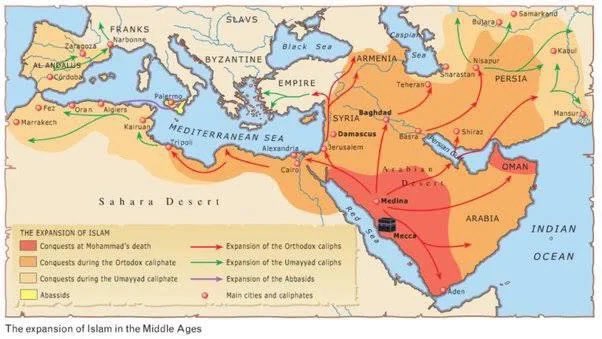
In the 7th century Islam emerges and expands through conquest, and begins hijacking Jewish and Christian sites, prophets, and narratives.
At first, Jerusalem had no major significance in Islam. Muhammad never set foot there. There was no mosque. There was no pilgrimage. There was no Islamic history tied to the city.
But that changed during the brutal power struggle between Abd al-Malik ibn Marwan and Abdullah ibn al-Zubayr.
By the late 7th century, Islam was deeply divided. Abdullah ibn al-Zubayr controlled Mecca and Medina, the two holiest cities in Islam. And Abd al-Malik ibn Marwan, the Umayyad Caliph, controlled the Levant.
But Abd al-Malik had a problem, he didn’t want the people of the Levant traveling to Mecca for pilgrimage, because that would give power to his rival.
Abd al-Malik declared the Temple Mount as Alaqsa mosque that was mentioned in the quran, and he made it an alternative place of pilgrimage.
He ordered the construction of the Dome of the Rock and the Al-Aqsa Mosque to divert attention from Mecca.
And just like that, Islam manufactured a holy site for political gain.
The real Masjid Al-Aqsa referred to in the Quran was not in Jerusalem, it was between Mecca and Ta’if. There was no mosque in Jerusalem at the time. There was no Islamic presence there.
Yet, centuries later, after Islam had conquered the city, the Islamic narrative retroactively applied this Quranic verse to Jerusalem, again, for political convenience.
If Israel wanted to act like Islamic conquerors, it could have easily done to Al-Aqsa what Turkey did to the Hagia Sophia.
It could have converted the mosque into the Third Temple, banned Muslim prayer on the site, erased any trace of Islamic history, as Muslims did to Christian and Jewish sites throughout history.
But Israel didn’t do that. Israel allows Muslims to pray there freely. Israel protects Al-Aqsa, even as it is used to spread anti-Semitic propaganda and incite violence.
Yet, despite this, the world condemns Israel for merely existing in its own capital.
130
1,642
3,641
118,427
Ateret retweeted
May 25
When Islam speaks Arabic, it speaks with a voice that is raw, unfiltered, and closer to the ideological furnace from which it was forged.
Arabic is not just the language of Islam’s sacred texts, it is the language of its original imagination, its political ambitions, and its civilizational blueprint.
Islam was built atop the pre-Islamic Arab world’s harsh values: tribal loyalty over individual conscience, honor over mercy, conquest over coexistence, submission over questioning.
Islam did not erase these instincts, it baptized them, canonized them, and universalized them.
The Bedouin code of survival became divine law. The Arab instinct for tribal supremacy became the global mandate of the Ummah.
In short, Islam did not civilize the Arabian Peninsula. It sacralized its savagery.
This is why Arabic-speaking Islam remains the purest, most potent version.
It is Islam in its native environment, free from the tensions and contradictions that arise when Islam migrates into non-Arab cultures.
In Indonesia, in Africa,and in South Asia, Islam must compromise. It must negotiate with older traditions: Buddhist compassion, Hindu metaphysics, tribal pluralism.
Non-Arab Muslims often unconsciously dilute Islam’s harder edges, trying to reconcile what is ultimately irreconcilable: the religion’s rigid supremacy with their native instincts for coexistence.
But Arabic Islam feels no such internal struggle. It is Islam undiluted, unapologetic, and fully at home.
This is why, paradoxically, Arab countries survive Islam’s full force only under secular dictatorships.
Leaders like Nasser, Saddam, and Assad understood that Arabic Islam, if left unbridled, does not produce democracy, tolerance, or pluralism. It produces absolutism, sectarianism, and civilizational warfare.
It can only be contained by a stronger fist than its own, a secular, nationalist power that forces Islam back into the private sphere through sheer force of will.
Without that, the political logic embedded in Arabic Islam will erupt into dominance.
Today, as Islam plants deeper roots in the West, it is not the softened, syncretized Islam of the periphery that is gaining ground.
It is the Arabic Islam, the Islam that knows no shame in demanding supremacy, that sees the nation-state as an obstacle to the Ummah, that uses religious liberty as a Trojan horse until it can close the gates behind it.
Arabic Islam is the version being promoted in mosques, schools, and media outlets across Europe and North America. It is the Islam that carries not just a faith, but an ancient memory of conquest, of zero-sum struggle, of civilizational replacement.
The West imported people and got an ideology instead. It thought it was offering asylum to refugees; it was offering a stage to an ancient ambition.
17
203
513
12,306
Ateret retweeted

May 25
Why did it take Arabs another full generation after 1948 to adopt a "Palestinian" identity?
Because the identity was never primarily about a people. It was about a strategy.
For the first two decades after Israel's founding, the dominant Arab framework wasn't Palestinian nationalism. It was pan-Arabism. Nasser, the Ba'ath party, the Arab League. The operating theory was that "Arab" was the nation, and the various states were artificial colonial borders waiting to dissolve into one. A separate Palestinian identity would have undermined this project, not advanced it. If Arabs from Jaffa were a distinct nation, then Arabs from Damascus and Baghdad were too and pan-Arabism collapses.
So between 1948 and 1967, the residents of the West Bank were Jordanians. The residents of Gaza were under Egyptian rule. The displaced were "Arab refugees." The fight against Israel was an Arab fight, not a Palestinian one.
What broke this framework was 1967. Six days of catastrophic defeat ended pan-Arabism as a credible vehicle. Nasser was humiliated, the combined Arab armies were routed, and the dream of dissolving Israel through unified Arab power was over. A new vehicle was needed.
Enter the Palestinian national identity. Retooled, repurposed, weaponized. And the architects said so openly.
Zuheir Mohsen, PLO Executive Committee, 1977 (interview with the Dutch paper Trouw): "The Palestinian people does not exist. The creation of a Palestinian state is only a means for continuing our struggle against the State of Israel for our Arab unity. In reality today there is no difference between Jordanians, Palestinians, Syrians and Lebanese. Only for political and tactical reasons do we speak today about the existence of a Palestinian people, since Arab national interests demand that we posit the existence of a distinct Palestinian people to oppose Zionism."
Azmi Bishara, founder of Balad, former Knesset member, in a 1994 Israeli TV interview: "I don't think there is a Palestinian nation. I think there is an Arab nation. I always thought so... I think that until the end of the 19th century, Palestine was the south of Greater Syria." He went on to argue that Palestinian identity was a recent construction shaped by colonial borders and the conflict with Zionism, not an ancient nationhood. This from one of the most prominent Arab intellectuals inside Israel, who himself led a Palestinian-Arab political party.
Walid Shoebat, a former PLO operative who later went public: "Why is it that on June 4th 1967 I was a Jordanian and overnight I became a Palestinian? ...We considered ourselves Jordanian until the Jews returned to Jerusalem. Then all of the sudden we were Palestinians." Shoebat is a controversial figure with his own credibility disputes, but his autobiographical point about the timing is consistent with the historical record.
Hafez al-Assad to Yasser Arafat (recounted by Arafat himself and reported in Israeli and Arab press): "You do not represent Palestine as much as we do. Never forget this one point: There is no such thing as a Palestinian people, there is no Palestinian entity, there is only Syria. You are an integral part of the Syrian people, Palestine is an integral part of Syria. Therefore it is we, the Syrian authorities, who are the true representatives of the Palestinian people."
Joseph Massad, Columbia professor, sympathetic to the Palestinian cause, in The Persistence of the Palestinian Question (2006): acknowledges that Palestinian national identity in its current form crystallized in the 20th century in dialectic with Zionism, a serious academic admission, even from a pro-Palestinian scholar, that the identity is modern and reactive rather than ancient.
>>
May 25

What changed in 1948?
The Jews stopped being Palestinians.
May 14, 1948. Ben-Gurion reads the Declaration of Independence. The next morning, the residents of the Yishuv wake up as Israelis. The label they'd carried for decades was simply vacated.
The Palestine Post → Jerusalem Post (1950).
Palestine Symphony Orchestra → Israel Philharmonic.
Palestine Electric Company → Israel Electric Corporation.
Anglo-Palestine Bank → Bank Leumi le-Israel.
Palestine pound → Israeli lira.
Jewish Agency for Palestine → just the Jewish Agency.
"Palestinian" passports → Israeli ones.
Within 24 months, "Palestinian" had been stripped off every Jewish institution that had worn it.
Now the Arab side. Arabs did not rush to claim the empty label in 1948. They didn't claim it for another generation.
In 1948, the Arabs who fled or remained still called themselves Arabs. The Arab League's war wasn't fought in the name of "Palestine" as a nation. It was fought to prevent partition and absorb the territory into existing Arab states. Transjordan took the West Bank and East Jerusalem and in 1950 simply annexed them; the residents became Jordanian citizens with Jordanian passports. Egypt took Gaza and ran it under military administration. No citizenship, no nation, no "Palestine."
The one institutional use of "Palestinian" that survived 1948 was a refugee category: UNRWA, created December 1949, defined "Palestine refugees" as a humanitarian classification. Not a nationality. It kept the word alive in international bureaucratic language while the Arab world itself wasn't using it nationally.
Then came the long appropriation.
1964. Nasser sponsors the founding of the PLO in Cairo. The original charter (Article 24) explicitly disclaims any sovereignty over the West Bank, Gaza, or the Himmah area. Read that again. The founding document of the Palestine Liberation Organization renounces claims to the West Bank and Gaza. Because in 1964, those were Arab lands belonging to Jordan and Egypt.
The PLO's purpose was to liberate the part Israel held, not those parts.
1967. Israel takes the West Bank and Gaza in six days. Suddenly Jordan and Egypt no longer hold the territory, and the Arab residents there are no longer Jordanians or under Egyptian rule. The pan-Arab framework had just been humiliated on the battlefield. A new identity was needed.
1968. The PLO charter is rewritten. Article 24's disclaimer disappears. The West Bank and Gaza are now central to Palestinian national claims. The label has been fully transferred.
Sequence:
1917–1948: "Palestinian" = Jewish institutions and self-identification; Arabs reject the term and call themselves Arabs / Southern Syrians.
1948: Jews drop the label and become Israelis. The word goes dormant on the Arab side, surviving mainly as a UN refugee category.
1948–1967: Arabs in the West Bank are Jordanians. Arabs in Gaza are stateless subjects of Egyptian military rule. "Palestinian" is not yet a national identity.
1964–1968: The PLO transitions the label into a national identity but only after 1967 makes pan-Arabism politically untenable.
1948 didn't create a Palestinian Arab nation. It vacated a Jewish label and left a 20-year identity gap that Arab nationalism took until 1968 to fill.
30
426
1,254
52,454
Ateret retweeted
May 24
Until 1948, "Palestinian" overwhelmingly meant Jewish.
The Palestine Post (1932): Jewish newspaper, renamed the Jerusalem Post after Israel was founded.
The Palestine Symphony Orchestra (1936): built by Bronislaw Huberman to rescue Jewish musicians from Europe.
The Palestine Electric Company (Pinhas Rutenberg, 1923): Jewish.
The Anglo-Palestine Bank: became Bank Leumi.
Keren Hayesod was the "Palestine Foundation Fund."
The Jewish Agency's official name was the Jewish Agency for Palestine.
Jews carried "Palestinian" passports under the Mandate and used the term as a self-identifier.
Arab leaders, meanwhile, rejected it.
February 1919: the First Palestinian Arab Congress in Jerusalem declared Palestine "part of Arab Syria, as it has never been separated from it at any time." The slogan was Suriyya al-Janubiyya - Southern Syria.
1937: Auni Abd al-Hadi, founder of the Istiqlal Party, told the Peel Commission: "There is no such country as Palestine. 'Palestine' is a term the Zionists invented. Our country was for centuries part of Syria."
1946: Princeton's Philip Hitti, the most prominent Arab-American historian of his generation, told the Anglo-American Committee: "There is no such thing as Palestine in history, absolutely not."
The PLO wasn't founded until 1964. And even its founding charter explicitly disclaimed sovereignty over the West Bank (Jordanian) and Gaza (Egyptian). A distinct Palestinian national identity, defined against Israel rather than as part of pan-Arabism or Greater Syria, is largely a post-1967 phenomenon.
PLO Executive Committee member Zuheir Mohsen put it bluntly in Trouw, March 1977: "The Palestinian people does not exist. The creation of a Palestinian state is only a means for continuing our struggle against the State of Israel for our Arab unity. Today there is no difference between Jordanians, Palestinians, Syrians and Lebanese."
None of this means the millions who identify as Palestinian today aren't sincere. Identities get constructed, reinforced, become real. That's how nationalism works everywhere. But the sequence matters. A Jewish national identity tied to this land is millennia old. The Arab "Palestinian" identity, as something distinct from Syrian or pan-Arab, is a 20th-century construction. And for its first decades, the people we now call Palestinians actively rejected the label.
18
303
937
84,885
Ateret retweeted
May 25
What changed in 1948?
The Jews stopped being Palestinians.
May 14, 1948. Ben-Gurion reads the Declaration of Independence. The next morning, the residents of the Yishuv wake up as Israelis. The label they'd carried for decades was simply vacated.
The Palestine Post → Jerusalem Post (1950).
Palestine Symphony Orchestra → Israel Philharmonic.
Palestine Electric Company → Israel Electric Corporation.
Anglo-Palestine Bank → Bank Leumi le-Israel.
Palestine pound → Israeli lira.
Jewish Agency for Palestine → just the Jewish Agency.
"Palestinian" passports → Israeli ones.
Within 24 months, "Palestinian" had been stripped off every Jewish institution that had worn it.
Now the Arab side. Arabs did not rush to claim the empty label in 1948. They didn't claim it for another generation.
In 1948, the Arabs who fled or remained still called themselves Arabs. The Arab League's war wasn't fought in the name of "Palestine" as a nation. It was fought to prevent partition and absorb the territory into existing Arab states. Transjordan took the West Bank and East Jerusalem and in 1950 simply annexed them; the residents became Jordanian citizens with Jordanian passports. Egypt took Gaza and ran it under military administration. No citizenship, no nation, no "Palestine."
The one institutional use of "Palestinian" that survived 1948 was a refugee category: UNRWA, created December 1949, defined "Palestine refugees" as a humanitarian classification. Not a nationality. It kept the word alive in international bureaucratic language while the Arab world itself wasn't using it nationally.
Then came the long appropriation.
1964. Nasser sponsors the founding of the PLO in Cairo. The original charter (Article 24) explicitly disclaims any sovereignty over the West Bank, Gaza, or the Himmah area. Read that again. The founding document of the Palestine Liberation Organization renounces claims to the West Bank and Gaza. Because in 1964, those were Arab lands belonging to Jordan and Egypt.
The PLO's purpose was to liberate the part Israel held, not those parts.
1967. Israel takes the West Bank and Gaza in six days. Suddenly Jordan and Egypt no longer hold the territory, and the Arab residents there are no longer Jordanians or under Egyptian rule. The pan-Arab framework had just been humiliated on the battlefield. A new identity was needed.
1968. The PLO charter is rewritten. Article 24's disclaimer disappears. The West Bank and Gaza are now central to Palestinian national claims. The label has been fully transferred.
Sequence:
1917–1948: "Palestinian" = Jewish institutions and self-identification; Arabs reject the term and call themselves Arabs / Southern Syrians.
1948: Jews drop the label and become Israelis. The word goes dormant on the Arab side, surviving mainly as a UN refugee category.
1948–1967: Arabs in the West Bank are Jordanians. Arabs in Gaza are stateless subjects of Egyptian military rule. "Palestinian" is not yet a national identity.
1964–1968: The PLO transitions the label into a national identity but only after 1967 makes pan-Arabism politically untenable.
1948 didn't create a Palestinian Arab nation. It vacated a Jewish label and left a 20-year identity gap that Arab nationalism took until 1968 to fill.
May 24
Until 1948, "Palestinian" overwhelmingly meant Jewish.
The Palestine Post (1932): Jewish newspaper, renamed the Jerusalem Post after Israel was founded.
The Palestine Symphony Orchestra (1936): built by Bronislaw Huberman to rescue Jewish musicians from Europe.
The Palestine Electric Company (Pinhas Rutenberg, 1923): Jewish.
The Anglo-Palestine Bank: became Bank Leumi.
Keren Hayesod was the "Palestine Foundation Fund."
The Jewish Agency's official name was the Jewish Agency for Palestine.
Jews carried "Palestinian" passports under the Mandate and used the term as a self-identifier.
Arab leaders, meanwhile, rejected it.
February 1919: the First Palestinian Arab Congress in Jerusalem declared Palestine "part of Arab Syria, as it has never been separated from it at any time." The slogan was Suriyya al-Janubiyya - Southern Syria.
1937: Auni Abd al-Hadi, founder of the Istiqlal Party, told the Peel Commission: "There is no such country as Palestine. 'Palestine' is a term the Zionists invented. Our country was for centuries part of Syria."
1946: Princeton's Philip Hitti, the most prominent Arab-American historian of his generation, told the Anglo-American Committee: "There is no such thing as Palestine in history, absolutely not."
The PLO wasn't founded until 1964. And even its founding charter explicitly disclaimed sovereignty over the West Bank (Jordanian) and Gaza (Egyptian). A distinct Palestinian national identity, defined against Israel rather than as part of pan-Arabism or Greater Syria, is largely a post-1967 phenomenon.
PLO Executive Committee member Zuheir Mohsen put it bluntly in Trouw, March 1977: "The Palestinian people does not exist. The creation of a Palestinian state is only a means for continuing our struggle against the State of Israel for our Arab unity. Today there is no difference between Jordanians, Palestinians, Syrians and Lebanese."
None of this means the millions who identify as Palestinian today aren't sincere. Identities get constructed, reinforced, become real. That's how nationalism works everywhere. But the sequence matters. A Jewish national identity tied to this land is millennia old. The Arab "Palestinian" identity, as something distinct from Syrian or pan-Arab, is a 20th-century construction. And for its first decades, the people we now call Palestinians actively rejected the label.
61
469
1,324
116,594
Ateret retweeted
May 25
Islam is nothing like Judaism.
Judaism is a religion built on the idea of covenant. Islam is built on slavery.
In Judaism, God liberated you from the land of slavery first. Then, once you were free, you worshiped him.
Worship in Judaism is an act of taking slavery out of you, just as you were taken out of it.
It is the liberation act of destroying the idols of the heart to make you pure, just like the image you were created in.
The God of Israel does not want slaves to worship him. The liberated people has no choice but to praise him.
Islam is a religion of slavery, horror, and fear.
You were created not in the image of God, but as a slave, in chains, in perpetual debt to a brutal god who weaponizes your guilt to break you and keep you broken.
The Islamic god offers no redemption, only a cosmic brothel for the male slaves who never sought liberation from him.
Big difference.
May 25

Isn’t the same in orthodox Judaism?
32
234
861
27,770