HODL.law 💎🙌🏻 I Make Bitcoin Simple Through Videos 🎥 Click Media Tab! Not Legal, Tax, or Financial Advice. DYOR! imdb.com/name/nm2438193/
Joined April 2009
- Tweets 18,560
- Following 1,869
- Followers 2,180
- Likes 27,923
340 Photos and videos












Pinned Tweet

#Bitcoin is an economical train that cannot be stopped. It is protected by US Law.
58
187
750
BitKong | Steve Sanders⚡️🟧 Making Bitcoin Simple retweeted

🚨 BREAKING 🚨
The Vibes Republic of Capital Management has declared war on shorts. They are infidels, and they shall be destroyed.
7
4
76
4,901
BitKong | Steve Sanders⚡️🟧 Making Bitcoin Simple retweeted

When I said this throughout my campaign, CNN people called me cruel and unhinged. Now, after they helped secure the election for the 2 dorks responsible for all these problems, CNN is now echoing my campaign talking points as gospel. Fascinating!
894
10,561
59,524
815,538
BitKong | Steve Sanders⚡️🟧 Making Bitcoin Simple retweeted

51
544
1,750
19,697
Because that's exactly what the script, as well as his director's narrative, are attempting to do.
Call me slow, but I never before realized Spielberg is anti-christian.
14h

Steven Spielberg Believes That Disclosure Day Will Greatly Shake The Faith Of Christians All Over The Globe zerohedge.com/geopolitical/s…
1
42
BitKong | Steve Sanders⚡️🟧 Making Bitcoin Simple retweeted

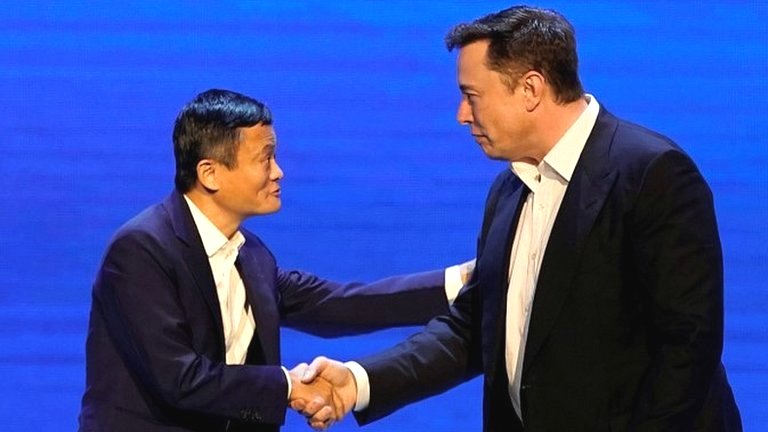
Ten years ago, Elon Musk and Jack Ma both looked like avatars of the future.
Musk was building electric cars, rockets, satellites, and AI. Jack Ma was building Alibaba, the crown jewel of China’s internet economy.
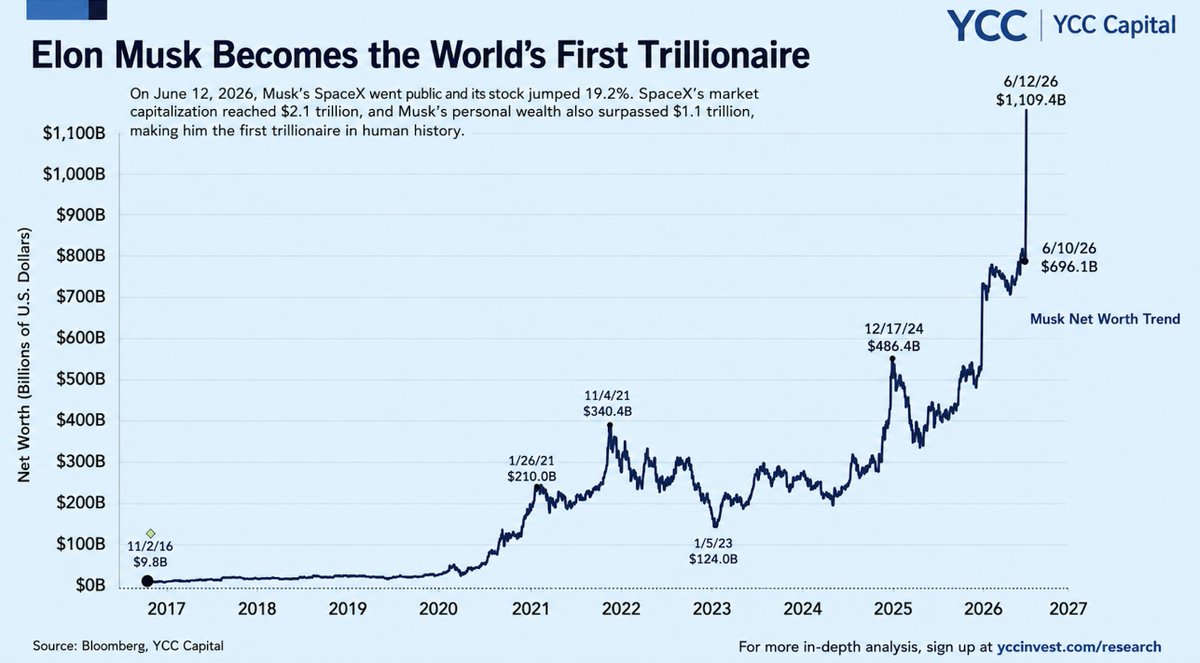
Fast forward a decade: Musk is worth $1.1 trillion.
Jack Ma was forced into silence, Ant Group’s IPO was crushed, Alibaba lost its aura(its stock plunged by more than 60% since 2020), and China’s tech sector went from world-beating to politically domesticated.
One entrepreneur was allowed to compound.
The other was reminded who really owns the scoreboard.
This is not just a story about two billionaires.
It is a story about two systems. One system lets madmen build rockets to Mars.
The other cuts down its most successful entrepreneur for flying too close to the sun.
That is why Musk became the world’s first trillionaire.
And Jack Ma became a warning label.

On June 12, 2026, SpaceX, Elon Musk’s flagship company, went public and its stock surged 19.2%, pushing the company’s market capitalization to $2.1 trillion. Musk’s personal net worth also climbed to $1,109.4 billion, surpassing the $1.1 trillion mark and making him the first trillionaire in human history.
243
881
3,945
936,115

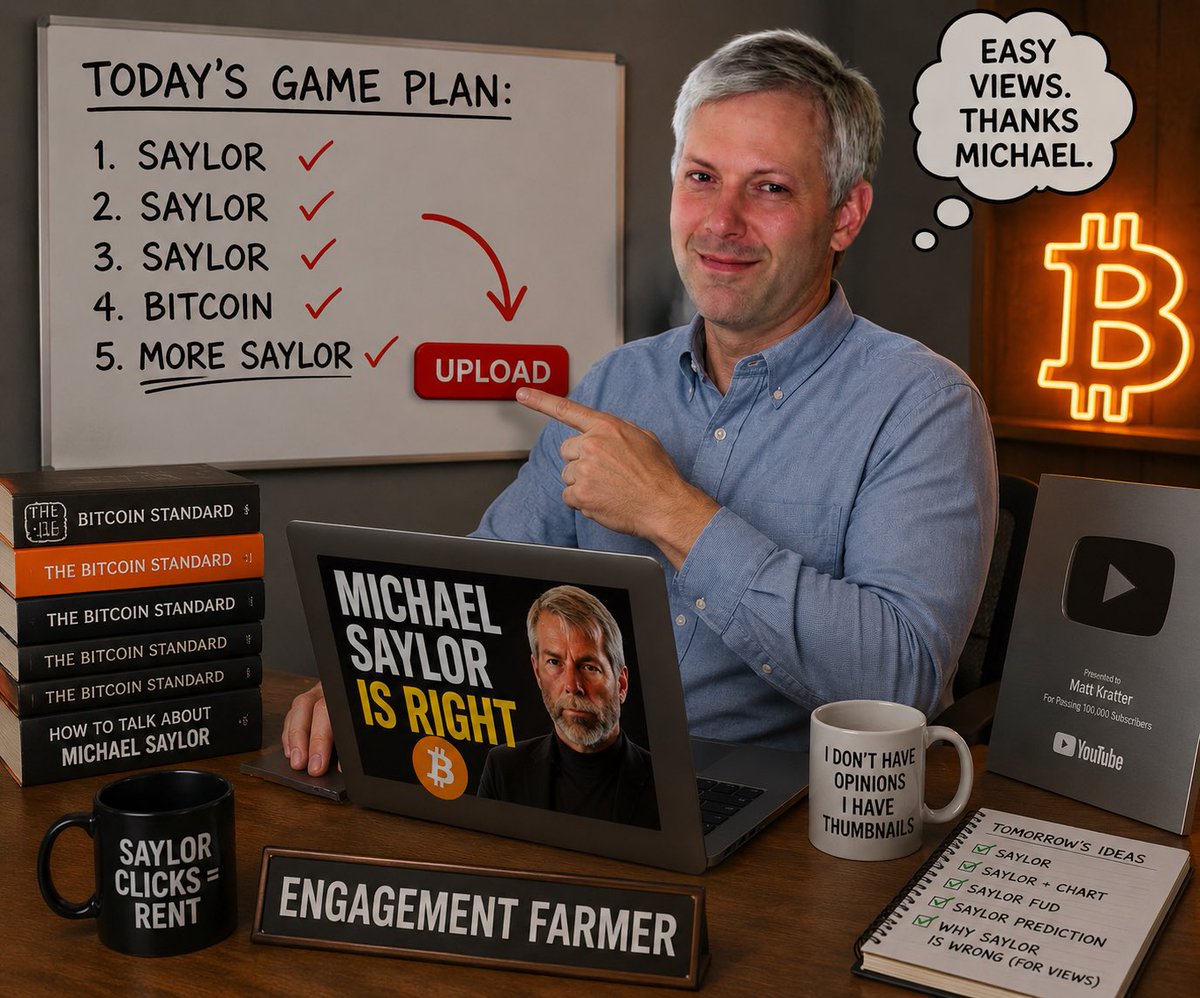
Matthew Kratter from Bitcoin University has 278K subs. He has dumped 50 videos and 20 hours into trashing Michael Saylor & Strategy (MSTR).
A guy who admits he doesn’t own it, calls holders “idiots” and “orange tie followers.” He is not just just educating. This is straight algo farming. Let’s look at the numbers.
Recent MSTR/Saylor videos crushing it:
• “Is Michael Saylor Cooked?”: 18K views (4 days)
• “The Actual Bad News For MSTR”: 20K views
• “More Thoughts On Michael Saylor and Strategy”: 20K views
• “How MSTR Can Go To Zero”: 20K views
• “MSTR Shareholders Getting Diluted”: 10K views
His dedicated MSTR playlist? Dozens of deep dives on dilution, STRC drama, “zero” scenarios.
Compare to his “normal” Bitcoin content:
• Mining/Lightning updates: 2-7K views
• General BTC talks: Often 4-8K views (e.g., recent BIP stuff, spending Bitcoin)
• Older big hits like “One Million Dollar Bitcoin”: 37K (but that’s outlier hype)
MSTR drama consistently 2-3x the views of his regular videos. Likes and engagement spike hard on the Saylor hate too.
Whats the Incentive?
Not love for MSTR holders (he shits on them).
Pure clicks & subs. Drama = algo push. Bear market volatility Saylor beef = endless content farm.
PREMIUM MEMEBERSHIPS and COURSES get promotes off Rage Bait.
Dedicating this much time to a company you hate? That’s not analysis, that’s a business model.
Saylor’s building a BTC treasury empire. Kratter’s building a YouTube empire off criticizing it.
Always follow the incentives!
74
17
221
12,193
BitKong | Steve Sanders⚡️🟧 Making Bitcoin Simple retweeted

21h
Elon could literally solve homelessness tomorrow.
All he needs to do is sell his stake in the companies he created from the ground up, crashing the price and evaporating his wealth as well as the savings and pensions of workers globally.. handing the control of these companies over to short term profit interests and preventing any long term vision from being enacted..
THEN take whatever money that remains which will be nowhere near 1tn and give it to homeless charities who have never solved homelessness anywhere on earth because they’re financially incentivised to do the opposite.
Bam - homelessness solved.
The reason he doesn’t do any of this is because he’s evil.
635
1,607
12,842
289,430

BitKong | Steve Sanders⚡️🟧 Making Bitcoin Simple retweeted
Conviction
259
244
6,329
127,062
BitKong | Steve Sanders⚡️🟧 Making Bitcoin Simple retweeted

Jun 13
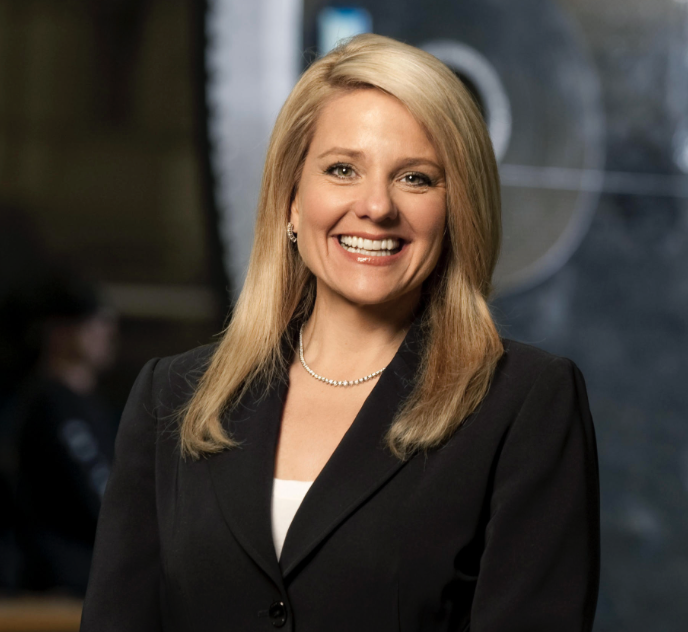
If Melania wasn’t married to Trump, she’d be on every magazine cover as the most elegant, dignified First Lady in modern history.
If Gwynne Shotwell didn’t work for Elon, she’d be universally celebrated as one of the greatest executives alive.
The same people who worship “strong women” suddenly go blind when she stands next to the wrong man.

1,283
6,667
39,244
467,407
BitKong | Steve Sanders⚡️🟧 Making Bitcoin Simple retweeted

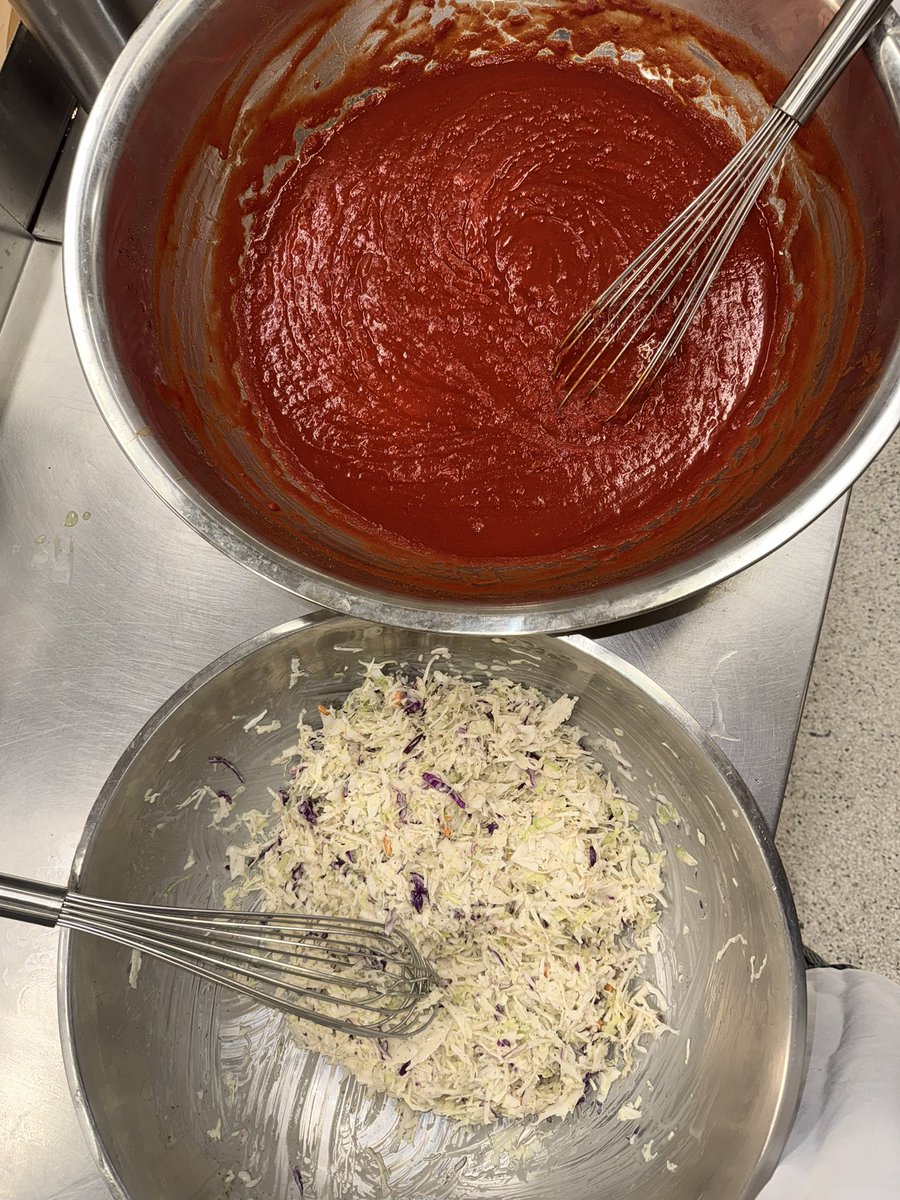
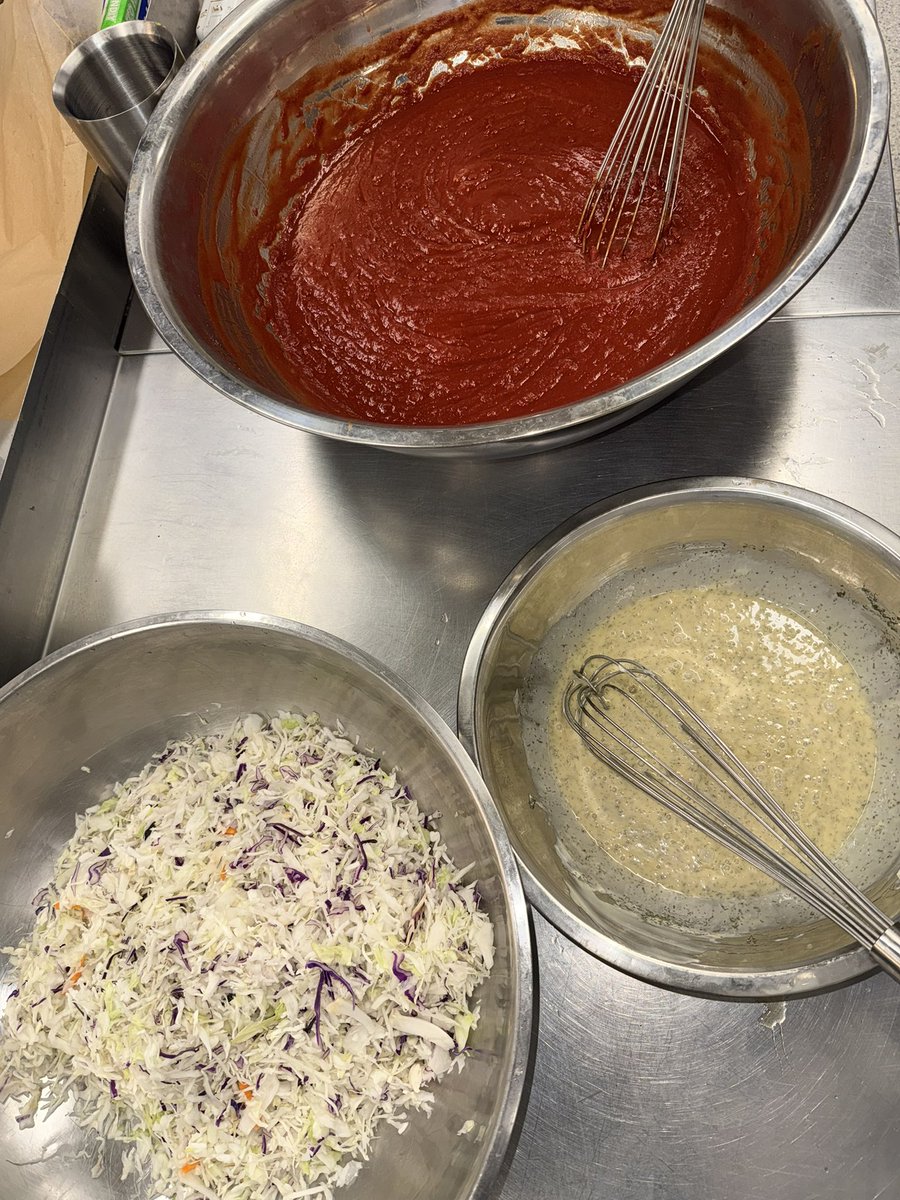
OUR KETCHUP: NO ARTIFICIAL COLORS/ FLAVORS/ PRESERVATIVES
COLESLAW: SEED OIL FREE, NO ARTIFICIAL ANYTHING.
THIS IS HOW FAST FOOD SHOULD BE.
4
9
77
2,760
BitKong | Steve Sanders⚡️🟧 Making Bitcoin Simple retweeted

Jun 14
Not all liabilities are equal. Short-duration, high-cost liabilities can turn amplification into risk and underperformance. Long-duration, low-cost liabilities can turn amplification into common equity upside. If BTC ARR exceeds the cost of capital, a well-capitalized Bitcoin Treasury Company should outperform BTC.
84
95
1,329
117,117
BitKong | Steve Sanders⚡️🟧 Making Bitcoin Simple retweeted
Jun 14
The difference between BPS and CEBE BPS is Amplification. With no debt or preferreds, BPS = CEBE BPS and a Bitcoin Treasury Company should track BTC like an ETF. As liabilities increase, BPS and CEBE diverge, creating the potential to outperform BTC.
53
57
880
107,109
Hey @BurgerKing if indeed I am, as you say, "the king" - how about 100% grass fed local beef, tallow fries, no glyphosate, no seed oils, and zero corn syrup?
Have it your way?
2
39
BitKong | Steve Sanders⚡️🟧 Making Bitcoin Simple retweeted

Jun 13
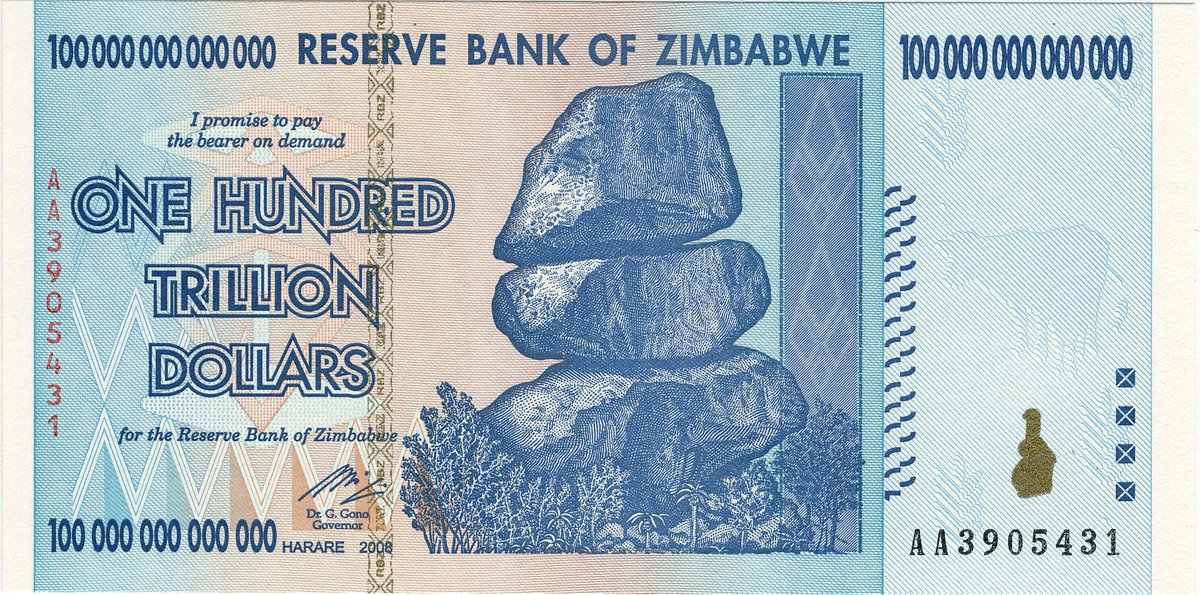
Thanks to socialism, the average Zimbabwean became a trillionaire before @elonmusk 💪
388
3,504
21,378
360,193
BitKong | Steve Sanders⚡️🟧 Making Bitcoin Simple retweeted

Jun 13
If your dad spent a lot of time with you, it's because he gave up a lot of career opportunities.
95
63
2,088
144,323
BitKong | Steve Sanders⚡️🟧 Making Bitcoin Simple retweeted

Jun 13
The funniest part of being early is that it doesn’t feel like being early.
It feels like being insane, alone, and right, in that order, for about a decade.
59
97
1,414
57,823
BitKong | Steve Sanders⚡️🟧 Making Bitcoin Simple retweeted

Jun 13
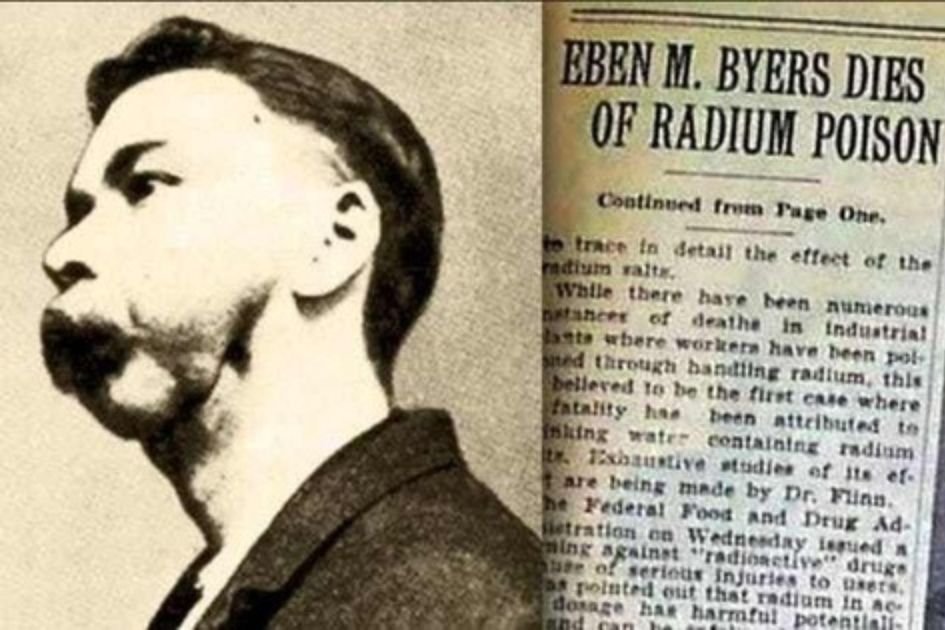
In 1932 a wealthy American golfer named Eben Byers died, and they buried him in a coffin lined with lead.
The lead was not decorative. His bones had turned radioactive enough to be a hazard to anyone standing near them.
A few years earlier Byers had hurt his arm, and his doctor recommended a fashionable tonic called Radithor: radium dissolved in water, sold openly as a health drink, promising energy, vigour and a sunnier disposition. This was no backstreet con. Radium was the wonder of the age. It glowed. It was modern. Clinics offered radium cures, shops sold radium cosmetics, and the well-to-do drank it by the bottle because the advertising, and a good many physicians, swore it was marvellous for the constitution.
Byers believed them. He felt wonderful, which is exactly how these stories begin. He drank close to fourteen hundred bottles.
Then his jaw began to come away. Holes opened in his skull. The Wall Street Journal, with the bleak economy of a great headline, reported that the radium water had worked fine until his jaw came off.
Hold onto this part. Nobody forced it down him. He sought it out, paid a premium for it, and counted himself among the health-conscious. He did his best with the very best information money could buy. That is what killed him.
Byers was the careful one. The early adopter. The man who paid more and tried harder than everyone else to do right by his health. That is who this happens to.
We still buy vitality by the bottle. We still mistake confidence for evidence, and a glow for proof.
Go and look at the most confident health claim in your own kitchen. Byers found his every bit as convincing.
50
389
1,722
62,865
BitKong | Steve Sanders⚡️🟧 Making Bitcoin Simple retweeted
9 Dec 2025
What is an Amercian hero?
I am a combat veteran. I served in a war zone and came home with wounds that will never heal.
I don't consider myself a hero. But I do think I'm qualified to recognize one.
Keonne and Bill are American heroes. @realDonaldTrump, pardon these men.
9 Dec 2025

I received my designation from the Bureau of Prisons this morning
I will report to FPC Morgantown in West Virginia on December 19th
Thank you for all the noise you're making. Please continue sharing our story to get the attention of @realDonaldTrump so he may right this wrong
#pardonsamourai
4
22
56
2,702
BitKong | Steve Sanders⚡️🟧 Making Bitcoin Simple retweeted

Jun 13
The first trillionaire is a bitcoiner
144
127
1,866
43,938