
IPS 94 Karnataka Fitness Nutrition Minimalism
Joined September 2009
- Tweets 188
- Following 218
- Followers 1,129
- Likes 78
14 Photos and videos








May 2
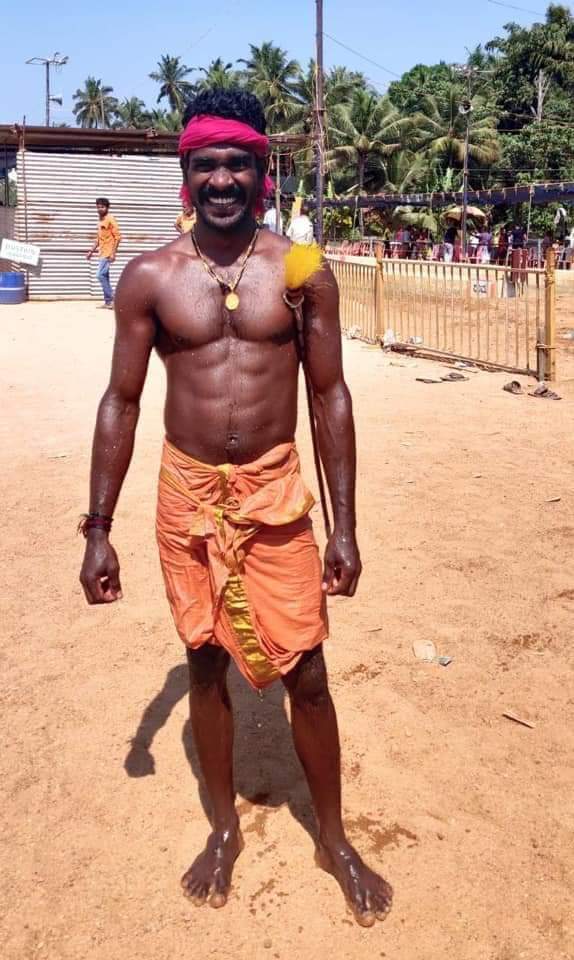
Boxing A Killer Workout! Early mornings, intense sessions, and a mindset that never quits this is the lifestyle.
#Boxing #Kickboxing #FitnessLifestyle #StayFit #Discipline
3
160
May 1
3
194
Dayananda B retweeted

Apr 29
HOT TAKE:
Running a marathon doesn’t make you healthier than someone who runs 5K consistently.
If your goal is health… you probably don’t need anything beyond 5K.
Most of the real benefits—heart health, weight control, stress relief—are already there.
You don’t unlock some “extra health level” at 21K or 42K.
That’s where people get it twisted.
Long distances aren’t about health anymore… they’re about testing yourself.
Discipline. Ego. Curiosity. Limits.
And that’s fine.
But let’s stop pretending marathon training is the “healthier” choice.
Sometimes it’s just harder… not better.

86
140
850
287,717
Apr 25
Another day : another stunt. Same same but different
Disclaimer : No individual was hurt in this act(ing) and no weight was lost 🤩
#DisciplineOverAggression #KickboxingLife #MindOverMuscle #EarnEveryMove
2
88
Dayananda B retweeted

Apr 24
This should make fellow runners feel a little better about ourselves.
After completing the Boston Marathon (42.195 km), Sunita Williams remarked that going to space is easier than running a marathon.
Honestly, we have to take her word for it as she’s the only person who’s run a full marathon both in space (on a treadmill) & here on terra firma.
Apr 23

Astronaut Suni Williams after running the Boston Marathon:
"It's easier to go to space."
@WMUR9 @HayleyWMUR
5
24
248
38,587
Apr 21
Not just a workout a way of life.
Early mornings. Intense sessions. Unbreakable discipline.
This is just a glimpse.
#Boxing #FitnessLifestyle #Discipline #StayFit
1
4
145
Apr 21
Every uniform carries responsibility. Every action shapes trust.
Honouring the spirit of service this Civil Services Day.
#CivilServicesDay #ServiceBeforeSelf #PublicService
4
74
Dayananda B retweeted

Apr 19
Things that produce genuine mechanical tension on a muscle fibre:
- A load heavy enough that the final reps are genuinely slow
- A full range of motion through the muscle's active length
- Sufficient proximity to failure that high-threshold fibres are recruited
- Enough rest between sets that you can repeat the stimulus
- Progressive overload across weeks, not sessions
Things that do not produce mechanical tension:
- A pump
- A burn
- A feeling of accomplishment
- A post-workout selfie
- Sweating
- Your coach shouting
- A Pre-workout shake with 400mg of caffeine and a proprietary blend
The body responds to the first list and ignores the second. It does not care how you feel. It cares what you lifted.
5
17
180
10,339
Dayananda B retweeted
Apr 17
"I tried fasted training once. I was weaker. Therefore it doesn't work."
You tried it once. Carb-adapted. No fat-oxidation capacity built. Declared the experiment a failure after a single session.
That's like starting a new job, being bad at it for the first few weeks, and putting "not suited to employment" on your CV.
The adaptation period is 2-8 weeks. Longer if you've spent your entire adult life running on cereal and glucose.
During that window: yes, you'll be weaker. Your performance will dip. Your body will file a formal complaint.
Then it stops.
The complaint is withdrawn. Performance returns. Then, for most people, exceeds where it was.
Because fat oxidation is stable. Blood sugar is not. You've spent your entire athletic career building a machine that runs on fuel arriving every two hours and crashing between deliveries.
The fatigue wasn't the experiment failing. The fatigue was the transition.
You quit during the transition.
Which is not the same thing.
15
14
164
8,091
Dayananda B retweeted
Apr 16
What they say fasted training does:
- Destroys muscle
- Spikes cortisol to catastrophic levels
- Depletes glycogen and kills performance
- Triggers starvation mode
- Makes the session pointless
What fasted training actually does:
- Elevates growth hormone
- Increases fat oxidation during the session
- Increases alertness and focus
- Improves insulin sensitivity post-workout
- Maintains or grows muscle in a protein-sufficient diet
- Costs nothing and requires no products
The first list is marketing.
The second is physiology.
11
31
310
13,855
Apr 14
Rode through these winding roads to Penukonda with a great set of mates.
Twists, turns, and silence in between.
Some paths are smooth, some filled with rough patches just like the ride, just like life. What looks beautiful from above feels very different on the saddle every curve needs focus, every turn needs control.
Out here, you don’t just ride… you learn patience, balance, and the importance of looking out for each other.
Every ride has a responsibility.
#LessonsFromTheRoad #EveryRideHasResponsibility #LifeOnTheRoad #BikeLifeIndia
1
1
8
195
Mar 11
Makali Durga Ride & Trek with Guest Rider Raghu Mukherjee | Ride Wolves ... youtu.be/D6VmInRaMcA?si=yu-w… via @YouTube
1
2
184
Dayananda B retweeted

Mar 7
“AI is different. You don’t need to learn a programming language; you need to ask better questions. And asking better questions isn’t a technical skill—it’s a judgment skill. The leverage in AI doesn’t come from typing prompts quickly; it comes from knowing what matters, what doesn’t”-

The Hidden Advantage of Being Over 50 in the Age of AI
@vayah_vikas flip.it/bsKRNr
2
6
20
2,550
Dayananda B retweeted
Mar 6
Fasting for twenty-four hours is, according to various wellness and medical sources:
Dangerous. Difficult. Unsustainable. Medically inadvisable without supervision. Not recommended for most people. Potentially harmful to metabolism. A form of disordered eating in some framings.
Let's think about this for a moment.
The average human body stores approximately 2,000 calories as glycogen and somewhere between 80,000 and 150,000 calories as body fat.
That fat is not decorative. It is not a design flaw. It is not the consequence of a broken system.
It is a fuel reserve. It is the evolutionary solution to the entirely predictable problem of not always being able to find food. Your ancestors did not eat three meals a day at regular intervals with scheduled snacks. They ate when food was available and didn't when it wasn't, and the periods when it wasn't could extend for days.
Your body knows how to do this. It has the machinery. It has the fuel. It will, if you allow it, run perfectly competently on stored fat for periods measured in days to weeks without meaningful performance decline, let alone harm.
The idea that going from dinner to dinner tomorrow without eating is a medical event requiring supervision, in a body carrying 80,000 to 150,000 calories of stored energy specifically designed for exactly this purpose, is one of the stranger things the nutritional consensus has managed to produce.
57
126
934
34,286
Mar 6
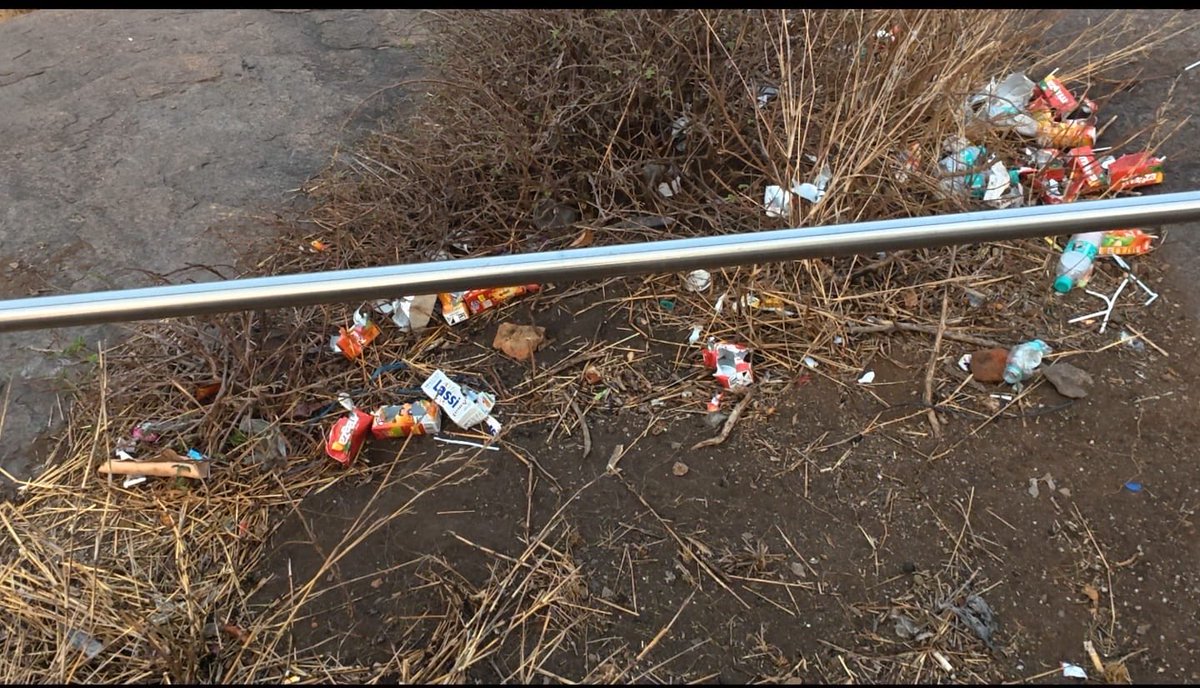
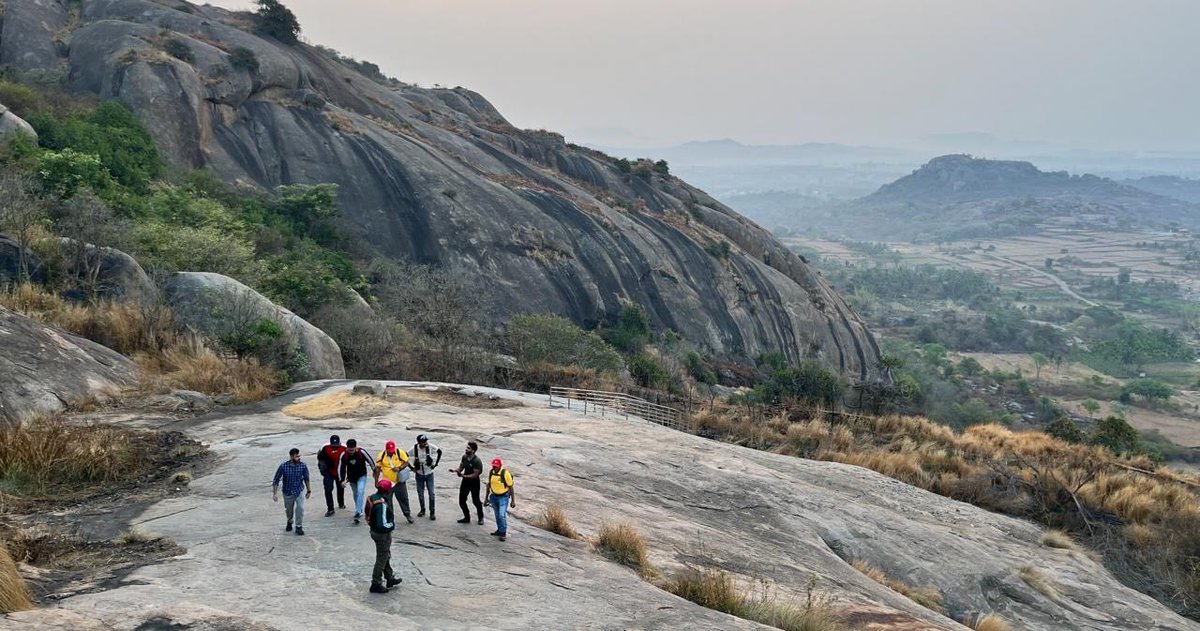
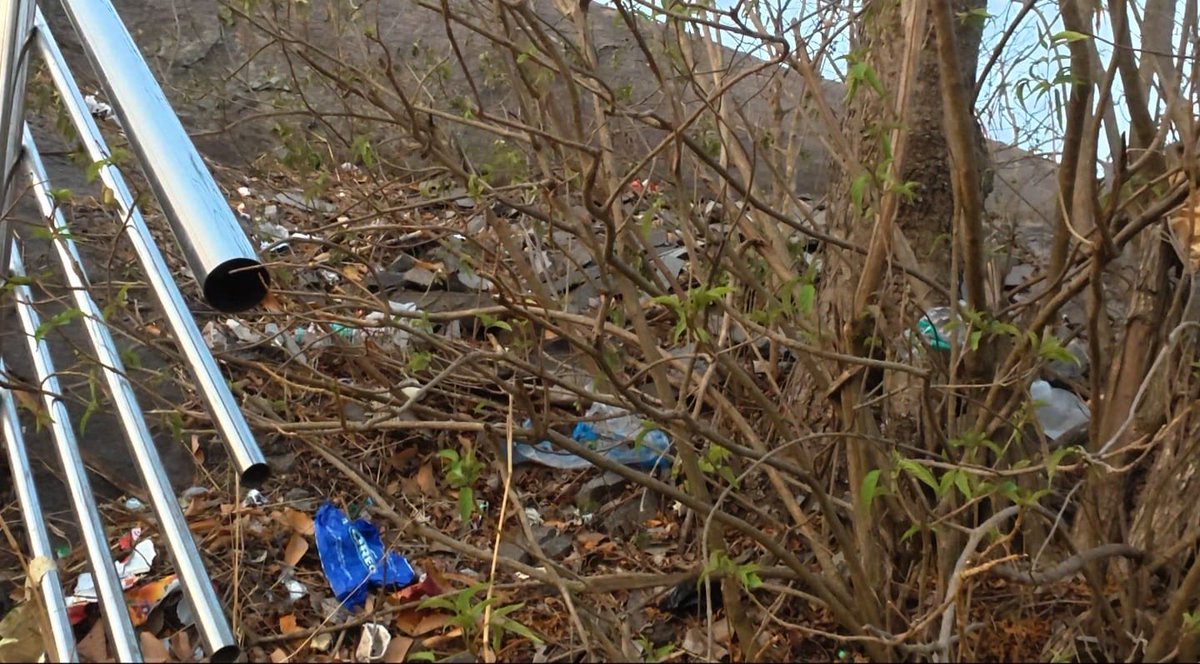
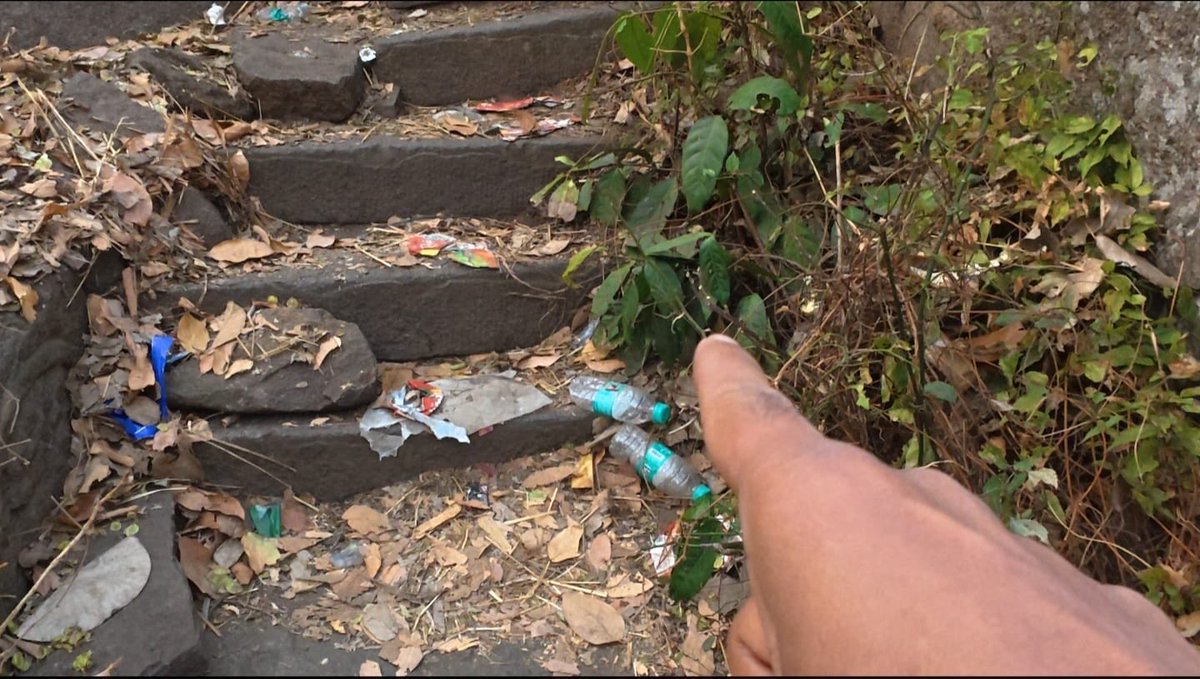
A short vlog on our ride and hike to Huthri Durga last Sunday is here in the link. As you can see lot of litter thrown all around. And worst part no dustbin found anywhere even if somebody wants to discard their waste. This needs to change !
youtu.be/LJaJ4n2Pg-U?si=vrc5…
Mar 2

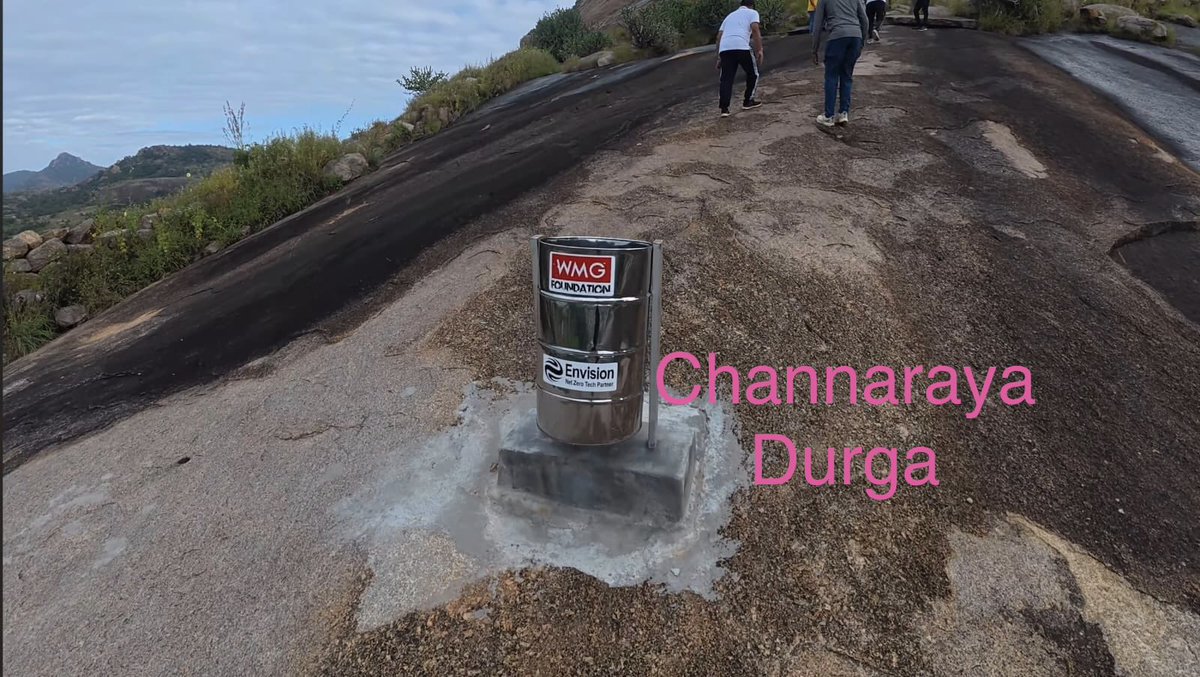
What’s worrying however is the litter thrown around everywhere ; plastic bottles cans and whatnot!!! And no dustbins anywhere in sight. Why can’t they install dustbins like done in Channarayadurga ????
1
2
295
Dayananda B retweeted

Mar 4
The Best Anti-Aging Exercises:
· Squat
· Lunges
· Deadlift
· Pull-Ups
· Bar hangs
· Hip thrusts
· Back Rows
· Bench Press
· Farmer carries
· Overhead presses
Get stronger at each of these exercises and watch how young you start feeling.
53
174
1,697
59,751
Dayananda B retweeted

13 things that were free in India that are now a luxury :
1.Sleep. Used to be natural. Now we’re paying for supplements, apps, mattresses, and therapists just to get 7 hours.
2.Mental peace. Now it’s a ₹2,000/session therapist.
3. Fitness. Our parents stayed fit by walking and eating ghar ka khana. We need a ₹5,000/month gym and a ₹25,000 coach.
4.Attention. We used to own it. Now every app is competing for it and winning.
5.Home cooked food every day. Now it’s a privilege. Most of us survive on Swiggy.
6.A social life. Used to happen naturally. Now we have to “plan” to see our own friends.
7. Free time. Used to be default. Now it’s something we “protect” in a calendar.
8. Kids playing outside. Now it’s a ₹3,000/month activity class.
9. Community. Used to just exist. Now we pay for coworking spaces and online communities just to feel connected.
10.Job security. Our parents worked one job for 30 years. We’re updating LinkedIn every 6 months.
11.A relationship where both people have energy after work.
12.Retirement without financial anxiety.
13.Clean air. We’re literally buying air purifiers now.
4
6
61
6,651
Dayananda B retweeted

Mar 3
Doctor explains the truth about breakfast.
6
206
583
35,601
Mar 2
What’s worrying however is the litter thrown around everywhere ; plastic bottles cans and whatnot!!! And no dustbins anywhere in sight. Why can’t they install dustbins like done in Channarayadurga ????
1
5
470