All things #bitcoin #cryptocurrency with a focus on one of the more exciting markets #Poland
Joined December 2016
- Tweets 23,092
- Following 283
- Followers 1,402
- Likes 30,493
325 Photos and videos














Pinned Tweet

12 Dec 2016
If you're a Polish #blockchain #bitcoin #cryptocurrency #startup #company or #media send us your #content We support
6
45
63

Rodzina Trumpa jest na plusie 2,3 mld dolarów z krypto. Inwestorzy są jednak pod kreską na podobną kwotę
cryps.pl/rodzina-trumpa-zaro…
1
2
78
Blockchain Poland retweeted

Jun 9
Digital sovereignty internally achieved in Russia
Jun 9

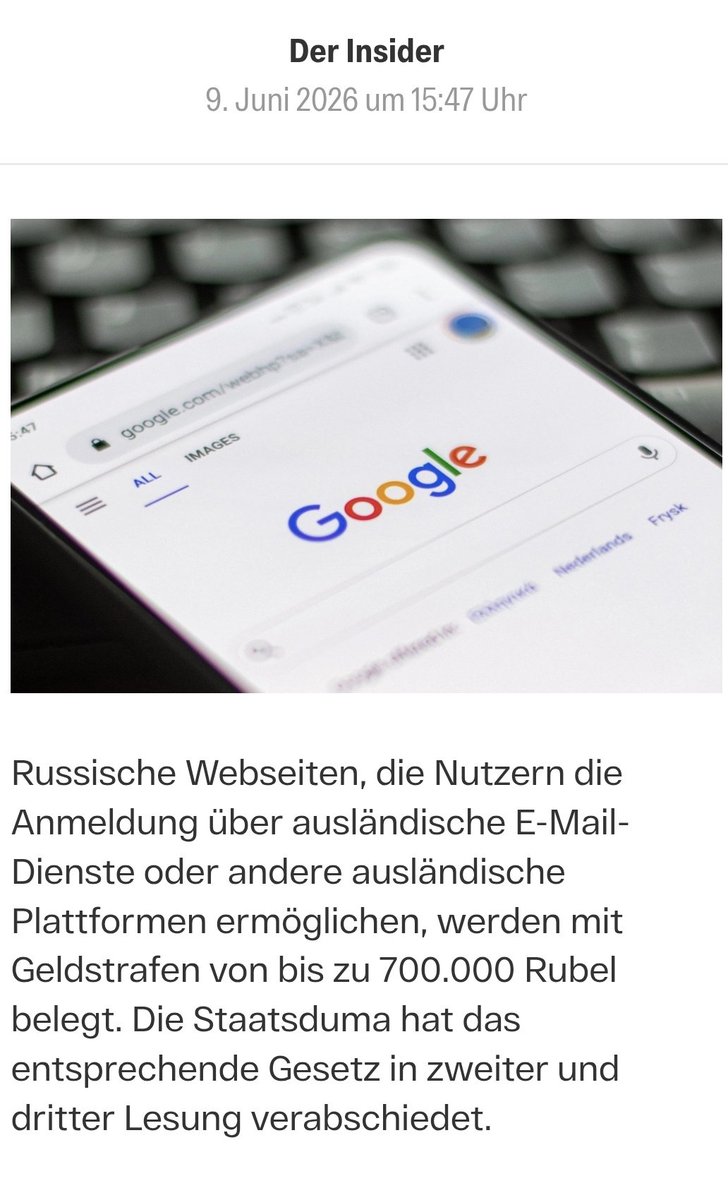
Russlands Staatsduma hat ein neues Gesetz verabschiedet: Russische Websites werden mit bis zu 700.000 Rubel bestraft wenn sie Nutzern erlauben sich über ausländische Dienste einzuloggen – einschließlich Google. Erlaubt sind nur noch: russische Telefonnummer, das Staatsportal Gosuslugi, biometrische Systeme oder russische Unternehmen. Russland baut seinen digitalen Eisernen Vorhang weiter aus. Kein Google-Login. Kein Apple-Login. Nur russische Kontrolle. Wer die Daten der Nutzer kontrolliert – kontrolliert die Nutzer. Das ist Putins digitale Souveränität.
🇷🇺🇪🇺🇺🇦
1
3
580
Blockchain Poland retweeted

Grant Blaisdell - CEO @ Copernic Space x.com/i/broadcasts/1qGvvkdzr…
3
6
17
287
Blockchain Poland retweeted

Jun 11
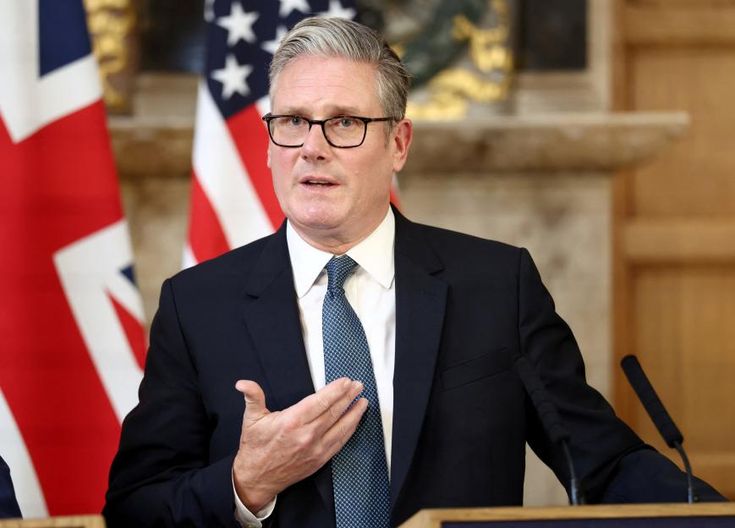
BREAKING: The UK is drafting a law to scan every photo, video and message on every phone in the country.
Tech CEOs who refuse to implement this could face up to 5 years in prison.
The proposal would force companies to build device level scanners that inspect content before encryption.
That means:
• Every image scanned
• Every message inspected
• Every video analyzed
All directly on your phone.
Governments and companies pushing these safety” systems already have a terrible track record protecting user data.
Last month, Europe’s new age verification app, promoted as a way to "keep children safe," was hacked in under 2 minutes.
In another case, over 70,000 IDs and selfies linked to online verification systems were exposed in a major breach.
Now the UK wants even deeper access directly inside your device.
Once governments force surveillance tools into every phone, they can expand what gets monitored at any time.

4,110
7,672
24,108
10,144,183

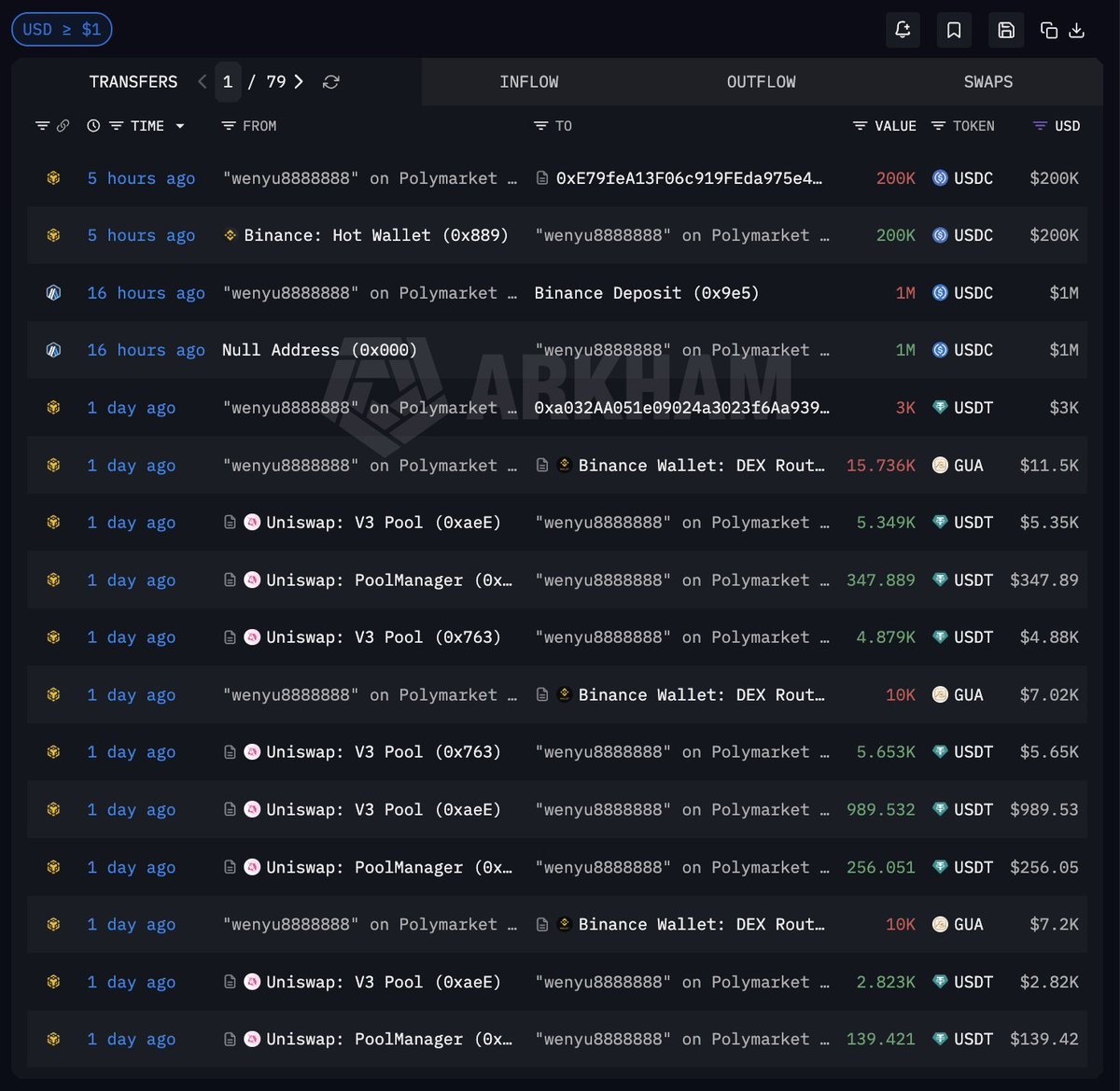
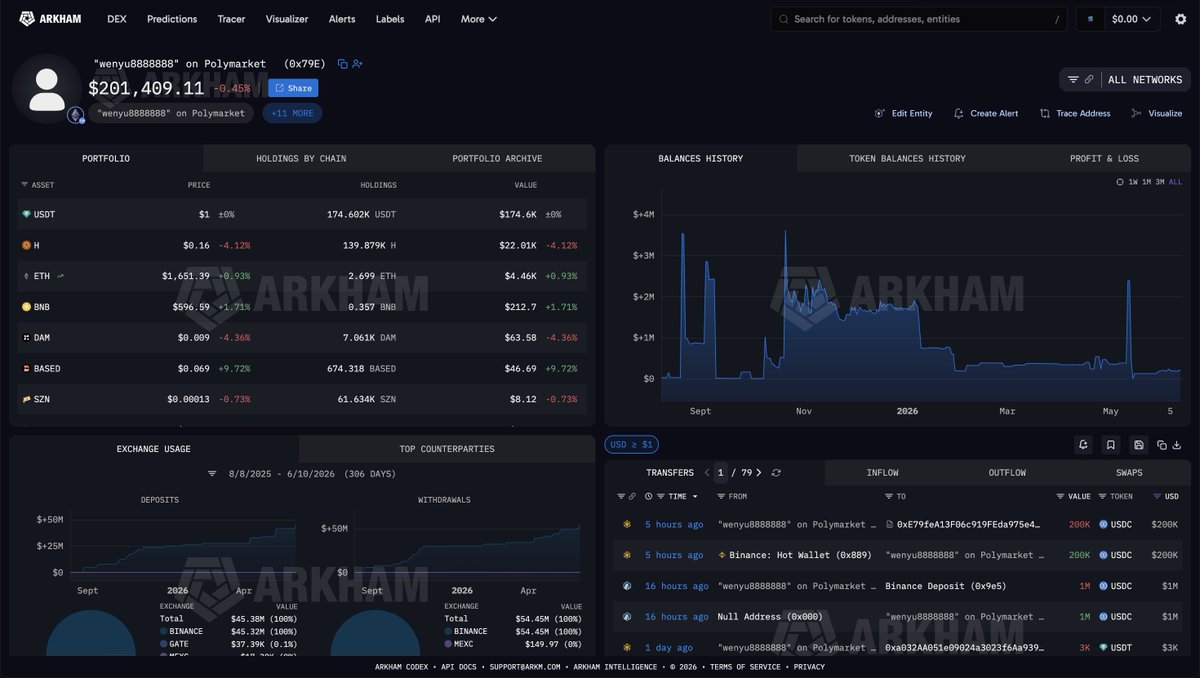
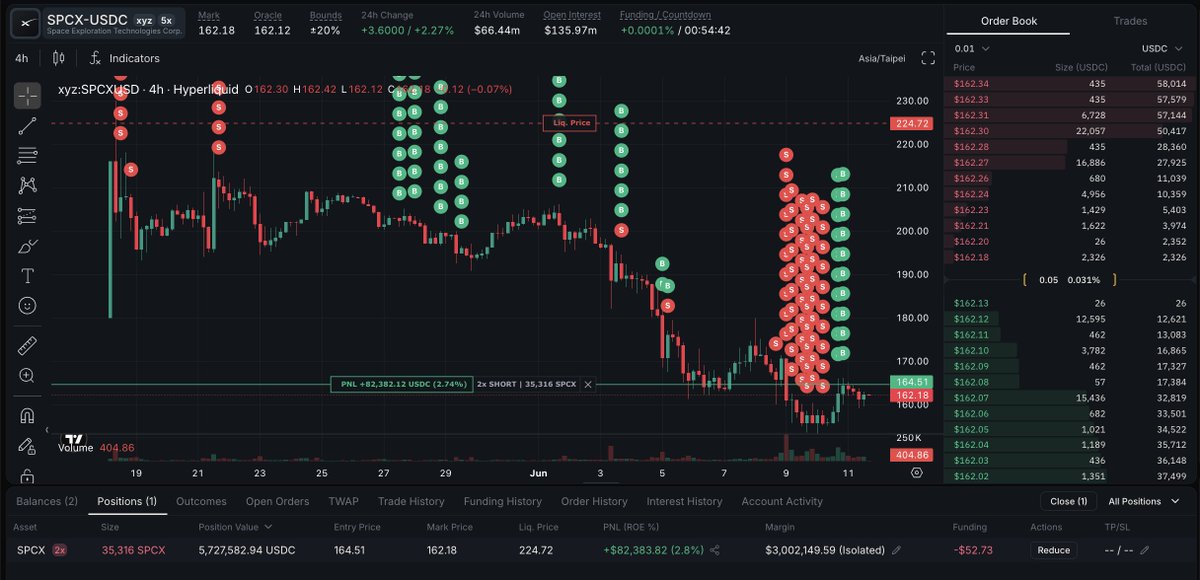

❌ Mamy kolejny hit. Według post mortem exploita Humanity Protocol trzy z sześciu kluczy do portfela wielopodpisowego na Ethereum i BSC wymaganych do przejęcia kontroli nad mostem było trzymanych na laptopie jednego pracownika. Efekt? Atakujący (lub insiderzy...) w 5 minut robią aktualizację bridge'a, wyciągają płynność i mintują tokeny $H. Straty = 36 mln USD.
Kurs tokena spada o 90%.
Projekt radzi: „nie korzystajcie z mostu".
My radzimy: nie korzystajcie z projektów o kapitalizacji rzędu kilku miliardów dolarów (!!!) które stosują praktyki bezpieczeństwa podobne do trzymania fraz seed na kartce przy monitorze.
Klasyka gatunku.
@crypto_domin @RecoverisTeam
Jun 9

INCIDENT UPDATE:
Last night, June 8, the H token was hit by a coordinated attack across Ethereum and BSC. While we’re still investigating this incident, we want to be transparent with our community about what happened.
As of right now, ~$36M has been stolen across both chains and dumped. This was a result of a breach that happened after an employee’s laptop was compromised.
Three of six Gnosis Safe owner keys controlling the Hyperlane bridge ProxyAdmin were compromised. The attacker used these to transfer ProxyAdmin ownership to their own wallet, then upgraded the bridge contract to a malicious implementation and swept ~141.2M H in a single transaction.
Three of five BSC Safe owner keys were also compromised. The attacker performed the same ProxyAdmin seizure on BSC, deployed a malicious implementation with an unlimited mint function, and minted 200,000,005 H in two tranches directly to their wallet.
We’ve now halted all deposits and withdrawals to the affected bridges and are working with all related parties, including exchanges, to minimize the damage. Further to our internal investigation, we’re also working closely with the police to investigate this incident and recover some of the stolen funds.
People in this community worked hard for what they hold here, and we feel the weight of that. We want to apologize for what has happened and thank you for your patience, messages, and for sticking with us.
1
2
13
4,097
Blockchain Poland retweeted

Jun 11
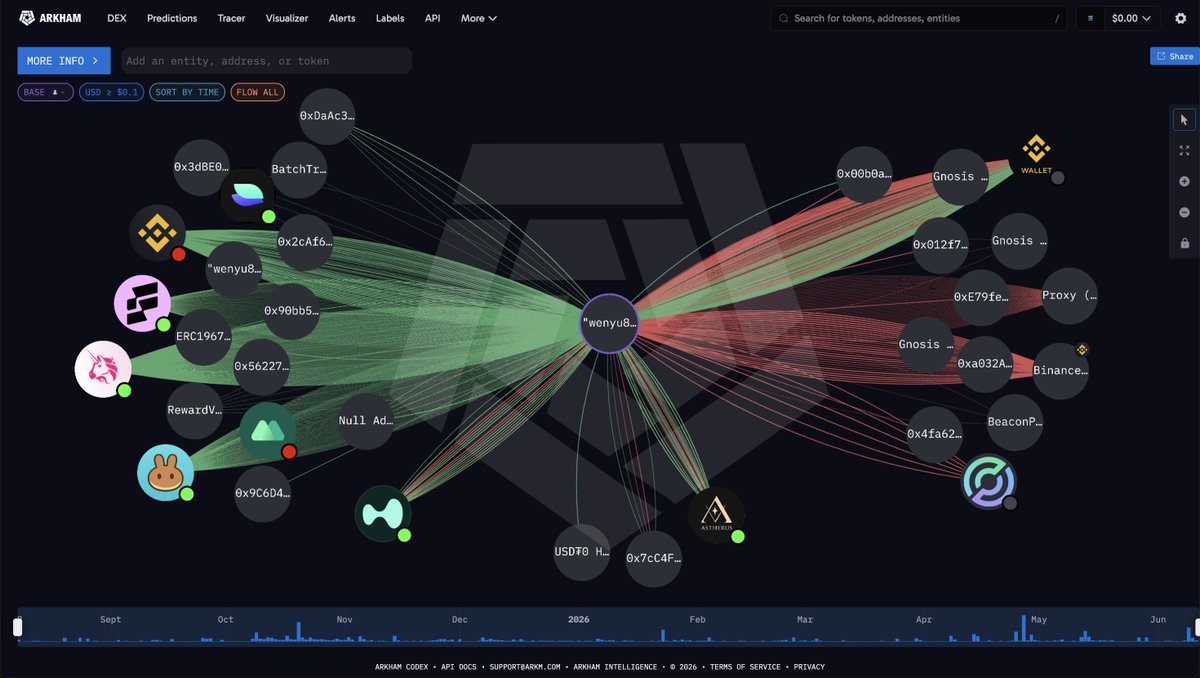
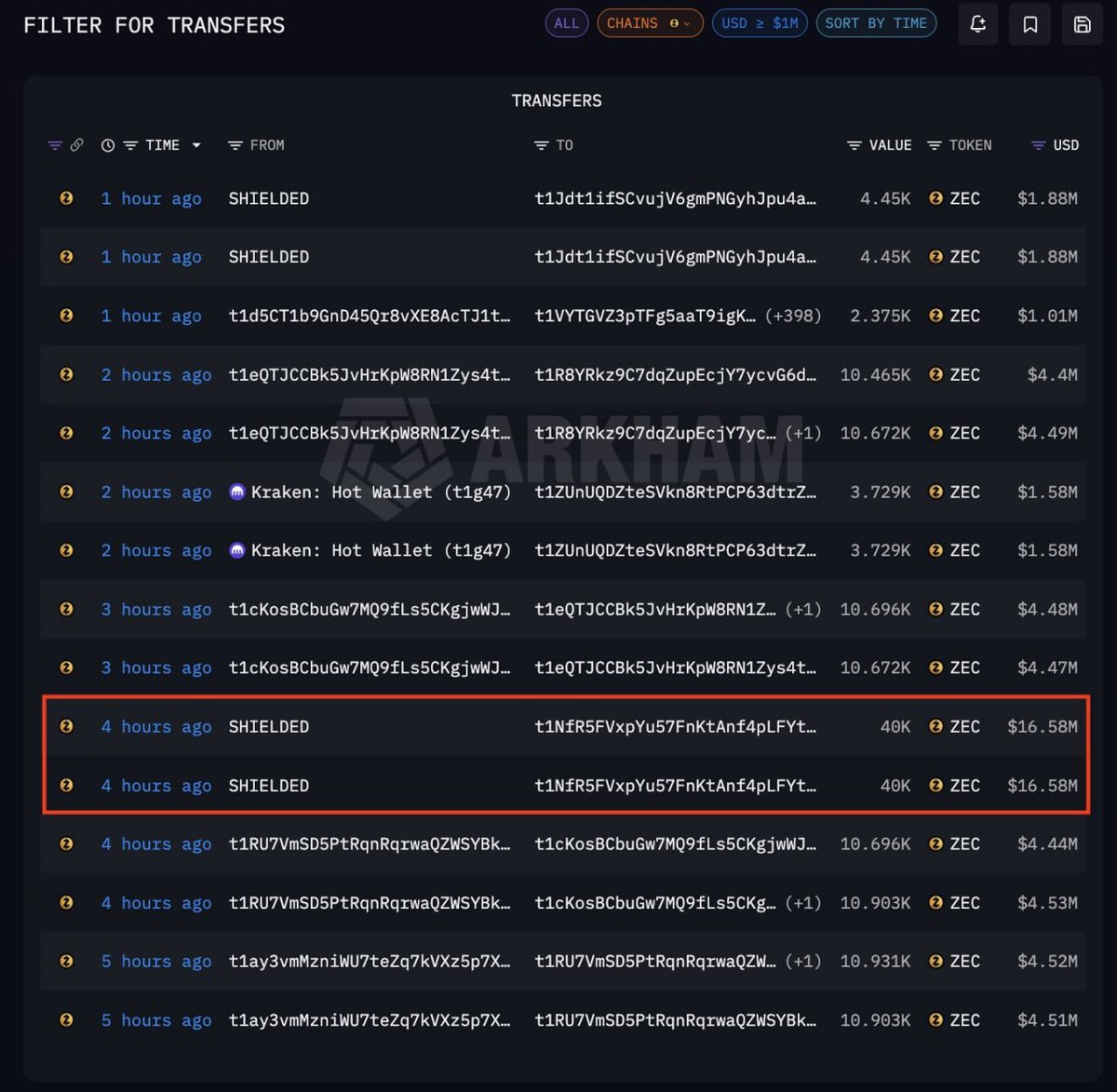
🚨 UPDATE: Arkham says someone withdrew nearly 1% of all $ZEC from Zcash’s shielded Orchard pool.

154
128
1,183
255,378
Blockchain Poland retweeted
Jun 10
EU orders WhatsApp to retain free API access.
In a move that surprises no one, the EU is forcing WhatsApp to give free API access to developers. This is because of "unequal access." WhatsApp is open but paid, where API users need to pay per message.
While this is nice, this does not address the root problem. Why do people use WhatsApp? Because it is free. What was the alternative before WhatsApp? SMS. What everyone has? SMS. What everyone is not using? SMS. Why people are not using SMS? Because telecoms made it a cash cow by making you pay EUR 3.7 million per gigabyte of SMS traffic.
Everyone who was using SMS when WhatsApp came around remembers trying to squeeze as much as they can into a 160-character message, because the telecom operator was, and still is, leeching every cent they can get out of a consumer.
WhatsApp list pricing is ~0.05 EUR per message (depends on the routed country) vs. ~0.04 EUR per message on SMS (depends on the routed country). The list prices are available on Meta's site transparently.
The EU has several telecom operations it can boss around locally. It could force all SMS services to be free to get adoption for them. The EU could force all its telecoms to offer agentic AI access to SMS for free.
But instead of investing into this, where the EU could really reign and boost domestic AI development, they want to get the same result by litigation with a US company.
Because WhatsApp is free and not allowed to display ads, it is a question if the EU can ever allow WhatsApp to be successful as a business.
I hate Zuckerberg as much as everyone else, but we should not question the brain rot called Henna Virkkunen, commissioner, the gift of Finland to the world, and her ineptitude when it comes to boosting the EU technology sector and competence.
bbc.com/news/articles/cn8qj8…
16
7
51
4,294
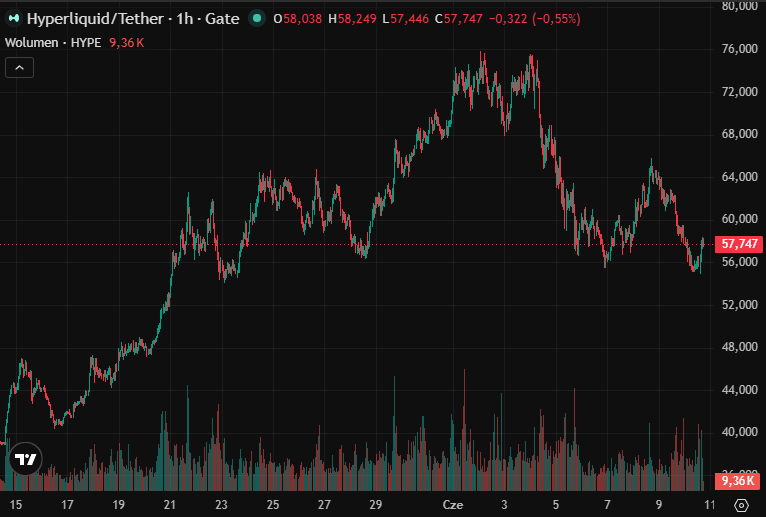
hyperliquid:native (Hyperliquid): Szybka analiza trajektorii kursu.
Token cały czas znajduje się w fazie krótkoterminowej korekty po silnej aprecjacji z ostatnich kilku tygodni. Spadkowi notowań towarzyszy obniżenie wartości otwartych pozycji, co wskazuje przede wszystkim na redukcję dźwigni i zamykanie części wcześniej ustawionych pozycji długich.
Przy utrzymującej się dominacji rynku terminowego nad rynkiem spot oczekujemy utrzymywania się podwyższonej zmienności. Najbliższa istotna strefa wsparcia znajduje się w przedziale 50–53 USD. Jej obrona ograniczyłaby ryzyko pogłębienia korekty, jednak nie stanowiłaby jeszcze potwierdzenia odwrócenia krótkoterminowego trendu.
Poprawa obrazu technicznego wymagałaby stabilizacji kursu, utworzenia wyższego dołka oraz powrotu powyżej ostatnich lokalnych maksimów. Do tego czasu przewagę ma scenariusz korekcyjny, choć obecna struktura rynku bardziej odpowiada procesowi redukcji nadmiernego wylewarowania niż trwałemu odwróceniu trendu wzrostowego.
Fundamenty projektu pozostają silne.
#HYPE #Hyperliquid
1
1
3
984
Blockchain Poland retweeted

Jun 10
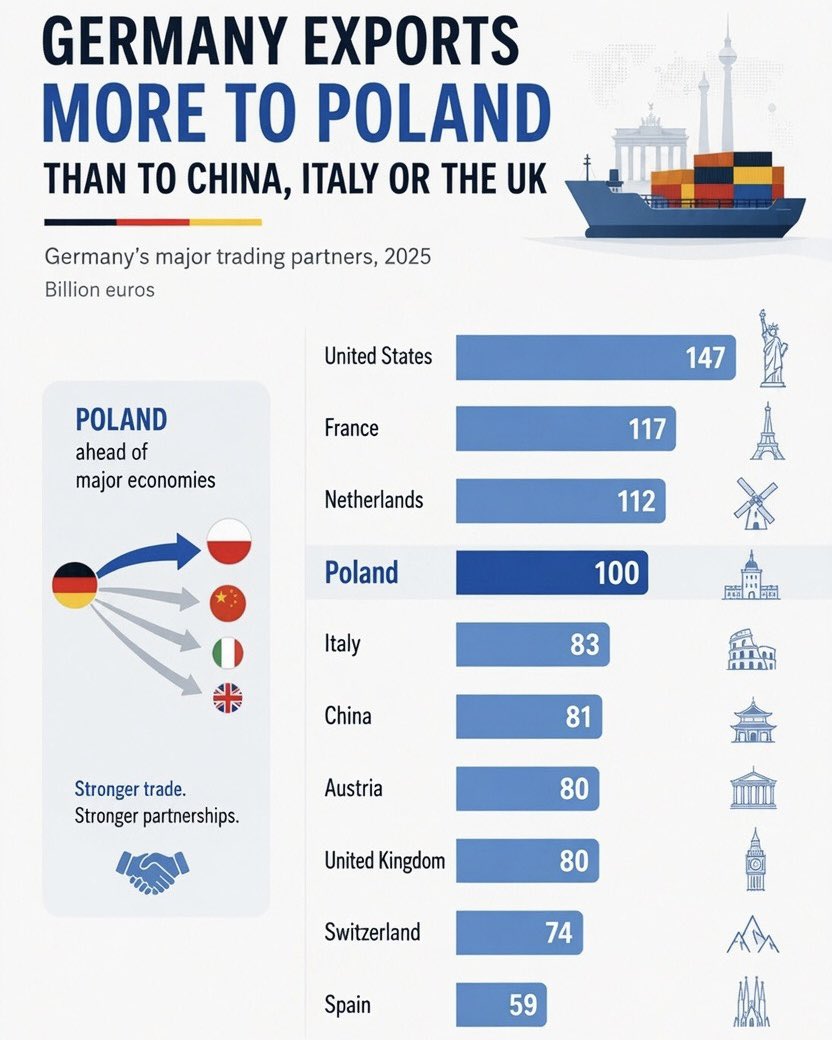
Each time I talk about Poland's breathtaking economic miracle, someone tries to argue that it is due to EU subsidies paid by Germany.
Guess what, Germany exports more to Poland than to China, Italy, or the UK. Nobody benefits more from the Polish boom than Germany.
Got it now?
87
225
1,273
99,092
Blockchain Poland retweeted

Jun 8
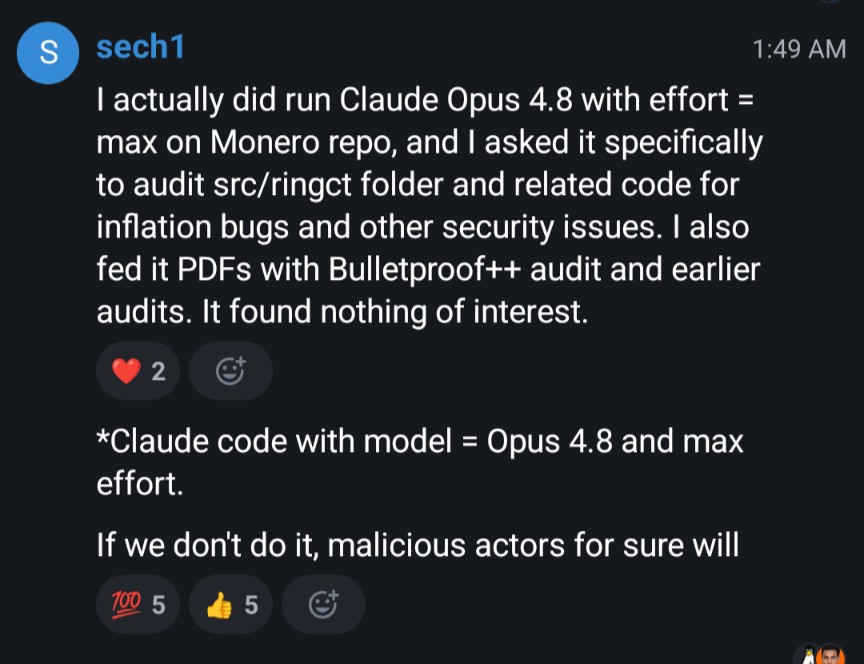
The Monero Research Lab has started AI assisted audits of the Monero codebase, with several audits successfully completed!

25
243
664
26,020
Blockchain Poland retweeted

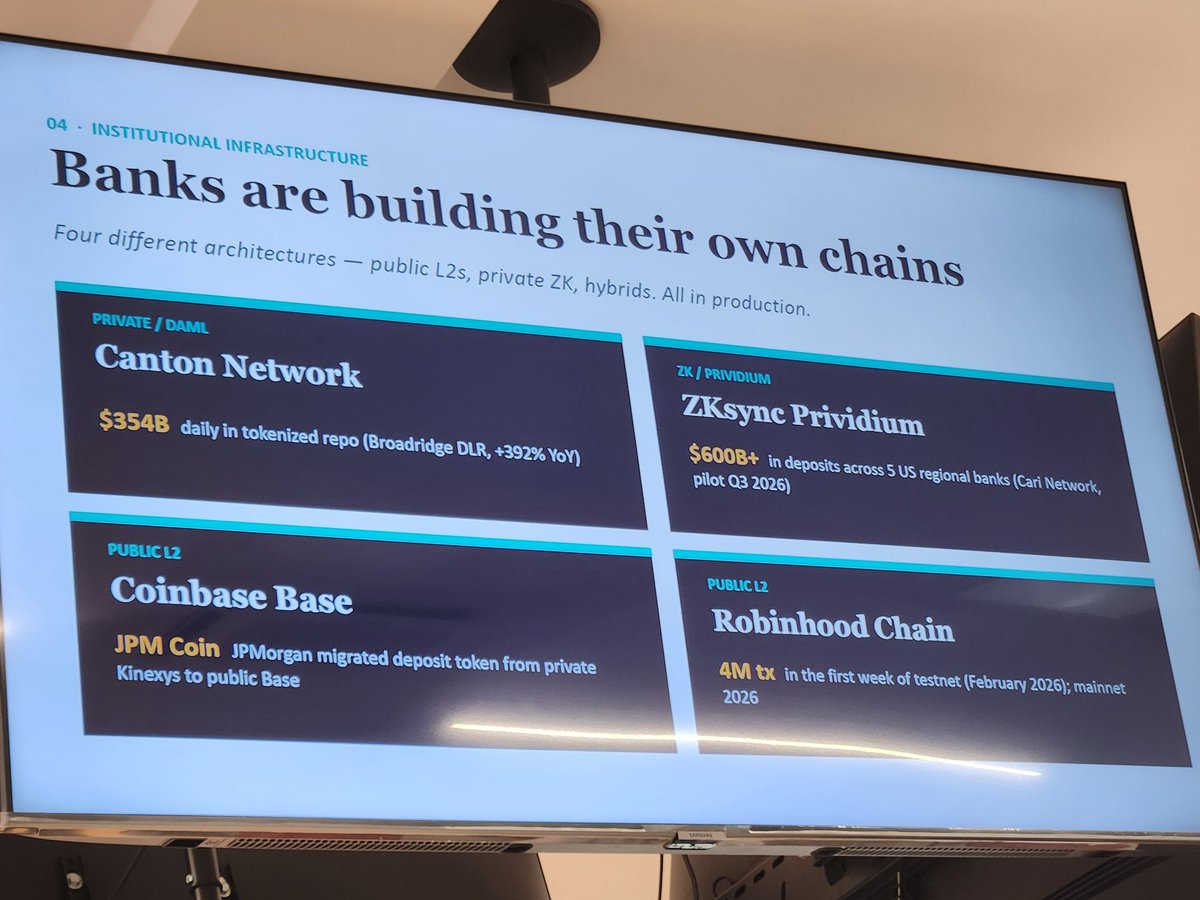
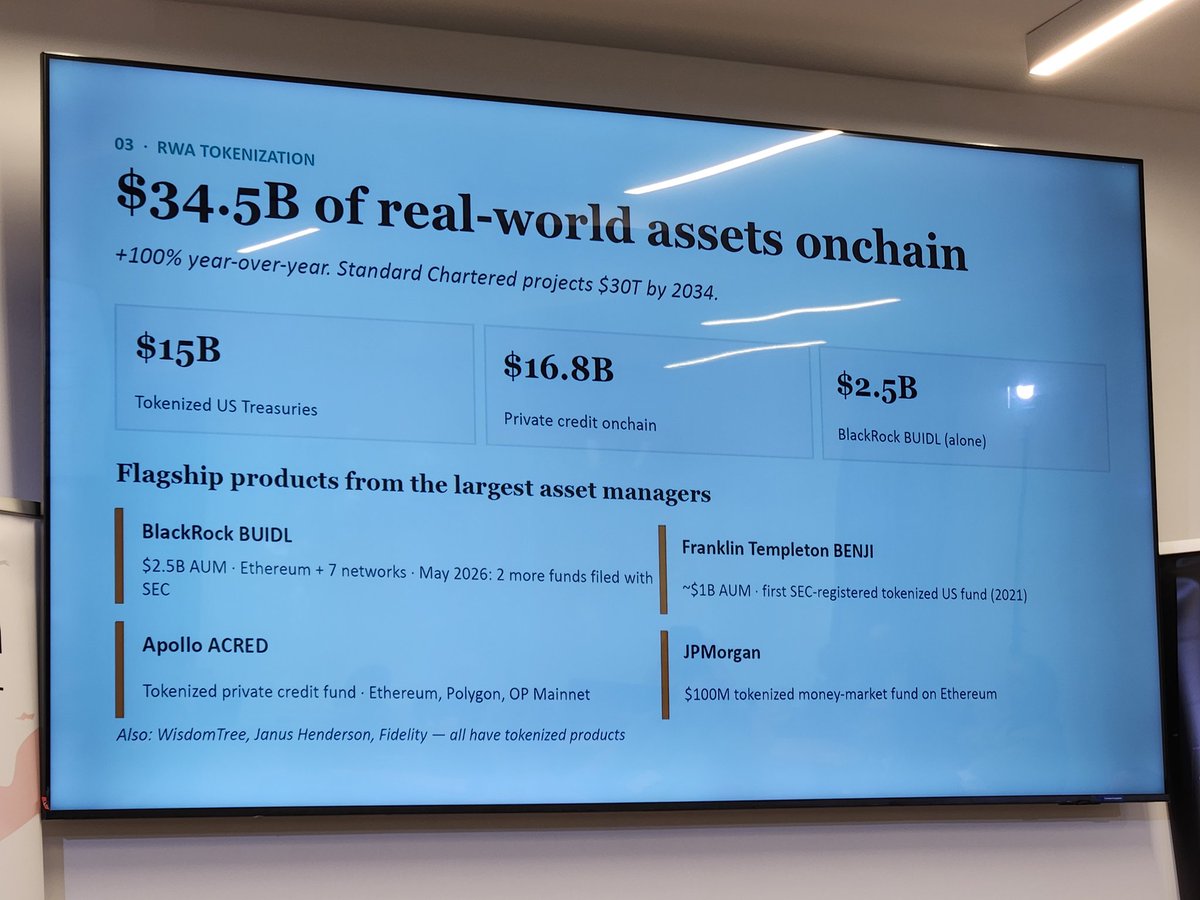
Banki budują własne blockchainy, tokenizują akcje. Oczywiście nie w Polsce. Wall street wchodzi w DefFi. Polskie finanse - nie.
Ale przynajmniej @KDPW_ ma blockchain kompatybilny z EVM. @kaereste z @7bullsCom
3
2
14
1,494
Blockchain Poland retweeted

Jun 8
ZachXBT: UK Sanctions on HTX Have Made On-Chain Risk Scores ‘Meaningless’
ZachXBT argued that UK sanctions against HTX have led to excessive address tainting, making sanctions-related risk labels less useful for blockchain investigations. He said compliance systems often struggle to separate pre- and post-sanctions activity and claimed regulators overlooked a separate $1.25 billion laundering case while focusing on HTX. Earlier, FixedFloat announced it would suspend and subject HTX-originated funds to additional compliance reviews.
x.com/zachxbt/status/2063933…
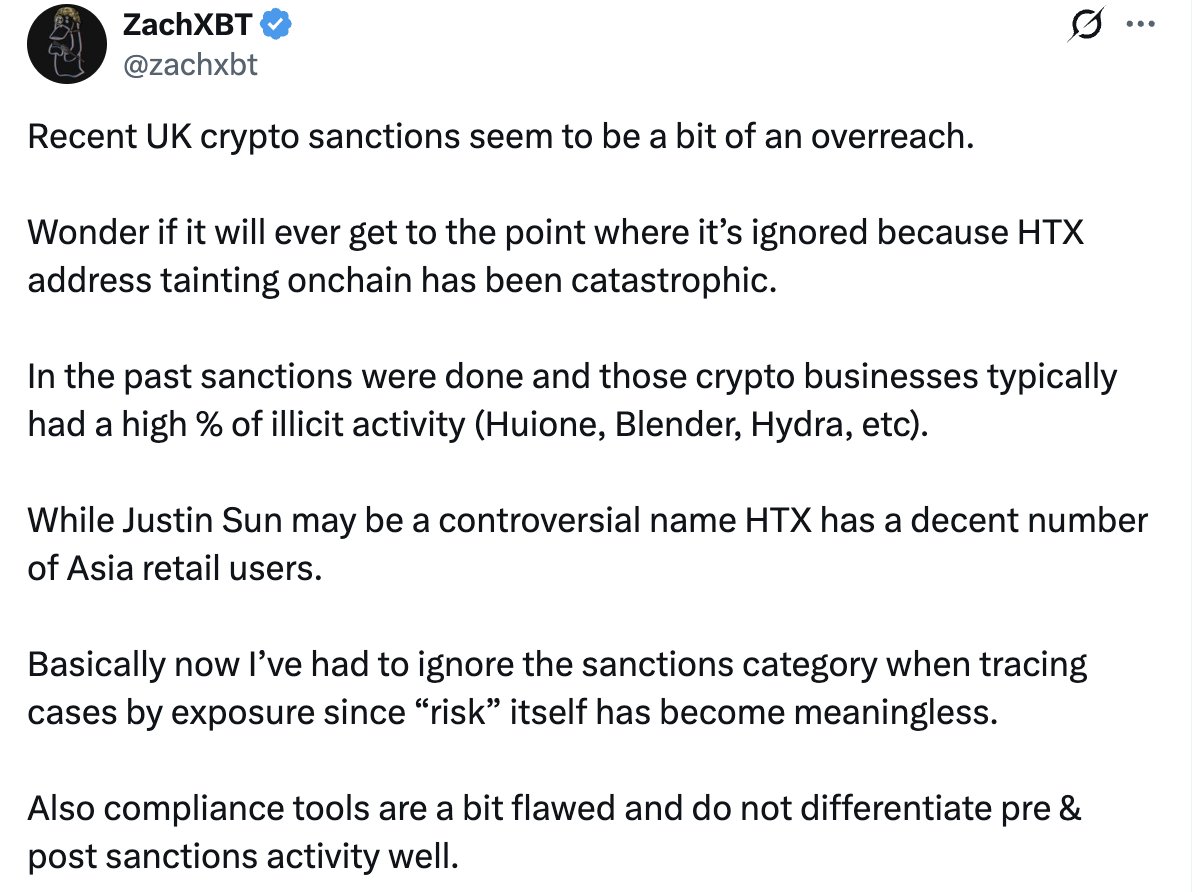

Recent UK crypto sanctions seem to be a bit of an overreach.
Wonder if it will ever get to the point where it’s ignored because HTX address tainting onchain has been catastrophic.
In the past sanctions were done and those crypto businesses typically had a high % of illicit activity (Huione, Blender, Hydra, etc).
While Justin Sun may be a controversial name HTX has a decent number of Asia retail users.
Basically now I’ve had to ignore the sanctions category when tracing cases by exposure since “risk” itself has become meaningless.
Also compliance tools are a bit flawed and do not differentiate pre & post sanctions activity well.
Meanwhile I have a legit $1.25B laundering case by an illicit actor the UK completely failed to detect.
Given UK incompetence historically in crypto cases it’s not surprising to see them sanction HTX and miss the actual violations…..
18
14
117
17,272
Blockchain Poland retweeted

Jun 8
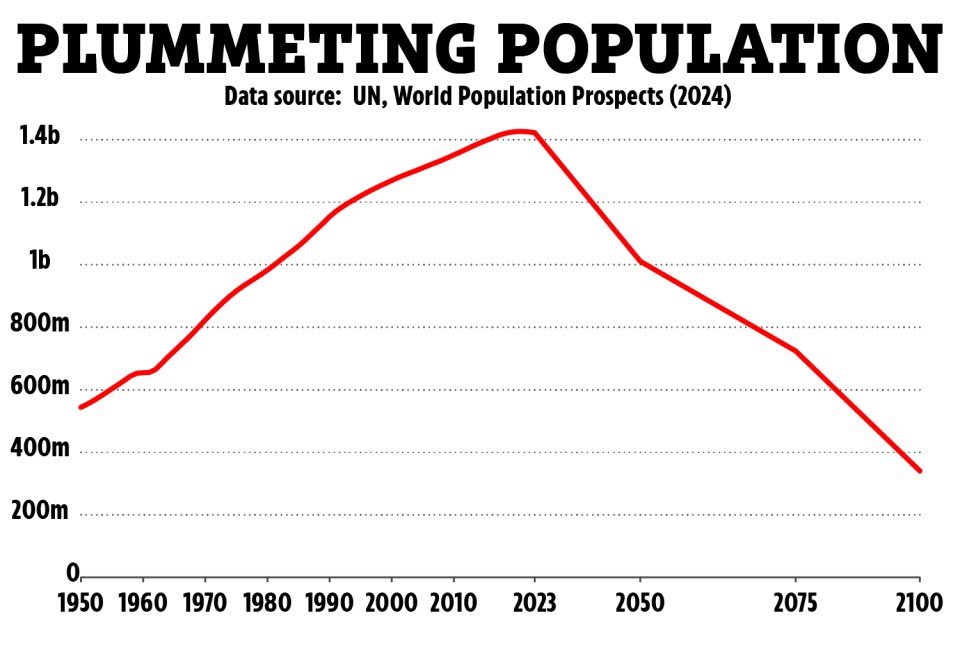
🧵 China’s population collapse is now mathematically irreversible.
There simply aren’t enough women left of childbearing age.
Even if the fertility rate magically returned to replacement level (2.1 children per woman) tomorrow, the country would still lose more than 40% of its population by 2100.
It won't. The real number is 75%. There's nothing like it in history. 🧵
1,007
1,634
6,418
1,022,263
Blockchain Poland retweeted
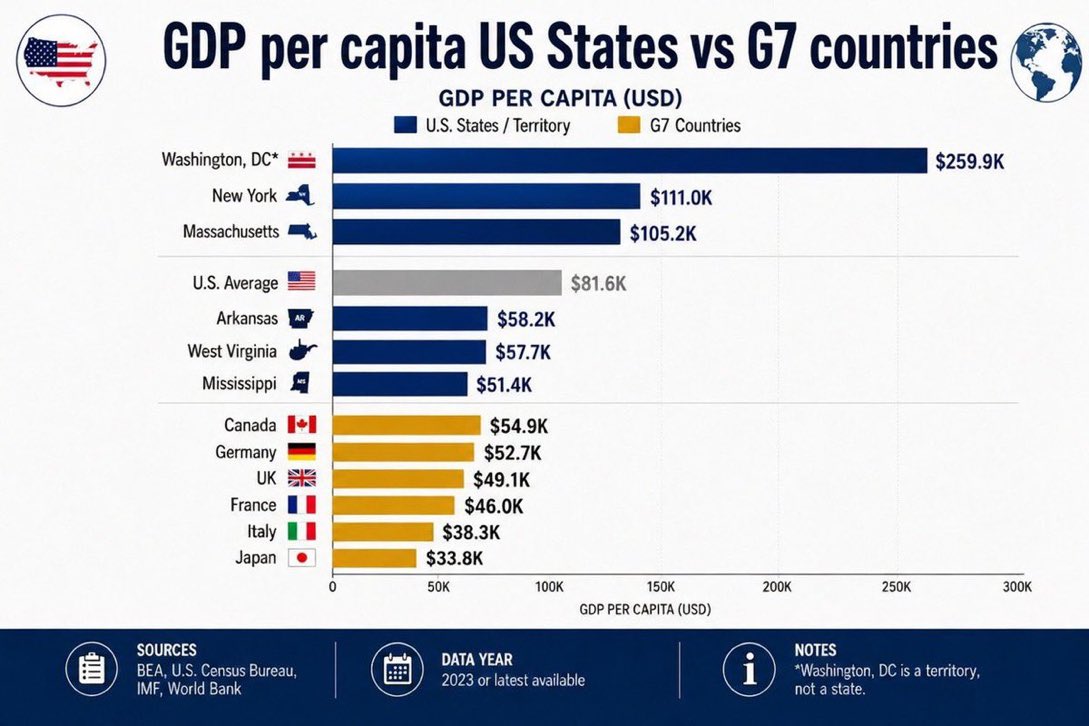
Several European countries have lower GDP per capita than the poorest US state, Mississippi.
The real story isn’t that Mississippi got rich. It’s that Europe spent decades choosing stagnation, regulations, and overtaxation over growth, and now the gap is impossible to ignore.
66
96
353
29,205
Blockchain Poland retweeted

Everyone repeats the "EU poured money into Poland" line like it ends the argument. Worth asking where a lot of that money went, and what Poland gave up to get it.
Start with the funds. Brussels pays for a Polish motorway and the contract gets won by a German or Austrian firm, the machines come from Germany, the consultants bill from Frankfurt. That's not a conspiracy, it's in the EU's own research: contracts in Central Europe routinely go to firms from the countries that "donated" the money. A chunk of it does a lap through Poland and heads back west.
Then the part sold as generosity. Most of what gets called Europe investing in Poland was Western firms chasing cheaper labour. The border opened and German and French companies moved production east. That's arbitrage (not aid). They cut their costs, Poland got the jobs, and the brands and the profits stayed west. What they didn't build here they bought: the biggest grocery chain in Poland is Portuguese, Warsaw's power grid is German-owned.
Now watch the same rulebook in German hands. UniCredit owned Bank Pekao, one of Poland's biggest banks, for 18 years and nobody in Brussels blinked. The moment that same Italian bank reached for Commerzbank, Berlin called it a hostile attack and the government dug in to stop it. An Italian buying a Polish bank is just the market working. An Italian buying a German one is a national emergency.
Same single market. The rules get written for everyone and enforced on the small.
The money helped, no argument. But the EU didn't build Poland, the Poles running their own firms did, the same firms now selling more to Germany than they buy from it. Brussels gave them a market to sell into, nothing more. Follow the invoices and the savior story falls apart.
Jun 7

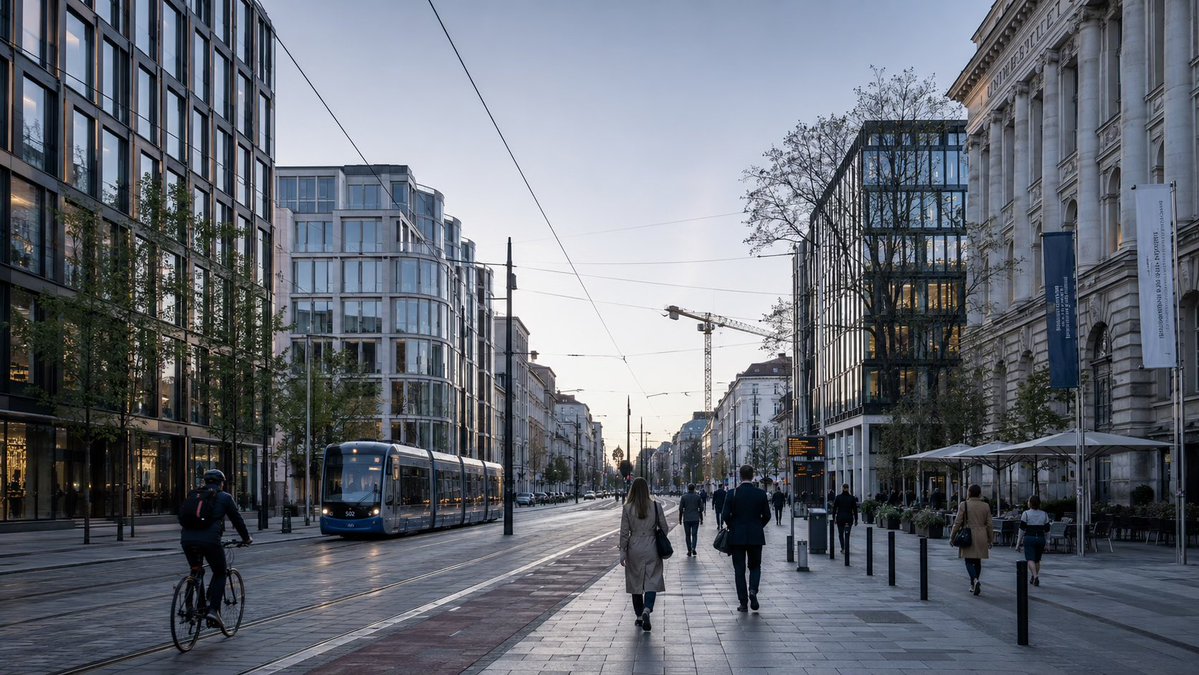
What the EU Did to Poland and the Baltics
I think the most underreported story in global economics is what European integration has done to the countries that were once the Soviet Union’s western margin.
In 2004, Poland joined the European Union. Its unemployment rate was around 20 percent. It was a middle-income country with serious structural problems and a GDP that reflected the grey inheritance of central planning.
Twenty years later, its GDP has passed one trillion dollars, having roughly tripled between accession and 2020 alone.
A new study from the Polish Economic Institute found that Poland’s economy is 42 percent larger than it would have been had it not joined the EU.
open.substack.com/pub/gandal…
75
361
2,410
105,718

Recent UK crypto sanctions seem to be a bit of an overreach.
Wonder if it will ever get to the point where it’s ignored because HTX address tainting onchain has been catastrophic.
In the past sanctions were done and those crypto businesses typically had a high % of illicit activity (Huione, Blender, Hydra, etc).
While Justin Sun may be a controversial name HTX has a decent number of Asia retail users.
Basically now I’ve had to ignore the sanctions category when tracing cases by exposure since “risk” itself has become meaningless.
Also compliance tools are a bit flawed and do not differentiate pre & post sanctions activity well.
Meanwhile I have a legit $1.25B laundering case by an illicit actor the UK completely failed to detect.
Given UK incompetence historically in crypto cases it’s not surprising to see them sanction HTX and miss the actual violations…..
72
46
497
140,405
Blockchain Poland retweeted

Jun 7
In 2 months the mandatory signaling for BIP-110 will trigger.
Be sure to bookmark bip110.com/ in order to learn more about this Bitcoin soft fork and follow its progress!
15
22
112
20,451
Blockchain Poland retweeted

Jun 8
BREAKING:
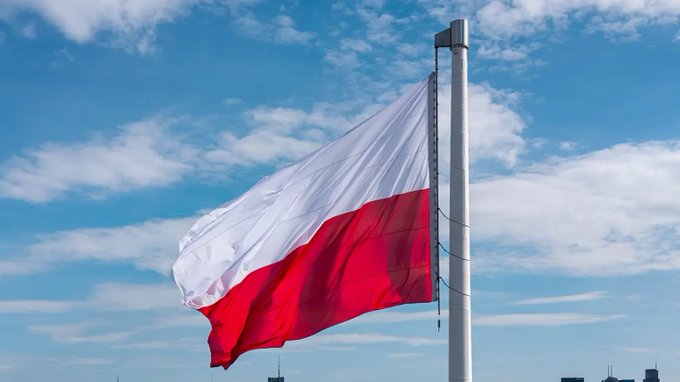
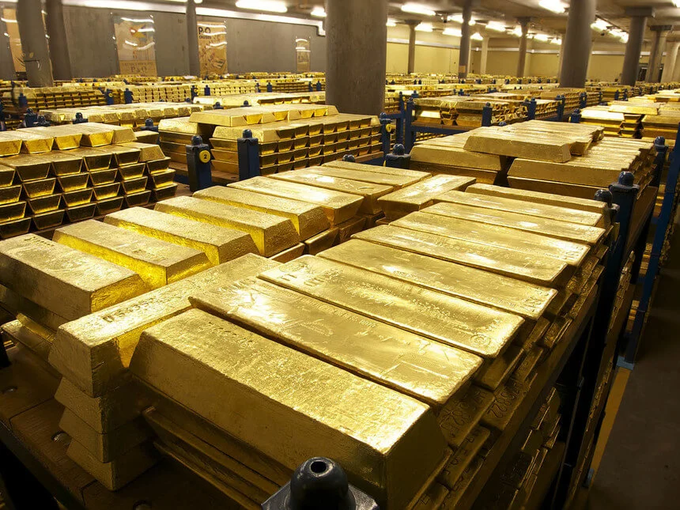
Poland just surpassed the European Central Bank in gold reserves.
A single country.
More gold than the institution controlling the entire Eurozone.
Poland didn't do this by accident.
While the ECB printed euros.
Poland stacked gold. Quietly. Consistently. For years.
The ones holding hard assets when the monetary system breaks. Win everything.
Poland already knows.
10
46
346
18,560