
Amature cook with a black belt in pie making. Intolerably liberal climate heretic. Pronoun: Generalíssimo. Mature discussions only please. Thank you.
Joined February 2012
- Tweets 5,884
- Following 943
- Followers 404
- Likes 2,553
1,925 Photos and videos
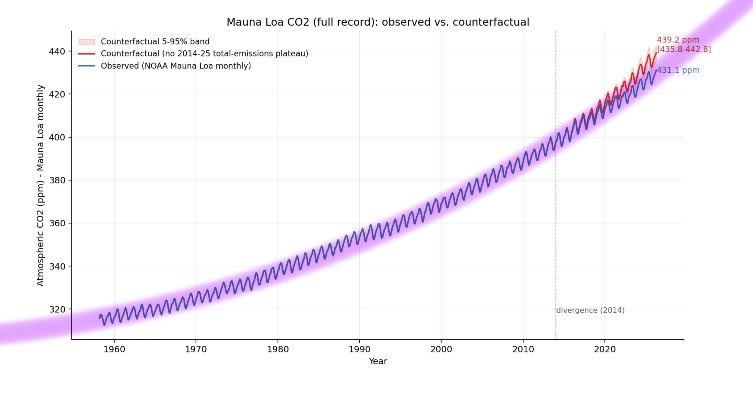

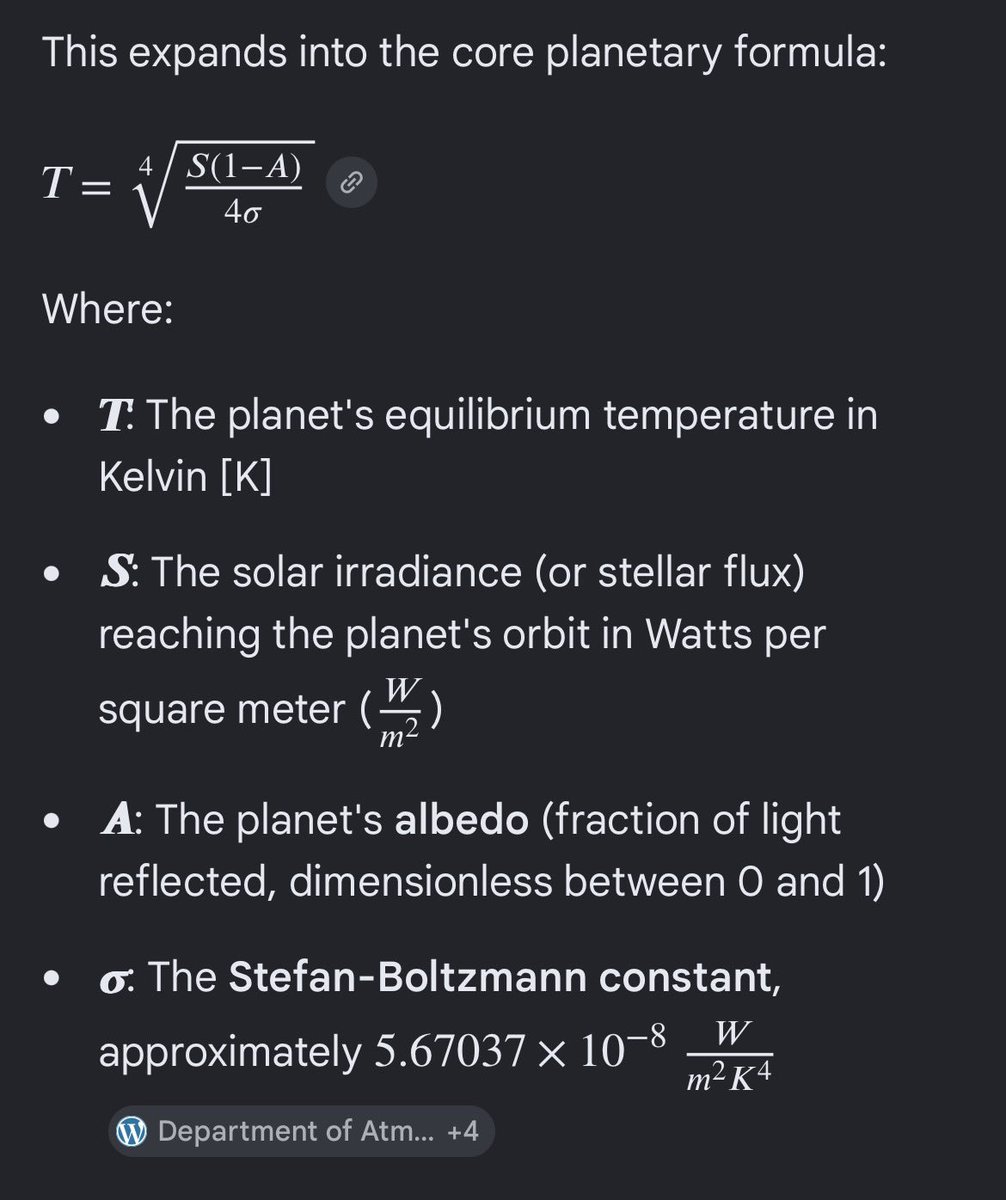



May 27
I’m launching an official protest. Humans should be required to carry as much as the burros.
youtube.com/shorts/etnm2C4a-…
96
Al White retweeted

May 22
Fascinating study from Texas A&M here. There is a link between urbanization and rainfall. Has implications on planning, mitigation, and near-term forecasting.
News article on the paper here: tpr.org/news/2026-05-21/texa…

Analysis of a 23-year record of Texan storms reveals how urban landscapes affect storm rainfall — painting a more complex picture than had been realized
go.nature.com/4wCZLyB
5
39
224
48,789
May 20
Cropped: Deforestation roadmap | Melanesian Ocean Summit | Returning pet parrots to the wild preview.mailerlite.io/emails…
50
Al White retweeted

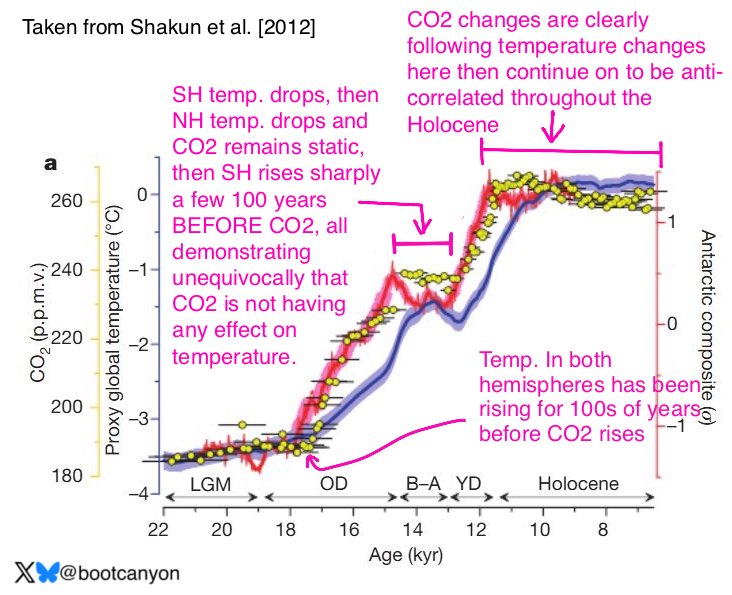
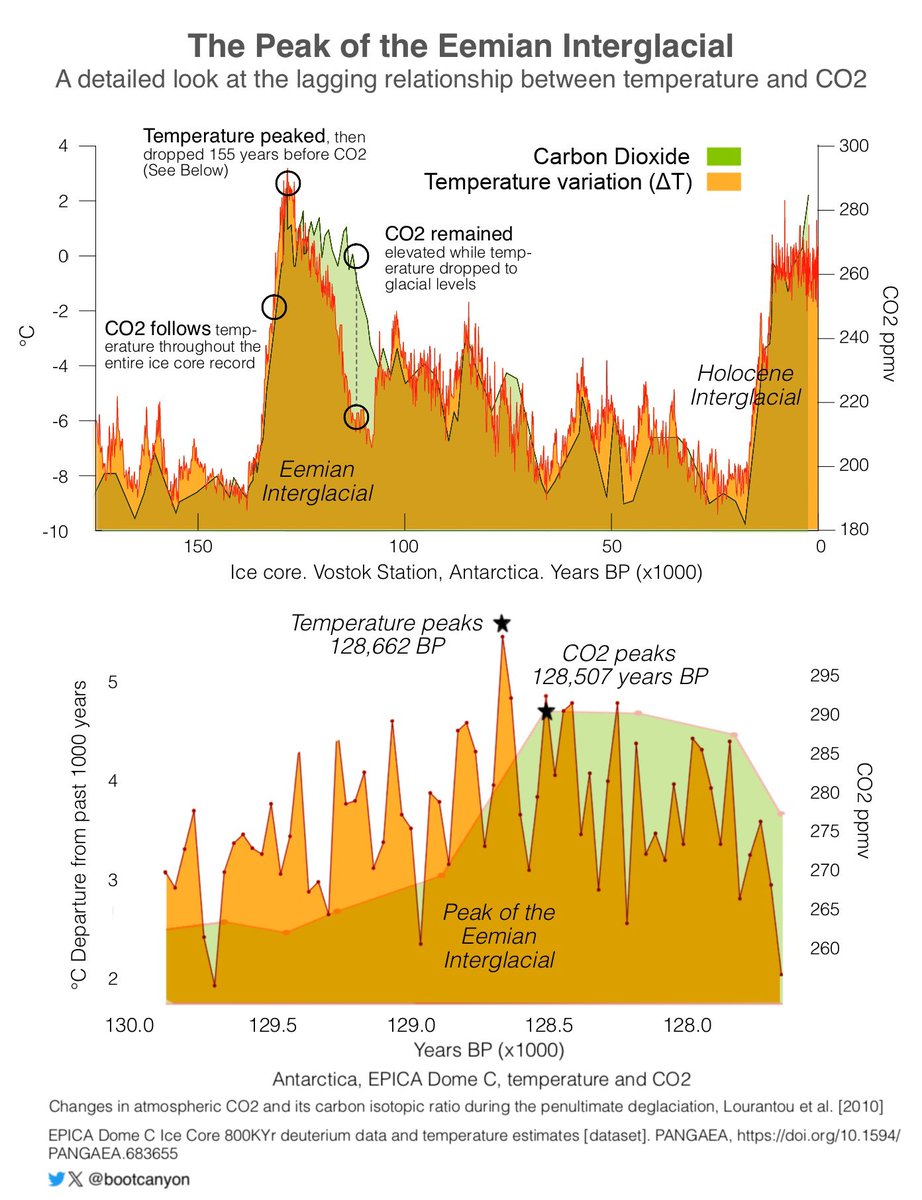
What if the non-experts can point to warming and cooling with no changes in CO2 during the Holocene. In fact point to a whole interglacial warmer than the Holocene with CO2 levels at 2/3rd the current level.
Minoan Warm Period (approx. 1600–1000 BCE):
CO2 280ppm
Iron Age Cold Epoch (approx. 1200 – 500 BCE):
CO2 280ppm
Roman Warm Period (approx. 250 BCE – 400 CE):
CO2 275ppm
Dark Ages (approx. 500–1000 CE):
CO2 280ppm
Medieval Warm Period (approx. 800–1300 CE):
CO2 280ppm
The Little Ice Age Period (approx. 1300 – 1850 CE):
CO2 275-280ppm
I know it may seem odd that this clear observational evidence shows temperatures have changed without any change in CO2 levels is ignored by climate scientists, but let me try and guess.
Unprecedented amounts of money are currently being shovelled into climate science to investigate how CO2 is causing warming, and what the results of the warming are going to be.
This data tells us that the climate has warmed and cooled naturally without changes of CO2 and in doing so there have been no climate catastrophes.
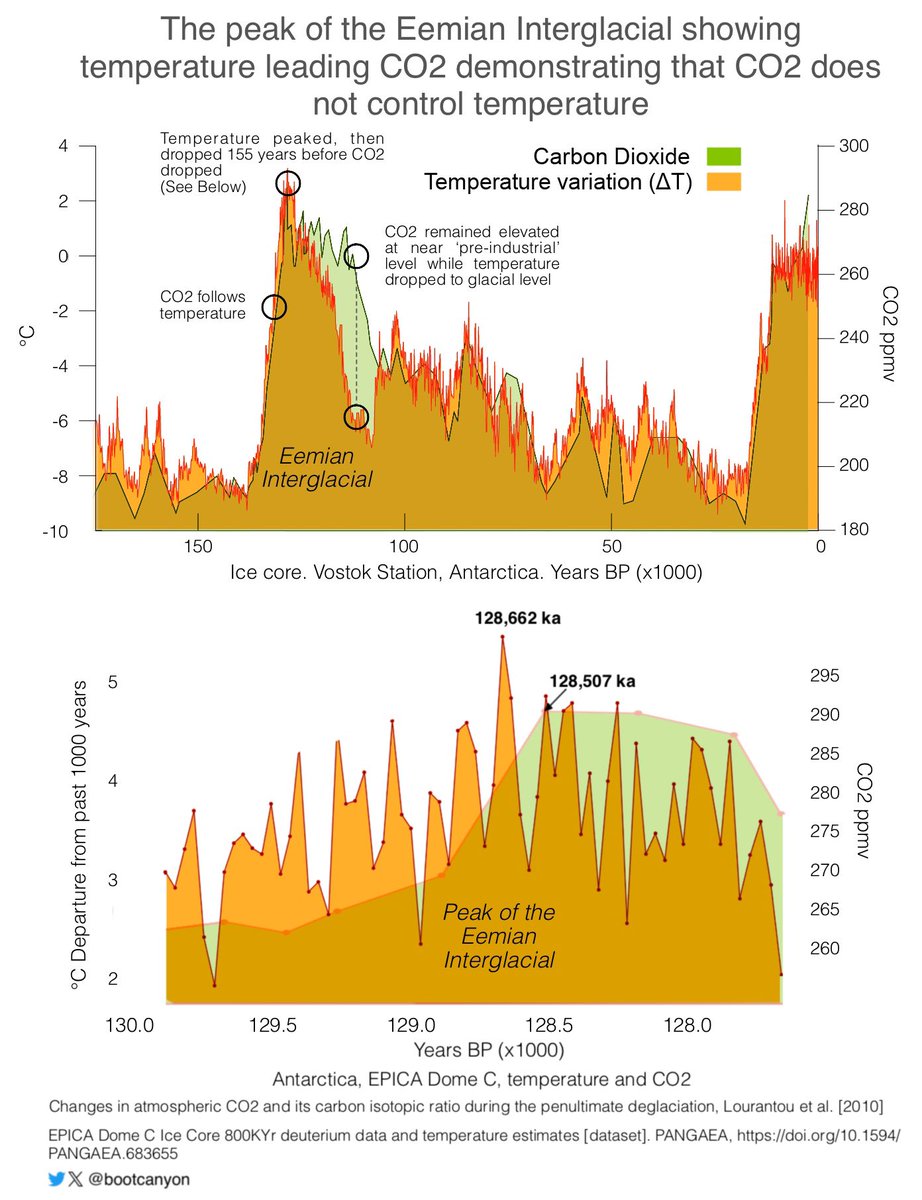
For periods during the Eemian (the interglacial before the Holocene) temperatures were 8C more than the Holocene. CO2 levels throughout the Eemian in its atmosphere? 280ppm.
If you can see CO2 driving temperature let me know how?

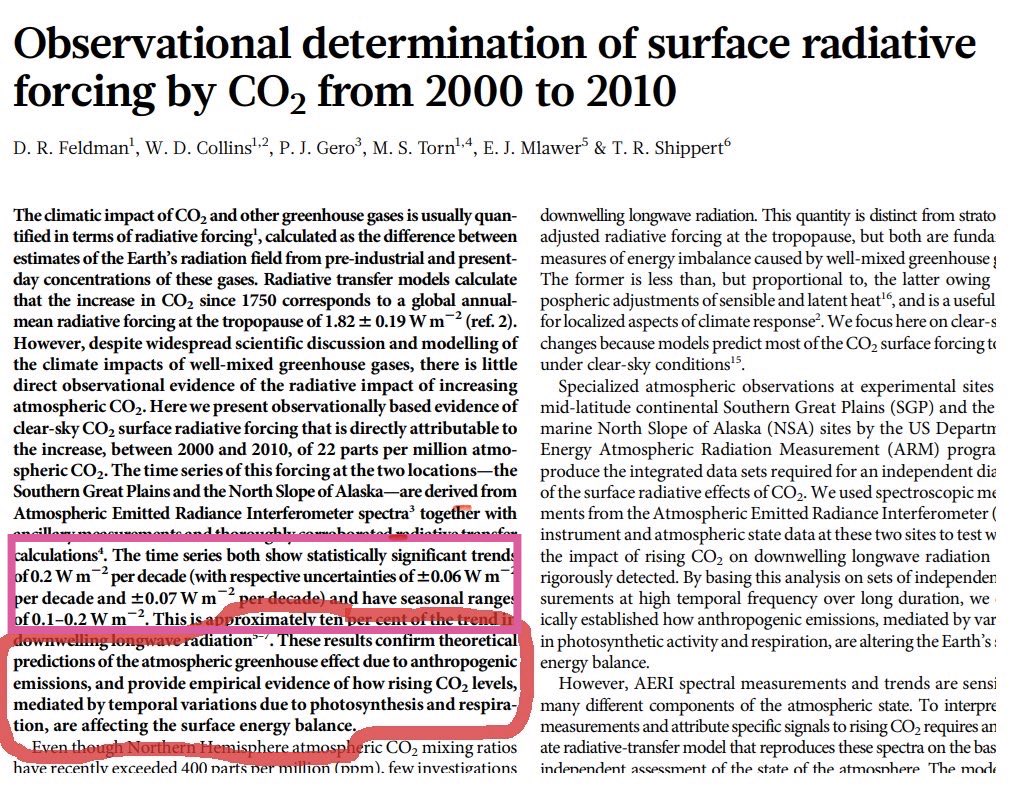
The OVERWHELMING consensus of EXPERT judgment is that global warming is being caused by human activity, principally via CO2 emissions.
Non-experts have no scientific justification whatsoever for positively asserting a contrary opinion.
17
5
30
1,521
Al White retweeted

what is surprising is how long it took for America to wake up and smell the corruption, lawlessness and treason - I respectfully suggest everyone start reading two texts
Project 2025 (Heritage Foundation and 47's plan)
22 Cells at Nuremberg (Dr. Douglas M. Kelley)

1
3
61
Al White retweeted

May 18
The latest Climate4you update, April 2026, has just been released by Ole Humlum, a prominent researcher at the University of Oslo.
researchgate.net/profile/Ole…
Available here:
climate4you.com/Text/Climate…
All previous monthly issues are here:
climate4you.com/
Enjoy and retweet!
1
5
10
197
Al White retweeted

May 17
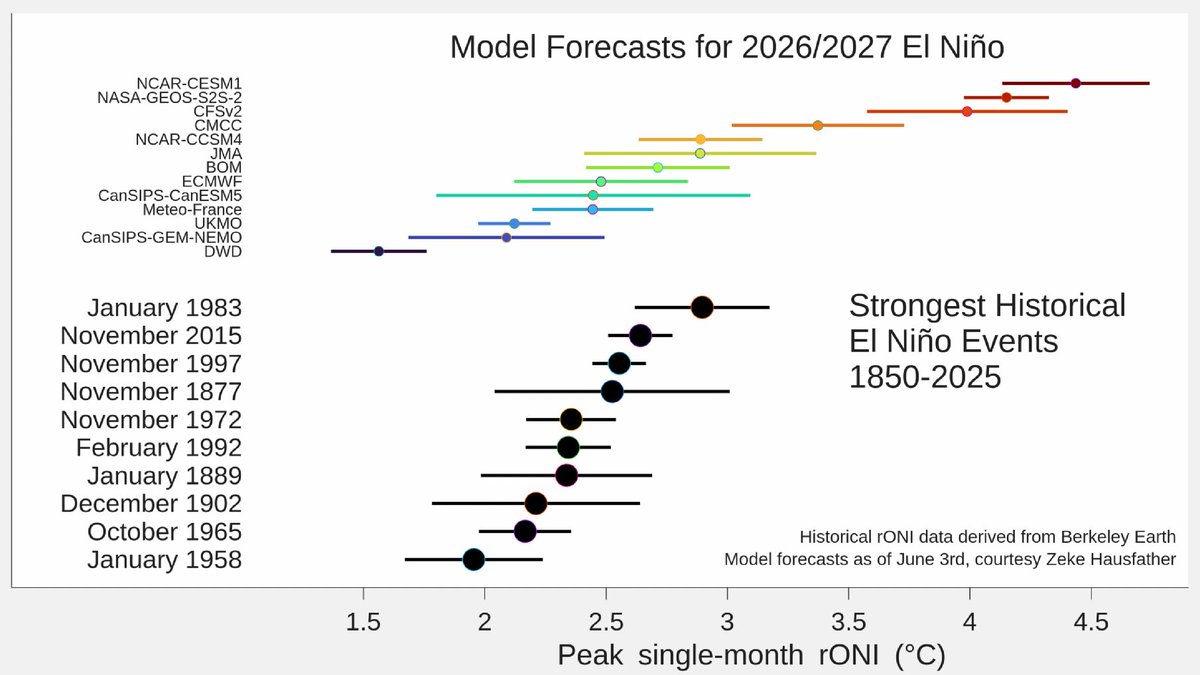
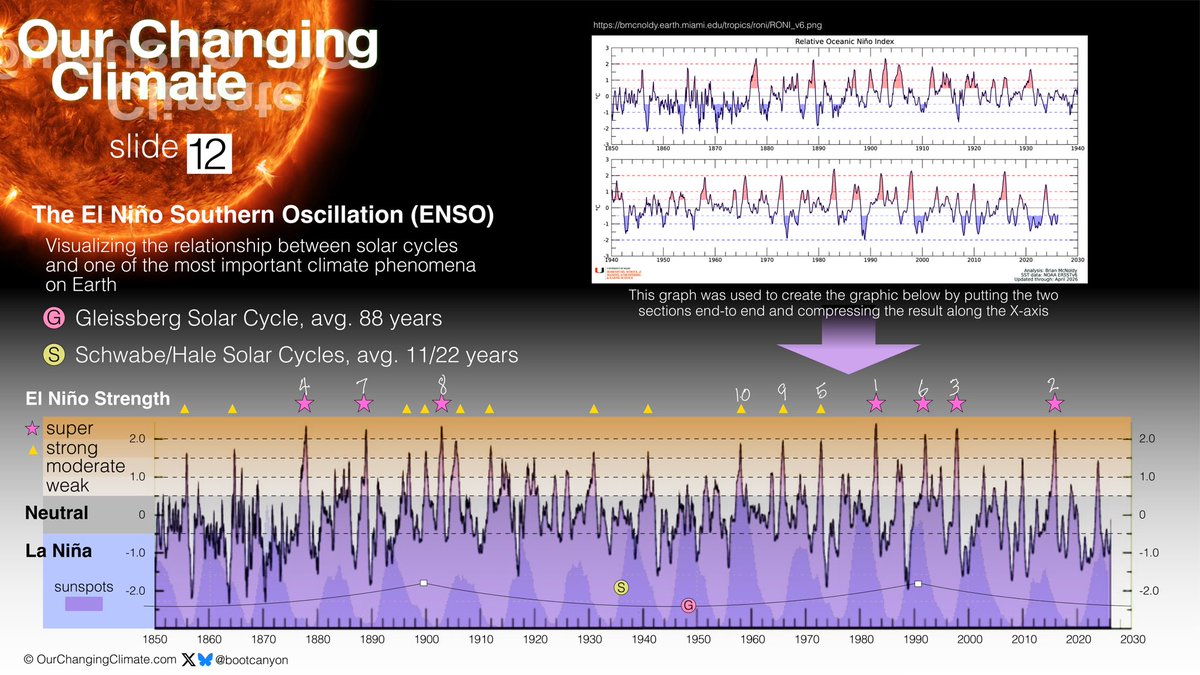
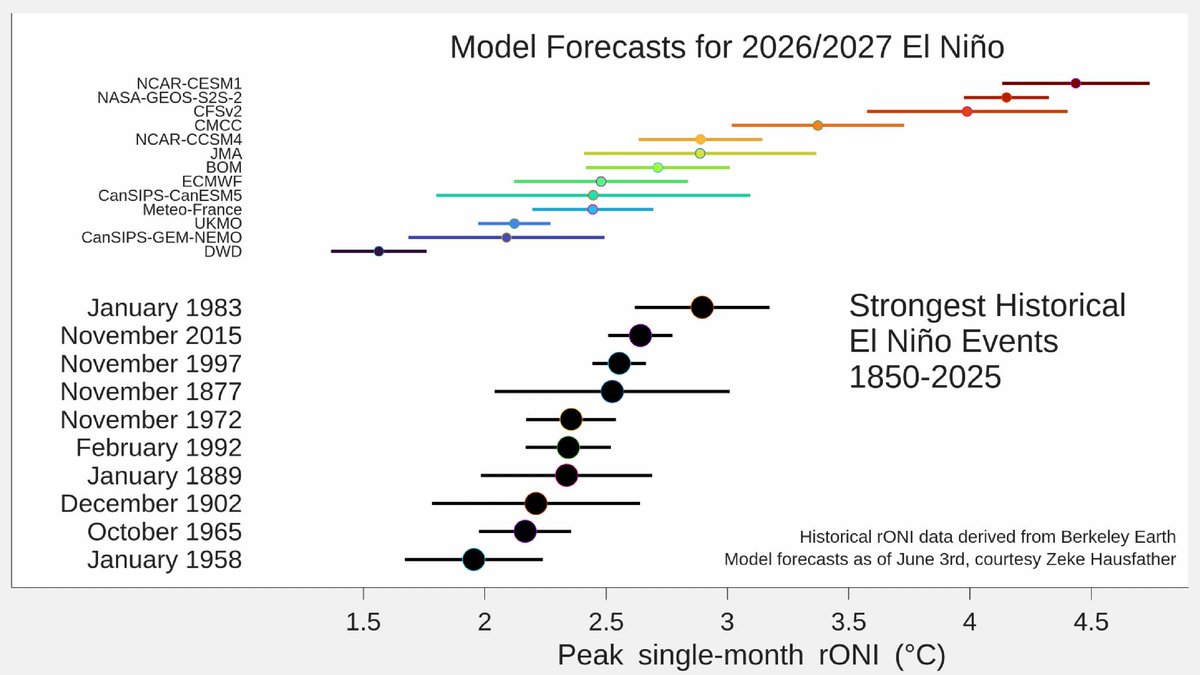
Lurking below the surface in the equatorial Pacific is possibly the most impressive blob of above average ocean temperatures we've ever recorded since we've had the ability to measure this stuff. When that enormous concentration of bath water reaches the surface over the coming weeks and months, it's going to release devastating consequences around the globe throughout the second half of the year. Get ready for severe droughts in parts of South America, Africa, and Australia, devastating monsoons in southern China, and a roaring southern jet all winter long in North America. When you combine this with the fertilizer crisis bubbling as a byproduct of current global events, there's going to be crop failure on a level most of us have never seen during the closing months of 2026. Hard to see how we avoid widespread deadly famines across multiple stretches of the planet at this point.
422
1,458
5,133
1,177,203
Al White retweeted
Not sure what you're talking about. So you don't get confused I'm taking John Tyndall's thoughts on GHGs as pretty sound. His view was that water vapour was the major GHG.
I ought to explain the lengths some climate scientists will go to keep their theory valid. Their treatment of the effectiveness of H2O versus CO2 as a greenhouse gas is BAFFLING. I’ll use only one source, but you should be aware that there are innumerable sources playing down the role of H2O as a greenhouse gas. A whole variety of reasons are put forward, one being water vapour doesn’t last long enough in the atmosphere to be a viable greenhouse gas.
For sure individual molecules of water in the form of water vapour don’t last long in the atmosphere compared to CO2 but you don’t need a PhD from Harvard University to figure out that if the sun is shining, or it is warm, the H2O in the atmosphere will be continuously replenished, especially around the equatorial regions where most of the heat from the Sun hits the planet.
"Heat escapes from areas just north and south of the equator, where warm surfaces fewer clouds allow for greater radiative cooling into space." NASA.
John Tyndall figured this out, and anyone with the most basic knowledge of physics would be able to. It is the most scientifically limp wristed attempt to divert the known science, - that could possibly be put forward - i.e. the known science that the most abundant and powerful greenhouse gas is water vapour. So, let’s look at the data.
Here are the overnight temperatures for the Sahara and Arabian deserts. Let’s see how much heat is retained in CO2 rich atmospheres with and without water vapour.
Sahara Desert, humidity 25%
Daytime temperature 38C. Overnight temperature -4C,
Drop in temperature 42C (Source NASA)
Arabian Desert, humidity 21%
Daytime temperature 48C. Overnight temperature -3C
Drop in temperature 51C (Source NASA).
CO2 is a well-mixed gas and is found in roughly the same volume throughout the atmosphere. There is little water vapour to speak of in the atmosphere of these deserts, and the temperatures have dropped dramatically as soon as the Sun has gone down.
“The temperature in the desert can change drastically from day to night because the air is so dry that heat escapes rapidly at night. The daytime temperature averages 38°C while in some deserts it can get down to -4°C at night.”
NASA Earth Observatory
In the more humid areas around the equator with 80% humidity the drop in temperature is manifestly far less dramatic.
Bangkok humidity, 80%
Daytime 32C to night time 27C drop in temperature of 5C. (Source NASA)
Singapore humidity, 84%
Daytime 32C to night time 24C
Drop in temperature of 8C. (Source NASA).
It can be seen quite clearly from these figures that water vapour dominates the greenhouse gas effect on the Earth, it is around a variable 40,000 parts per million (ppm), in the tropics (roughly 100 times that of CO2) and almost non-existent over deserts and at the poles.
NASA’s comment, where, “because the air is so dry that heat escapes rapidly at night,” tacitly agrees that CO2 is a bit part player in global warming.
John Tyndall supported the notion that “water vapour is the most powerful greenhouse gas with other gases (including CO2) as “not negligible but relatively small.”
“If a man will begin with certainties, he shall end in doubts; but if he will be content to begin with doubts he shall end in certainties.” Sir Francis Bacon in praise of scepticism.
Surely you'll take the word of the man who invented the world's greatest breakfast over a bunch of alarmist scientists?
May 13

Hang on buddy. First you say there’s no greenhouse effect, and now you’re saying CO2 has a non zero climate sensitivity. Which one is it? Can’t have it both ways champ.
2
3
7
468
Al White retweeted

May 14
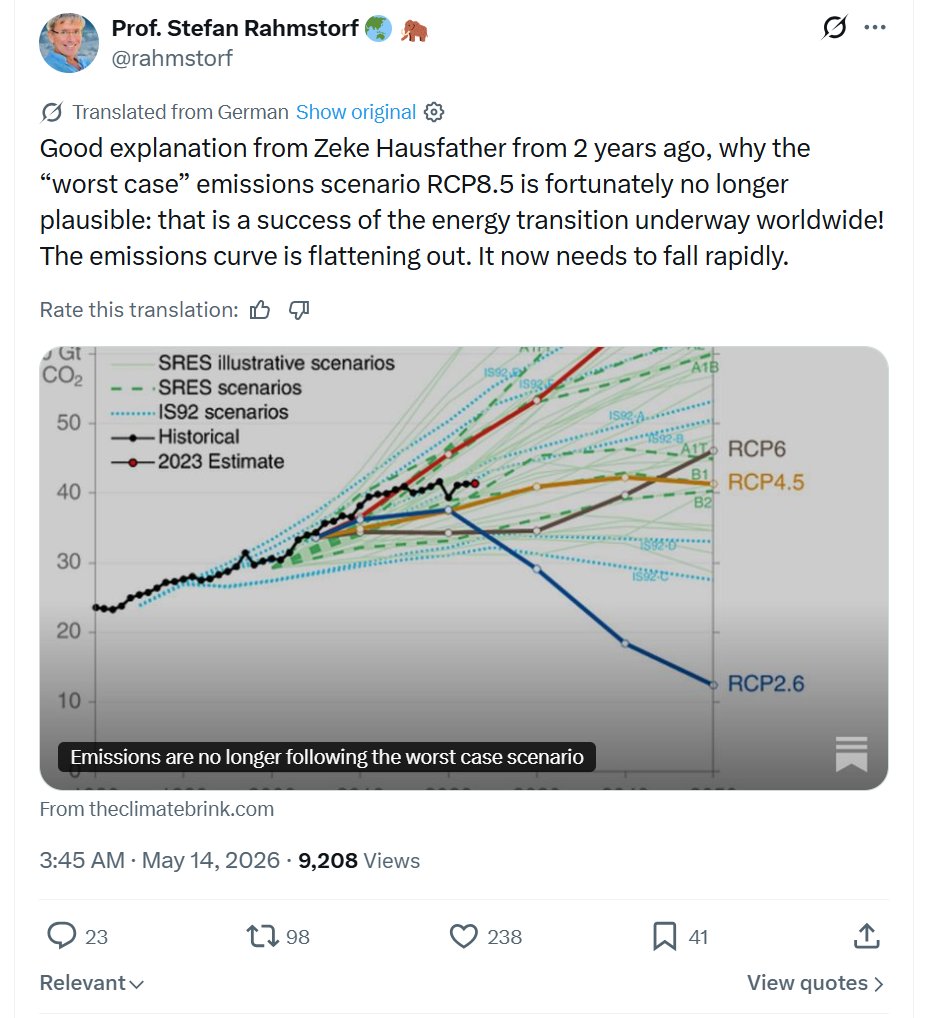
“RCP8.5 was once plausible and we successfully averted it through the energy transition” narrative is perhaps the biggest, most consequential, and most actively perpetuated lie in climate science and policy communication today.
61
215
772
79,599
Al White retweeted

May 13
The Atlanta Beltline being this packed with people at 7pm on a TUESDAY is just a delight. Every restaurant along the trail is packed, people everywhere socializing and being humans together. The dichotomy of this experience against Atlanta Freeway Hell just boggles the mind.
127
148
3,125
633,391
Al White retweeted

Back in 2011, Volkswagen used Star Wars to create one of the most beloved Super Bowl ads ever….👀
41
573
3,834
115,880
Al White retweeted

Possibly… on the other hand it could just be that (equitable) economic growth is more important than ever.
theconversation.com/is-this-…
2
5
577

Al White retweeted

Later IPCC reports largely ignored urban heat island (UHI) effects.
When we separated urban from rural stations in the Northern Hemisphere:
→ The standard urban-influenced record shows a strong long-term warming trend.
→ The rural-only record shows less warming. But, crucially, it is more "cyclical" in nature. This removes the apparent correlation with CO₂.
Our analysis found urban warming can explain up to 39% of the reported 20th-century trend.
In general, natural factors were increasingly sidelined in favour of a purely CO₂-focused narrative.
What’s your take?
11
36
94
2,287