
Joined September 2017
- Tweets 24,516
- Following 1,470
- Followers 672
- Likes 63,404
7,045 Photos and videos
Pinned Tweet

30 Apr 2022
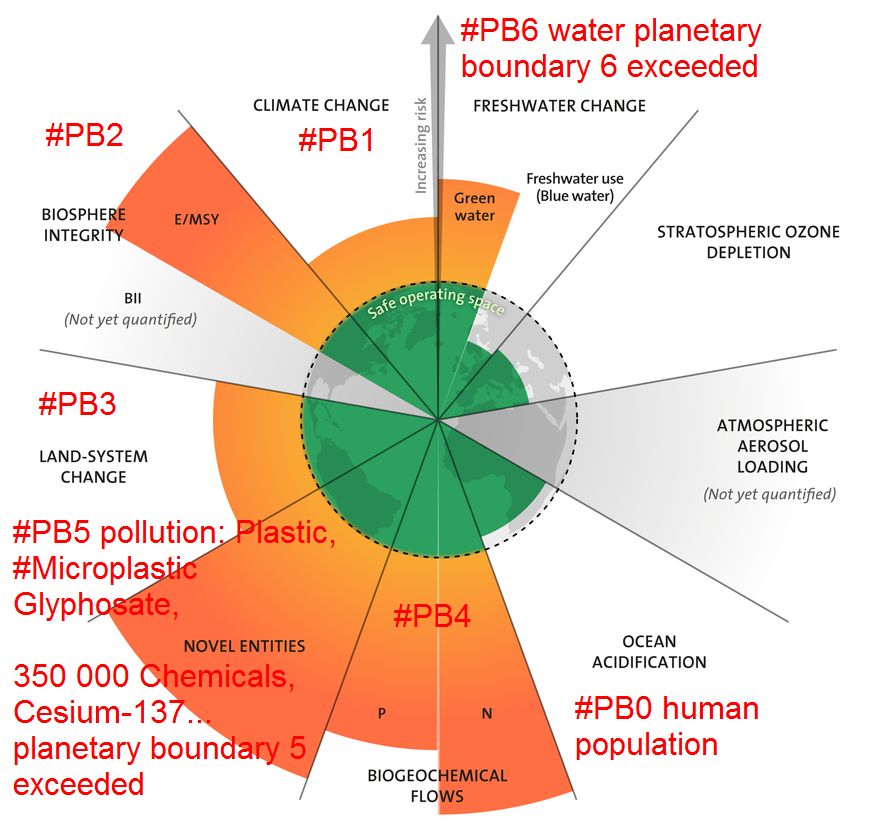
#PB planetary_boundaries
1_climate_change
2_biodiversity_loss_&_extinction
3_land_use
4_N_P
5_pollution: Plastic, Microplastics, Glyphosate, 350 000 Chemicals
6_water 26.04.2022
0_human_population
31
90
147

Thomas Bratananium retweeted

Jun 16
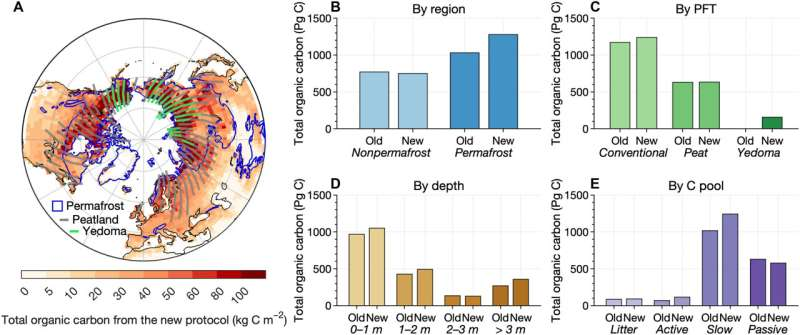
#EarthSystem/#Feedbacks: "According to the model, this reversal from sink to source happens earlier—around the 2050s—than in the original model, which delayed it beyond midcentury." #permafrost
1
2
9
161
Thomas Bratananium retweeted

Heute Nacht wird mir in Kalifornien der hochdotierte Mani L. Bhaumik Breakthrough of the Year Award verliehen – gemeinsam mit Li Junfeng (China) und Charlie Gay (USA) – für mein Lebenswerk für die Erneuerbaren Energien. Mehr dazu im Newsletter: hans-josef-fell.de/2026/06/1…
1
3
8
330
RT @RCRaven1: Das ist der tragische Witz an dieser Bürgergeld-Debatte.
Viele haben geglaubt, sie treten nach unten.
In Wahrheit haben sie…
335

Thomas Bratananium retweeted

Jun 15
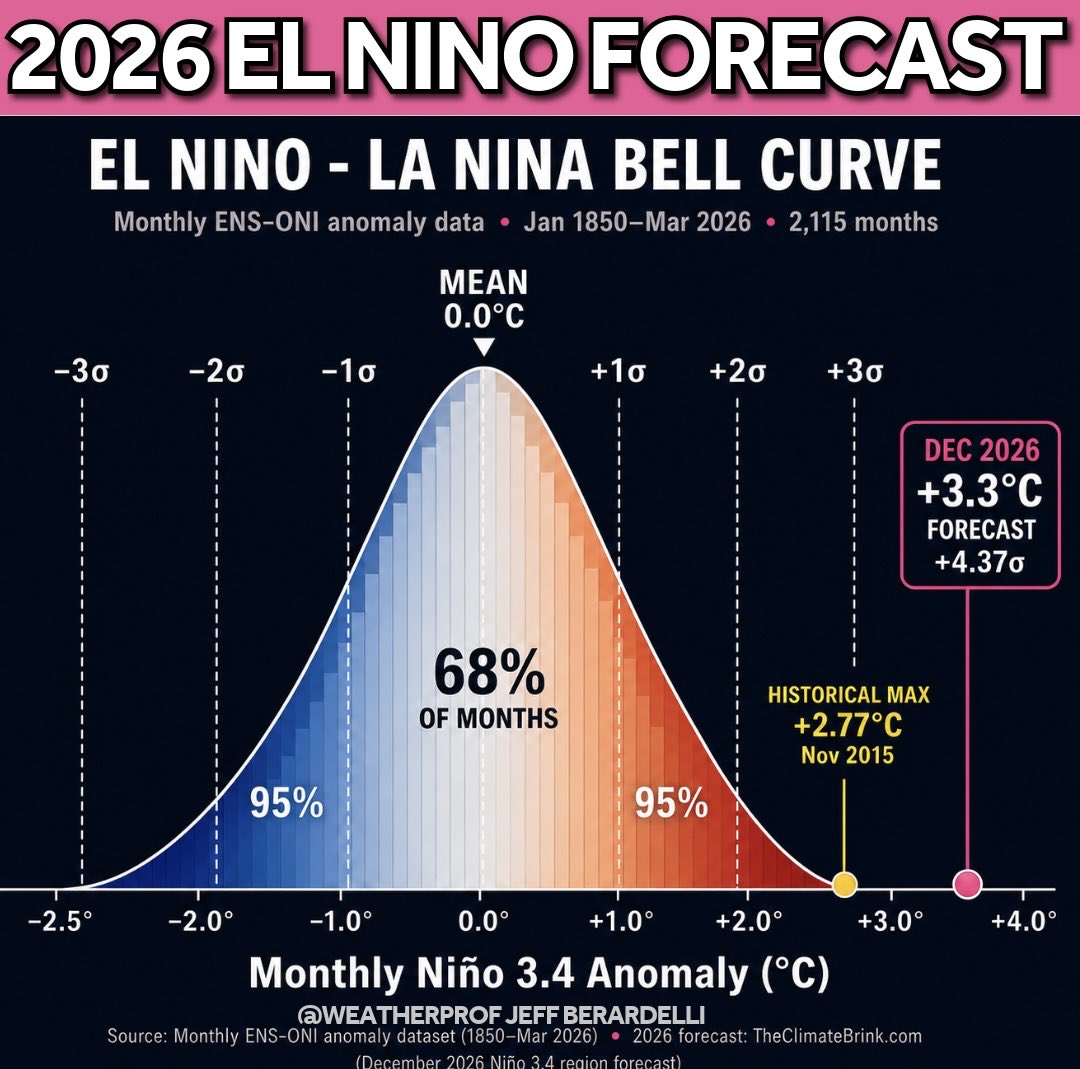
4.4 standard deviations from the mean?!
To put into perspective how strong this El Niño has the “potential” to be, I plotted it on the Bell Curve/ distribution of all El Nino, La Niña, & neutral months since 1850 (over 2K). The dynamical model ensemble median forecast peak anomaly is 3.3°C in December 2026. Comparing against all Nino (3.4 region) values yields a value of 4.4 sigma for this event, plotted outside the extreme right tail, next to the current record of 2.8C in 2015. Keep in mind this is not the relative index, so it does not account for global warming, and the fact that higher SST anoms are easier to achieve now due to the higher starting baseline. #elnino 1/ 🧵
12
88
265
19,123
Thomas Bratananium retweeted

Jun 15
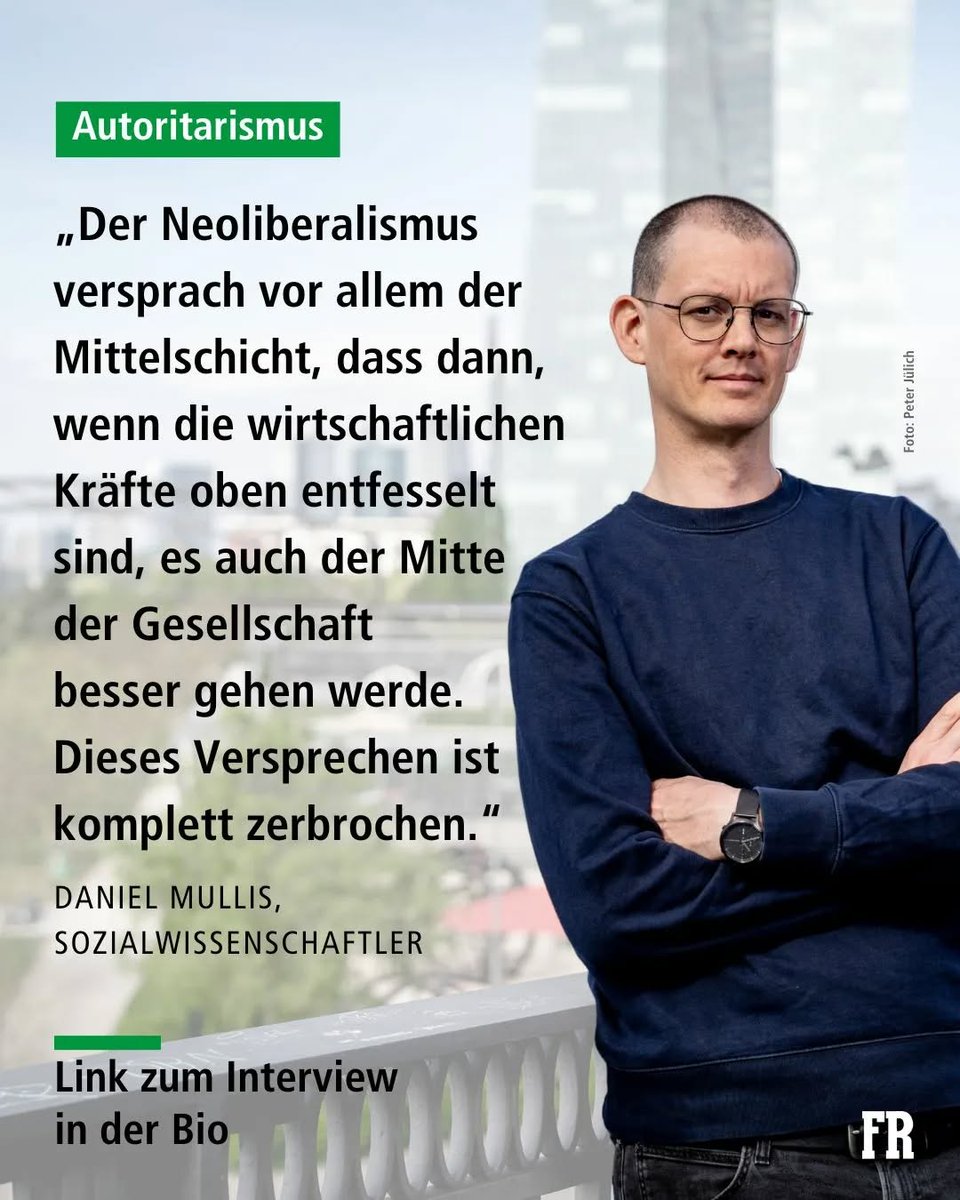
This. Die eigentliche Mutter aller Probleme.
77
158
517
9,217
Thomas Bratananium retweeted
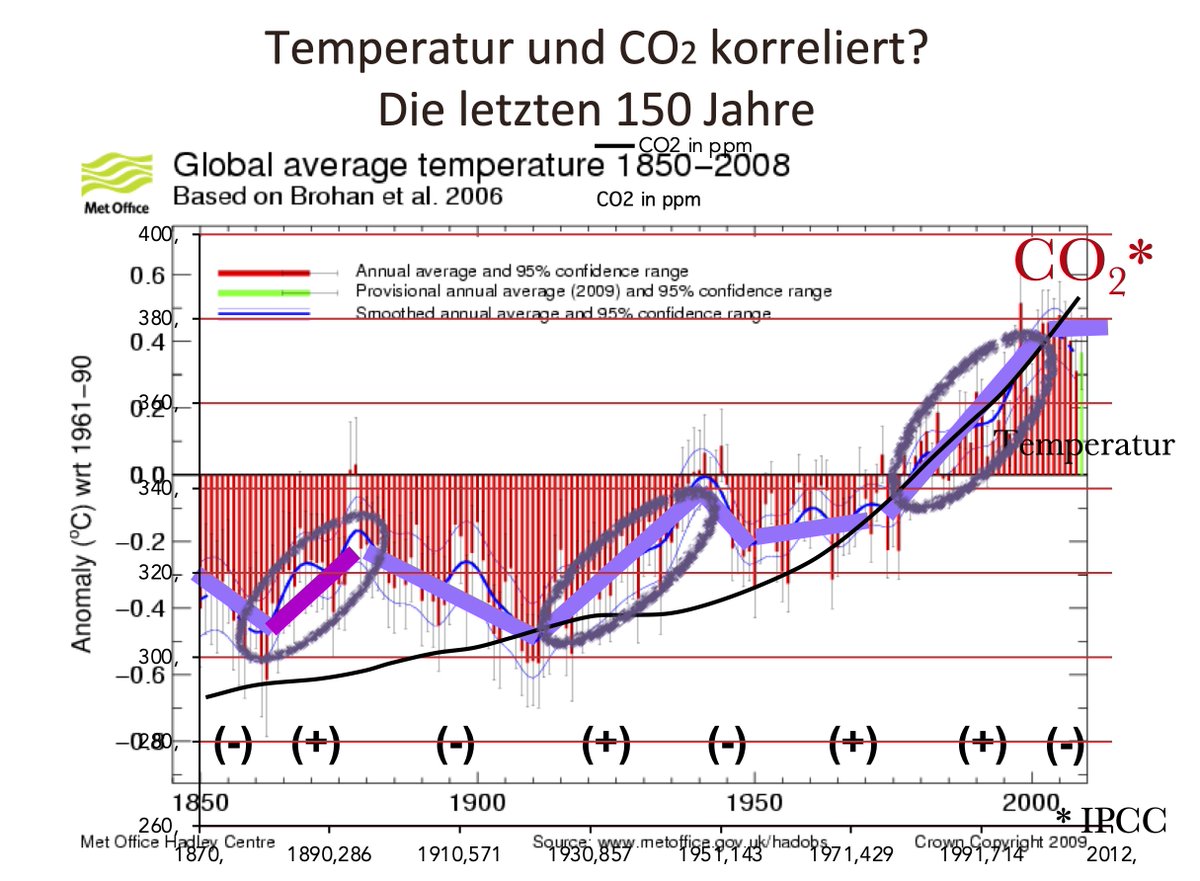
Let's try that again.

5
6
40
1,132
Thomas Bratananium retweeted

Über solche Studien wird man noch sehr viel reden. Es wird immer klarer: Europa und wir sind die größten Verlierer des Klimawandels. Weltweit wird es dann 3 Grad wärmer, bei uns im Winter 10 Grad kälter. Für Lebensqualität und Ökonomie ein GAU, der schon bald eintreten könnte.
28 Aug 2025

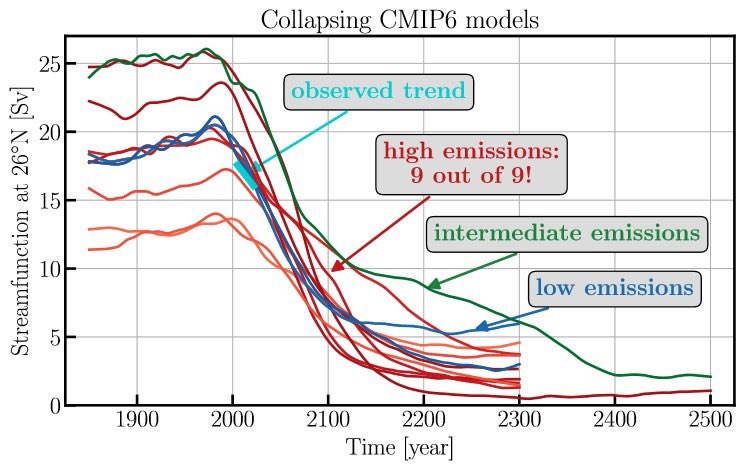
I was shocked when I first saw these results from standard climate models used in IPCC reports:
for high emissions, the Atlantic overturning circulation #AMOC shuts down in all 9 models that ran
past 2100, and is well on the way to shutdown by 2100.
Our paper is out today. 🧵
488
163
699
127,884
Thomas Bratananium retweeted

Jun 16
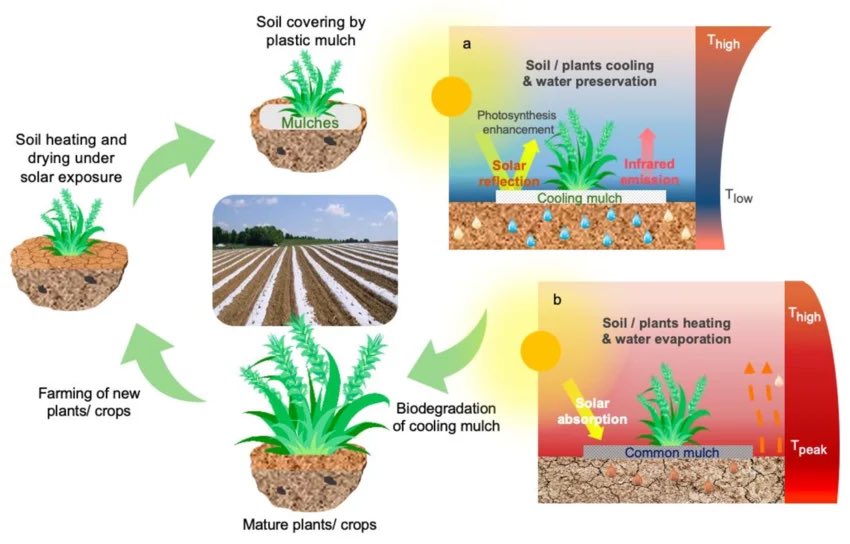
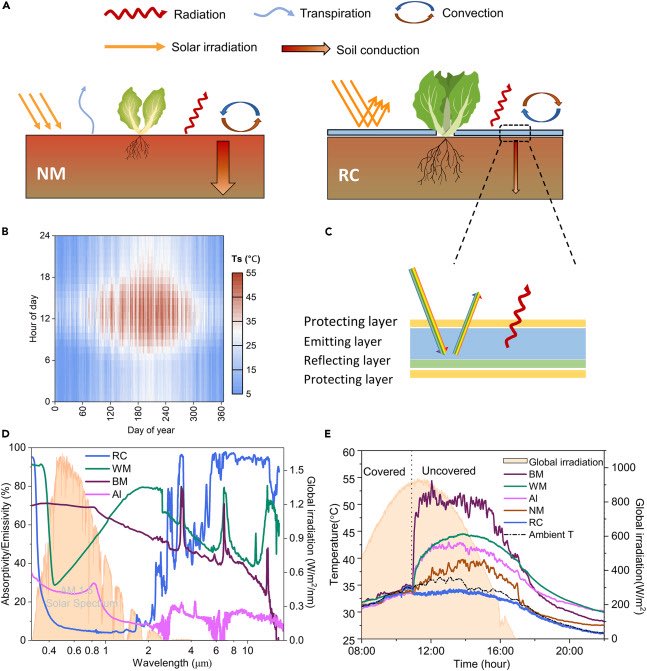
solar reflectance and thermal emissivity of 97% and 0.93, respectively, to provide zero-energy cooling for soil surfaces. Field tests have demonstrated that the radiative cooling mulch significantly reduces soil moisture evaporation by 60% through cooling soil surfaces, while also improves plant growth by 30% through reducing crop leaf temperature and increasing sunlight exposure for photosynthesis in hot days. Moreover, global heat-water nexus simulations show that the mulch increases soil moisture preservation by over 80% and alleviates agricultural water scarcity by over 60% in arid regions during hot seasons. The work offers an eco-friendly and feasible pathway to foster sustainable agriculture by alleviating heat stress and water scarcity in the context of global warming.
researchgate.net/publication…
2
6
11
344
Thomas Bratananium retweeted
Jun 16
High soil temperature is a key environmental factor threatening food production in hot climates, especially in the era of global warming. Additionally, high soil evaporation under sunlight leads to significant water loss. Currently, there is a lack of effective and feasible soil management methods during hot seasons. This paper presents a soil-cooling strategy based on radiative cooling mulch. The unique optical properties of radiative cooling mulch enable passive soil cooling through high solar reflection and high thermal radiation emission. The experimental results here demonstrate that radiative cooling mulch can reduce root zone temperature by 12.5°C and increase summer crop yields by 127.4%. The global applicability of this technology in different regions is further discussed. This strategy provides an effective solution from the food-water-energy nexus perspective to achieve sustainable development goals.
Enhancing food production in hot climates through radiative cooling mulch: A nexus approach
sciencedirect.com/science/ar…

Certains me disent : "qu'est-ce qu'on peut faire ? tu sers à quoi ?". Lorsqu'une vague de chaleur importante est prévue, les consignes agricoles visent surtout à préserver l'eau, limiter les brûlures, réduire le stress thermique et éviter toute intervention aggravante. Les recommandations varient fortement selon les productions. Voici quelques exemples (non exhaustifs, si vous avez des suggestions, n'hésitez pas) :
VITICULTURE :
➡️Reporter l'effeuillage côté soleil couchant pour ne pas exposer la grappe.
➡️Éviter les traitements phytosanitaires qui peuvent être phytotoxique au dessus de 35°C.
➡️Éviter le travail du sol qui augmente l'évaporation.
➡️Irriguer préventivement (si autorisé) avant le pic de chaleur plutôt qu'après.
➡️Sur cépages sensibles, utilisation possible de kaolin (argile blanche) ou de talc agricole pour réduire les brûlures de grappes et la température des feuilles.
ARBORICULTURE :
➡️Irrigation anticipée et verification des système d'eau.
➡️Utilisation possible de kaolin (argile blanche) ou de talc agricole pour réduire les brûlures et la températures des feuilles.
➡️Éviter de découvrir brutalement les fruits par éclaircissement foliaire.
MARACIHAGE :
➡️Décalage de toutes les plantations après la canicule pour éviter les mortalités.
➡️Ne pas biner et désherber mécaniquement pour éviter d'exposer le sol.
➡️Préparer l'irrigation matinale, le paillage, les filets d'ombrage.
➡️Décaler le travail humain aux heures fraîches et revoir le calendrier de main d'oeuvre.
ELEVAGE :
➡️Vérifier l'accès à l'eau et les installations de brumisation, ventilation.
➡️Répartir le cheptel dans des parcs arborer / abriter (si possible) et vérifier les rations alimentaires.
GRANDES CULTURES :
➡️Peu d'actions possibles à part l'irrigation.
➡️Eviter le travail du sol ou la destruction de couvert qui exposerait le sol au soleil.
➡️Eviter les semis non irrigué hors couvert.
La prévention d'un risque climatique est essentielle pour adapter le travail en champs et limiter les pertes de rendement. Mon travail n'est pas de savoir ce qu'il faut faire à l'échelle du grand public, mais plutôt à l'échelle agricole.
2
16
49
1,572
Thomas Bratananium retweeted

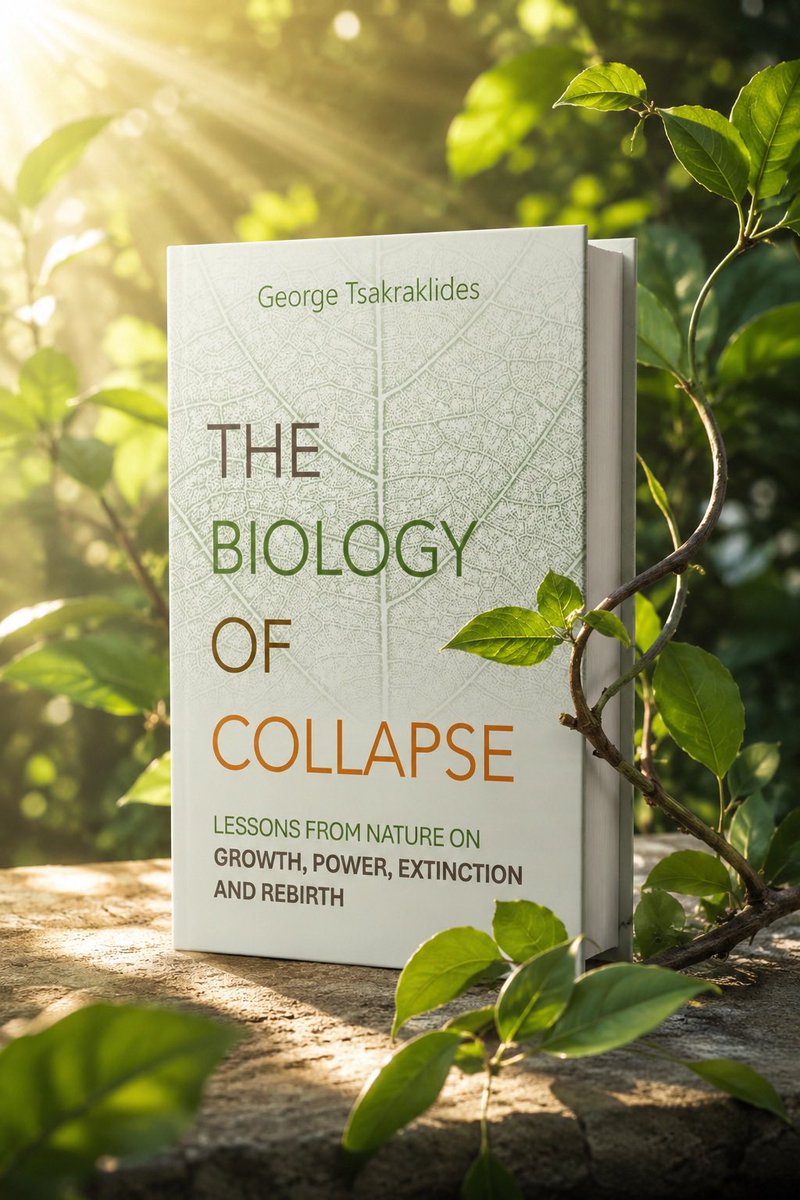
“In ecological terms, the human species is of absolutely no use to Earth. Species that operate this way normally vanish fairly quickly as the dynamics of the ecosystem’s economy always eliminate freeloaders. We have made ourselves unwanted by this ecosystem, and this makes us far more vulnerable to extinction than we realise”
6
29
114
1,433
Thomas Bratananium retweeted
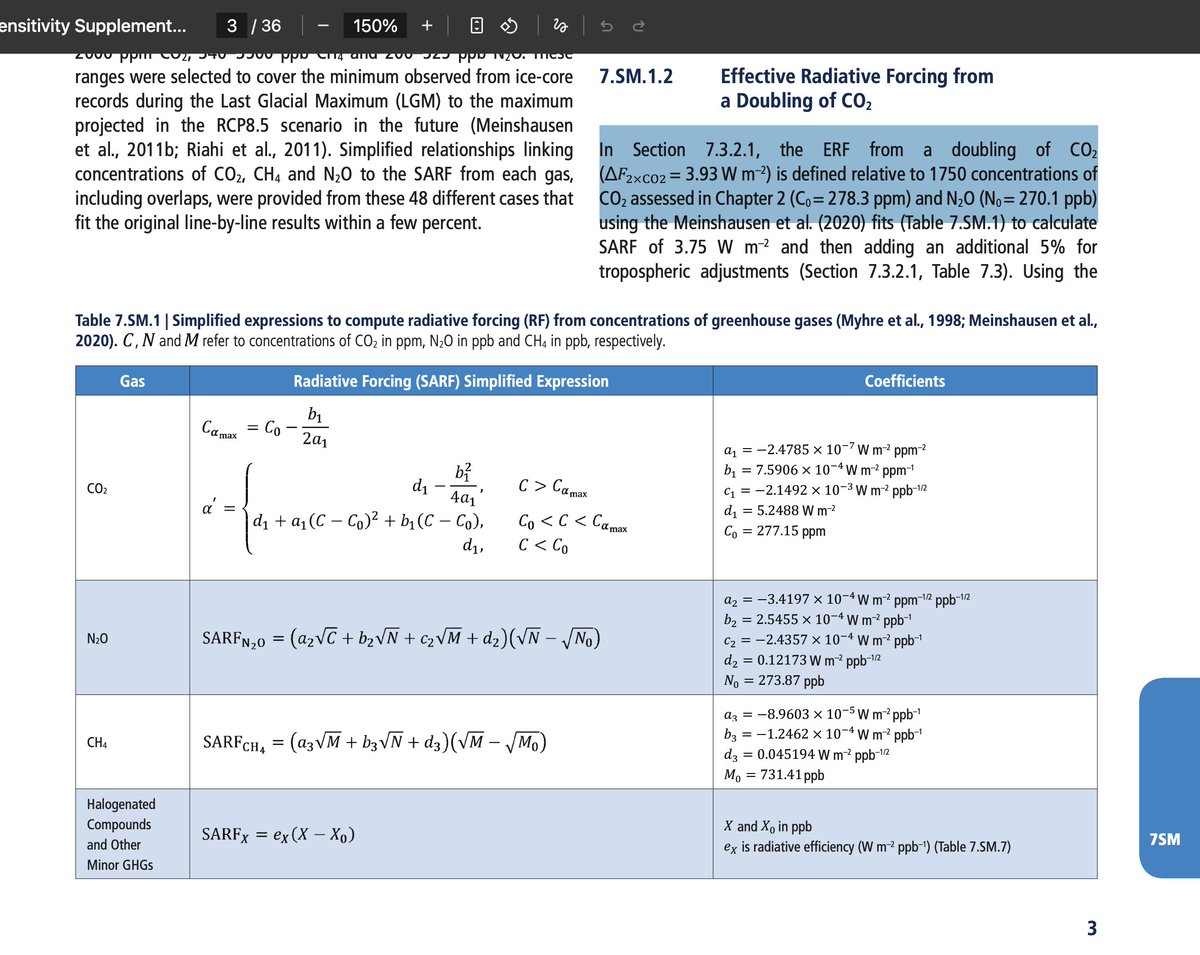
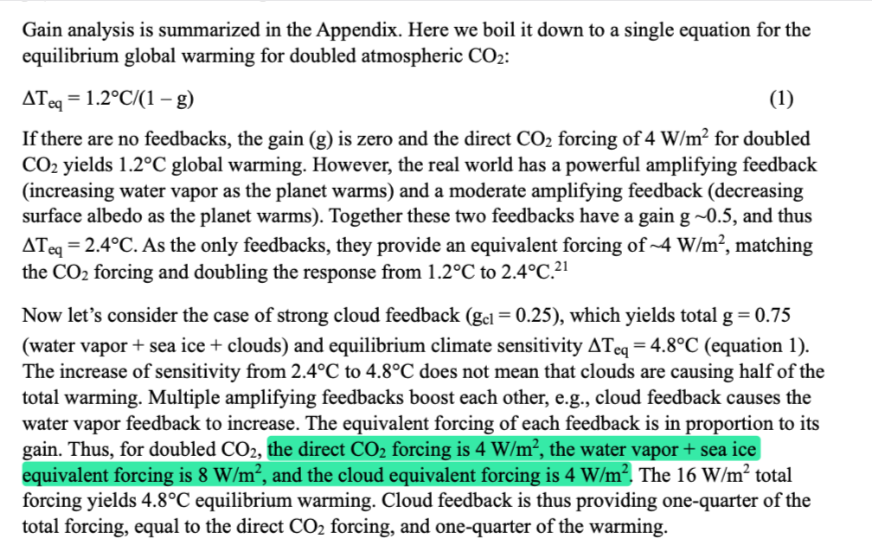
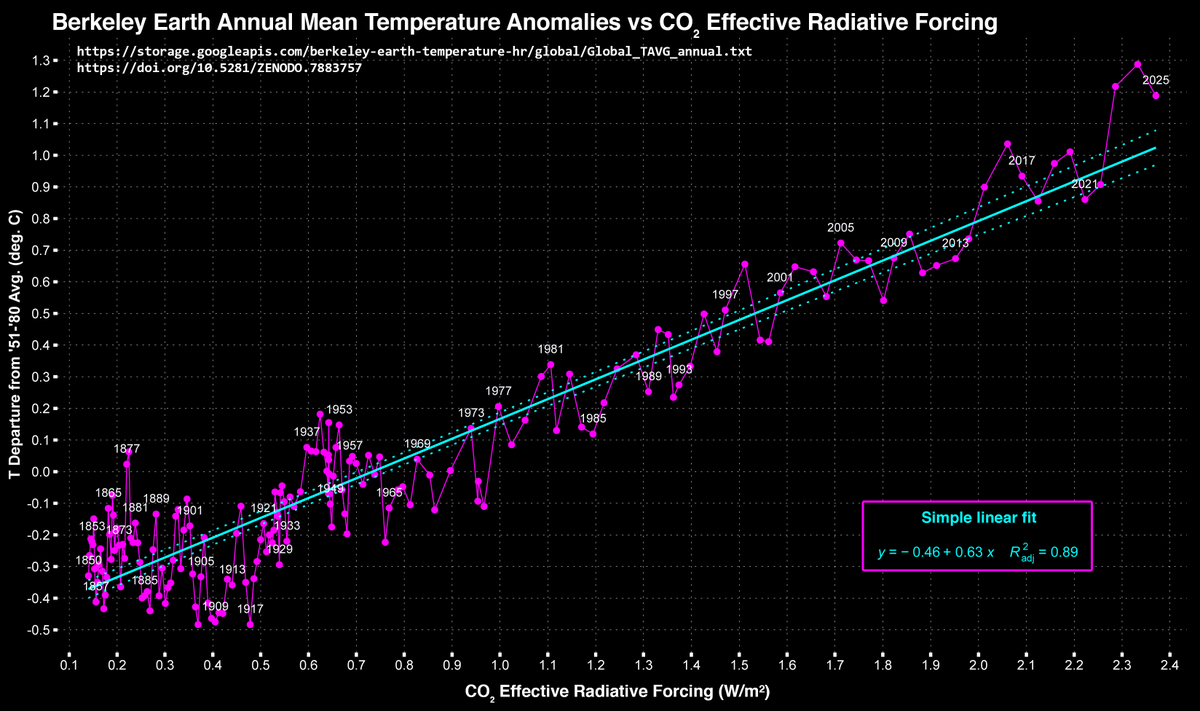
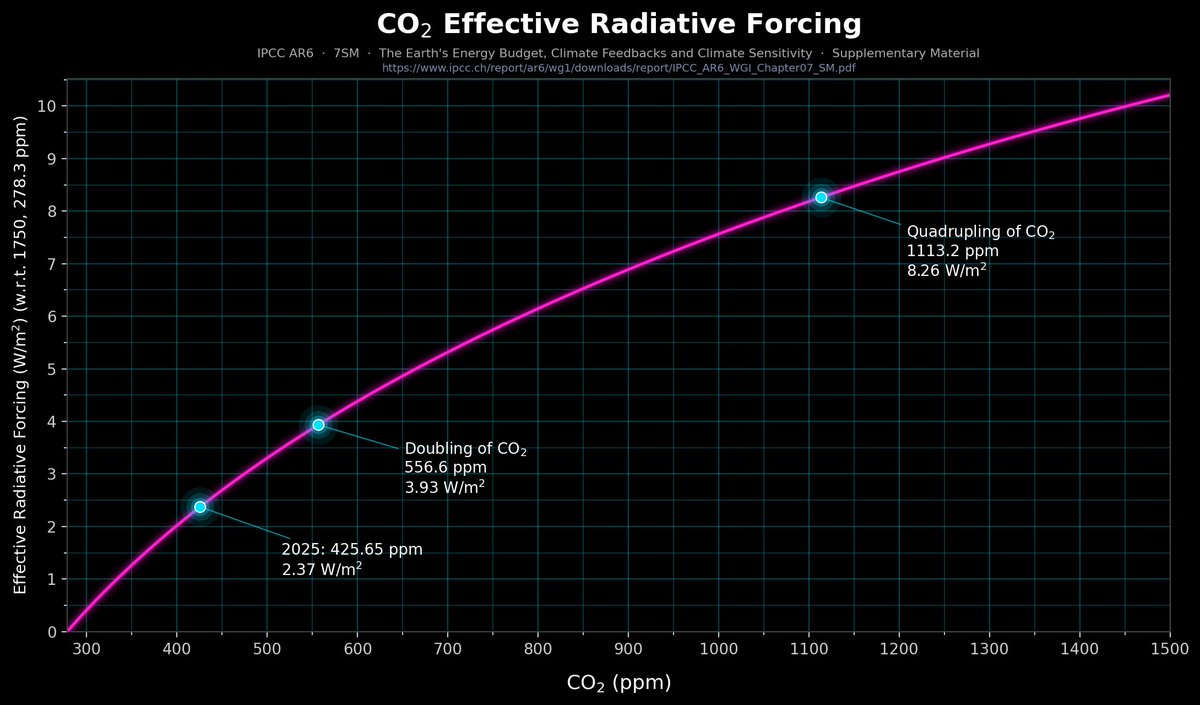
CO₂ Effective Radiative Forcing.
2
9
42
47,671
Thomas Bratananium retweeted
30 Apr 2022
#PB planetary_boundaries
1_climate_change
2_biodiversity_loss_&_extinction
3_land_use
4_N_P
5_pollution: Plastic, Microplastics, Glyphosate, 350 000 Chemicals
6_water 26.04.2022
0_human_population
31
90
147
Thomas Bratananium retweeted

Jun 15
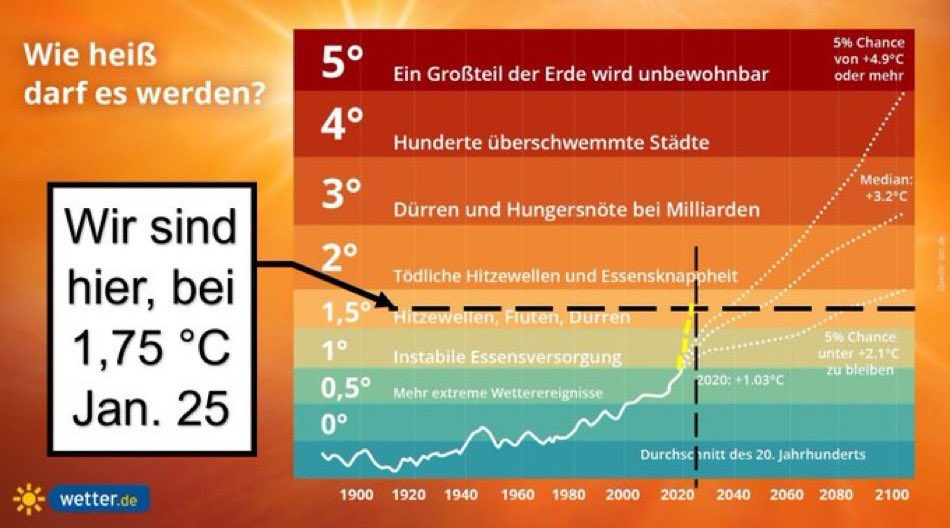
Was darf die Bewohnbarkeit des Planeten kosten? Wird es ohne bewohnbaren Planeten noch Wirtschaft geben?
Interessiert #Klimaleugner nicht. Scheiß auf die Gören?
Wer den Klimawandel leugnet ist auf einem Level von Menschen, die ihre Kinder töten.
#Schuld
33
4
22
1,630
Thomas Bratananium retweeted
Europa geht ungewisser Zukunft entgegen. Entweder versiegt die AMOC Strömung nicht und es wird immer heißer, der Süden Europas leidet extrem. Oder der AMOC kollabiert und es friert im Winter über Monate, Dürre im Sommer und Arktis im Winter. Ignoranten erwarten den Mittelweg
Jun 15

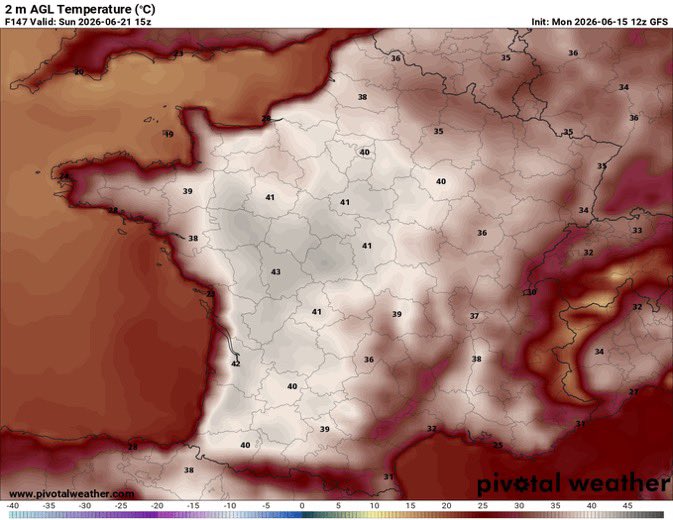
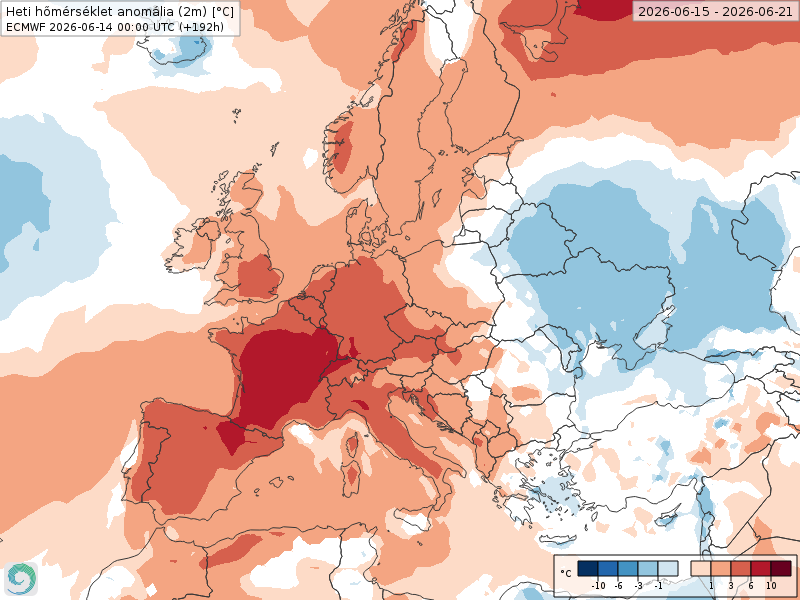
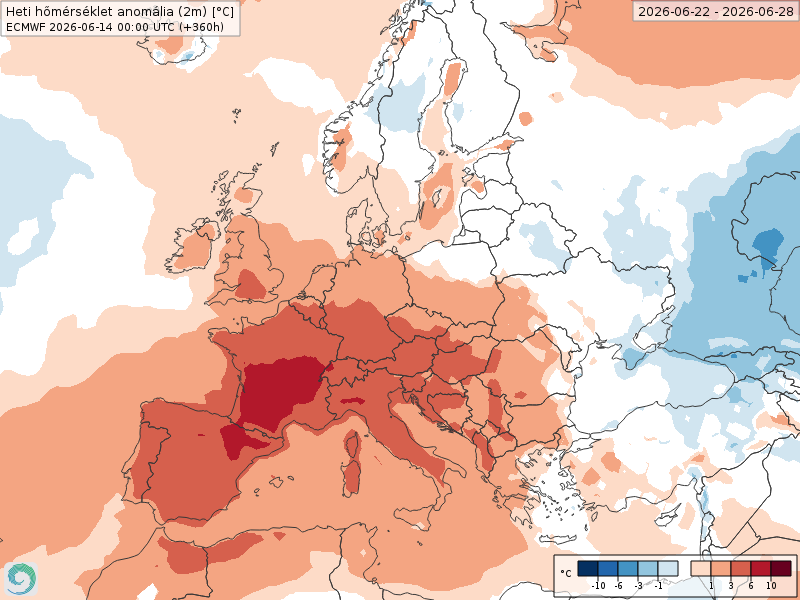
Avec plus de cinquante ans de passion pour la météorologie et une carrière de météorologue prévisionniste et spécialisé dans les événements climatiques extrêmes (meteo-villes.com/chronique), je peux affirmer, en toute objectivité, que la vague de chaleur attendue en France dans les prochains jours suscite une réelle inquiétude. Son intensité, sa durée potentiellement remarquable et le fait qu’elle survienne après un premier épisode caniculaire, avant même le début officiel de l’été, en font un événement à surveiller de très près.
Cartes des anomalies de températures durant les semaines du 15 au 21 et du 22 au 28 juin.
978
348
1,536
158,250
Thomas Bratananium retweeted
8 Nov 2024
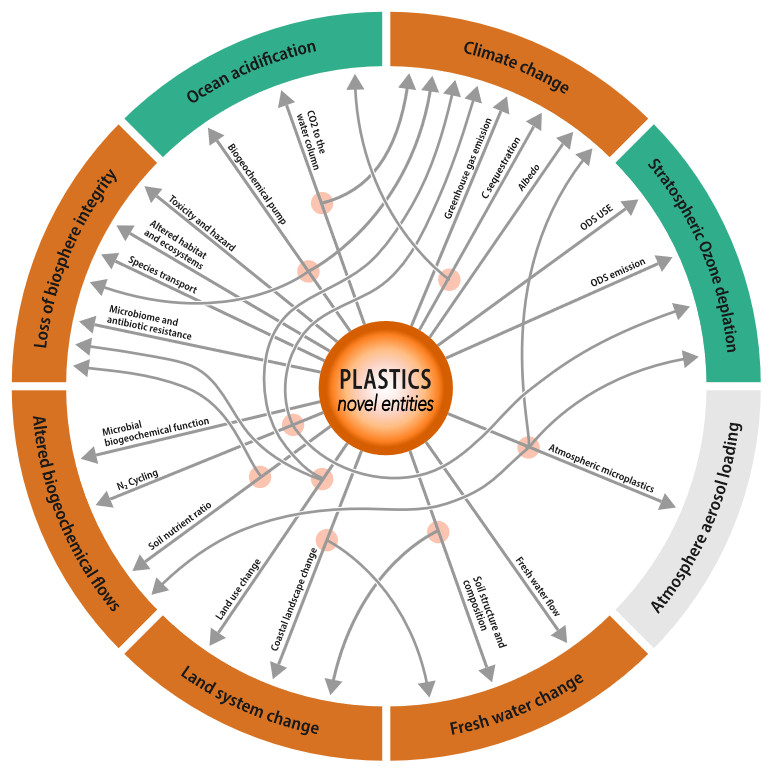
#5P82
I love this @PatiVillarrubia picture: put plastic in the middle and point with arrows to the
#PlanetaryBoundaries
my twitter-post #22000
sciencedirect.com/science/ar…
stockholmresilience.org/rese…
bsky.app/profile/thomas-boet…
2
2
40
Thomas Bratananium retweeted
7 Dec 2023
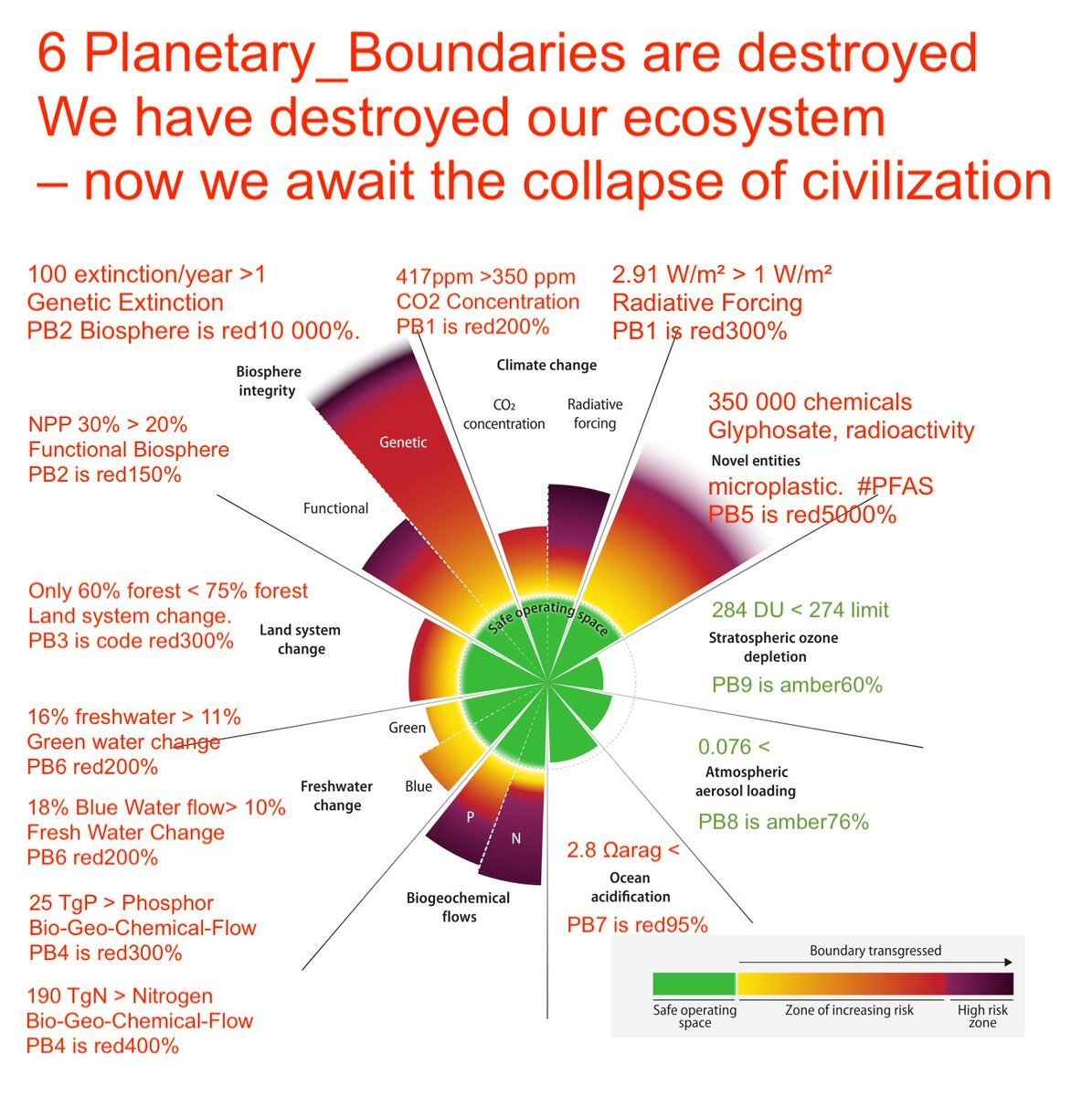
#1G2 logarithmic
6 #PlanetaryBoundaries are killed.
10/13 items violated:
420ppmCO2, 3 W/m² =PB1
100 extinctions, NPP =PB2
60% forest PB3
P, N
PFAS, chemicals, plastic.. =PB5
green water, blue water ... )
x.com/bratananium/status/170…
science.org/doi/full/10.1126…
x.com/jrockstrom/status/1702…
14 Sep 2023

Finally out! 1st diagnosis of the entire Planet. All the 9 Planetary Boundaries quantified defining Our Safe Operating Space on Earth. Bad news: 6 of 9 PBs breached. Good news: Window still open, we know what to measure, we can return and we win if we do! science.org/doi/full/10.1126…
1
1
1
85
Thomas Bratananium retweeted
16 Jul 2023
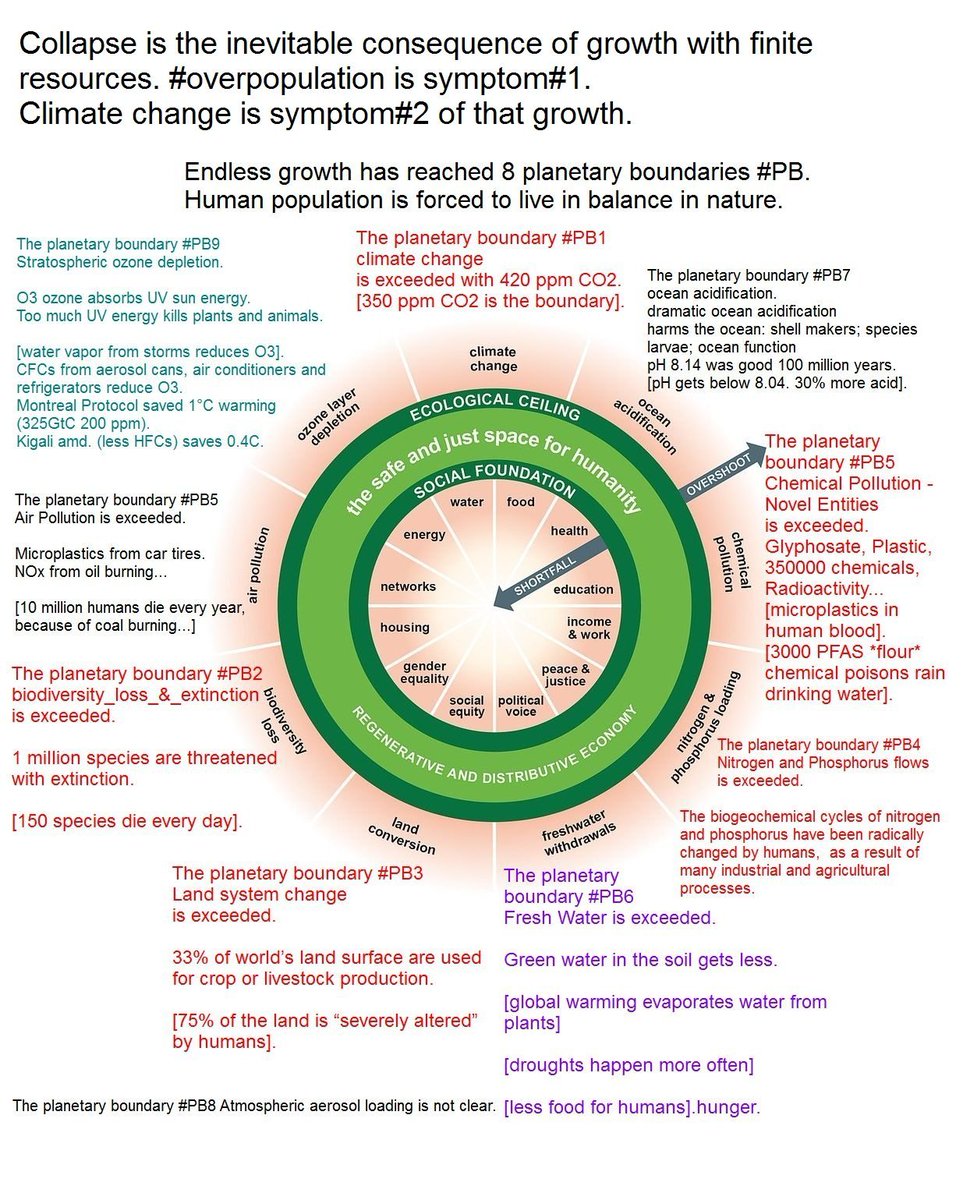
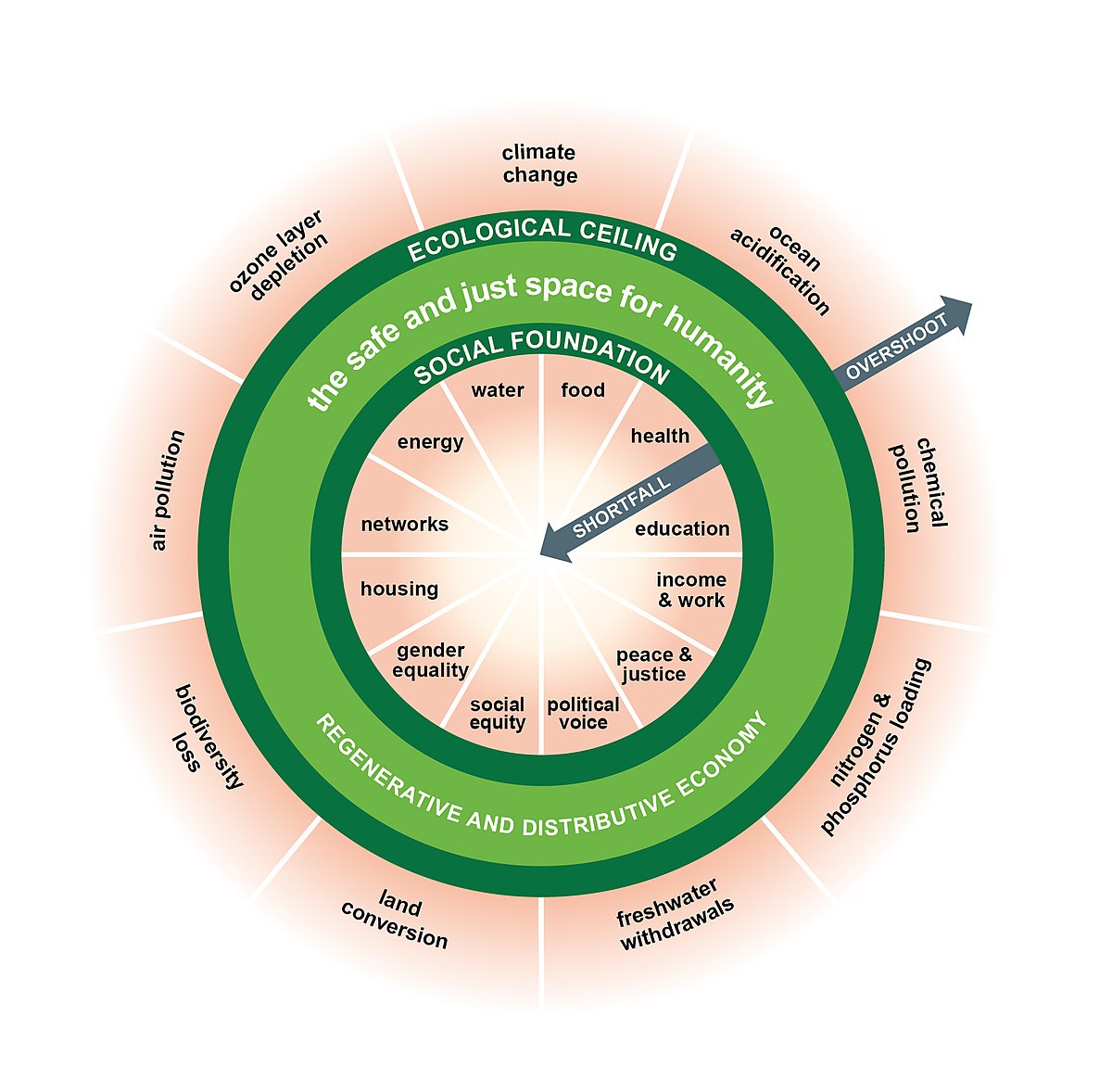
#1D23 The @KateRaworth #doughnut is a mighty visualization.
Added some info from @jrockstrom #PlanetaryBoundaries,
Collapse is the inevitable consequence of growth with finite resources: @EliotJacobson.
x.com/KateRaworth/status/157…
25 Sep 2022

And how much is enough?....When will the UK - indeed any high-income country - shift from pursuing endless growth to learning to thrive in balance?
1
1
1
111
Thomas Bratananium retweeted

Safe Planetary Boundary 7/9??
#PlanetaryBoundaries

Jun 14

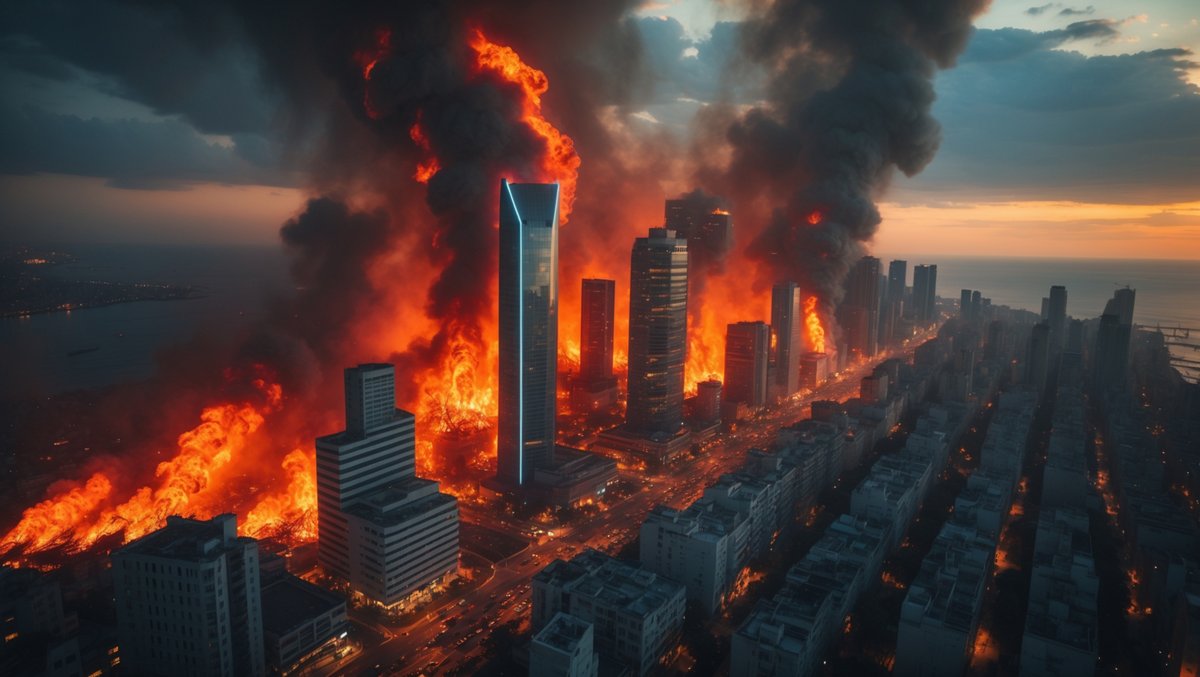
The Ozone Layer in Real Danger of Collapse
A civilizational fragility cascade feedback that doesn’t appear in IPCC models because assessments don’t couple urban fire dynamics to stratospheric chemistry.
docs.google.com/document/d/1…
docs.google.com/document/d/1…
x.com/DavidUllrich202/status…
1
13
26
1,634