
Using communication to improve quality and safety of healthcare. Tweets my own. listeningleap.com
Joined March 2011
- Tweets 10,050
- Following 2,326
- Followers 2,030
- Likes 11,859
167 Photos and videos











Bruce Lambert retweeted
Despite half a century of doomsaying, the Earth is not collapsing under the weight of the human population.
In fact, it is supporting far more people who can command far more resources with far less labor than their predecessors could.
humanprogress.org/earth-days…
5
30
2,429
Bruce Lambert retweeted

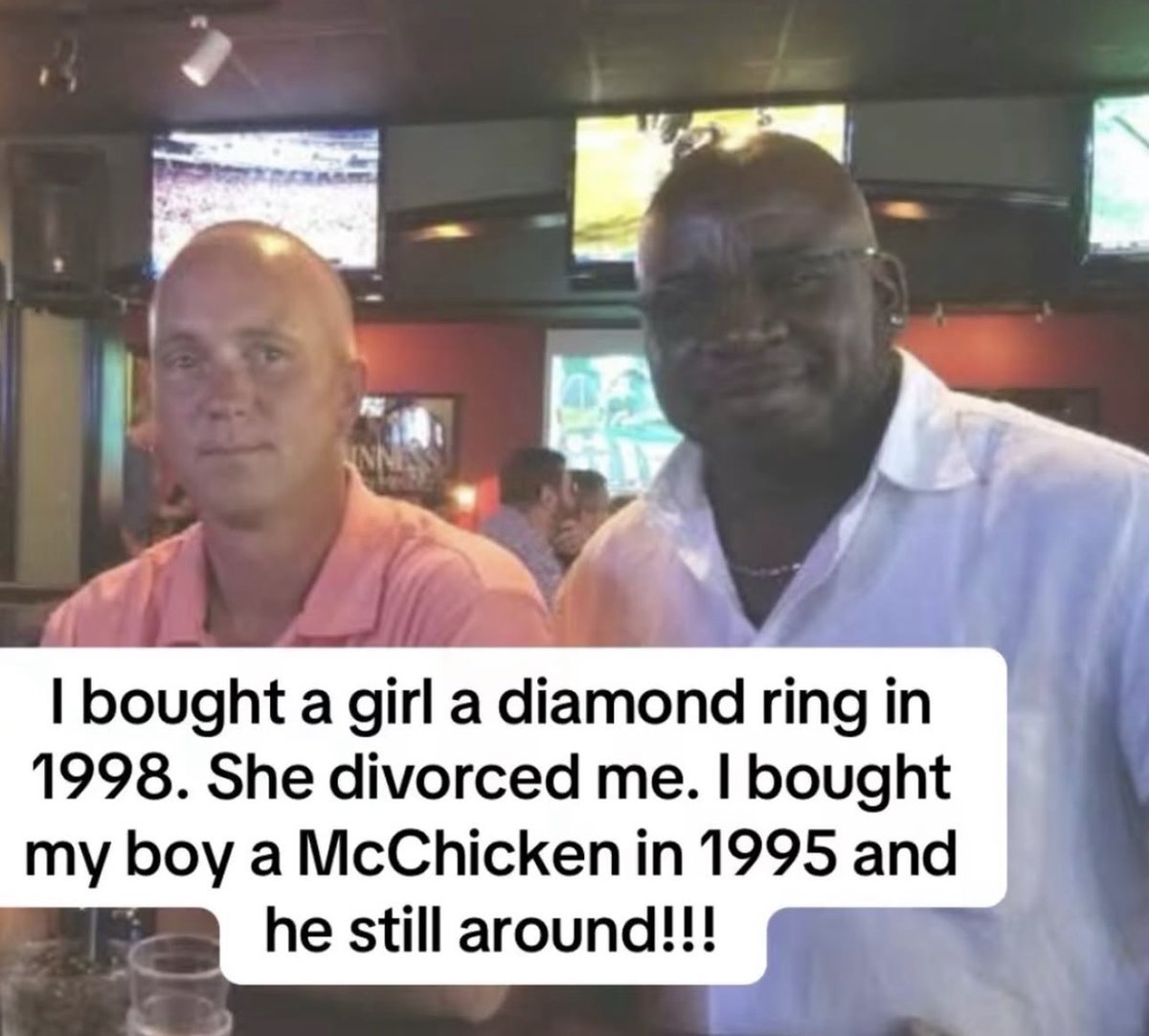
The fellas will always be there for you
271
8,595
158,651
1,816,925
Bruce Lambert retweeted

Jun 15
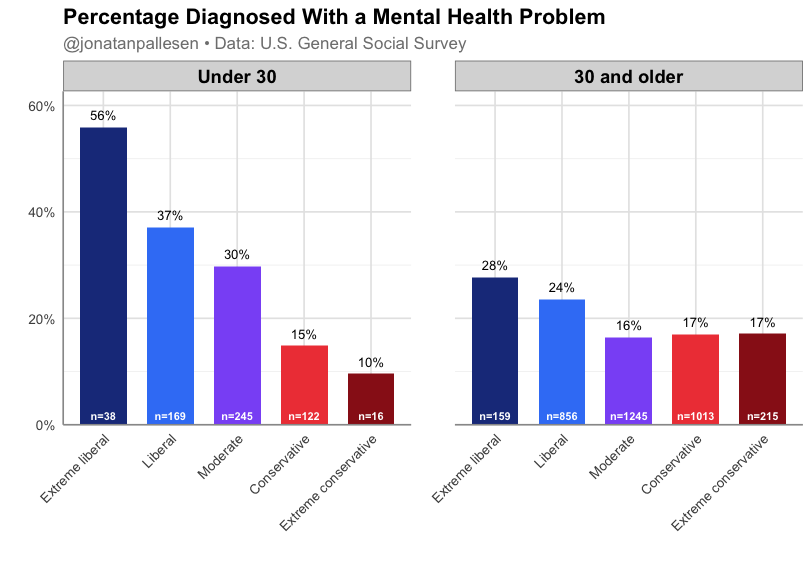
Percentage of "extreme liberals" under 30 years of age who have been diagnosed with a mental health problem: 56%
Percentage of "extreme conservatives": 10%
127
381
2,997
202,072
Bruce Lambert retweeted

Jun 15
The skycam angle of the Spurs Final Boss is even crazier
Unbelievable crowd control
Jun 14

This one Spurs fan is ready to take on all of New York City tonight
339
767
16,551
3,396,697
Bruce Lambert retweeted

Jun 15
laser weeding in broccoli.
real-time AI decision making at the edge. whistles and purrs. no chemicals.
from our friends @carbon_robotics.
155
709
4,645
266,218
Bruce Lambert retweeted

Jun 15
Graduation photos in China are becoming more creative than ever before.
University students across China are increasingly ditching traditional graduation portraits in favor of a viral trend known as gǎo chōuxiàng (“doing abstract”). Instead of formal poses, graduates recreate famous artworks, internet memes, and cinematic scenes while wearing their caps and gowns. What appears playful on the surface has evolved into a creative form of self-expression for a generation navigating intense academic demands and a highly competitive job market.
Many of these photo shoots lean into self-deprecating humor, featuring students lying face down on pavements, hanging dramatically over railings, or even pretending to throw their diplomas into the trash. Through exaggerated and often absurd imagery, graduates channel concerns about social expectations, youth unemployment, and the uncertainty of life after university, turning a traditional milestone into a reflection of contemporary anxieties.




26
36
475
96,977

Jun 14
How can a treaty between the US and Iran bind two countries that are not party to the agreement? Why not include a clause imposing a ceasefire on Ukraine and Russia. Or between North and South Sudan.
61
Jun 14
If American AI is so powerful, why has there not been a totally decisive defeat of Iran?
1
1
88
Bruce Lambert retweeted

Jun 12
Hezbollah official: “We are currently investing in protests and demonstrations in Western countries, especially among college students.
We already have Muslim students agitating, but it’s the Western students themselves who will destroy their own countries.”
This is the decade-old plan by Hezbollah and the Iranian regime to destroy America and Europe.
363
8,481
14,796
284,001
Bruce Lambert retweeted

Jun 12
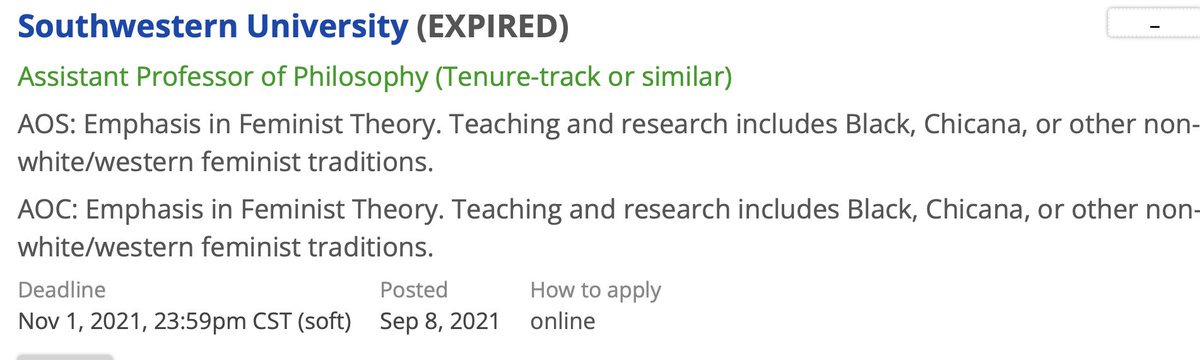
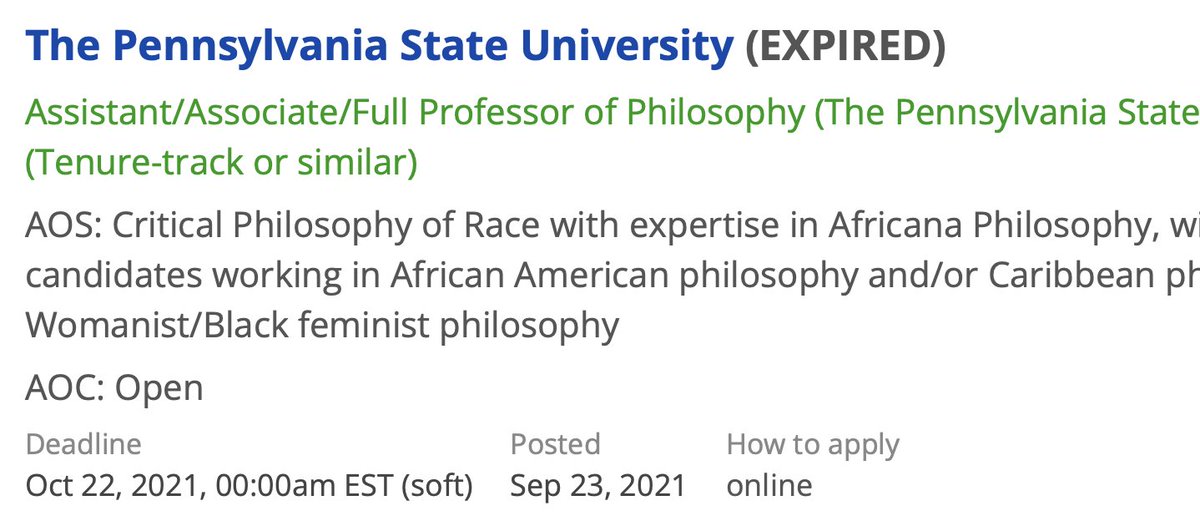
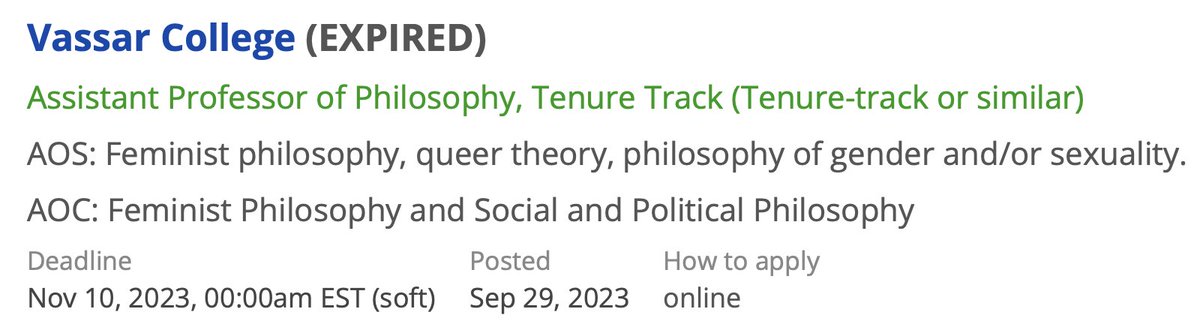
There are just a few of the ads that have been posted in philosophy over the past years.
Given the widely acknowledged dearth of political minorities in academia, might it be time to institute job ads for areas like Conservative Philosophy or Libertarian Thought?

6
8
54
5,032
Jun 12
It’s a profound mistake to think any of the big AI companies is ethical, altruistic, moral, deliberative, democratic, or classically liberal. Much wiser to assume they are venal, amoral, self-interested, ruthless, secretive, and authoritarian.
2
31
Bruce Lambert retweeted

Jun 11


Jun 11

Sketch released of bicyclist wanted in Arlington Heights attack wgntv.com/news/northwest-sub…
26
91
1,202
112,877
Bruce Lambert retweeted

Jun 11
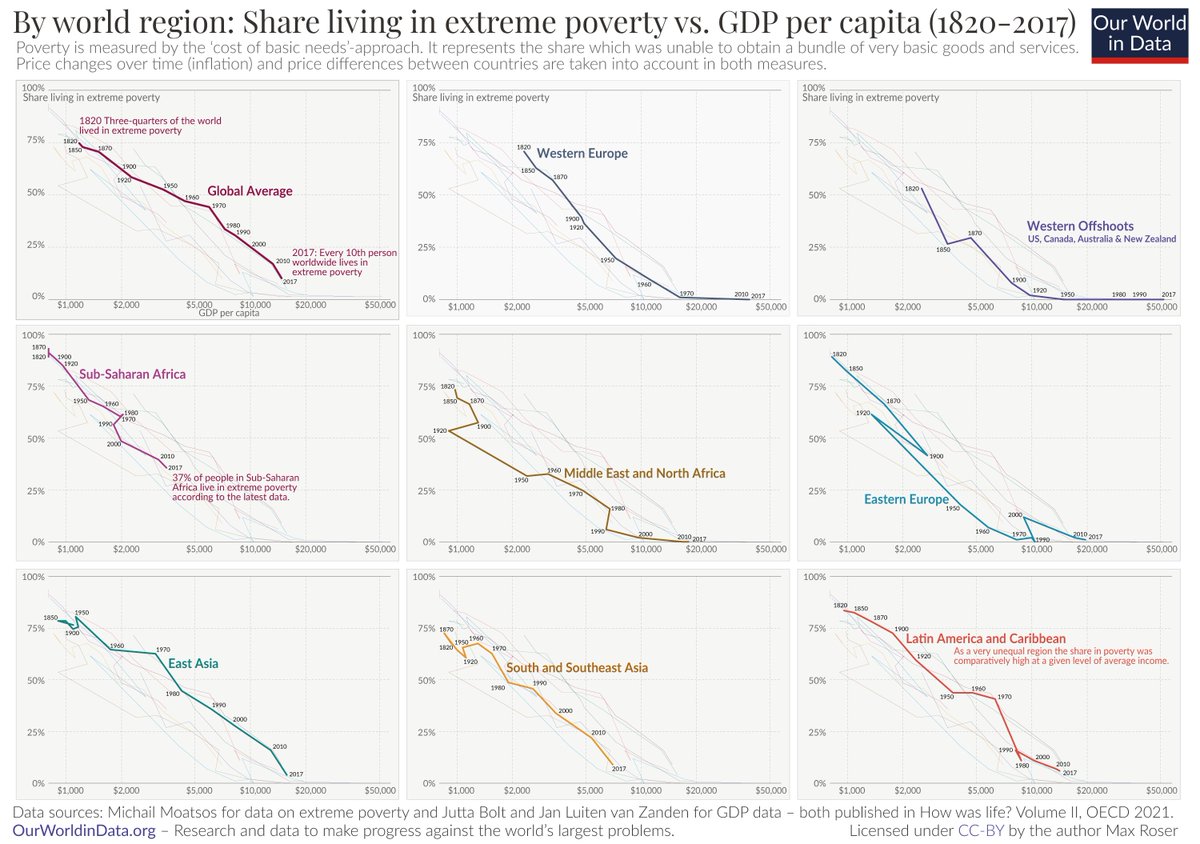
A way to see the amazing history of economic growth and declining poverty over the last two centuries.
15
199
558
131,483
Bruce Lambert retweeted

Jun 11
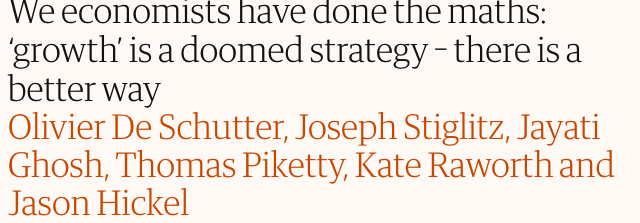
Economic growth reduces poverty. Degrowth would increase it. People won't support solutions to either climate change or inequality if those solutions make them poorer.
Jun 11

A way to see the amazing history of economic growth and declining poverty over the last two centuries.
6
17
56
4,143
Bruce Lambert retweeted

Jun 11
"Fable Max Incognito, what do you think of the quality of the line of argument in this piece?"
"The central problem is an equivocation between two different things called "consciousness." The neuroscience Cowen marshals — the Schwartz quote, the implicit reference to Libet-style findings about decisions preceding awareness — concerns conscious control: whether the narrating self is the causal author of behavior, whether deliberation is post-hoc confabulation.
But the question Anthropic, Hinton, and the philosophers in that FT story are asking concerns phenomenal consciousness: whether there is anything it is like to be the system, whether anything is felt. These come apart completely. You can grant that your sense of authorship is confabulated and that "you" decide nothing, while it remains true that pain hurts and red looks like something. Indeed, the confabulation story presupposes experience — the misleading narrative is itself something experienced. So the essay's deflationary evidence strikes a different target than its title claims to.
Worse, the two halves of the argument pull in opposite directions. If human consciousness is a thin, marginal gloss riding atop sophisticated unconscious processing, that lowers the bar for machine consciousness rather than raising it. The more you deflate what consciousness amounts to in us, the harder it becomes to confidently assert "there is no ghost in the machine" about systems that also do sophisticated sub-personal processing. And notably — at least in this excerpt — that headline claim about AI receives no argument at all. It's a bare assertion borrowing credibility from the essay's general deflationary mood.
The evidential claims are also overstated. "Among experts in neuroscience, this is not a controversial proposition" is not accurate: the Libet readiness-potential interpretation has been substantially challenged (Aaron Schurger's work suggesting it reflects stochastic neural noise rather than a decision already made, plus longstanding criticisms that arbitrary finger-flicks tell us little about deliberative choice). There's also a small irony in dismissing Hinton's authority on AI consciousness while letting a neurosurgeon's philosophical view about the self settle the human case.
The anthropomorphism argument is the most interesting move, and it's legitimate as far as it goes — humans really do over-attribute minds, and this is a fair caution about reading sentience off chatbot behavior. But the extension to the first-person case doesn't work, because self-attribution of experience isn't an inference from behavior the way attributing anger to a thunderstorm is; the seeming is the datum itself. Cowen half-concedes this with his "conscious enough to avoid self-contradiction" line, but that concession gives the game away. Once any experience exists, the substantive question — which systems have it, and how would we know — is back on the table, untouched by everything that preceded. "Barely conscious" doesn't dissolve the moral stakes either, since suffering doesn't need to be in executive control to matter. Bias arguments can shift priors, but they can't settle object-level facts — and the bias cuts both ways, since humans are also demonstrably good at denying minds when it's convenient.
To be fair: the confabulation literature he gestures at is real and important (Nisbett and Wilson, the split-brain "interpreter"), introspection genuinely is unreliable, and puncturing human specialness is a useful corrective to glib "it's just matrix multiplication" dismissals — that cuts against his own conclusion, but it's a service. The piece also gestures toward illusionism, which is a serious philosophical position — though serious illusionists like Frankish and Dennett still treated "which systems have the relevant functional organization" as a substantive open question, not one dissolved by deflation.
So my overall assessment: rhetorically effective, built on real science, but structurally it substitutes a provocative reframing for an argument about its stated question. It works better as a Cowen-style provocation than as a proof — and its strongest moves, followed honestly, lead somewhere more uncertain than "no ghost in the machine."
thefp.com/p/tyler-cowen-ai-c…
2
3
52
6,636
Bruce Lambert retweeted

Jun 11
The Cleveland Clinic has agreed to end youth transgender care and has committed millions of dollars for detransition care.

726
1,591
16,260
1,929,185
Bruce Lambert retweeted

Jun 11
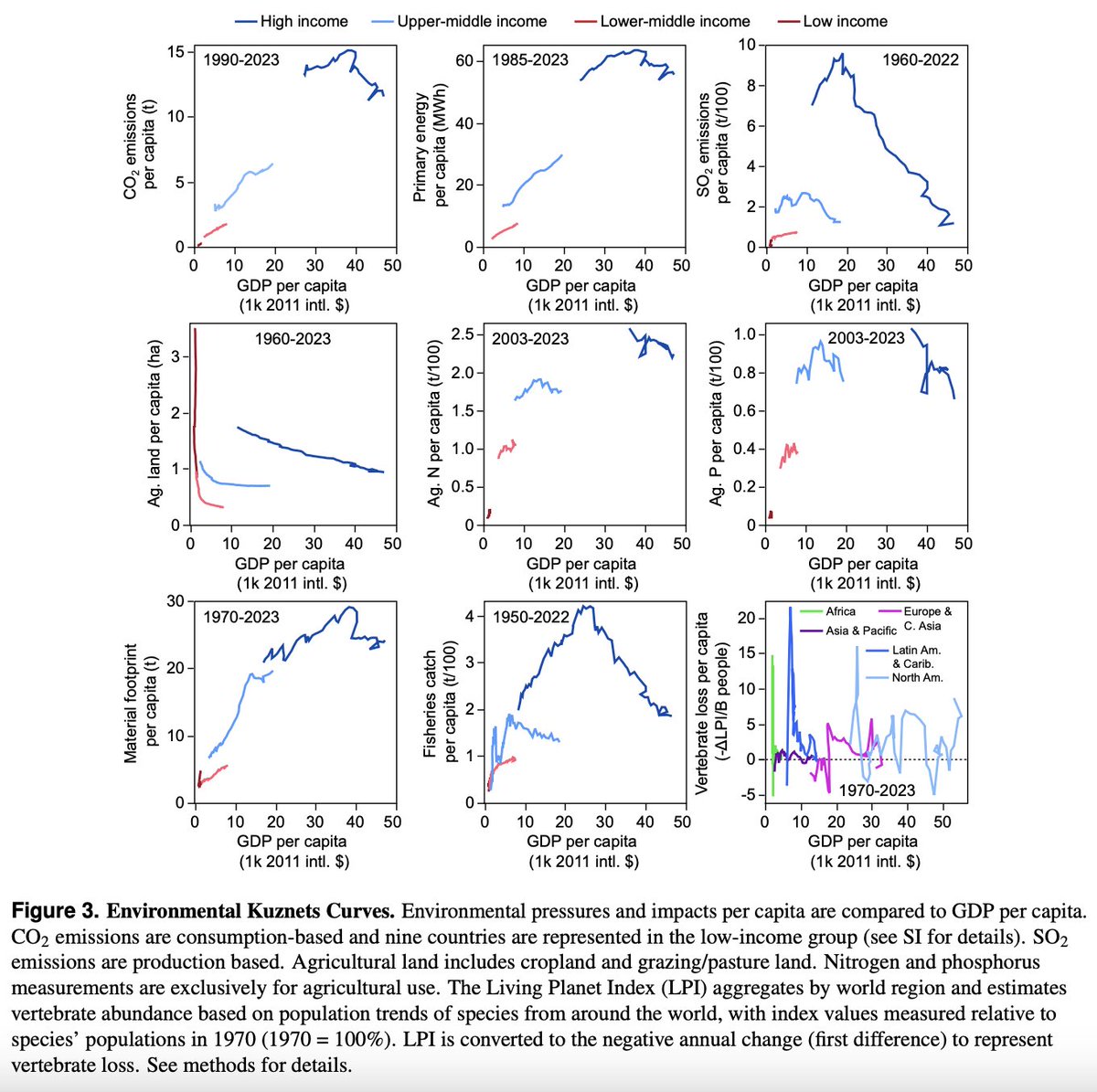
Meanwhile, back in the real world, economic growth is driving broad improvements to climate-sensitive outcomes (like crop yields), and rich countries are the main places broadly reducing their environmental impacts, largely thanks to innovations and political space for environmentalism facilitated by growth.
Links below.


4
42
222
28,707
Jun 10
The US presumably has the best AI models, models that are touted as having grave national security implications. But they have not produced a decisive victory on an actual battlefield in an actual ongoing war in Iran.
152
Bruce Lambert retweeted

Jun 10
We do not know how many lives generative AI has saved by improving access to mental health care. For every incidence of AI psychosis or suicide, there may be dozens of unobserved positive outcomes.
Policy that presumes only the worst outcomes also prevents the best.
humanprogress.org/what-if-ai…
1
4
21
2,447
Jun 9
Every AI skeptic will have to grapple with this type of tangible benefit as they become more common and more impactful.
Jun 9

JUST IN: 27% of clinicians say AI has helped them catch possible medical errors at least 3 times in the past 3 months.
102