
Heritage American • Evangelical Zwinglian • Reformed Catholic (PCA) • Protestant Integralist • Deo Vindice • INTJ-T • Most Vril Mulatto
Joined May 2023
- Tweets 18,055
- Following 5,954
- Followers 2,602
- Likes 186,321
1,102 Photos and videos








C.B. ✝️🌲⚖️ retweeted

I'm telling you guys, the brains are busted.
Jun 15

“If Satan took over Philadelphia, all the bars would be closed. Pornography banished. Pristine streets would be filled with tidy pedestrians who smiled at each other. There would be no swearing. The children would say, yes sir and no ma'am, and the churches would be full every Sunday where Christ is not preached.” - Michael Allen
Watch the full message here: youtu.be/Gj0GDetIQ2I
27
27
728
30,160
C.B. ✝️🌲⚖️ retweeted

Evangelism is absolutely cooked.
Good grief, I'm ready to return to the 1646 WCF at this point.
Jun 15
“If Satan took over Philadelphia, all the bars would be closed. Pornography banished. Pristine streets would be filled with tidy pedestrians who smiled at each other. There would be no swearing. The children would say, yes sir and no ma'am, and the churches would be full every Sunday where Christ is not preached.” - Michael Allen
Watch the full message here: youtu.be/Gj0GDetIQ2I
3
2
36
1,972
C.B. ✝️🌲⚖️ retweeted

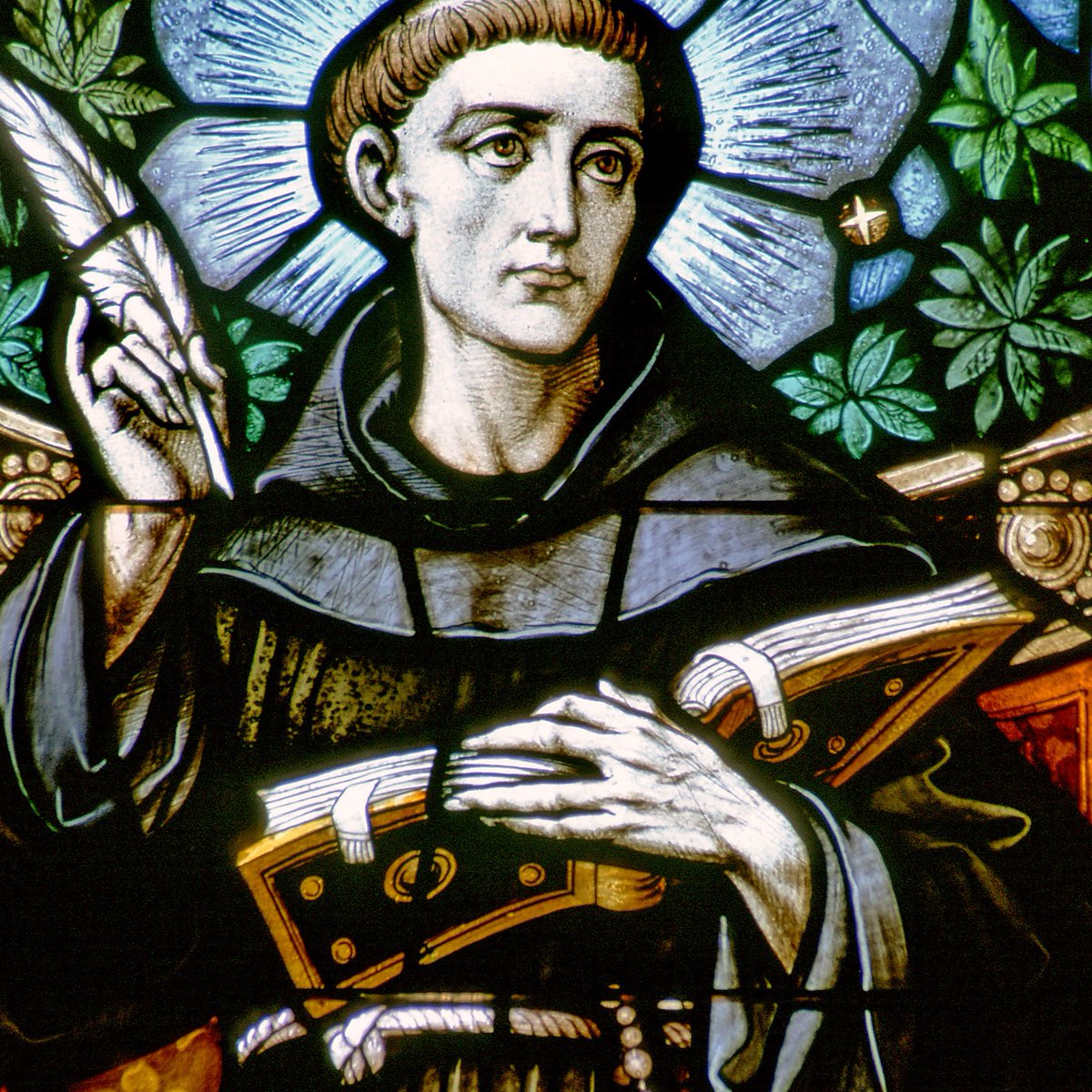
"God remits the offense to the sinner first in nature before he gives the sinner grace."
- John Scotus, Bk. 1, D. 17. N. 120.
3
4
21
1,100
Are any moots of mine going to GA this year? I'll be there so it may be cool to meet up or whatever
72
C.B. ✝️🌲⚖️ retweeted

We've been blown away by the reception of an American Owned Gas Station concept. We're going to explore new locations sooner than expected.
So.......where do you want a Rockwell's?
Criteria:
Not on an interstate
Small towns only
Historic building
157
37
731
27,679
C.B. ✝️🌲⚖️ retweeted

I just finished the week with Providence Presbyterian Church (FCC) in Opelika, AL where I ministered six services for their communion season. I found the congregation zealous for Christ and His cause, and their minister, Logan Shelton, a man of many gifts, including but not limited to perfectly executing NY strips on his grill. We enjoyed rich fellowship and many seasons of prayer together. I would highly recommend the church. Alabama itself is a green, luscious state, very reminiscent of a rainforest, and also friendly.
Please keep me in prayer as I head to Stephenville, TX later this week for a seven-day event involving much preaching and ministry to young people. Pray that the Lord would bless His Word and use it for His glory.
I'll post the link to the communion season sermons below. Blessings.
2
2
53
2,281
C.B. ✝️🌲⚖️ retweeted

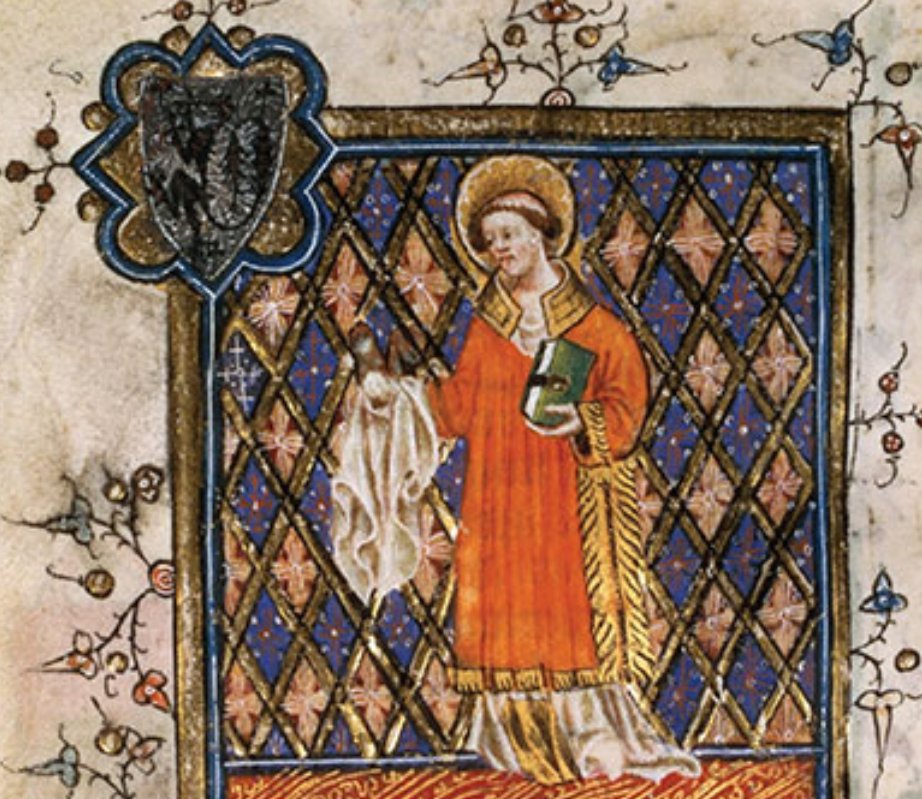
“He means this: That we go down into the water full of sins and uncleanness, and we come up bearing as fruit in our heart reverence and having hope in Jesus in our spirit.”
— The Epistle of Barnabas ( 11.11 )
1
7
17
445
C.B. ✝️🌲⚖️ retweeted

Lord, let me live a simple, devoted life.
2
1
28
429
C.B. ✝️🌲⚖️ retweeted
Two things are true.
1. Many pastors are ill equipped to have any real conversation around race and their motives are clearly less than pure.
2. Many guys on the right lack the discipline and patience required to actually move the needle in any tangible way.
Pearl clutchers and spergs are two sides of the same coin and most guys are caught in the middle with nowhere to go.
4
6
128
7,389

Jun 15
I hate performative denouncements too but I don't think Zach Garris of all people is being performative. He's just not a NatSoc. And that's okay.
4
3
73
2,172
C.B. ✝️🌲⚖️ retweeted

Jun 13
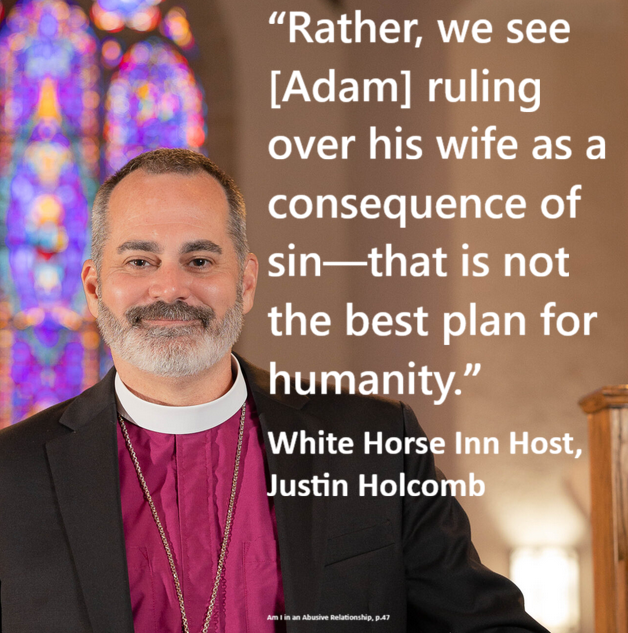
The reason you can tell this statement is false is if you replace Adam with Christ and "his wife" with the church, the statement immediately becomes damnable heresy.
Jun 12

These debates, overtures and public condemnations are distractions from feminism and pro-gay positions in churches & parachurches.
2
13
155
2,479
C.B. ✝️🌲⚖️ retweeted

Jun 13
Something tells me none of the champions of anti-racism will undertake a similar witness for God.
Jun 13

God's Voice Cannot Be Silenced In Our City
The police cited city ordinances to get us to stop preaching. We appealed to God and to their consciences, then kept right on. They left us alone after that. The Lord was with us.
4
8
80
2,156
C.B. ✝️🌲⚖️ retweeted

There is a lot that could be said about this clip.
1. I've met Chris on a number of occasions. I've visited his church several times, attended business meetings with him, and have known men shaped by his preaching. I've always come away thoroughly unimpressed.
2. You'll notice that we never heard his trembling voice at the microphone when the infamous scandals in his own backyard were unfolding. For example, when URCNA pastors were:
-Secretly paying others to write their sermons.
-Brutally abusing their wives.
-Caught masturbating in their church offices.
-Abusing young Reformed families in their congregations.
-Driving a pastor out of the denomination for rejecting R2K theology.
-Exploiting loopholes in the church order to punish innocent pastors while shielding guilty ones.
I never heard Chris stand up and whine into a microphone over the quiet divorce of Michael Horton and his wife, nor the fact that Horton has continued in ministry to this day despite the disqualifying destruction of his household.
3. No, you won't find videos of him publicly wringing his hands over any of those scandals. The urgency and outrage are reserved for something else: pressuring NAPARC to issue a statement condemning @PerfInjust so it can be used as a bludgeon against members of his own congregation who attended the @New_Christendom conference. Because... racism.
4. Many have pointed out the age of the men in this room. While I generally expect elders and pastors to be older, I think the observation raises a legitimate point. I've noticed that, much like dispensationalism, R2K theology and the URCNA as a whole seem to have very little appeal among people under 40.
If your church ends up embracing gay liberalism, libertarianism, and R2K theology, what's the point? Why should it exist? I can hear the same talking points from Boomer commentators on network television.
5. You hear Folkerts crying about the "CREC churches" spreading like "wild fire" across our nation. I think that this reveals his incredible ignorance on this subject:
-Stephen Wolfe is not CREC.
-The Ogden Church/Conference are not CREC.
-The CREC is actually closer to Folkerts' view on race
-If these guys think that the CREC is a problem....they honestly have no idea what is coming.
6. I've thought back to the first time I met Folkerts. I visited his church the Sunday after he became a U.S. citizen, when it was still meeting in a funeral home.
That moment has stayed with me as somewhat emblematic of how I view the broader NAPARC movement, and particularly the URCNA. It felt like foreign-born leaders lecturing American men about “racism” while gathered in a building surrounded by the dead.
7. These 3 families may very well be in for a struggle session when they return to Idaho. I would encourage them to reach out to @riemersonck. He is a faithful Pastor in their area, and can help them.
26
45
326
17,735
C.B. ✝️🌲⚖️ retweeted

The Westminster Confession was written for the Reformation of the national religion of England, the Anglican Church. Know your history. #christian #nationalism
3
1
10
1,110
C.B. ✝️🌲⚖️ retweeted

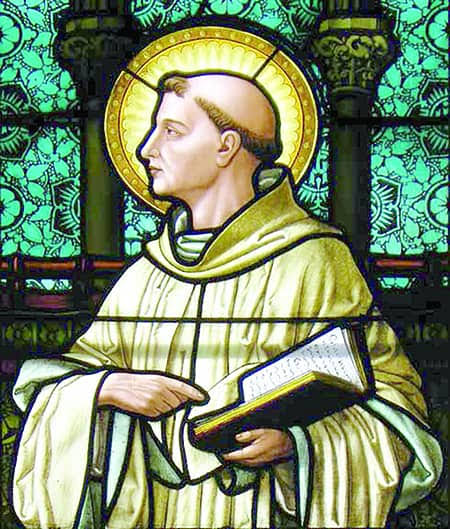
St. Bonaventure on Mary being freed from the woe of concupiscence or the guilt of original sin at the conception of Christ “Finally, the cure of original sin takes place in this way. It is cured as regards guilt, but the temporal punishment remains, as appears in baptized infants; it is cured as regards eternal punishment, but the actual inclination of concupiscence remains; it is cured in the parent, but even so, transmitted to offspring by the very one who was healed in baptism. Its stain is blotted out, but its consequences remain, to be fought against as long as life lasts; for in no human being, assuredly, has concupiscence ever been extinguished by ordinary grace. We say this because in the case of the Blessed Virgin, concupiscence was extinguished by extraordinary grace when she conceived the Son of God.”
The Breviloquium
“Secondly, we must consider that Mary was not only free from the threefold
woe of actual guilt, but also from the threefold woe of original misery, i. e., from the misery of them that are born, from the misery of them that bring forth, and from the misery of them that die. The woe of the misery of being born is the woe of the weakness of concupiscence; the woe of them that bring forth is the woe of the pains of travail; the woe of the dying is the misery of being reduced to dust and ashes. Because of these three woes is it said to the inhabitants of the earth: "Woe, woe, woe to the inhabitants of the earth!" The woe of those who are born is the woe of the fuel of sin which is born in us, by which, according to our original corruption, we are so weak unto good and so prone to evil; so that each one is born with the "fomes peccati," and by this is
weak and wounded, and can truly say with Jeremias: "Woe is me for my destruction, my wound is very grievous. But I said, truly this is my own evil, and I will bear it" (Jer. X, 19.) But alas! not only is there in those that are born weakness and misery, inclining them, when adults, to actual sin; but also the woe of stain and of guilt, bringing them even as little infants under the wrath of God. Therefore the Apostle saith: "All are born children of wrath" (Eph. II, 3.) Oh, how far from this woe of them that are born was the most holy Nativity of Mary, who was not only free from original sin, but also from the fuel of misery, in so far as it leads
to sin, for she was conceived without stain. Because the Nativity of Mary was so far removed from this woe, she is saluted by Ave.”
Mirror of the blessed Virgin Mary, Chapter II

23 Aug 2025

I’m simply saying it’s possible for Mary to be immaculately conceived and still have some traces of concupiscence left, even if they don’t act up.
2
2
19
1,091
C.B. ✝️🌲⚖️ retweeted

Jun 12
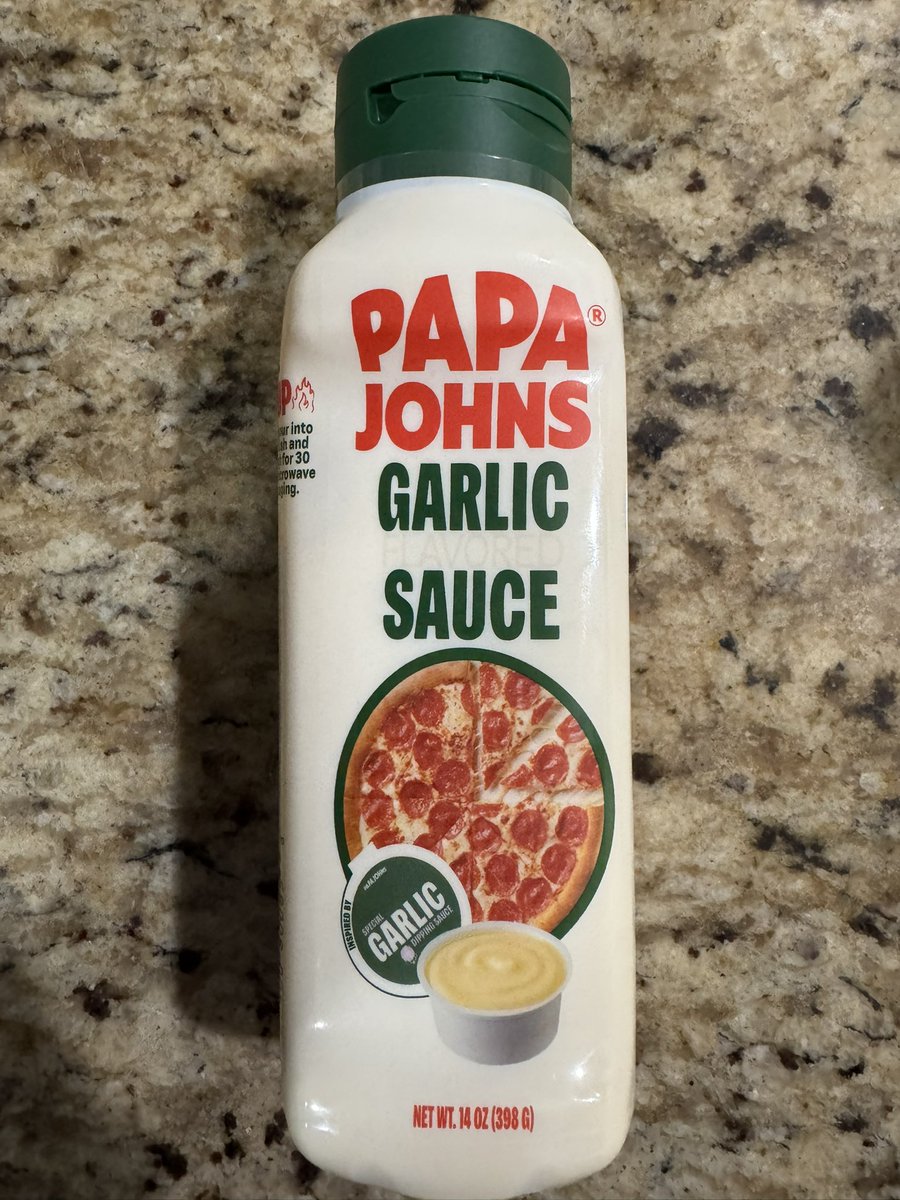
If you think regulatory law doesn’t matter, stare at this bottle until you realize your error.

You can now get Papa John’s Garlic Sauce at Walmart. The game has changed forever
491
1,454
39,735
9,561,809
C.B. ✝️🌲⚖️ retweeted

Jun 12
youtube.com/watch?v=nHCWg11R…
Apenas veja esse vídeo. Muitas citações para você salvar.
3
8
1,063
C.B. ✝️🌲⚖️ retweeted

Dwight Yoakum Nationalism.
27
115
774
18,179
Jun 12
Every Anglo-Catholic on here is either a zesty socialist queer with a stained glass profile picture or a far right based racist chud from the middle of nowhere in North Carolina with a stained glass profile picture
16
6
175
5,601