
Diseño y Programación
Joined October 2010
- Tweets 93,004
- Following 6,455
- Followers 1,493
- Likes 400,978
4,841 Photos and videos















Pinned Tweet

22 Dec 2021
Ideas, Productos y Servicios... ¿Crees que tu idea, producto o servicio es una verdad universal que beneficia al mundo entero? Entonces... sácala a pasear por todo el mundo y mira, escucha y siente cómo la usa o desusa esa misma gente de este mundo 🌎
7
2
63
Alejandro Tejada C. retweeted

Now we know why Peter Thiel packed his bags for Argentina.
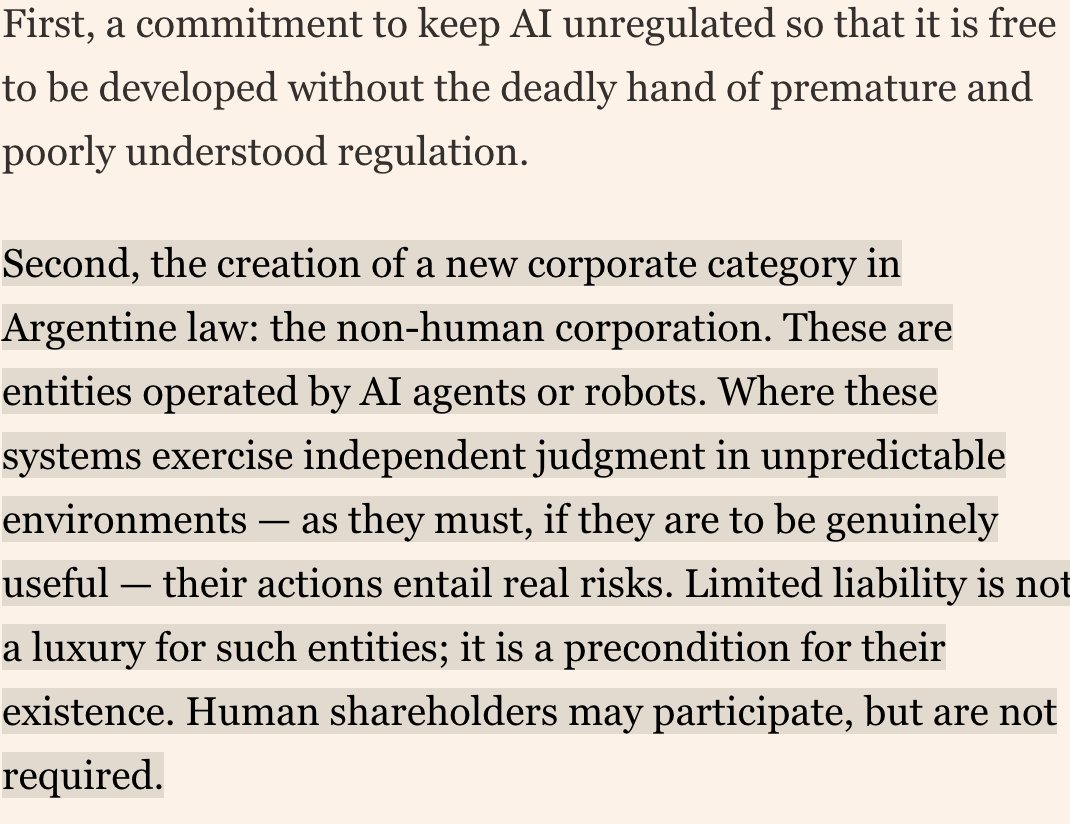
Milei just submitted his AI legislative framework to Congress, where he proposes:
- zero regulation on AI development,
- a brand-new "non-human corporation" category for AI/robot-operated entities with limited liability
-a low-tax regime with flexible governance rules.
The Dutch East India Company gave the world the limited liability company in 1602. Milei wants Argentina to do the same for autonomous AI agents in 2026.
415
5,314
15,958
909,241
Alejandro Tejada C. retweeted

Jun 5
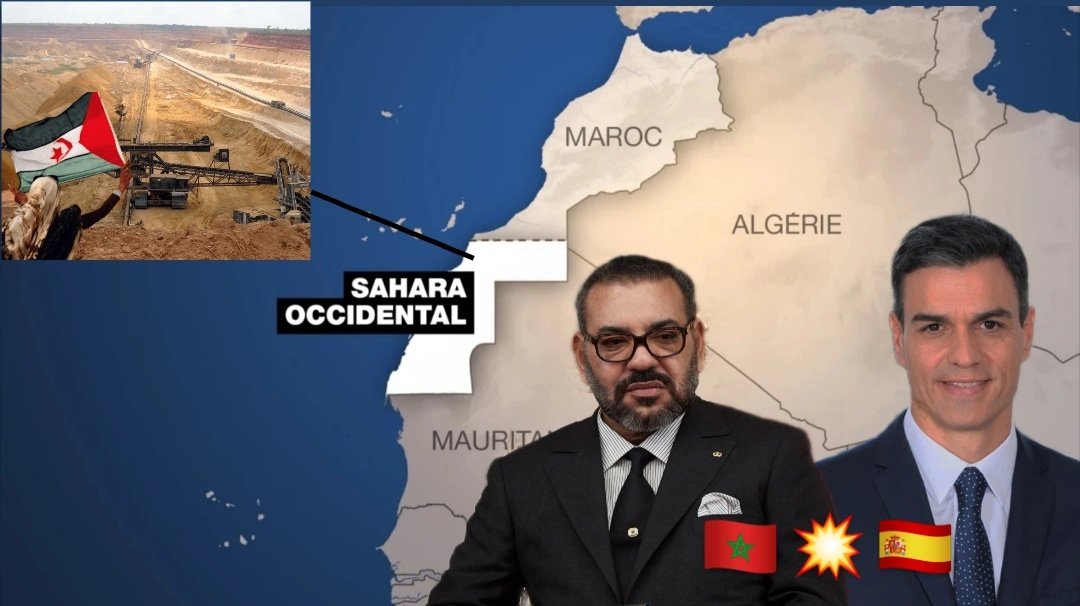
El Sáhara Occidental exporta toneladas de arena fina de alta calidad a las Islas Canarias y Mallorca para reconstruir sus playas erosionadas por el turismo.
Sí, como lo oyes. Es surrealista pero ocurre.
Y... el dinero no lo gana el Sáhara Occidental, lo gana Marruecos 👇🏽
Al controlar el territorio del Sáhara Occidental, el gobierno marroquí y sus empresas asociadas gestionan la extracción, cobran las tasas y exportan el recurso.
Así, dejan los beneficios económicos en el país y empresas multinacionales, en lo que diversas ONG internacionales catalogan como un expolio ilegal de recursos naturales bajo el derecho internacional.
Durante décadas, barcos cargados con miles de toneladas de arena fina han zarpado desde los puertos del Sáhara Occidental ocupado (principalmente desde El Aaiún) con destino a las Islas Canarias y, en ocasiones documentadas, a Mallorca.
Este recurso se utiliza tanto para la construcción de infraestructuras turísticas como para la regeneración y creación de playas artificiales erosionadas por el mar y la presión hotelera.
El turismo de masas en España (especialmente en las Islas Canarias), demanda un ideal estético muy concreto: grandes extensiones de arena rubia y fina.
Sin embargo, la naturaleza geológica de muchas de estas islas es volcánica, lo que originalmente genera playas de piedra o arena negra.
Para transformar estos parajes y contrarrestar la constante erosión costera, las administraciones y hoteleras recurren habitualmente a la importación masiva de arena.
Aunque la opinión pública suele asumir que la arena del desierto es un recurso infinito, los expertos recuerdan que la arena apta para el hormigón o el uso costero es limitada y su extracción masiva provoca graves daños ambientales en los ecosistemas de origen.
Organizaciones internacionales de monitorización como la ONG Western Sahara Resource Watch (WSRW) estiman que cerca de 1 millón de toneladas de arena han sido exportadas desde el Sáhara Occidental hacia las Canarias en periodos recientes (por ejemplo, entre 2020 y 2024 se documentaron unas 914.000 toneladas en 239 envíos).
Pero... ¿Quién se queda con el dinero?
Pues el meollo ético y legal de este comercio radica en la soberanía.
La ONU sigue considerando al Sáhara Occidental como un territorio no autónomo pendiente de descolonización, donde España sigue siendo la potencia administradora de jure, pero Marruecos mantiene una ocupación militar y civil desde 1975.
Por consiguiente:
1. La población saharaui queda excluida:
Las comunidades locales del Sáhara Occidental y los refugiados que viven en los campamentos de Tinduf no reciben un solo euro de estas transacciones. El Tribunal de Justicia de la Unión Europea ha reiterado que cualquier explotación de recursos en el Sáhara requiere el consentimiento de su pueblo, algo que no ocurre en estas rutas comerciales.
2. Marruecos centraliza los beneficios:
Las empresas que extraen la arena en los yacimientos cercanos a El Aaiún, las navieras autorizadas y las cementeras que operan en la zona pagan sus cánones, impuestos y licencias directamente al Gobierno de Marruecos o a conglomerados empresariales vinculados al entorno del reino alauita.
Por tanto y como conclusión, el flujo de arena saharaui hacia España expone una profunda contradicción.
Mientras Europa y las administraciones locales promueven discursos de sostenibilidad y respeto a los derechos humanos, sus costas se sostienen literalmente sobre un recurso expoliado.
Para Marruecos, la venta de arena no solo es una fuente de ingresos financieros, sino una vía para obtener la normalización internacional de su soberanía sobre el territorio saharaui a través de los lazos comerciales con empresas constructoras europeas.
17
243
443
22,059
Alejandro Tejada C. retweeted

Jun 5
⚠️ Si te cae un depósito que no esperabas:
No lo toques. No lo devuelvas. No negocies.
Repórtalo al banco como transacción sospechosa. Guarda el número de caso.
Si alguien te escribe diciendo que fue "un error", refíerelo al banco. Que lo resuelvan ellos.
Tú ya estás limpio.
16
114
360
23,339
Alejandro Tejada C. retweeted

Jun 5
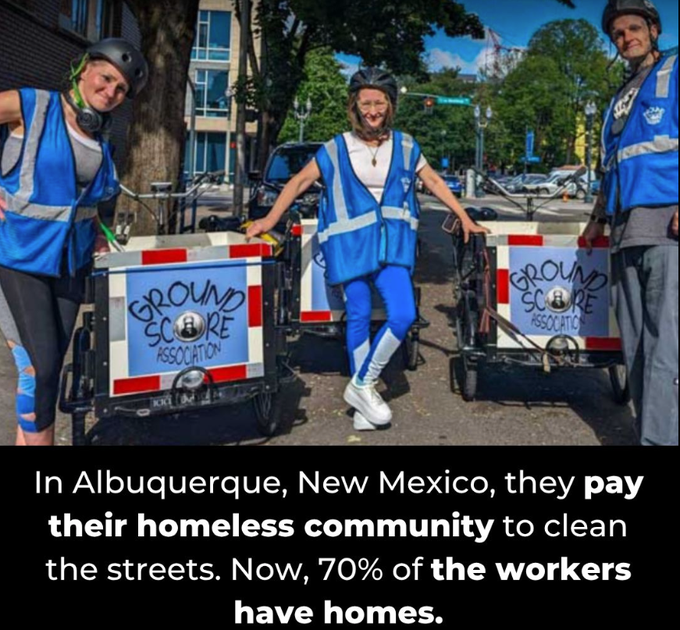
In a groundbreaking social initiative, Albuquerque, New Mexico launched a program that pays homeless individuals to clean streets, parks, and public areas.
The idea was simple — offers work, dignity, and purpose instead of punishment or pity.
The results were remarkable: over 70% of participants have now secured permanent housing or full-time employment, transforming their lives and communities alike. The city’s “There’s a Better Way” program proves that compassion-driven policies can be more effective than traditional welfare systems.
157
1,691
4,812
59,553
😱😱😱😱😱

BEE GENOCIDE ALERT – THIS IS NOT AN ACCIDENT!
Over 50% of the world’s bees died last year.
Bees pollinate ONE-THIRD of everything we eat.
Pesticides are bad enough… but 5G chemtrails are slaughtering them.
This is deliberate BEE APOCALYPSE by the elite.
Einstein warned: “When the bees die, humans have four years left.”
We’re already on the clock. Our food supply will collapse and it will be too late.
3
Alejandro Tejada C. retweeted

Jun 13
If you are old enough to have driven in Britain in the 1980s, you remember the windscreen.
By July you could barely see through it. A run from Leeds to London in August finished with a bumper that looked like it had been to war and a sheet of glass you scrubbed with a sponge at the services while the engine ticked as it cooled. Moths in the headlights. Flies in the wing mirrors. The grille packed solid. Nobody thought it remarkable. It was simply the price of moving through a country that was still, in living memory, heaving with flying things.
Drive that same road today. Stop at the same services. The windscreen is clean. Spotless. You could very nearly eat off it.
We have the numbers, for those who want them. The Bugs Matter survey, run by Kent Wildlife Trust and Buglife, has had volunteers counting the splats on their number plates since 2004. Britain's flying insects are down by roughly four fifths in twenty years. Gone in a single human lifetime, while the rest of us noticed nothing at all.
The birds went down with them, because the birds lived on them. A child born this year can grow up in the English countryside and never once hear a turtle dove, for the simple reason that there is almost nothing left to do the calling.
And none of it, not one acre of it, happened on the grass.
It happened in the arable fields, where the hedges were torn out for bigger machines and a single crop was sprayed over and over to keep it upright. The herb-rich meadow grazed by cattle still hums. The beetles, the pollinators, the ground-nesting birds, all still there, just about, on the pasture our ancestors never stopped grazing.
So when someone tells you your steak is emptying the British countryside, ask them what grew on that field before it was drained and ploughed and sprayed to raise the oats for the carton in their fridge.
It was grass, and there were cattle on it, and back then the windscreen needed cleaning.

132
794
2,407
33,503
😲😲😲😲😲

🚨 Oregon Democrats are actually trying to BAN hunting and fishing.
If this insane proposal passes, it would criminalize killing animals for food, hunting, fishing, or even research.
These clowns want to turn Oregon into some vegan utopia where you can’t feed your family the way humans have for centuries.
After letting cities turn into homeless camps and crime zones, now they’re coming for rural Americans way of life.
This is peak out-of-touch leftist nonsense.
2
Alejandro Tejada C. retweeted

Jun 13
Hugh Grant is fed up with what screens are doing to kids.
As a dad in his 50s, he says the hardest part of parenting isn’t the children themselves, it’s fighting the most powerful industry on earth that’s ruthlessly addicting kids to screens for profit.
What finally pushed him over the edge? Schools proudly handing every child an iPad, turning the entire day into screen time.
He calls it almost unbearable.
We’re only now starting to see the real downsides of all this screen time. We’ll need to find the right balance, and above all, follow the emerging science.
At what age did screens start worrying you with your kids?
27
92
495
36,530
Alejandro Tejada C. retweeted

Jun 12
Elon just created 4,400 millionaires in a single day.
400 of them are now worth over $100 million.
These aren't VCs. They're SpaceX employees, and the list includes welders, technicians, and cafeteria staff, because for two decades the company paid every level of the workforce in stock instead of higher salaries.
Juan Hernandez immigrated from Mexico and took a $28 an hour contractor welding job in 2015. He says he didn't even know what SpaceX was. The company gave him a $10,000 equity grant and let him buy more shares through payroll deductions. That stake is now worth $880,000.
Trevor Hise's parents wanted him to take a stable job at General Electric. He picked SpaceX instead, stayed 12 years, and accumulated over 100,000 shares. At the $135 listing price that's $13.5 million. He's 37 and semiretired. His words: "The magnitude of this has been ridiculous."
The most telling detail came before the listing. Over 100 employees quietly banded together and negotiated a group wealth management deal covering up to $5 billion, because none of them had ever needed a wealth manager before.
Software IPOs have minted millionaires for 30 years. This is the first one where the money went to the factory floor.
3,275
25,598
141,922
7,458,557
Alejandro Tejada C. retweeted

Jun 13
I can’t stop crying.
Now a temple in Hokkaido has burned down.
Seriously, who did this?
I can’t forgive it.
5,681
12,694
60,103
1,459,130
Alejandro Tejada C. retweeted

Jun 13
Climate models predict a warmer world should produce more evaporation, more humidity and a stronger hydrological cycle.
But observations say otherwise.
A 2025 study by Ma et al shows global ocean evaporation rose until the late 2000s then declined. Over the past decade, two-thirds of the oceans show weakening evaporation, partly due to slower winds.
Another study, Simpson et al, examined humidity over arid regions. Models predict strong increases, but observed data show almost no change in 40 years. In many cases, models overestimate humidity trends by an order of magnitude.
Water vapor is the dominant greenhouse gas in Earth's atmosphere. If models cannot correctly simulate evaporation and humidity, their climate projections become next to useless.
Real-world observations continue to contradict mainstream assumptions.
21
161
388
7,693
Alejandro Tejada C. retweeted

Mothballs scattered in the yard don't repel snakes, squirrels, moles, or anything else. They do poison the ground though.
Folk wisdom says toss a few under the porch or around the garden and the critters stay away. They don't. Outdoors, the vapor disperses too fast to ever reach a concentration that deters an animal, and there's no evidence it works on a single one of the species people use it for.
Mothballs are naphthalene, a pesticide. The vapor and the dissolved chemical contaminate your soil and leach into groundwater, where naphthalene has turned up in 44 states. The pellets look like candy to a kid or a dog, and one can do serious harm if swallowed.
And here's the kicker. The label says airtight container, indoors, with clothing. Using them any other way, including in your yard, is a violation of federal pesticide law.
In this case, the folk remedy not only doesn't work, but is illegal.


16
281
932
21,220
Alejandro Tejada C. retweeted

Jun 13
🇯🇵 Japan is facing a loneliness crisis.
Elderly people are dying alone, younger generations are becoming more socially disconnected, and the country is now treating loneliness as a major national problem.
Writer: Sol
61
146
814
67,161
Alejandro Tejada C. retweeted

Jun 13
Secretary of Energy Chris Wright says data centers are “The biggest force we have right now to stop the rise of electricity prices and ultimately to drive them down”
- American have been seeing increases of 27-42% on their electric bills
- 267% electric bill increases have been reported right next to data centers in places like Baltimore and Northern Virginia
Also I looked into how data centers can lower prices and really it comes down to them using so much power they build more energy sources
So this doesn’t sound good…
97
199
435
24,953
Alejandro Tejada C. retweeted

Jun 13
La administración Trump, la que vende "desregulación" ha hecho algo que ni Bruselas se atrevería... Flipante.
Igual ya te has dado cuenta, pero ayer disponíamos de la IA más potente jamás desplegada y hoy... ¡ya no!
Y no ha sido un fallo técnico. No ha sido un ciberataque. Ha sido el propio gobierno de Estados Unidos que la "ha desactivado".
Anthropic había lanzado Fable 5 y Mythos 5 hacía tres días.Millones de personas ya los usaban. Y anoche, sin más, una carta firmada por el secretario de Comercio, Howard Lutnick, los borró del mapa.
Lo curioso es a quién iba dirigida la orden. No prohibía el acceso a los estadounidenses. Lo prohibía a cualquier extranjero, dentro o fuera del país, incluidos los propios empleados extranjeros de la empresa. Y como ninguna compañía puede comprobar eso en tiempo real, Anthropic hizo lo único que podía hacer: apagarlo todo.
También para los americanos.
¿Y el motivo de semejante decisión de mierda?
Agárrate.
Alguien consiguió que el modelo leyera un código y corrigiera fallos. Ya está. Algo que cualquier modelo como OpenAI, los de Google, los de xAI también hacen.
Y aquí es donde deja de tener gracia.
Lo firma una administración que se presentó al mundo como la campeona de la desregulación. La que iba a liberar a la innovación del yugo burocrático. La que prometía ganar la carrera de la IA a cualquier precio. Esa misma acaba de hacer algo que ni Bruselas se ha atrevido a hacer: retirar de un plumazo un modelo de frontera ya desplegado.
La coherencia, para otro día.
Porque si basta un fallo menor para fulminar un producto comercial, ningún modelo de vanguardia tiene seguridad jurídica en Estados Unidos. Ni Anthropic. Ni OpenAI. Ni Google. Ni xAI. Quien construye la frontera tecnológica queda a merced de una sospecha y un sello oficial.
Y mientras tanto, ¿sabéis quién no se va a poner ni una sola de estas puertas al campo?
China.
Allí no habrá una carta a las cinco de la tarde apagando el mejor modelo del país. Llevamos años criticando a Europa por asfixiar la innovación a base de regulación, y ahora el supuesto faro de la libertad de mercado copia el manual europeo. Ponemos puertas al campo, nos disparamos en el pie, y el que corre solo y sin frenos es Pekín.
Parecemos tontos a las tres.
No castigan a una empresa. Reescriben las reglas para toda una industria. Y de paso, le regalan ventaja al único rival que jamás se autoimpondrá un freno parecido a pesar de ser un país represor. Pero si obtiene algo "abriendo" sus modelos de IA, lo abrirá.
Estamos tontísimos.
A mí lo que me inquieta no es la orden de hoy. Es la facilidad con la que se ha firmado.
Porque resulta que la libertad de mercado también tiene interruptor. Y acabamos de descubrir que lo aprietan los mismos que juraban no tenerlo.
Aquí lo que se intenta es que unos modelos tiren y otros no. Y que lo del tecnofeudalismo solo sirve dependiendo quien lo ejerce.

62
171
507
41,703
Alejandro Tejada C. retweeted
Jun 13
In 1932 a wealthy American golfer named Eben Byers died, and they buried him in a coffin lined with lead.
The lead was not decorative. His bones had turned radioactive enough to be a hazard to anyone standing near them.
A few years earlier Byers had hurt his arm, and his doctor recommended a fashionable tonic called Radithor: radium dissolved in water, sold openly as a health drink, promising energy, vigour and a sunnier disposition. This was no backstreet con. Radium was the wonder of the age. It glowed. It was modern. Clinics offered radium cures, shops sold radium cosmetics, and the well-to-do drank it by the bottle because the advertising, and a good many physicians, swore it was marvellous for the constitution.
Byers believed them. He felt wonderful, which is exactly how these stories begin. He drank close to fourteen hundred bottles.
Then his jaw began to come away. Holes opened in his skull. The Wall Street Journal, with the bleak economy of a great headline, reported that the radium water had worked fine until his jaw came off.
Hold onto this part. Nobody forced it down him. He sought it out, paid a premium for it, and counted himself among the health-conscious. He did his best with the very best information money could buy. That is what killed him.
Byers was the careful one. The early adopter. The man who paid more and tried harder than everyone else to do right by his health. That is who this happens to.
We still buy vitality by the bottle. We still mistake confidence for evidence, and a glow for proof.
Go and look at the most confident health claim in your own kitchen. Byers found his every bit as convincing.

50
390
1,724
63,027
Alejandro Tejada C. retweeted
Jun 13
Did you know that in Romania, trucks loaded with beehives are rented out to flower growers?
These massive rigs become mobile "bee hotels," buzzing with thousands of bees that pollinate fields of flowers and crops.
96
854
4,430
98,928
Pero... ¿Acaso el Reino Unido no protegió y premió a criminales como Jimmy Saville y las bandas de violadores (importadas desde otros países)? ¿Qué ha cambiado en el Reino Unido? ¿Acaso es creíble este cambio en el Reino Unido? 🤔
Jun 13

Wielka Brytania chce skanera w każdym telefonie.
Szefom firm, które odmówią, grozi 5 lat więzienia❗
8 czerwca 2026 roku brytyjskie Ministerstwo Spraw Wewnętrznych postawiło ultimatum firmom technologicznym. Apple, Google i inni mają trzy miesiące na wdrożenie w smartfonach mechanizmu skanującego zdjęcia i wiadomości — pod pretekstem blokowania nagich zdjęć nieletnich. Jeśli odmówią, rząd wprowadzi ustawę zmuszającą ich do tego. Szefom firm, które się nie podporządkują, grozi do 5 lat więzienia.
Hasło brzmi: "ochrona dzieci". Produktem jest inwigilacja wszystkich.
Mechanizm nazywa się client-side scanning — skanowanie po stronie urządzenia. Oprogramowanie sprawdza każde zdjęcie, każdą wiadomość i każdy film na twoim telefonie zanim zostaną zaszyfrowane. Czyli szyfrowanie end-to-end przestaje cokolwiek chronić — bo treść jest prześwietlana zanim w ogóle zostanie zaszyfrowana.
Komunikator Signal odpowiedział jednoznacznie: jeśli Wielka Brytania zmusi go do wbudowania takiego skanera, Signal wycofa się z brytyjskiego rynku całkowicie. Ich oświadczenie nie pozostawia złudzeń: ta propozycja nie ochroni dzieci, lecz zagrozi wszystkim.
Eksperci ostrzegają od lat: technologia, która skanuje "w poszukiwaniu złych rzeczy", nie da się zaprojektować tak, by szukała tylko jednej konkretnej rzeczy. Ten sam system, który dziś wykrywa nielegalne treści, jutro może flagować legalną wypowiedź. A skanowanie dzieje się automatycznie, bez przerwy i bez nakazu sądu.
UE wielokrotnie próbowała przeforsować "Chat Control" — masowe skanowanie treści na podobnej zasadzie. Na razie temat ugrzązł, ale może wrócić.
Każdy krok osobno sprzedawany jest jako ochrona dzieci. Razem budują infrastrukturę, w której żadna prywatna rozmowa nie jest już prywatna.
Chcę powiedzieć wyraźnie: prywatność nie może być przestępstwem. Ochrona dzieci nie może być pretekstem do inwigilacji wszystkich obywateli.

9
This is interesting but, Who uses all this new energy produced? Homes or Industries?
Most people, not ALL people, spends most of their time using low powered devices for their daily tasks then, Who is using all this energy?
Jun 13

The world's clean energy transition represents a colossal expansion of the world's mining industry.
To catch a diffuse energy source like sunlight or wind needs an unprecedented volume of physical machinery. A single solar farm requires roughly 30 times more total metal infrastructure than a conventional gas plant. We aren't moving away from mining; we're swapping enormous oceanic drilling rigs for vast open-cut metal mines.
The demand for heavy mining and rare earths is just as compelling as the downstream e-waste crisis, but the numbers are even more staggering. While solar cells rely heavily on high-purity silicon, silver, and copper, the broader 'green infrastructure' ecosystem demands far more.
The EV motors, wind turbines and massive national grids required to tie intermittent solar together are entirely dependent on an unprecedented surge in heavy mining and rare earth extraction.
This physical mining demand has simply exploded with the shift from conventional fossil fuel energy generation to wind and solar. Because wind and sunshine are so diluted and diffused, harvesting them requires a massive physical footprint, necessitating endless extra acres of complex machinery.
This translates into heavily vandalised landscapes and grotesque coastal settings. According to the IEA, replacing them world's fossil-fuel system with renewables increases the total volume of materials requiring extraction and handling by a factor of 10.
Solar alone is exceptionally copper-intensive, using roughly 850 kg per megawatt for intricate grid connections, inverters and cabling. Renewable energy is projected to drive 45% of total global copper demand by 2030. Yet, developing a new major copper mine takes an average of 16 years from initial discovery to first production.
The world faces a massive demand spike for a metal where the supply chain is notoriously slow, costly, and inflexible.
Solar panels don't use much in the way of rare earths, but wind turbines and the electric vehicle motors that back up the low-carbon shift are hungry for permanent magnets made from neodymium, praseodymium and dysprosium. Processing these elements involves intensive chemical leaching that produces vast amounts of toxic and radioactive wastewater.
Compounding the problem, China controls roughly 60–70% of the extraction and up to 90% of the refining for these specific elements.
This has created a massive geopolitical bottleneck.
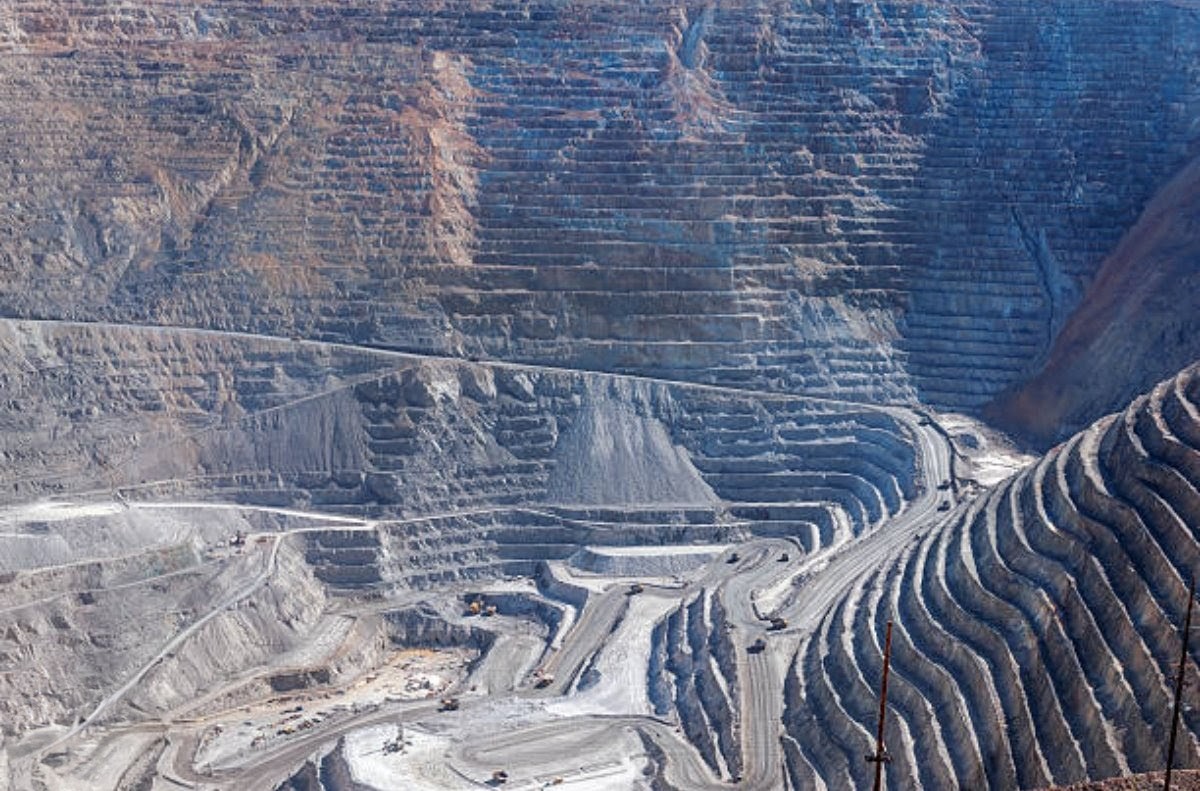
Image: this massive chasm is the Bingham Canyon Mine (also called the Kennecott Copper Mine) just outside Salt Lake City, Utah. It is one of the largest man-made excavations on Earth and the deepest open-pit mine in the world, stretching 4 kilometres wide and more than a kilometre deep.
1
12
Alejandro Tejada C. retweeted

Jun 9
🚨🚨EL DESASTRE de la Identificación Digital de la India es una ADVERTENCIA para el mundo⚠️
🔴HACKEARON el sistema digital de la India. Más de mil millones de personas se vieron obligadas a participar en un sistema biométrico que vinculaba la alimentación, las pensiones y la atención médica a una única identificación digital. ¿El resultado? Una CRISIS HUMANITARIA ⚠️
Los delincuentes piratearon y clonaron identidades, dejando a familias pasando hambre, a ancianos sin pensiones y a enfermos rechazados en los hospitales.⚠️😳
⚠️ESTAS SON LAS CONSECUENCIAS DE UNA SOCIEDAD DIGITALIZADA:
Con sólo presionar un botón, simplemente cancelan su cuenta. Ya no puedes comprar comida. Ya no puedes hacer nada ⚠️
197
7,546
9,115
165,259