
President of the Minneapolis Planning Commission & Legislative Assistant to Senator Omar Fateh
Joined December 2009
- Tweets 9,844
- Following 3,034
- Followers 2,084
- Likes 35,187
218 Photos and videos






Chris Meyer 🏳️🌈🌲🥑🚲🚊 retweeted
My office was the first to draw attention to this problem two legislative sessions ago. We held hearings, formed a legislative group, and in my higher ed bill we passed funding for the anti-fraud software MinnState needed to address it.
You’re not breaking any news.
Jun 15

MORE MINNESOTA FRAUD
More than 7,700 “ghost students” found in Minnesota State Colleges last year across their 33 campuses.
Students enroll in college under a fake name, get financial aid, then disappear.
These ghost students cost taxpayers $12.5 million according to the Education Dept.
One class filled 50 seats just 2 minutes after opening enrollment. Only 2 students were real, per FOX
Shut the whole state down! It’s one massive crime scene at this point
105
179
3,830
165,908
Chris Meyer 🏳️🌈🌲🥑🚲🚊 retweeted

Jun 14
New E Line bus rapid transit doubles ridership projections in the first six months.
fox9.com/news/6-months-in-mi…
4
47
9,761

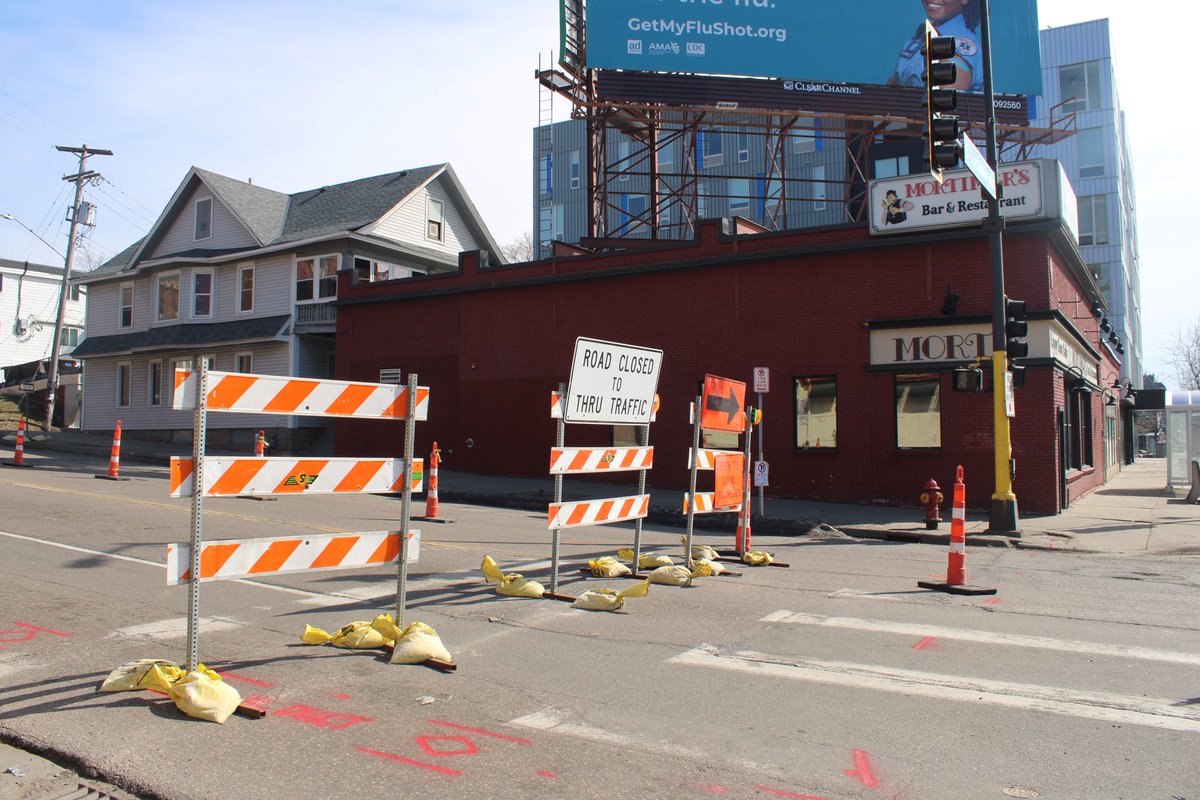
you can see the new franklin ave street design with a dedicated bike path coming together east of 35, to match and link up to what exists currently on franklin west of lyndale ave. another piece of great bike infrastructure and safer streets coming to minneapolis!
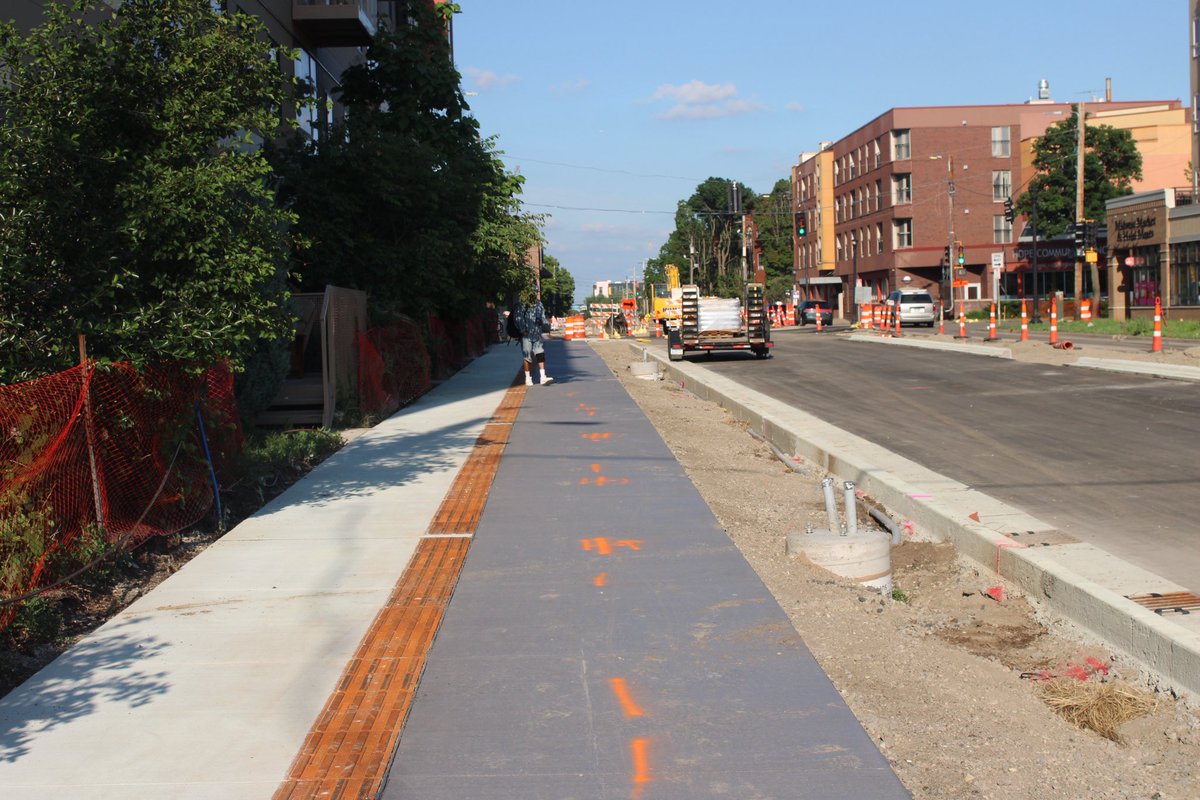

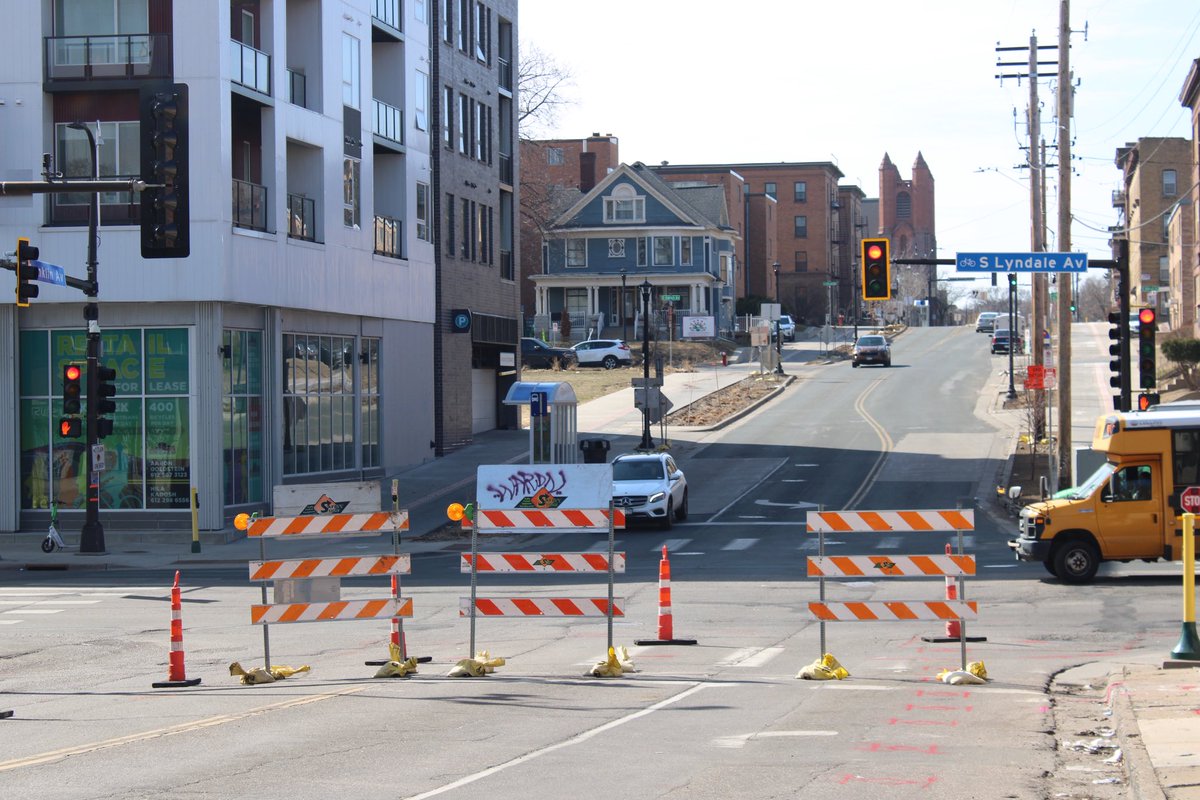
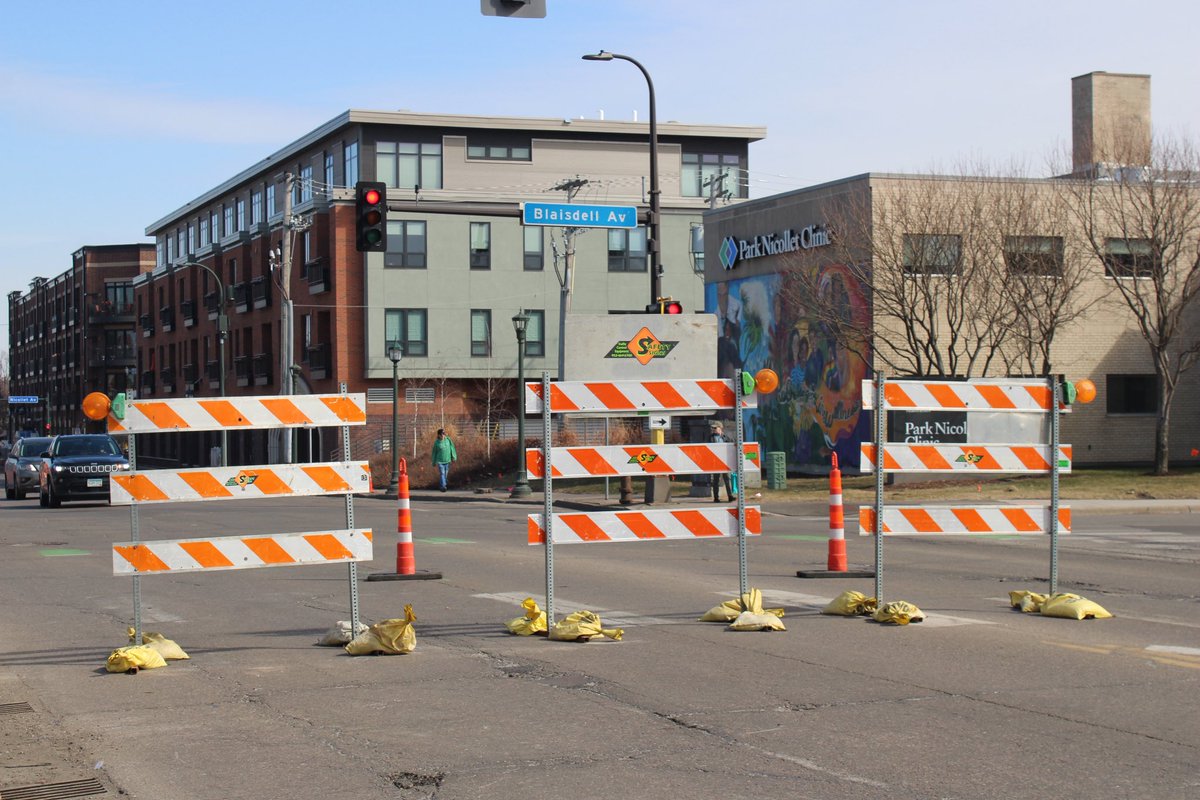
franklin ave construction between lyndale and blaisdell has begun. westbound is fully closed, local access only on the eastbound side

4
80
3,121

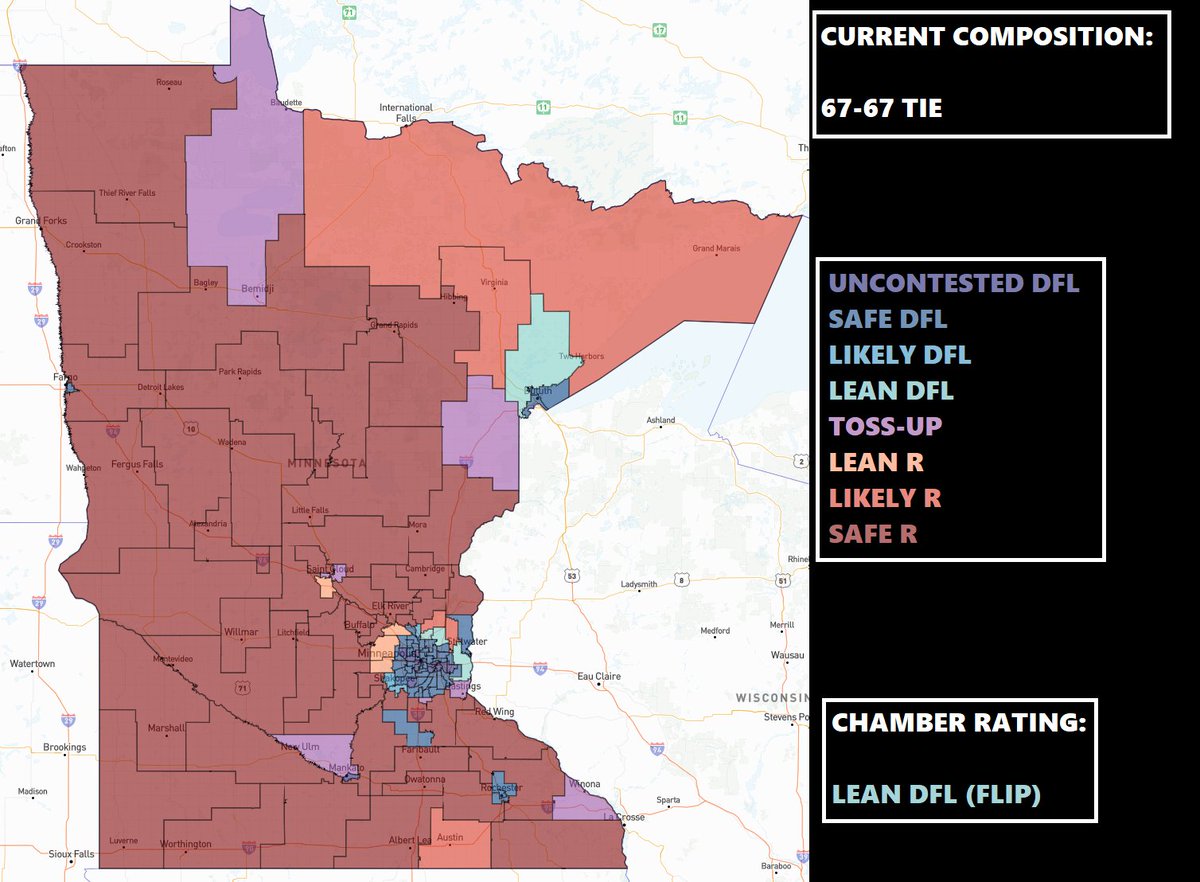
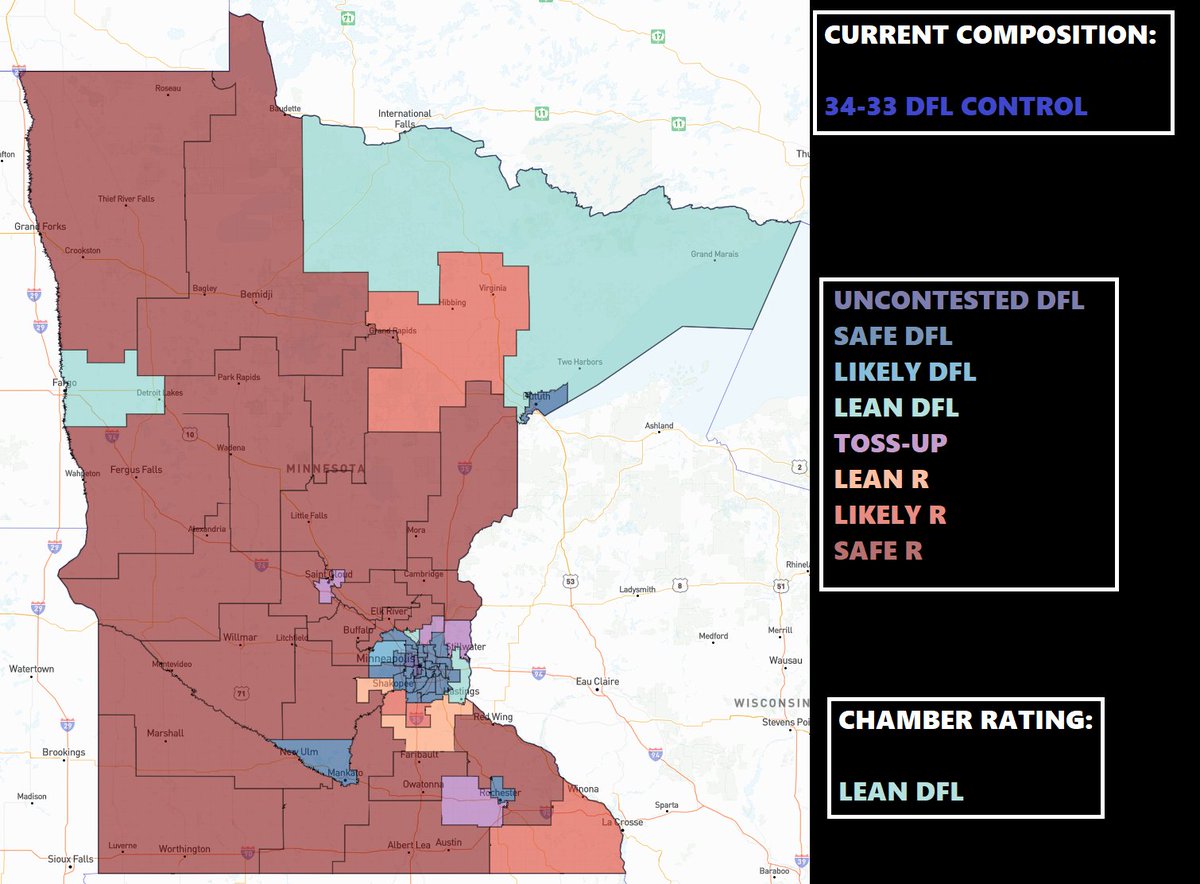
Here is my first forecast for this year's state legislative elections in Minnesota!
With a strong top of the ticket led by Amy Klobuchar, the Minnesota Dems are poised to break the gridlock that has plagued St. Paul for the last 2 years and gain multiple seats in both chambers.
8
21
188
12,959
Chris Meyer 🏳️🌈🌲🥑🚲🚊 retweeted

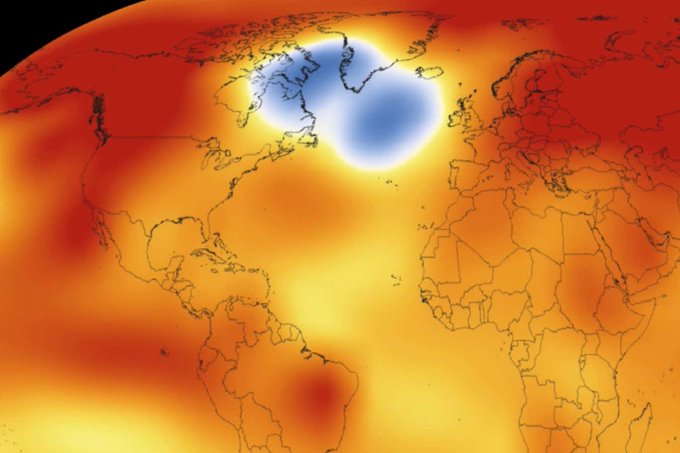
Mysterious ‘cold blob’ in the Atlantic suggests the AMOC is weakening
A patch of ocean south-east of Greenland is the only place on Earth that is cooling, and it could be a sign that the warm water “conveyor belt” in the Atlantic is slowing down
newscientist.com/article/252…
docs.google.com/document/d/1…
497
1,805
7,657
17,425,489
Chris Meyer 🏳️🌈🌲🥑🚲🚊 retweeted

Jun 6
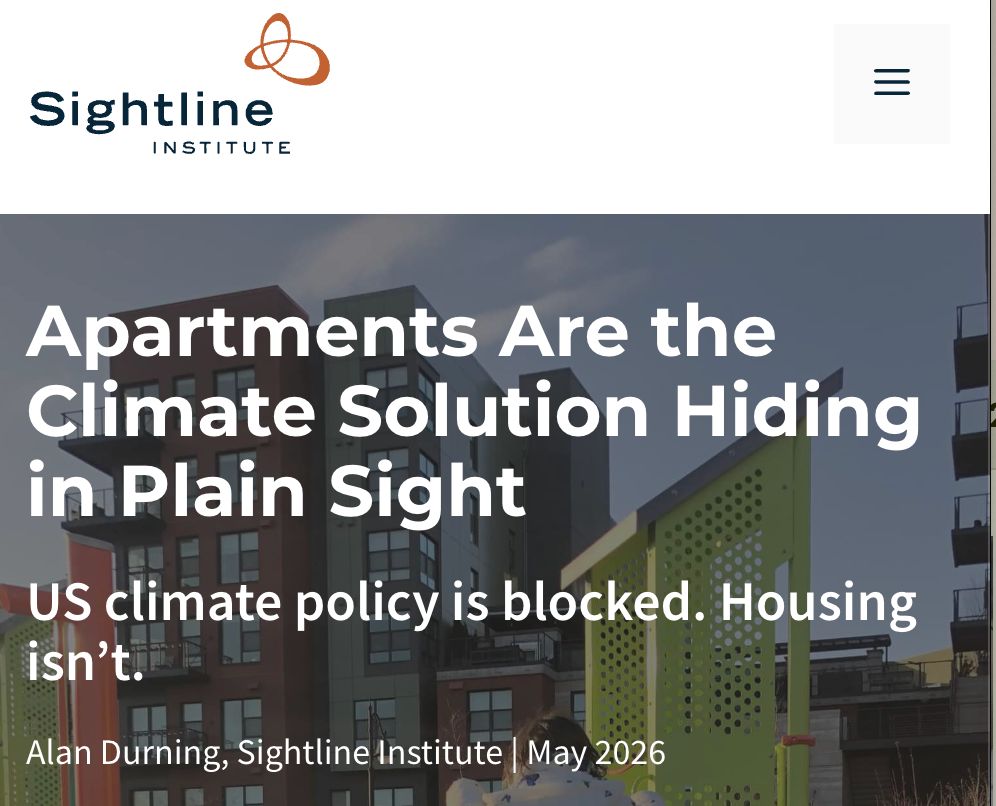
New apartments are 76% electric-heated, and their residents drive less and use less land.
Building more of them cuts carbon emissions by up to 14% in metro areas, while also lowering rents.
Housing abundance and climate progress are the same investment.
6
23
147
17,616
Chris Meyer 🏳️🌈🌲🥑🚲🚊 retweeted

Before his big victory in Iowa last night, Paralympian Josh Turek showed CNN’s @jeffzeleny how he campaigned door-to-door by wheelchair to try to win every last vote in the Senate primary.
37
1,316
9,579
377,638

Quite the poll of Ohio from Fox News:
It shows Sherrod Brown leading GOP Senator Husted 53/45.
And far outpacing Amy Acton's 50/49 edge over Vivek Ramaswamy in the governor's poll.
foxnews.com/politics/fox-new…
6
35
193
10,514
Chris Meyer 🏳️🌈🌲🥑🚲🚊 retweeted

Jun 2
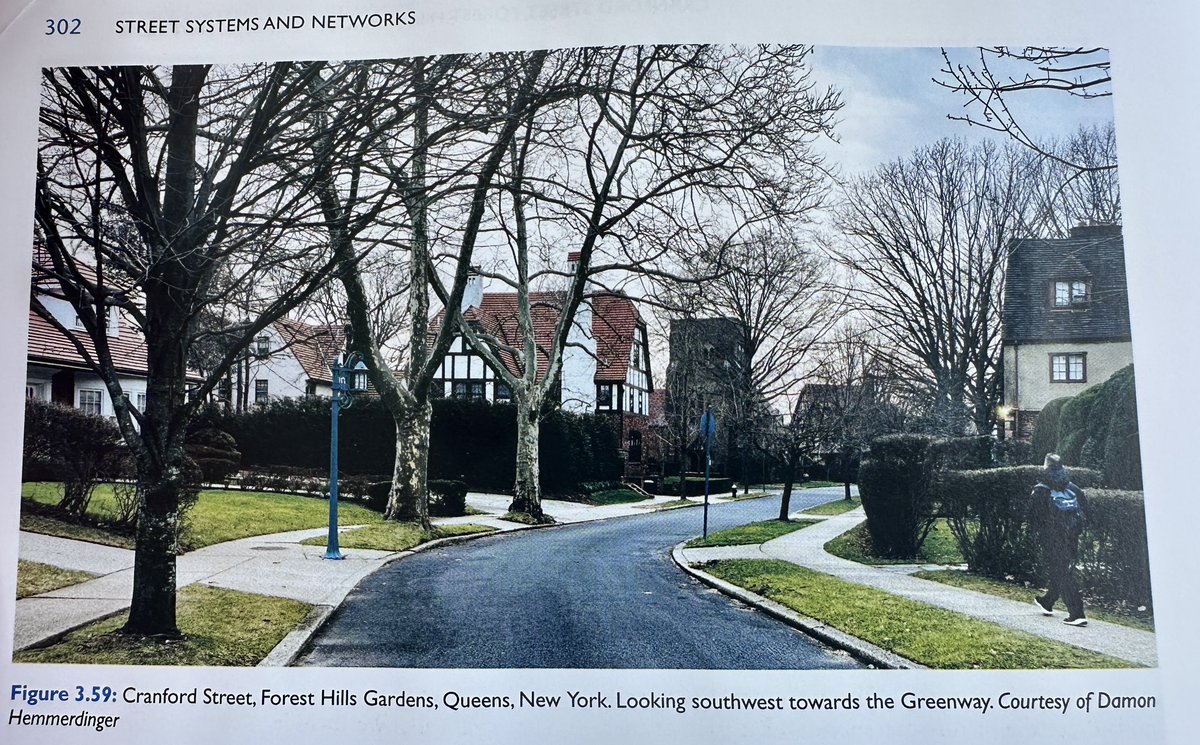
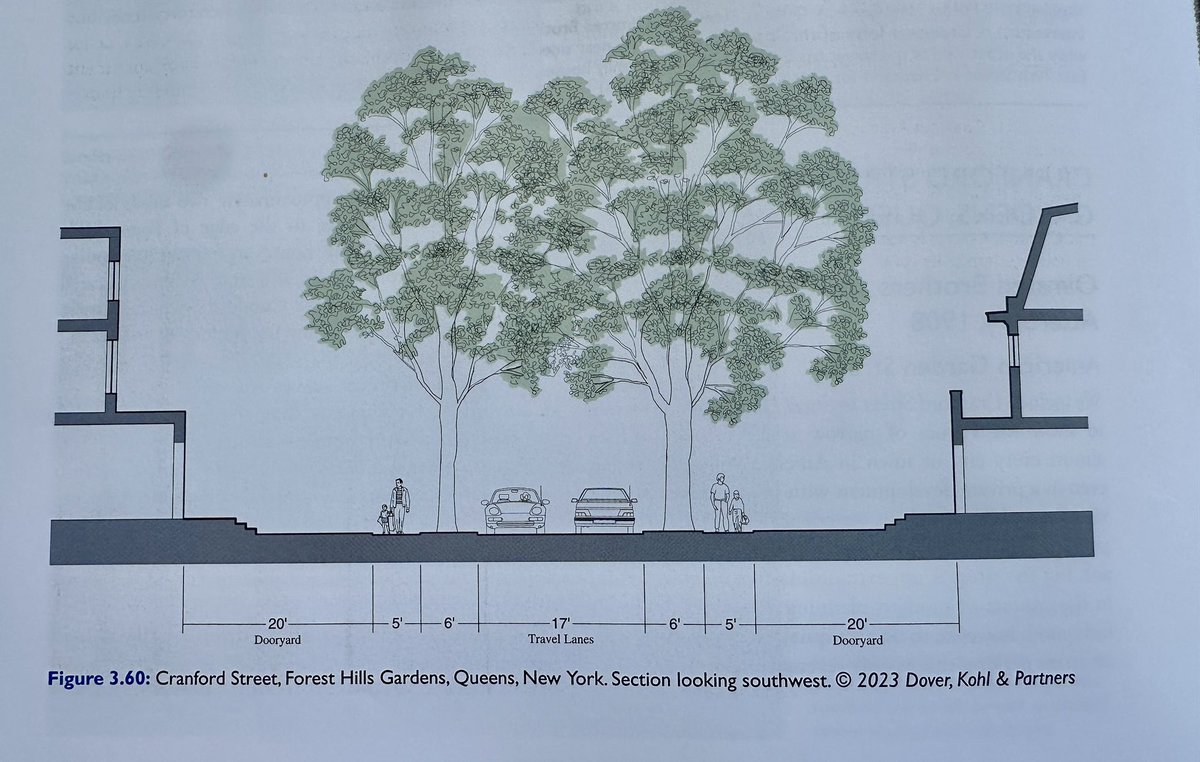
The width of this two way street, which has functioned perfectly well since 1908, is now considered too narrow to act as ~solely~ a one way fire lane for access to even a single building by today’s NFPA code. “For safety”
In reality this illegal street design is safer for everyone involved and means fewer accidents for fire department to respond to, and less severe injuries when they do.
To build this neighborhood today you would be told to remove the trees as an “obstacle”, replacing that space with more asphalt instead. More people would be injured or killed, but in the much rarer case of a fire the convenience of added working space is considered more important.
26 Nov 2025

In 1996 the allowed width of an urban street with curbside parking was 28’. Two lanes of travel, 18’ of clear width to setup an engine or ladder.
~2000 the NFPA began to engage in traffic engineering, creating a 20’ clear requirement. One way or not, doesn’t matter. 20’.
Today it is a default of 26’ for an urban street or even a pull along fire lane, even if one way. 28 is common for urban “arterials”.
Over 30 years we increased the minimum width deemed “safe” for fire response by 44%.
We mandated excess asphalt in every new urban street and development across the country, foregoing sidewalks and bike lanes for wider, faster access.
We gained no statistical improvement in deaths per fire from this. We did gain significant increases in traffic and pedestrian deaths as these standards became ubiquitous in every new or “improved” urban street design.
17
56
525
74,594
Chris Meyer 🏳️🌈🌲🥑🚲🚊 retweeted

Jun 3
Crystal Ball Rating Changes in IOWA:
IA-GOV Leans R to Toss-up
IA-SEN Likely R to Leans R
More in tomorrow's Crystal Ball
76
266
2,224
398,966
Chris Meyer 🏳️🌈🌲🥑🚲🚊 retweeted

The Twin Cities sprawls more than many U.S. metros startribune.com/twin-cities-…
28
7
23
10,995
Chris Meyer 🏳️🌈🌲🥑🚲🚊 retweeted

Massive strides against heart disease, cancer, inflammation & more. It turns out science is a good thing. Let’s fund it, support it & end the insane war against it. Scientific research must be a top priority.
May 31

This has quietly been a miracle month in medicine.
In the last 5 weeks we’ve got news on:
- retatrutide, the triple agonist GLP-1 from Lilly, basically melting fat and body-wide inflammation at record levels
- RevMed’s new pancreatic cancer drug showing unprecedented abilities to extend life
- small trial of a one-and-done PCSK9 gene editing therapy for slashing LDL cholesterol
- Mayo’s AI-assisted radiology showing vastly improved cancer detection
- this new therapy for metastatic solid tumors
This stuff is at varying levels of evidence. Retatrutide is ~100% on its way, other stuff needs more clinical trial data. But put it together and we’re maybe on the verge of majorly reducing the mortality of heart disease and cancer, the two leading causes of death in America.
34
24
201
16,130
Chris Meyer 🏳️🌈🌲🥑🚲🚊 retweeted

May 31
Ballot irregularities at both conventions this weekend.
Should the @mngop and the @MinnesotaDFL be put on probation too? 🤔
14
22
110
13,255
Chris Meyer 🏳️🌈🌲🥑🚲🚊 retweeted

May 28
This is true. Big setback rules are nuts. You end up wasting tons of yard space in a zone where your kids are unlikely to play, and you make the geometry of mowing needlessly complex.
Setbacks are hostile to the interests of suburban dads, and therefore I oppose them.
13
23
362
44,668
Chris Meyer 🏳️🌈🌲🥑🚲🚊 retweeted

May 19
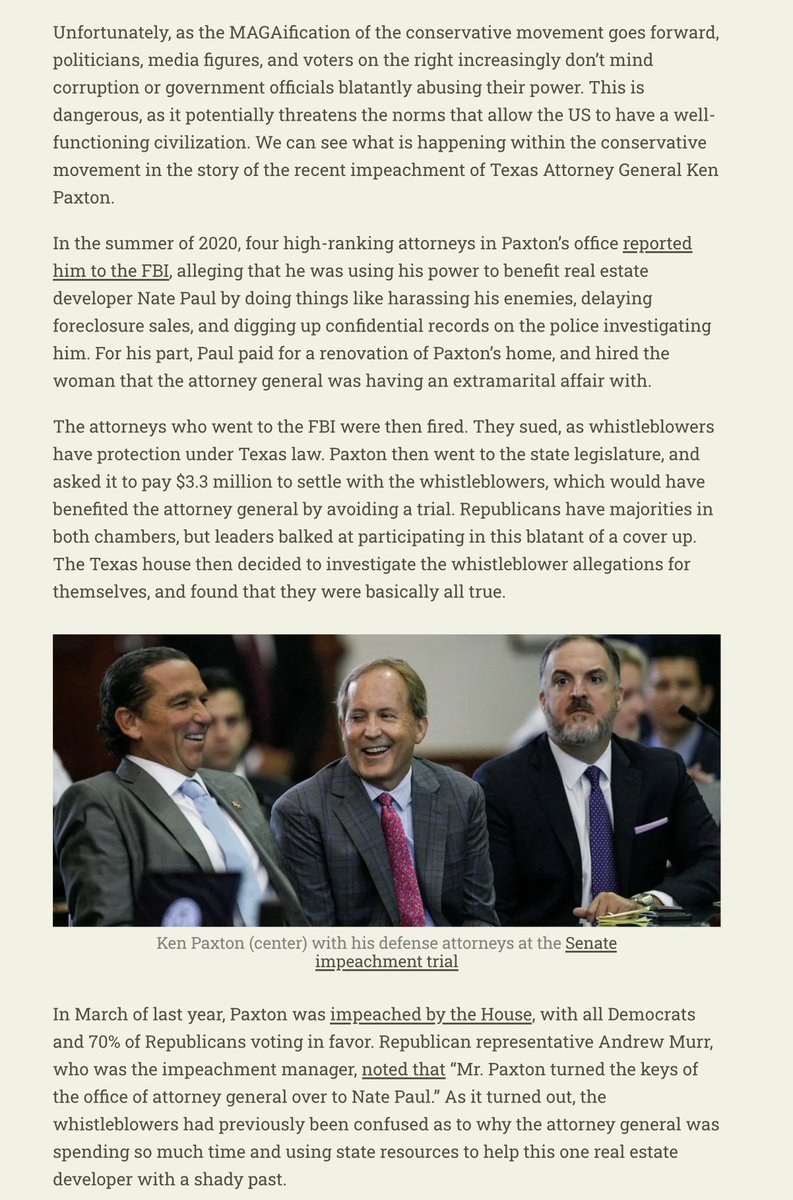
Ken Paxton is so corrupt that the Republicans in the AG office became whistleblowers.
Then Republicans in the Texas House voted to impeach him.
Then MAGA got involved. In the Senate, he argued that it was all a left wing conspiracy to get him. He was acquitted.
Now Trump endorses him for Senate.
This isn't left or right.
This is about Republicans' tolerance for corruption. They even have a preference for it!
It's not something they accept just out of necessity to beat the other side.
These are bad people.
Kakistocracy. Trumpism is a populist movement, which leads to the worst people rising to the top.
150
962
3,025
191,751
Chris Meyer 🏳️🌈🌲🥑🚲🚊 retweeted

May 9
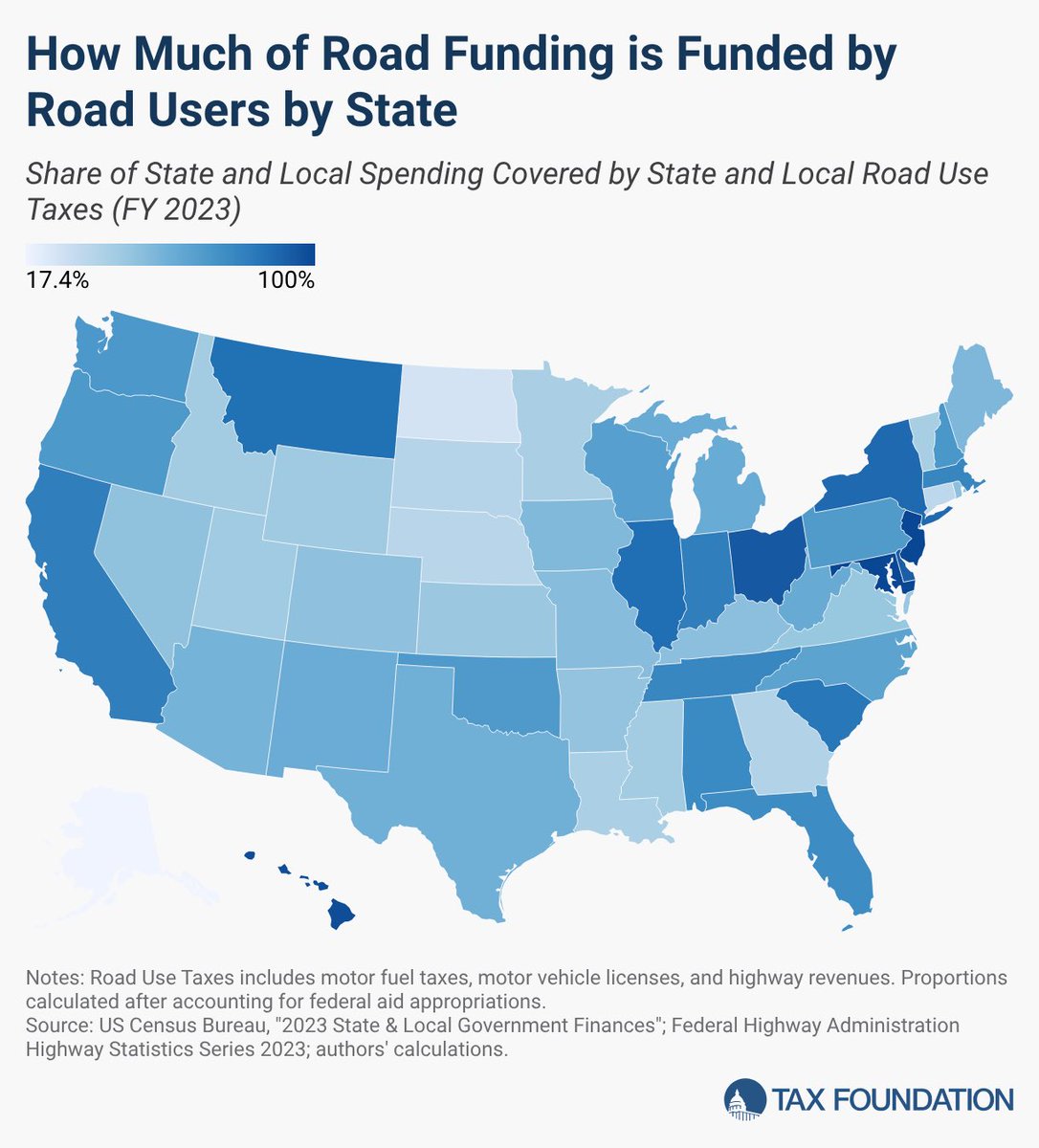
Only 2 states’ car fees actually cover their road costs. The other 48 require heavy subsidies. Last year, the feds spent $30B more on highways than the gas tax generated. Drivers aren’t “paying for transit riders” when they can’t even pay for roads. Talk about that.

In Washington D.C., taxpayers who don’t take the train or bus are increasingly subsidizing those who do, and it’s not sustainable. @DominicJPino explains why.
🔗 Read more: wapo.st/42nR9Ok
81
546
3,862
187,783
Chris Meyer 🏳️🌈🌲🥑🚲🚊 retweeted

May 8
“So, a note to House Speaker Lisa Demuth, who is a frontrunner to be the Republican nominee: You can steal this issue from Klobuchar by passing the Starter Homes Act before the legislative session ends May 17.” - @jpcoolican
minnesotareformer.com/2026/0…
1
7
396
Chris Meyer 🏳️🌈🌲🥑🚲🚊 retweeted

May 8
Other states, red & blue, have enacted pro-housing policies and they've built more homes. It's no surprise that Minnesota's housing shortage is worse than many other states. And if more cities take the cue from Lakeville and refuse to build more homes this gulf will only widen.
May 8

Minnesota is 1.7% of overall population yet we are on the hook for 5% of new housing needs?

15
13
33
3,714

The free parking on Fridays proposal is very bad policy and I urge @MayorFrey to reconsider. The High Cost of Free Parking has a section that explains the problems with that type of policy in particular.
jacob frey was on the city council when chris meyer gave them all copies in 2015
x.com/chrisjohnmeyer/status/…
2
6
46
3,693
This policy will discourage turnover and make parking more difficult to find at exactly the time when Uptown gets busiest, while also depriving the City of badly needed revenue.
2
1
12
299