
Founder of PR firm JEA Associates (jeaassociates.com), amateur pianist and cook who works for a number of FS and crypto clients, all views are my own.
Joined November 2010
- Tweets 3,776
- Following 5,047
- Followers 1,673
- Likes 3,536
73 Photos and videos
John McLeod retweeted

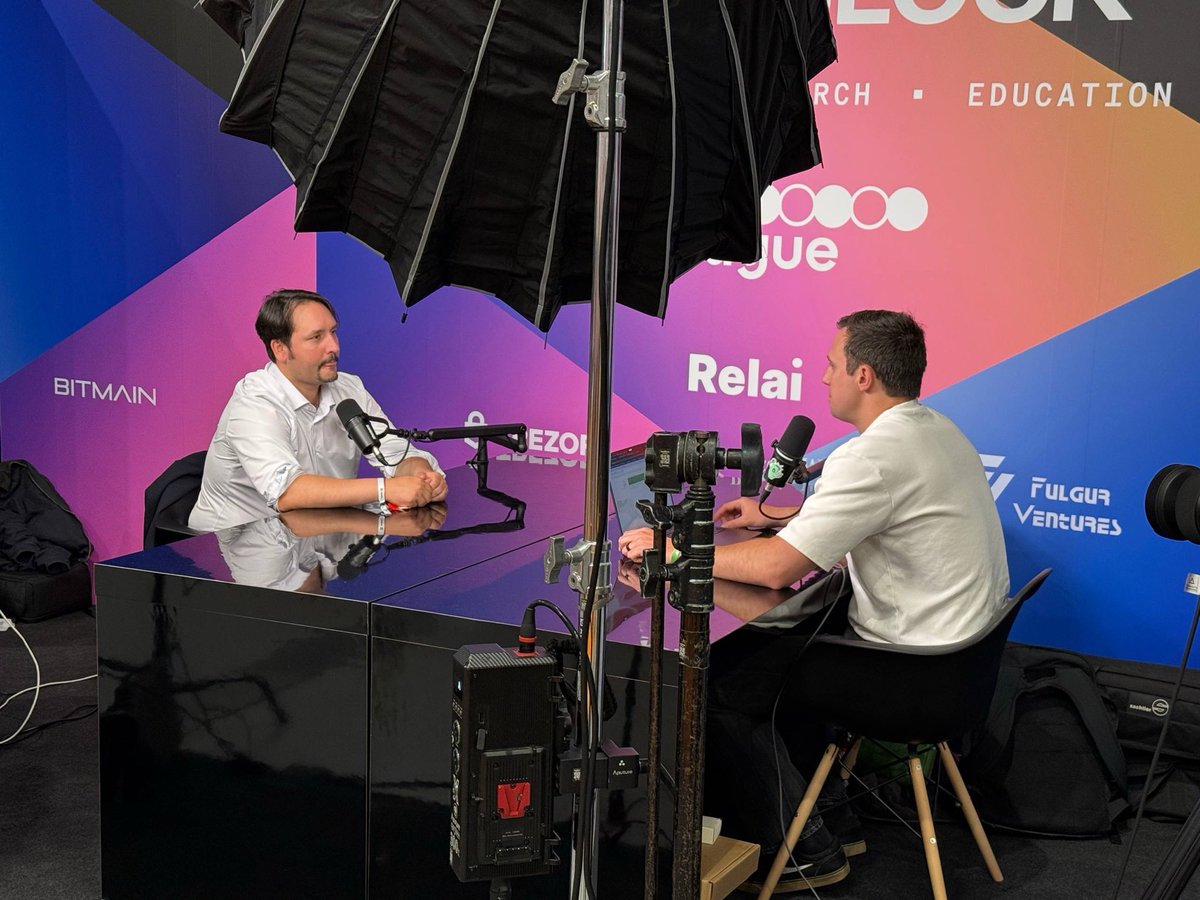
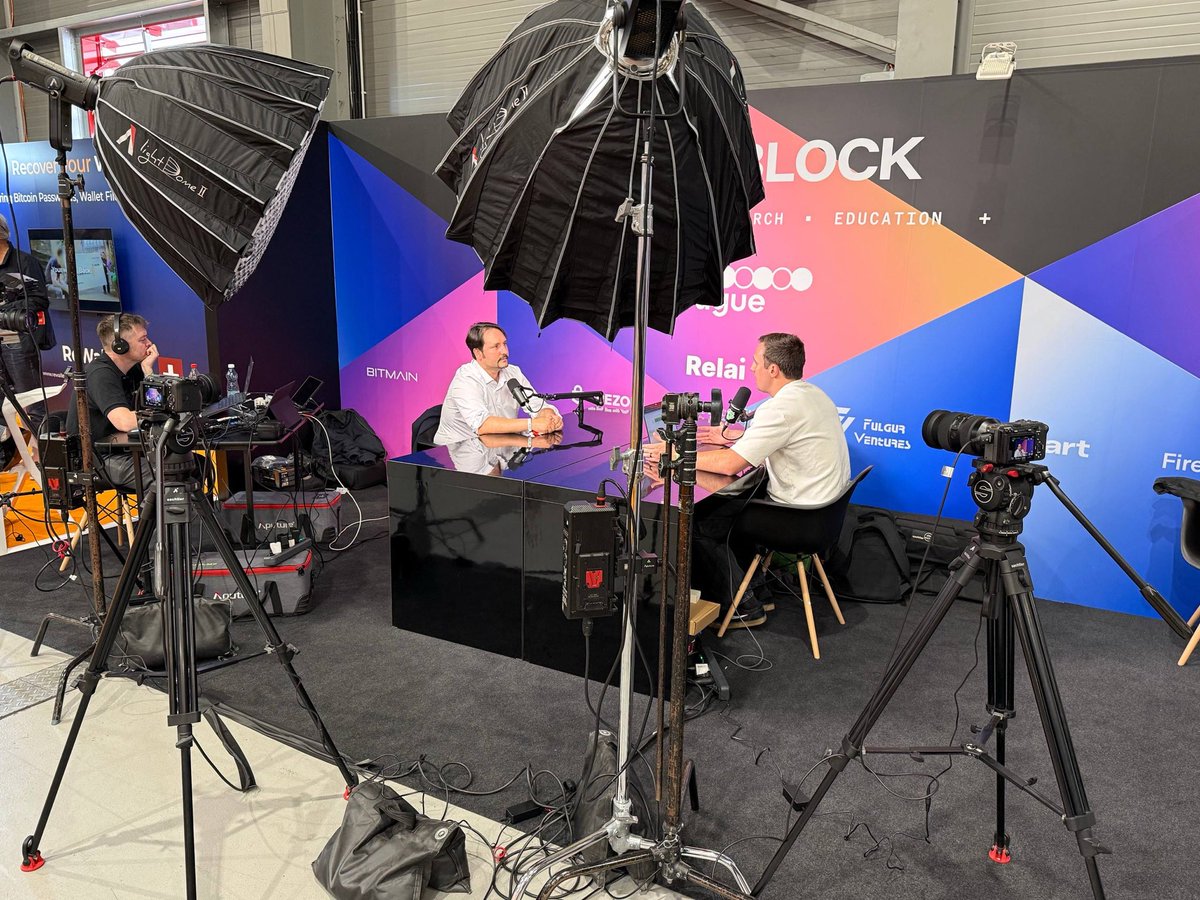
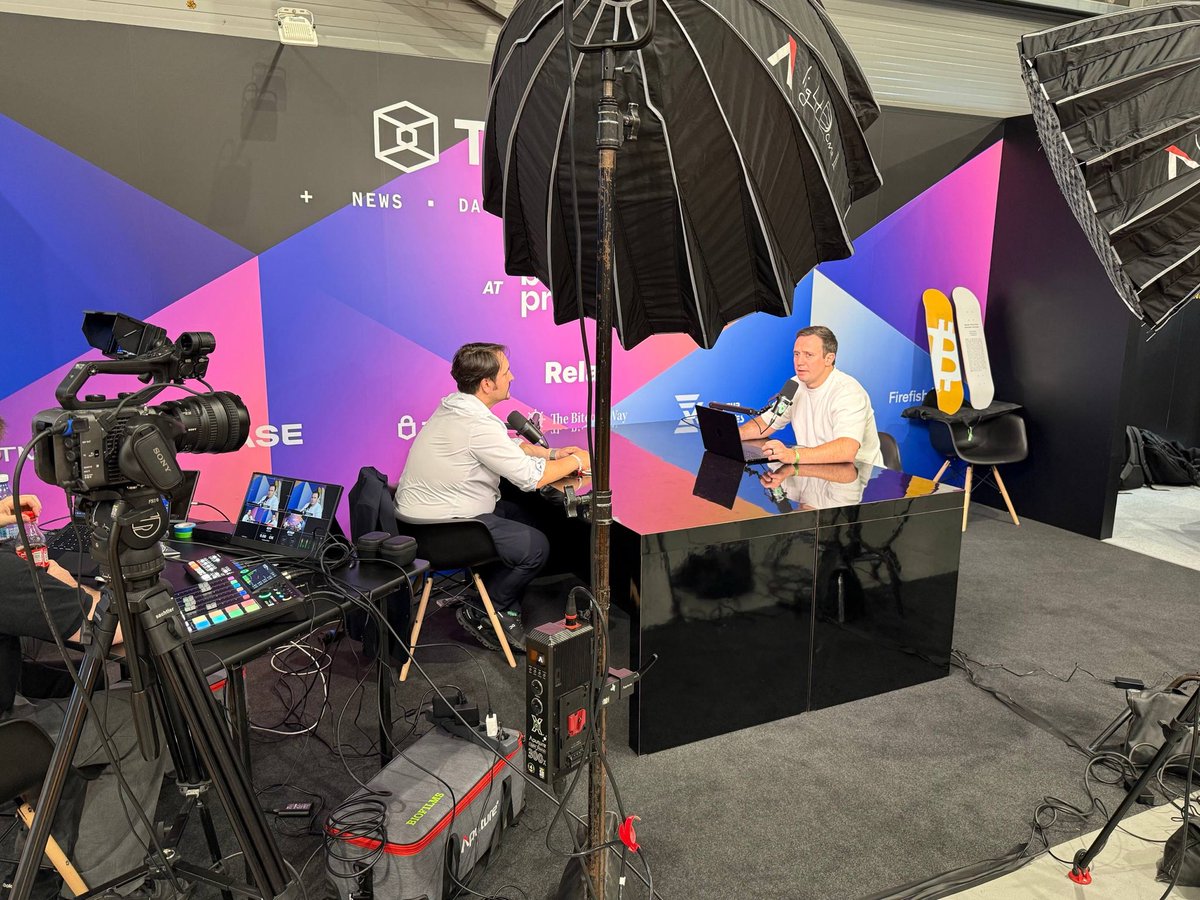
As always a real pleasure to speak with @gazza_jenks about #Bitcoin, $STRC and the latest market developments!
7
21
1,111

Jun 2
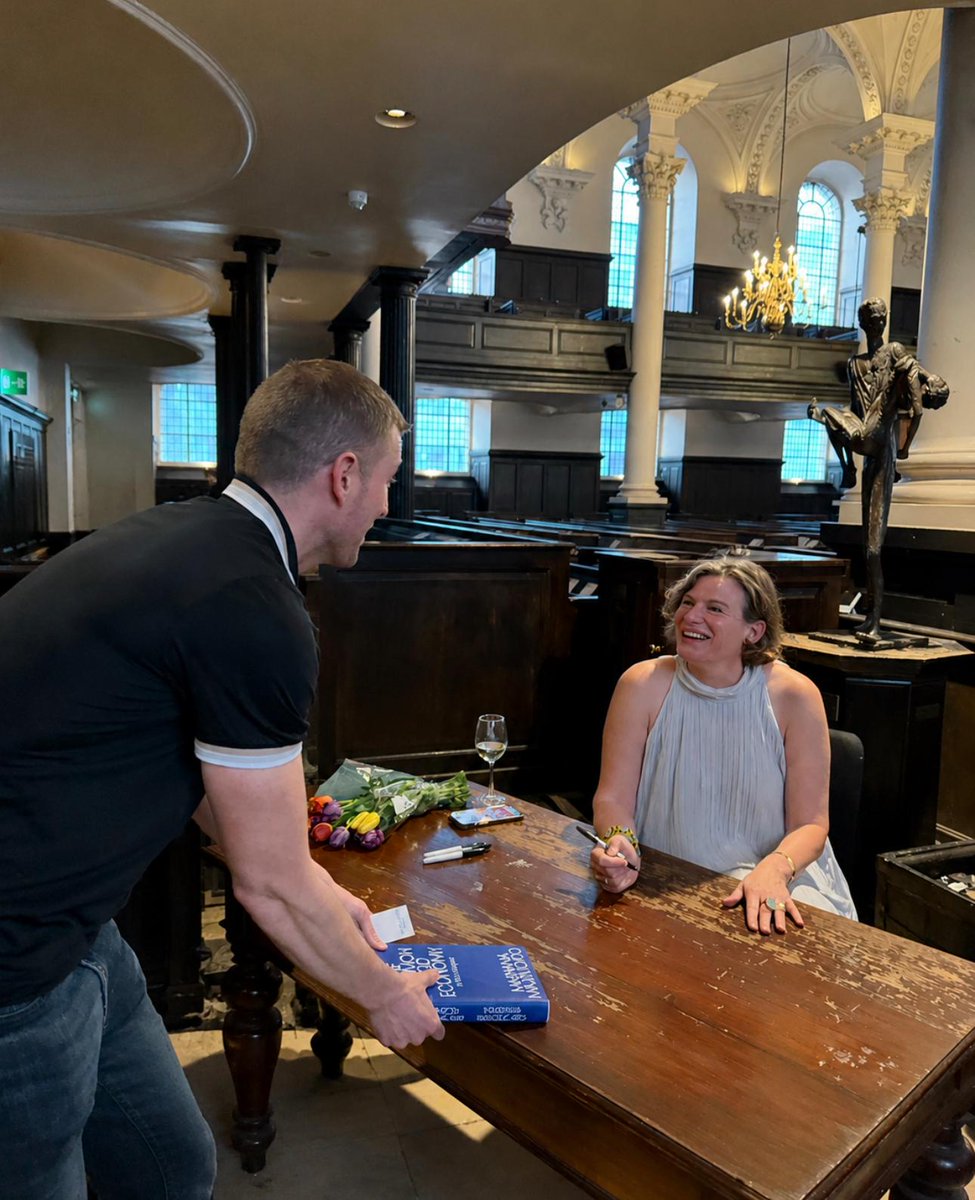
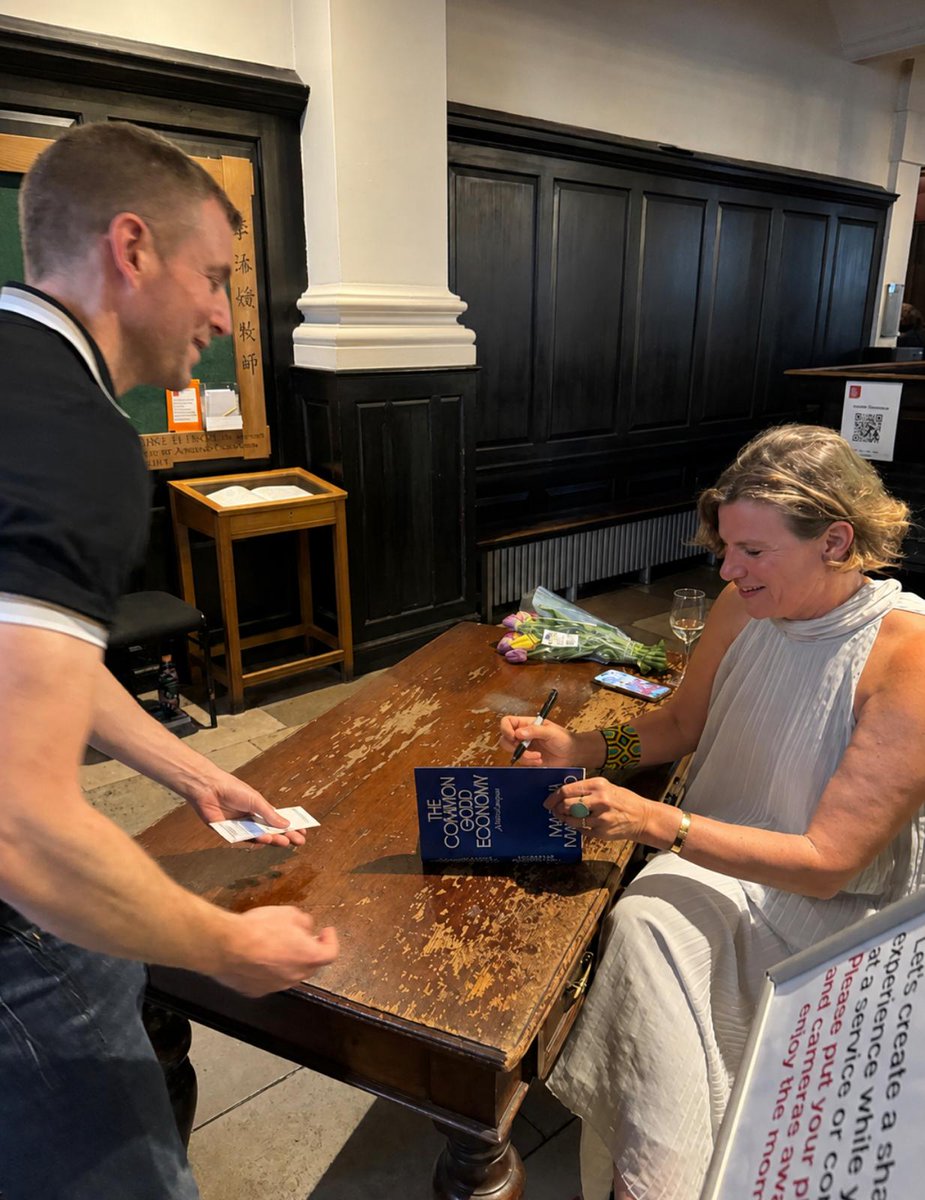
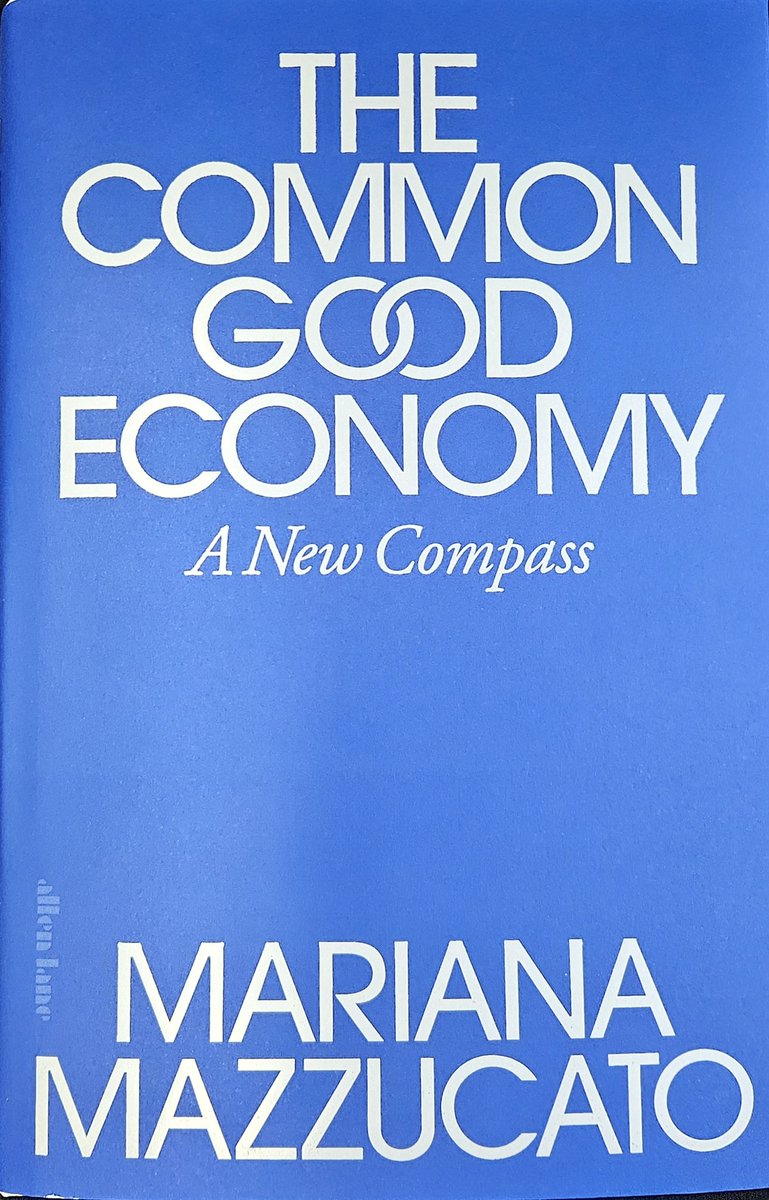
Thank you @howtoacademy for such an interesting and thoughtful evening that shone a light on how we can rethink the current approach to our #economic problems.Very rarely have I read books that have challenged my thinking in the way @MazzucatoM has.I look forward to reading this
1
2
104
May 20
Insightful article by @Jonajeth in @sandmark_news where she discusses with @KamBenbrik @AttestantIO the inroads #Hyperliquid is making in #TradFi markets and how this could futher evolve current financial ecosystem: sandmark.com/news/top-news/h…
3
58
May 14
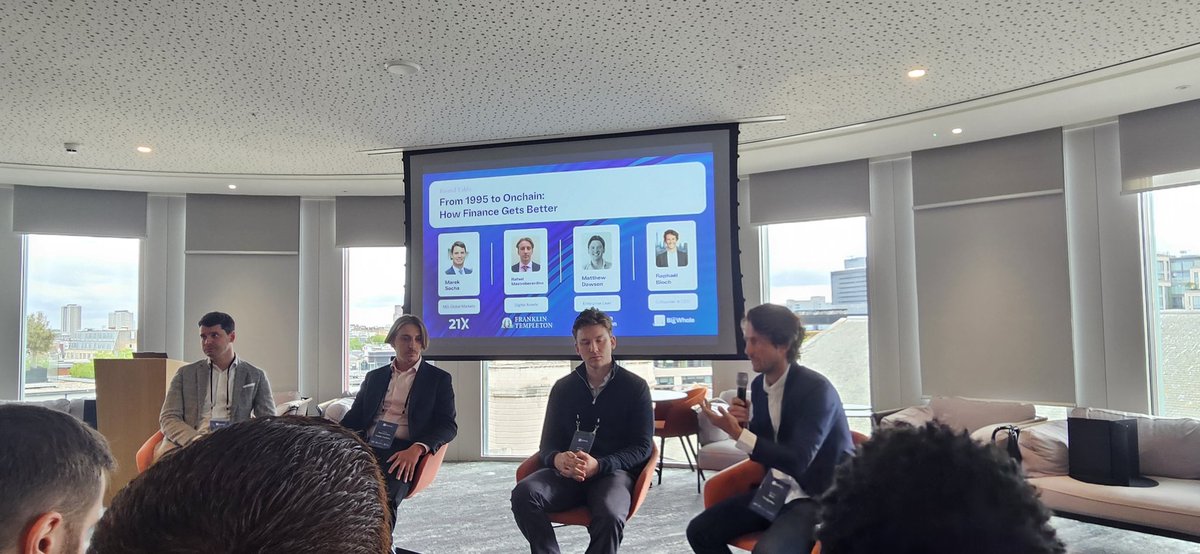
Well done to all the team @TheBigWhale_ for organising such an informative event this morning @ForvisMazarsGrp how #TradFi engages with #DeFi to ensure privacy, compliance and better infrastructure for investors is evolving rapidly. Great insights from the panel session!
1
50
May 13
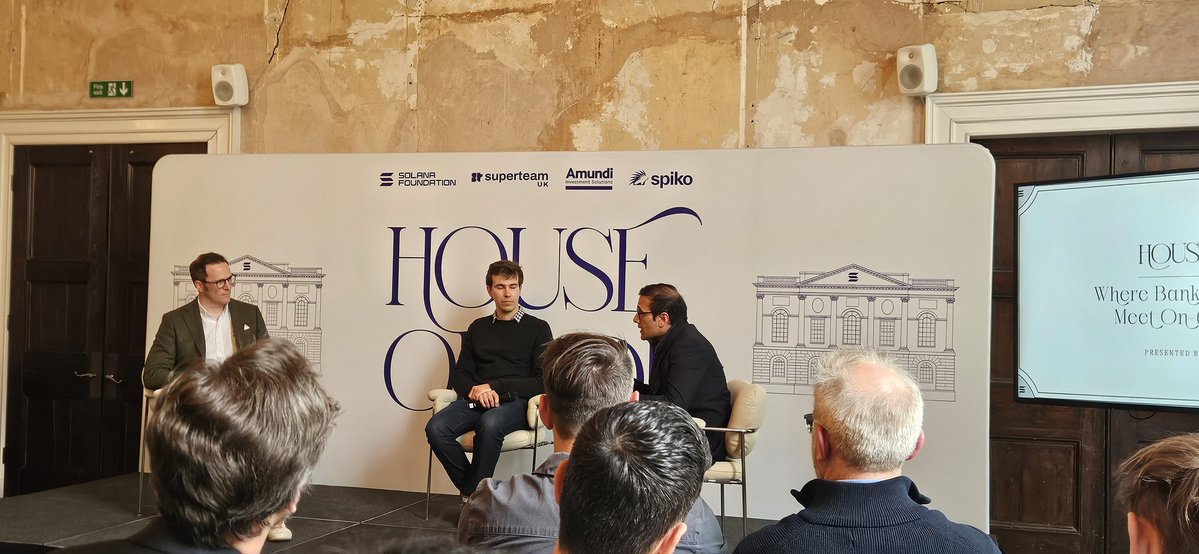
Well done to the team at House of Sol for organising another great event! @pahyppolite CEO @Spiko_finance discussed how #MMFs are evolving and announced the launch of SAFO on @solana clearly barriers between #TradFi and #DeFi are coming down!
1
83
John McLeod retweeted

May 8
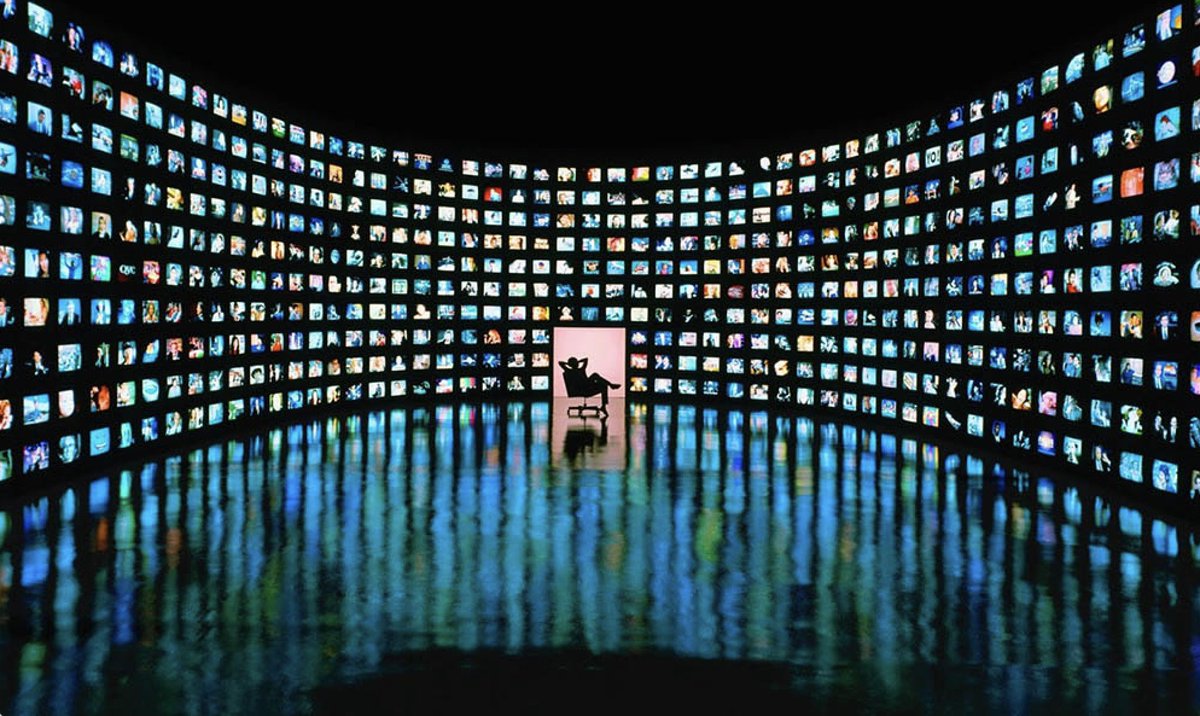
The media industry is being rebuilt from scratch. Crypto is just the canary.
@dlnews is shutting down.
A few weeks after @Blockworks closed its newsroom, another serious crypto media company couldn't make its model work.
The DL News team did real, rigorous journalism. I hope everyone lands well.
But the structural problem remains. And it's worth naming it.
There are only two ways to build a "media" business:
Monetise your audience. Or monetise a product.
Most crypto media chose the first path — and most media companies across every sector did the same. It worked — until it didn't.
Audience monetisation has one fatal flaw: it's replicable. And with AI, the barrier to entry is now zero. Anyone can produce content at scale. The commodity trap is complete.
Blockworks understood this.
I've had a great conversation with @JasonYanowitz about this exact question. They made a strategic pivot — closing the newsroom, doubling down on data, dashboards, and events. They just raised fresh capital at nearly $200 millions valuation. A different product bet. A legitimate one.
At @TheBigWhale_, we made our own bet — early.
We monetise intelligence products. Briefings, benchmarks, analyst access, and curated events that connect the right people at the right moment. Today, 150 clients — banks, asset managers, fintechs — pay to understand where finance is going.
That model made us profitable in Q1. On track for Q2. With a team of ten and three offices (Geneva, Paris, London).
This is not a new idea. @Jeff Mancini, CEO of @arizent_co, articulated it better than anyone in a recent AMO podcast — the shift from information to strategy and market intelligence, and the ability to connect projects and people.
That's exactly the direction we're moving. Less news. More signal. More room in the room.
But here's what I think most people are missing.
We're not just watching a media consolidation. We're watching a redefinition of what a media company is.
A media organisation has always had one job: understand a sector — or the world — and explain it to its clients. Until now, that meant reporters interviewing the market and translating it for readers.
What's coming next is different.
With AI and autonomous agents, a media company can directly interrogate the market — at scale, in real time — and deliver intelligence straight to its community. No intermediary. No latency. The organisation becomes the intelligence layer itself.
At The Big Whale, we're not just observing this shift. We're building inside it. A small team of analysts & agentic systems already in our operations. We are practitioners of the future of finance — not just analysts of it.
That shapes how we think about what comes next for intelligence, distribution, and the role of agentic systems in our own operations.
The media companies that survive won't be the ones that produce the most content.
They'll be the ones that understand the most — and act on it first.
1
1
11
1,410
John McLeod retweeted

Apr 17
NYSE, the biggest and oldest U.S. stock exchange, has placed its bets that digital assets are part of its future on.wsj.com/4th5U14
9
50
181
32,812
John McLeod retweeted
Mar 31
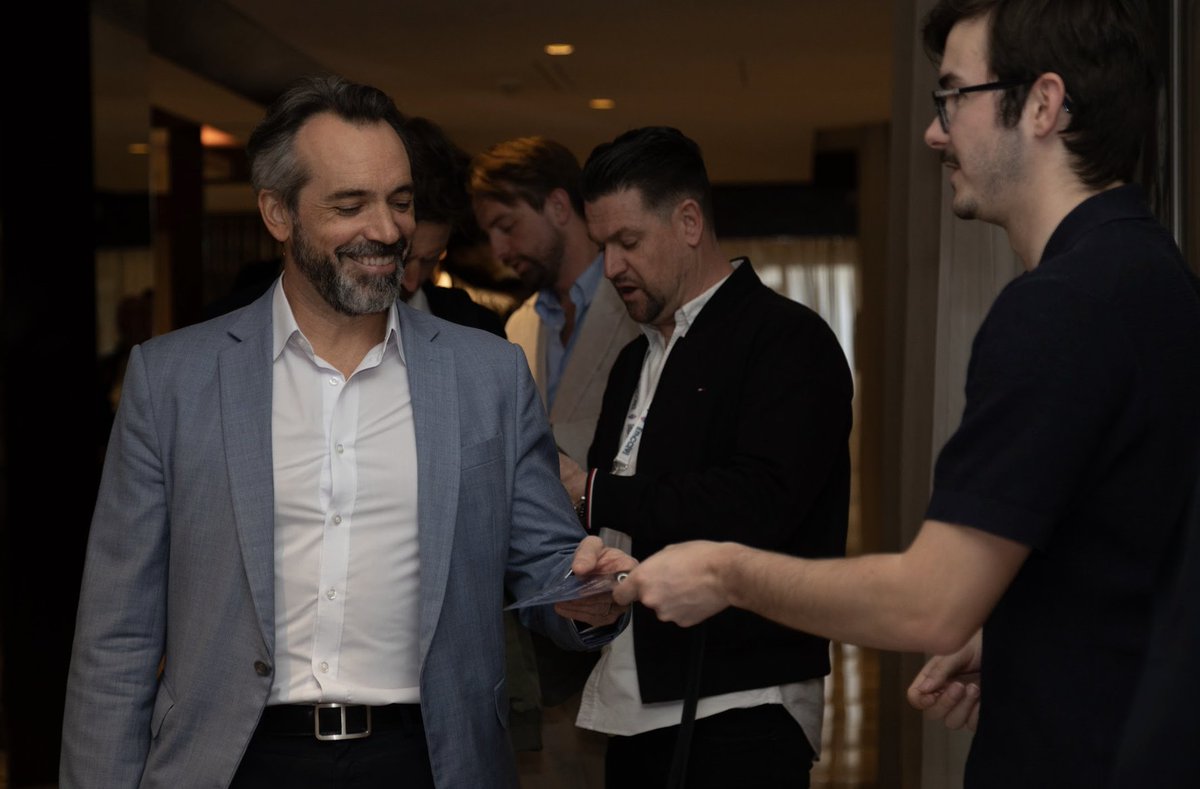
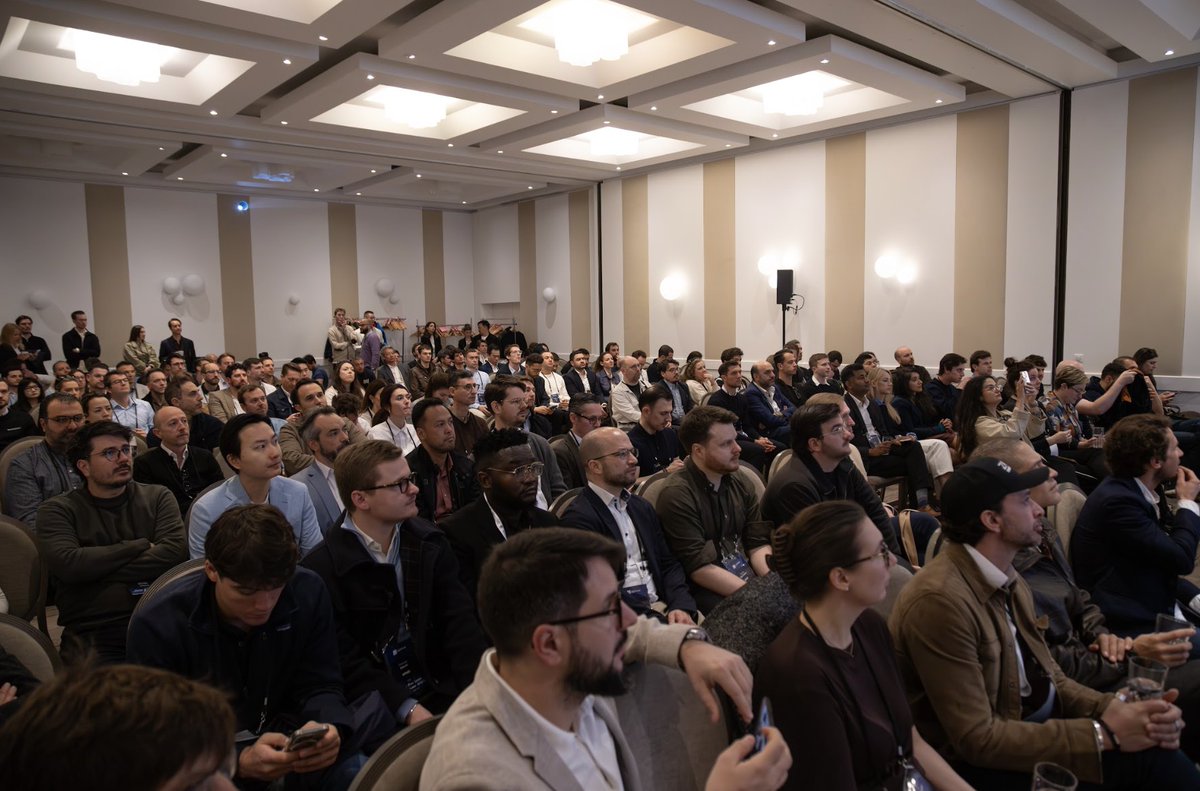
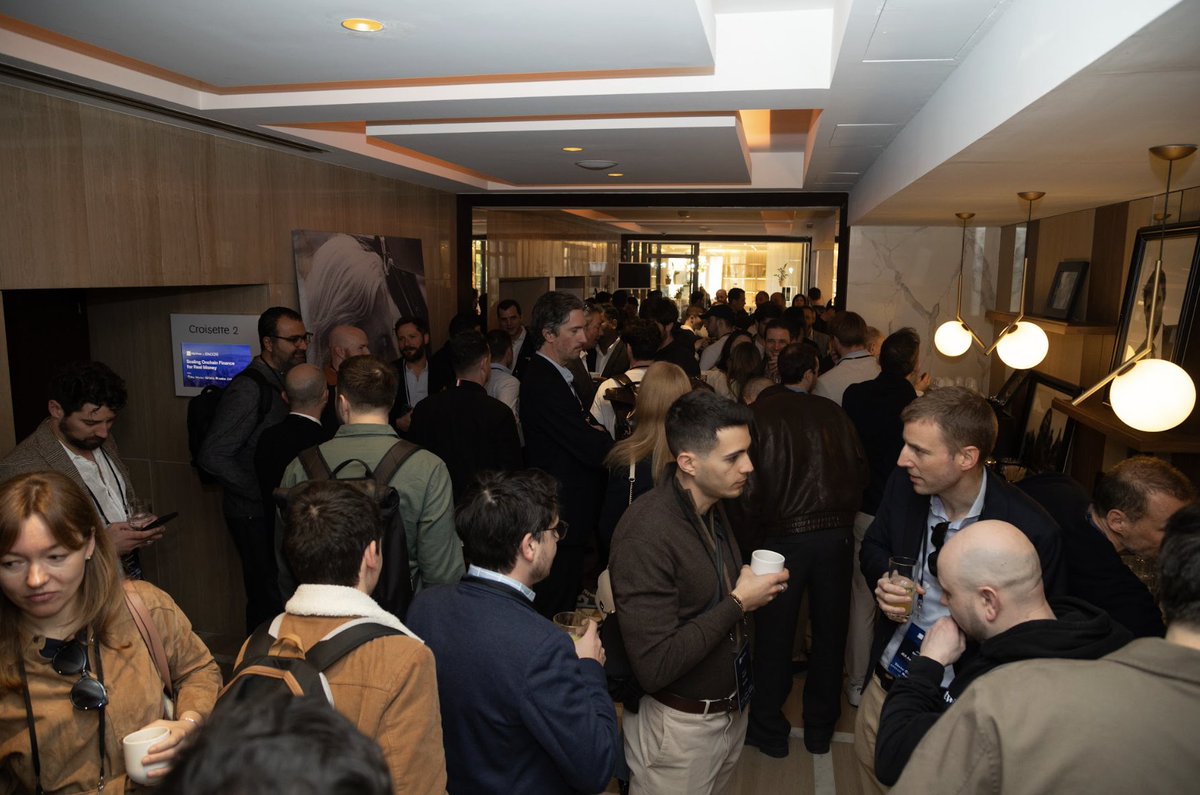
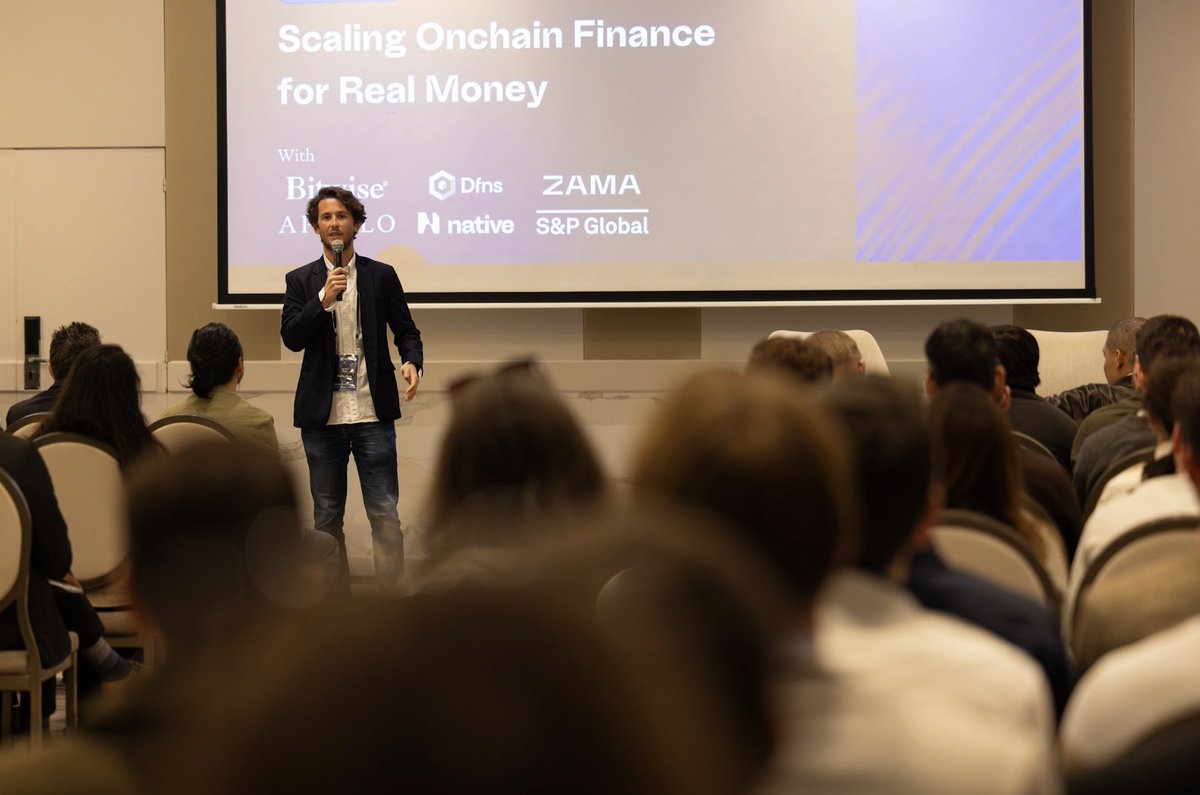
What a day in Cannes 🇫🇷
@TheBigWhale_ hosted an exclusive breakfast - and the photos says it all 🔥
Thanks to our partner @zama, @Bitwise, @dfnsHQ, @SPGlobal, @nativeinsurance & @apolloglobal.
Next stop: Paris for @ParisBlockWeek
Join us there: luma.com/thebigwhale-april
1
3
22
1,565
John McLeod retweeted

Feb 24
2/ The effort is being conducted with open source software options Dirk and Vouch by @AttestantIO.
Dirk acts as a distributed signer, enabling operation by individuals in multiple jurisdictions, & ensuring that no single point of failure can interrupt validation.
Vouch supports the use of multiple client pairings with strategies used to mitigate client diversity risks.
2
9
72
11,566
John McLeod retweeted

Feb 23
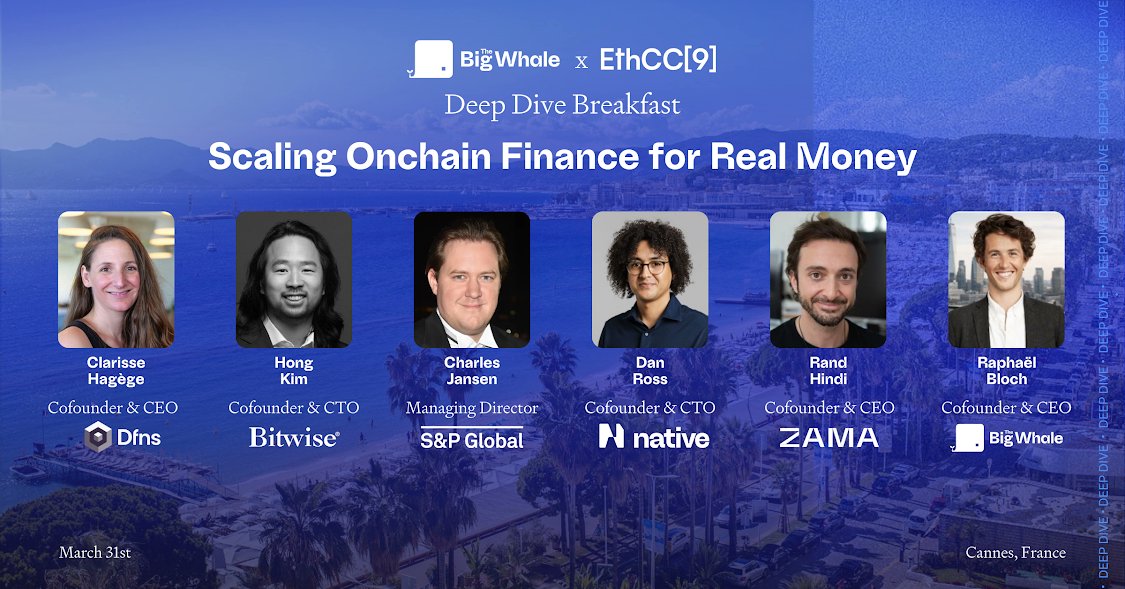
🇫🇷 @EthCC Cannes - Exclusive Morning Event powered by @TheBigWhale_!
On March 31st (8:30–11:30 AM), we’re gathering in one of Cannes’ most prestigious hotels for a high-level conversation on onchain finance - its opportunities, its limits, and what’s next.
Featuring exceptional speakers:
- @clarisse_hagege (@dfnsHQ)
- @hongkim__ (@bitwise)
- @CharlesJansen (@SPGlobal)
- Dan Ross (@nativeinsurance)
- @randhindi (@zama)
- @Raph_Bloch (@TheBigWhale_)
Top-tier operators. Institutional leaders. Builders shaping the future of finance.
👉 Expect sharp insights and premium networking with a curated crowd of founders, investors, and decision-makers.
Limited seats. Register now! luma.com/thebigwhale-ethcc
12
18
71
11,372
John McLeod retweeted

Feb 23
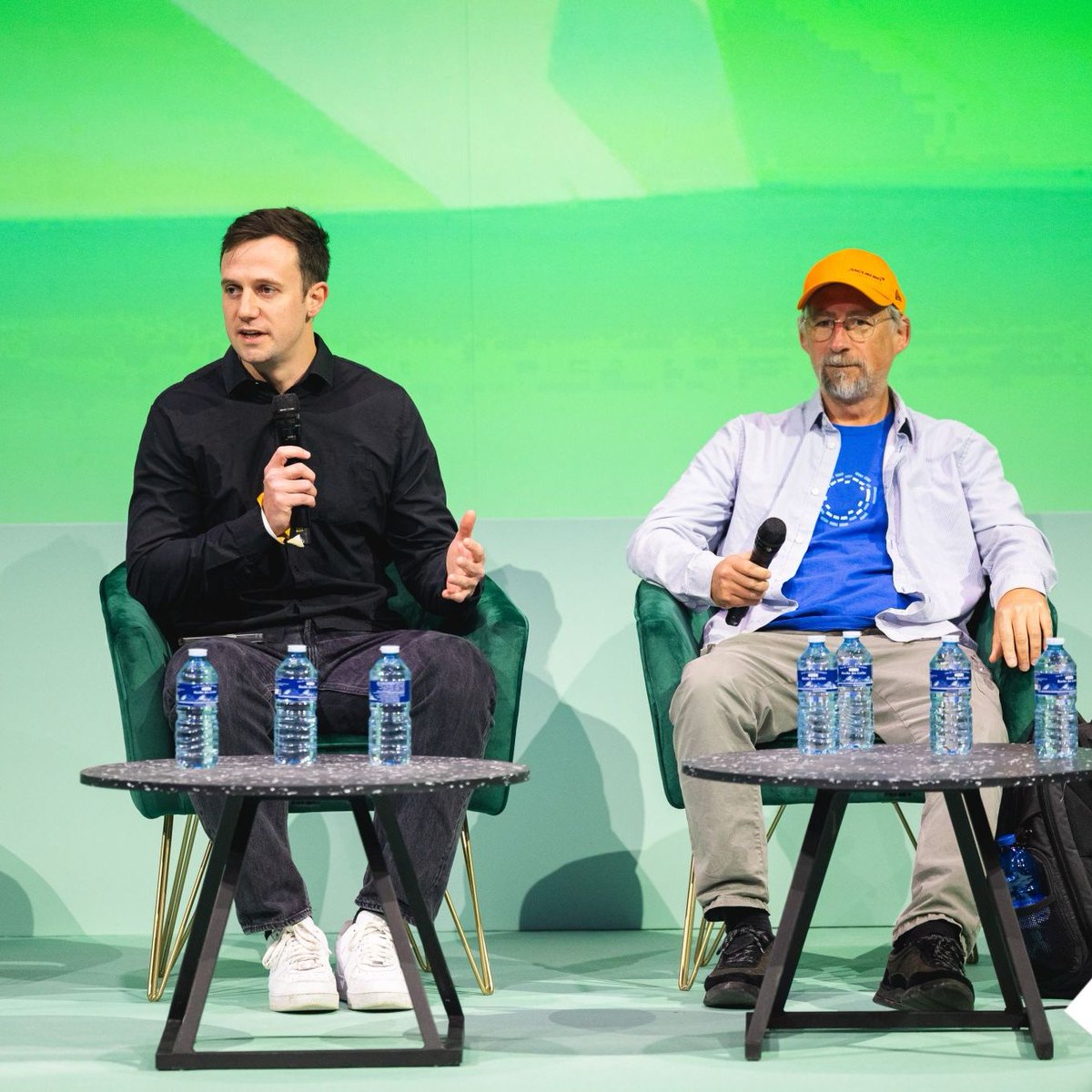
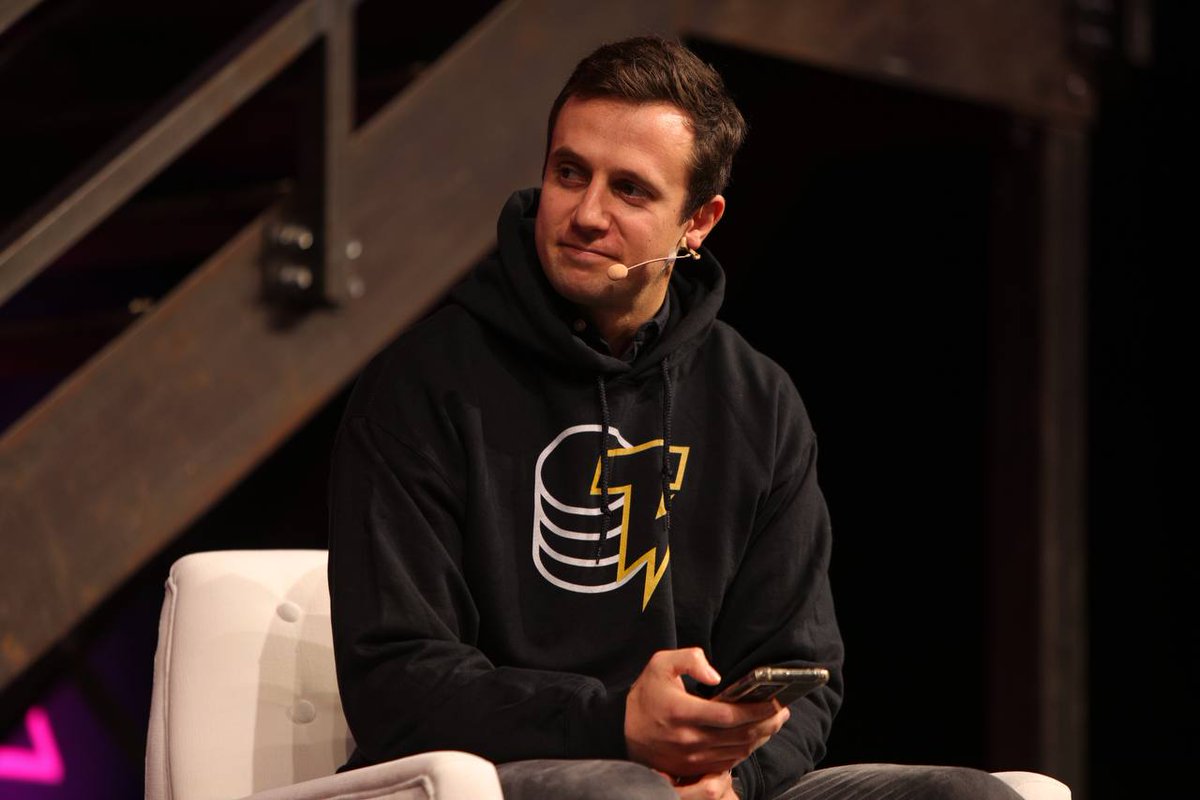
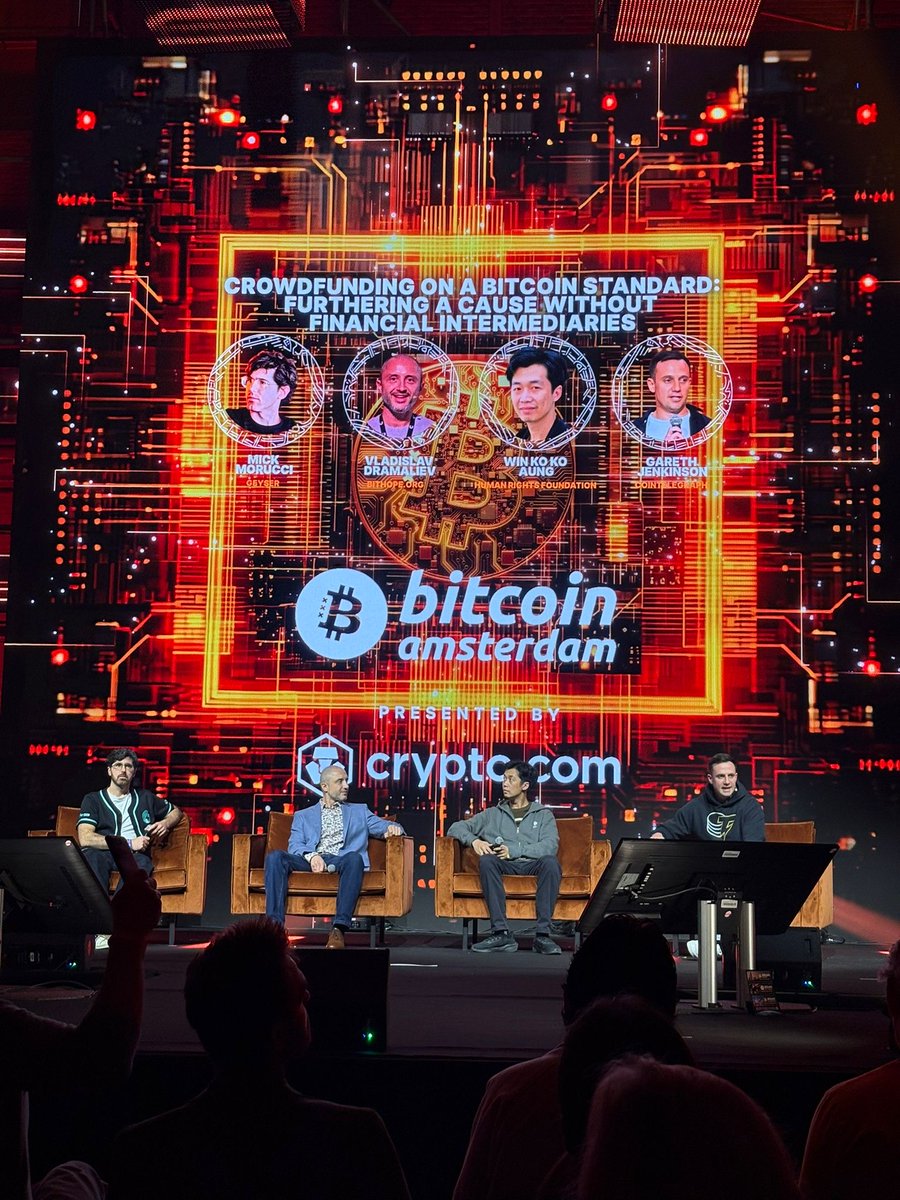
After 8 fantastic years - I am leaving @Cointelegraph 👋
What started as a freelance gig writing Bitcoin features in 2017 morphed into a career-defining job.
Highlights? Almost too many, but here's my list 👇
🪙 Bringing Bitcoin into the conversation at World Economic Forum in 2024.
🎙️Speaking at Token2049, Bitcoin Amsterdam & Las Vegas, Money20/20, Web Summit, Proof of Talk, Paris Blockchain Week.
📽️ Interviews with industry giants including @adam3us @jackmallers @saifedean @toly @paoloardoino @ethereumJoseph @TimDraper @davidmarcus @sandeepnailwal @ysiu @lopp @BitcoinPierre & many many more!
📺 Building Chain Reaction with @rkbaggs. In 1 year, we created Cointelegraph's flagship multimedia product. Just the two of us.
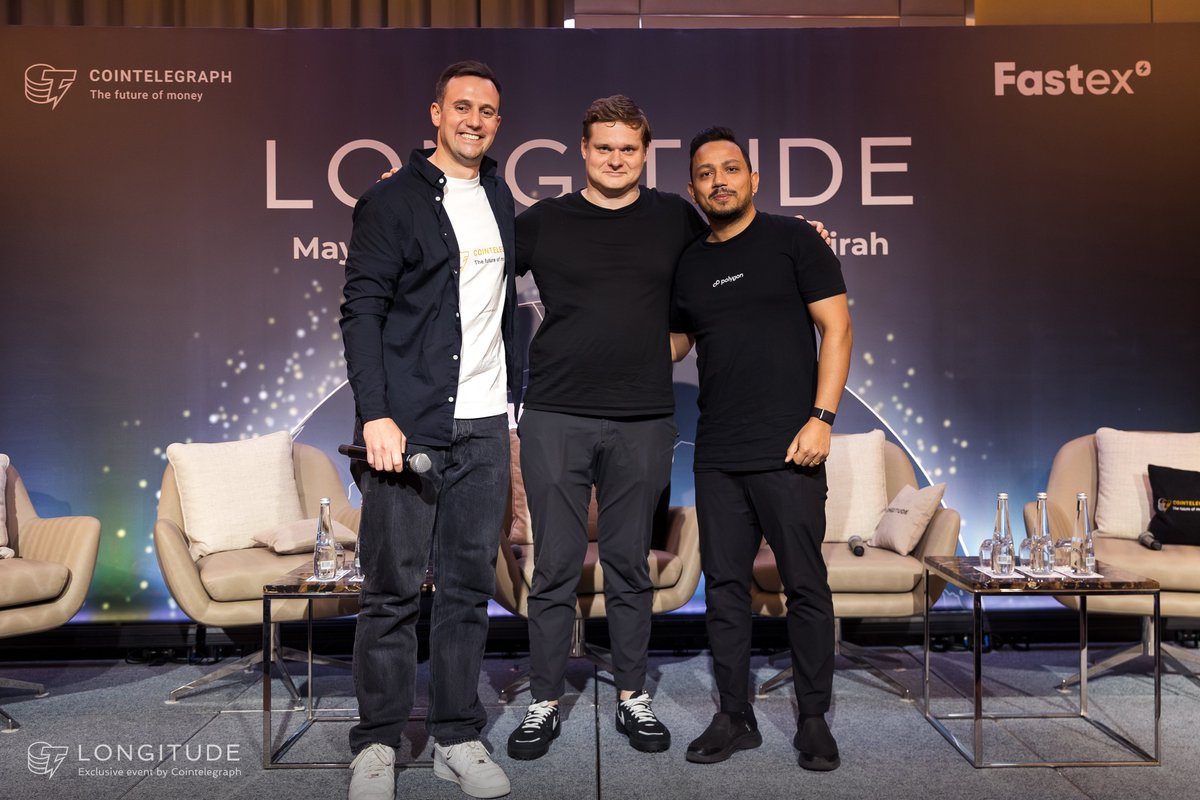
🍾 Founding Cointelegraph's LONGITUDE event with our CEO Yana P, @evory_mary & our event team.
🔥 Supercharging Cointelegraph's social media with the best in the game @MSBIntel 🍻 You deserve all the credit!
There are too many people to thank in one post. You all know who you are - I hope we all get to work together again in the future!
My next chapter starts in March - I'll share more then!
42
8
148
6,789
John McLeod retweeted
Jan 29
Ethereum's 2026 roadmap is all about scalability and reducing costs through the Glamsterdam (H1) and Hegota (H2) upgrades.
@SteveJBerryman & @bez625 from @bitwise are giving @rkbaggs and me the TL;DR on Ethereum LIVE ⬇️
x.com/i/broadcasts/1MnxnPMnR…
12
13
44
16,379
John McLeod retweeted

Jan 29
Great chatting to @gazza_jenks and @rkbaggs about Ethereum in 2026 with @SteveJBerryman on #CHAINREACTION
Jan 29

Ethereum's 2026 roadmap is all about scalability and reducing costs through the Glamsterdam (H1) and Hegota (H2) upgrades.
@SteveJBerryman & @bez625 from @bitwise are giving @rkbaggs and me the TL;DR on Ethereum LIVE ⬇️
x.com/i/broadcasts/1MnxnPMnR…
2
3
6
464
10 Dec 2025
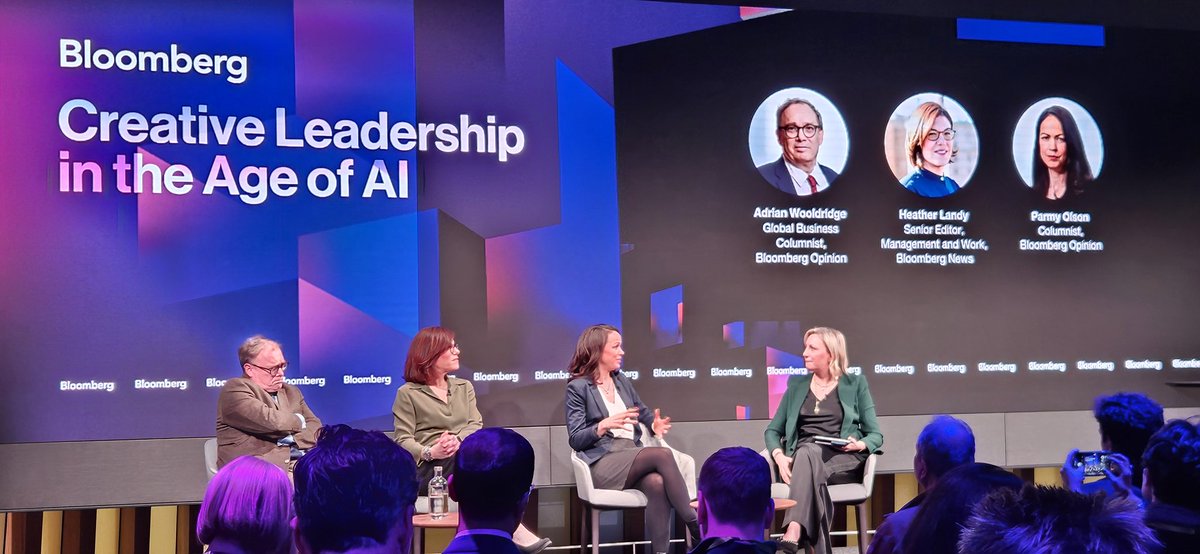
Congratulations to all the team @BloombergUK this evening for organising such an insightful panel session about #AI chaired by @flacqua really enjoyed hearing such diverse views from @adwooldridge Heather Landy @parmy on the future of work and global economy
1
1
529
John McLeod retweeted
4 Dec 2025
So, @ethereum activated the Fusaka upgrade this week!
So we've called up @cornMaxy from @Bitwise_Europe to dig into the details.
We'll also get into some 2026 predictions for Bitcoin, ETH, SOL and more!
Join me & @rkbaggs on #CHAINREACTION 👇
x.com/i/broadcasts/1OwxWeEXW…
9
15
52
15,972
3 Dec 2025
As the #Ethereum blockchain gears up for the #Fusaka upgrade today, @christinacomben talks to Chris Berry and Steve Berryman about the benefits it will bring in terms of scalability/fairer dynamic between the L1 and L2 @Cointelegraph cointelegraph.com/news/ether…
1
61
24 Nov 2025
As #cryptocurrency markets continue to keep investors guessing @Andre_Dragosch @Bitwise_Europe provides @CharlesLBovaird some insights on whether this is temporary or not in @ForbesCrypto forbes.com/sites/digital-ass…
1
74
John McLeod retweeted

29 Oct 2025
Ethereum's Fusaka Upgrade Explained
The next major Ethereum hard fork just hit its final testnet this week and it’s the biggest since The Merge.
Fusaka unlocks:
➡️ PeerDAS → faster L2 data processing
➡️ Verkle Trees → stateless clients & lighter nodes
➡️ Higher gas limit → more complex dApps
➡️ Faster sync → less bloat
This upgrade isn’t just technical, it changes how we build.
Shoutout to @ethereumfndn, @geniusyinka for making this video possible!
41
25
184
15,288
30 Oct 2025
Nice analysis from @SteveJohnson000 in @FT about how @Bitwise_Europe #Crypto #ETPs compare relative to others now the market is open to UK investors: ft.com/content/a9ac8a34-1be5… via @ft
83
John McLeod retweeted

24 Oct 2025
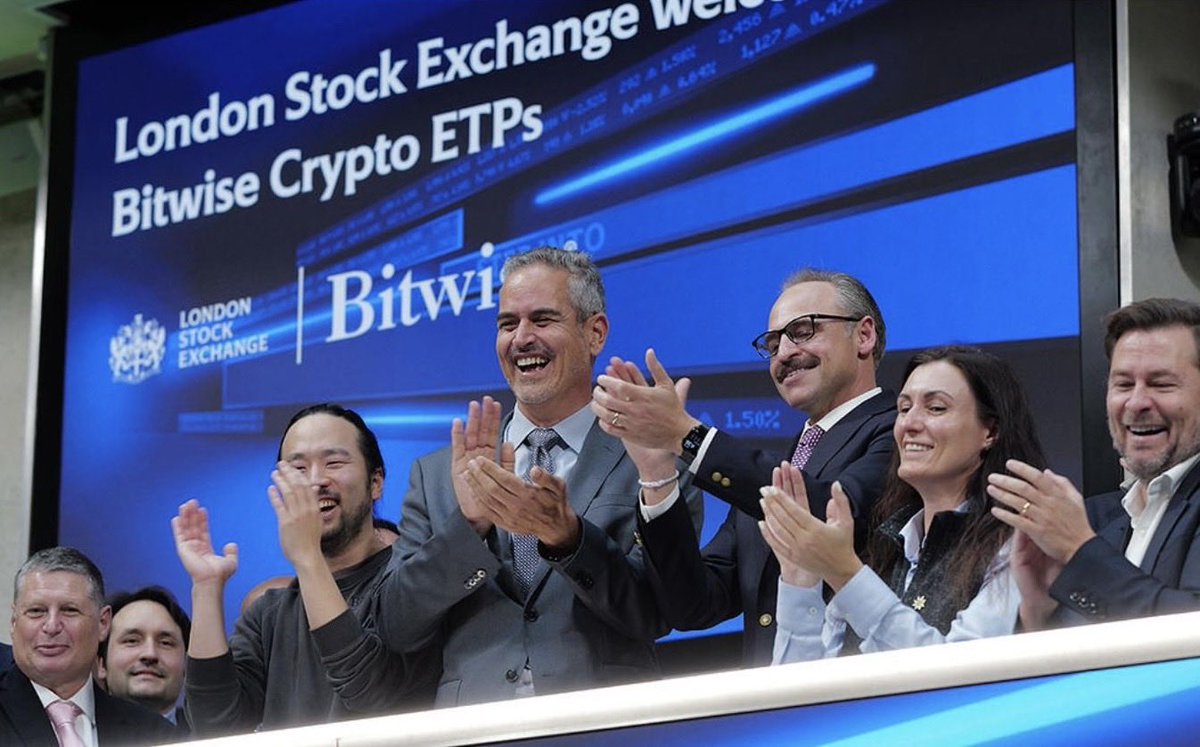
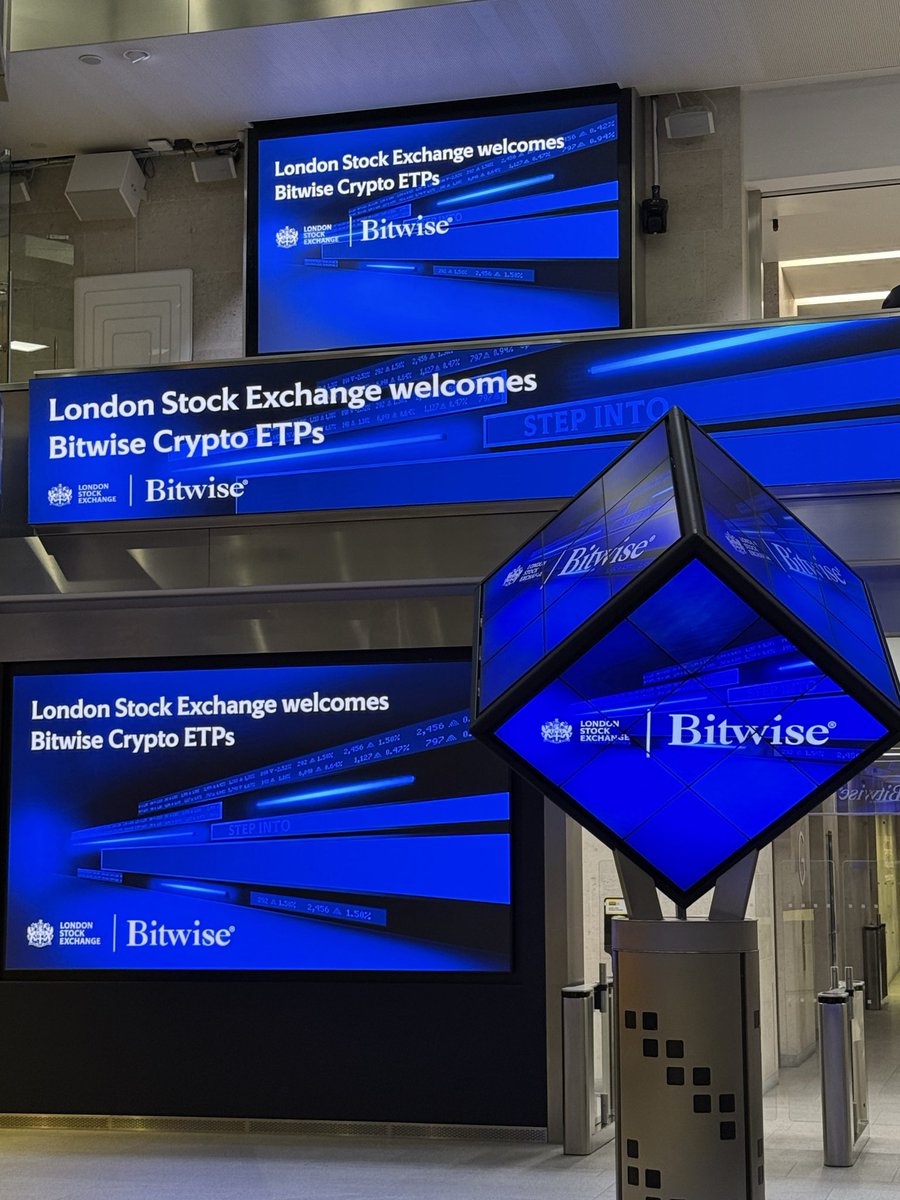
Today we celebrated the launch of Bitwise’s Bitcoin and Ethereum ETPs on the London Stock Exchange by ringing the closing bell! Retail investors in the UK can now trade crypto ETPs.
It was great to take a moment to celebrate with the team! @bitwise @Bitwise_Europe
12
15
66
24,056