
mid-wit-certified by wife, Little League Coach, MIT baseball turned Giants/Cardinal homer, inventor 10^2 , CEO @ AWCT.us
Joined July 2009
- Tweets 2,798
- Following 1,783
- Followers 528
- Likes 3,207
230 Photos and videos









Finally the clearest thread to date on the biomechanics of a baseball swing. No sales links or one-off videos. Well done.
May 8

Force equals mass times acceleration. The mass is your body, and the bat is attached to it.
2
90
Highly recommend watching this at 2-3x speed. A little because it's long, but a lot because it's modern Abbott and Costello in high def and had me laugh crying.
May 6

This might be the most surreal 10 minutes of anything I've ever watched 🤣
1
157
Evergreen reminder that it doesn't matter where you live. It's what you build, and who builds it with you. Ignore the babbling brooks of insecurity telling you otherwise.
May 6

"Living in Dallas is the worst." I moved my business here 12 years ago:
My kids are in a 10/10 school district.
I live on 3 acres with no HOA and I'm only 30 mins from downtown Dallas and 35 mins from DFW airport.
I'm within 45 minutes of a 6 different pro sports teams.
Every band and touring musical travels here.
Countless amazing restaurants.
My property has appreciated by over $1m in a decade
I'm buying more land 30 mins away in the path of growth for only $12k/acre
I can fly direct to Dubai, Bozeman, basically anywhere.
No state income taxes. The more you make, the more you save.
Strong Christian/LDS family values.
Tons of Indians (awesome people BTW).
Cheap contractors.
VERY pro business.
Pretty freaking hot weather but ice cold A/C. :)
Youth sports culture is kinda out of control.
Property taxes will murder you NGL.
Don't like it? Don't move here. I've lived in Houston, too and boy let me tell you...We've got it good here.
2
53
Jon Coe retweeted

Apr 19
The greatest problem in healthcare ? Hospitals, even market dominant hospitals, won’t walk away from the big ins companies that underpay, late pay, clawback, deny claims, waste their time in denial appeals, and require them to pay up to 8 pct of revenue to RCM consultants so they think they are getting what they are owed.
Here is the crazy part. The ins companies ARE NOT THE ONES ACTUALLY PAYING THEM on commercial plans. Employers are.
60 pct of employees get their insurance from their self insured employers. The ins carrier is just a middleman that pretends to add value.
All the clinical “value” they add, the hospital could do better, for both medical and pharmacy.
Most hospitals have no idea whether they make or lose money with their big ins contracts. They are just afraid to lose patient flow.
But. They actually know which companies their patients are coming from. They actually know or can find out, how much more the employers are paying the ins company, than what the ins company pays them (the spread, just like in pharmacy )
And to make it worse, those ins companies negotiate their rates as a discount from the “charge master “, which is like WAC in pharmacy. Just a made up list price.
Because the hospitals are afraid or too uninformed to walk away from these deals, the hospitals use the inflated charge master prices as the basis to charge uninsured , or out of network , or insured but not covered for their care, at charge master rates. Which of course the patients can’t afford. And it crushes their finances or they go without care
I’ll summarize. Employers , and their members , are paying far more than they should to companies they don’t like working with , that effectively rip off both the employer and hospital , and they could eliminate the middlemen if they went directly to to the employer.
It’s so simple. Sell your services to the employers that use your services at a price that is less than what nine companies charge for your services and you will make MORE money and employers will save a ton
And if they did this, they could dump the chargemaster and reduce the price they bill patients when they are at their most vulnerable
But they don’t want to change. And don’t get me started on how much hospitals over pay for drugs and devices because of the GPO deals they do. It’s just stupid.
Which in turn leads to the hospital being a bad actor with 340b , facilities fees and afraid of their doctors who demand they pay more for things like glue and implants so they can get vacations.
If you are a politician and reading this. Now you know why this is so fucked up and it’s not about capping rates. The insurance companies are smarter than you. They will just move the money to other places. It’s not about giving money to patients. You can’t shop for care from hospitals that are too gutless to walk away from the ins companies that distort all of healthcare economics
Go to your local hospitals , particularly those at risk of closing and ask for their profitability by carrier. Fully burdened. Ask how much they spend on RCM and consultants. In many cases they could survive if they ran like a real business and hired execs that could do the work rather than just manage consultants. They could work out contracts in their communities rather than with ins companies and benefit everyone.
The middlemen are not needed. Get rid of them
322
473
2,425
354,409
Watched the transition from lap ➡️ robot in real time over 20 years. It's ergo (no scrub, sitting), visualization, and wristed instruments for tight spaces IMHO. Evidence shows = lap so ain't that, but worthy endeavor leveling skill sets and extending surgeon careers.
Apr 18

We need to pause and recognize the amazing adoption on robotic assisted surgery in the USA 🇺🇸
Is it evidence based?
Ergonomics?
Improved skills instrumentation?
Better visualization?
Cool technology?
Preparedness for AI and automation?
Regardless, the future with this technology is unknown and unlimited @IntuitiveSurg
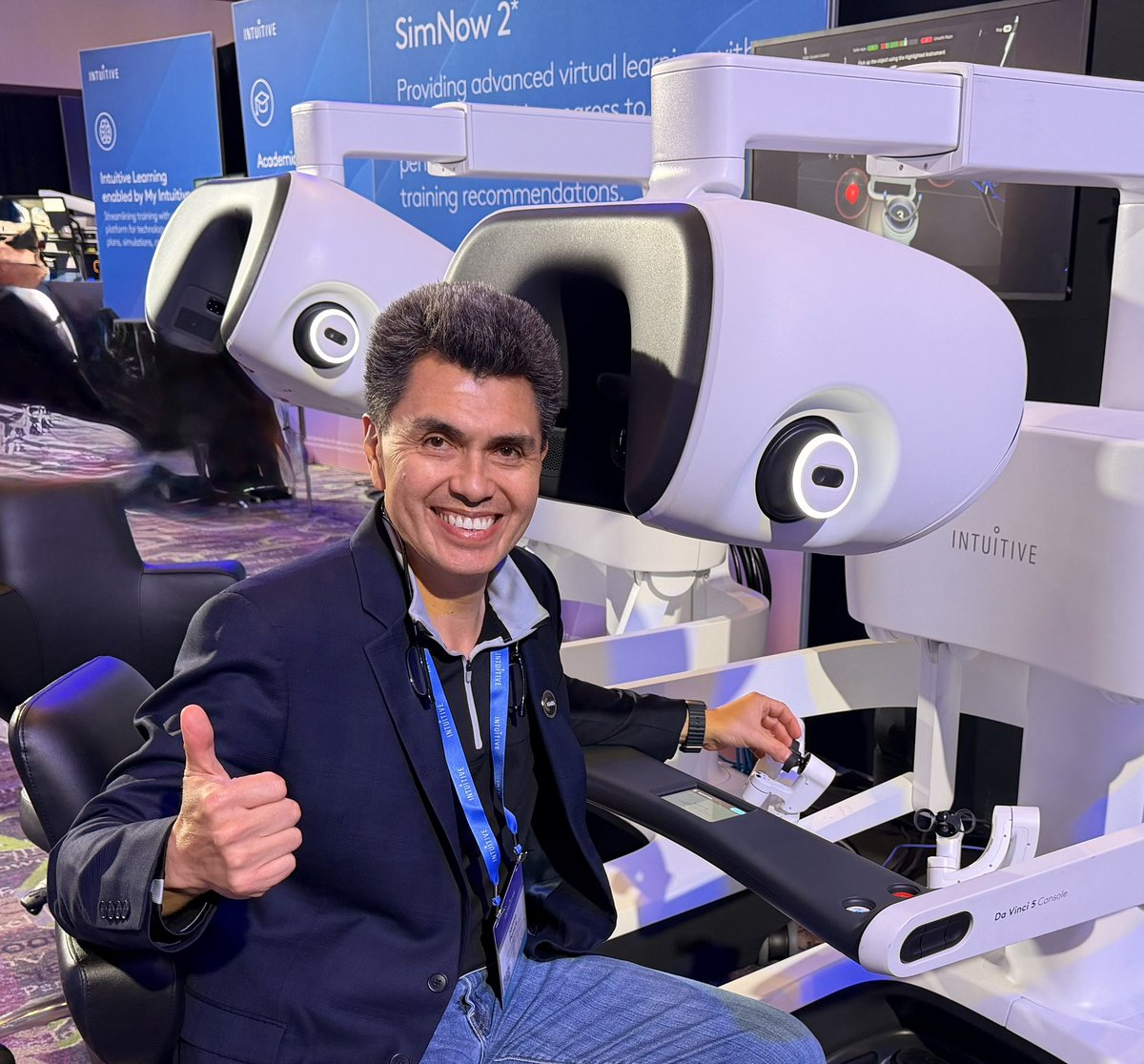
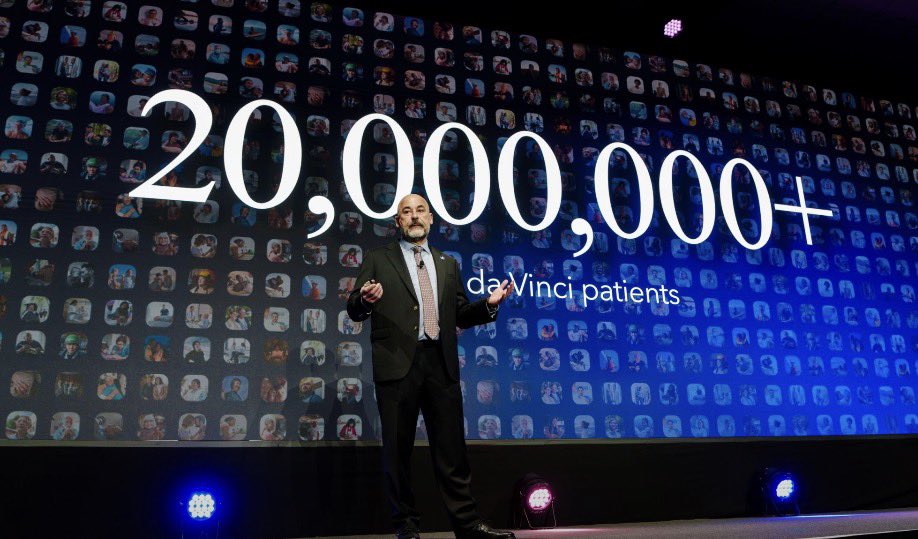
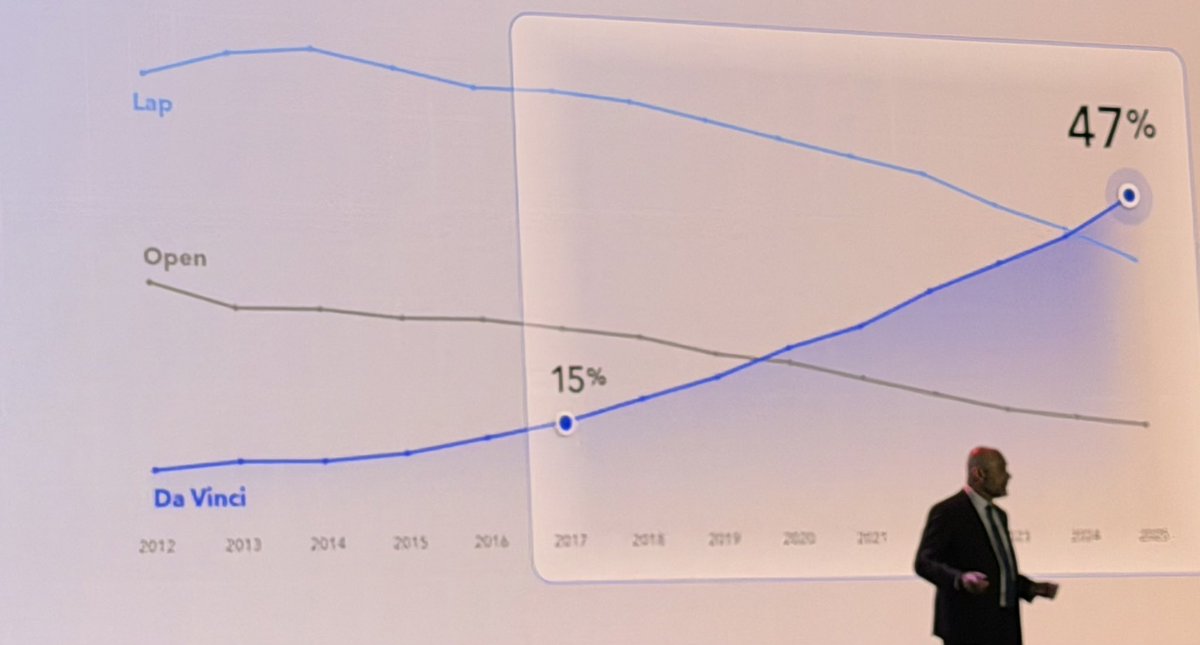
1
1
82
Huge missed opportunity @JoseCanseco. Also happens to be opening day for Dad Bods softball but you still haven't made yourself roster eligible.
1
50
We are so cooked as a society. Everyone saying it's AI these days, but 4 lag screws did the trick.

I hired a local pro to handle the mounting. He quoted $250, I gave him $300. He showed up fast, brought a second guy, and did a flawless job.
A lot of people in the replies completely missed the point. This was never about the physical act of hanging a TV on a wall.
It was about paying for a service that a massive retailer simply refused to fulfill.
@BestBuy took the money and walked away from the job. They will never see another dime from me.
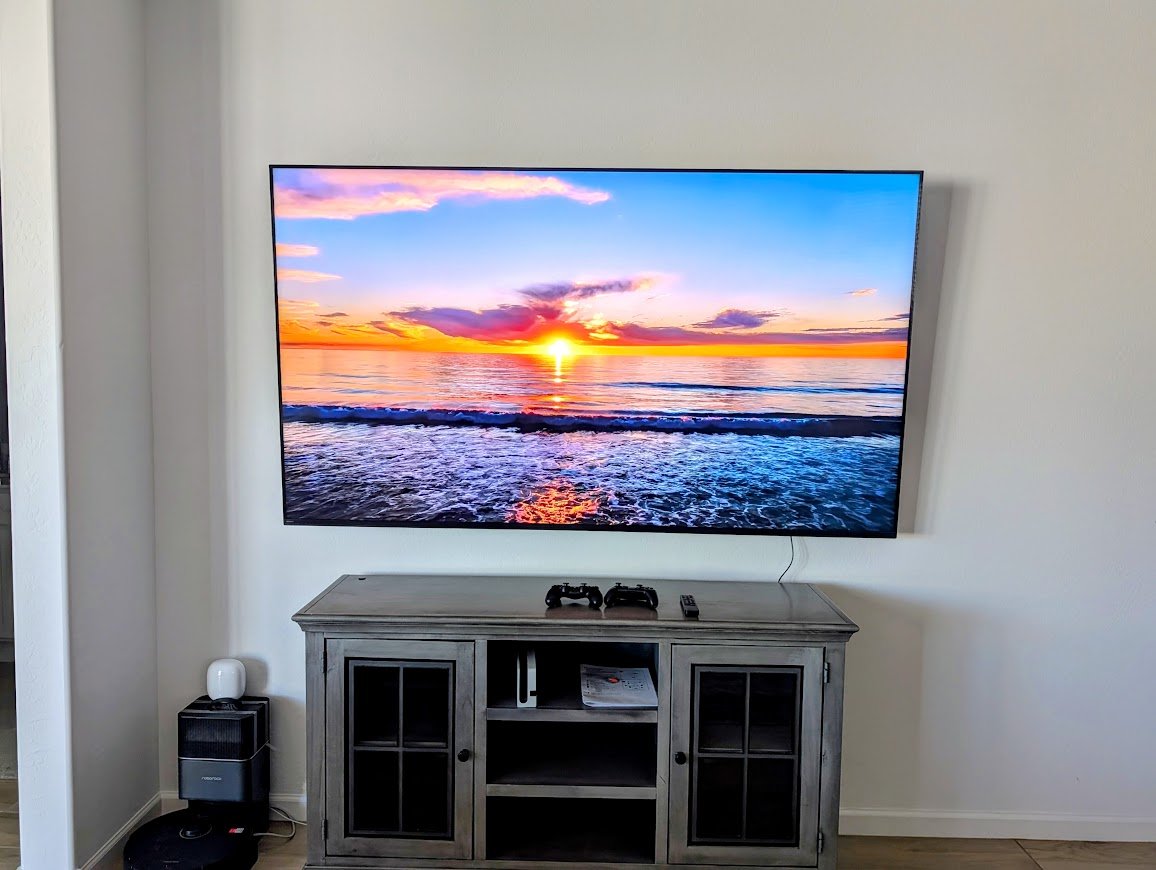
46
Crazy that one company alone accounts for 5% of this number
Mar 6

U.S. payrolls unexpectedly fell by 92,000 in February; unemployment rate rises to 4.4% cnbc.com/2026/03/06/february…
48
This is awesome. Exactly the kind of democratization of tech I've long hoped for. AI for coding, 3d printers are just about there--it will be the everyman's Renaissance, if you can dream it you can build it! Proud a Met is leading the way here.
Feb 27

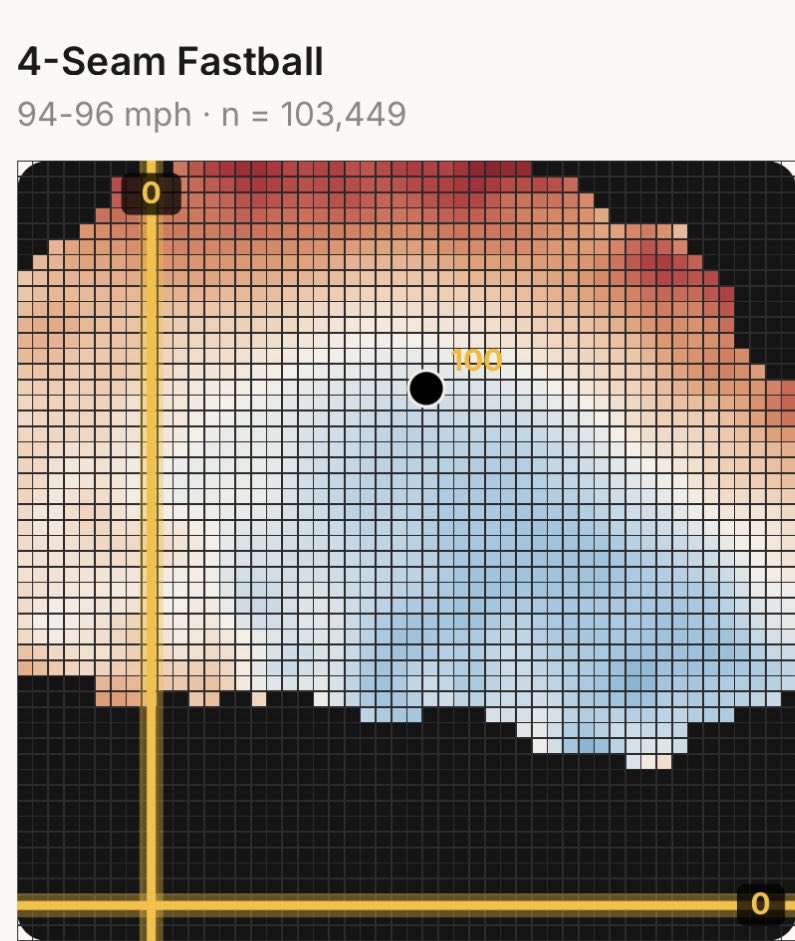
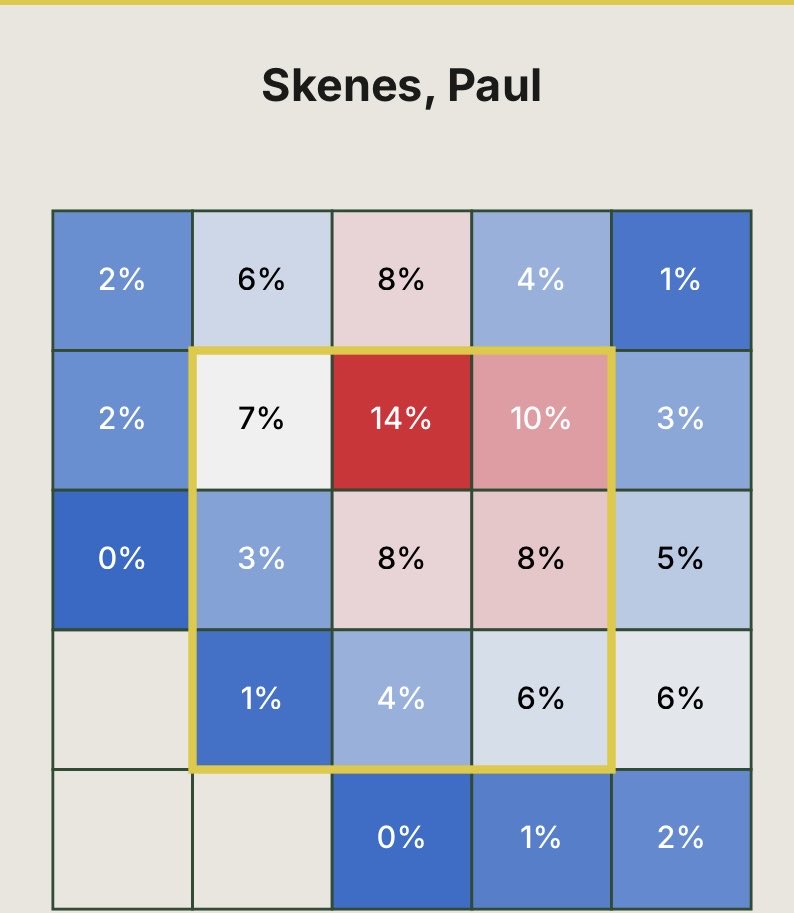
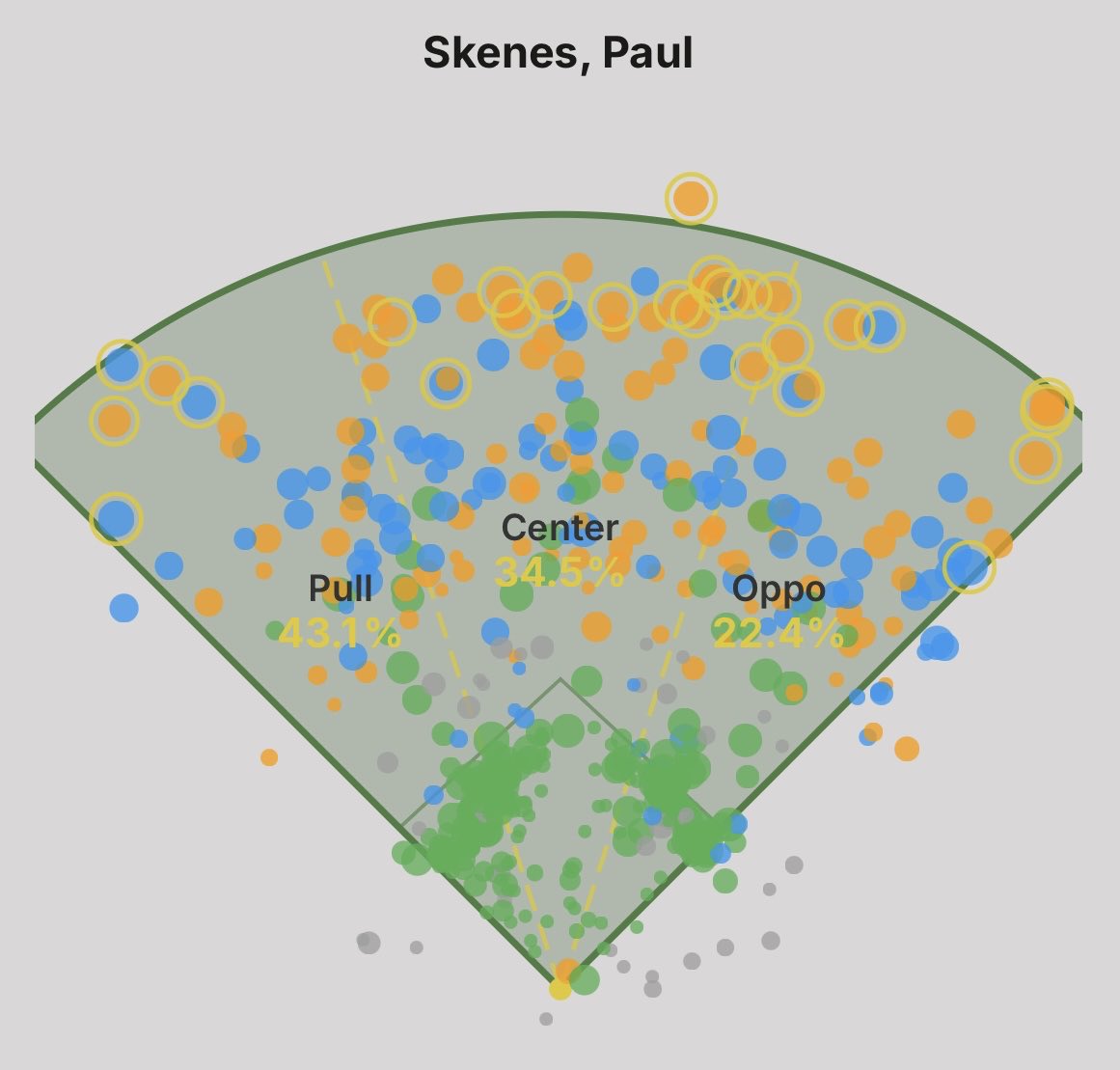
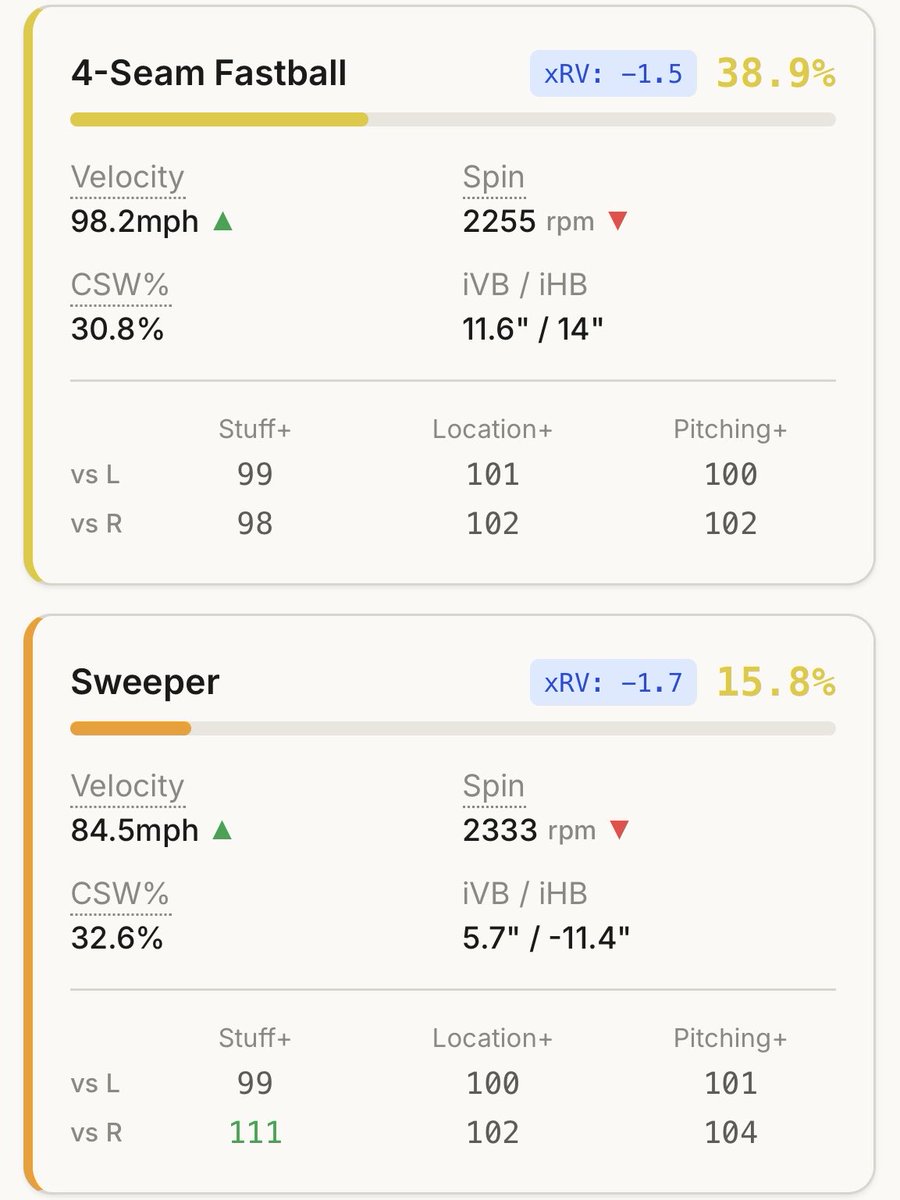
I’m a baseball player. I’ve never written a single line of code in my life.
But over the last few months, I used AI to build a pitching analytics platform from scratch.
8.9M pitches. Custom ML models. Total transparency.
Here is a look at what happens when you give an interested athlete access to AI:
1
72
A new frat pledge at MIT years ago (Course 6 ofc) was screaming how stupid it is that we have mandatory humanities electives.
"Isn't that the what we live for tho?"
He didn't get it, and I think about this convo every time we give the keys to culture to technocrats.
Feb 24

Just walked in the front door after work.
My 5 year old son ran to greet me.
"Hi dad!" he said excitedly.
As he went to hug me, I grabbed his shoulders and said, "Bud, I think you're overestimating the value of human relationships. I read that in a Substack today. Everything is different now. I mean - it was different before, but it's super different now."
He blinked, clutching a plastic dinosaur. I couldn't believe it. Attachment to physical objects in a post-digital era. I gently rotated him toward the hallway mirror.
“Look,” I continued, “do you see that reflection? That’s legacy hardware. Carbon-based. High latency. Limited processing power."
As I kicked off my shoes, my 3 year old daughter came running up to me with a drawing she made in preschool this morning.
She was glowing. Beaming.
“Look, Daddy! I made this for you!”
I glanced at it and explained that Nano Banana one-shotted her entire effort. Her job prospects were hopeless if she didn't understand this.
“Sweetie,” I said gently, kneeling down, “this crayon sun? It’s 2022. Nano Banana can generate 100,000 emotionally resonant suns before you finish saying ‘primary colors.’ You need API access.”
She asked what an API was.
“Exactly,” I said, standing up.
The crying started around then. Very emotional household. Understandable. They hadn't read *the essay.*
My wife heard the children crying in the foyer and came to check on us.
"I don't understand what's happening here, but why don't we sit down for dinner and talk about this?" she asked. "I made chicken pot pies!"
“Dinner? Your contribution to a world where Amex and Mastercard are heading to zero by 2028 is DINNER?!”
I started laughing.
“Uh yeah…” I explained: “Cooking is a pre-Claude activity. Do you realize I can vibecode a functional DoorDash competitor in about 8 minutes now? It's all right there in the Substack.”
As the kids continued sobbing, my wife looked at me in disbelief.
“Okay, okay. Maybe it would take me 15 minutes to spin up a functional Doordash competitor,” I conceded. “Payments integration can be annoying.”
She asked if I was feeling alright.
“Better than alright,” I said. “I’ve seen the roadmap. I've read the Substack.”
I gestured broadly at the house: “This? This is a future data center. The hugs? Deprecated. The drawings? Automatable. The chicken pot pies? Disrupted.”
My wife folded her arms. “You used to like chicken pot pies.”
“That was before I could prompt at a few hundred words per minute,” I said.
28
4,268
Man I wish my investors would pump us on the socials like this
Feb 20

Everything about cancer sucks.
Some of the most difficult decisions in cancer are what to do and when to do it: biopsy, resection, passive monitoring etc.
Today, clinicians make irreversible calls like 1) do a biopsy or wait, 2) treat or monitor or 3) remove an organ or monitor, using tests that cannot see the full biology of either the body or the cancer. As a result, doctors often overtreat the wrong patients while missing dangerous cancers in others until it’s too late.
Five years ago, a sibling trio of Purdue grads cold emailed me from Indianapolis. Their thesis was simple: the science in cancer detection and treatment isn't the bottleneck. The engineering is.
Fix the engineering, and you can change the standard of care of cancer forever.
We founded @EarlyIsGood together to do this.
Here is our mid-decade update after five years (!) of toil. We’ve made some good progress.
1. The Engineering Unlock: Multiomics
Most diagnostics fail because they are looking for a needle in a haystack. The results are modest and create many false positives and false negatives. We developed nanotechnology that amplifies the needle making it simpler for us to figure out what is going on.
Our nanotechnology allows us to read DNA, RNA, and Proteins simultaneously from a single sample.
We detect Proteins at attomolar sensitivity (1000x ELISA) and RNAs at PCR-level sensitivity all without extraction or amplification.
Combining all three provides a full picture because:
- DNA tells you what mutations are present
- RNA tells you what the cancer is doing
- Proteins tell you how the body is responding
2. The Proof: Bladder Cancer
We started here because the standard of care today is barbaric. 800,000 people are under surveillance for bladder cancer, enduring invasive cystoscopies that still miss ~20% of tumors.
We are finishing a multisite prospective trial now.
Standard of Care (Cystoscopy): invasive, repeated every 3-6 months.
Our bladder cancer test (BCDx): 92% sensitivity and 97% specificity from a simple urine sample.
Most importantly, we catch the high-grade tumors that the current gold standard misses completely.
3. The Next Mountain to Climb: Prostate Cancer
If you’ve watched a father, brother, or friend get a high PSA result, you know the spiral that follows: months of terror, invasive procedures, and paralyzing uncertainty. 20M PSA tests are run annually. Most positives are false alarms, leading to 1M unnecessary, painful biopsies. Meanwhile, dangerous cancers are often missed.
Current commercial tests hover below 50% specificity. That means for every two men they flag, one is a false alarm.
We partnered with the Mayo Clinic to solve this.
No blood draws. No rectal exams. Just a simple urine test.
We are using the same platform that we validated on bladder cancer to achieve unprecedented specificity without sacrificing sensitivity, effectively separating those who need treatment from those who don't.
We will soon be commercializing both our bladder and prostate cancer tests widely. Follow us @EarlyIsGood if you’d like to help or know when/where these tests are available.
57
I just paid $179 to ski @huntermtn. Same place I'd have the ticket window call my HS baseball coach to comp a ticket. Skiing is cooked. Ski Sunlight Mountain!
Feb 17

never understood how Vail (10x bagger ski mountain rollup) had like $1 billion of EBITDA (probably half that in fcf), but always been a big out-side fan
so when annie said ski passes are like $250/kid, my reaction was something like ‘𝘤𝘰𝘰𝘭, 𝘧𝘦𝘦𝘭𝘴 𝘭𝘪𝘵𝘵𝘭𝘦 𝘳𝘪𝘤𝘩 𝘣𝘶𝘵 𝘨𝘶𝘦𝘴𝘴 𝘳𝘦𝘢𝘴𝘰𝘯𝘢𝘣𝘭𝘦 𝘧𝘰𝘳 𝘭𝘪𝘬𝘦 𝘢 𝘸𝘦𝘦𝘬 𝘰𝘧 𝘴𝘬𝘪𝘪𝘯𝘨’
I missed the ‘per day’ piece!! 🥴
(this sounds like we live under a rock (we actually live 𝘰𝘯 𝘢 𝘳𝘰𝘤𝘬) but I’m not used to buying ski passes)
anyway I pulled this chart together quickly on pricing vs acquisitions
gotta love supply constrained asset pools. We’ve looked at small potatoes things (e.g. marinas and billboards, other things w nimby / moratoriums etc.) but typically struggle w pricing / unlevered yields
But I always think of the Balmer interview when he was asked why he paid a then record breaking $2bn for the clippers and he said ‘𝘸𝘦𝘭𝘭 𝘪𝘵’𝘴 𝘬𝘪𝘯𝘥 𝘰𝘧 𝘭𝘪𝘬𝘦 𝘵𝘩𝘪𝘴. 𝘛𝘩𝘦𝘳𝘦’𝘴 𝘰𝘯𝘭𝘺 𝘴𝘰 𝘮𝘶𝘤𝘩 𝘣𝘦𝘢𝘤𝘩 𝘧𝘳𝘰𝘯𝘵 𝘱𝘳𝘰𝘱𝘦𝘳𝘵𝘺 𝘩𝘦𝘳𝘦. 𝘈𝘯𝘥 𝘐 𝘸𝘢𝘯𝘵𝘦𝘥 𝘮𝘦 𝘴𝘰𝘮𝘦’ (as usual wildly paraphrasing)
--
pls subscribe to my newsletter in comments / in my profile. and pls send us any $2m EBIT deals!

1
114
MBA bros "discover" this stuff but I got all the education I needed from Nick Cohen in 2004. Remarkable how these concepts repeat across cycles.
Feb 16

“It’s a classic case of Jevons Paradox” he said to the gentleman, smiling wryly. He knew he had him
“Ah, Jevons Paradox. I know it well. But have you considered that the market will arrive at a Cournot equilibrium?”
All color drained from the smug man’s face. How could he have forgot about Cournot competition model! It was, no doubt, the far more esoteric and therefore superior reference. He had been bested at his own game
1
56

Even with the lower the pace of change we experienced as late GenX/Millennials, the advice we got as young men was way off. We have no idea what lies ahead--but do appreciate this take as but one choice for an unknown future.
Feb 10

If I had to give generalized life advice to young men, based on maximizing their individual outcome, I would say:
1. Go to 4 year college with lowest net cost of attendance (instate public or a "no loan" elite private).
2. It's usually best to enter a career path in public service with an accelerated retirement schedule and/or extensive time off, such as military, police, border patrol, firefighter, school teacher, merchant mariner, etc.
3. In the *unlikely* event you are cut out for it, true high paying professions such as Medical Doctor or Finance are of course options. Law also but be careful you need a plan to transcend the default outcome of grinding nights and weekends for non-stellar wages.
4. If you can't stand regimentation, do the exact opposite of the above and begin building your business as soon as you possibly can, and reject employment to the extent possible, be prepared to live like a monk at first. Business can be anything that suits you, including trades.
5. Avoid the typical full time, full year office jobs at all costs. You basically have one chance to avoid working a 8-5-50 from 21 until you are an aged husk at 67. Just don't start, getting out of this is usually impossible and much harder than just avoiding it entirely.
59
What's sad is that this looks exactly like bottom of Skittles at Snowmass but it's not. All look same. Support your local ski resorts! (I think there are like 4 of them left, Sunlight Mtn a good option to avoid Texans Xmas thru Jan)
31 Dec 2025

Americans EXCEL at dense, walkable urbanism when they're designing ski resorts

89