
Joined August 2008
- Tweets 57,794
- Following 634
- Followers 414
- Likes 31,094
2,296 Photos and videos











Pinned Tweet

30 Jun 2021
Like the Star Wars prequels, I will be vindicated by history.
3
everything's computer retweeted

It remains an incredibly grim but admittedly very bleakly funny running bit that we got an administration obsessed with LETHALITY and WARFIGHTERS and then almost immediately had one of the most humiliating defeats in American military history

21
441
5,300
103,588
everything's computer retweeted

I loath the bloke but he’s not even in the top 3 worst PMs the UK has had in the past 10 years LOL
Jun 15

Can we all finally agree that Keir Starmer is without doubt the worst Prime Minister the UK has ever had?

48
102
3,364
124,908
Everything in this debate makes me feel like Milton Friedman trying to explain a pencil. Housing in cities is expensive because many people want to live in them and the supply of housing does not keep up. That's it, that's the tweet.

Yeah, the fact that blue states/cities are so expensive is, to some extent, itself proof that, on balance, they’re well-governed.
Even a restricted supply wouldn’t result in sky-high prices if people didn’t want to live here.
1
96
If nothing else, it's extremely funny that Twitter has spent much of today fighting about women's suffrage (sort of) when Donald Trump is the president of the United States.
1
65
In the interest of fairness, I have made the (tongue in cheek?) observation several times that we should probably stop electing men for a while because they all turn out to be sex predators, so I am not totally innocent here.
61
everything's computer retweeted
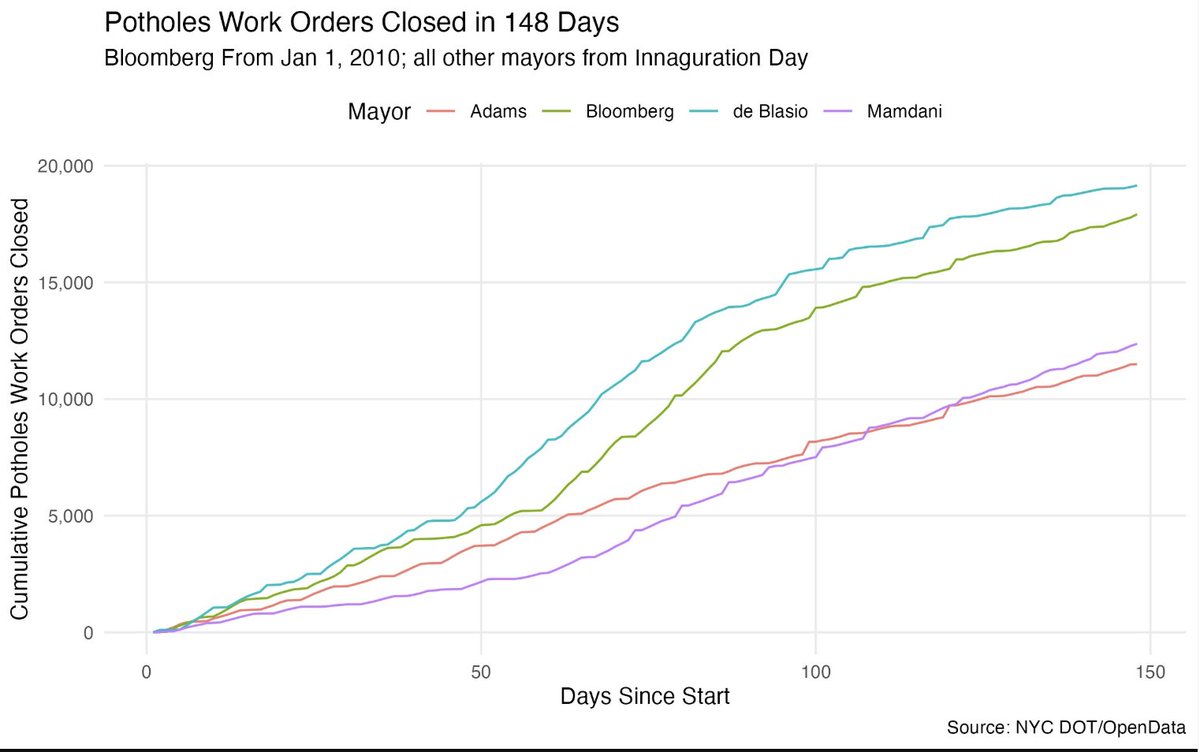
Mamdani's genuinely impressive success as a politician is getting clinically depressed leftists who hate everyone to be excited about banal status quo governance (chart via @CharlesFLehman), but I do want to tell his fans that they are allowed to just be cheerful more broadly.
25
50
927
46,496
Does this make us like him more or less?
Jun 15

Two new accounts have surfaced -- both from left-wingers -- that corroborate my Oct. report that Maine Senate candidate Graham Platner was a key member of the Maine Socialist Rifle Association.
Platner would have been offering firearms instruction to far left political extremists at the same time Maine Democrats were passing a ban on paramilitary training.
open.substack.com/pub/robins…
46
Usually, insisting that the most digusting pig person you can think of represents the soul of America is left-coded
Jun 14

Most of those bemoaning what Trump is doing to the “people’s house” are elites who have utter contempt for the “people” (who love motocross and UFC). If you’re going to sniff your nose at the proletariat don’t invoke the sanctity of the “people’s house” - you look ridiculous
35
Classic wayne post:
1. Factually incorrect (gender gap is like 10 points and pretty stable)
2. Folksy “just sayin” implication that an extremely fringe hyper fascist position is “ordinary” or the kind of thing normal people think about
3. The dumbest thing you’ll ever read

I’m not even super right wing on questions of suffrage. I’m certainly willing to entertain all kinds of arrangements. But what I believe pretty strongly is that there are no intellectuals remaining on the left with respect to this stuff. I just literally don’t know how you can watch us speed run into having a girls party and a boys party and still have basically no introspection about the intersection of gender and politics beyond just, “patriarchy bad.”
Like, never, even in your darkest moments, even when you’re alone on a desert island and no one can see you or hear you and there’s no risk of you getting in trouble, do you ever think critically about the consequences of universal suffrage? Do you literally have no critiques? Do you genuinely believe there are no downsides? Will you not allow yourself to have any ordinary thoughts at all?
31
77
2,025
47,825
Also just tremendously funny to imagine looking at the gender composition of the current American political parties and concluding that the evidence shows *women* are the ones we should consider disenfranchising
4
2
205
2,685
I'll add that I don't think this is "right wing" so much as it's something else that's considerably less welcome. Liberalism is the American creed, from the first fucking sentence of the Declaration. If you don't like that, fine, there are other countries. x.com/xwanyex/status/2066530…
This framing is actually really quite revealing, because what it shows is that to be “right wing” in the modern sense isn’t to vote for a particular policy, it’s not even to endorse a particular policy, it’s merely having heretical thoughts about liberal policies.
4
147
4,010
Perhaps relevant to other things going on, I remember way back in 2017 when the internet's biggest scandal was Nazi punching, where a significant number of people thought hitting someone was the worst thing imaginable and I wondered if they've ever interacted with normal humans.
37
Is this actually a better pick than Pulte?
Jun 11

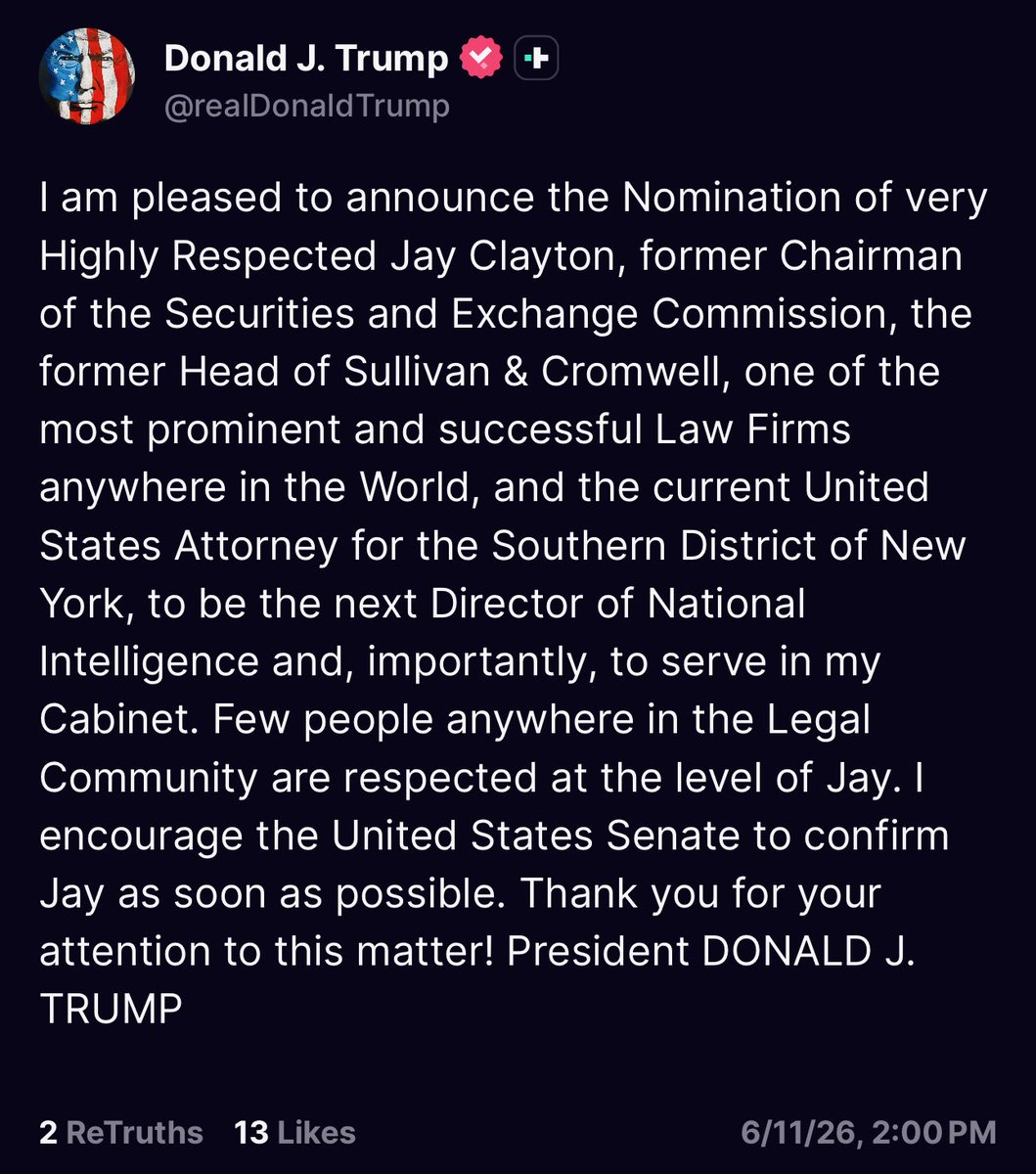
NEWS — Trump announces DNI nominee: Jay Clayton. Current U.S. attorney for SDNY & former SEC chair
… just as the Senate is leaving town for the week.
37
everything's computer retweeted

Jun 11
It’s too bad we didn’t already have the internet when the internet came out. Would’ve been fun reading everyone’s takes.
16
14
277
20,182
The Platner saga makes me realize I’m old enough to remember when lefties said “vote blue no matter who” only ever involved them having to swallow their concerns and support centrists
14
These are the same people who think gender is a fixed and immutable biological fact
It’s really very simple. If a whole bunch of Americans think that the existing process is illegitimate, then it actually is illegitimate. That’s how this stuff works. You don’t get to decide that it’s not illegitimate, because you know that there’s a perfectly good explanation for all of it and therefore nobody should really care. If they care, then they care. And if people care, then it’s illegitimate. That’s actually just true by definition. The people who think it’s illegitimate are basically correct by definition. If a bunch of people in your country think that your election system is illegitimate, then it is illegitimate. That’s what illegitimate means in this context.
1
3
60
everything's computer retweeted

Jun 10
Vote Blue No Matter Who


Now that Platner has won the primary, I want to be clear. When I said “vote blue no matter who” in 2016, 2020, and 2024, I meant it. I’m worried about Platner, but if you say “vote blue no matter who” in Maine, I hope you’ll extend the same courtesy to other Dems. I hope we beat Collins.
237
368
5,312
1,100,642
I went over there to read the replies to this and they are just as good as you’d expect


43
everything's computer retweeted

Jun 10
I think it is fairly common for your T-shirts to be sold overseas when you lose the championship game.
Jun 10

A young boy in northern Afghanistan wearing a Confederate flag T-shirt, photographed in 2002.
The global secondhand clothing trade moves millions of used garments from North America and Europe to markets throughout Africa, Asia, and the Middle East each year. By the time many of these items reach their final destination, the original cultural, historical, or political significance of the designs they carry is often unknown to the people wearing them.
In 2002, Afghanistan was emerging from decades of upheaval, including the Soviet-Afghan War, years of civil conflict, and Taliban rule. Imported and donated goods played an important role in the economy, and secondhand clothing was commonly sold in local markets.
The Confederate battle flag originated during the American Civil War (1861–1865) as a military banner used by several Confederate Army units. In the years that followed, it became linked to Southern identity, but it was also adopted by segregationist movements during the 20th century, making it one of the most controversial symbols in American history.
The scale of the secondhand clothing industry is immense. The United States exports hundreds of millions of pounds of used clothing every year, with many garments passing through multiple countries and distributors before eventually being purchased by consumers thousands of miles from where they were first sold.

5
12
572
everything's computer retweeted

Jun 10
I think it’s really under-appreciated that a core fact of American politics is Republicans have this extreme outlier view of health care that no other major political party in the world tries to uphold.

The Republican budget did this.
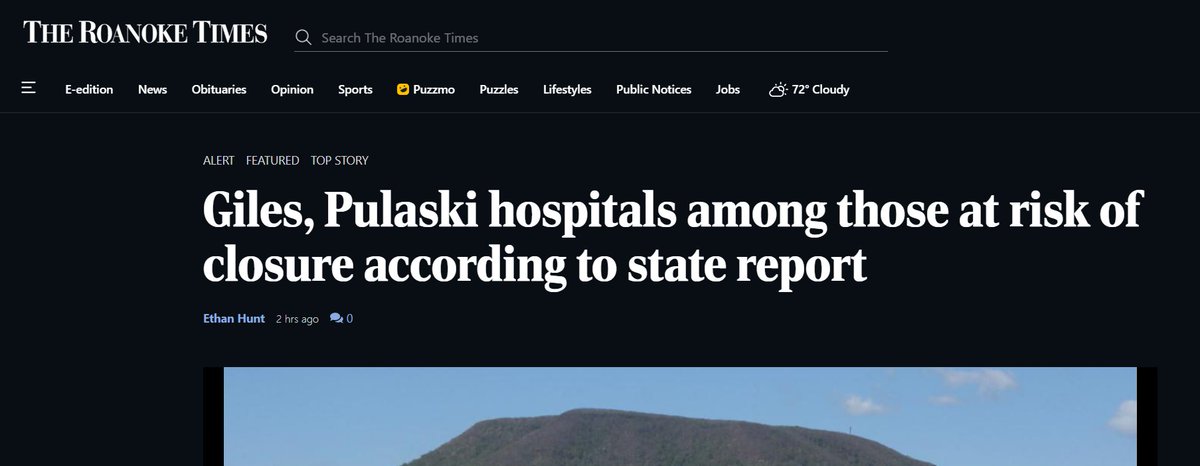
"Anew state report found that 13 of Virginia’s 36 rural hospitals are at risk of closing, including the New River Valley's Carilion Giles Community Hospital and LewisGale Hospital Pulaski."
51
284
1,831
141,843