Joined October 2009
- Tweets 2,862
- Following 268
- Followers 106
- Likes 7,681
132 Photos and videos



Jun 12
Any government should adopt when there is a possibility to provide quality education at a lower cost. I hope this government won't repeat that mistake @CMOTamilnadu.
Jun 12

As of 2026, Tamil Nadu is the only state in India that does not have any Jawahar Navodaya Vidyalayas (JNVs). As the name indicates, this policy was formulated when Congress was in power and the BJP has continued it.
It is generally a bad idea for one state to keep resisting policies every other state, including non-BJP states, accept.
DMK pursued that arrogant policy and lost.
Given that the Congress is in the ruling alliance in Tamil Nadu, I hope they push for Jawahar Navodaya Vidyalaya schools in the interest of our Tamil Nadu students.
Accepting Jawahar Navodaya Schools would not lose a single vote and in fact may win many votes from grateful parents. Pragmatism in such matters is politically wise.
55
Jun 11
Pleased to share that I’ve completed Executive Education in Executive Presence from IIM Kozhikode. This journey has strengthened my perspective on authentic leadership, influence, and communicating with impact are the key elements in driving meaningful outcomes in a global, cross-functional environment. Grateful for the experience and eager to put these insights into action.
credential.net/a01b4303-fa87…
#IIMK #IIMKozhikode #Eruditus
18
Jun 9
True business execution lives at the intersection of bold vision and absolute execution. Watching the masterful synergy between Ram Charan’s sharp execution frameworks and Harsh Mariwala’s relentless pursuit of value creation while building Marico fundamentally reshaped my perspective on management.
They proved that execution isn't just about strateg and it is about alignment, building institutional discipline, and having the courage to challenge the status quo.
Even today, their principles serve as my North Star. True leadership isn't about complexity; it's about making the right choices with absolute clarity and bringing people along with you.
#BusinessStrategy #Leadership #ManagementExcellence #Marico #Execution
4
Jun 8
When illness strikes, people should be able to focus on healing not on how they will pay the next bill. The real strength of a health system is not only the quality of treatment it offers, but also whether ordinary families can reach that care without fear, delay, or debt. This is why the way a country pays for health care matters so deeply. It shapes whether a mother seeks help early, whether an older person continues treatment, and whether a family keeps its savings or loses them in a medical emergency.
Switzerland shows that universal coverage alone is not enough if care remains expensive for patients. It has one of the world’s strongest health systems and spends about 11.7% of GDP on health, yet patients still face high direct payments through deductibles, co-payments, and other out-of-pocket costs. In simple terms, even when coverage exists, people can still feel financial stress when they need care most. That emotional burden matters. A health system should give confidence, not worry.
Spain offers a different lesson. It's system is largely funded through taxes, built around strong primary care, and family doctors help guide patients to specialists when needed. This gatekeeping model improves coordination, avoids unnecessary spending, and supports better cost efficiency. Spain spends about 10.8% of GDP on health, yet people are protected far better from catastrophic medical costs because much of care is available free at the point of use. This shows that a well-designed public system can be both compassionate and financially smarter.
India stands at an important turning point. There has been real progress. Out-of-pocket spending has fallen from 64.2% in 2013–14 to 43.4%in 2022–23, which means fewer families are being forced to pay for care entirely from their own savings. That is a meaningful improvement, and it reflects stronger public investment and wider access to care. But 43.4% is still high. It means illness can still become a financial shock for millions of households, especially when medicines remain a major part of what people must pay themselves. Behind this number are real human stories like parents delaying treatment, families borrowing money, and vulnerable patients choosing between health and household survival.
India’s next step should therefore be bold, practical, and people-centered. Stronger primary care can help people get treated earlier and closer to home. Affordable medicines can reduce one of the biggest causes of household spending. Transparent pricing can build trust and reduce unfair costs. And digital continuity through the Ayushman Bharat Digital Mission can connect care across clinics, hospitals, and regions so that patients do not have to repeat their story again and again. Official updates show the mission has already created tens of crores of digital health accounts and linked health records at very large scale, showing that the foundation for connected care is already being built.
The bigger message is clear that health policy is not only about budgets, systems, and percentages. It is about dignity. It is about whether people feel protected in their most vulnerable moments. Countries that reduce financial fear create healthier citizens, stronger communities, and more resilient economies. India has already started moving in the right direction. With the right policy choices now, it can build a system where health care saves lives without pushing families into poverty. That is not only good economics but also a moral necessity.
#healthcare #empoweringcommunities
1
6
77
Jun 6
I started my career with Croslands Research Laboratories in the mid 90s. This was found and managed by doctors and all the senior leaders were doctors. It was a Mumbai based pharmaceutical company with focus on dermatology products.
Though they had many good products, Volini was well known among them. The company was focusing into domestic markets. It was then acquired by Ranbaxy and Ranbaxy was acquired by Daiichi Sankyo. In 2014, Sun Pharma acquired Ranbaxy from the Japanese drug maker. Today Volini is managed by Sun Pharma's global consumer healthcare division and has expanded into various formats.
The story is not about the product Volini or the company Crosslands but the transformation of the pharmaceutical industry in India. More than $30 billion worth of Indian medicines are exported to over 200 countries. The plans are in place to double it to $60 billion by 2030.
65
Jun 5
At a time when geopolitical tensions in the Gulf are sending ripples through the global economy, it would be unrealistic to assume that India can remain insulated. The concerns are visible everywhere, from investors on Twitter, many of whom remain skeptical about India’s equity markets, to critics who argue that high capital gains taxes and stretched valuations are making the market less attractive. These concerns are not without merit. Yet they do not tell the whole story.
Yes, Indian market valuations appear high. Yes, the opposition’s criticism that the government has not invested enough in core sectors deserves attention. And yes, the rapid rise of AI poses a real challenge to Indian IT companies, which have long been one of the strongest pillars of the economy. These are not minor issues, nor should they be brushed aside in the name of optimism. They are structural questions that demand serious thought and timely action.
And yet, despite all this, I remain positive about India. I remain positive not because the challenges are small, but because the country’s long-term strengths like its scale, resilience, entrepreneurial energy, and political continuity can still offer more promise than peril. India may be under pressure, but pressure is not decline. The real question is not whether the country faces risks, it clearly does. The real question is whether it can respond with clarity, investment, and reform. That, in my view, will determine whether this moment becomes a setback or a turning point.
20
Jun 1
Well said and is true. This country is struggling because our roots are weakening. No future for us if we fail to nourish it.
Jun 1
I am a technocrat because of the strength of our ancient civilization.
Technology and business are both downstream of culture and culture is shaped by civilizational values. Without those values, all we have are shiny gadgets and a soulless existence.
46
Jun 1
Yes, Hindus need to be vocal about it instead of not taking it seriously. This culture and the way of living is going to be relevant in the far future as well. We should not let some stupid politicians blabber whatever they want.

I'm a believer. I've immense respect for my religion which carries names like Hinduism to Sanathana Dharma.
The political landscape has completely changed and opposing Sanathana Dharma would only be counter productive for DMK.
Not ego. But whenever I hear statement against our religion, it hurts.
23
May 12
எல்லா இடத்திலும் நீக்கமற நிறைந்திருக்கும் அதிமுகவினர். சபாநாயகர் உட்பட.... எம்ஜிஆர் என்ற மாபெரும் ஆளுமை.
1
29
May 10
ஆம், முதல் கையெழுத்து அதுவாகத்தான் இருந்திருக்க வேண்டும்.
May 10

ஒவ்வொரு மாவட்டத்திலும் போதைப்பொருள் தடுப்புப் பிரிவை அமைக்க முதல் கையெழுத்திட்ட தமிழக முதலமைச்சர் திரு. விஜய் அவர்கள், டாஸ்மாக் கடைகளையும் முழுமையாக மூடுவதற்கும் கையெழுத்திட்டிருந்தால் மிகச் சிறப்பாக இருந்திருக்கும்.
அவருடைய அடுத்த உத்தரவு, தமிழகத்தில் பூரண மதுவிலக்கை அமல்படுத்துவதாக இருக்க வேண்டும் என எதிர்பார்க்கிறோம்.
@TVKVijayHQ @CMOTamilnadu
53
May 10
TASMAC is the root for major corruption in Tamilnadu. You can't do much without removing this. Unearth it at the earliest.
1
44
Sivachidambaram V retweeted

ஊடகங்களுக்கு ஒரு பகிரங்கக் கடிதம்
"கணிக்கத் தவறிவிட்டோம்" என்று கூறும் பல செய்தி ஆசிரியர்கள் மற்றும் சில பத்திரிகையாளர்கள் கூறுவதை பார்க்க முடிகிறது. இது தங்களை தற்காத்துக் கொள்ளப் பயன்படுத்தும் ஒரு மென்மையான கேடயம். ஆனால் உண்மை அதுவல்ல. நீங்கள் கணிக்கத் தவறவில்லை. கண்மூடித் தூங்கினீர்கள்.. ஒரு பத்திரிகையாளராக நீங்கள் தோல்வியடையவில்லை. ஒரு குடிமகனாக நீங்கள் உண்மையை எதிர்கொள்ள அஞ்சினீர்கள்.
கடந்த ஐந்து ஆண்டுகளில், தமிழகத்தின் மூலை முடுக்கெங்கும் ஒலித்த சாமானிய மக்களின் அழுகுரல் உங்கள் காதுகளில் விழவில்லை.
ஊழல் என்பது ஒரு நிர்வாகப் பிழையாகவோ அல்லது ஒரு செய்தியாகவோ கூடப் பார்க்காமல், அதை ஒரு வாழ்வியல் முறையாக மாற்றி 'நார்மலைஸ்' (Normalise) செய்தீர்கள்.
மக்கள் வீதியில் இறங்கிப் போராடியபோது, அவர்கள் மீதான அடக்குமுறைகளை நியாயப்படுத்த 'முட்டுக் கொடுத்த' உங்களின் விவாதங்கள் வரலாற்றில் அழியாத கறைகள். அதிகாரத்தின் நிழலில் அறம் மறந்த காலம்.
அரசின் தவறுகளைச் சுட்டிக்காட்ட வேண்டிய பேனாக்கள், ஆளும் கட்சியின் நரேட்டிவ்களை (Narrative) எழுதும் தூரிகைகளாக மாறின. எதிர்க்கட்சிகள் கேள்வி கேட்பதற்கு முன்பே, செய்தி அறைகளில் அமர்ந்துகொண்டு நீங்களே ஆளும்கட்சிக்கு வக்காலத்து வாங்கினீர்கள்.
மக்கள் சந்தித்த விலைவாசி உயர்வு, நிர்வாகச் சீர்கேடுகள் மற்றும் அன்றாடத் துயரங்கள் உங்கள் விவாத மேடைகளில் இடம்பிடிக்கவில்லை. அரசின் அடக்குமுறைகளுக்கு முட்டுக் கொடுப்பதிலும், எதிர் கருத்துக்களை ஒலிக்கவிடாமல் தடுப்பதிலுமே நீங்கள் கவனமாக இருந்தீர்கள். மக்களின் உண்மையான பிரச்சினைகள் 30 நொடித் துணுக்குகளாகக் கடந்து போகையில், அதிகாரத்தின் சாதனைகள் மணிநேர நேரலைகளாக (Live Coverage) ஆக்கிரமித்தன. செய்தியாளர்களாக அல்லாமல் ஆளுங்கட்சியின் செய்தித் தொடர்பாளர்களாக மாறி போனீர்கள்.
இன்று ஒரு சக பத்திரிகையாளர் வெளிப்படையாக ஒரு கசப்பான உண்மையை உடைக்கிறார்.
"அரசுக்கு எதிராக அவர் சமூக வலைத்தளப் பக்கத்தில் ஒரு கருத்தை பதிவிட்டால், அதை ஸ்கிரீன்ஷாட் எடுத்து PEN நிறுவனம் அவர் வேலை செய்யும் அலுவலகத்திற்கு அனுப்பி அதை நீக்குமாறு நிர்பந்திக்குமாம்."
PEN நிறுவனம் போன்ற அதிகார அமைப்புகள் உங்கள் அலுவலகங்களுக்கு அழுத்தம் கொடுத்தபோது, முதுகெலும்பை நிமிர்த்தி கேள்வி கேட்கத் துணிவின்றி மண்டியிட்டீர்கள்.
ஒரு பத்திரிகையாளனின் தனிப்பட்ட கருத்தைக் கூடக் கண்காணிக்கவும், அவன் வேலையைப் பறிக்கச் சூழ்ச்சி செய்யவும் ஒரு நிறுவனத்திற்கு அதிகாரம் கிடைக்கிறது என்றால், அதற்கு உங்கள் மௌனமே களம் அமைத்துக் கொடுத்தது. அவ்வளவு இடம் கொடுத்து வைத்திருந்தீர்கள்.
தனக்காக, தனது நிறுவனத்திற்காக வேலை செய்யும் சக பத்திரிகையாளர் தாக்கப்பட்ட போதும் கூட வெட்கமே இன்றி, அன்று இரவு தொலைக்காட்சியில் "கருத்துரிமை காக்கும் ஆளும்கட்சி" என்று நீங்கள் வாசித்த பாராட்டுப் பத்திரம், ஒரு பத்திரிகையாளனின் சாவுமணி.
அதிகார வர்க்கத்தின் வெற்றுக் கொண்டாட்டங்களை மணிக்கணக்கில் நேரலையாக ஒளிபரப்பிய நீங்கள், எளிய மக்களின் பக்கம் நின்று அதிகாரத்தை நோக்கிக் கேள்வி கேட்கத் தவறினீர்கள்.
சுயபரிசோதனை யாருக்கு?
தேர்தல் முடிவுகள் வந்த பிறகு "மக்களின் நாடித் துடிப்பை அறியத் தவறிவிட்டோம்" என்று சொல்வது ஒரு மோசமான நடிப்பு. நீங்கள் நாடித் துடிப்பைப் பார்க்கவில்லை, மாறாக அதிகாரத்தின் காலடியைத் தான் பார்த்துக் கொண்டிருந்தீர்கள்.
சுயபரிசோதனை செய்ய வேண்டியது அரசியல் கட்சிகள் மட்டுமல்ல, நடுநிலை என்ற போர்வையில் நயவஞ்சகம் செய்த நீங்களும்தான்.
இறுதியாக ஒன்று. மக்கள் தங்களின் தீர்ப்பை வழங்கிவிட்டார்கள். ஆனால் நீங்கள் இழந்த 'நம்பகத்தன்மையை' மீண்டும் பெறுவதற்கு ஒரு யுகமே தேவைப்படலாம். கணிக்கத் தவறியது உங்கள் புத்தி அல்ல, உங்கள் மனசாட்சி!
82
670
1,594
134,259
Sivachidambaram V retweeted

Wishing all the #astikas a very happy Tamizh Putthandu (new year) & Vishu!
My views on the controversy at TCS Nashik office:
1. I have been a recipient of TATA's benevolence. My fellowship was at the TATA Institute (IISc) & I spent 5 years with @TCS.
2. I, as an employee have felt very secure working at TCS. I went there for work, and I worked. To serve the company is the only thing expected of an employee.
3. An organization does background check of the employee's credentials (like education, work etc.). No organization has the capacity to check through their religion-based habits, and their intent for conversion.
4. In this case, it is alarming that some of the followers of Islam are taking their conversion tactics to the workplace. Today, it is TCS. Which is the next one on their hit list? Or is this already happening in many firms now?
5. Islam has 2 billion followers worldwide. It has 57-58 Islamic nations. How many more followers will they need? It will be horrendous for the liberals to call this a propaganda as well. If schools, colleges, universities & workplaces are used as fertile grounds for conversion, then how do you expect people to be fearless? And when people feel worried, you call it Islamophobia! Don't people have the right reasons to be phobic?
I would urge the Indian muslims to come forward, and speak in one voice against all this. Agreed that India needs peace & prosperity. But that isn't only the responsibility of Hindus.
PS: I read Chandra's statement. He is a man of principles. I am sure, action will be taken, and survellience will be put in place.
26
60
302
17,546
Sivachidambaram V retweeted

Apr 13
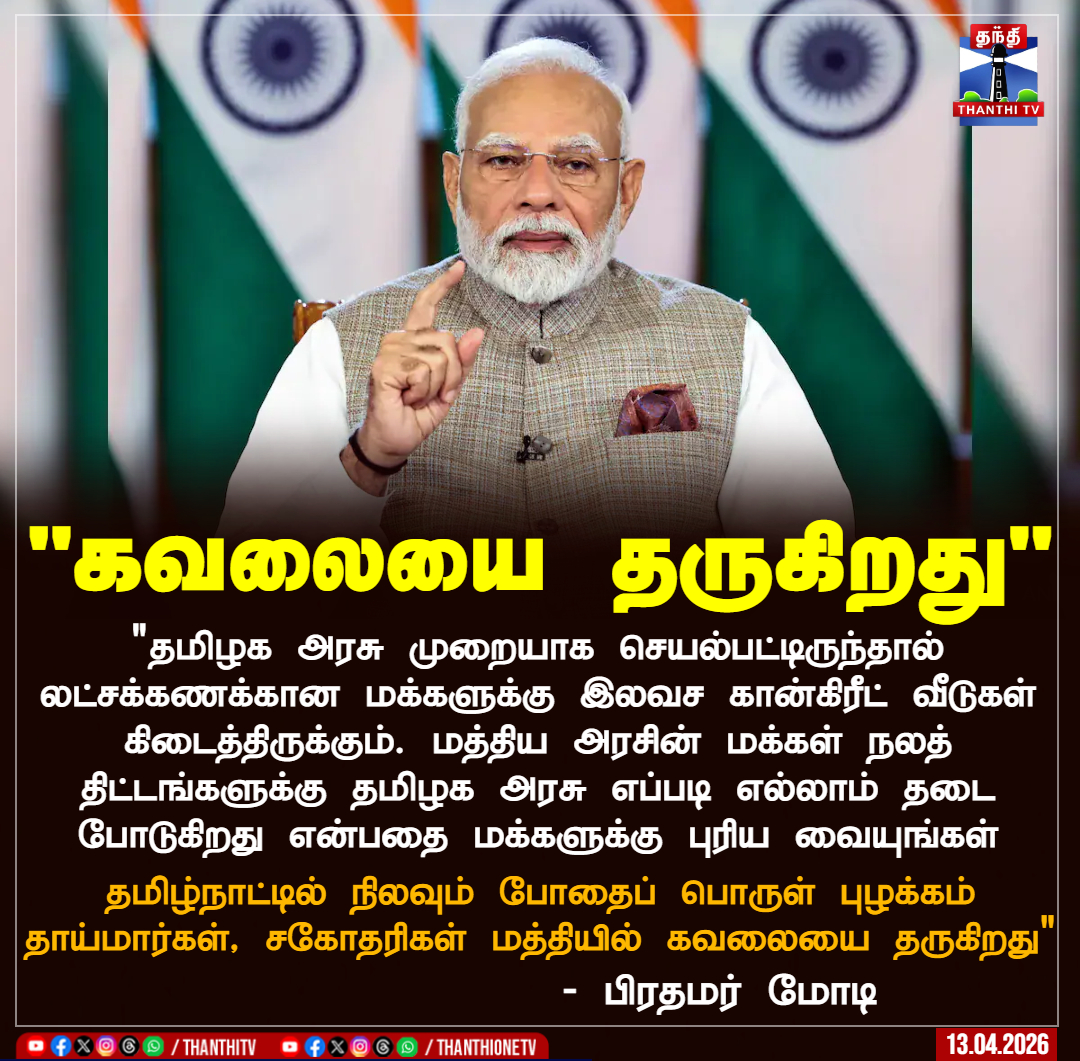
"கவலையை தருகிறது"
"தமிழக அரசு முறையாக செயல்பட்டிருந்தால் லட்சக்கணக்கான மக்களுக்கு இலவச கான்கிரீட் வீடுகள் கிடைத்திருக்கும். மத்திய அரசின் மக்கள் நலத் திட்டங்களுக்கு தமிழக அரசு எப்படி எல்லாம் தடை போடுகிறது என்பதை மக்களுக்கு புரிய வையுங்கள்
தமிழ்நாட்டில் நிலவும் போதைப் பொருள் புழக்கம் தாய்மார்கள், சகோதரிகள் மத்தியில் கவலையை தருகிறது"
- பிரதமர் மோடி
#Chennai #BJP #TNElecton2026 #PMModi #TNPolitics #ThanthiTV
159
697
1,868
45,320

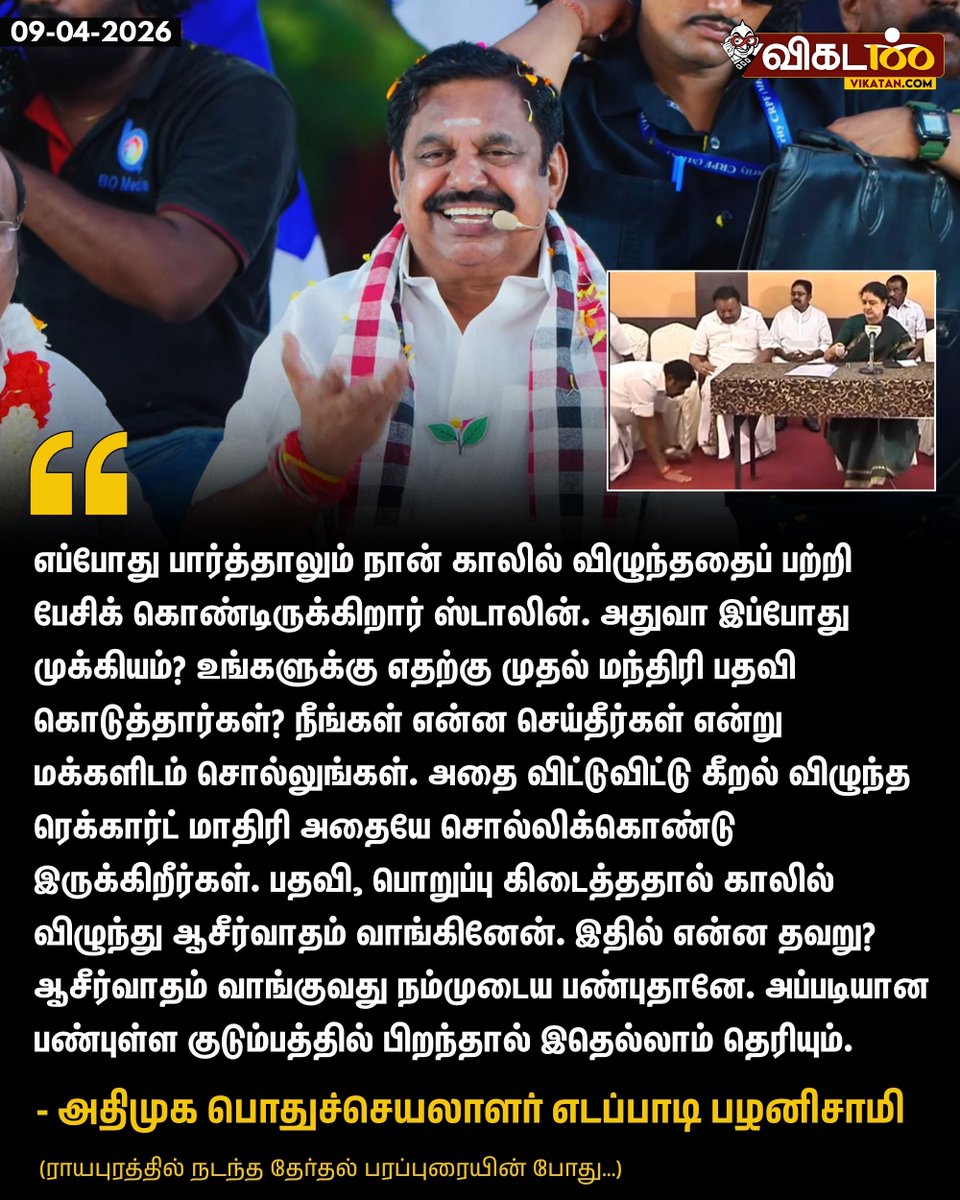
"எப்போது பார்த்தாலும் நான் காலில் விழுந்ததைப் பற்றி பேசிக் கொண்டிருக்கிறார் ஸ்டாலின். அதுவா இப்போது முக்கியம்? உங்களுக்கு எதற்கு முதல் மந்திரி பதவி கொடுத்தார்கள்? நீங்கள் என்ன செய்தீர்கள் என்று மக்களிடம் சொல்லுங்கள். அதை விட்டுவிட்டு கீறல் விழுந்த ரெக்கார்ட் மாதிரி அதையே சொல்லிக்கொண்டு இருக்கிறீர்கள். பதவி, பொறுப்பு கிடைத்ததால் காலில் விழுந்து ஆசீர்வாதம் வாங்கினேன். இதில் என்ன தவறு? ஆசீர்வாதம் வாங்குவது நம்முடைய பண்புதானே. அப்படியான பண்புள்ள குடும்பத்தில் பிறந்தால் இதெல்லாம் தெரியும்." - எடப்பாடி பழனிசாமி
#EdappadiKPalaniswami | #ADMK | #MKStalin | #தேர்தல்_களத்தில்_விகடன் | #TNElectionsWithVikatan
26
86
290
12,438
Sivachidambaram V retweeted

Feb 22
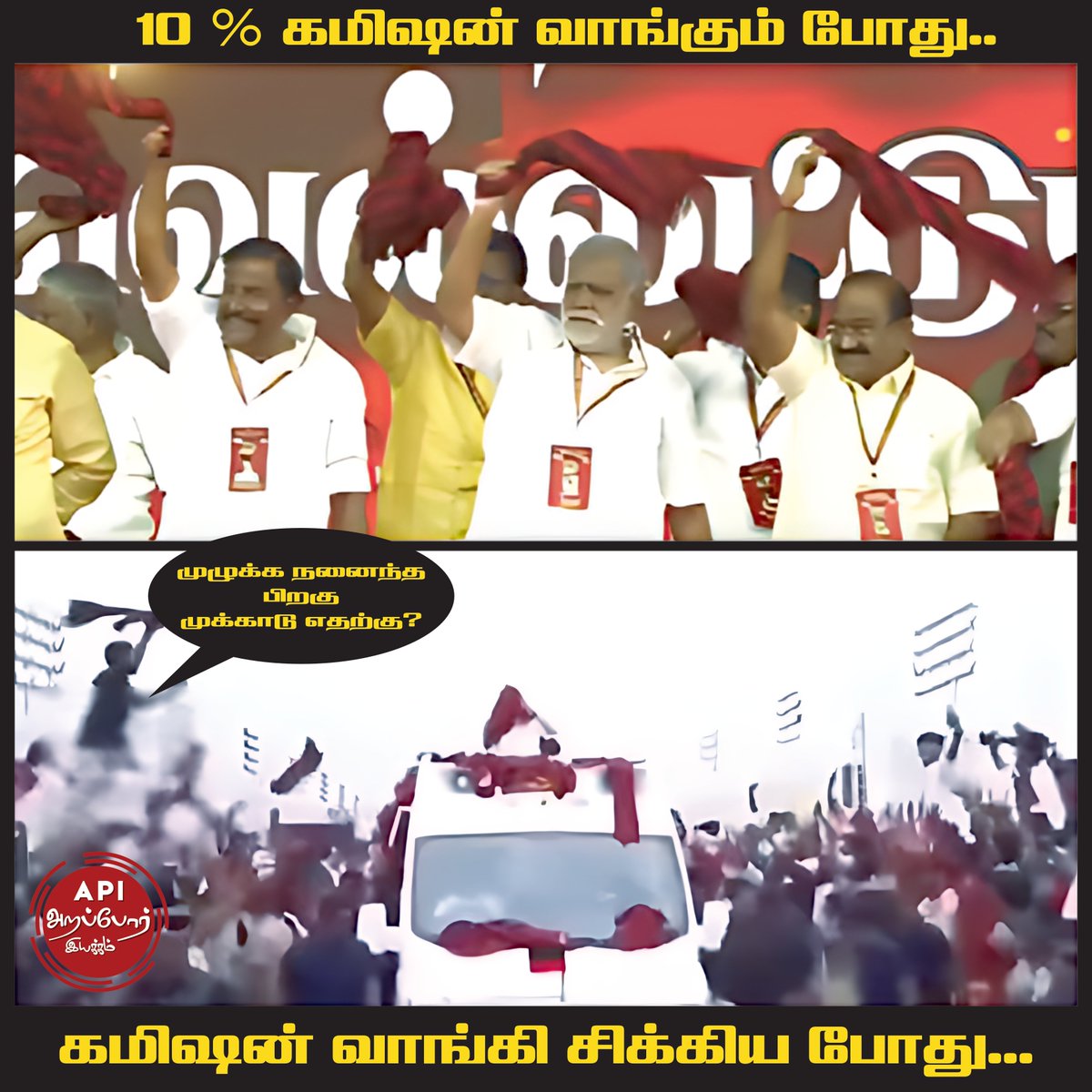
உங்க வீட்டு முன்னாடி உங்கள் பணத்தில் போடப்படும் சாலைகளில் இருந்து, கால்வாய்களில் இருந்து, சாக்கடை குழாய்களில் இருந்து 10% தொகையை ஆளுங்கட்சி அரசியல்வாதிகள் அள்ளிச் செல்கிறார்கள். அதில் 1000 ரூபாயை உங்களுக்கு கொடுத்து அவர்களுக்கு ஓட்டு போட சொல்கிறார்கள். உங்கள் பணத்தை தான் உங்களுக்கு கொடுக்கிறார்கள் வாங்கிக் கொள்ளுங்கள் என்று அவர்களது ஆதரவாளர்கள் உங்களை மூளைச் சலவை செய்கிறார்கள்.
ஆனால் 10% கமிஷன் வாங்கி அவர்கள் பரம்பரைக்கும் சொத்து குவித்து செல்வ செழிப்புடன் சொகுசாக வாழ்கிறார்கள். அந்த 10% தொகை கமிஷனாக போவதால் தரமற்ற பணிகள் செய்யப்படுகிறது. கமிஷன் கொடுக்கும் ஒப்பந்ததாரர்களை கேள்வி கேட்கும் அதிகாரத்தை அரசு ஊழியர்களும் இழந்து விடுகிறார்கள். தொடர்ந்து தரமற்ற சாலைகளிலும், மழை வெள்ளங்களிலும் சிக்கி திண்டாடி, அடுத்த தேர்தலுக்கு அவர்கள் கொடுக்கும் 1000 ரூபாய்க்காக மக்களை காத்திருக்க வைக்கிறார்கள்.
இனியாவது ஓட்டுக்கு பணம் கொடுக்கும் அரசியல்வாதிகளின் திருட்டுத்தனத்தை மக்கள் புரிந்து கொள்ளட்டும். அவர்களிடம் பணம் வாங்குவது நம்மை நாமே ஏமாற்றிக் கொள்ளும் செயல் என்று புரிந்து கொள்ளட்டும். தமிழகம் முழுவதும் என் ஓட்டு விற்பனைக்கு அல்ல என்று வீடுகளிலும் சுவர்களிலும் எழுதுவோம். பணம் கொடுக்க வரும் கொள்ளை கூட்டத்தை விரட்டி அடிப்போம்.
உங்கள் பகுதியில் ஓட்டுக்கு பணம் வாங்க வேண்டாம் என்று பிரச்சாரம் செய்ய அறப்போருடன் இணையுங்கள். இந்த இணைப்பில் arappor.org/MyVoteIsNotForSa… பதிவு செய்யுங்கள்.
14
224
469
6,986