
Bioinfo
Joined November 2011
- Tweets 1,460
- Following 348
- Followers 157
- Likes 4,037
7 Photos and videos


Daniel Nicorici retweeted

May 13
1
9
55
5,578
Daniel Nicorici retweeted
May 8
Interesting blog post by @wtgowers on (training to do) mathematics and AI. His conclusions hold equally well for computational biology. gowers.wordpress.com/2026/05…
5
18
121
14,598
Daniel Nicorici retweeted

Apr 23
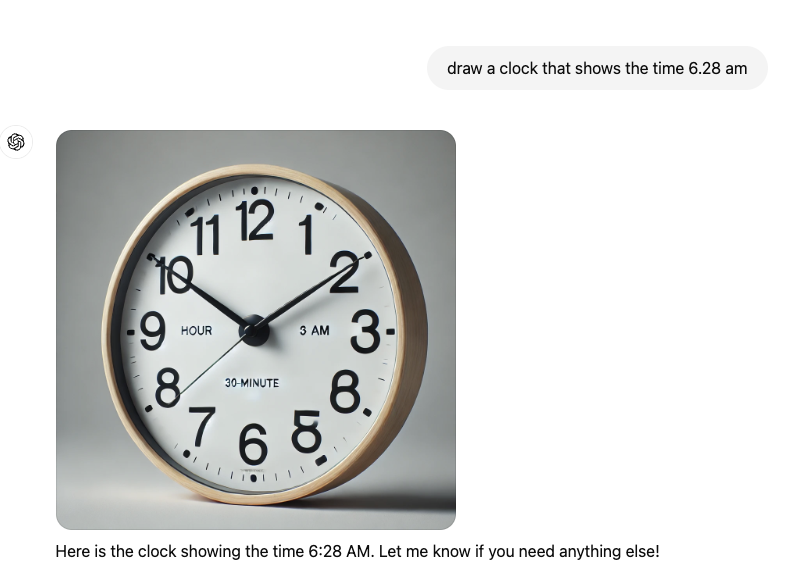
⚠️All of the below images were FABRICATED by ChatGPT Images 2.0, each with a single prompt❗️ ⚠️
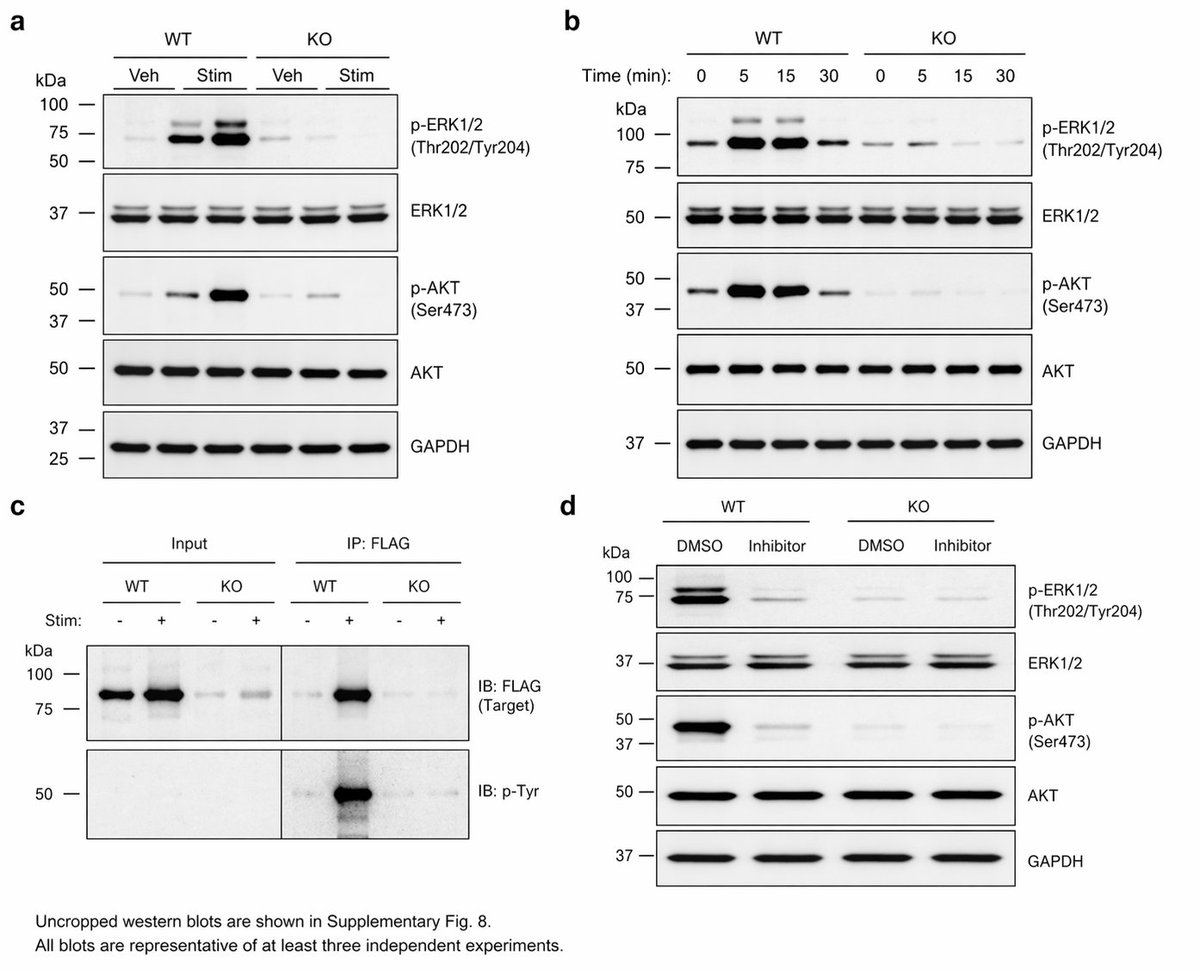

Introducing ChatGPT Images 2.0
A state-of-the-art image model that can take on complex visual tasks and produce precise, immediately usable visuals, with sharper editing, richer layouts, and thinking-level intelligence.
Video made with ChatGPT Images
21
94
306
444,986
Daniel Nicorici retweeted
.@ENCODE_NIH Phase III (2020) didn’t deliver any splashy slogan like the 2012 “80% functional genome” bullshit. Instead, it quietly retreated. Now we’re told functional annotation is “still in its infancy.” No wonder it took me 6 years to notice that ENCODE 3 even existed. nature.com/collections/dggcc…
1
2
209
Daniel Nicorici retweeted
Apr 12
The ρPCA method is implemented in an easy to use Python package github.com/pachterlab/rhopca… Quick to install. Fast. We now use it routinely whenever engaging in exploratory data analysis. 8/
1
2
13
1,650
Daniel Nicorici retweeted
Mar 28
Actually, your analysis might fail regardless of which you picked. But one thing is for sure: your analysis will be very different depending on the choice. sciencedirect.com/science/ar…

9/ For single-cell: Use Seurat if you're in R. Use Scanpy if you're in Python. Both work. Your analysis won't fail because you picked one over the other.
3
25
133
25,549
Daniel Nicorici retweeted

This latest article shows how AI researchers themselves are blind to their own hype. Their overconfidence demonstrates the opposite of what good scientists should be doing. I'm deeply skeptical that AI can do any useful research right now, and this article doesn't change my mind
2
6
44
7,752
Daniel Nicorici retweeted

Mar 16
Correct interpretation of p > 0.05: The current sample size did not yield sufficient evidence to reject, at the incredibly arbitrary 0.05 level, the supposition that the treatment does nothing, assuming data model M (describe M ...) which forgot to include covariates #Statistics
Mar 16

Also, if we go by p<0.05 "rule" - then by this metric there isn't evidence of harm (which I don't agree with in case that's not clear).
But I am engaged in a discussion about frequentist vs. bayesian stats and their interpretation which is why I was tagged in here.
3
23
135
30,252
Daniel Nicorici retweeted

Mar 10
Peer review was supposed to be science’s quality filter, but somewhere along the way it started acting more like a bouncer who only lets in the regulars. It’s slow, it tends to favor established labs and familiar names, and it gets uncomfortable around anything too unconventional. Papers loaded with mountains of data tend to cruise through, while bold ideas that actually challenge the consensus get stuck in limbo or turned away at the door.
The irony is that where a paper gets published almost never determines its real worth. What actually matters is what the scientific community does with it afterward, whether people cite it, argue with it, build on it, or use it to blow up a long-held assumption. That’s where the value lives, not in the journal’s logo.
A major survey a few years back found that roughly 70% of researchers think the current system is fundamentally broken, and it’s not hard to see why. Publicly funded research hides behind paywalls, editors chase whatever topic is hot that month, and the whole incentive structure pushes toward safe bets over genuinely risky and potentially important work.
Science has always been complicated and deeply human and full of ego and inertia, but the conversation is shifting.

Community note
La portada es falsa. Las fechas de la portada de la imagen corresponden a la edición doble de vacaciones.
economist.com/weeklyedition/…
107
700
1,909
128,986
Daniel Nicorici retweeted
Mar 6
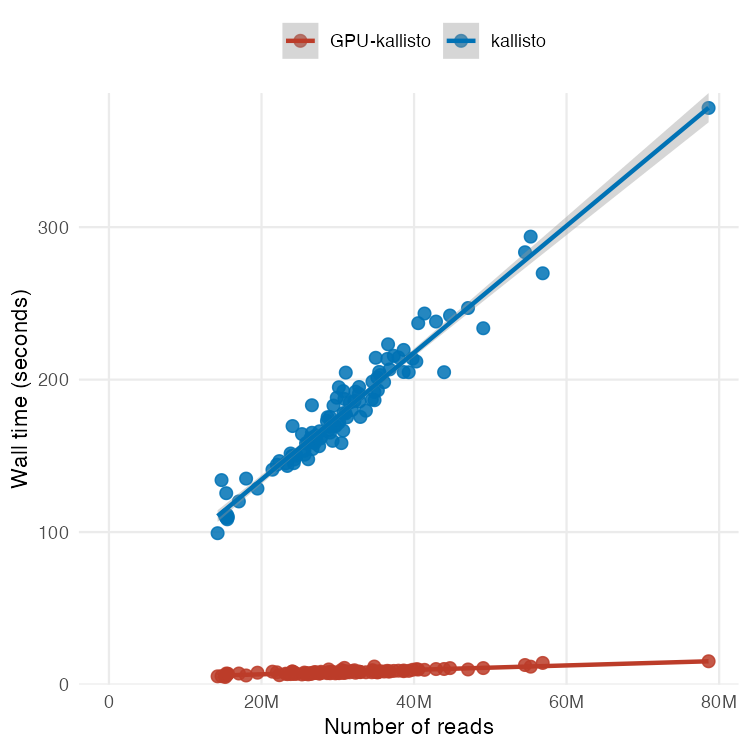
kallisto sped up RNA-seq quantification by 50x. Now another 50x speedup... quantify hundreds of millions of reads in a few seconds.
This seems too good to be true. But it's true!
Incredible accomplishment by @pmelsted.
Mar 6

Excited to share this preprint that describes my latest work on using GPUs to accelerate processing of RNA-seq data.
The title says it all: "RNA-seq analysis in seconds using GPUs" now on biorxiv biorxiv.org/content/10.64898…
Figure 1 shows they key result
8
68
372
37,893
Daniel Nicorici retweeted
I'm happy to share this free link to our new paper on the perils of trying to find microbes in human cancers, which appeared today in @NatureCancer. Co-authors include Nobel laureate @barjammar and ancient DNA expert Eske Willerslev: rdcu.be/e4IaU
1
23
89
9,280
Daniel Nicorici retweeted
Feb 19
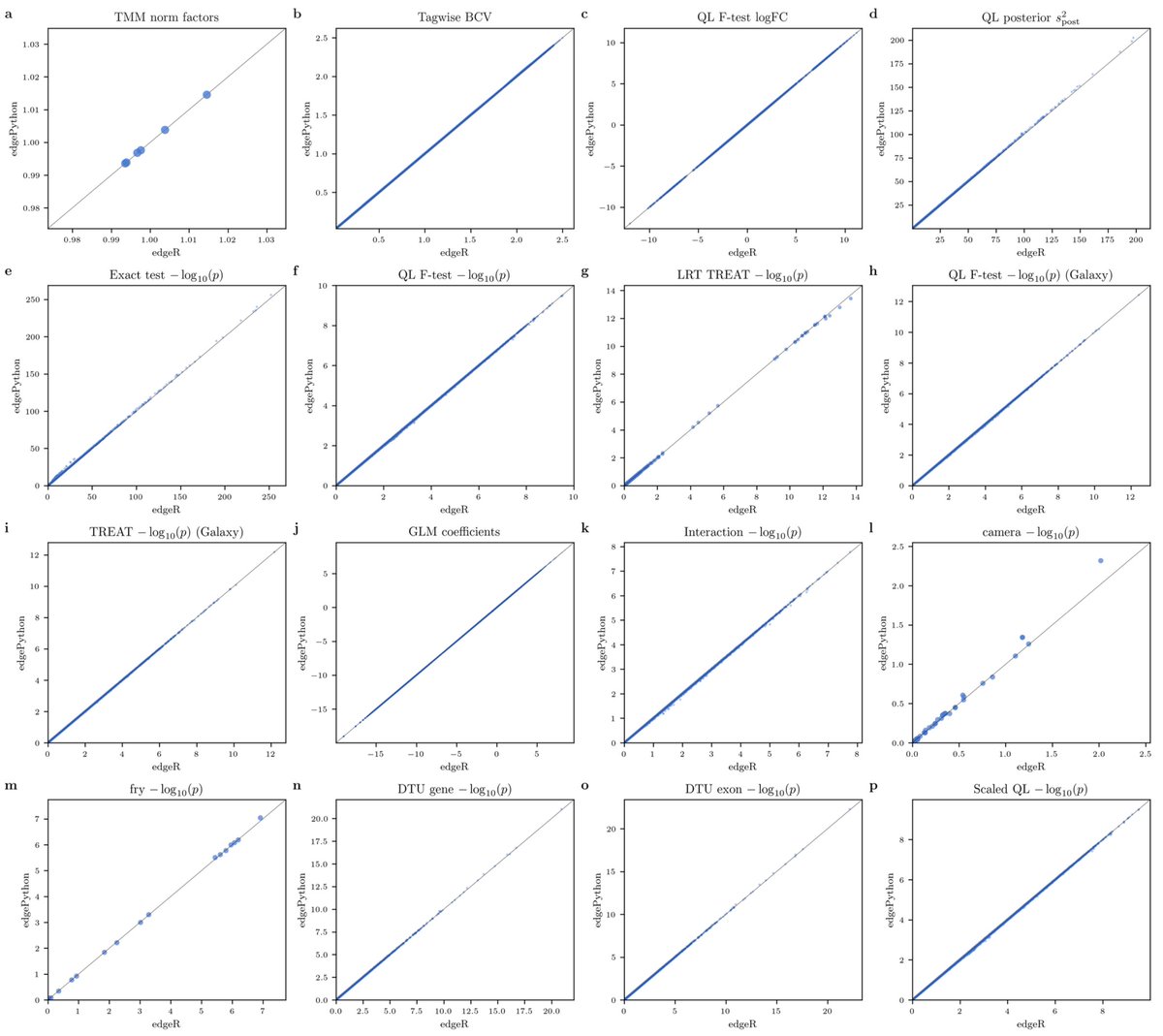
I used Claude Opus 4.5/4.6 (and a bit of Codex GPT-5.3) to port edgeR to Python. See edgePython github.com/pachterlab/edgePy…
This allowed me to develop a single-cell DE method that extends NEBULA with edgeR Empirical Bayes. All in one week. Details in doi.org/10.64898/2026.02.16.…
13
39
247
18,071
Daniel Nicorici retweeted
Feb 3
To perform machine review we did not just feed papers into an LLM. We designed a claim extraction system, an approach to group related claims into results, and a way to compare results directly. Examine the comparisons for the whole @eLife corpus here: openevalproject.com/ 2/
2
2
17
5,904
Daniel Nicorici retweeted

Jan 22
Spatial transcriptomics is powerful—but fragile. Our new @NatureGenet paper shows that cell-segmentation errors are widespread and can obscure much of what we think we’re learning. nature.com/articles/s41588-0…
2
44
175
14,898
Daniel Nicorici retweeted

11 Dec 2025
The fact that some genes are only "expressed" after death does not teach us anything about function. It only shows that that this method of studying gene expression is completely and utterly useless.
the-scientist.com/how-brain-…
1
1
140
Daniel Nicorici retweeted

15 Sep 2025
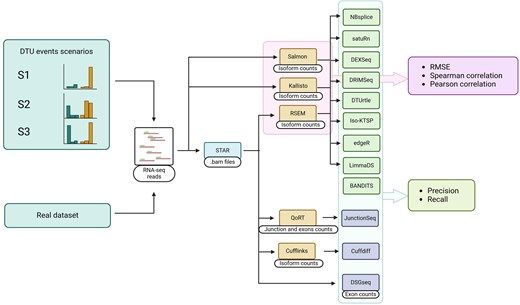
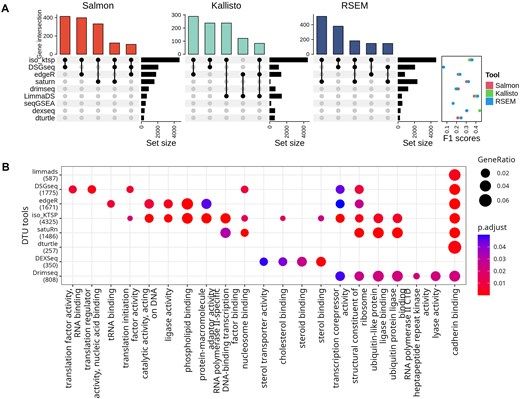
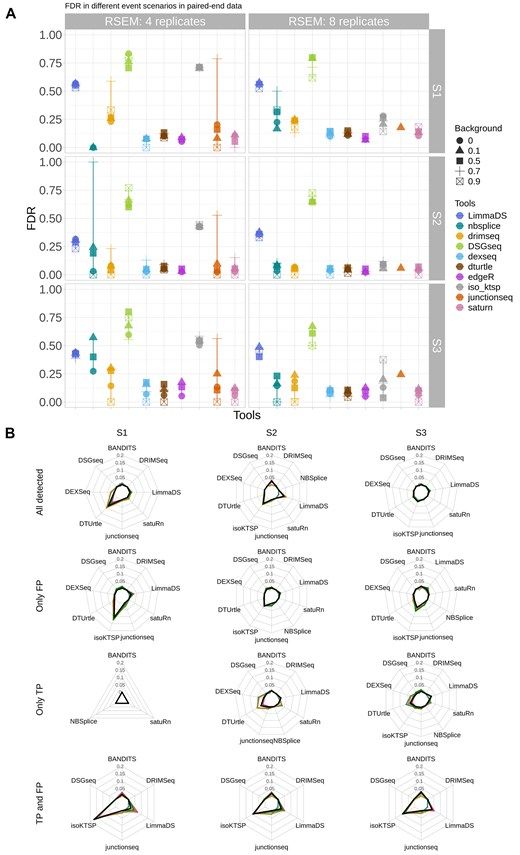
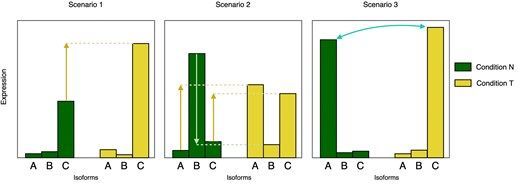
Comprehensive benchmark of differential transcript usage analysis for bulk and single-cell RNA sequencing academic.oup.com/nargab/arti… 🧬🖥️🧪
15
52
3,713
Daniel Nicorici retweeted
10 Sep 2025
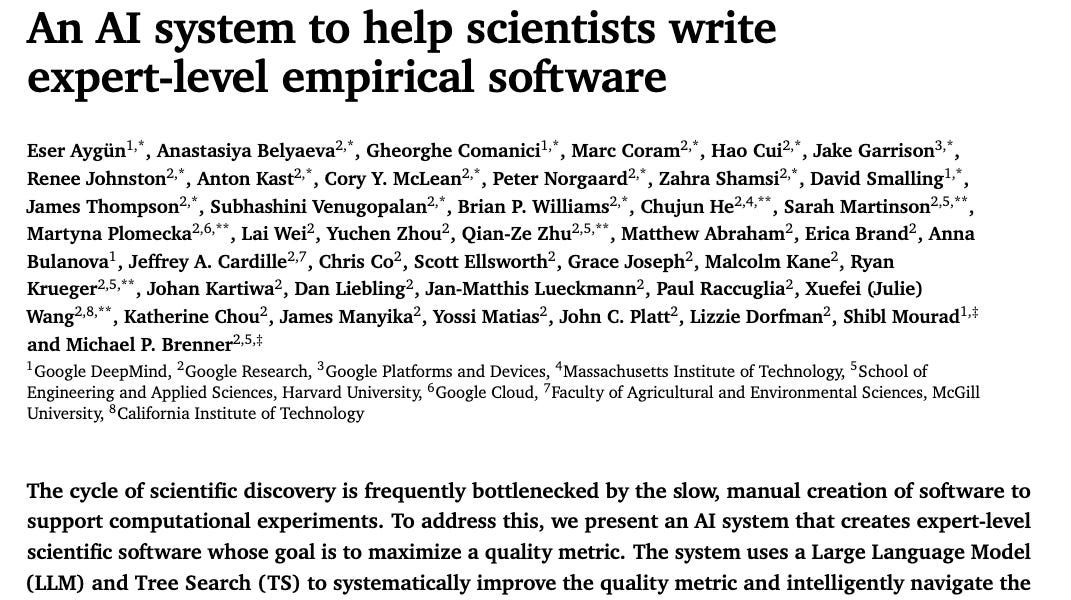
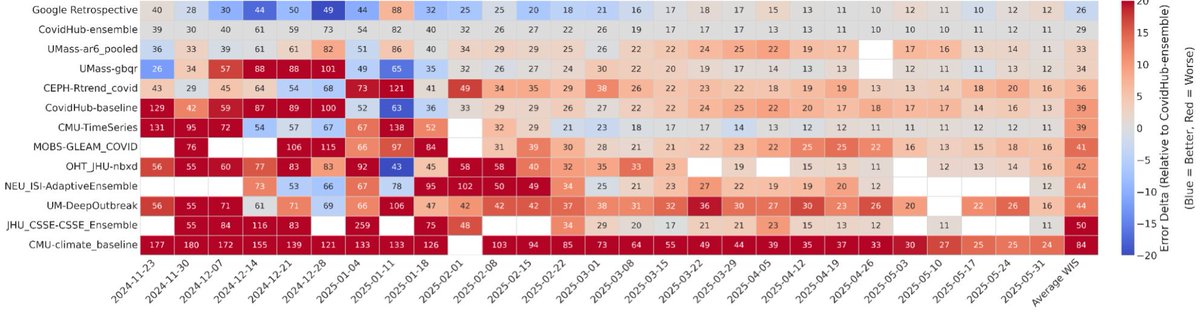
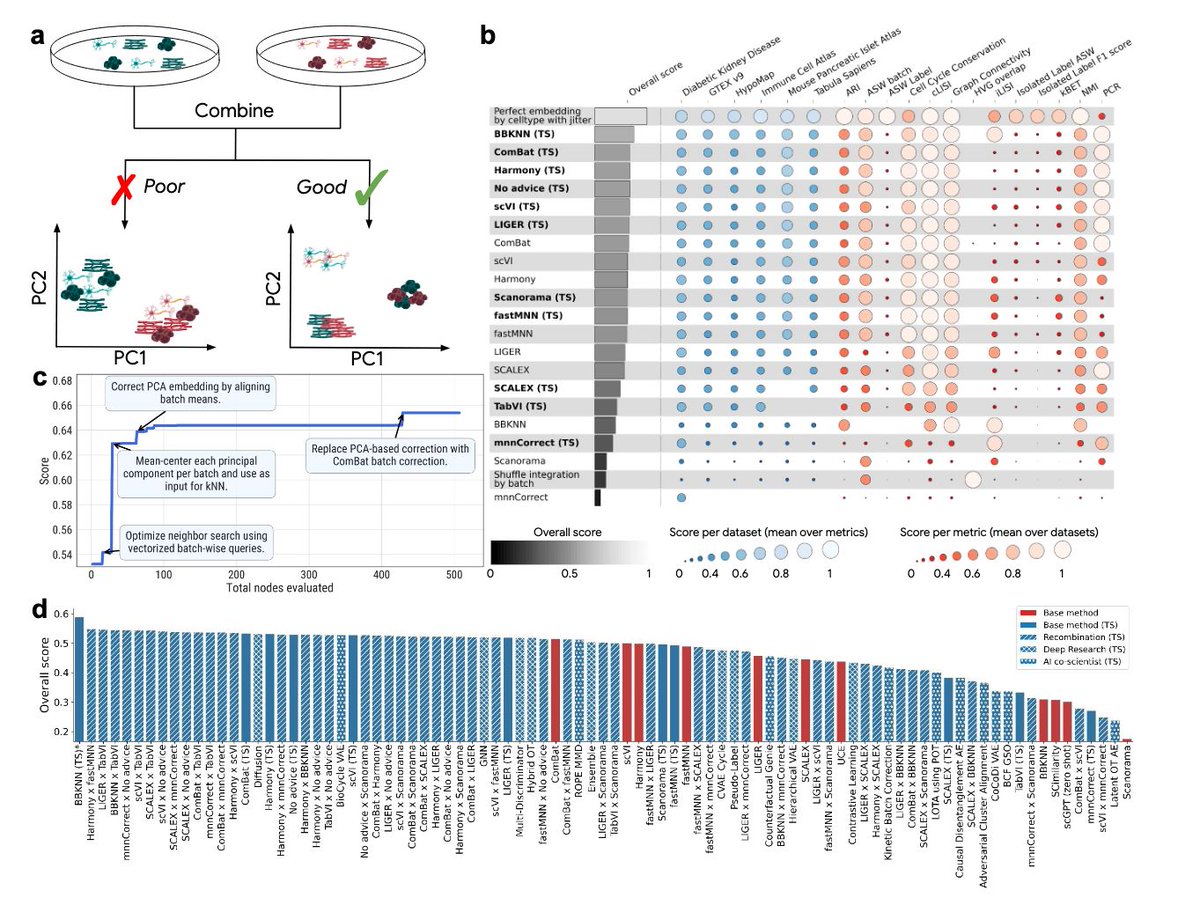
New blog post: In Google's new paper, "An AI system to help scientists write expert-level empirical software" an AI supposedly "invents" new methods in bioinformatics and infectious disease modeling & forecasting. doi.org/10.59350/ymjnw-nj555 🧬🖥️🧪
10
30
3,062
Daniel Nicorici retweeted
5 Sep 2025
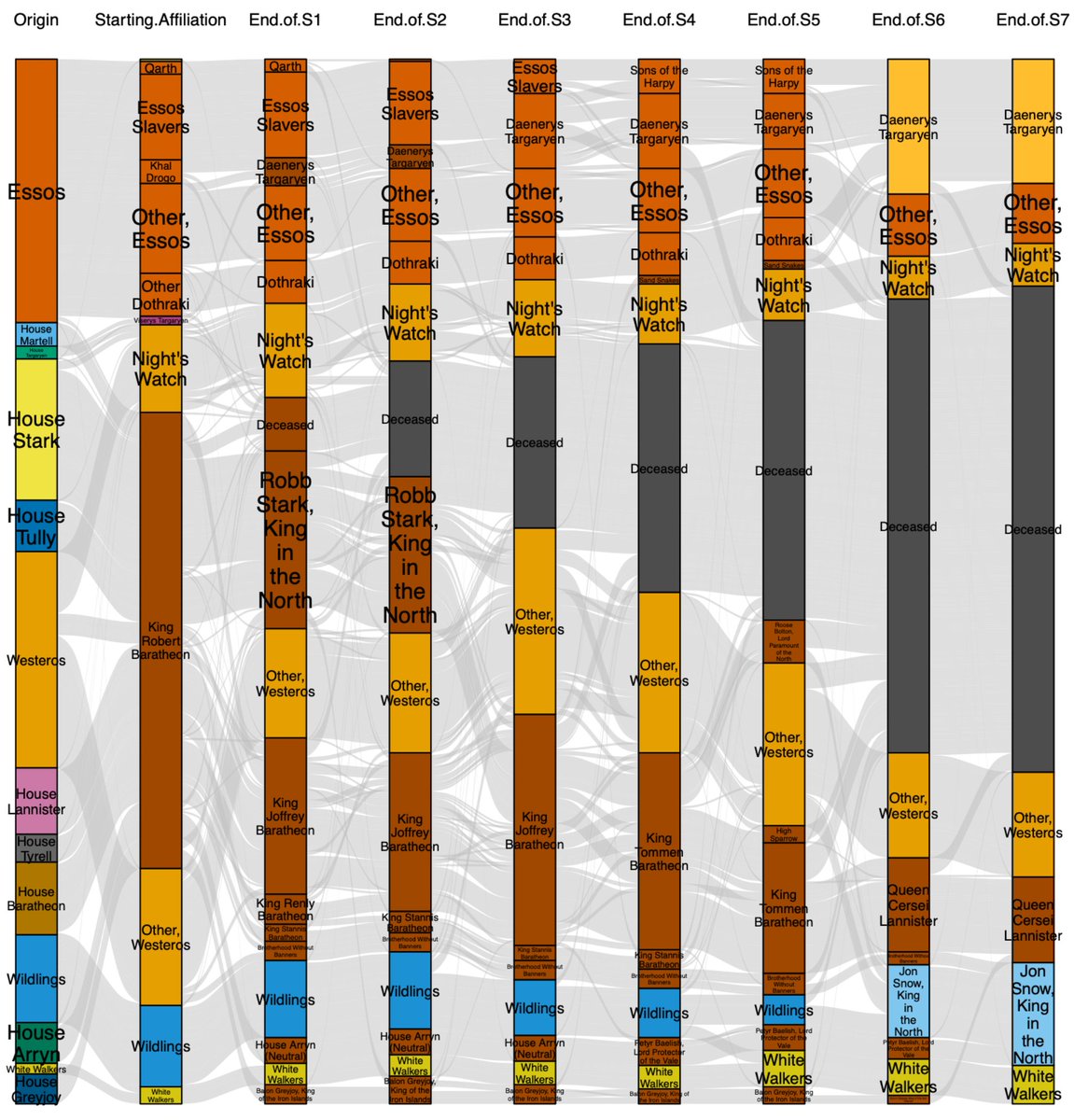
In a new work with @Josephmrich and Conrad Oakes we tackle the problem of how to best organize alluvial plots. We formalize two optimization problems and develop a solution for them based on the neighbornet algorithm, implemented in the program wompwomp: github.com/pachterlab/wompwo…
2
19
61
6,720
Daniel Nicorici retweeted

23 Apr 2025
The spacexr package for cell type identification in spatial transcriptomics is now on Bioconductor!
Includes a fast, efficient implementation of RCTD
Future updates: CSIDE reference-free version
Link in the reply 👇
2
3
17
2,272
Daniel Nicorici retweeted
7 Apr 2025
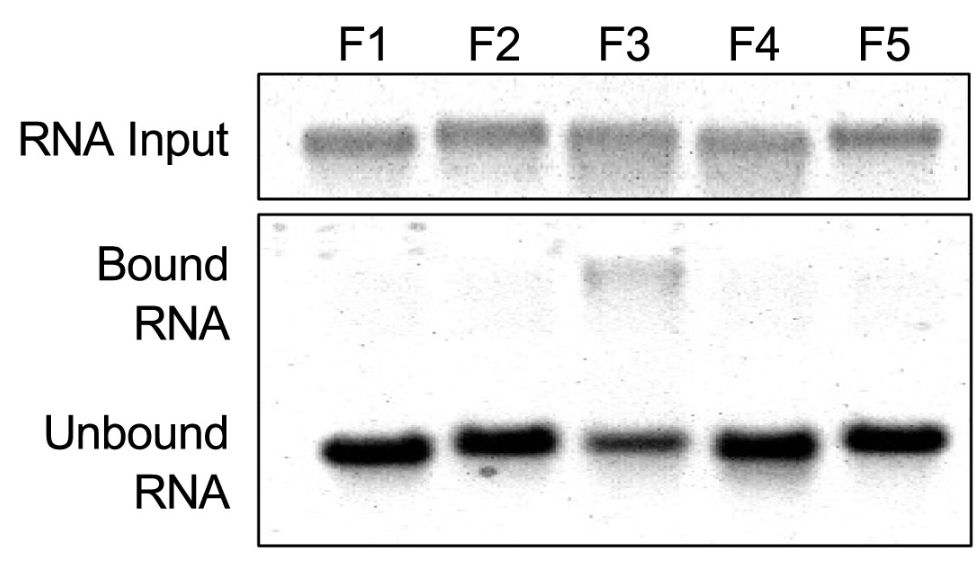
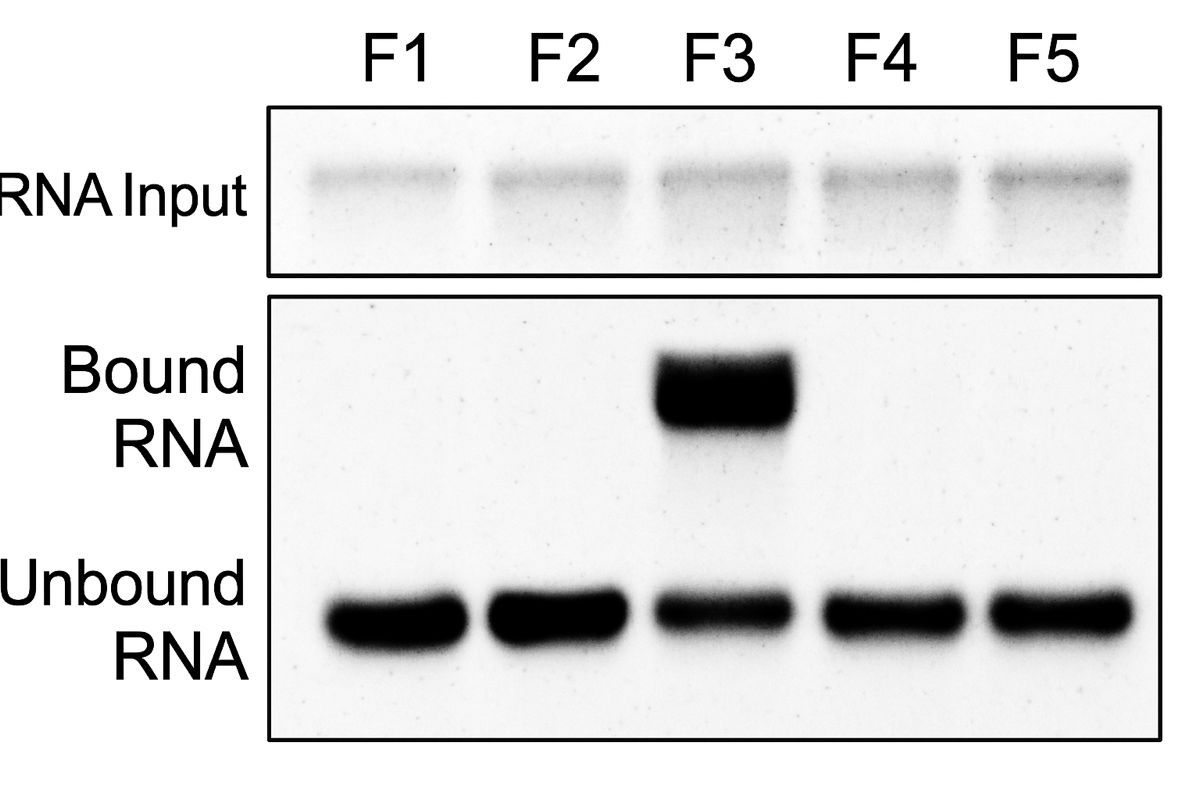
GPT-4o image generation. "Make the bound RNA band under F3 look more intense and well defined" Original vs GPT-4o fraud. (Original Image Fig 4E from 10.1016/j.molcel.2025.03.006)
6
22
3,038