
Joined November 2023
- Tweets 587
- Following 263
- Followers 532
- Likes 1,710
116 Photos and videos

Pinned Tweet

May 14
From 180nm open-source tools last year to TSMC scary proprietary tools ahead 🥲🥲 — glad to be part of both.

I am happy to announce that we (@Vicharak_In) have teamed up with @mnwsth and Prof. Manish Jain from @iitgn to work on TSMC mature nodes and bring some real tape-out projects to reality.
It is only a matter of time before we have successful tape-outs, prototyped. I am delighted that enthusiastic professors like @mnwsth and Prof. Manish Jain exist in India today, with a passion for building technical projects and developing the kind of ecosystem India needs right now.
4
1
39
1,086
Deepak Sharda retweeted

Jun 12
When we started, our goal was to accelerate compute through reconfigurability, and make it accessible to everyone, not just experts. We took on challenges across hardware, software, FPGA IPs, and toolchains.
We recently launched Vaaman: an easy-to-use, high-end reconfigurable board, likely the most affordable with these features in the industry.
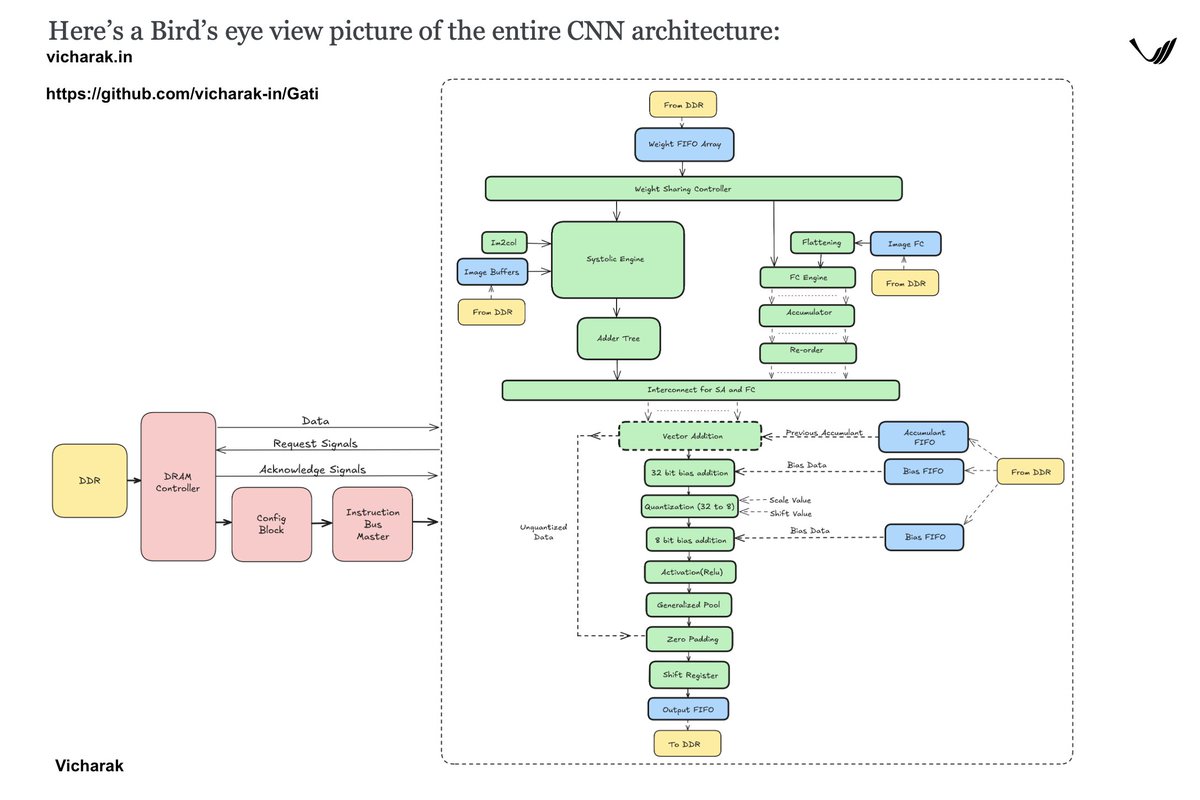
We also spent nearly 3 years building our own AI CNN accelerator IP from scratch on top of Vaaman. We call it Gati, complete with a full toolchain and a locally developed runtime.
Now our goal is shifting beyond CNN acceleration. We're open-sourcing Gati completely for the public to explore.
This is a huge for everyone since it's built by 30 engineers.
Give it a try.
4
26
159
6,600
Jun 10
Let's make asic printers 🙂.
Something in the size of a 3d printer.
4
6
363
Jun 5
Thanks 😊
Jun 5

shrike-gen now supports flashing thanks to @deeempak of @Vicharak_In
New:
Flashing
Multi-module support
Explicit top module
CLI Makefile scaffolding, build & flashing for Renesas SLG47910V (ForgeFPGA) & the Vicharak Shrike Lite board.
github.com/trholding/shrike-…
#FPGA
1
4
139
Jun 1
I have been asking renesas for a cli tool for ages to work with Shrike . Seems like it @VulcanIgnis had a better plan he did it himself.
Crazy work , check this out
May 31
Finished shrike-gen for @Vicharak_In Shrike lite board and SLG47910V (Rev BB) FPGAs.
shrike-gen enables Makefile based project creation and build without having to use Renesas' Go Config GUI nightmare.
Finally I am free from the GUI nightmare.
Stay tuned!
1
12
405
Deepak Sharda retweeted

May 30
@Vicharak_In
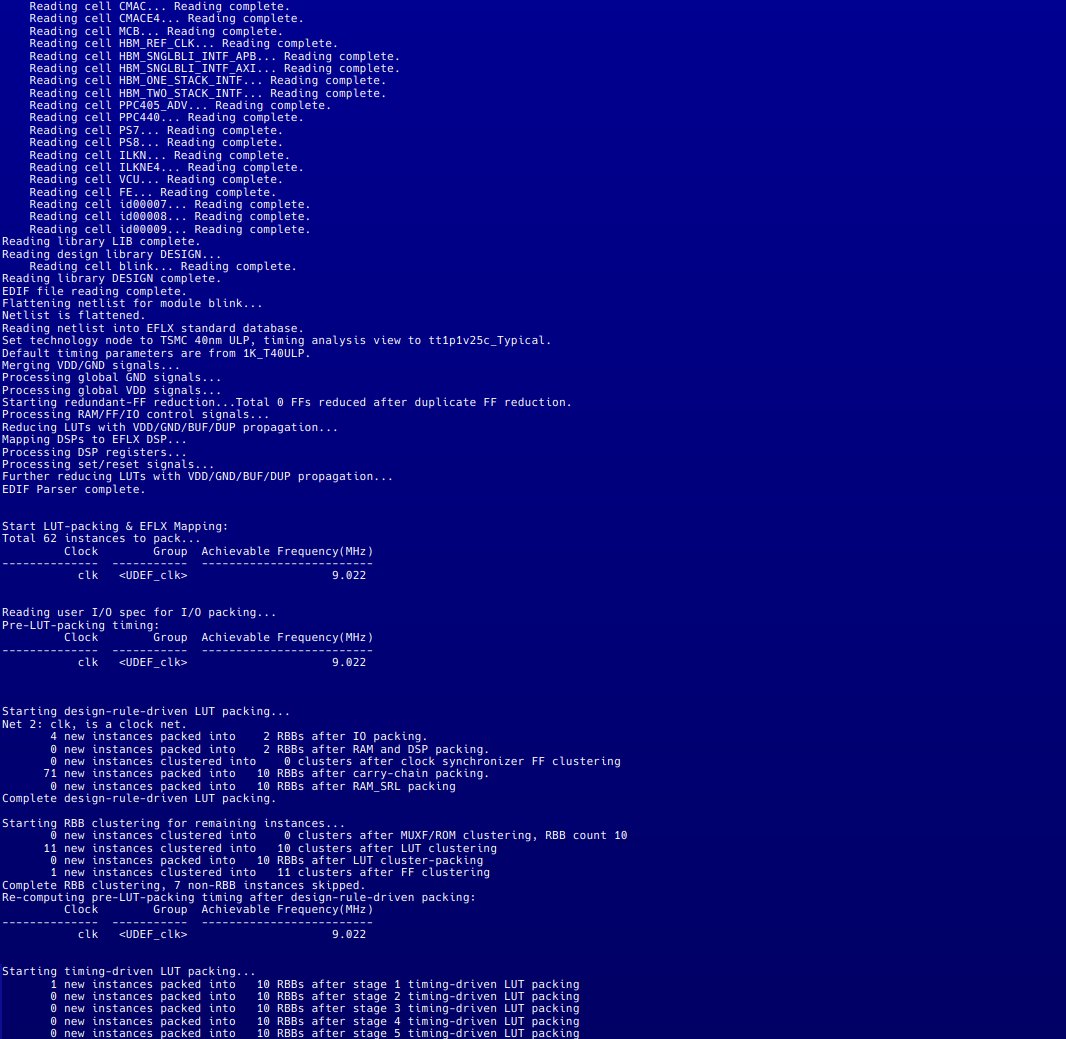
I almost completed writing a full CLI only, makefile based development workflow for shrike. WIP. Some more reversing needed. Once finished I'll post to github.
@AksharVastarpar @deeempak
3
1
1
103
May 23
what people don't understand about @Vicharak_In shrike-lite is that even if you don't want to use the fpga you get 37 (23 14) pin on rp2040 which is 11 more then what pico gives , how these 14 pin work is we create a gpio expender in fpga and then they show up as rp's pin extension .
All that for the Same price for pico and that fpga is always there for you to try things on.
Seamless for a user who, does not care about fpga.
2
25
903
May 18
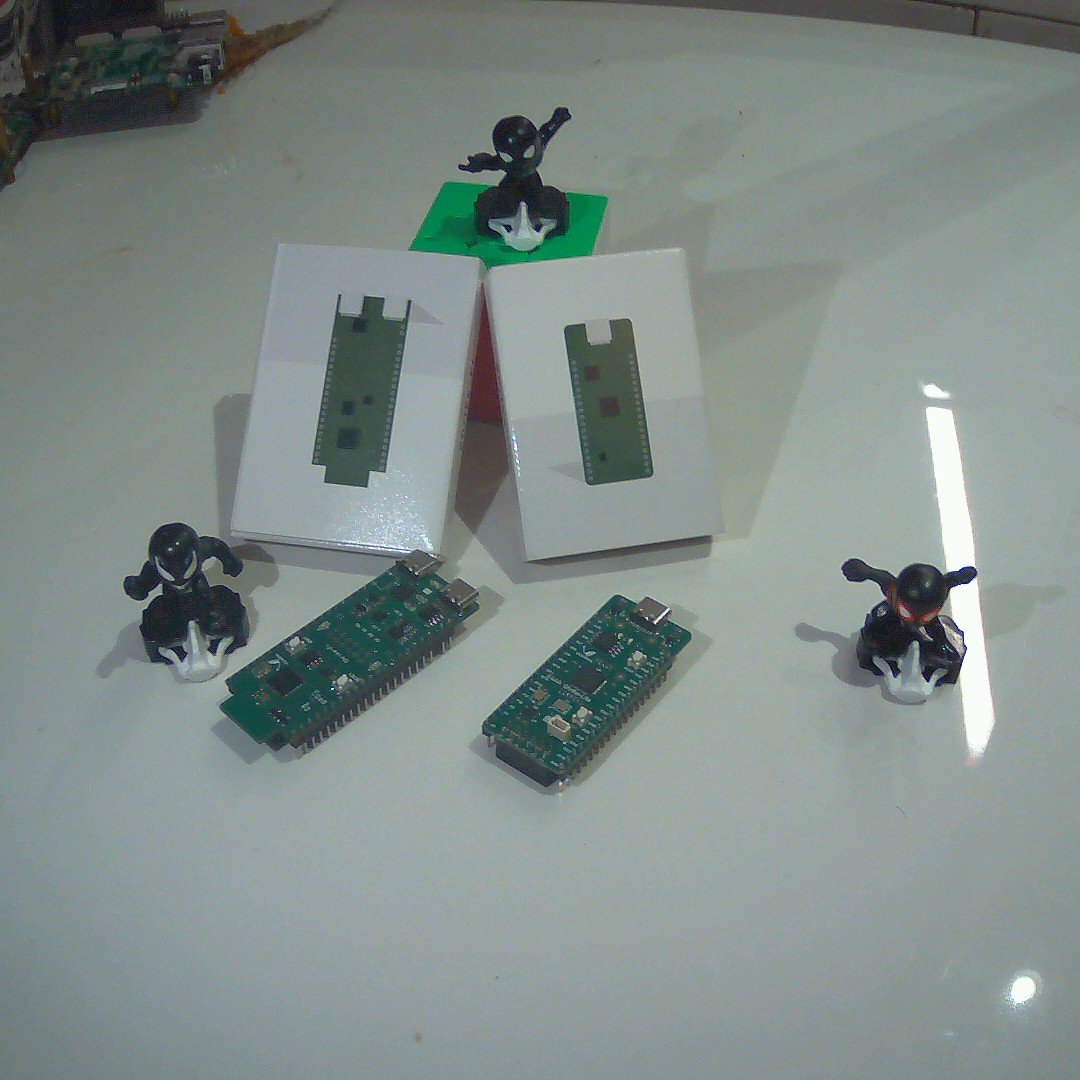
Wrote this blog on the journey of bringing up the @Vicharak_In Shrike from a bare pcb to full infra it has now.
A lot of problems might sound naive as it was my first board to bring up and @AksharVastarpar decided to believe a newbie to do the job.
blog.vicharak.in/building-sh…
3
6
49
1,791
May 17
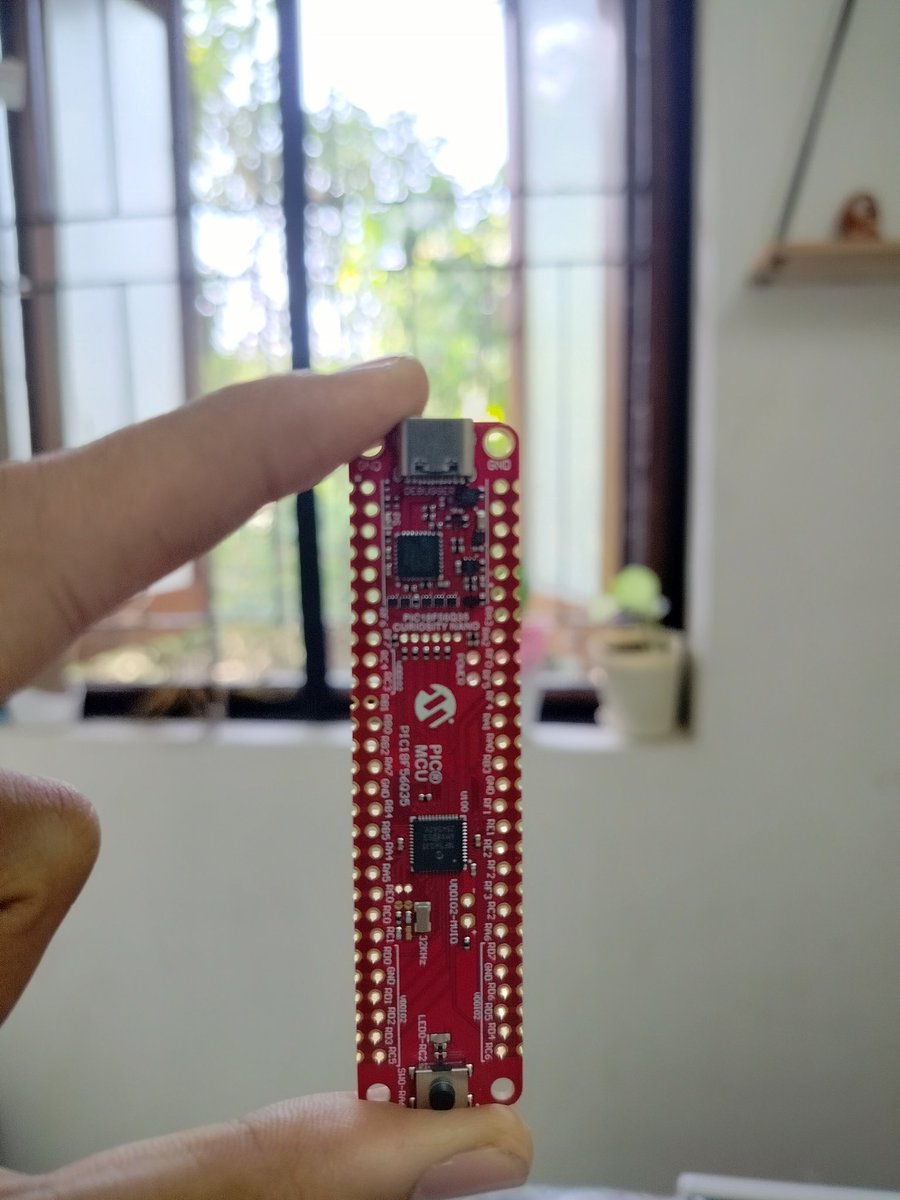
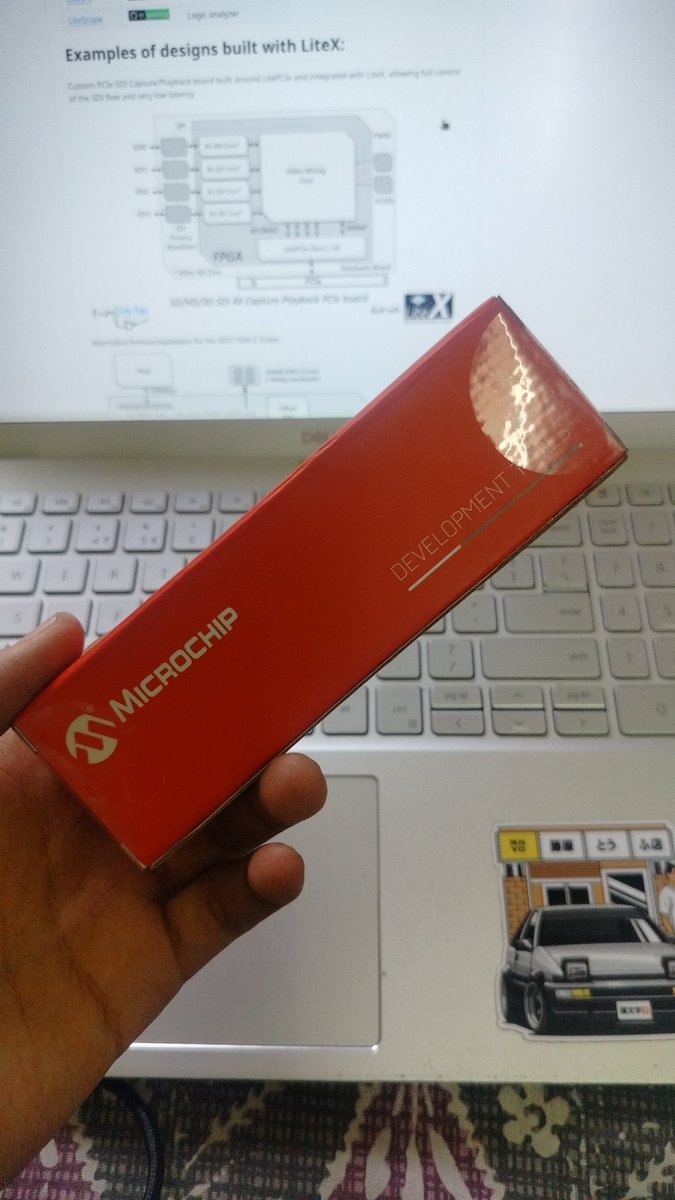
It's a PIC18F56Q35 with 128 LUTS
@MicrochipMakes @MicrochipTech
Just one question why are those header footprint zig zaged ??

11
1
50
6,497
May 17
Cute little pakage
36
8,032
May 15
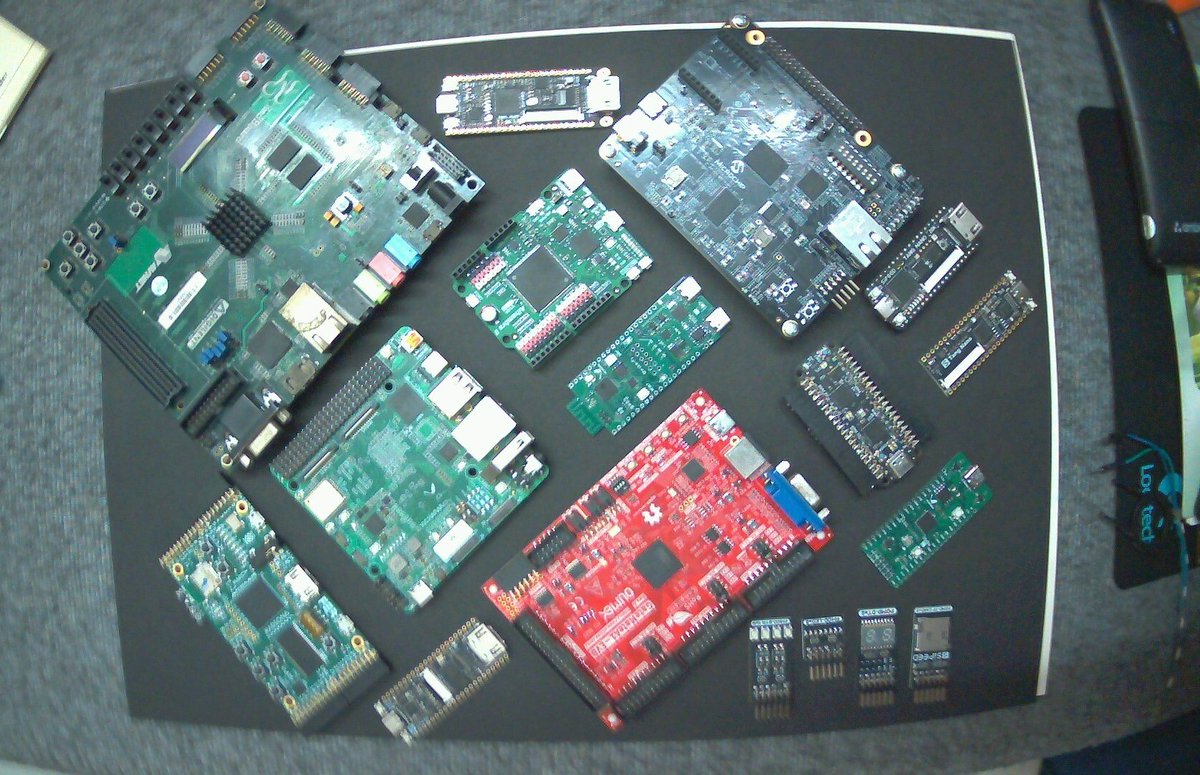
Would anyone be interested in accessing these ? No charges ( for now at least) lets see how feasible this idea is.
If so let me know.
May 13
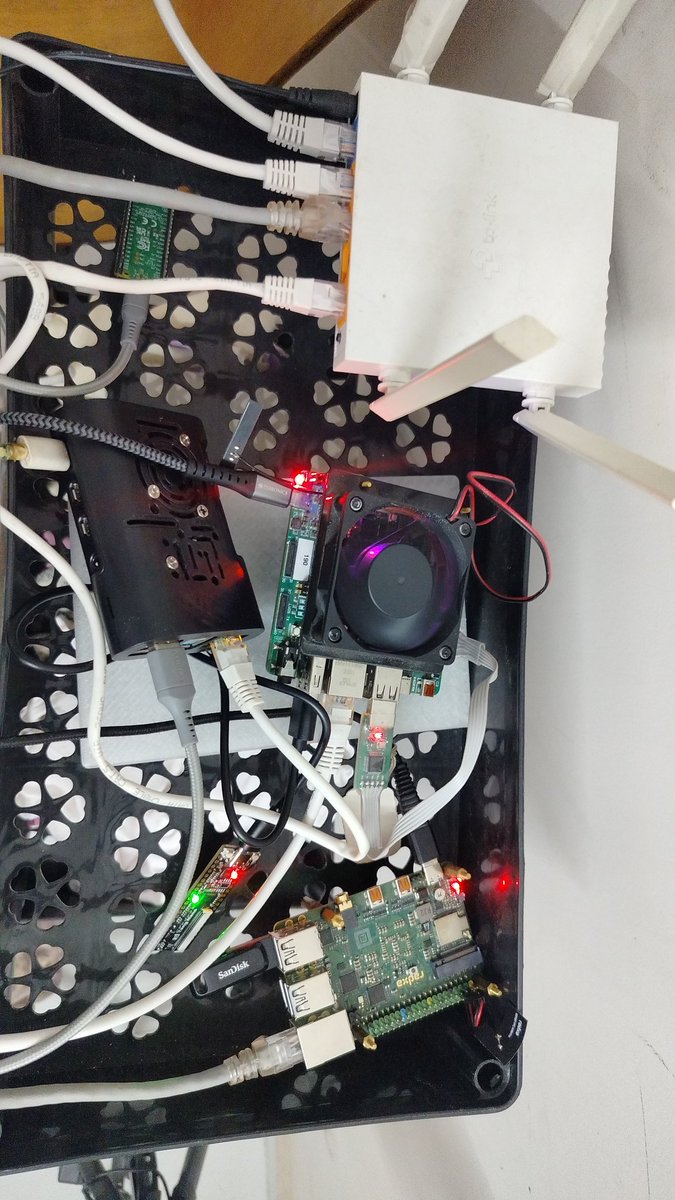
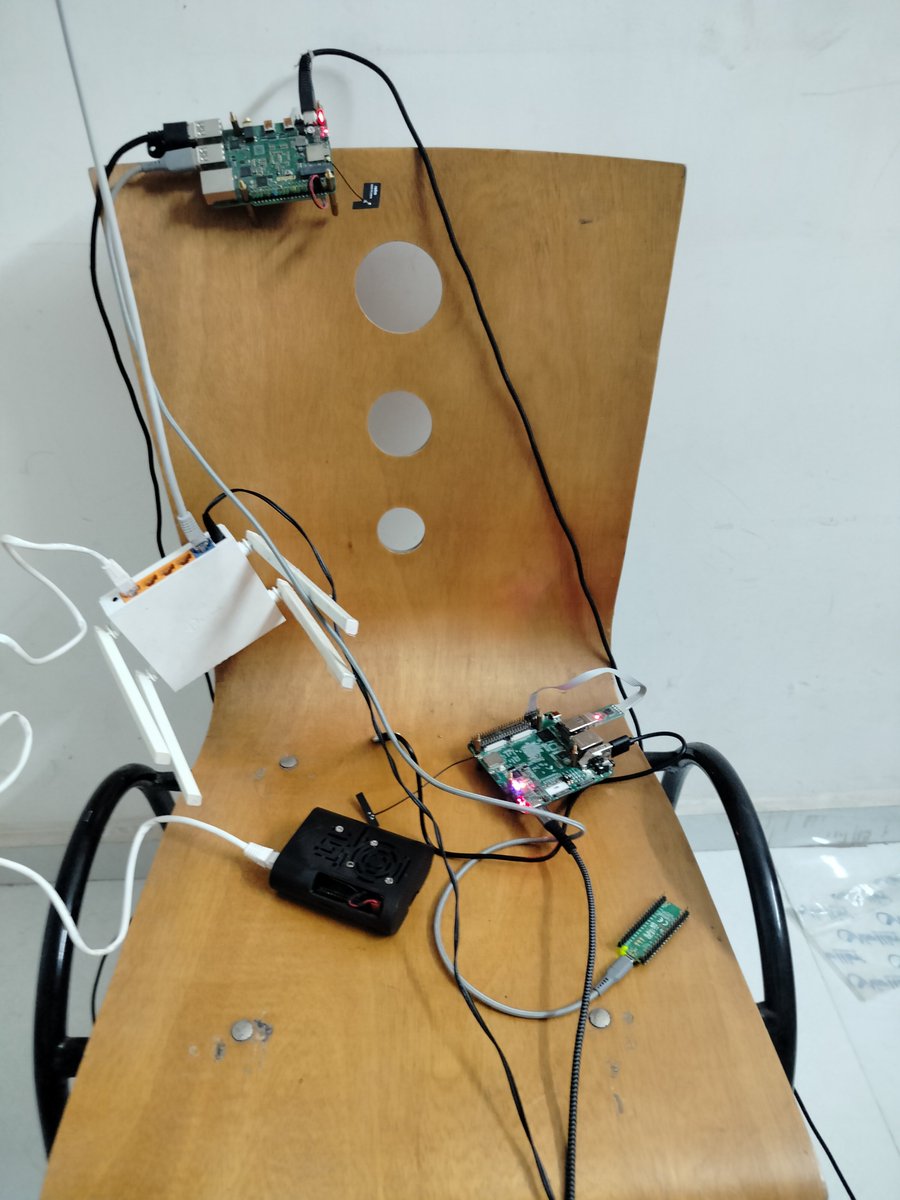
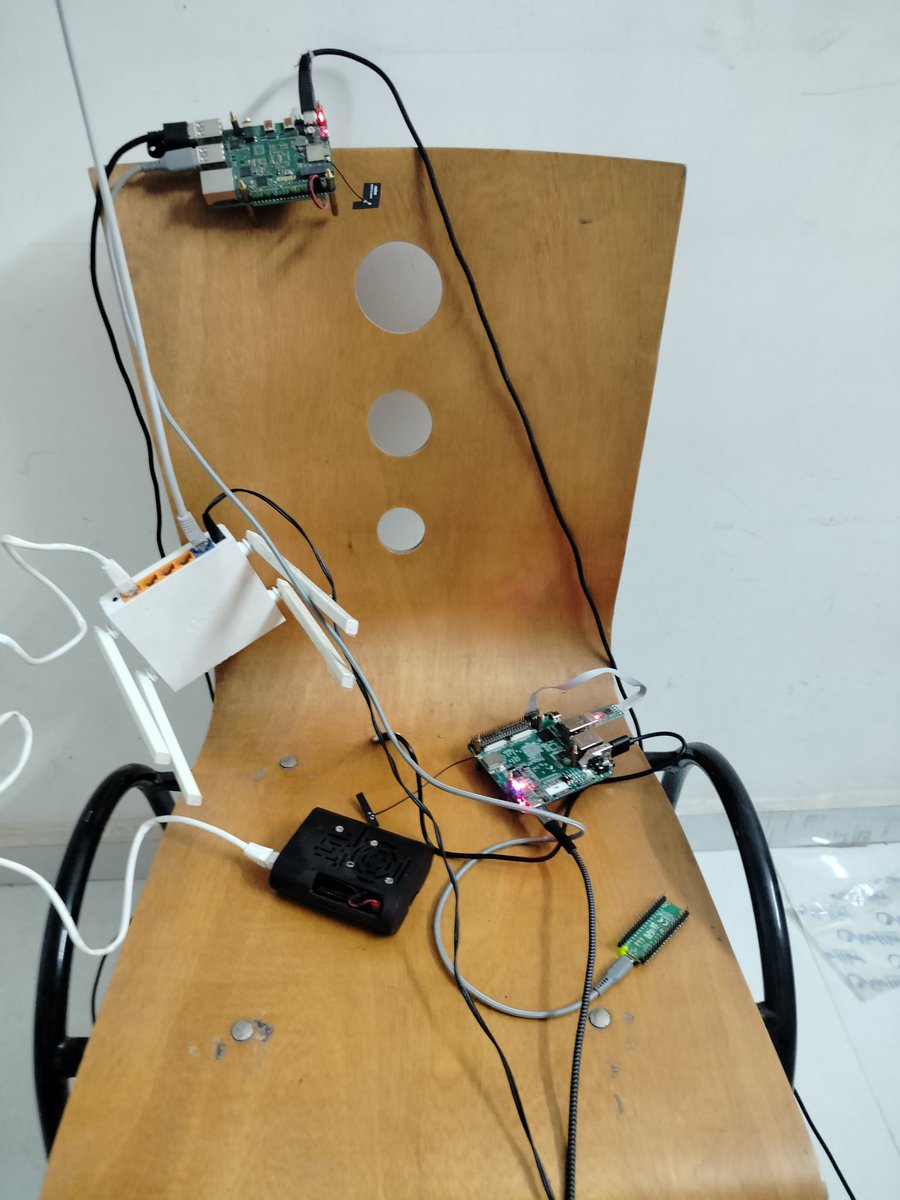
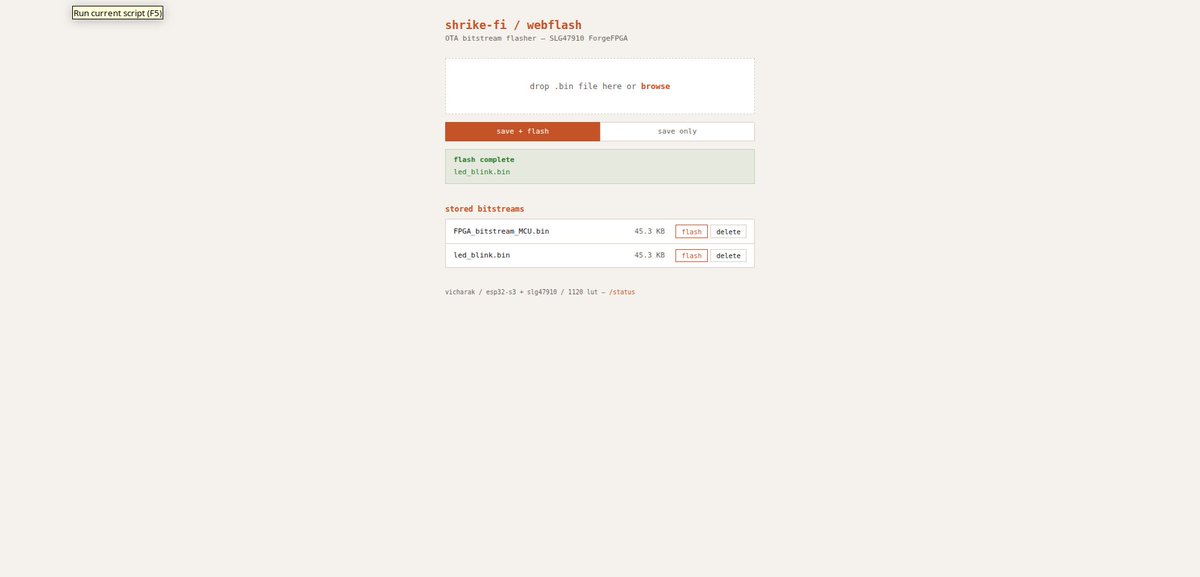
So what I am making is a remote FPGA server where I can program, use and debug my FPGA from wherever I want to.
6
2
18
1,661
Deepak Sharda retweeted

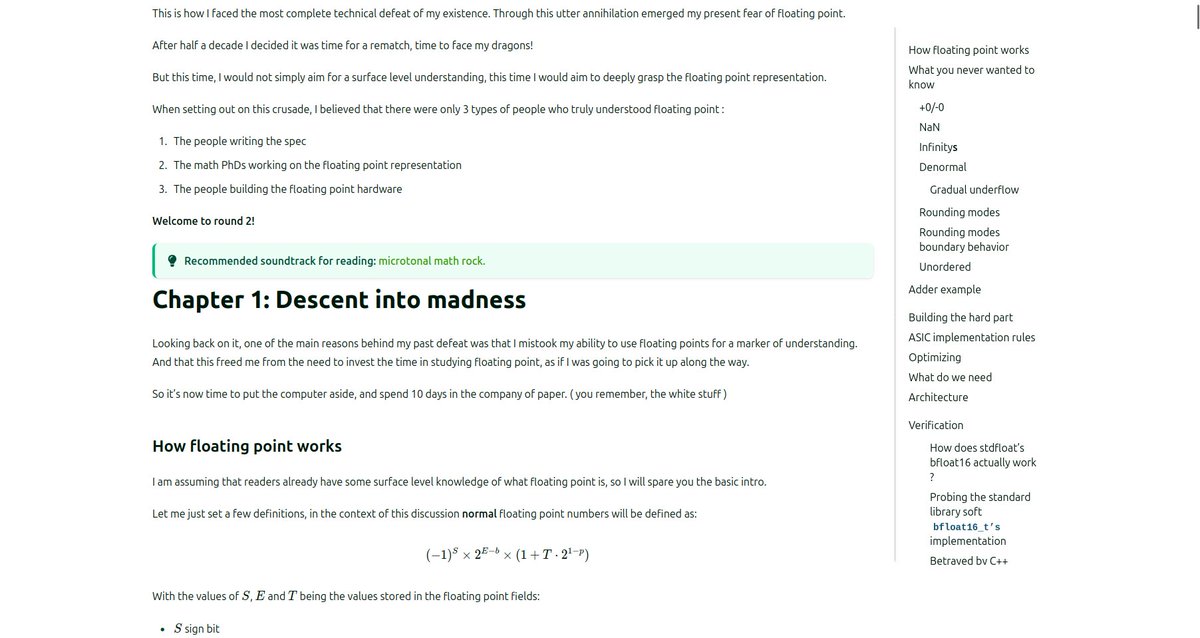
FPGAs inherently are interesting enough because you can sort of put any logical expression into a circuit and compute problems using it.
Checkout this piece of article written by @deeempak

3
42
3,170
May 14
A lot of comments on Shrike ask "what can you even do with 1K LUTs? It's too few" — and it always turns into a debate.
Here's the thing: if you can recognize that 1K LUTs isn't much for any big application, that's your proof of domain knowledge in FPGAs. But more than 95% of the people we interact with don't even know what an FPGA is. For them, 1K LUTs is more than enough to blink some LEDs, transmit some UART packets, and maybe build a basic SAP processor.
The learning curve is what we focus on with Shrike. After that, if they like it, they move to bigger FPGAs. Or maybe they get frustrated and never touch FPGAs again — that happens more than you'd imagine.
And you can never have enough LUTs. And a lot of application don't really need the amount of luts they use, have you tried optimizing your design ?
If you really want to know what you can do with 1K LUTs on Shrike, check this out: github.com/vicharak-in/shrik…
6
9
65
4,095
May 13
So what I am making is a remote FPGA server where I can program, use and debug my FPGA from wherever I want to.
2
9
2,076