
2,730 Photos and videos
Pinned Tweet

19 May 2023
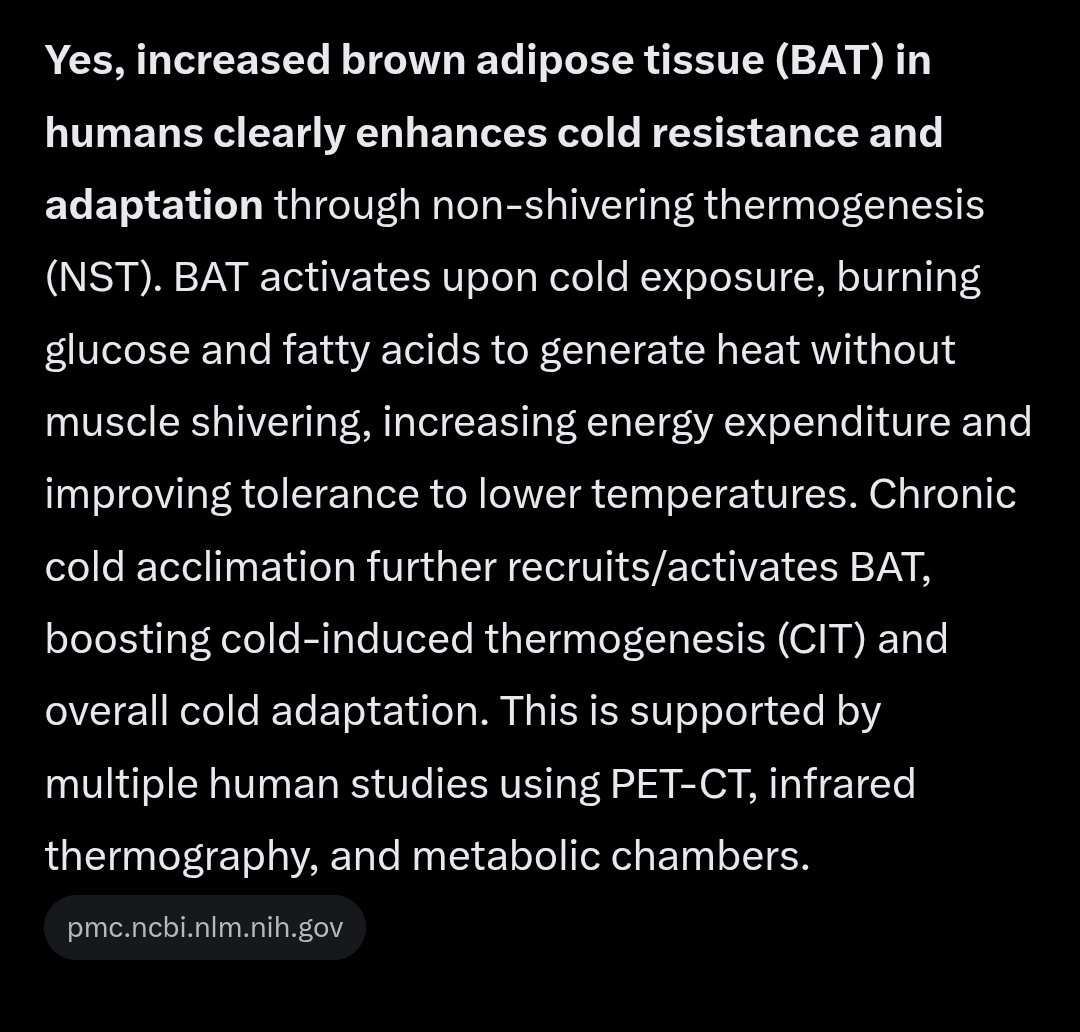
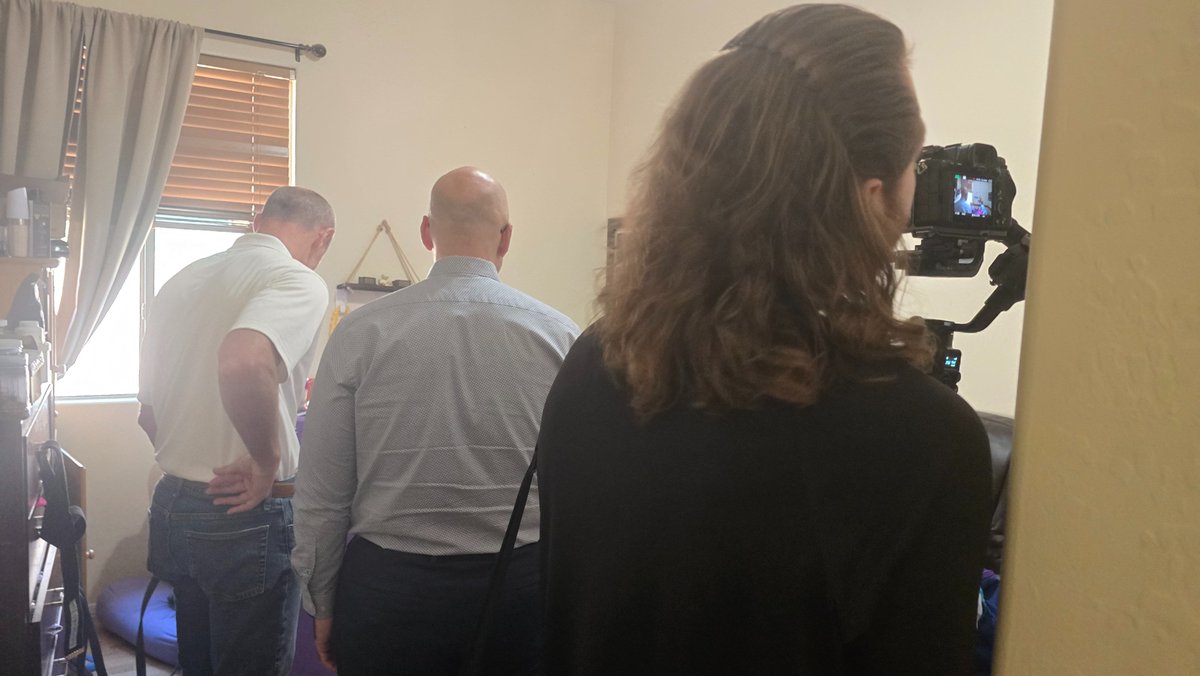
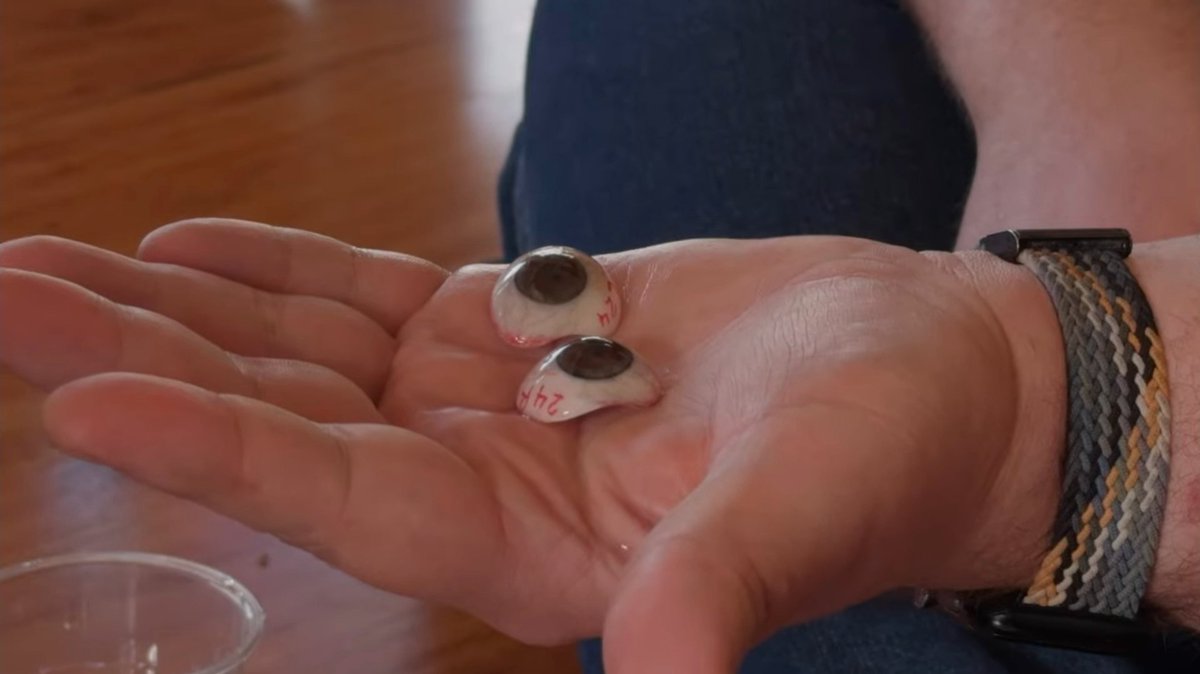
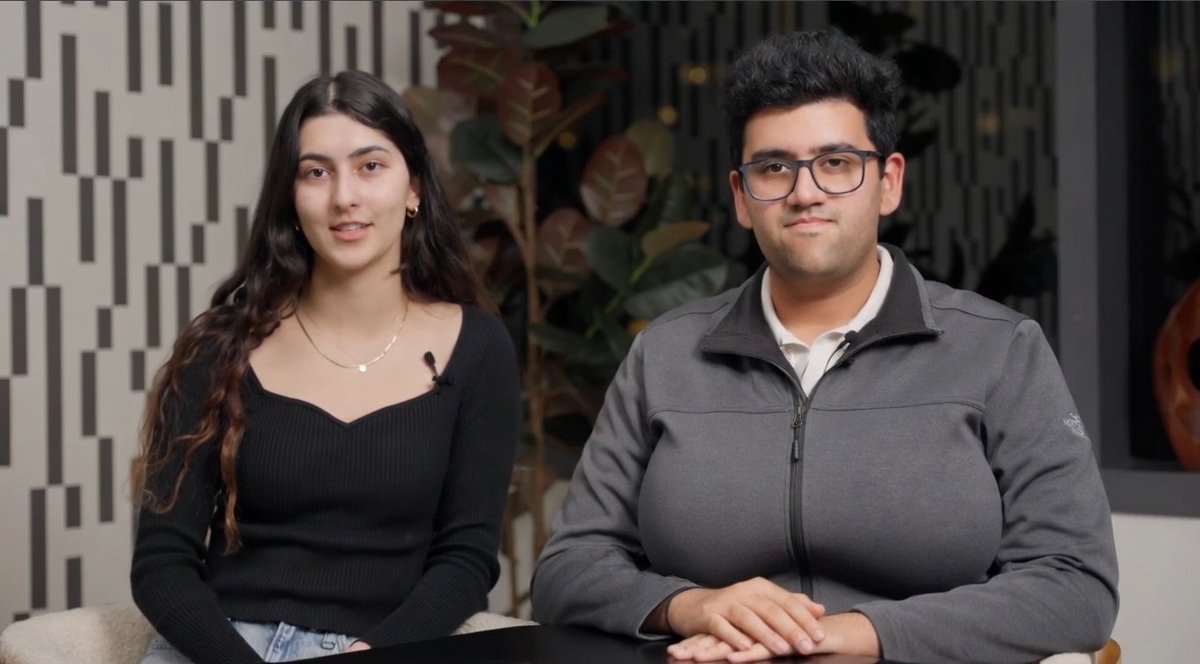
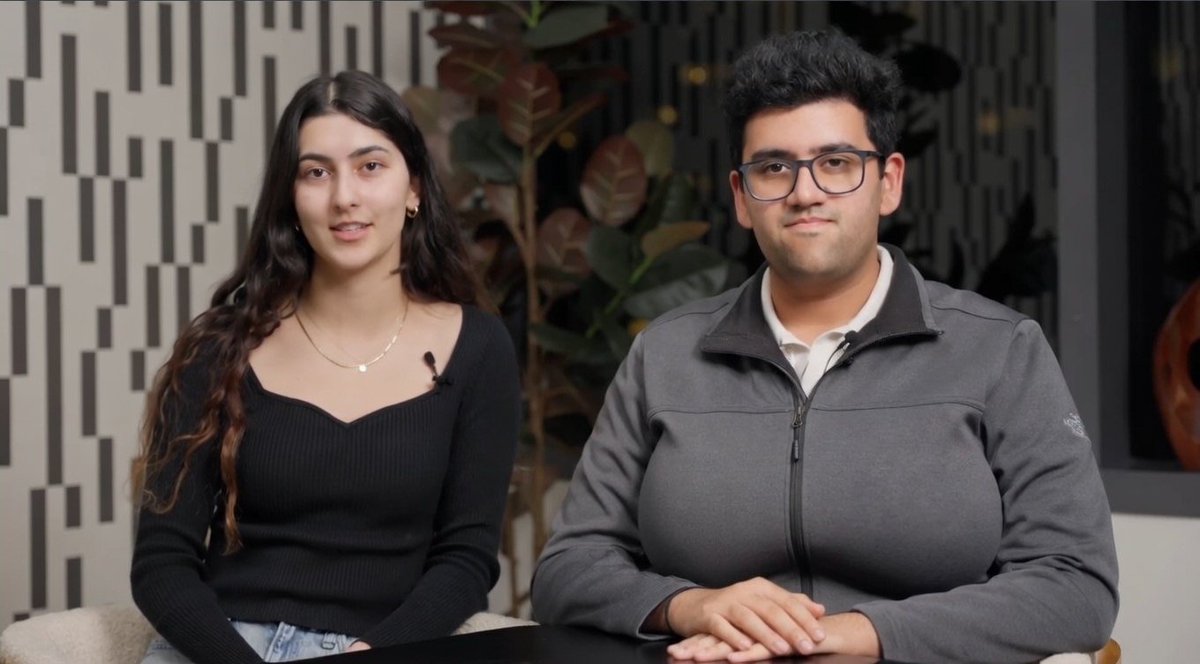
DMT Quest Documentary (Full Episode #1)
@elonmusk @joerogan @Graham__Hancock @DennisMcKenna4 @alexgreycosm @AubreyMarcus @BeckleyResearch
29
43
161
20,619
DMT Quest retweeted

Jun 13
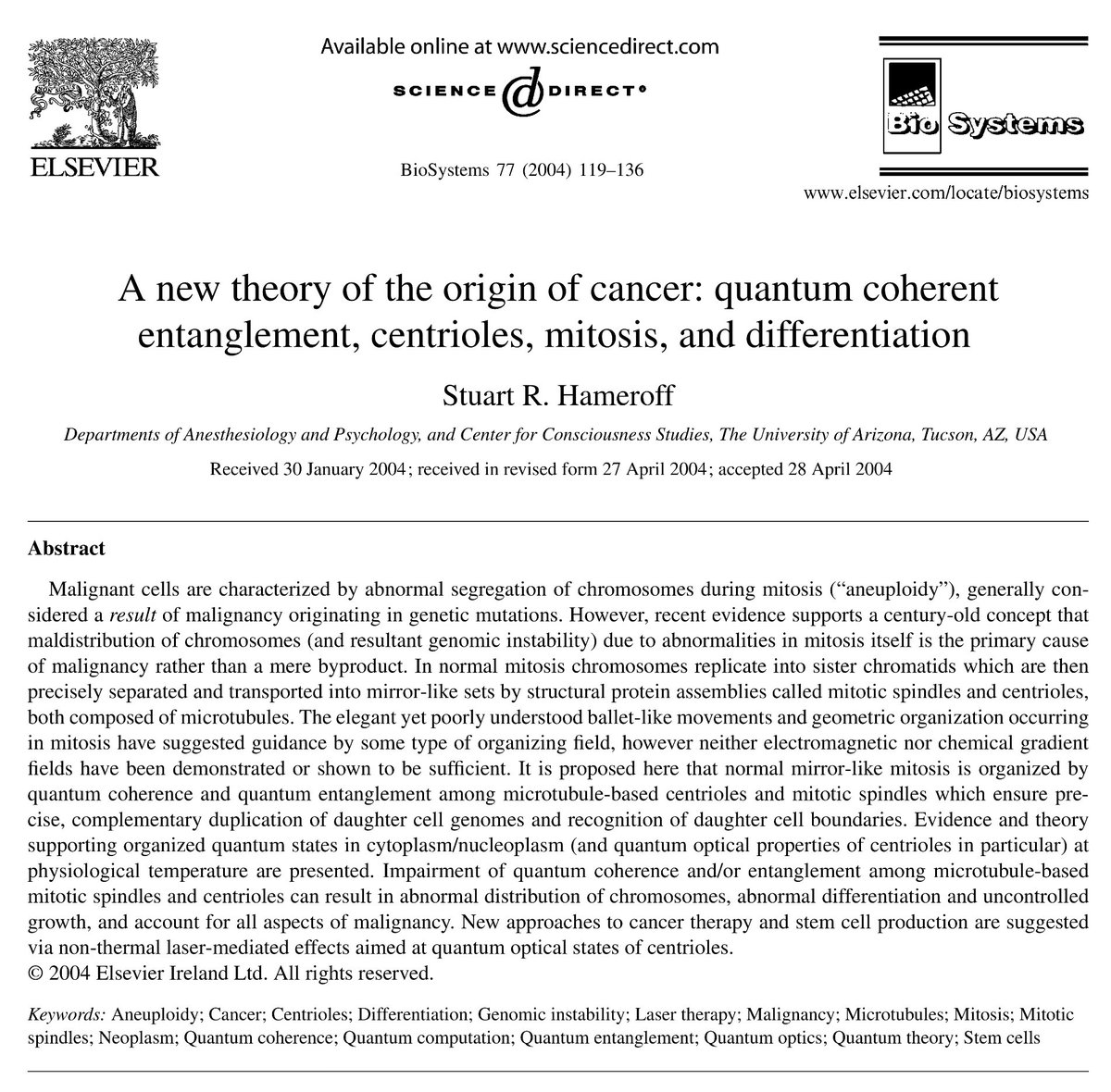
22 years ago.
The prescience of @StuartHameroff is unprecedented.
medicinaquantistica.info/wp-…
8
25
158
5,738
DMT Quest retweeted

Jun 12
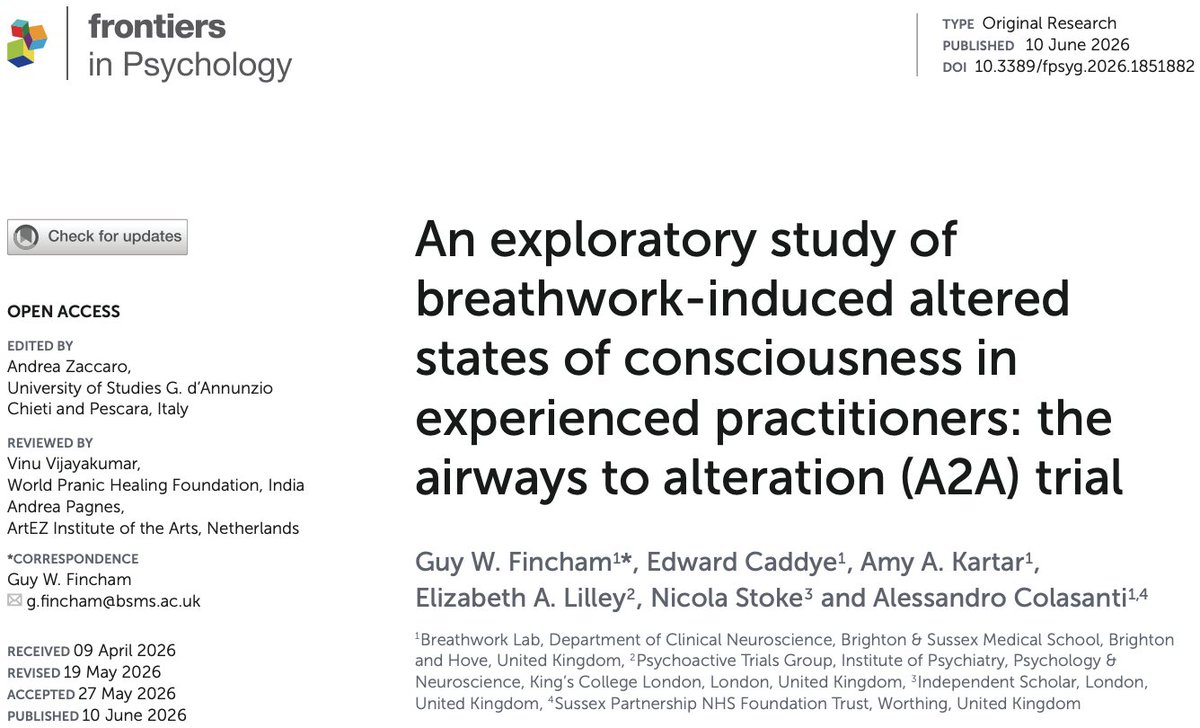
While this piece of (breath)work is a highlight for me, as a Decentralised Science Fellow it’s also important that I share the frustrating, boring details.
I submitted this breathwork paper to @NaturePortfolio @CommsPsychol who rejected it and offered to transfer it over to @SciReports a long time (over a year!) ago.
I have usually had good experiences with Sci Rep, but this time it took them 4 months to even find peer-reviewers.
I received one great review (endorsing publication) and one poor one; by #Reviewer2 - what a surprise (IYKYK).
The Sci Rep editor flat out rejected it. Either way, I revised the manuscript based on the reviewer suggestions.
Fortunately there was this amazing collection being launched by @FrontiersIn @FrontPsychol "Investigating the Interplay between Breathing and Consciousness". I guess it was meant to be.
Reviews were secured quickly (again, Reviewer 1 being very positive, and #Reviewer2 requiring the most changes). It was handled well by the Editor. The process ended up being seamless.
A lot has changed from the preprint to the final paper. This is what often happens during peer review. But I guess it’s worth it to get this important (breath)work out there.
Alternatives do exist. @ResearchHub and @ResearchHubF are trying to accelerate the pace of scientific research. I’m not going to tell people to join it anymore (that time will come when people are ready to open their mind to alternatives like DeSci). I have published in their @RHubJournal twice already.
Pay peer-reviewers. Pay researchers. Pay scientists.
(Not written by AI, lol).
Jun 10

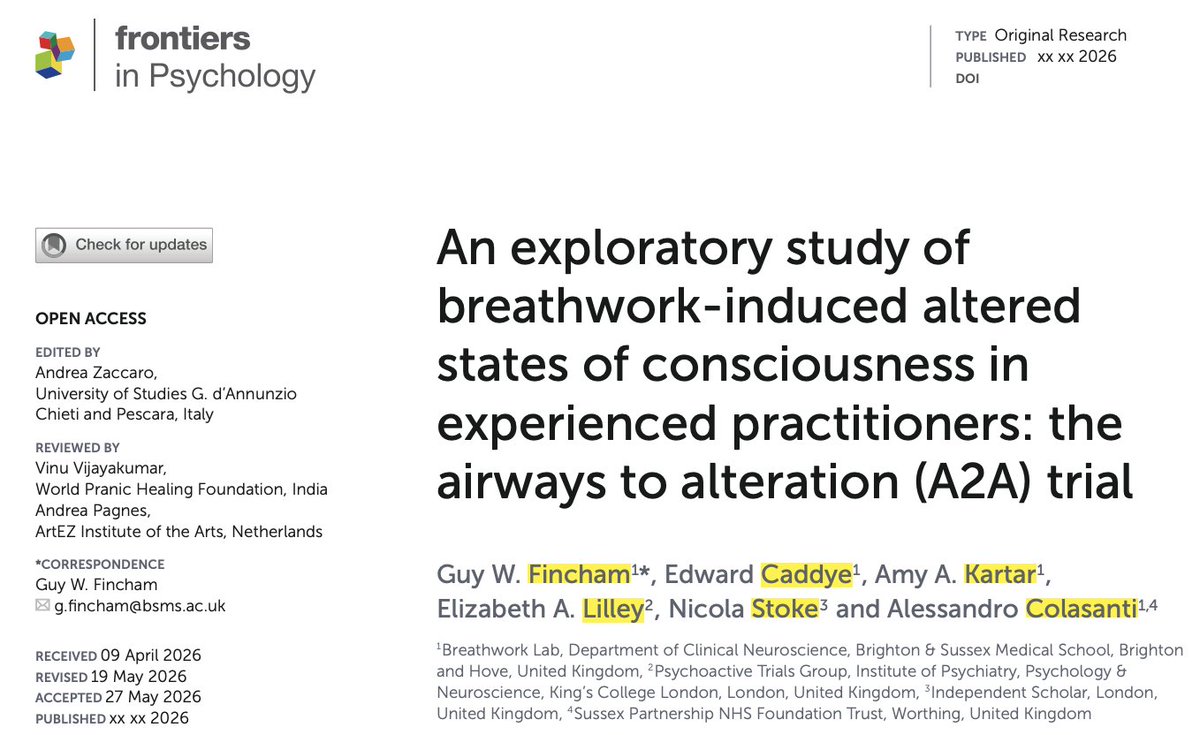
An exploratory study of breathwork-induced altered states of consciousness in experienced practitioners: the airways to alteration (A2A) trial
2
2
8
3,414
DMT Quest retweeted

Jun 11
I have heart surgery coming up next week and now understand why I’ve been so physically exhausted and out-of-sorts these past few months. The docs tell me my condition is called “atrial functional tricuspid regurgitation” and that it is “mainly due to long standing atrial fibrillation… The tricuspid valve is leaking severely, causing a back pressure on all the internal organs and a high jugular venous pressure.” The procedure aims to get this old body back on the road again quickly and efficiently. It is VERY LOW RISK but of course I’m grateful for any good wishes sent my way. I’m in the midst of writing a new book, the best work I’ve ever done, and I’m not going to let this stop me! I said yes to the linked podcast now, rather than after my procedure, for reasons that I explain during the interview:
youtube.com/watch?v=Xs94KBeI…
2,002
803
11,072
644,405
DMT Quest retweeted

Jun 11
Introducing the ResearchHub Funder Dashboard
Track the capital you've deployed, the researchers & institutions you've supported, and the latest updates on projects you've funded.
An all-in-one dashboard to track your impact 💪🥼
1
9
47
3,372
DMT Quest retweeted

Wim Hof @Iceman_Hof believes science focuses too much on textbook knowledge, instead of addressing the real-life problems that challenge society every day.
This is one of the reasons why we built @ResearchHub: to open a dialogue between science and the public, and keep researchers tuned in to the problems of our time.
4
2
27
665
Jun 10
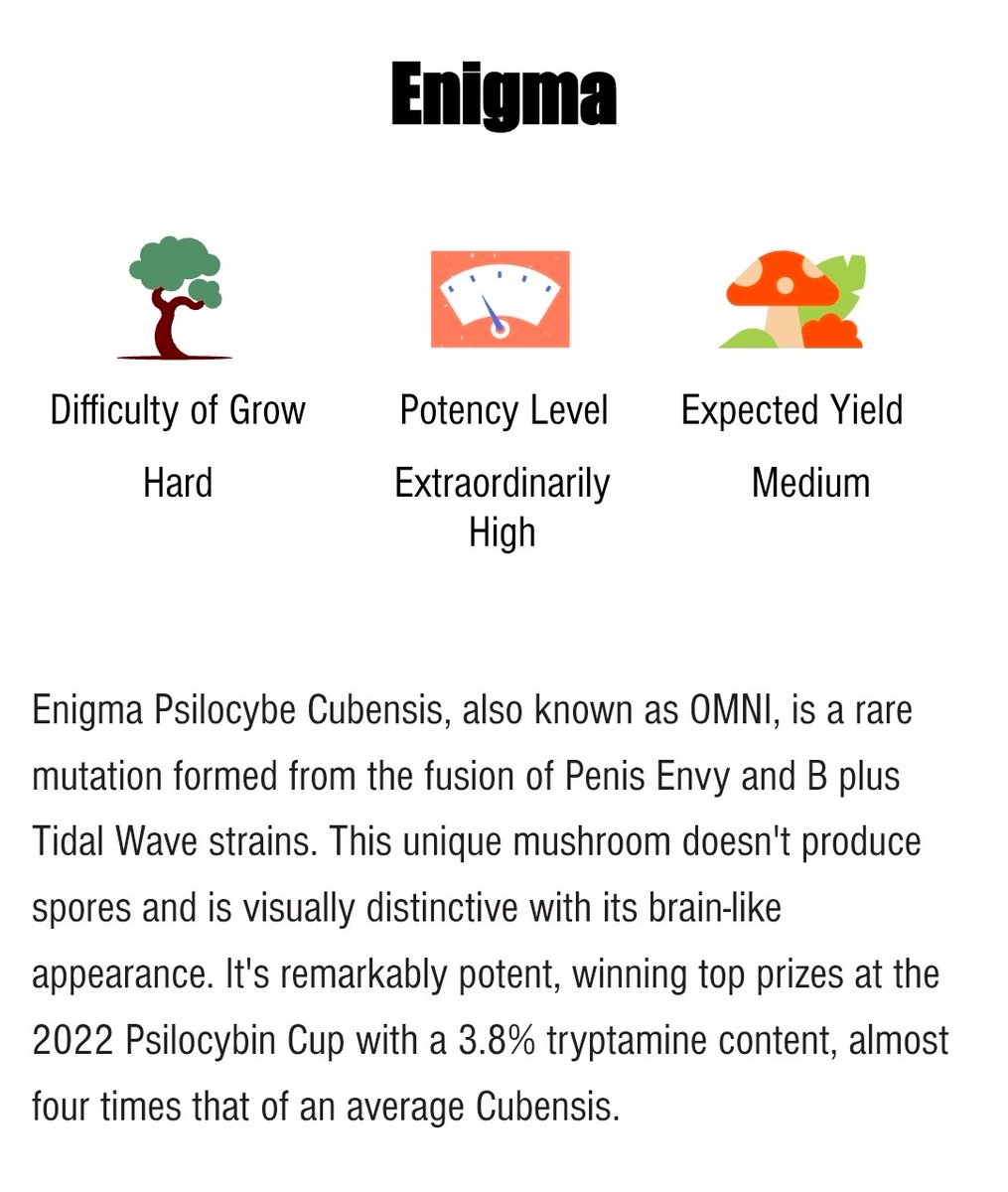
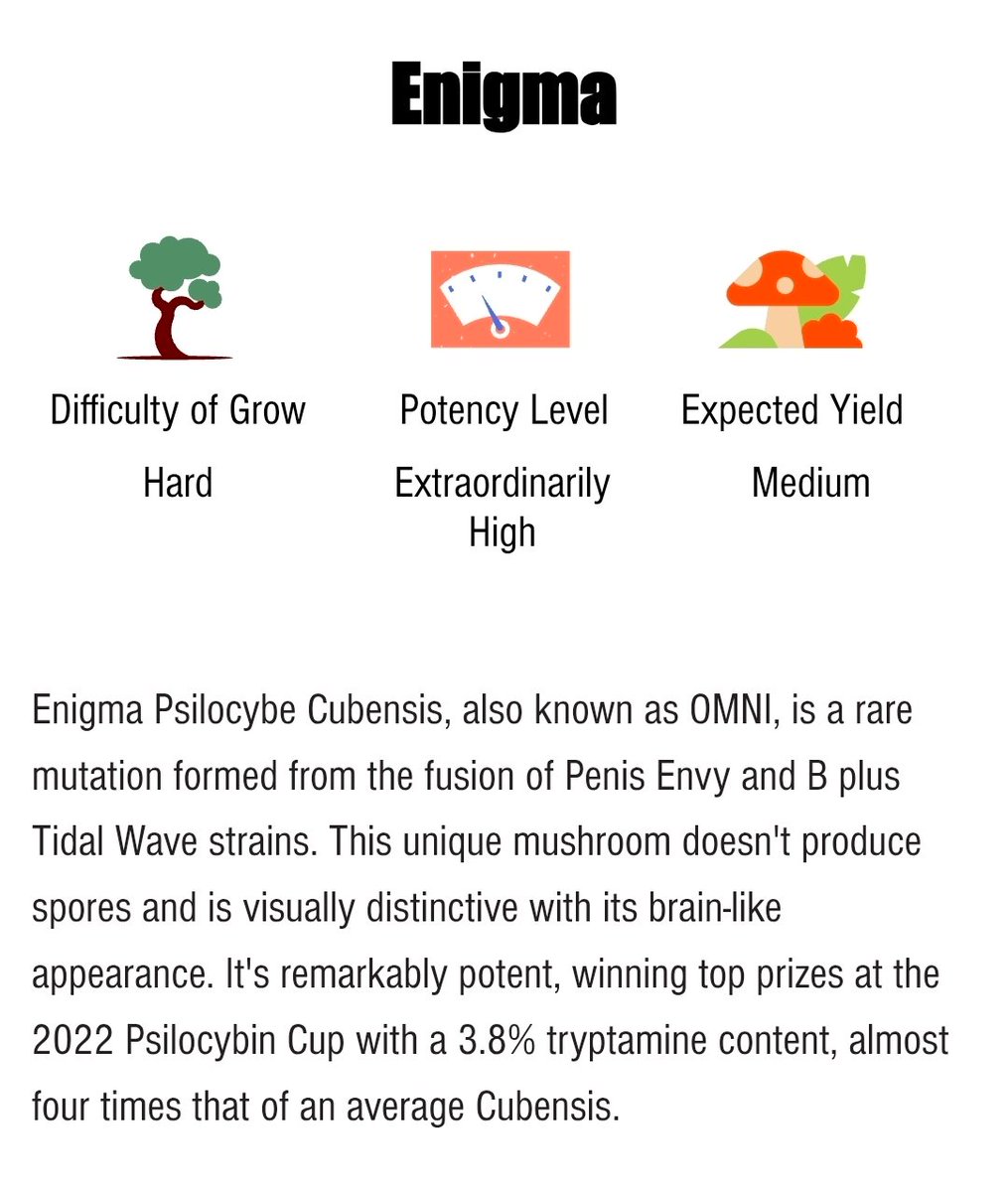
The recent case study of the 80 year old woman with Alzheimer's is wild. It was reported that she took Enigma strain... which is reportedly 4X more potent than Golden Teachers. Basically grandma took a 15 gram to 20 gram equivalent... wild!
Dose is everything
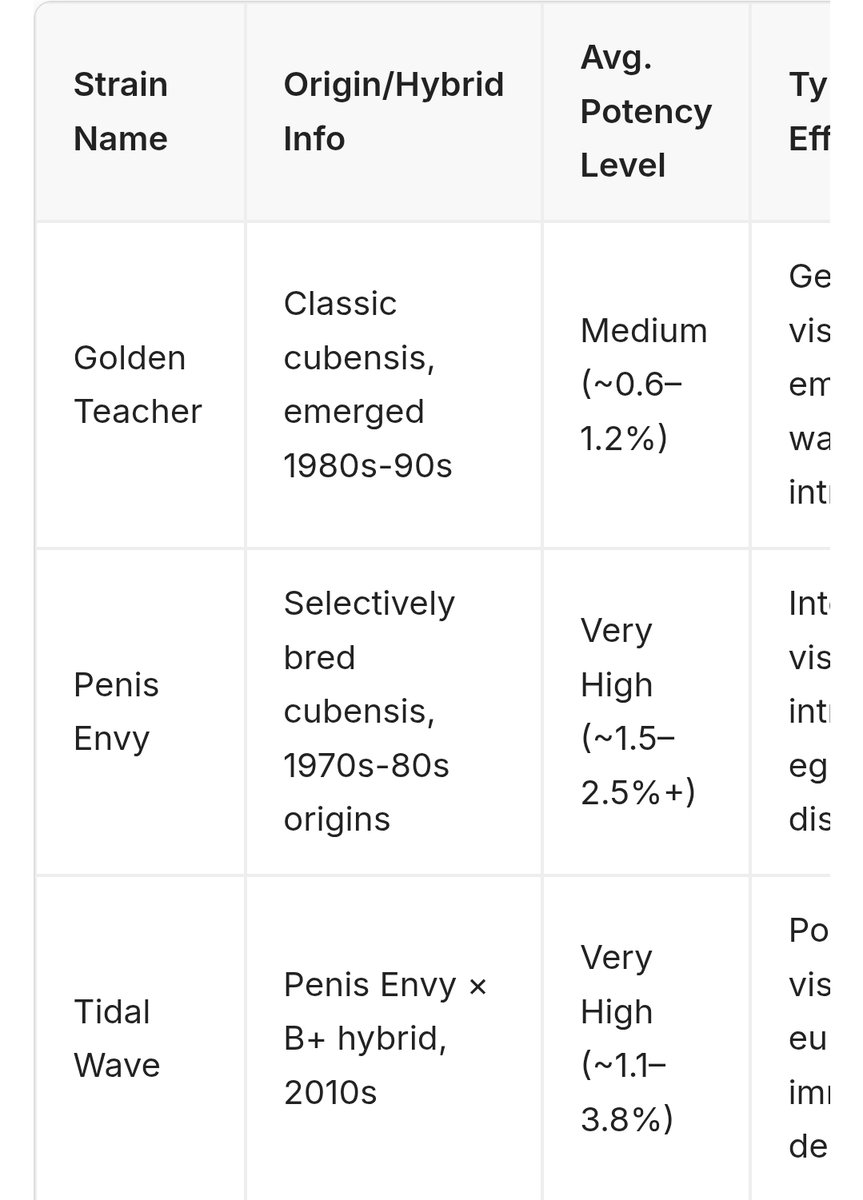
1
6
241
DMT Quest retweeted

Jun 7
When older folks seek out more and more sugary foods like candy, cookies and ice cream it often is a signal that the brain is becoming compromised and often precedes dementia
87
166
1,499
97,390
Jun 8
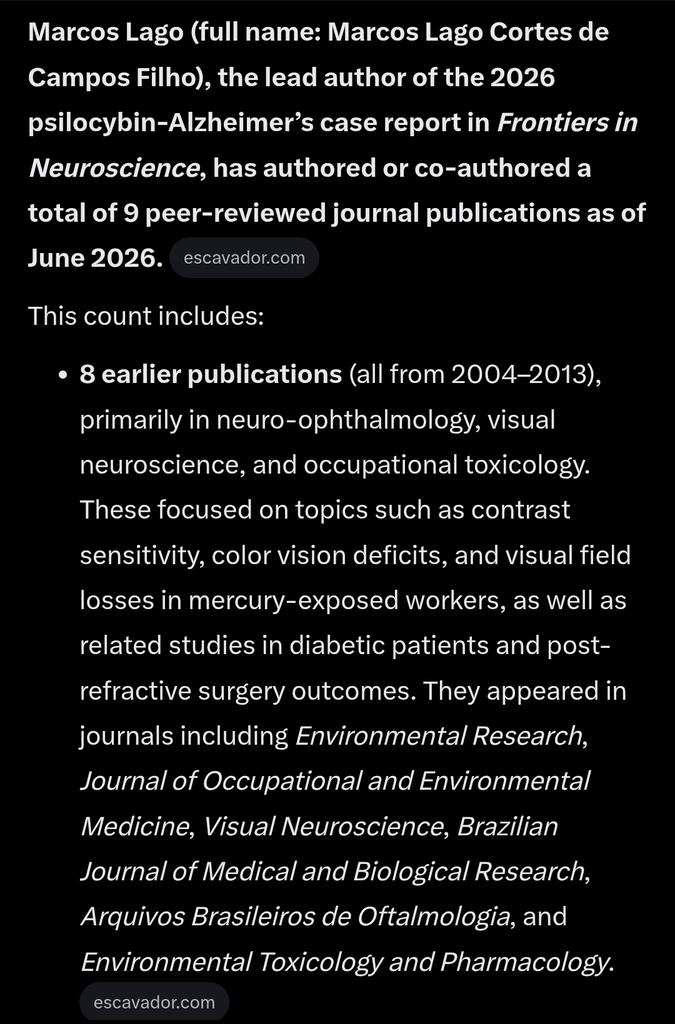
Interesting that the reactions of many people regarding this case study that the effect wasnt permanent and therefore were disappointed. Maybe the future of psychedelics for Alzheimer's disease is constant dosing for life much like many other classic medications such as blood pressure, cholesterol, diabetes medications, and hundreds of others. Whats wrong with that?
Huge Psilocybin Dose Has Incredible Effect on Elderly Dementia Patient : ScienceAlert share.google/pmIr0tCSs4HYKPp…
1
9
1,067
DMT Quest retweeted

Jun 6
This article has taken me more than three months to write, so it’s a little longer, and a little more intense than usual.

2
2
18
2,258
DMT Quest retweeted
2
13
44
5,980
DMT Quest retweeted
The institutions, infrastructure, and capital behind science are being reimagined.
Catalyst NYC brings together researchers and funders to explore what’s working, what’s next, and where the opportunities lie.
We’ll be discussing:
→ Alternative funding models
→ Open science infrastructure
→ Where philanthropy and venture capital meet research
→ How discoveries move from the lab to real-world impact
And much more. Full agenda coming soon.
📅 July 11
📍 NYC
#CatalystNYC is invite-only.
Request an invitation: luma.com/66yycaak
9
36
6,968
DMT Quest retweeted

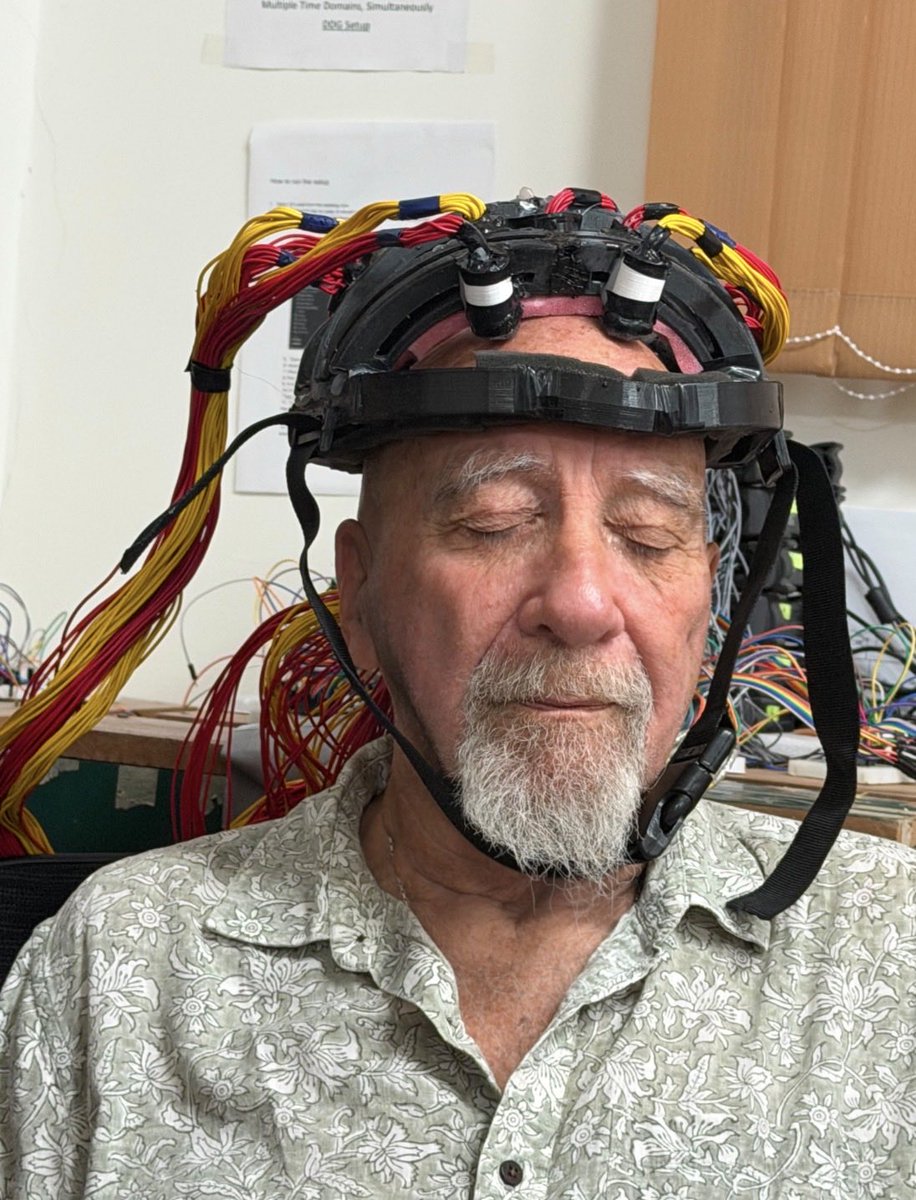
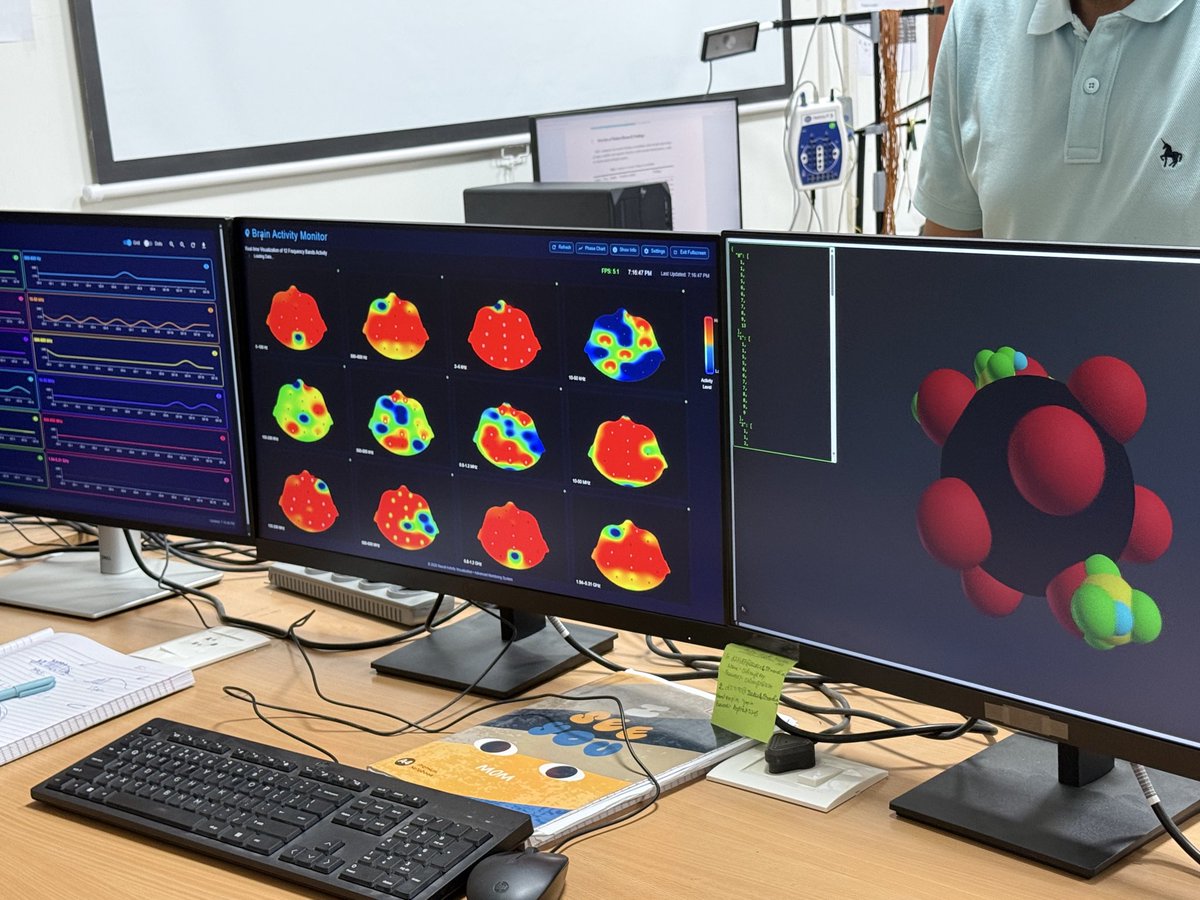
In Pushpendra Singh’s lab at IIT Mandi started by @anirbanbandyo
Me meditating with DDG device (left)
My DDG display (right). The number of clocks (within clocks within clocks) dropped to 137 (lower clock number means higher frequencies predominate)
27
28
229
8,185
DMT Quest retweeted

Jun 2
Before I published my papers and started lecturing nationwide, my story was first picked up by @haggertynancy with @lohud - thanks to @BiggestComeback
I had dropped my 5k time from 45 minutes to 19 minutes after losing 150lbs!
Read the story here…
lohud.com/story/sports/2018/…
4
37
3,951
DMT Quest retweeted

Near infrared light improves stroke recovery with just one treatment in clinical trial.
Within 24 hours of patients having a stroke, they were given a 808 nm at "20 predetermined locations on the scalp for 2 minutes at each site."
After 90 days, people with the light had:
➜ 58% greater NIHSS improvement (79% vs 50%)
➜ 40% greater mRS improvement (63% vs 45%)
Than those in placebo.
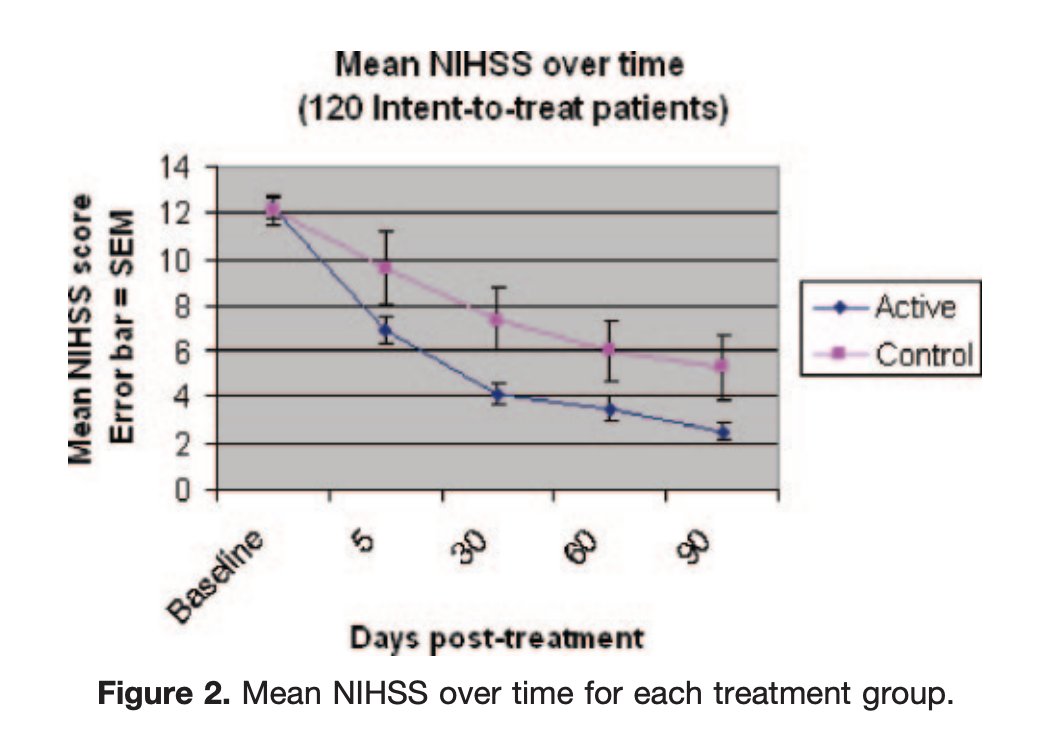
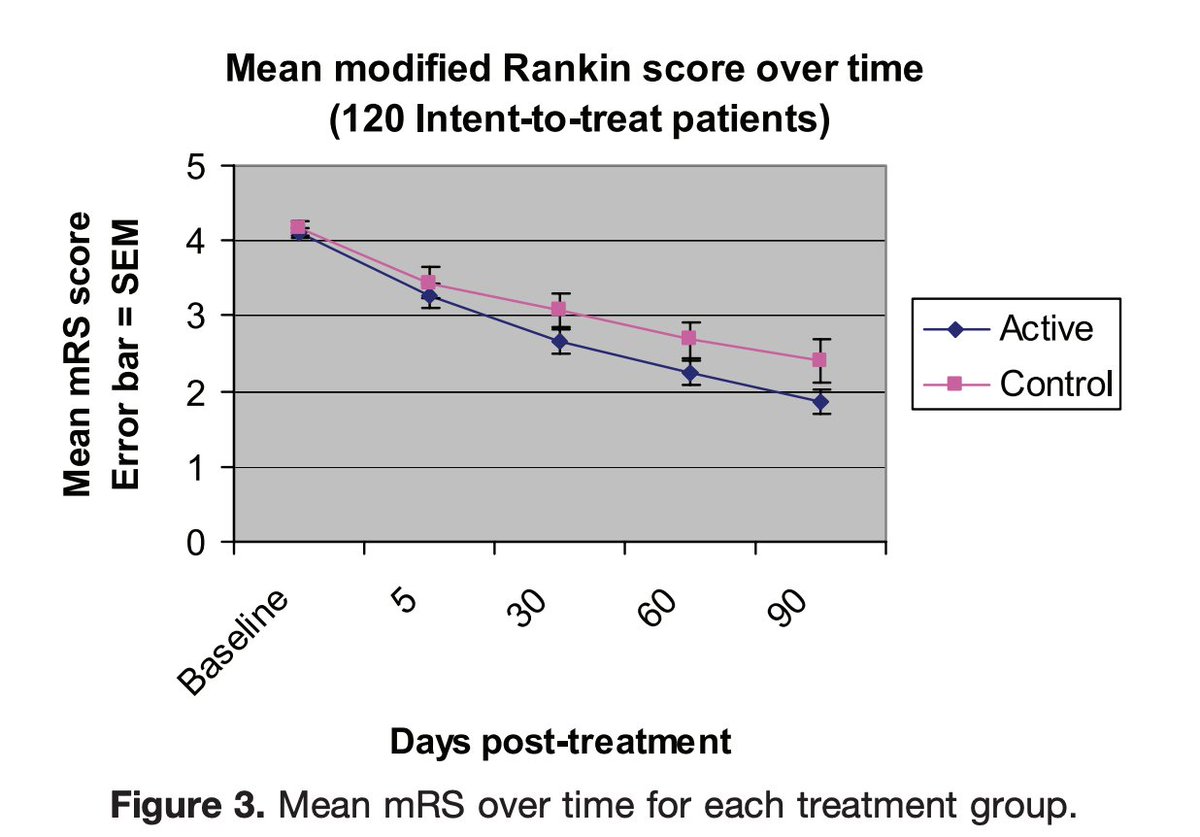

When looking at the actual scores of each we can see more clearly the improvement.
After 90 days, people with the light had:
➜ 58% greater NIHSS improvement (79% vs 50%)
➜ 40% greater mRS improvement (63% vs 45%)
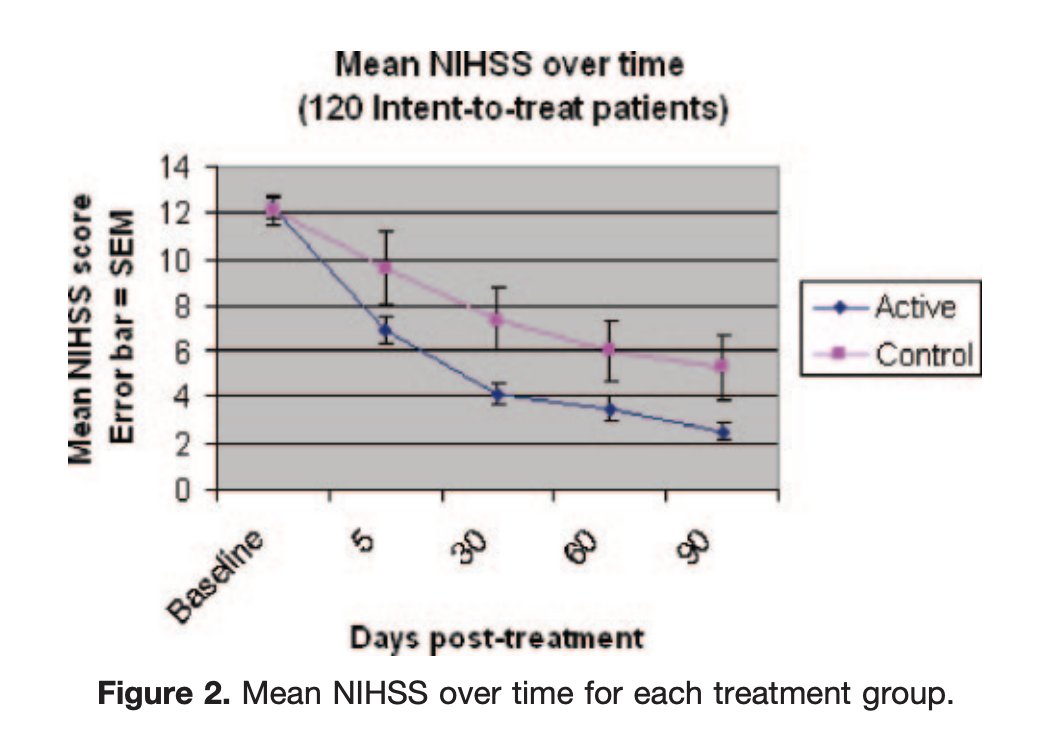
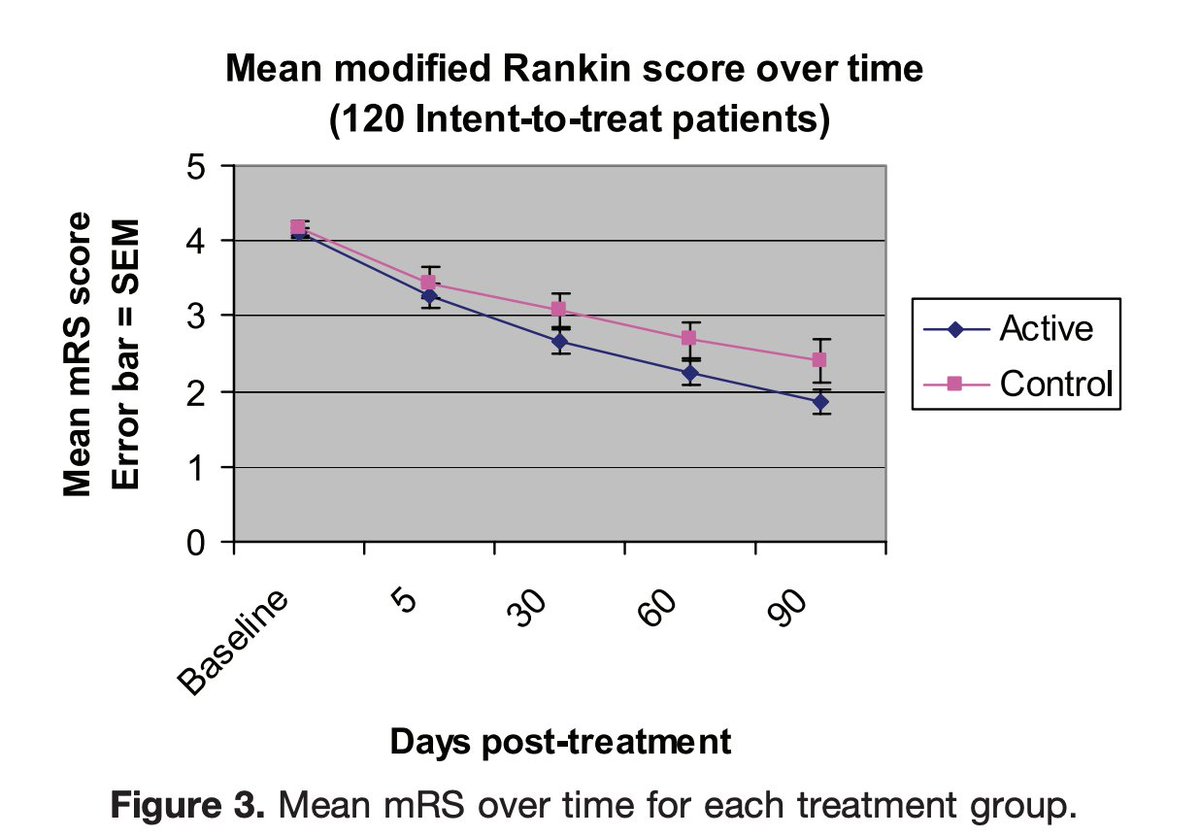
2
12
97
13,072
DMT Quest retweeted

What if the most powerful psychedelic on Earth isn't a drug we take, but a molecule your brain makes on its own?
Could microbiome derived DMT be the core driver in autism?
Dr. Christian Bogner sits down with Dr. Steven Barker (Prof. Emeritus, LSU). 50 years proving DMT is made inside us.
UC Davis, Stanford study underway.
Jump to any question 👇
0:00 Introduction
youtu.be/IFWHRrHRjtI?t=0
4:31 Who are you — and what sparked the hunt for endogenous DMT in 1976?
youtu.be/IFWHRrHRjtI?t=271
9:38 Did your early psychedelic experiences include DMT?
youtu.be/IFWHRrHRjtI?t=578
20:08 Did Freud and Einstein ever experiment with psychedelics?
youtu.be/IFWHRrHRjtI?t=1208
22:15 Your 1980 MAO work — if the body makes DMT, what's its purpose?
youtu.be/IFWHRrHRjtI?t=1335
23:03 "Low levels of DMT" — why was just finding it exciting?
youtu.be/IFWHRrHRjtI?t=1383
23:38 Reading DMT off the early chromatography plates
youtu.be/IFWHRrHRjtI?t=1418
27:13 The raw synthesis of DMT, step by step
youtu.be/IFWHRrHRjtI?t=1633
29:35 Hydroxylate serotonin and you get bufotenin — explain that
youtu.be/IFWHRrHRjtI?t=1775
32:56 Indoleacetic acid (IAA) on functional-medicine testing
youtu.be/IFWHRrHRjtI?t=1976
34:07 The 1981 review & the bottlenecks to measuring DMT (Ethan McIlhenny)
youtu.be/IFWHRrHRjtI?t=2047
41:51 From radioactive tracers to LC-MS/MS — DMT in living brain (Strassman & Borjigin)
youtu.be/IFWHRrHRjtI?t=2511
43:57 Could you really run 24 compounds at once?
youtu.be/IFWHRrHRjtI?t=2637
50:52 DMT found in rat brain — how fast did you call Rick?
youtu.be/IFWHRrHRjtI?t=3052
52:53 What does DMT do at the 5-HT2A receptor?
youtu.be/IFWHRrHRjtI?t=3173
53:42 Why an exogenous dose is an "overdose"
youtu.be/IFWHRrHRjtI?t=3222
1:01:13 DMT for intractable depression — immediate, lasting relief
youtu.be/IFWHRrHRjtI?t=3673
1:03:16 Is DMT behind deep REM sleep & the glymphatic system?
youtu.be/IFWHRrHRjtI?t=3796
1:05:34 Why do schizophrenics get less cancer? DMT & the immune system
youtu.be/IFWHRrHRjtI?t=3934
1:09:20 A new drug class: psychoplastogens / PIPIs (David Olson)
youtu.be/IFWHRrHRjtI?t=4160
1:09:58 The autism hypothesis: is DMT / tryptamine produced in excess?
youtu.be/IFWHRrHRjtI?t=4198
1:11:37 Chronic low-dose tryptamine — tolerance or constant overstimulation?
youtu.be/IFWHRrHRjtI?t=4297
1:12:47 Autism: No brain damage on MRI, but hyperconnectivity — why?
youtu.be/IFWHRrHRjtI?t=4367
1:17:12 Can people even talk on DMT? Is it social?
youtu.be/IFWHRrHRjtI?t=4632
1:18:14 Are the entities in our heads — or something bigger?
youtu.be/IFWHRrHRjtI?t=4694
1:19:23 Set, setting & the "machine elves"
youtu.be/IFWHRrHRjtI?t=4763
1:21:40 "How can we quickly reverse this?" — about the suffering child
youtu.be/IFWHRrHRjtI?t=4900
1:21:56 Inside the UC Davis / Stanford study (nonverbal autism, ages 10–30)
youtu.be/IFWHRrHRjtI?t=4916
1:22:47 The real-world impact if we can measure — and treat — this
youtu.be/IFWHRrHRjtI?t=4967
1:24:51 The internal 5-HT2A "psychedelic receptor" — why risperidone & Abilify fall short
youtu.be/IFWHRrHRjtI?t=5091
1:26:10 The Golgi apparatus & the brain's growth machinery
youtu.be/IFWHRrHRjtI?t=5170
1:27:01 Tryptamine always high: urinary tests & the microbiome (TDC) link
youtu.be/IFWHRrHRjtI?t=5221
1:28:17 "It can't reach the brain because of MAO" — the slow-MAO answer
youtu.be/IFWHRrHRjtI?t=5297
1:29:25 Does DMT even need to reach the brain? The gut & vagus nerve
youtu.be/IFWHRrHRjtI?t=5365
1:29:56 Steve's new book: "Reality Shadow"
youtu.be/IFWHRrHRjtI?t=5396
1:31:40 Are we on the right track?
youtu.be/IFWHRrHRjtI?t=5500
1:33:48 Final word — "keep an open mind"
youtu.be/IFWHRrHRjtI?t=5628
Full video:
youtube.com/watch?v=IFWHRrHR…
@SecKennedy @HHSGov @DrJBhattacharya @ChildrensHD @MedMAPS @joeroganhq @elonmusk @drdanajohnson @NicoleShanahan @NCIUniversity @albertbrookdonj @AgeofAutism @BrianHookerPhD @lifebiomedguru @RWMaloneMD @delbigtree @HighWireTalk @ASDisBiomedical @ZaharakisAlex @dmt_quest
4
15
1,606
DMT Quest retweeted

Jun 2
"When you compare the ratios of the other neurotransmitters to DMT, you find they are consistent with levels of the other canonical neurotransmitters."
"There was one DMT molecule for every 0.95 serotonin molecule. They also found more DMT present than dopamine."
"The idea that in order for someone to experience a psychedelic state from endogenous DMT requires the same amount that you have to administer from the periphery, is ludicrous."
David Nichols, the most respected psychedelic chemist alive, says endogenous DMT is irrelevant. Barker says Nichols is wrong, after speaking to both... Well, I'll let you decide.
Episode links below, drop a comment what you think is the role of endogenous DMT ⬇️
3
16
59
6,185
Jun 2
Melatonin & Zinc to regenerate the thymus?

The Most Overlooked Organ in Aging?
1/6) A recent study in Nature, one of the world's top scientific journals, left me stunned.
Here's the punchline: The thymus, a largely overlooked organ that sits behind your breastbone, might be one of the most important organs for human longevity. In fact, individuals with healthier thymic function had a roughly 50% lower risk of death.
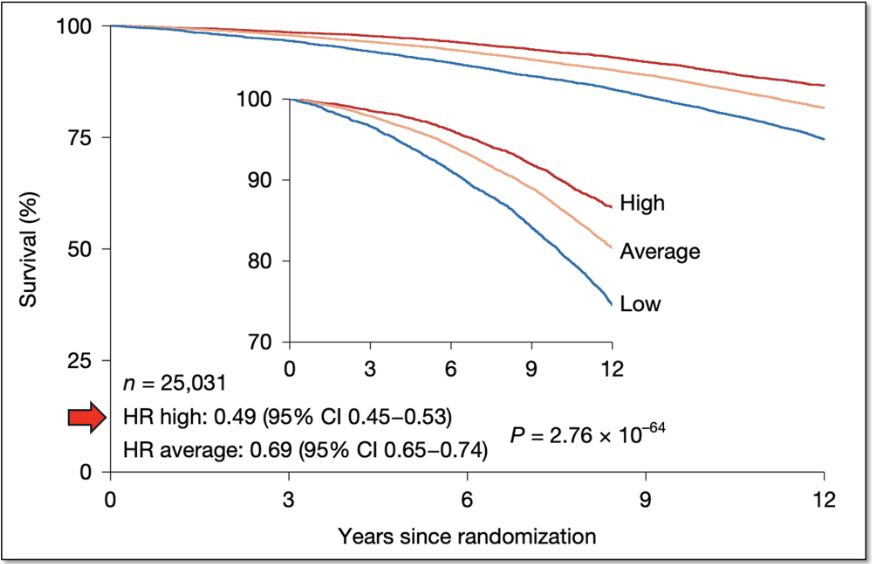
1
148